Serving East Lansing, MI & nearby
(517) 271-1723
East Lansing, MI

Why So Many East Lansing Garage Doors Still Lack Real Insulation

East Lansing homes went up mostly between 1945 and 1994, before today's insulation rules. Here's what that means for your garage door, spring, and opener.

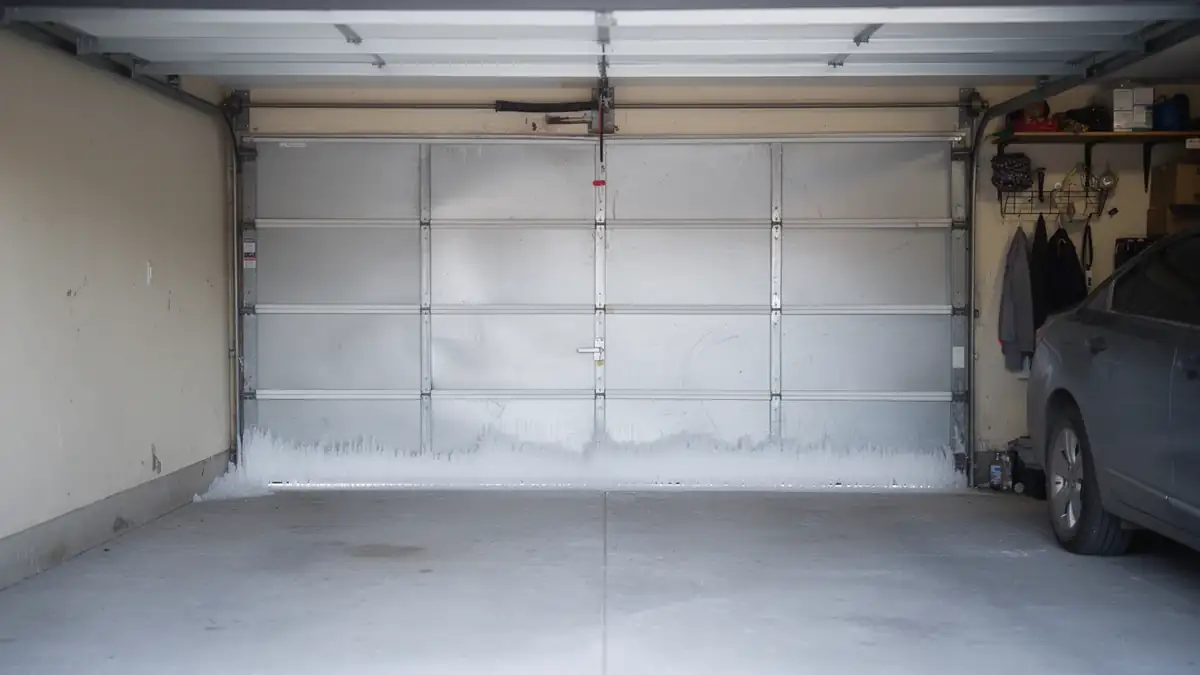
The garage door has ice and icicles along the bottom.

The Situation

Most houses in East Lansing's older neighborhoods went up between 1945 and 1994, with the typical home dating to around 1976. That means a lot of these houses still have doors installed during original construction, or close to it - steel skin over nothing, maybe a thin vinyl strip at the bottom, no thermal break anywhere in the panel. Across the 22 named areas that make up this market, most of the stock is 1960s and 70s construction, built during a stretch when nobody was writing insulation requirements for garage doors into code. That matters because East Lansing sits in a climate zone the federal data classifies as cold, with severe winter exposure. Put an uninsulated 1970s door on a house in a climate like this and you've got a steel panel acting as the only barrier between a heated house and single-digit air, cycling open and shut through freeze-thaw for forty or fifty years. The doors weren't built wrong for their time. They were built for a building code that didn't ask them to hold heat. The problem shows up now, decades later, as rust at the bottom panel, hardware that's stiffened up, and heating bills that don't add up until you notice the garage door is basically a hole in the wall.

What Most People Get Wrong

The common move is to add weatherstripping and call it solved. New bottom seal, new side seals, maybe some foam tape around the top panel - and the draft is still there because the panel itself has no insulation value, just steel. Weatherstripping stops air leaking around the door. It does nothing for the door conducting cold straight through the metal. The other mistake is assuming any retrofit insulation kit will bring an old door up to modern standards. Here's the honest limitation: foam board glued into the back of a door built in 1968 adds some value, but it's not close to what a true insulated door with a thermal break delivers, and it won't fix a door that's already racked, bowed, or running on dead springs. If the door is old enough to be original to a 1960s or 70s build, insulation retrofit is a stopgap, not a fix. Sometimes it's the right stopgap - a tight budget year, a door that's otherwise sound. Sometimes you're better off putting that money toward replacement instead of improving a door that's going to need replacing in a few years regardless.

How Local Conditions Play In

Cold, severe winters do specific things to a door built before insulation rules existed. Steel contracts in the cold, so an uninsulated panel that fit tight in August can develop gaps by January - gaps that let in both air and moisture. That moisture condenses on the warmer inside face of the panel, and over enough winters that's where you get rust starting at the bottom corners, right where the door meets the slab. Torsion springs also see more cycles of extreme tension change in a cold climate than they would somewhere milder, because cold steel is less forgiving under load, which shortens spring life on doors that are already decades old. Across the service area's 27,559 owner-occupied houses, a door built during that same 1945-to-1994 stretch is often doing double duty as the only insulated barrier between an unheated garage and a Michigan winter, whether the original owner thought about it that way or not. With median household income here at $75,707, a lot of owners are weighing a modest weatherstrip fix against a full insulated replacement, and the math isn't obvious either way - it depends on the door's actual condition, not just its age.
When to Get Help

Call when you can see daylight around the edges of a closed door, when ice is forming on the inside of the panel, or when the bottom corners have started to rust through rather than just surface-stain. Those are signs the door has stopped doing its job as a barrier, not just a cosmetic issue. Also worth a call if a door built in that 1945-to-1994 window is making noise it didn't used to make - that's often a spring nearing the end of its cycle life, and in a cold climate a spring failure tends to happen on the coldest day of the year, not the mildest. We don't do a lot of cosmetic-only work on doors that are structurally past their service life - if the panel is bowed or the track is bent from age, insulation upgrades aren't worth doing first. Get the door itself assessed before spending on weatherstripping or foam kits. On a house with a door this old, the question usually isn't whether to spend money, it's whether that money goes toward a patch or a replacement.

How it works

From “it’s stuck” to “it’s fixed”

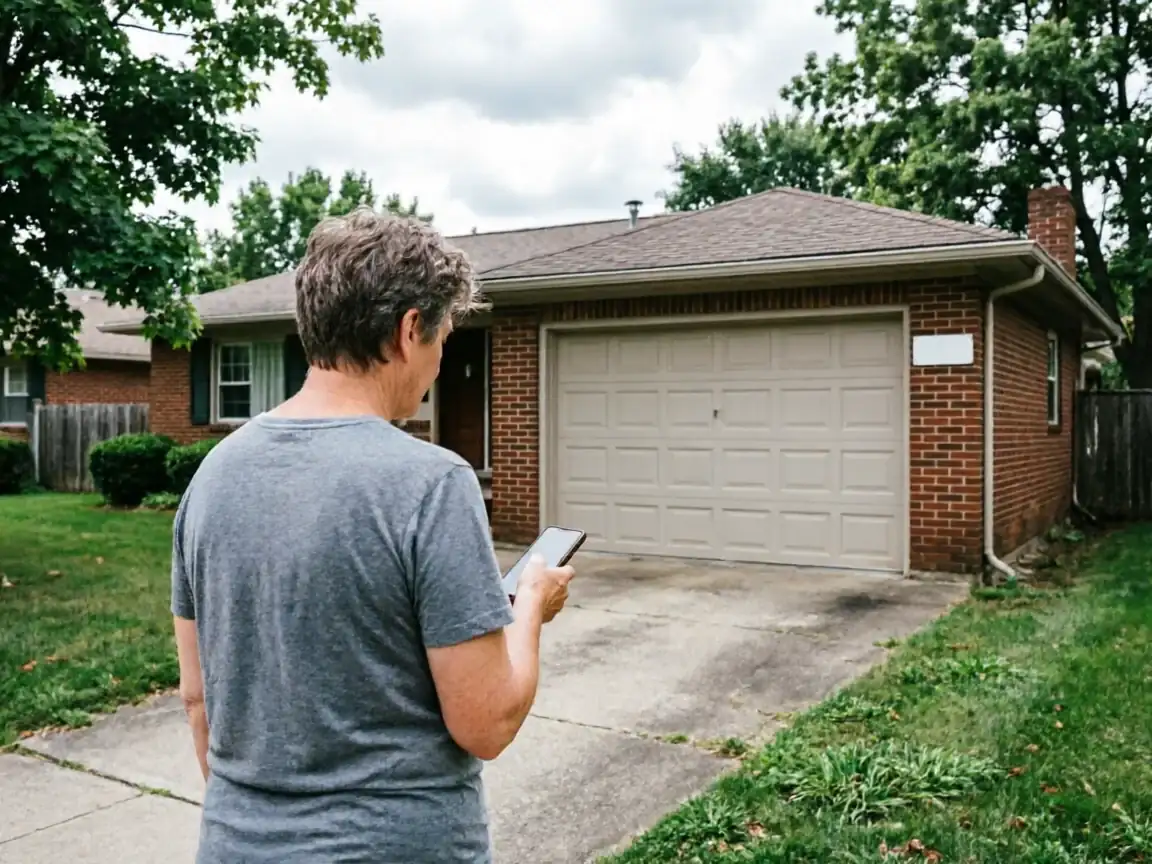
A person stands in a driveway looking at a phone with a house and garage in the background.

Tell us what’s wrong

Describe the symptom - won’t open, loud bang, opener runs but the door won’t move.

A technician shines a flashlight on a garage door torsion spring.

On-site diagnosis

A technician tests the door under power and by hand and finds what actually failed.

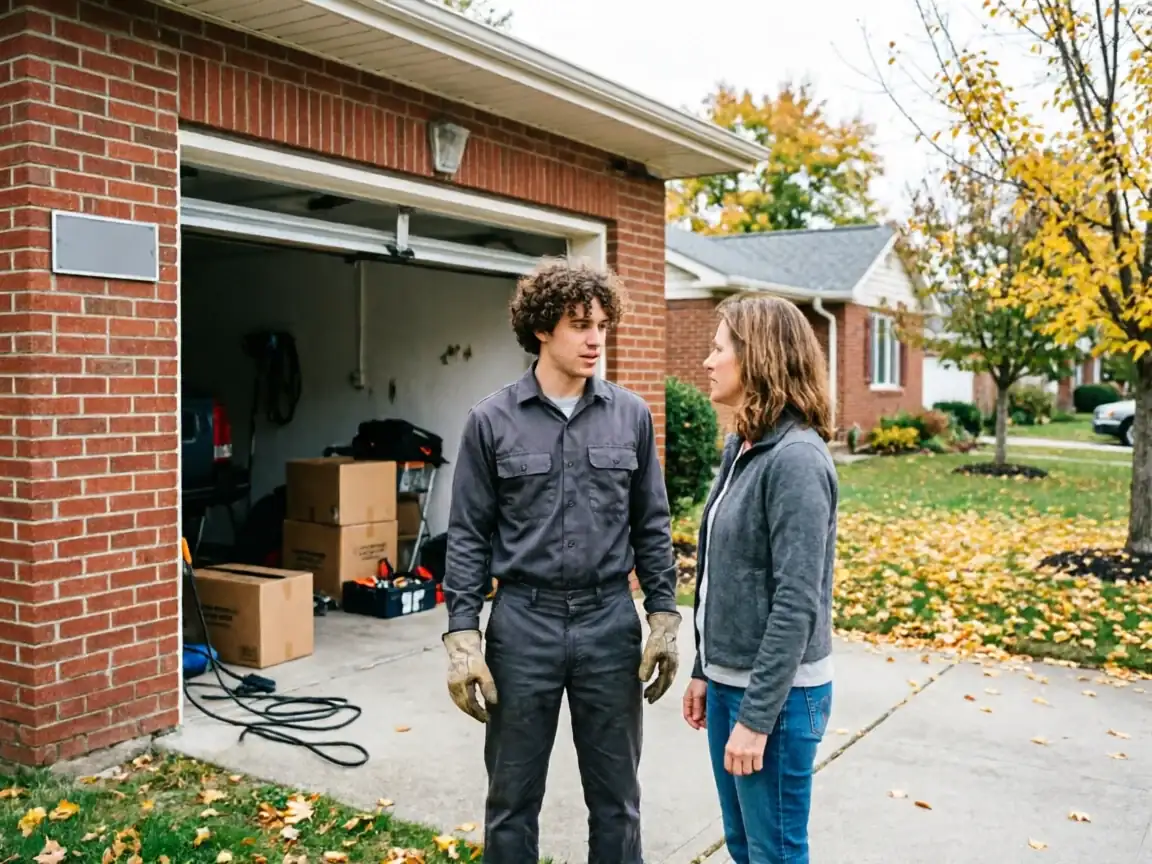
A technician in work clothes talks to a woman in front of an open garage.

Clear, up-front plan

You get the fix that’s needed and what drives the cost - before any work starts.

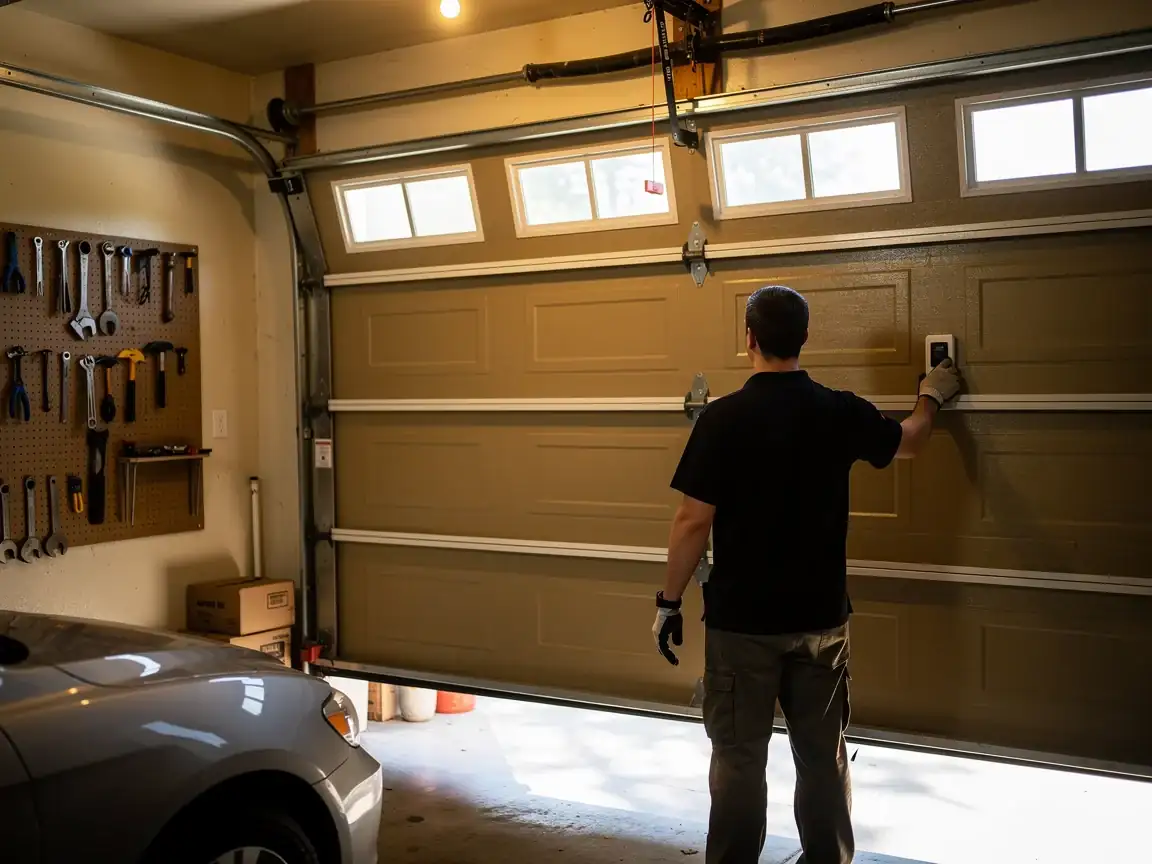
A technician in gloves operates a tan garage door with windows.

Repaired & tested

The repair is done, the door is set true and tested, and the work area left clean.

Not sure which repair your door needs in East Lansing, MI? Describe what it’s doing - every job starts with a diagnosis.

How we work

What to expect

  • Diagnosis firstEvery visit starts by finding what actually failed - not a pre-written parts list.
  • The right part for the doorSprings and openers matched to the door’s weight and age, so the fix holds up.
  • Straight answersWhen a repair makes more sense than a replacement - or the reverse - you hear it plainly.
  • Clean, careful workTension released safely, hardware set true, the door tested under power before we leave.
What we do

Garage Door Services

Repair and installation work for East Lansing homes and businesses.

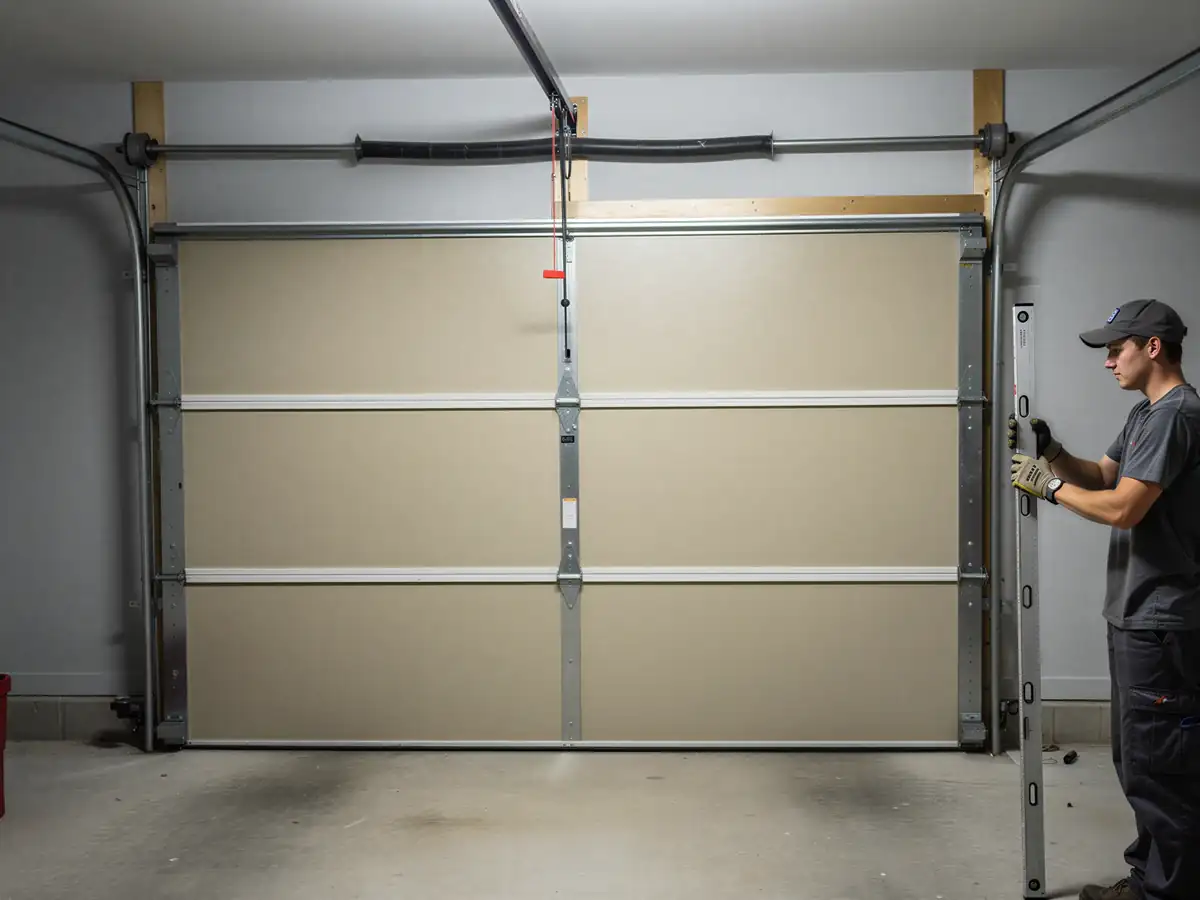
A technician uses a level to adjust a beige garage door.

Garage Door Repair

Garage door repair in East Lansing, MI for homes built 1945-1994. Cold-climate spring failures, track issues, and honest advice on repair versus replacement.

Learn more
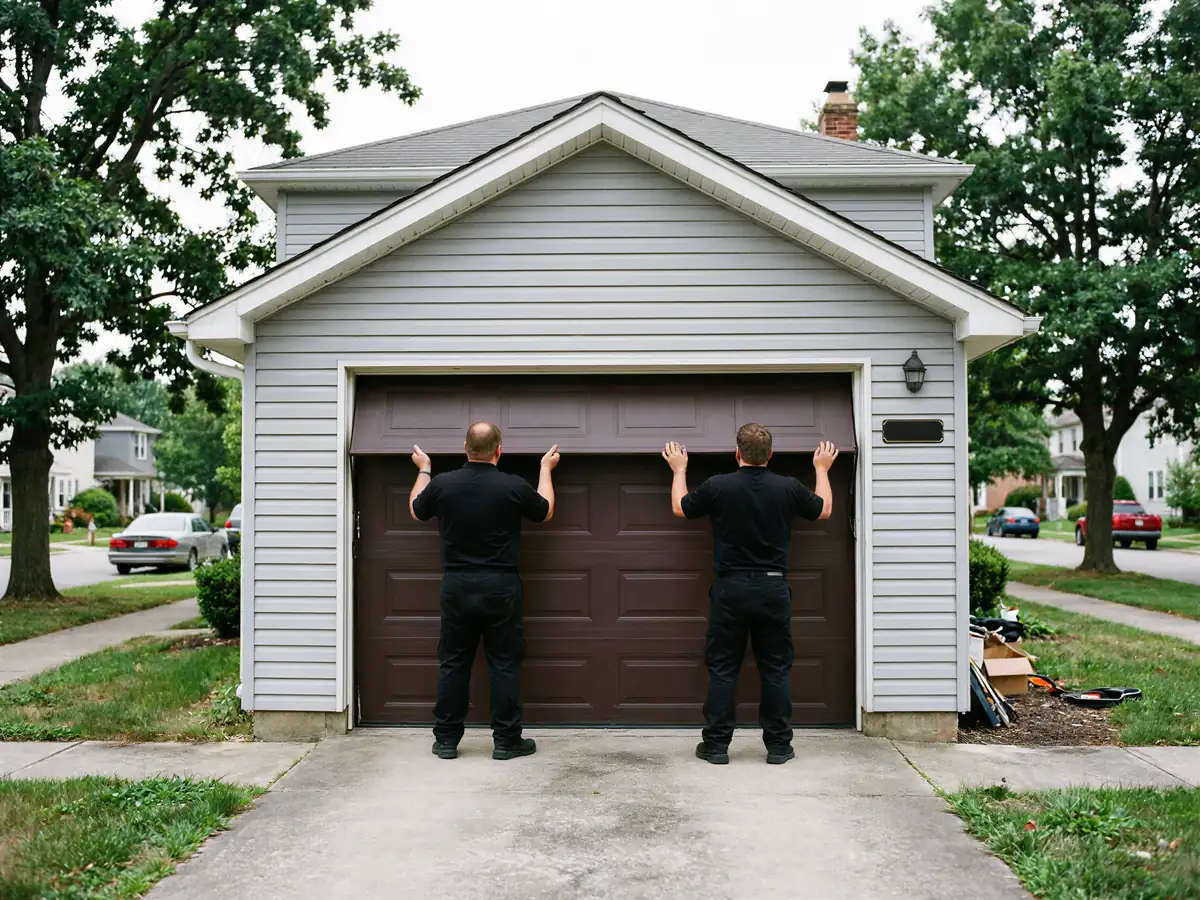
Two technicians are installing a brown garage door on a light gray house.

Garage Door Installation

Garage door installation for East Lansing homes built 1945-1994, matched to common opening sizes in this area and insulated against Michigan's cold winters.

Learn more
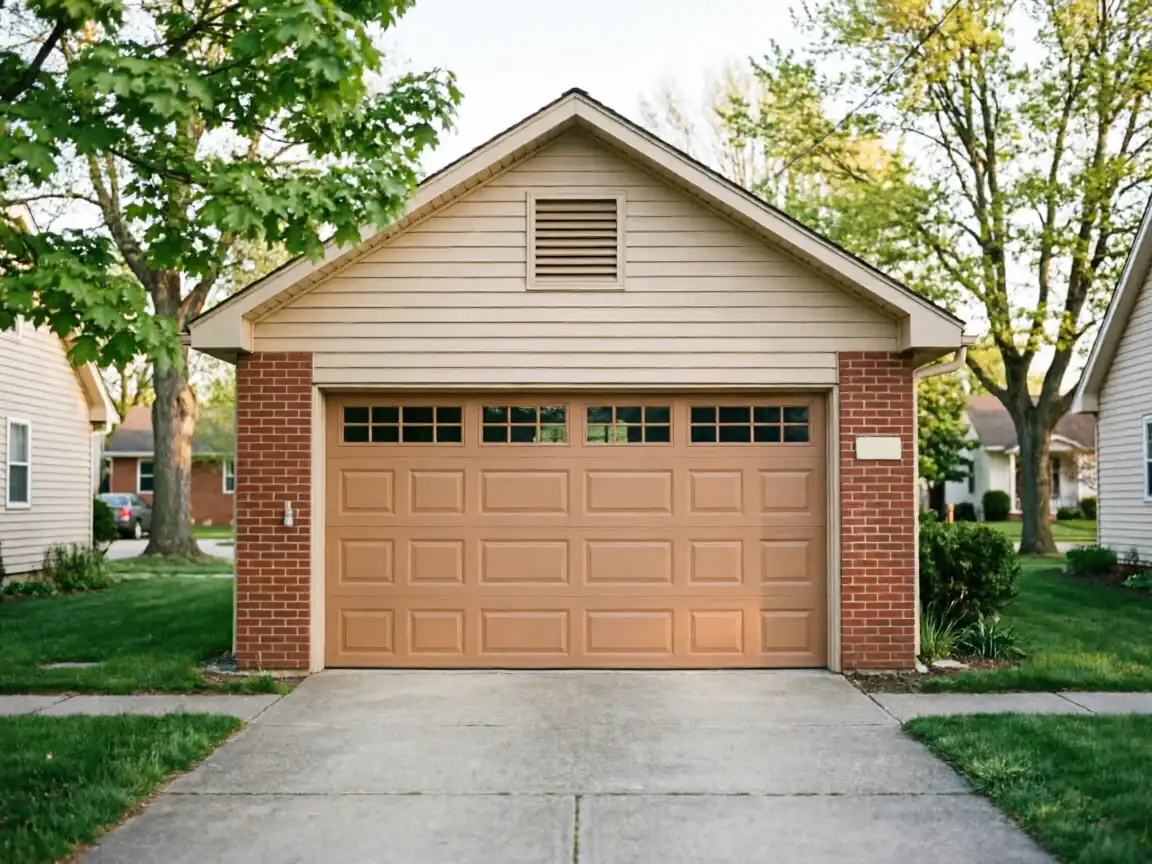
A brown garage door with windows is on a house with tan siding and brick.

Garage Door Service

East Lansing homes built mostly between 1945 and 1994 run original torsion springs into brutal winters. Here's why that combination fails, and what a real fix costs.

Learn more
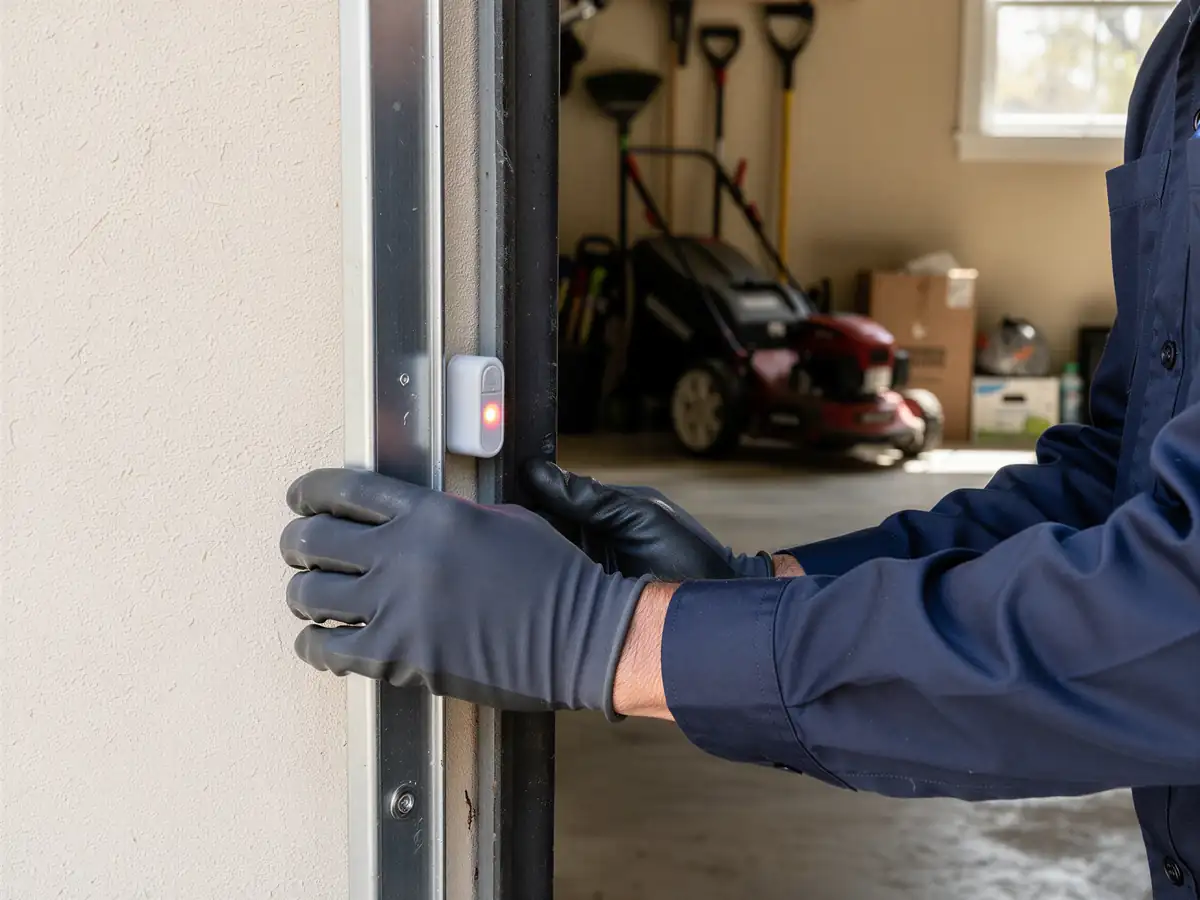
A technician in gloves adjusts a garage door sensor with a red light.

Opener Repair

Opener repair for East Lansing homes, most built in the 1960s-70s boom, where stripped gears, dead circuit boards, and cold-weather binding are common failures.

Learn more
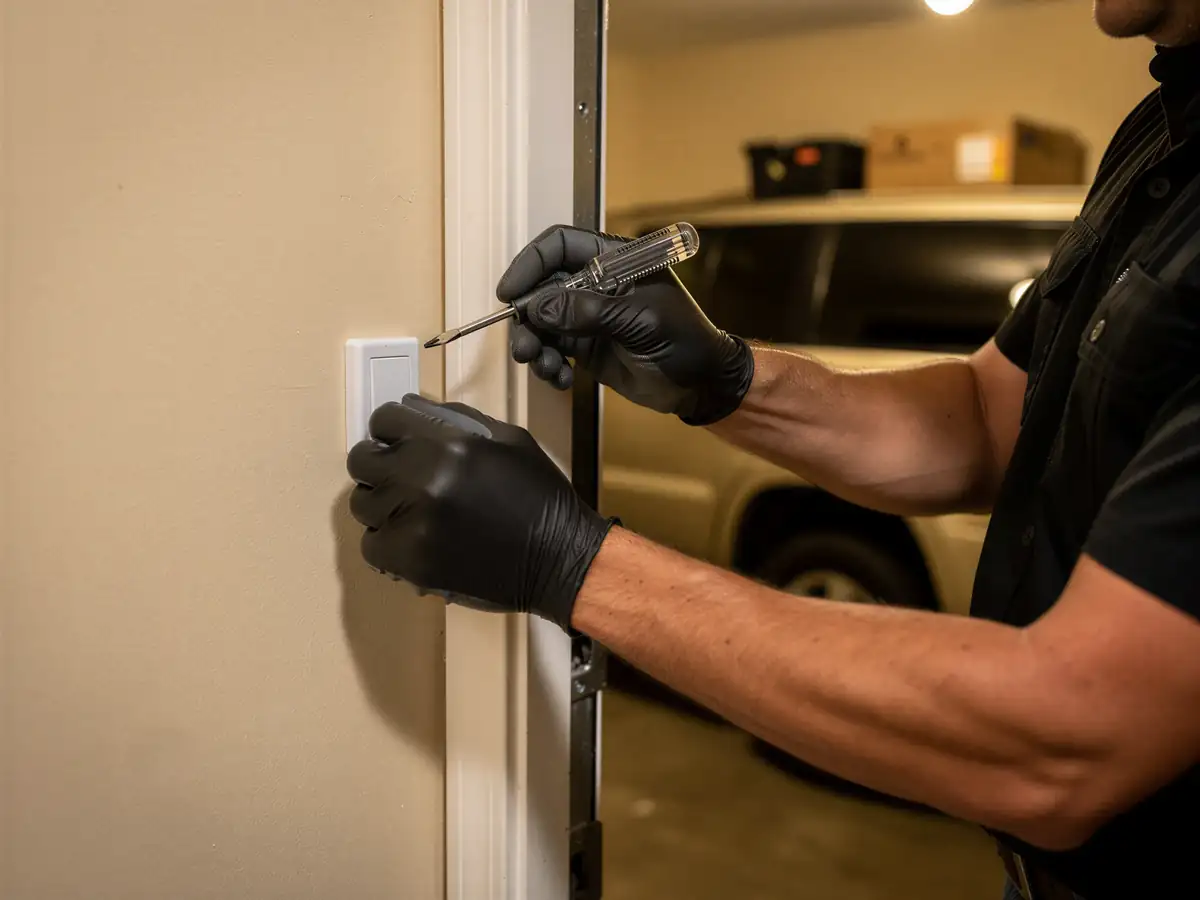
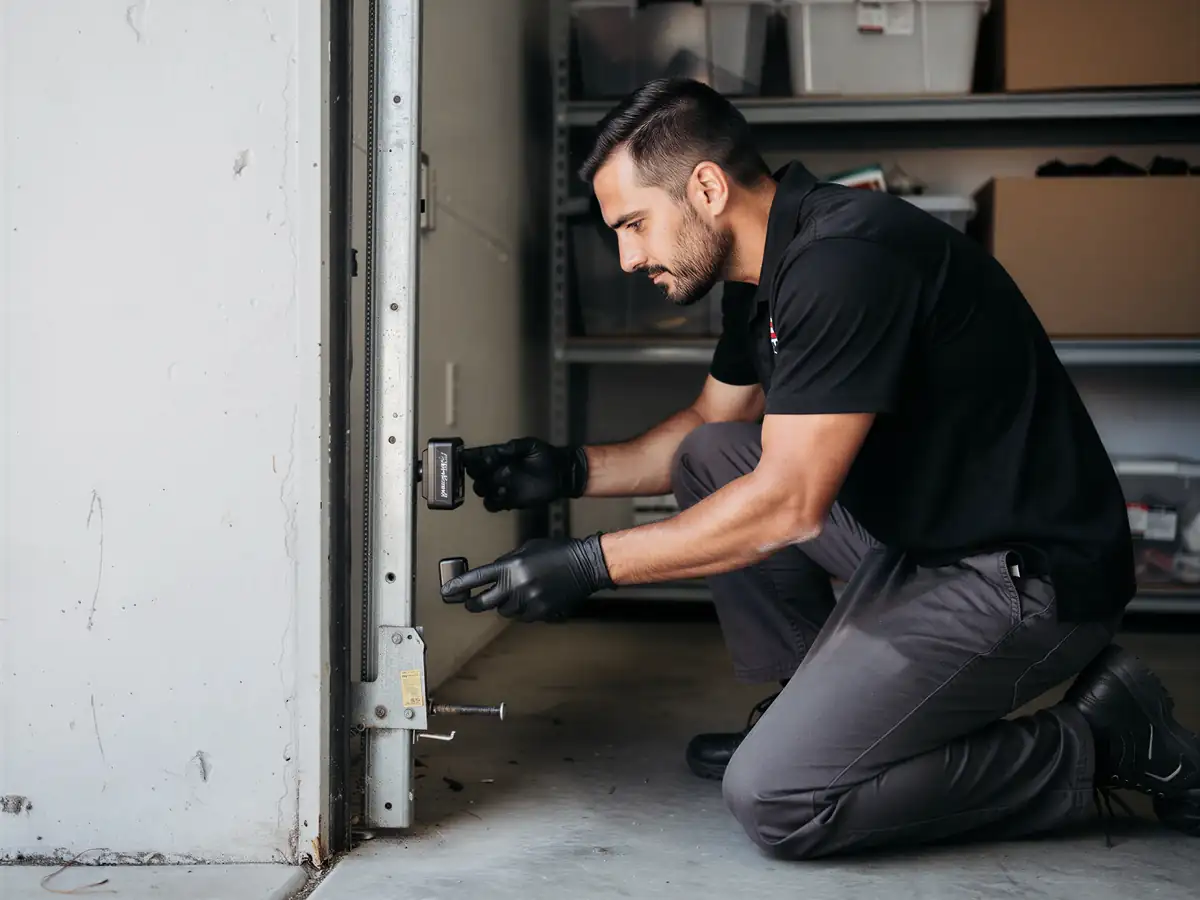
A technician in black gloves installs a white garage door opener button on a beige wall.

Opener Installation

Opener installation built for East Lansing's older garage stock and cold winters. Straight talk on what fails, why, and whether a new opener is the right call.

Learn more
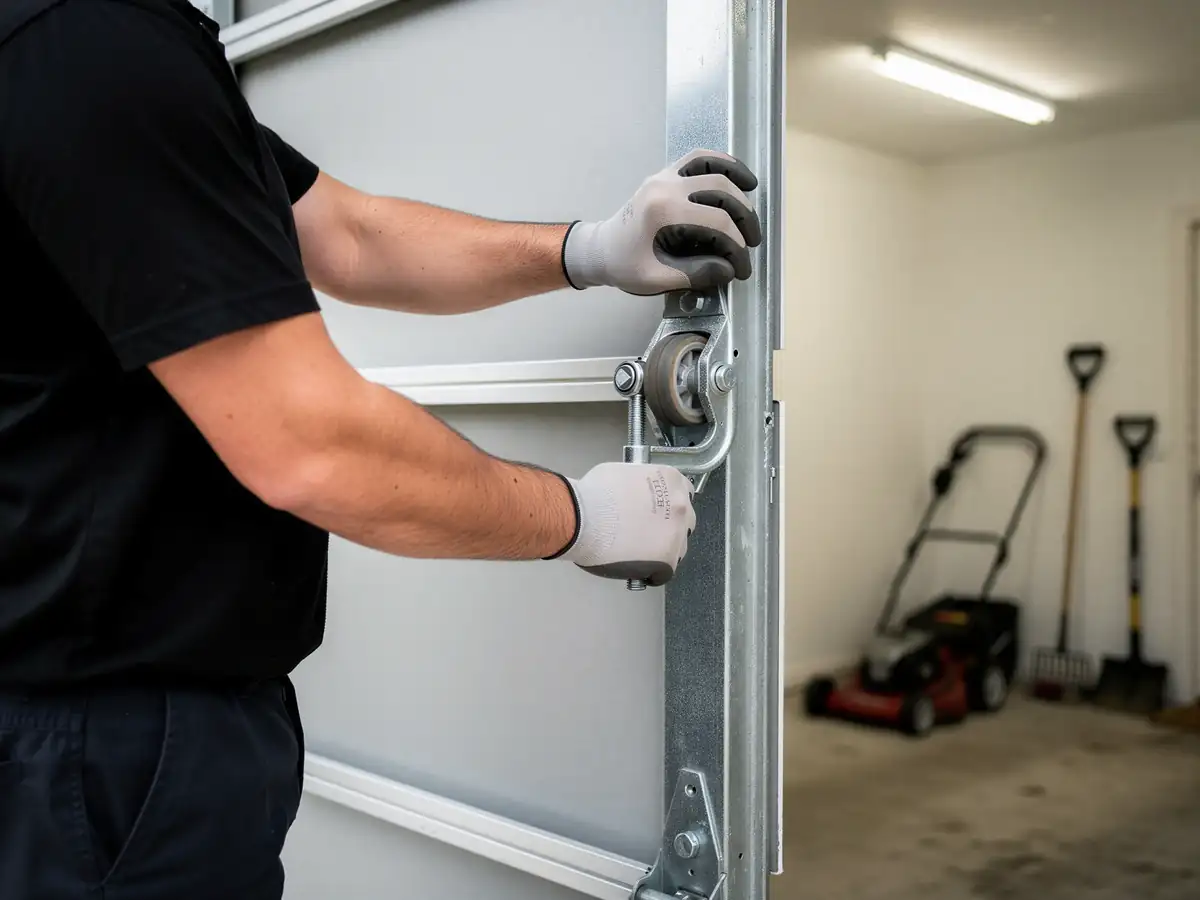
A technician wearing gloves adjusts a garage door roller on a track.

Off-Track Repair

Off-track garage doors are common in East Lansing's older housing stock. Here's why it happens, how to spot it early, and when to call instead of forcing the door back.

Learn more
A technician in black gloves is installing a sensor on a garage door track.

Maintenance

Seasonal garage door maintenance for East Lansing homes built mostly between 1945 and 1994, where cold winters and original hardware wear springs and rollers fast.

Learn more
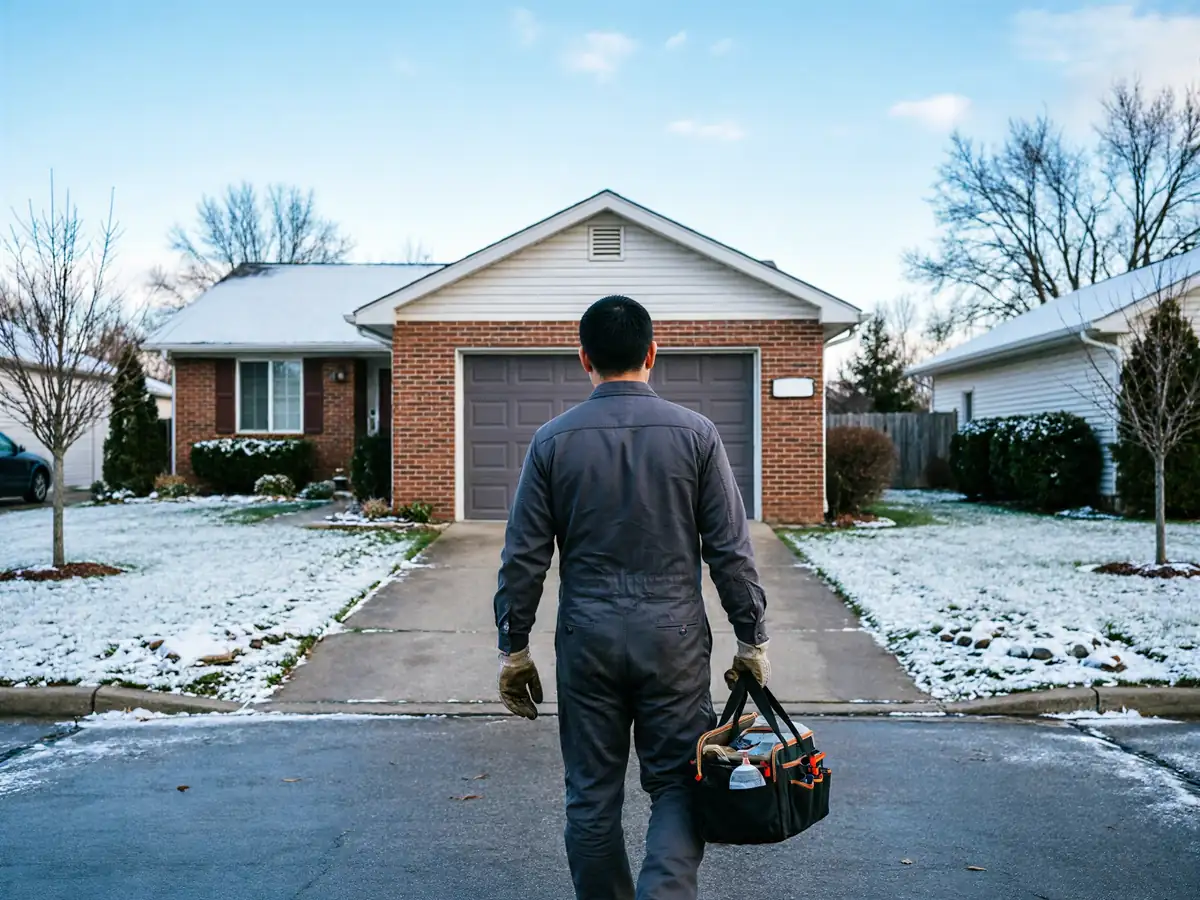
A technician carries a toolbox toward a brick house with a gray garage door.

Emergency Garage Door Repair

24-hour broken spring and stuck-door repair for East Lansing homes built mostly between 1945 and 1994, where cold snaps hit original torsion hardware hardest.

Learn more
Questions

Frequently asked

Straight answers about garage door repair in East Lansing. Still unsure? Ask us directly.

Does adding insulation to my old garage door actually help with heating bills?

Some, but less than people expect. A retrofit foam kit cuts air transfer through the panel some, but an uninsulated steel door from the 1960s or 70s was never built with a thermal break, so you're improving a door that's still fundamentally a conductor. It helps more with comfort near the garage than with the furnace bill directly.

Why does my door seem worse in winter than summer?

Steel contracts in cold weather, so gaps that aren't noticeable in August can open up by January. In a climate rated cold and severe, that contraction is more pronounced, which is why doors built decades ago - before insulation rules existed - tend to act up specifically when the temperature drops.

Is it worth insulating a door that's otherwise still working?

Sometimes. If the panel's straight, the track's true, and the springs have life left, a retrofit kit or new weatherstripping is a reasonable stopgap. If the door is already showing rust at the bottom corners or the hardware is original to a 1960s or 70s build, that money is often better spent toward replacement.

Ready to get your garage door sorted?

Tell us what it’s doing and where you are in East Lansing - we’ll take it from there.

Request a QuoteCall