The Situation
East Lansing's housing stock mostly went up between 1945 and 1994
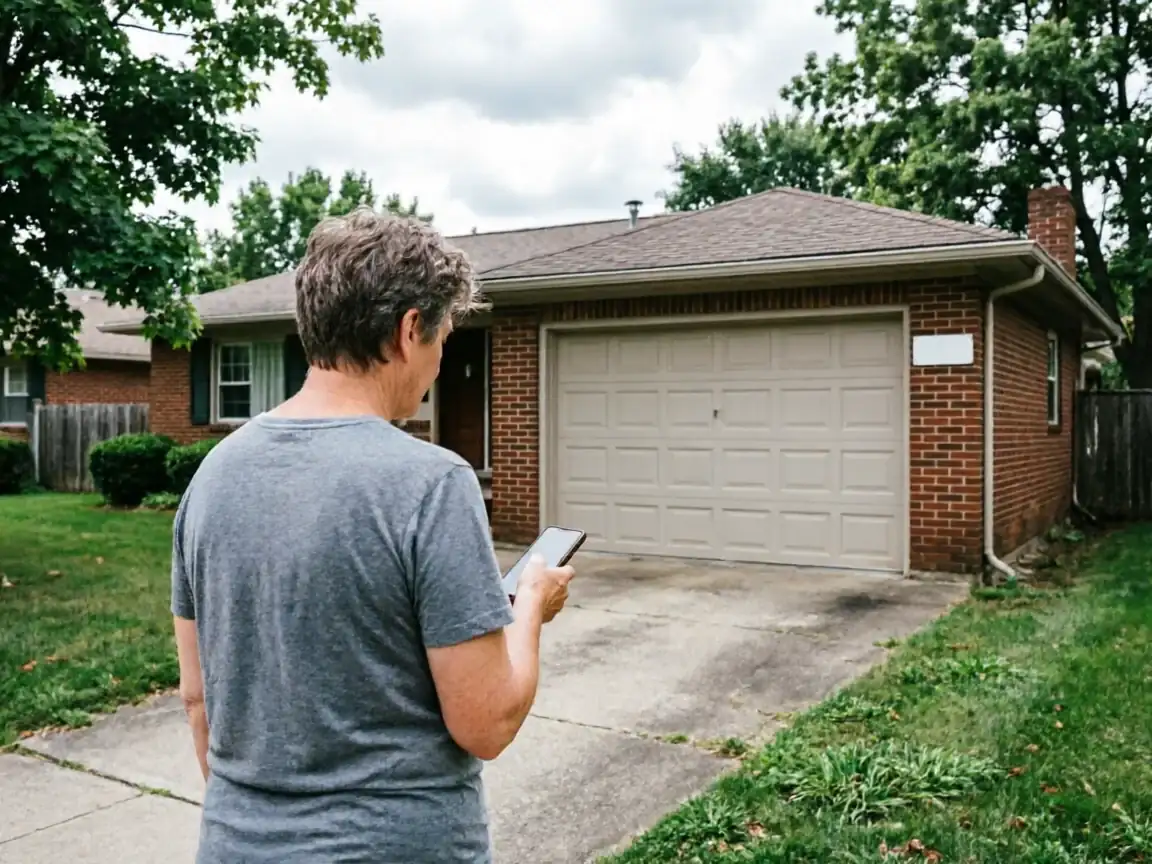
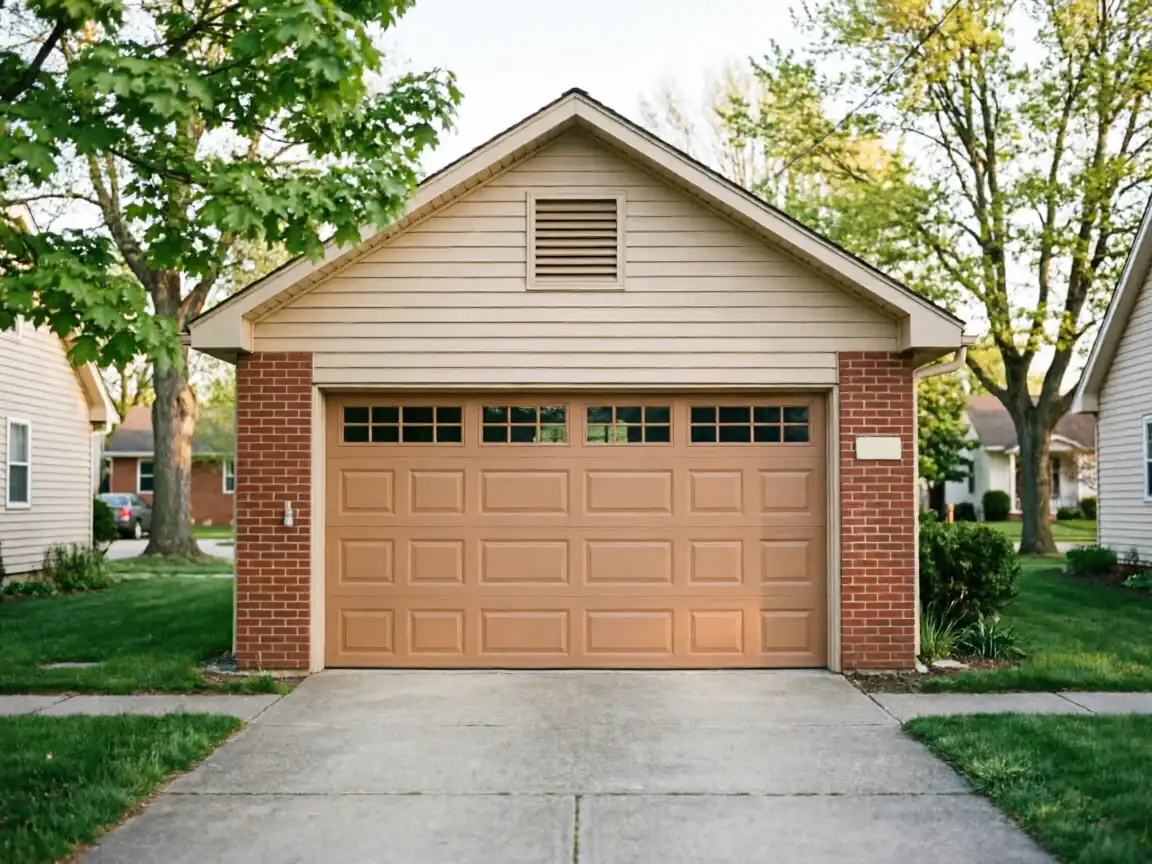
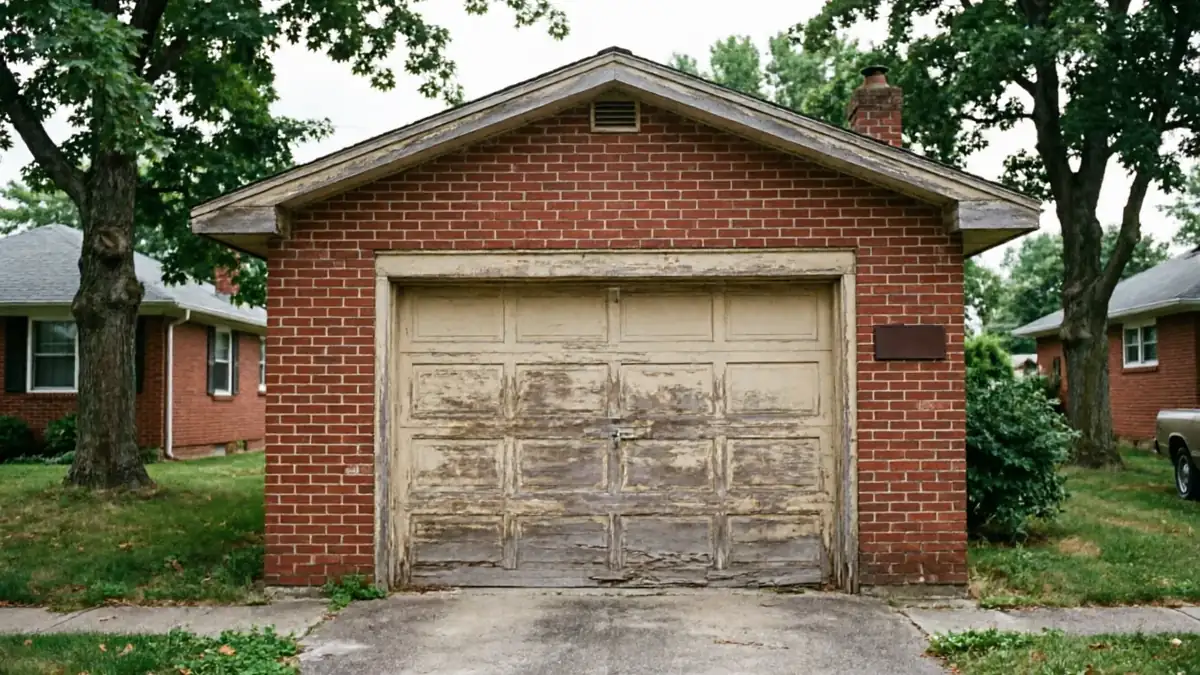
With the median build year landing around 1976. That means a lot of the garage doors still hanging on these houses are originals or first replacements from that same era - steel sectional doors on torsion or extension spring setups that were standard for the 1960s and 70s tract-home boom across the area's 22 named neighborhoods. A door that old has outlived its factory rollers, its original cable, probably its first opener, and sometimes its original track alignment too. The question isn't whether it's old. It's whether what's wrong with it is cheap to fix or a sign the whole unit is done. A bent track and worn rollers on a 1976-era steel door are a repair. A door that's delaminating, rusted through at the bottom panel, or racked out of square from decades of settling is a different conversation.
We look at the door itself before we talk about anything else
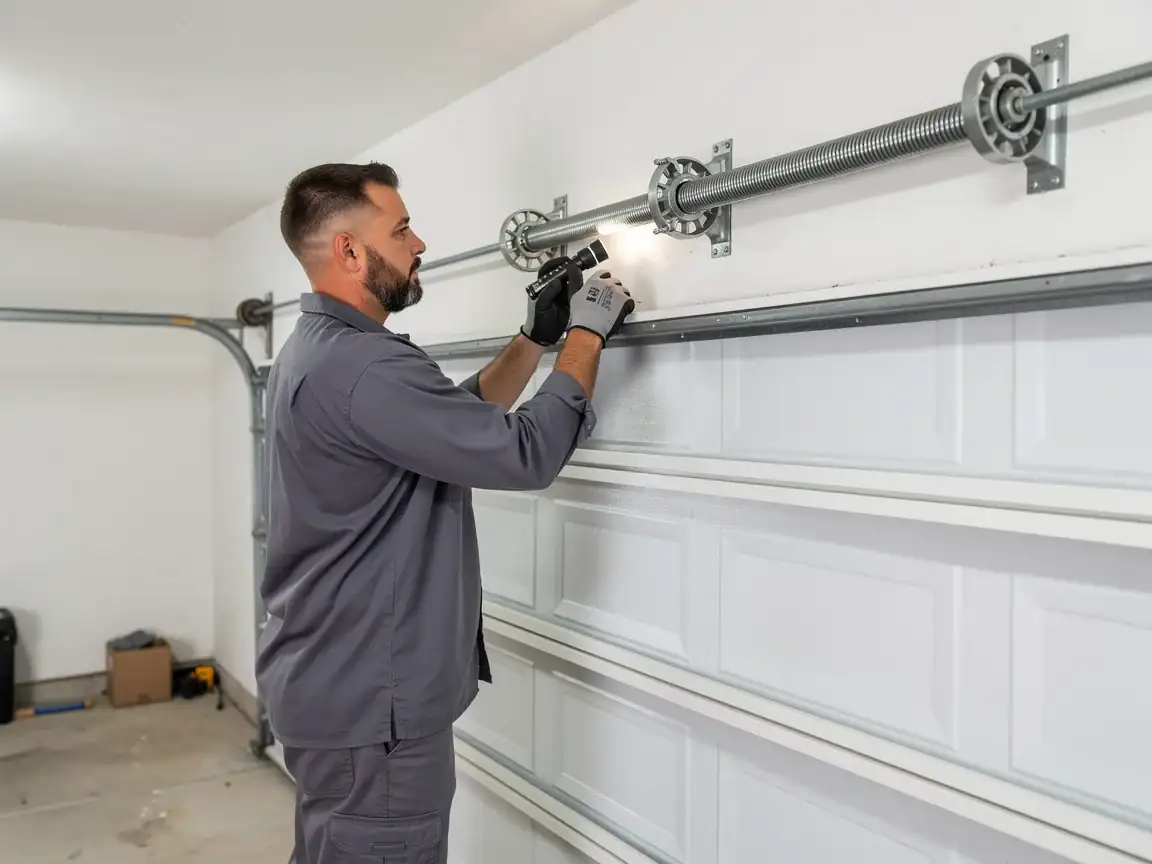
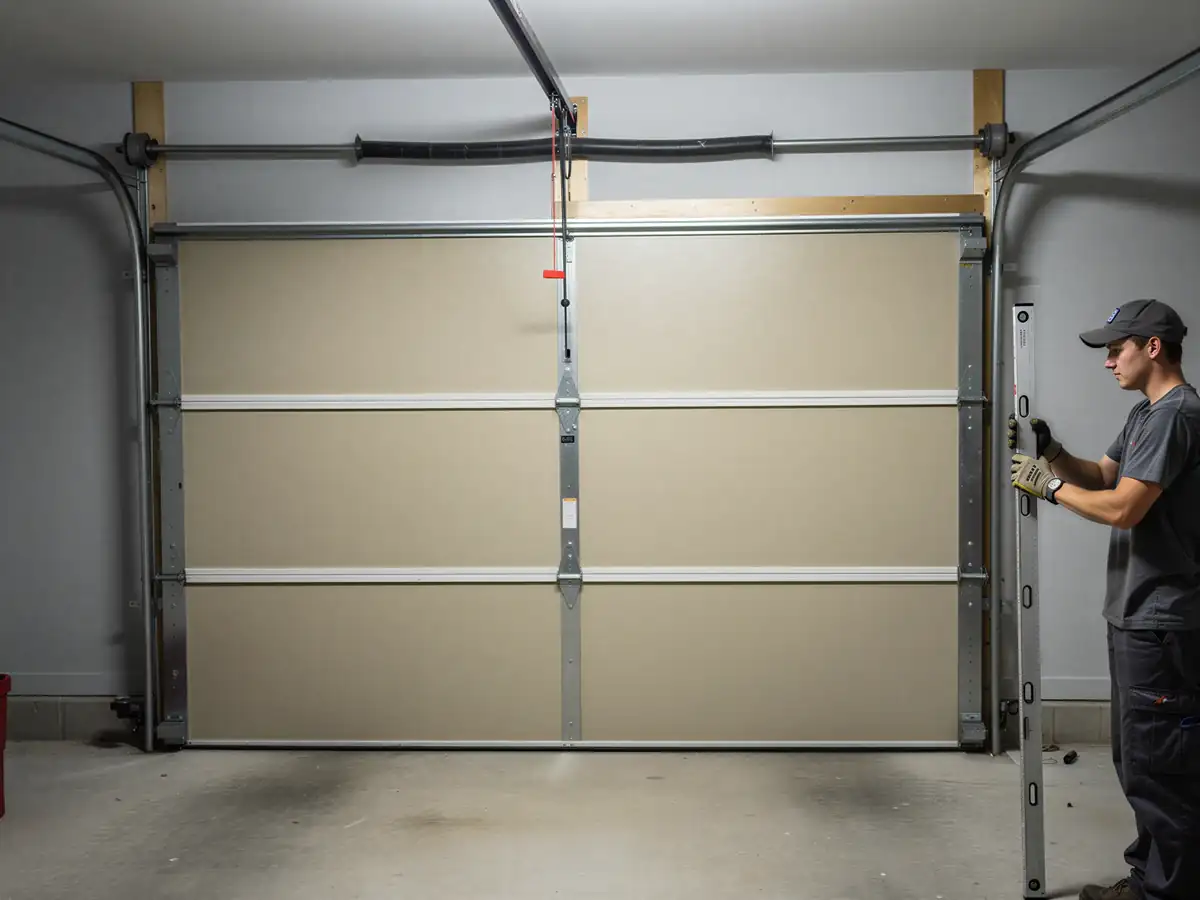
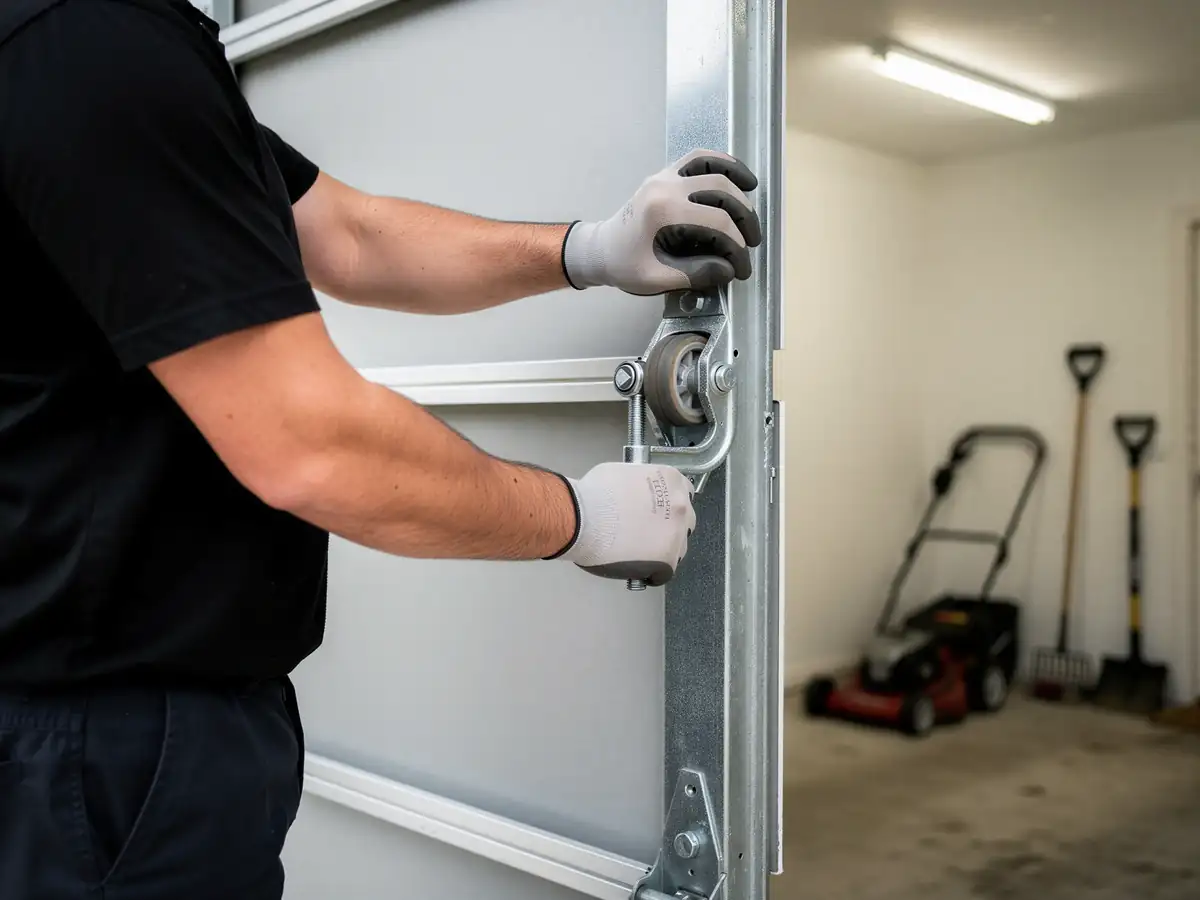
Hardware wears out in a predictable order - rollers, then cables, then springs, then openers - and most of that is replaceable piece by piece without touching the door panels. The panels are the part that doesn't come back once they're bent, rusted, or warped.
What Most People Get Wrong
The most common mistake we see on 1960s and 70s builds is treating a broken spring like it means the whole door is dying. It doesn't. A torsion or extension spring has a rated cycle life, and on a door that's been opening and closing for close to fifty years, a snapped spring is just the spring reaching the end of its life - not a verdict on the door panels. People replace the whole unit when a $200 spring job would've solved it.
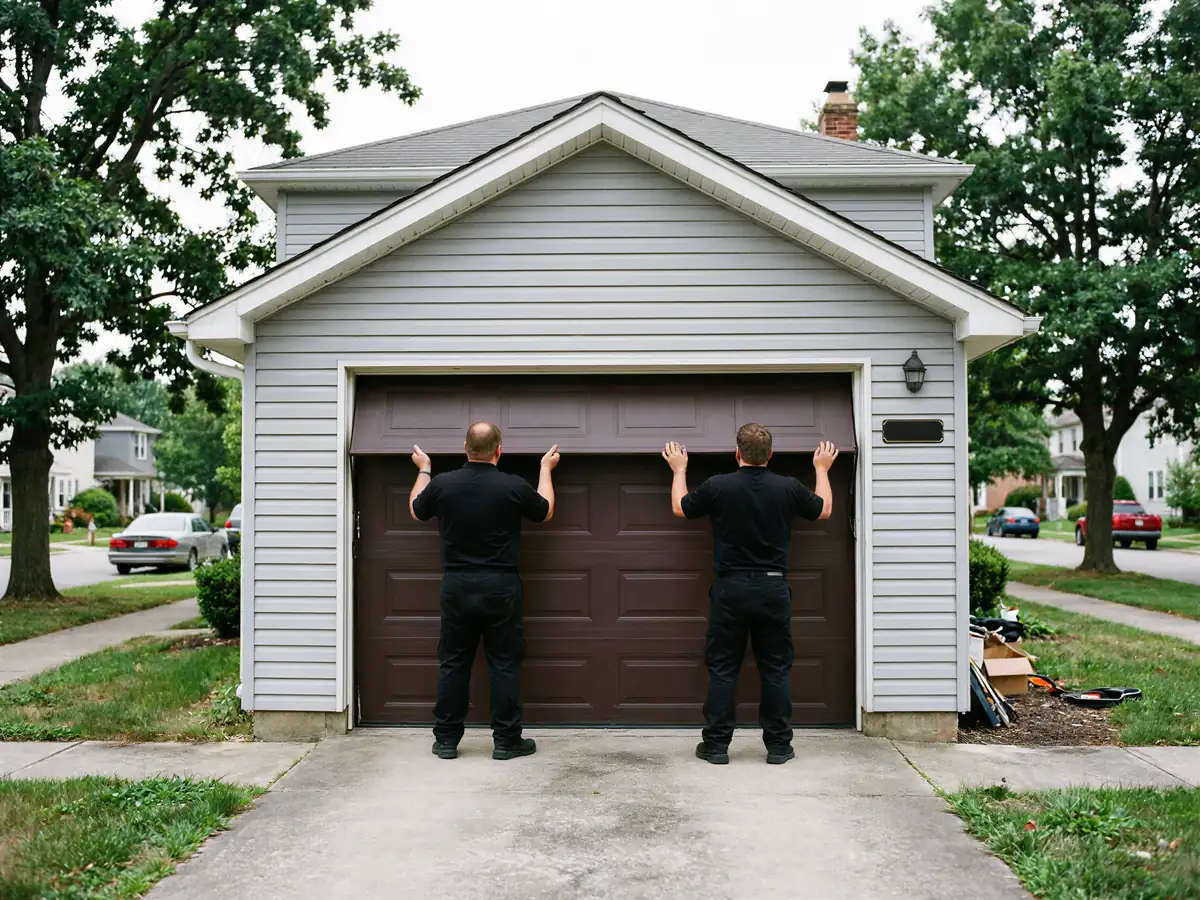
The opposite mistake happens too: homeowners keep feeding money into a door that's actually failed structurally. If the bottom panel is rusted through from years of road salt and snowmelt sitting against it, or the door is visibly out of square in the frame, hardware repairs won't fix that. You're bracing a door that's going to keep failing in new spots. The honest line is this: if the springs, cables, rollers, and track are the problem, fix them. If the panels themselves are rotted, bent, or the door won't sit flush in the frame no matter how the track is adjusted, you're replacing, not patching.
How Local Conditions Play In
This area sits in a cold climate zone with severe winter conditions, and that matters more for an older door than people expect. Steel panels from the 1960s-70s stock weren't built with the foam-core insulation standard today, so they flex more in a hard freeze-thaw cycle. Extension springs lose tension faster in cold garages than torsion springs do, and a lot of original installs on these houses used extension setups because that's what was standard at the time. Cold also makes old nylon rollers brittle - they crack instead of wearing smoothly, and that's usually what causes the grinding noise on a morning when it's well below freezing.
Salt and slush tracked in off the car for months at a time is hard on the bottom panel and the bottom seal specifically. That's the part we check first on any door built in that median 1976 window, because it's the part that takes the most punishment and the hardest one to patch once it's gone. If the bottom section is sound and everything above it is original hardware wear, that's a door worth keeping.
When to Get Help
Call before you decide for yourself which category your door falls into
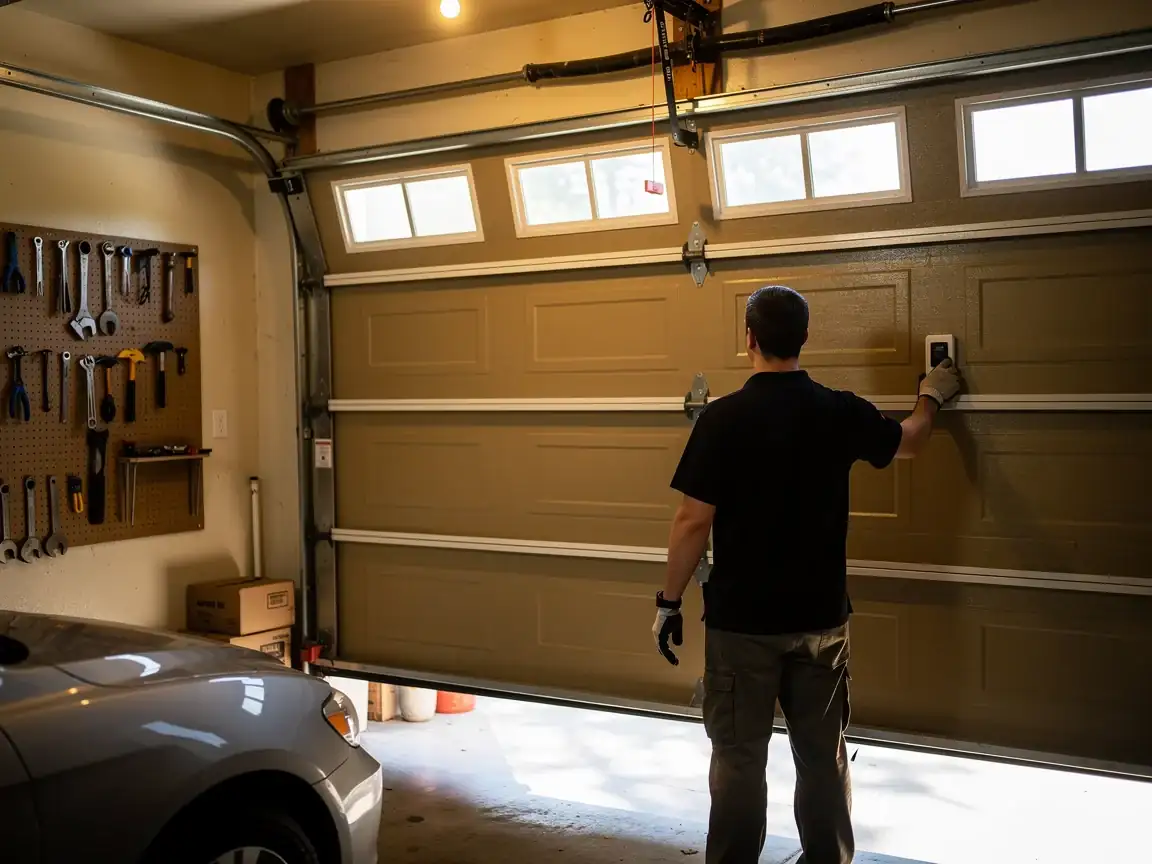
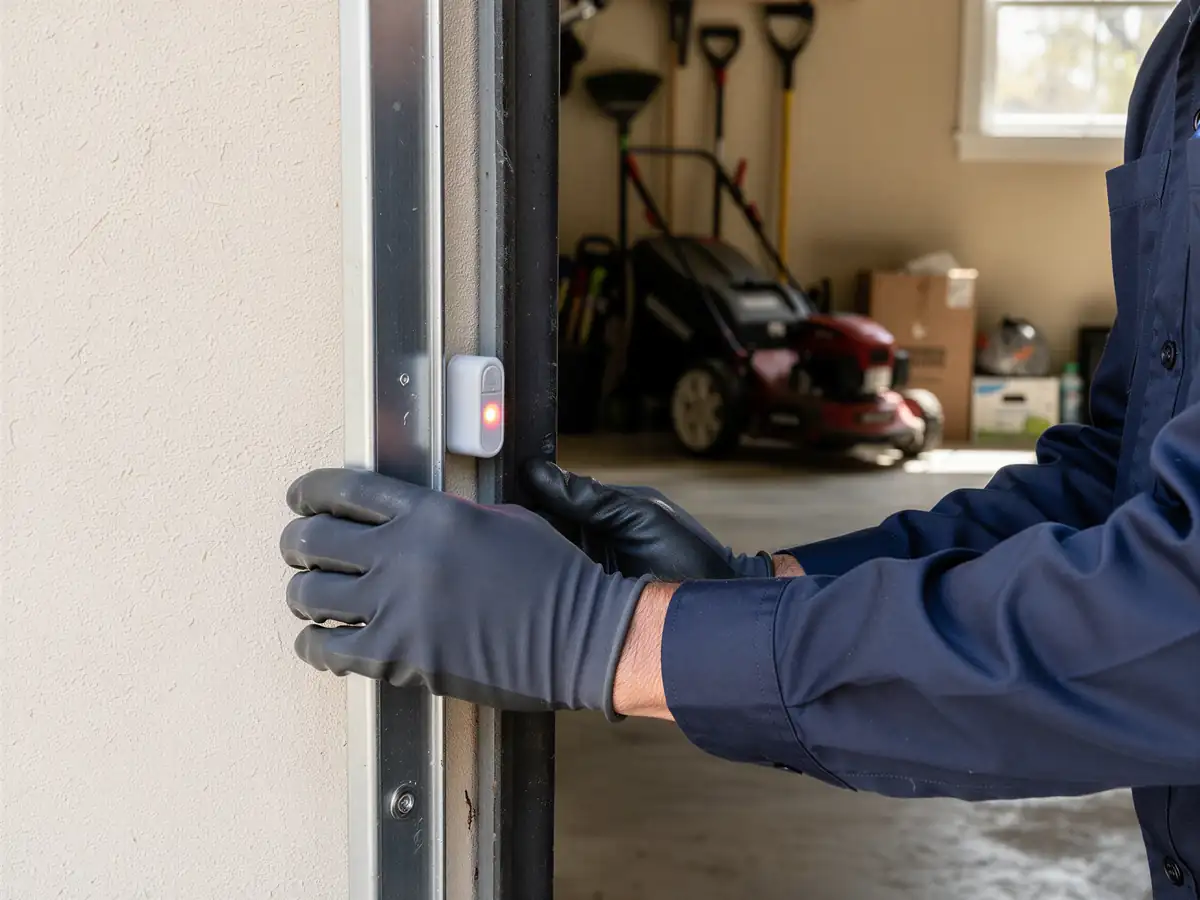
A cracked roller sounds the same as a cable about to let go, and one of those is a $40 part and the other can take a finger off if you're standing in the wrong spot when it fails. If your door is making noise, sitting unevenly, or an opener is straining to lift it, that's worth a look regardless of age.
One honest limit here
We don't carry every obsolete hardware size from a fifty-year-old install on the truck. Some original track brackets and spring sizes from that era aren't made anymore, and if yours is one of those, we'll tell you straight whether it's a special-order part worth waiting on or a point where replacement hardware just makes more sense. We'd rather tell you that up front than have you wait a week for a part that costs more than a new section.