Serving East Lansing, MI & nearby
(517) 271-1723
East Lansing, MI

What That Noise Actually Means

Grinding, popping, or a thud on cold mornings in East Lansing houses built in the 1960s-70s often points to a specific worn part, not just 'old age.' Here's how to tell.

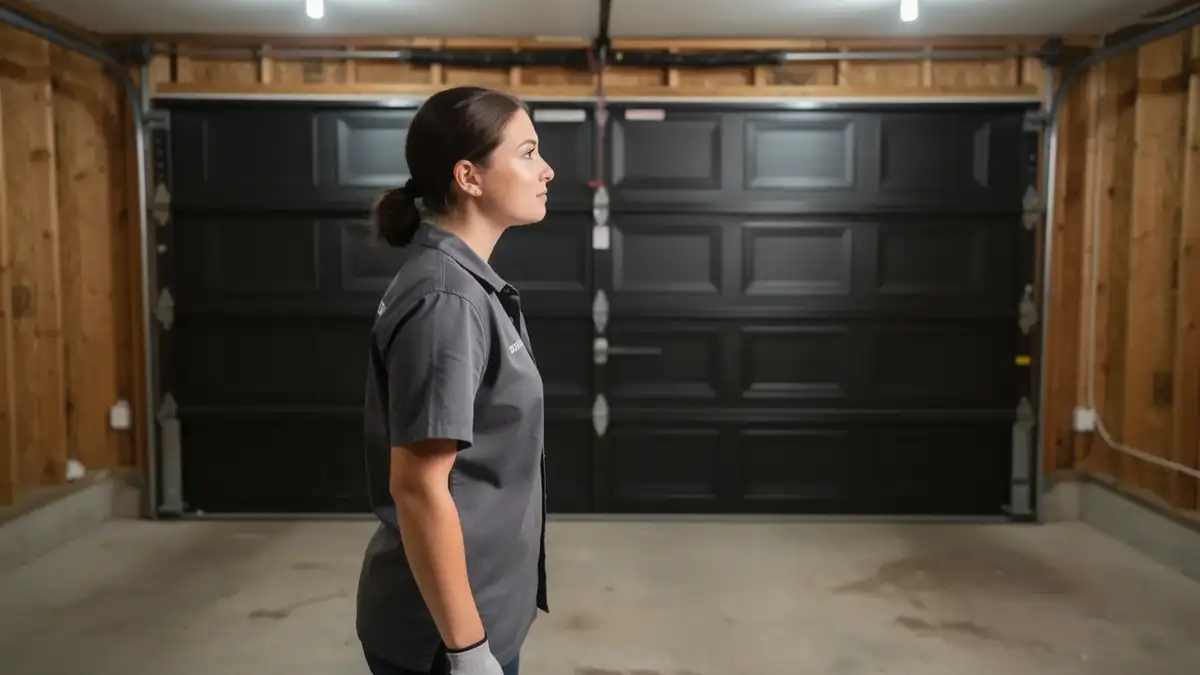
A technician in a gray shirt stands in a garage with a black door.

The Situation

  1. Most of the garage doors we look at around East Lansing sit on houses built between 1945 and 1994

    With a lot of that stock clustered in the 1960s and 70s across the 22 or so named neighborhoods and subdivisions in this area. That matters more than people think. A door installed on a house built in 1968 has had, at minimum, a couple of hardware generations come and go - original steel rollers swapped for nylon, maybe a spring replaced once, maybe never. When a door from that era starts making noise, it's rarely random. It's a specific part telling you it's done, or close to it.

  2. The trouble is that noise doesn't come labeled

    A grinding sound and a popping sound point to completely different parts, and a thud is its own category entirely. Homeowners often guess based on volume - "it's really loud, it must be serious" - when volume has almost nothing to do with how urgent the problem is. A quiet click from a failing cable can be more dangerous than a loud rattle from a loose bracket. This section exists because the next three build on telling those apart, not on reacting to how scary a noise sounds.

What Most People Get Wrong

The most common mistake is spraying WD-40 on everything and calling it maintenance. On rollers and hinges from a house of this vintage, that often does more harm than a dry squeak would have, because WD-40 is a solvent, not a lubricant - it strips what grease is left and attracts grit. The second mistake is assuming a noisy opener means the opener itself is failing, when on 1960s-70s builds the opener is frequently the newest part on the whole door; the track, hinges, and rollers underneath it are the original equipment doing the complaining.

The third mistake, and the one that costs the most, is ignoring a rhythmic thud or bang during the cycle and assuming it's just "how the door sounds." On a two-car door of this era, that's very often a cable starting to fray at the drum, or a spring that's lost tension and is letting the door drop unevenly for the last foot of travel. Neither gets better with time. We'd rather tell a homeowner it's a $20 roller fix than let them keep living with a noise that's actually a spring on its way out - we don't make more money scaring people, and we won't pretend every noise is an emergency when most aren't.

How Local Conditions Play In

East Lansing sits in a severe cold climate band, and that changes which noises show up and when. Steel contracts in deep cold, and on doors with original or early-replacement hardware from the 1976 median-build-year housing stock, that contraction tightens tolerances on tracks and hinges that were already worn loose. That's why a door that ran quiet all summer starts grinding or squealing the first hard freeze of the year - it's not a new problem, it's an old one that cold weather just exposed.

Lubricant matters here in a way it doesn't in milder climates. A grease rated for warm weather gums up and stiffens below freezing, which turns a smooth-running roller into one that groans on every rotation. On older torsion spring setups common on these houses, cold also makes a weak spring's failure sound different - instead of a clean snap, you often get a slow, grinding give that sounds more like metal fatigue than a break. If your door has gotten noticeably louder specifically with the first cold snap, that's a seasonal tell, not a coincidence, and it's worth a look before the spring finishes failing on a morning you actually need the door open.

When to Get Help

  1. Call before the door stops working, not after

    A grinding roller or a squealing hinge on a door from this era is a cheap fix today and a stuck door tomorrow. A rhythmic thud, a visibly sagging side, or a loud bang followed by the door refusing to move is different - that's spring or cable territory, and it's not a DIY job; torsion springs under tension have hurt people badly, and we won't talk a homeowner through doing it themselves over the phone.

  2. One honest limit: if the noise is coming from the opener's gear and sprocket assembly rather than the door hardware itself

    And that gear kit is on backorder, we may not be able to turn the job around same-day - we'll tell you that up front rather than promise a date we can't hit. For households anywhere in the East Lansing service area, from the closer-in streets out toward Haslett or Okemos, the diagnosis process is the same: listen for what kind of noise it is, check it against the age of the hardware, and don't wait for a quiet problem to turn into a loud one.

  3. See our homepage for more: /
How it works

From “it’s stuck” to “it’s fixed”

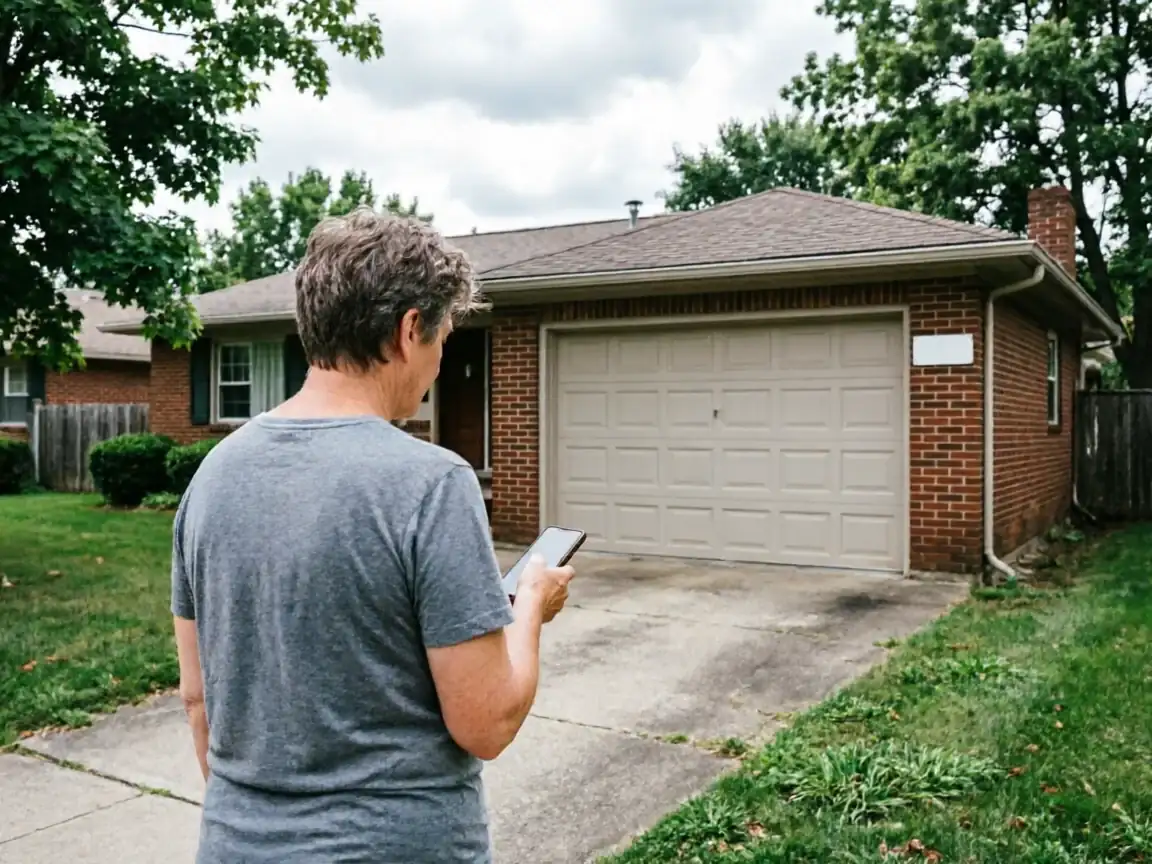
A person stands in a driveway looking at a phone with a house and garage in the background.

Tell us what’s wrong

Describe the symptom - won’t open, loud bang, opener runs but the door won’t move.

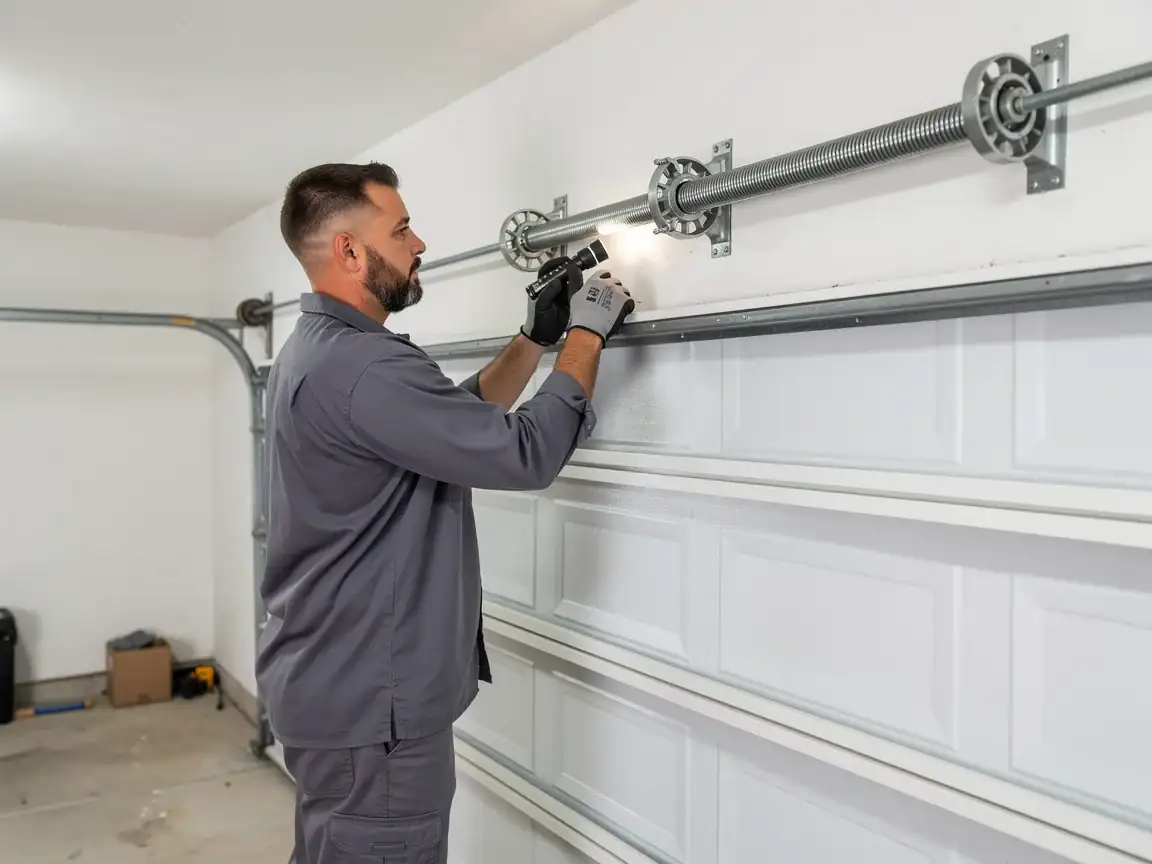
A technician shines a flashlight on a garage door torsion spring.

On-site diagnosis

A technician tests the door under power and by hand and finds what actually failed.

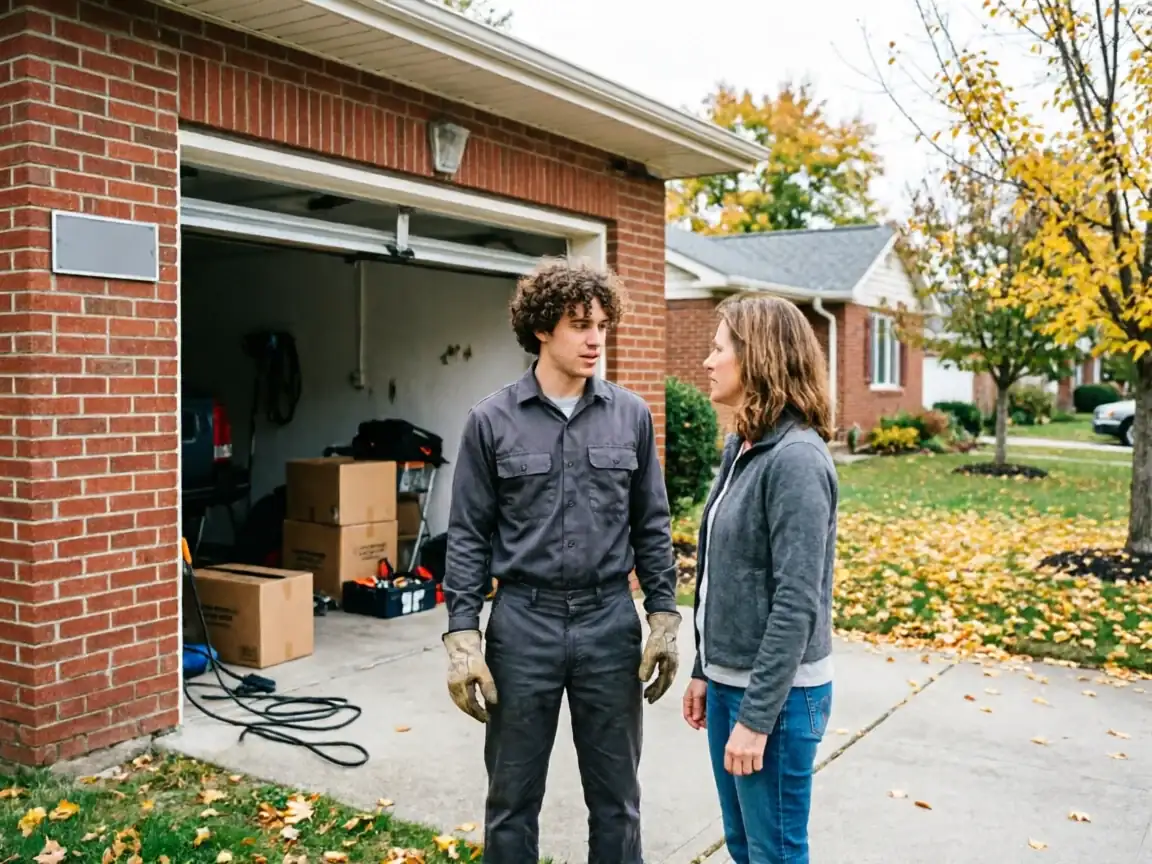
A technician in work clothes talks to a woman in front of an open garage.

Clear, up-front plan

You get the fix that’s needed and what drives the cost - before any work starts.

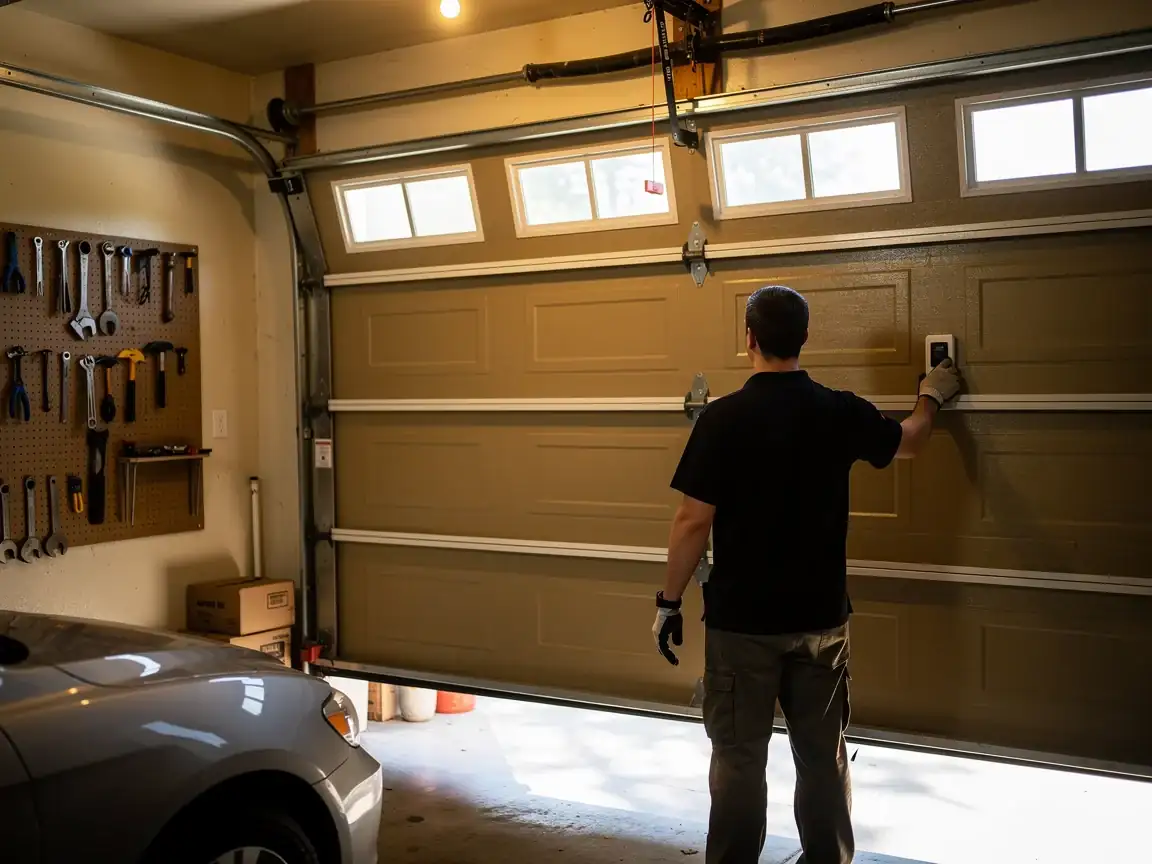
A technician in gloves operates a tan garage door with windows.

Repaired & tested

The repair is done, the door is set true and tested, and the work area left clean.

Not sure which repair your door needs in East Lansing, MI? Describe what it’s doing - every job starts with a diagnosis.

How we work

What to expect

  • Diagnosis firstEvery visit starts by finding what actually failed - not a pre-written parts list.
  • The right part for the doorSprings and openers matched to the door’s weight and age, so the fix holds up.
  • Straight answersWhen a repair makes more sense than a replacement - or the reverse - you hear it plainly.
  • Clean, careful workTension released safely, hardware set true, the door tested under power before we leave.
What we do

Garage Door Services

Repair and installation work for East Lansing homes and businesses.

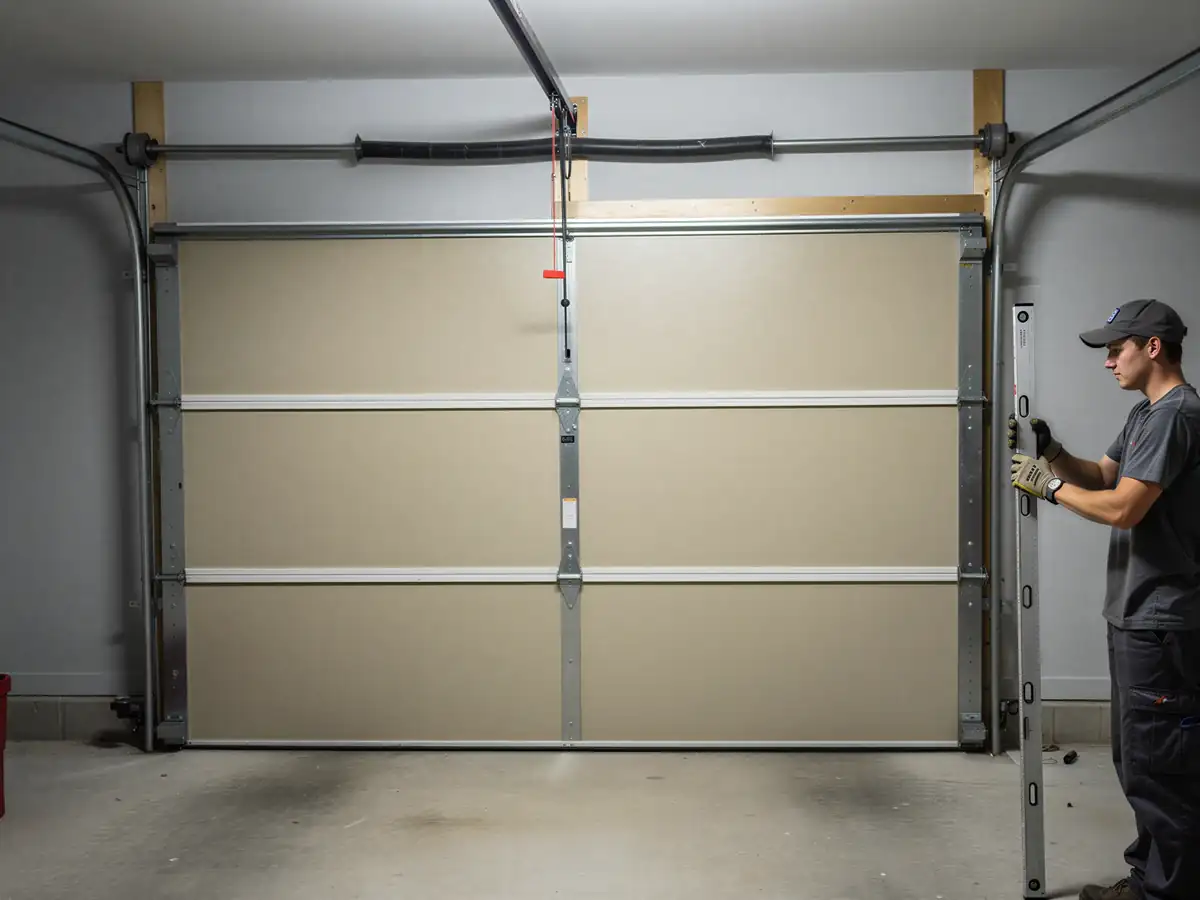
A technician uses a level to adjust a beige garage door.

Garage Door Repair

Garage door repair in East Lansing, MI for homes built 1945-1994. Cold-climate spring failures, track issues, and honest advice on repair versus replacement.

Learn more
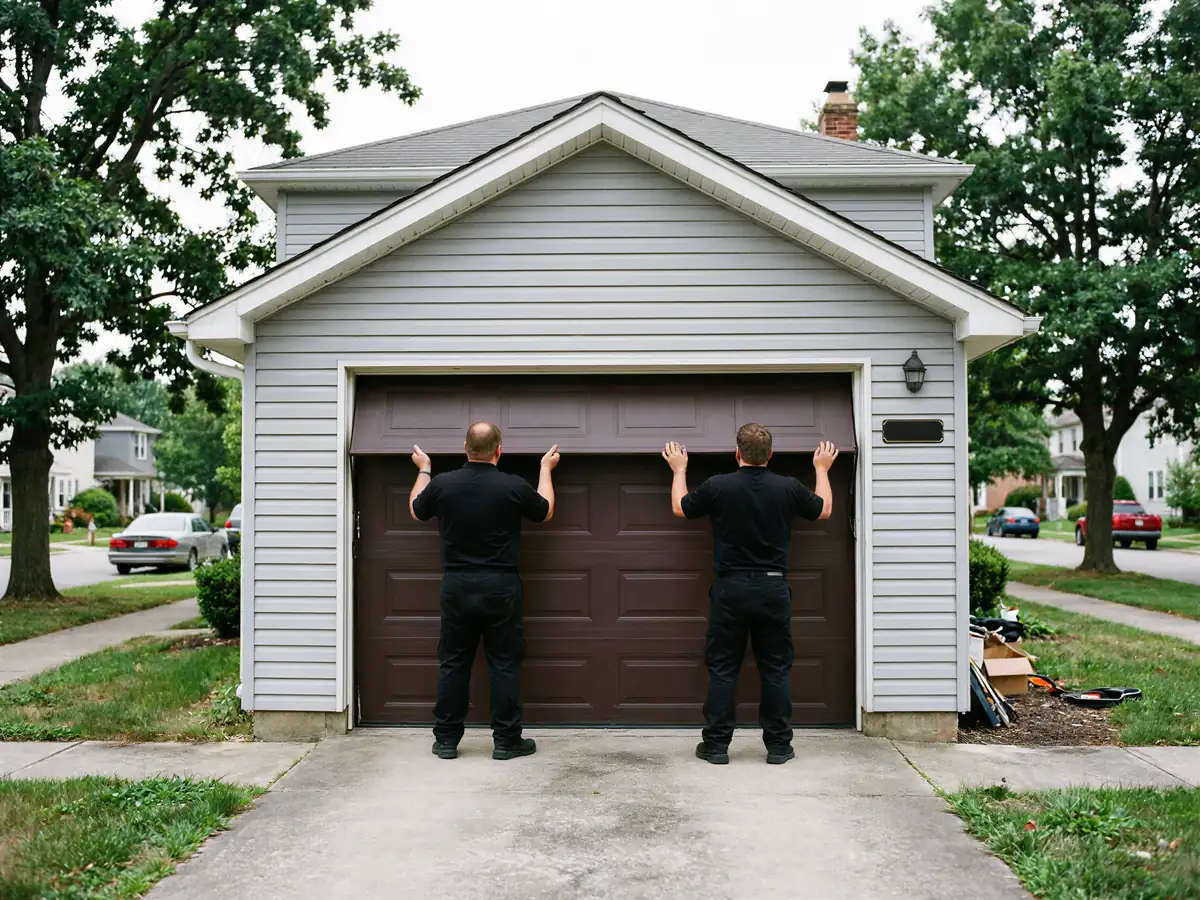
Two technicians are installing a brown garage door on a light gray house.

Garage Door Installation

Garage door installation for East Lansing homes built 1945-1994, matched to common opening sizes in this area and insulated against Michigan's cold winters.

Learn more
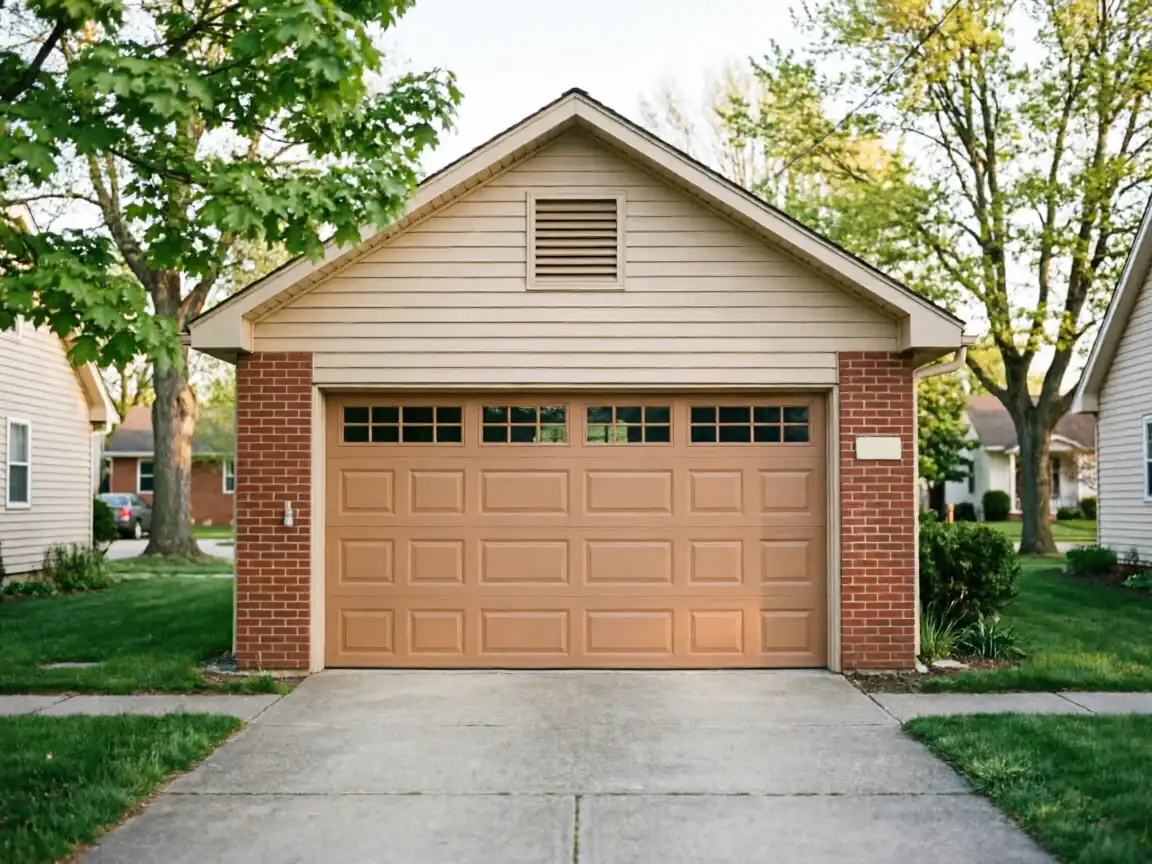
A brown garage door with windows is on a house with tan siding and brick.

Garage Door Service

East Lansing homes built mostly between 1945 and 1994 run original torsion springs into brutal winters. Here's why that combination fails, and what a real fix costs.

Learn more
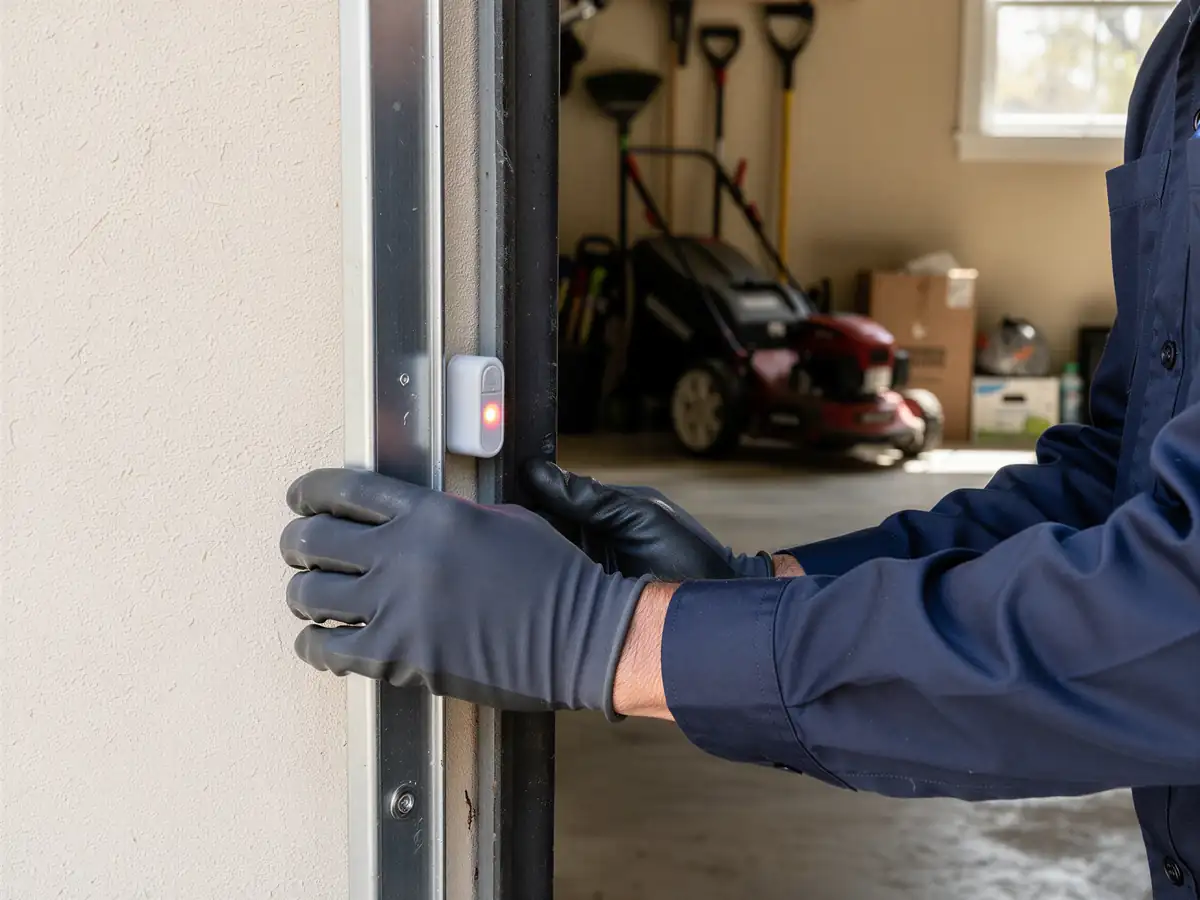
A technician in gloves adjusts a garage door sensor with a red light.

Opener Repair

Opener repair for East Lansing homes, most built in the 1960s-70s boom, where stripped gears, dead circuit boards, and cold-weather binding are common failures.

Learn more
A technician in black gloves installs a white garage door opener button on a beige wall.

Opener Installation

Opener installation built for East Lansing's older garage stock and cold winters. Straight talk on what fails, why, and whether a new opener is the right call.

Learn more
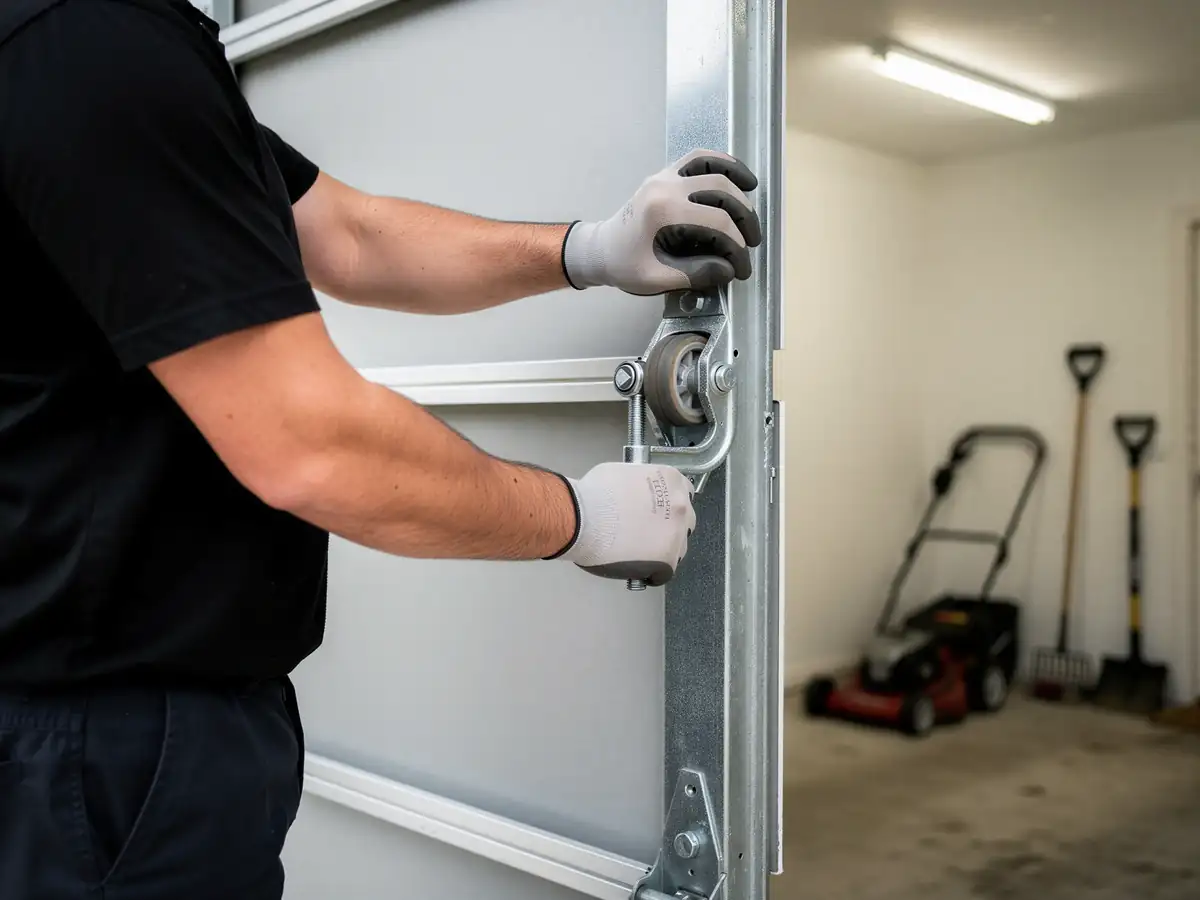
A technician wearing gloves adjusts a garage door roller on a track.

Off-Track Repair

Off-track garage doors are common in East Lansing's older housing stock. Here's why it happens, how to spot it early, and when to call instead of forcing the door back.

Learn more
A technician in black gloves is installing a sensor on a garage door track.

Maintenance

Seasonal garage door maintenance for East Lansing homes built mostly between 1945 and 1994, where cold winters and original hardware wear springs and rollers fast.

Learn more
A technician carries a toolbox toward a brick house with a gray garage door.

Emergency Garage Door Repair

24-hour broken spring and stuck-door repair for East Lansing homes built mostly between 1945 and 1994, where cold snaps hit original torsion hardware hardest.

Learn more
Questions

Frequently asked

Straight answers about garage door repair in East Lansing. Still unsure? Ask us directly.

My garage door squeals only when it's really cold out. Is that normal?

It's common, not something to ignore. Cold tightens tolerances on older rollers and hinges and thickens grease that isn't rated for freezing temps. On houses from the 1960s-70s stock common around here, that's usually worn hardware the cold is exposing, not a new failure. Worth lubricating with a cold-rated product or having the rollers checked before it gets worse.

Is a loud bang during the door cycle always a spring?

Not always, but it's one of the top suspects, especially on an older torsion setup. A bang at the top or bottom of travel can also be a loose bracket or a cable slipping on the drum. Either way, a sudden bang after quiet running is a stop-and-check situation, not a keep-using-it situation.

Should I grease the noisy parts myself before calling anyone?

Light lubrication on hinges and rollers with a garage-door-rated lubricant is fine and often helps. What we'd skip is spraying WD-40 on everything, since it strips existing grease rather than replacing it. If the noise is coming from the spring or cable area, skip the DIY step entirely and get it looked at.

Ready to get your garage door sorted?

Tell us what it’s doing and where you are in East Lansing - we’ll take it from there.

Request a QuoteCall