Time on the Job
A garage door tune-up isn't a one-and-done fix
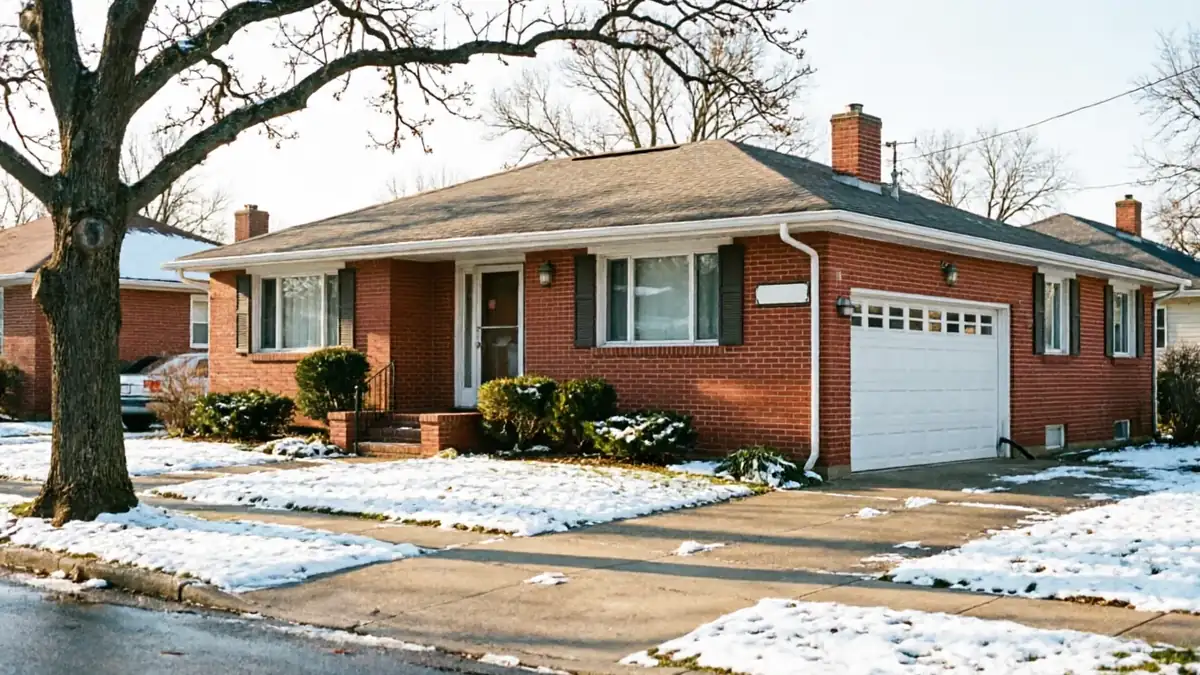
It's the inspection and adjustment that keeps a door from turning a small problem into a Saturday-morning emergency. Across this service area, which covers 66,121 households and roughly 27,559 owner-occupied homes, most of the doors we touch are original to houses built between 1945 and 1994, with a median build year around 1976. That means a lot of torsion springs, rollers, and cable that have been doing their job quietly for decades with no attention at all.
- 66,121 households
- 27,559 owner-occupied
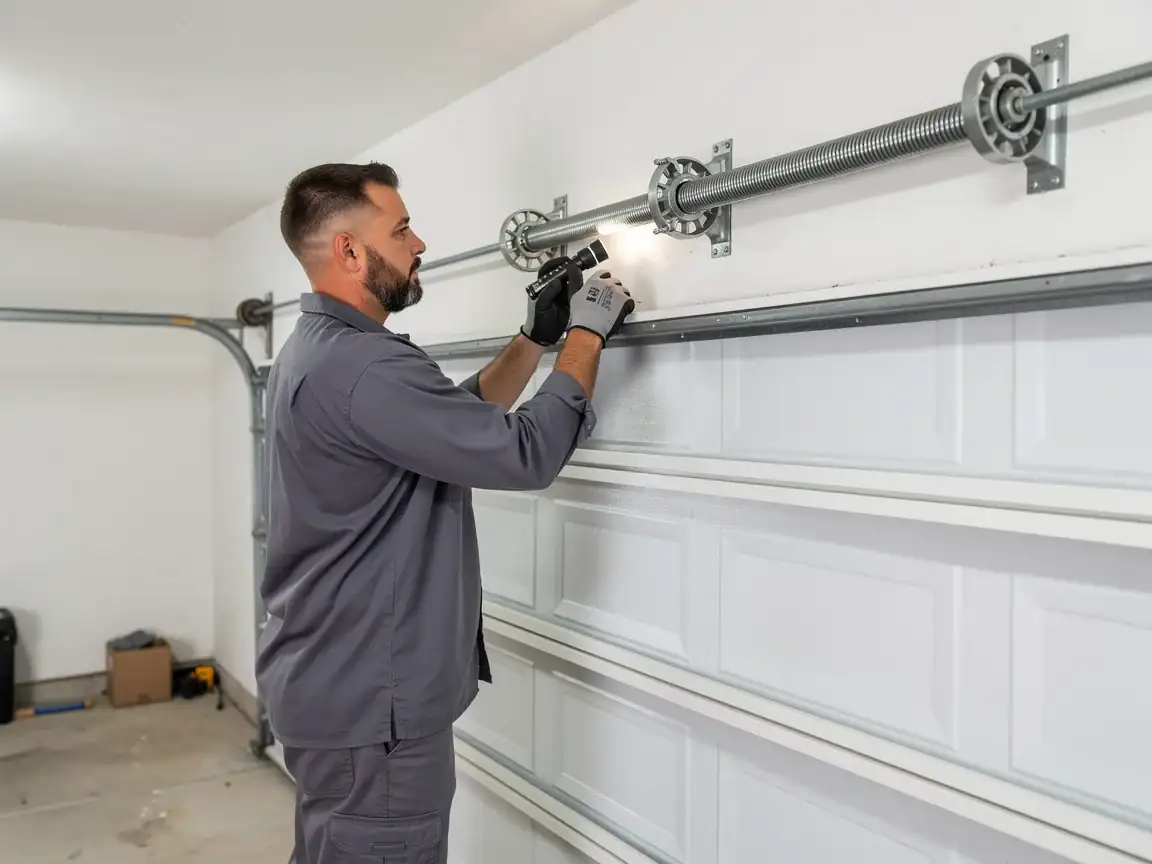
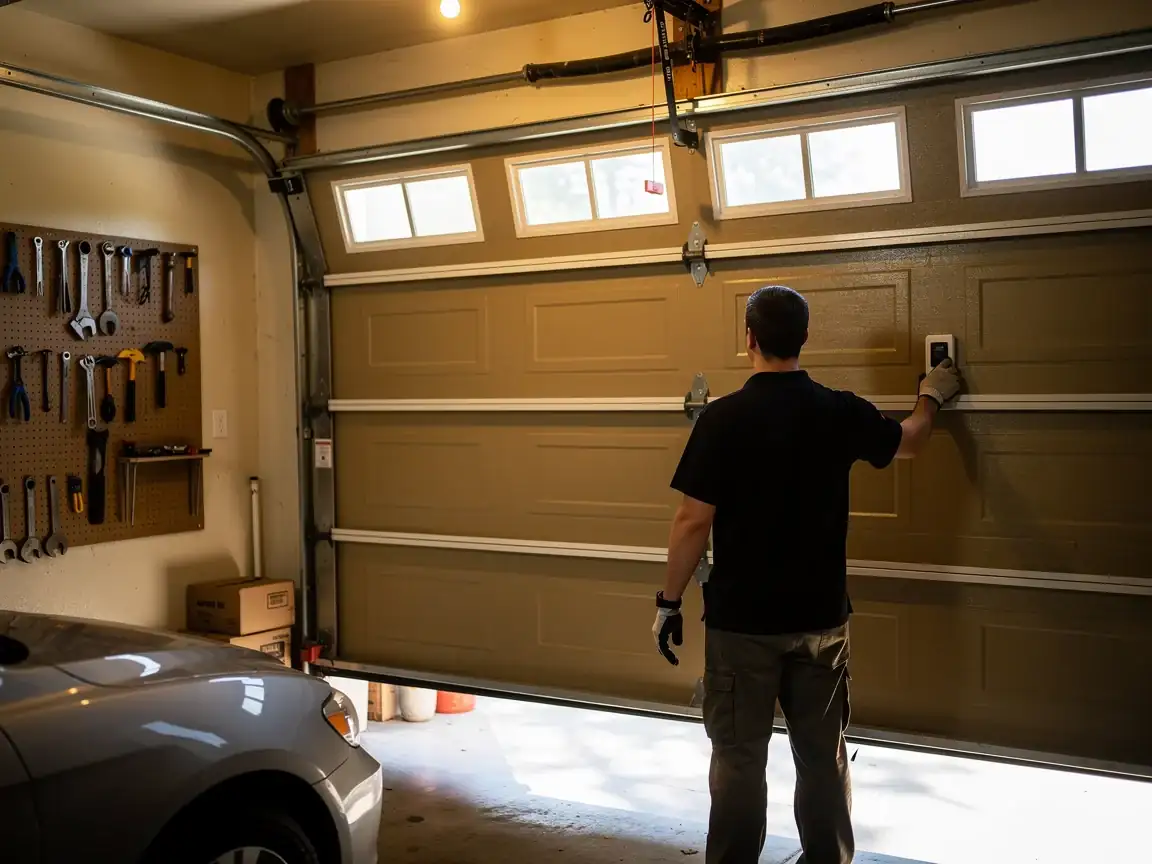
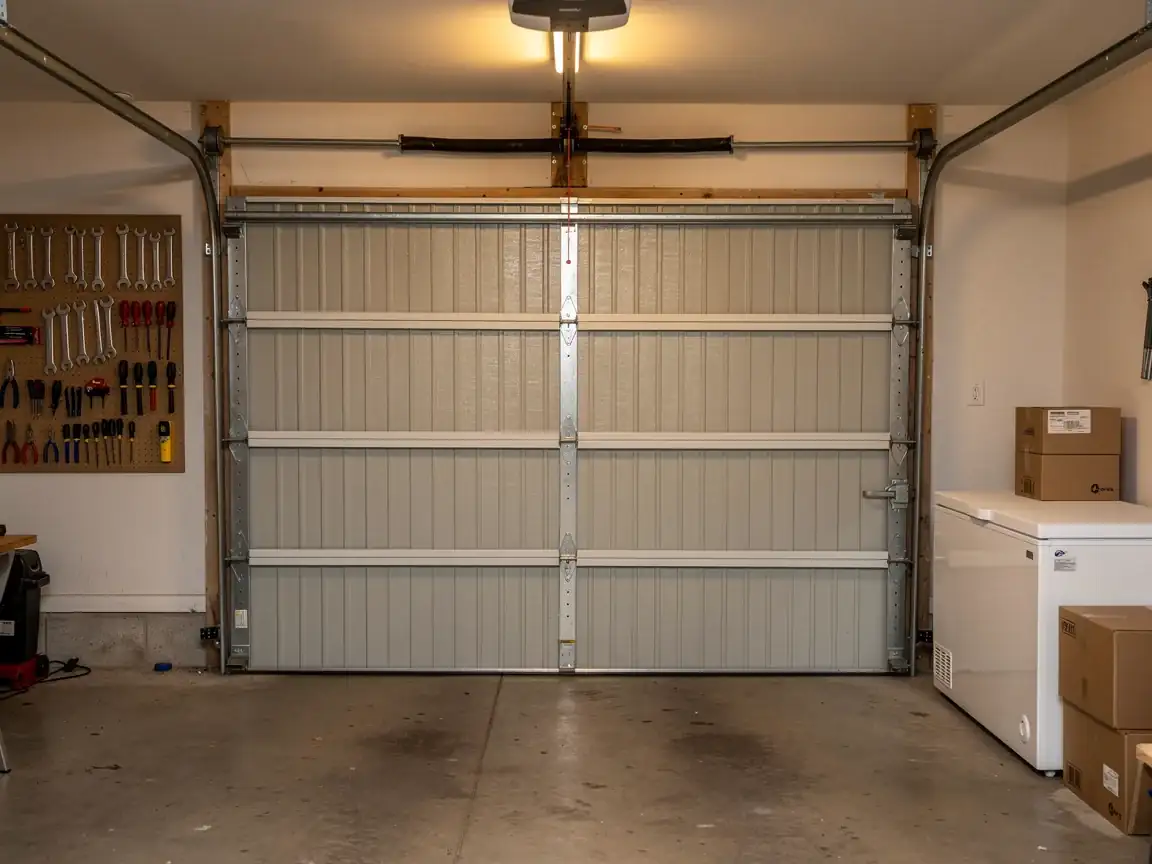
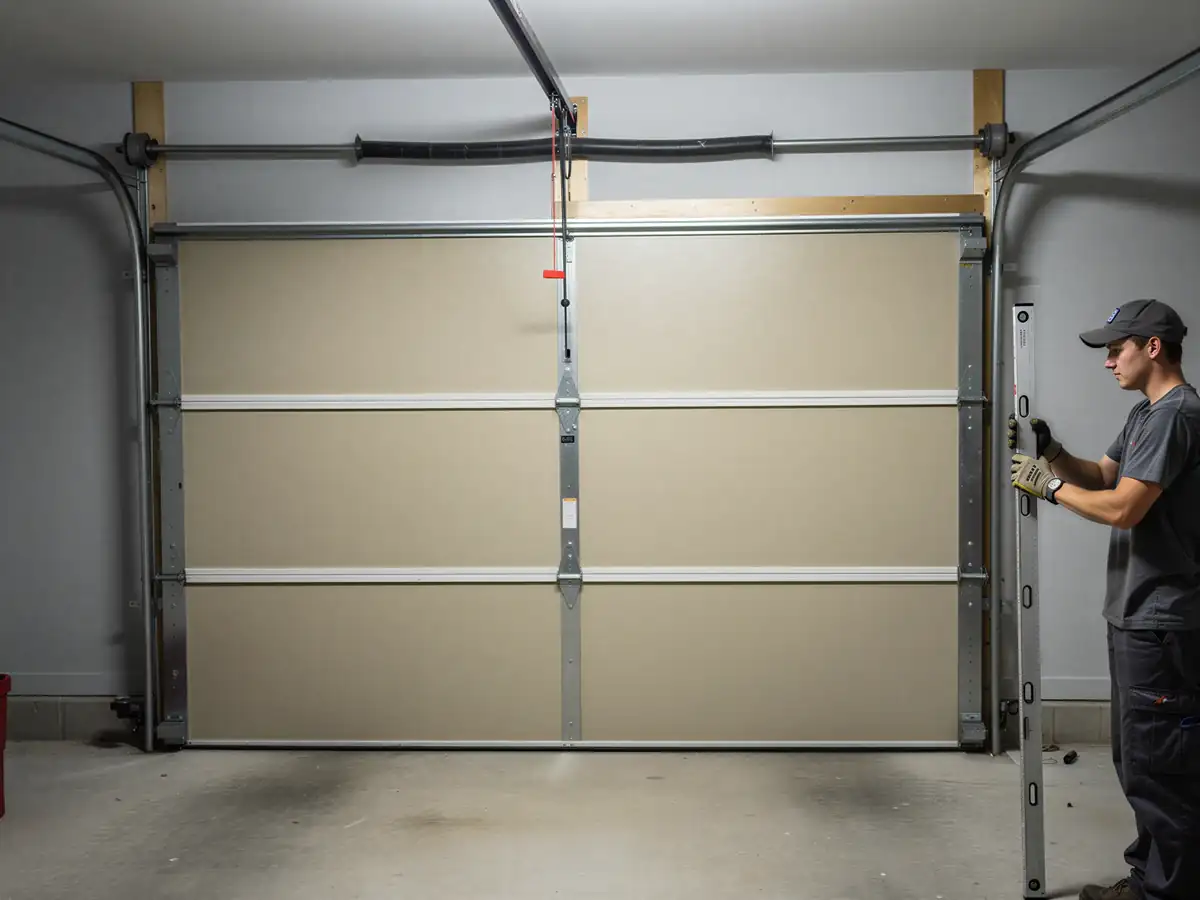
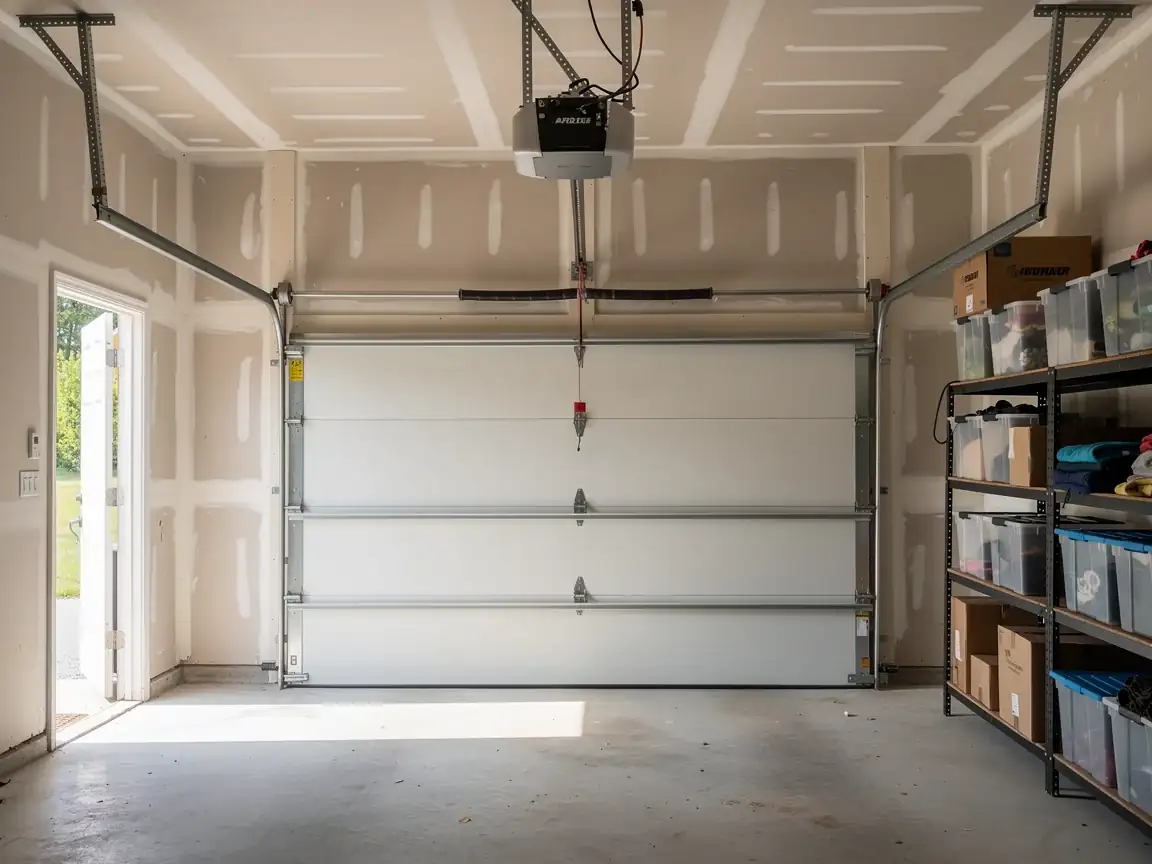
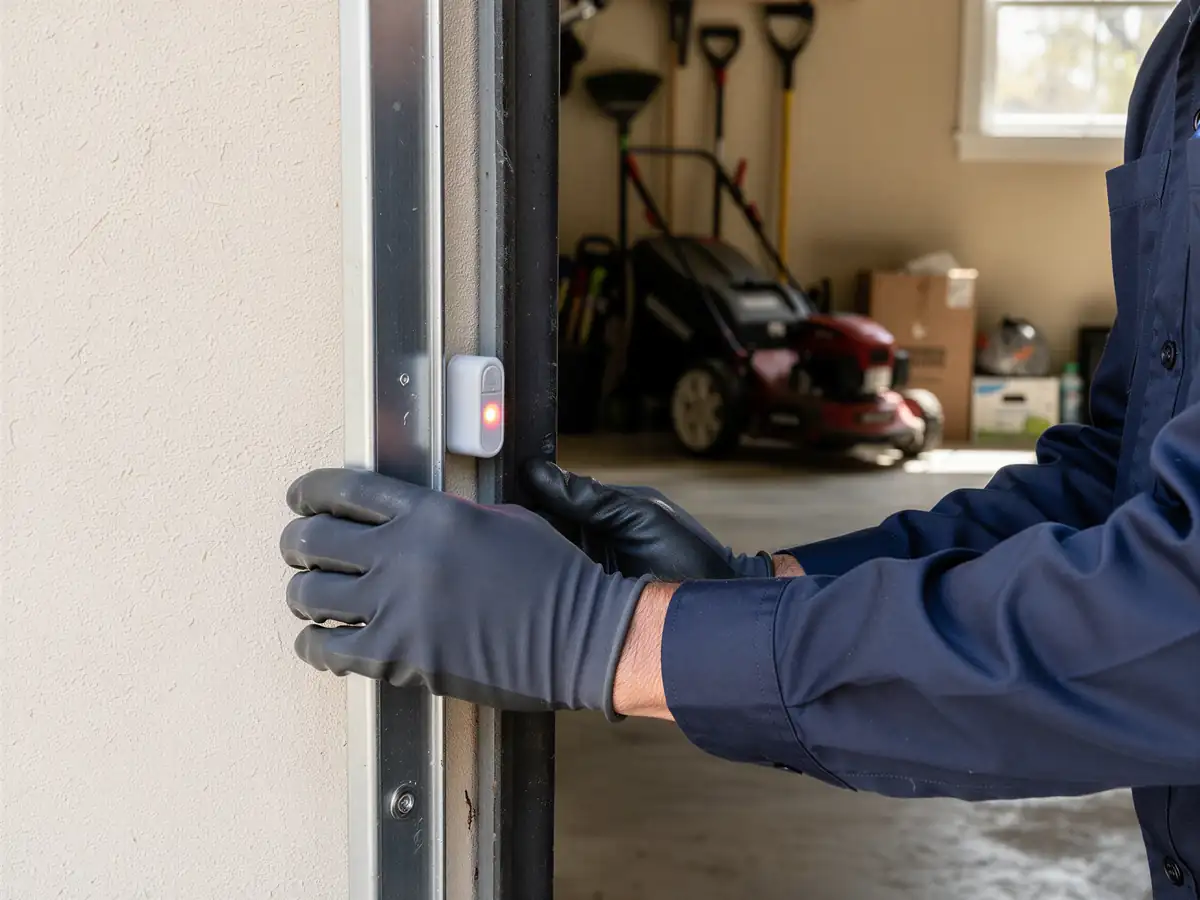
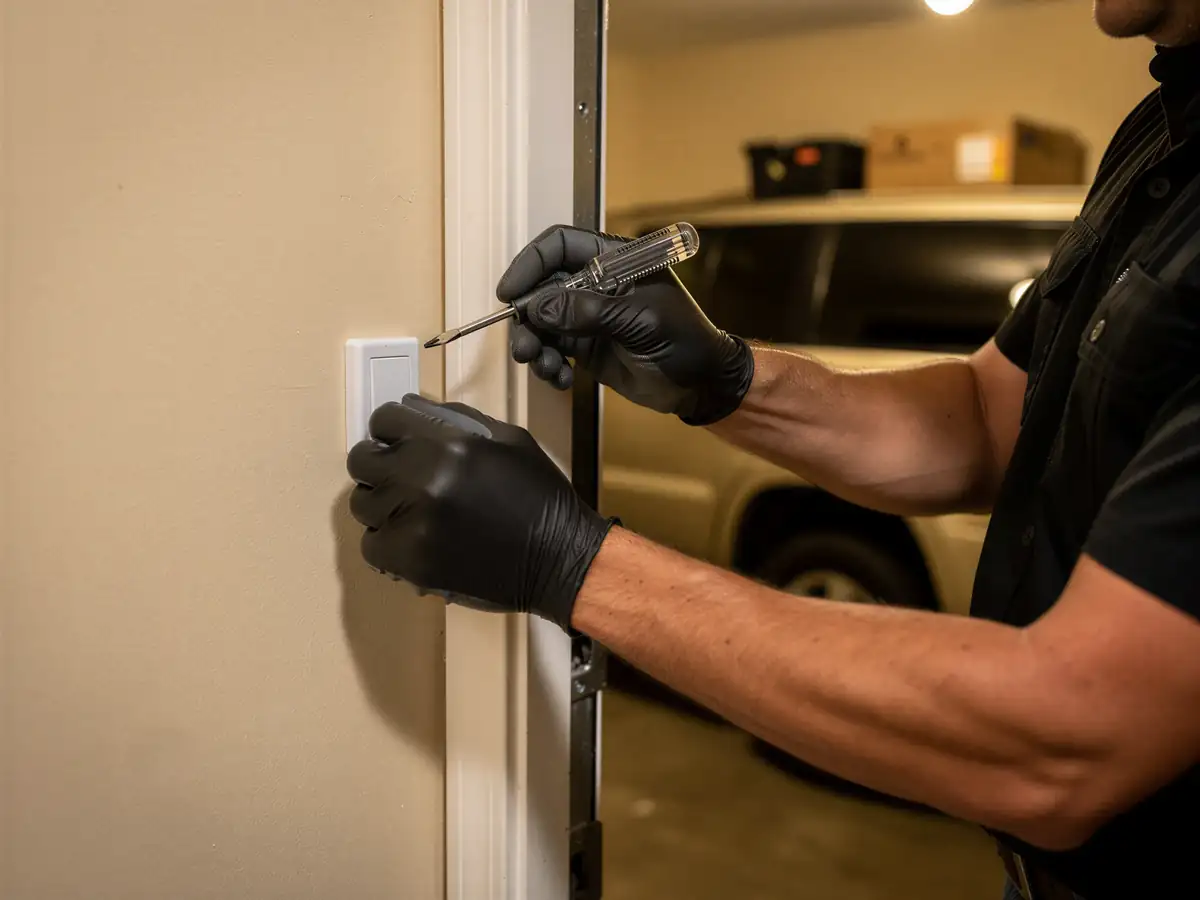
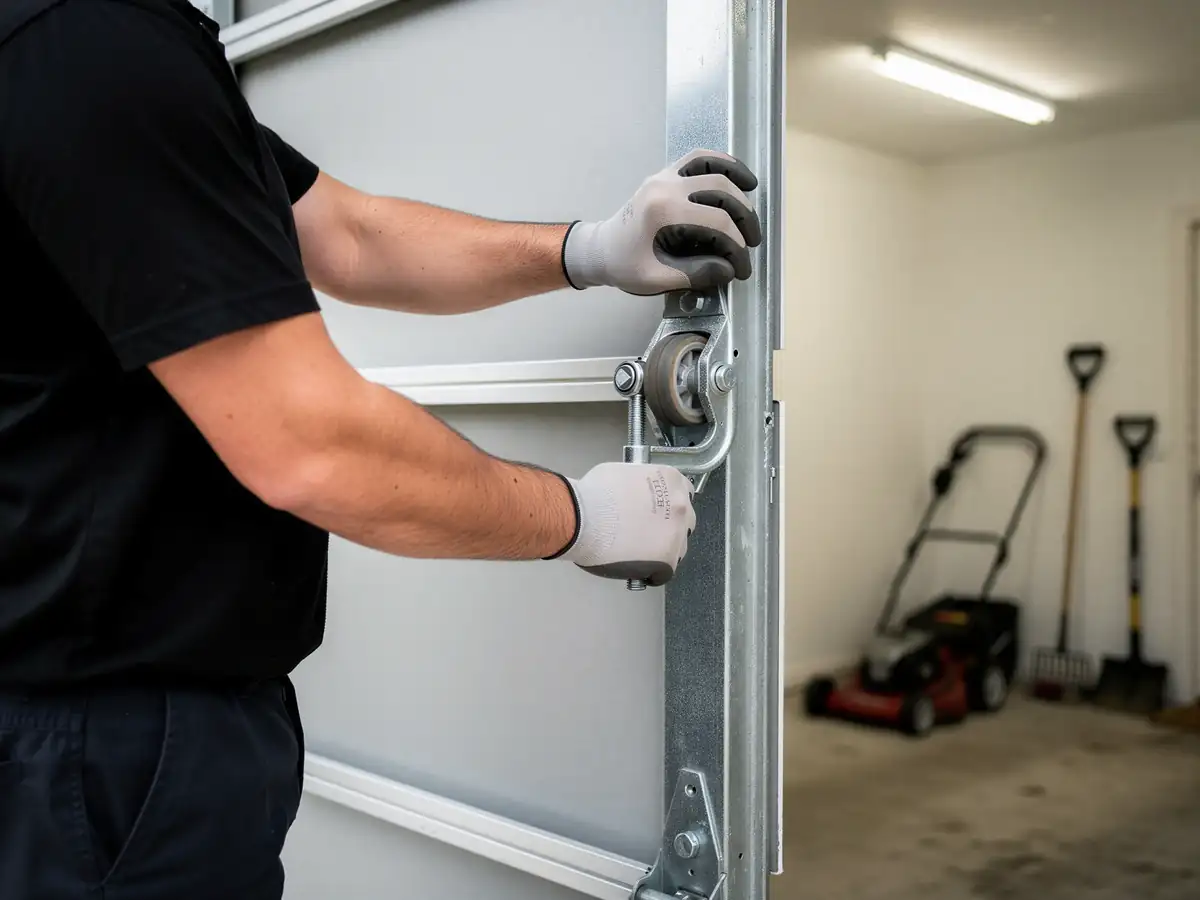
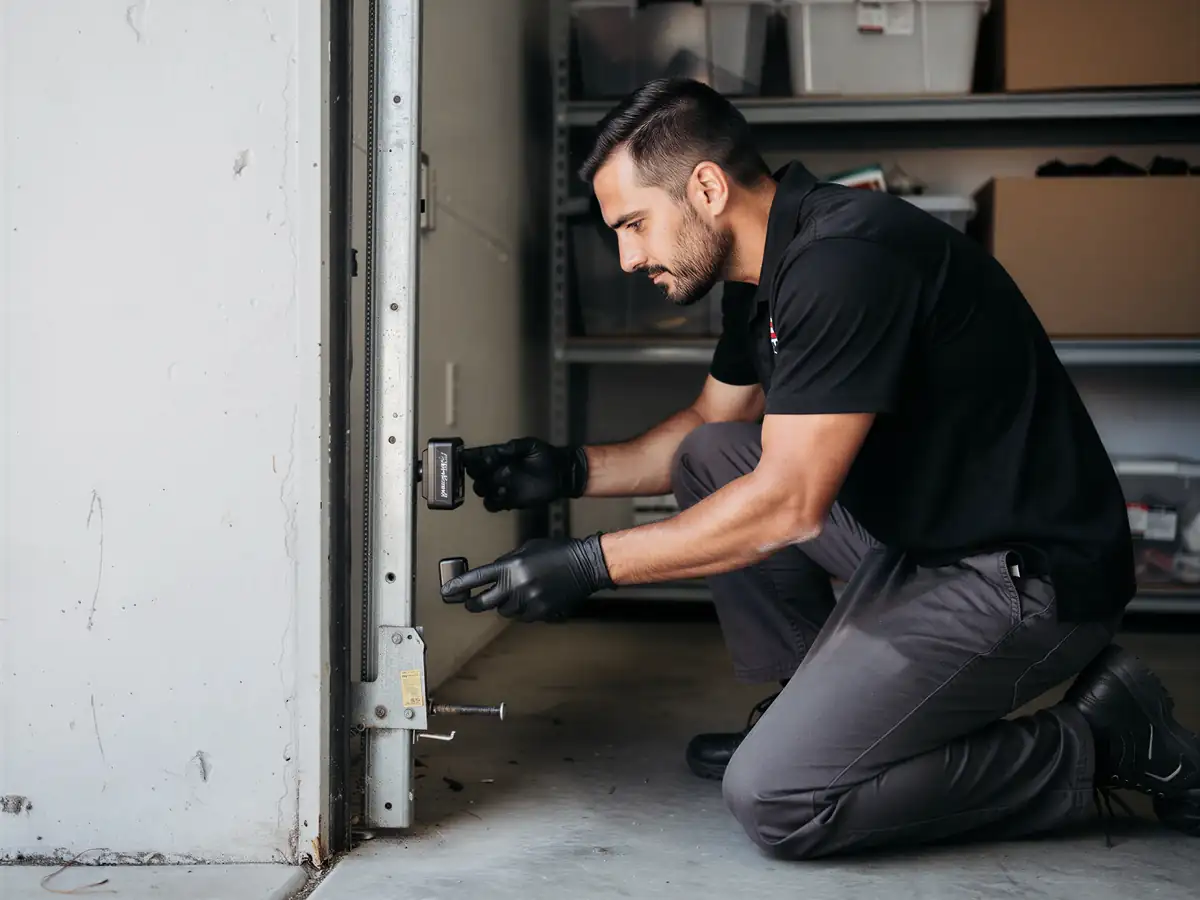
A proper maintenance visit covers the spring tension, the track alignment, roller wear, cable fray, hinge wear, and the opener's force and travel limits
On a door this age, we're also checking whether the hardware is original or has been swapped out piecemeal over the years, which happens a lot in this kind of housing stock. None of this takes long, but skipping it for five or ten years is how a $20 roller problem turns into a cable snap that takes a panel with it.
We're not selling a subscription here
We're telling you what actually needs eyes on it given how old most of these doors are.
How It Shows Up
On a door built or installed during that 1945-1994 run, wear shows up as noise before it shows up as failure. A grinding or popping sound when the door opens usually means a roller is dry or flat-spotted. A door that hesitates partway up often has a spring losing tension - not broken yet, just tired. You might also notice the door is heavier than it used to be when you lift it by hand with the opener disconnected; that's the spring telling you it's not carrying its share anymore.
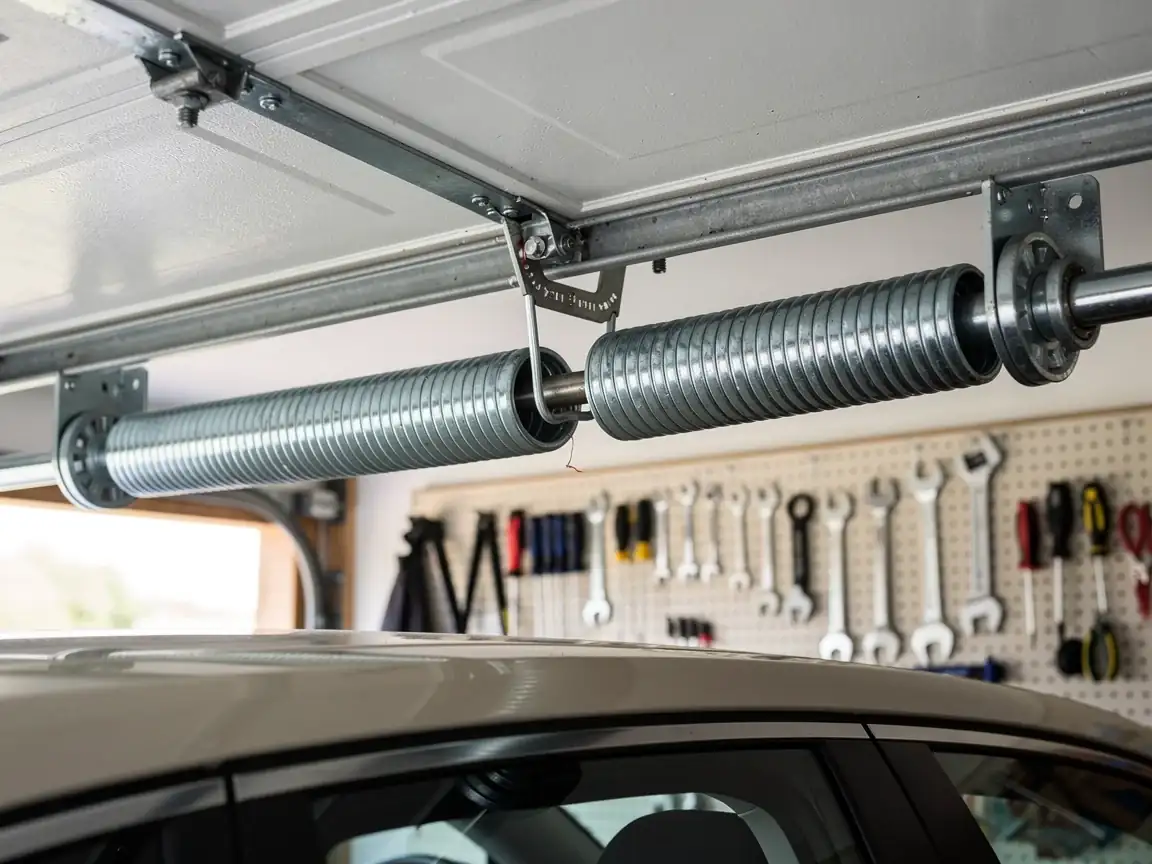
Cable fray shows up as a thin line of rust-colored grit on the floor under the tracks, or a visible kink near the bottom bracket. On older torsion setups especially common in this housing stock, the stationary cone on the spring can work loose over years of use, which throws off the balance on one side and makes the door travel crooked in the tracks.
None of these are emergencies on their own. They're warnings. The maintenance visit exists to catch them before the next cold snap turns a stiff door into a stuck one.
What Causes It Around Here
This area sits in a severe cold climate band, and that matters more for garage doors than people expect. Grease and lubricant that work fine at 60 degrees get thick and sluggish at 10 degrees, which puts extra strain on the opener motor and the spring every time the door cycles in January. Metal also contracts in the cold, which can tighten tolerances on tracks and hinges just enough to turn a minor misalignment into a binding point.
Combine that climate with housing built mostly between 1945 and 1994 - a median year of 1976 across the 22 named communities in this service area - and you get a lot of doors running original or near-original hardware through forty or fifty winters of temperature swings. Springs rated for a certain number of cycles don't care how old the house is; they care how many times they've been stretched and released, and a Michigan winter adds load every single cycle.
Households here have a median income of $75,707, which tells us most of these doors were a normal mid-market install when the house went up - not custom, not heavy-duty, just standard hardware aging the same way standard hardware always does.
The DIY Question
Some of this you can do yourself
Wiping down tracks, checking for loose bolts on the hinges, and listening for new noises are all fair game for a homeowner with a stepladder and twenty minutes. Lubricating rollers and hinges with the right garage-door lubricant (not WD-40, which washes out fast) is also something most people can handle.
What you shouldn't touch is the torsion spring itself
It's under enough tension to cause a serious injury if it lets go while you're working on it, and on a door with original 1970s-era hardware, that spring has had decades to develop rust or metal fatigue you can't see from the outside. Opener force settings are also worth leaving to someone who does it regularly - set wrong, they either strain the motor or fail to stop the door on an obstruction.
Our honest limit here: we don't do cosmetic panel touch-ups as part of a maintenance visit
If a door is structurally sound but dented, that's a separate conversation, not something a tune-up fixes.