The Situation
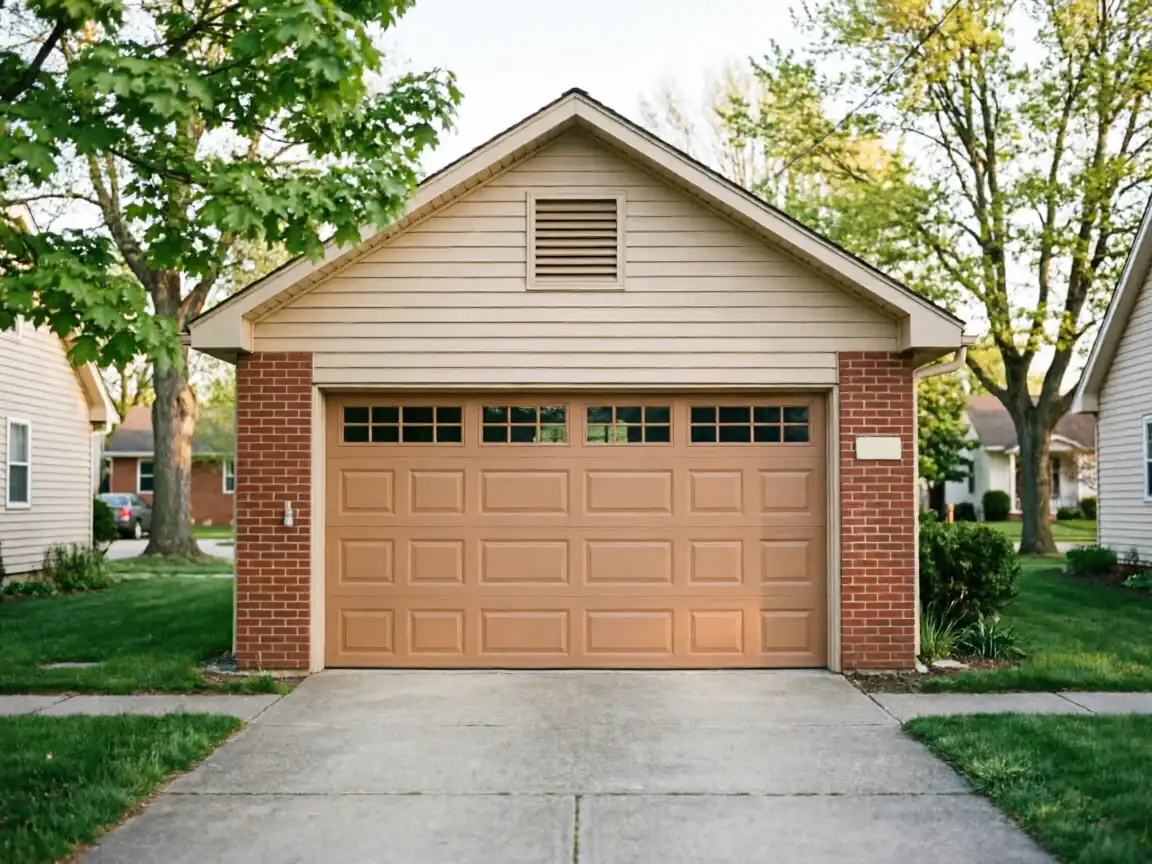
Most houses in this service area went up between 1945 and 1994
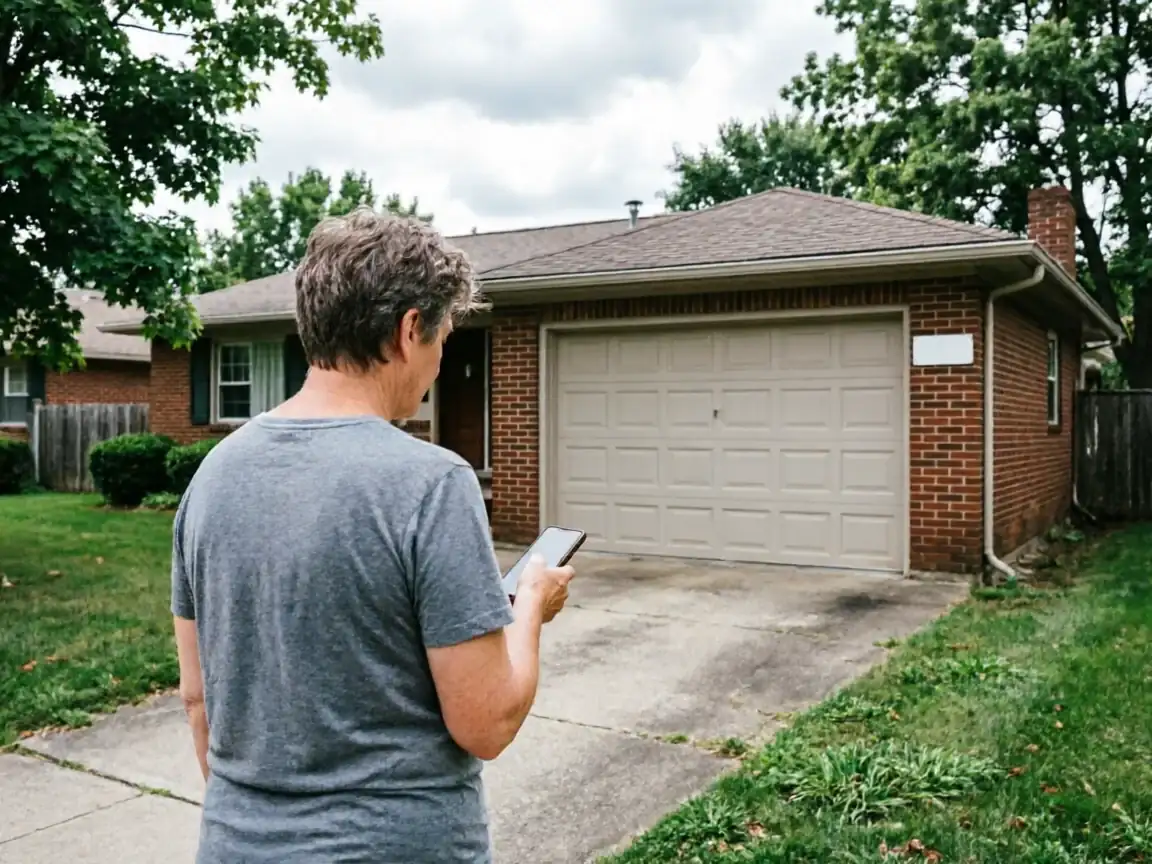
With the heaviest concentration from the 1960s and 70s, and that era matters more than people think when it comes to openers. A lot of these homes still run the opener that came with the original door, or a direct swap from twenty years ago wired straight into the house circuit with no battery backup anywhere in the loop. When the power goes out, the door doesn't just stop responding to the remote - it stops responding, period, unless someone knows where the manual release is and how to use it.
We see this pattern across the 27,559 owner-occupied houses in this area constantly
An opener that's worked fine for a decade, right up until the first hard outage of the winter, when it turns out the backup plan was "hope it comes back on soon." That's not a defect in the unit. It's just what an opener from that generation was built to do, and not do.
- 27,559 owner-occupied
What Most People Get Wrong
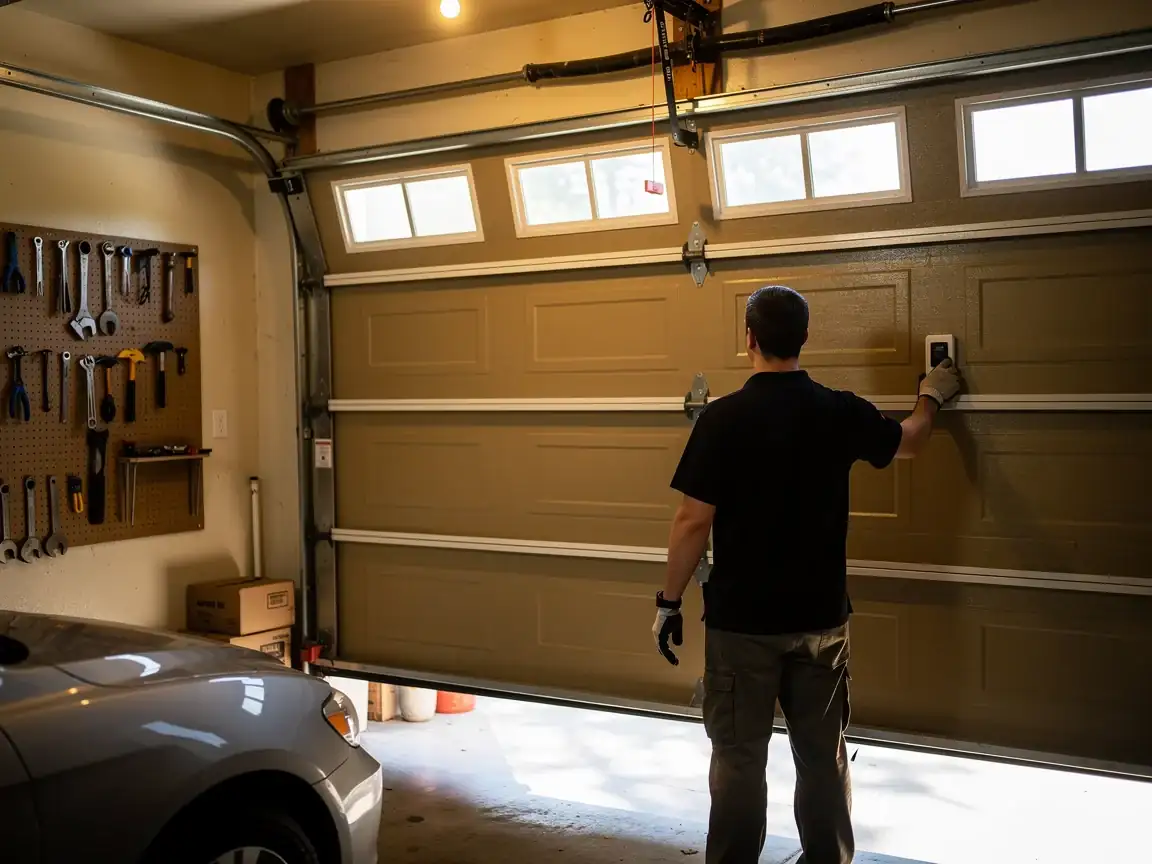
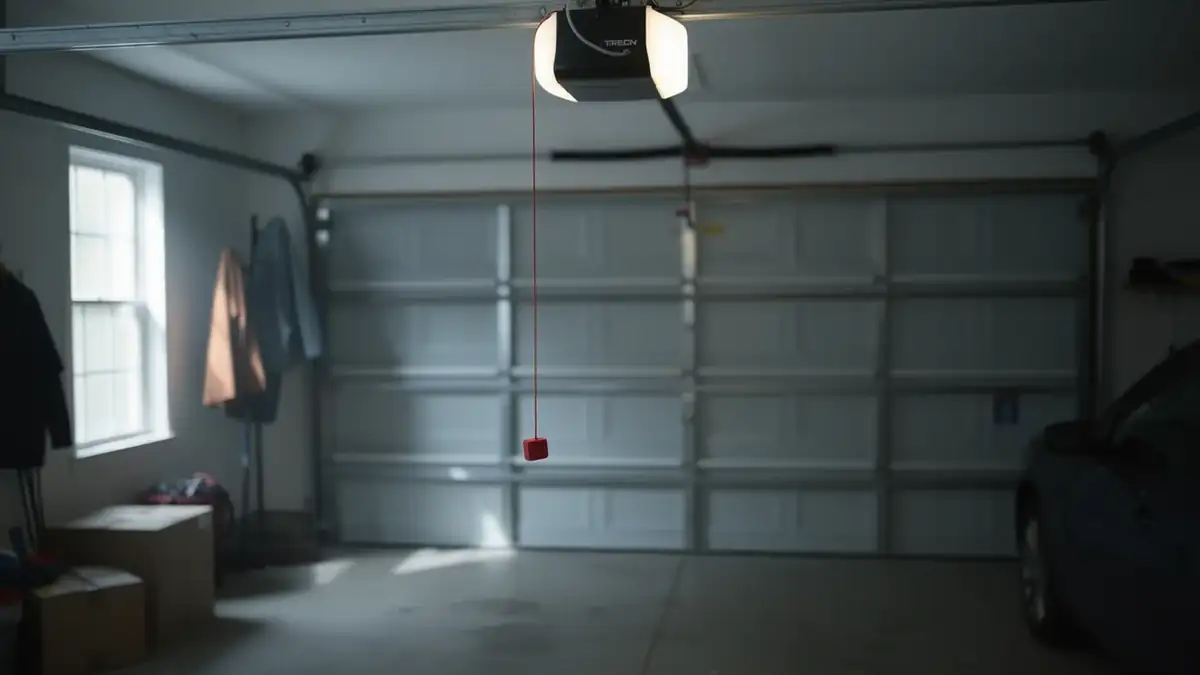
The most common mistake is assuming the manual release cord is enough of a backup plan. It disengages the opener so you can lift the door by hand, which is fine if the door is balanced and the springs are doing their job - but it does nothing to restore power to the opener itself, and in a lot of these older houses the release handle hasn't been touched in years and is stiff or hard to find in a dark garage during an outage.
The second mistake is treating every dead opener after a power cut as a wiring problem to call an electrician for. Sometimes it is. More often, on a unit this old, the outage just exposed that the opener's logic board or motor was already near the end of its life, and the blackout was the final straw, not the cause. People replace a breaker or an outlet and are surprised when the door still won't move.
How Local Conditions Play In
This area sits in a cold-climate band the federal data classifies as severe, and that cuts two ways for openers. First, cold makes power cuts more likely - ice loading and sustained freezes are the usual culprits for outages here, and they tend to hit in clusters during the worst weeks of winter, exactly when you need the door working most. Second, cold is hard on the opener itself even when the power stays on. Chain and belt drives stiffen, grease thickens, and any backup battery already installed loses a meaningful chunk of its runtime in sub-freezing air, so a battery that held the door for eight hours in October might give you two in January.
With a median household income of $75,707 across this area, most owners can reasonably plan for a battery-backup opener retrofit without it being a stretch, but we still see a lot of households wait until a January outage forces the decision rather than handling it ahead of time. The fix is usually simple. The timing is what trips people up.
When to Get Help
Call if your opener won't reset after the power comes back on
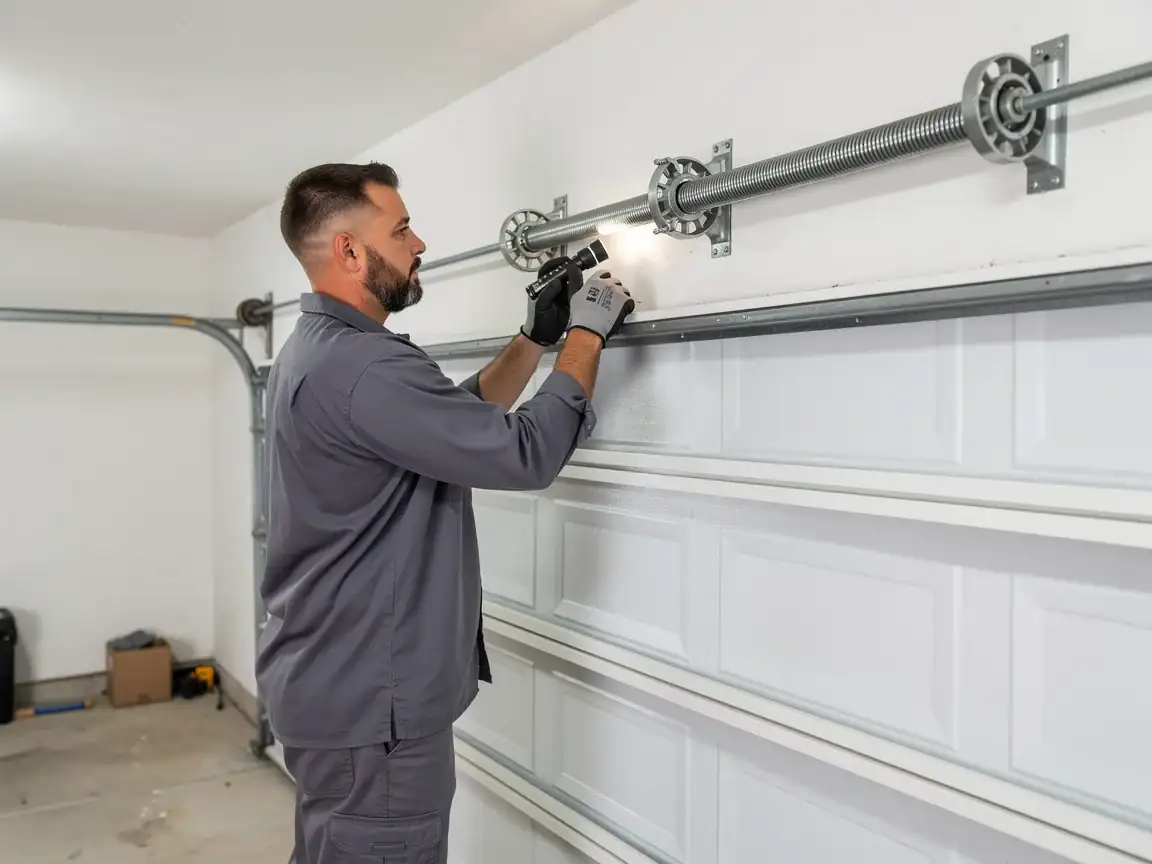
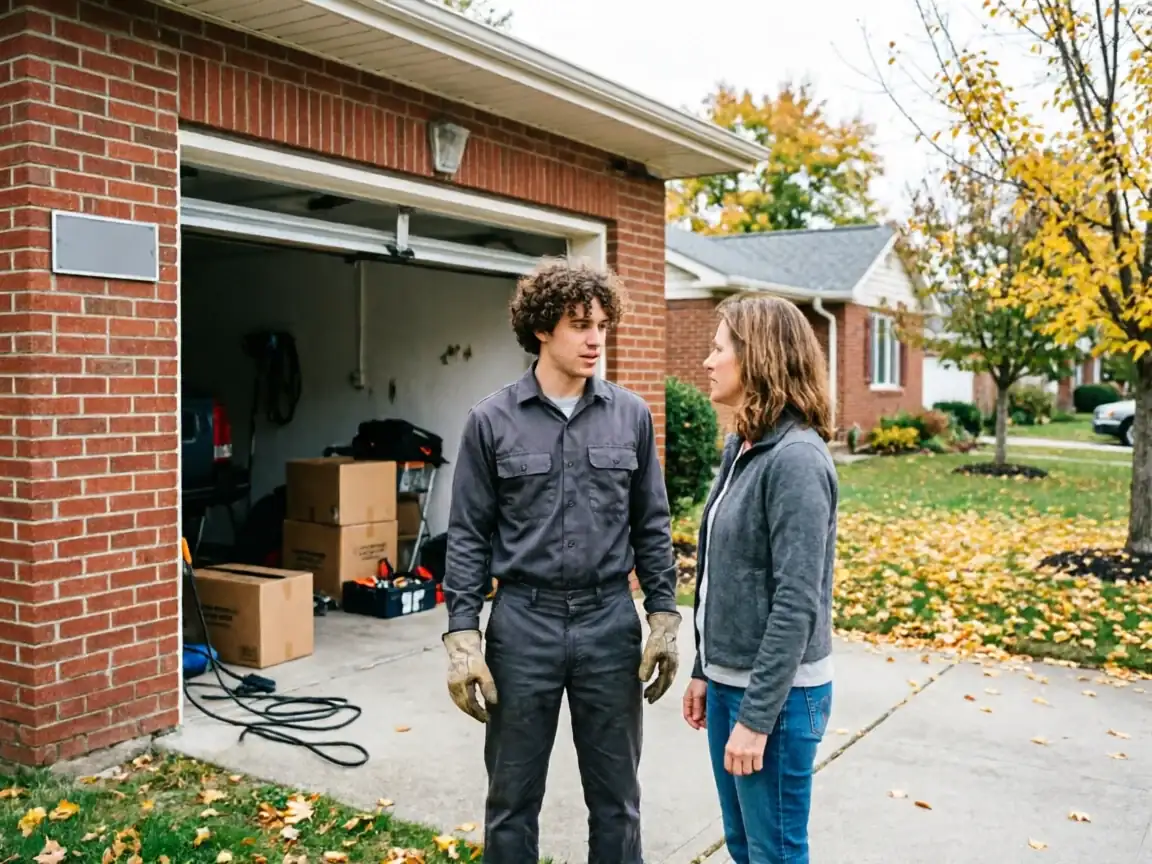
That's often a logic board that didn't survive the surge, not something you can fix by cycling the breaker. Call if you've never located your manual release or aren't sure it still works; finding that out during a blackout, in the cold, is the wrong time. Call if you're considering a battery-backup retrofit and want to know whether your current opener can even accept one, since a lot of the original units from the 1960s and 70s housing stock can't.
One honest limit: if the opener motor itself is an older discontinued model
We may not be able to get the exact replacement part, and the honest answer at that point is a new opener rather than a repair. We won't string you along on a part that doesn't exist anymore.