What Most People Get Wrong
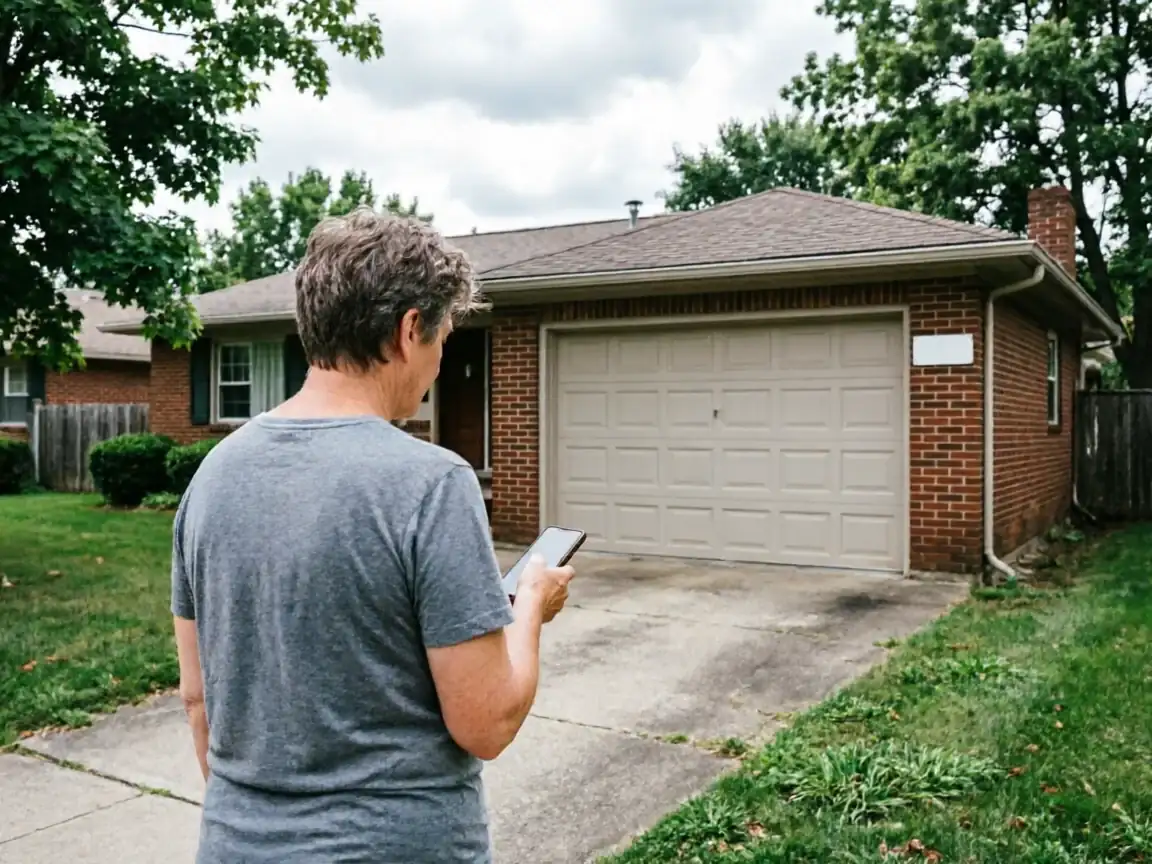
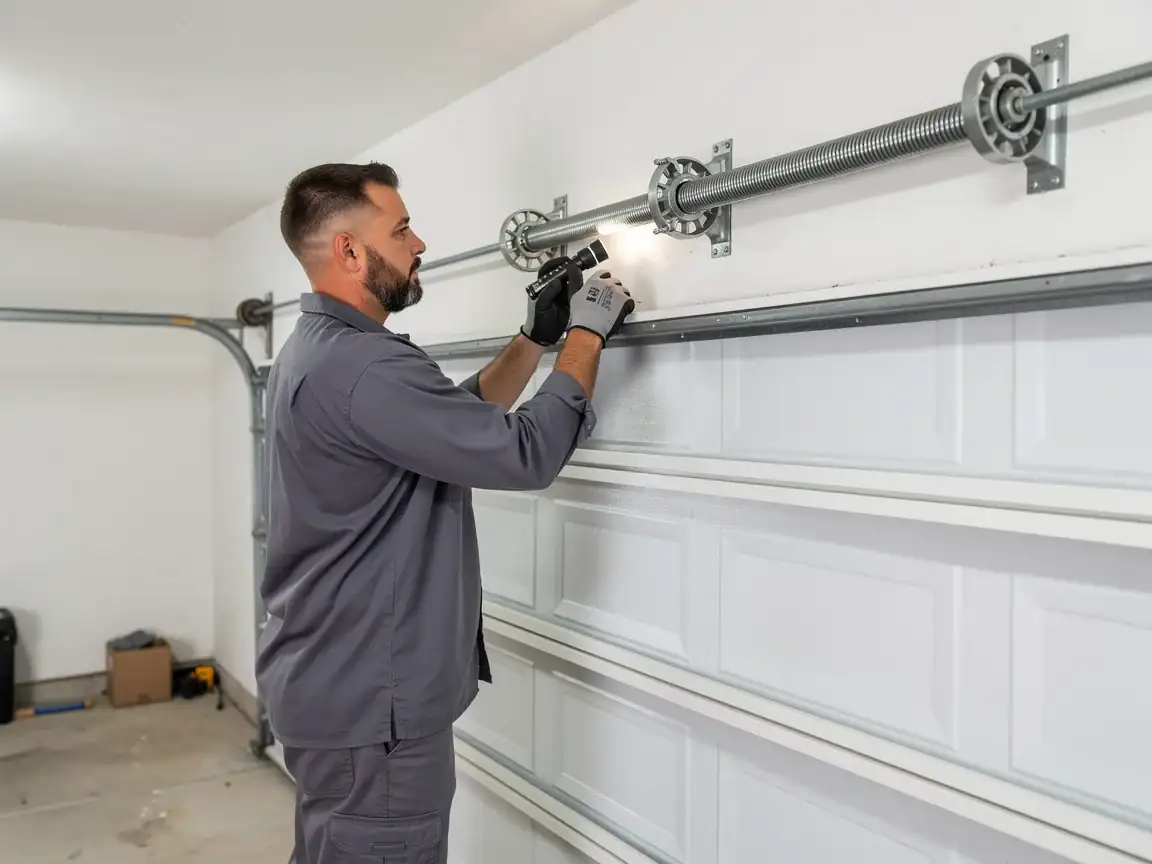
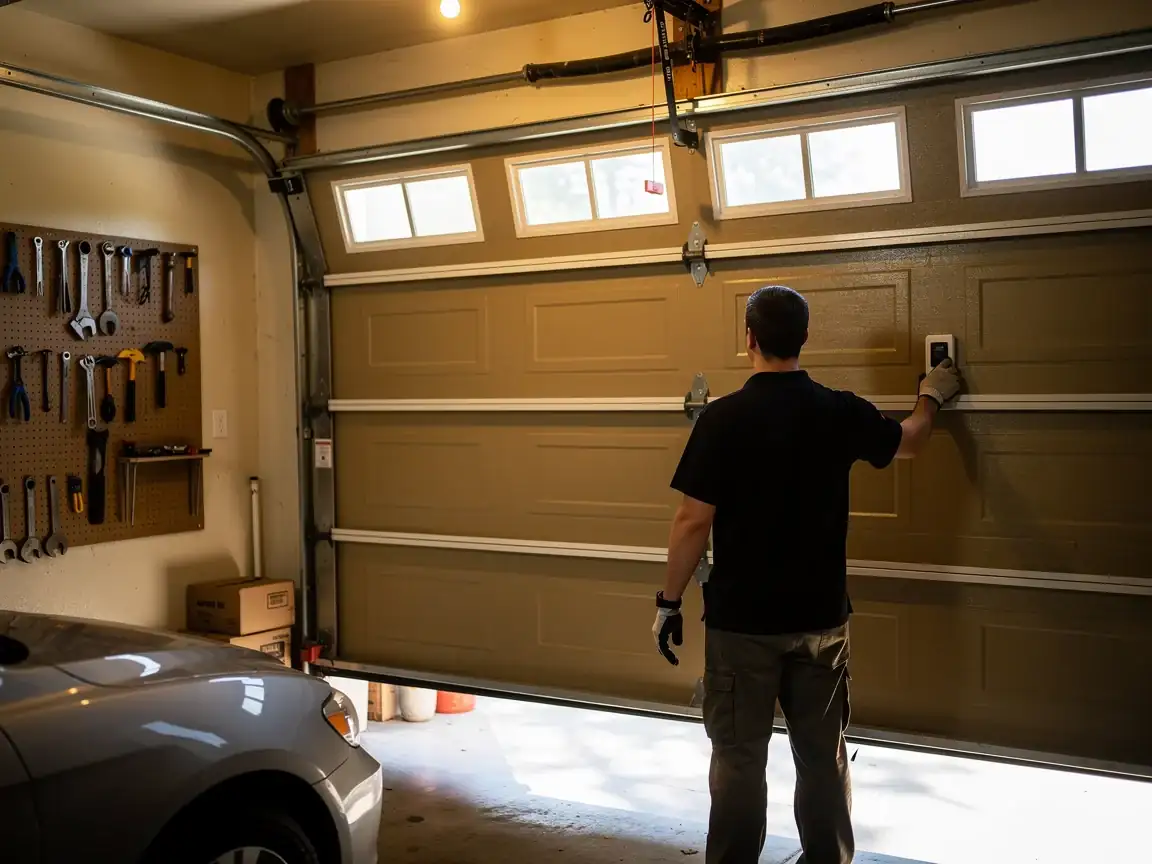
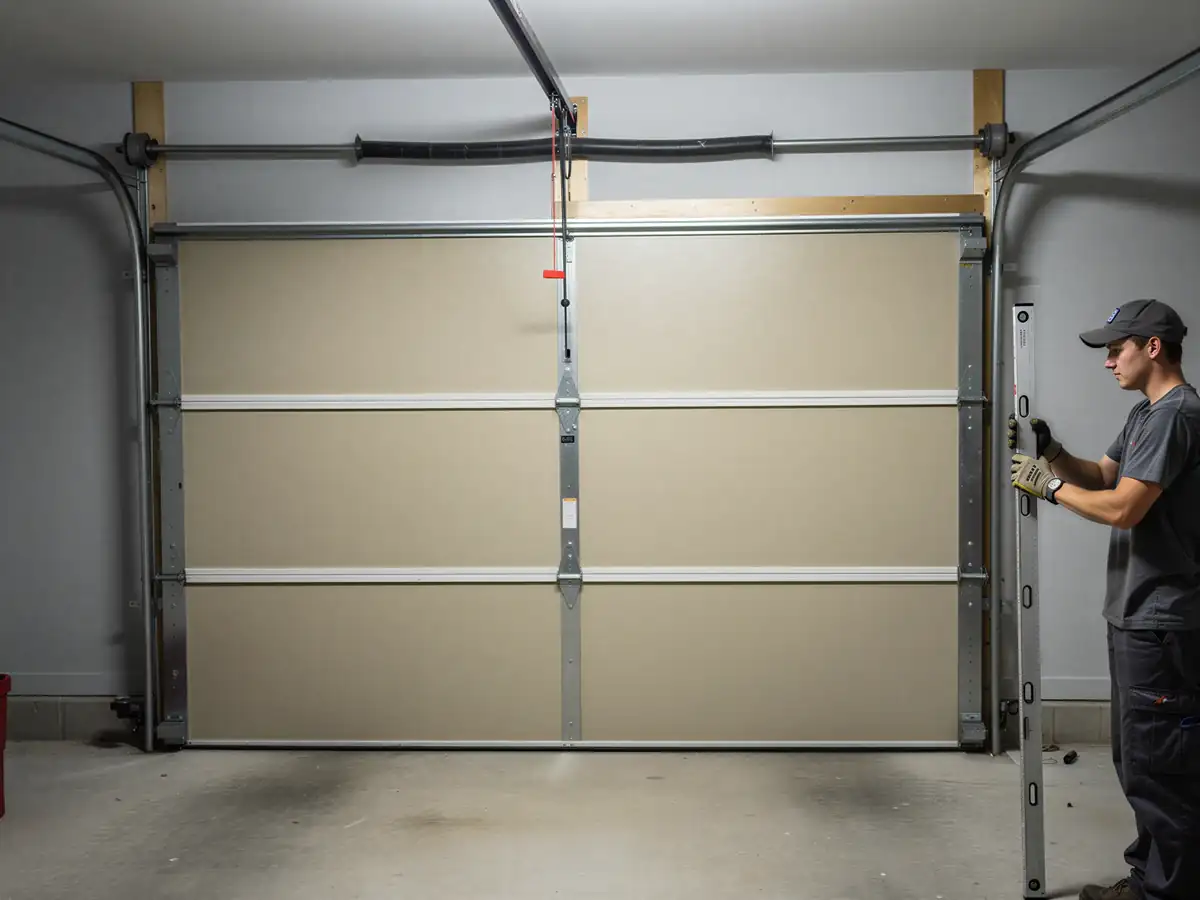
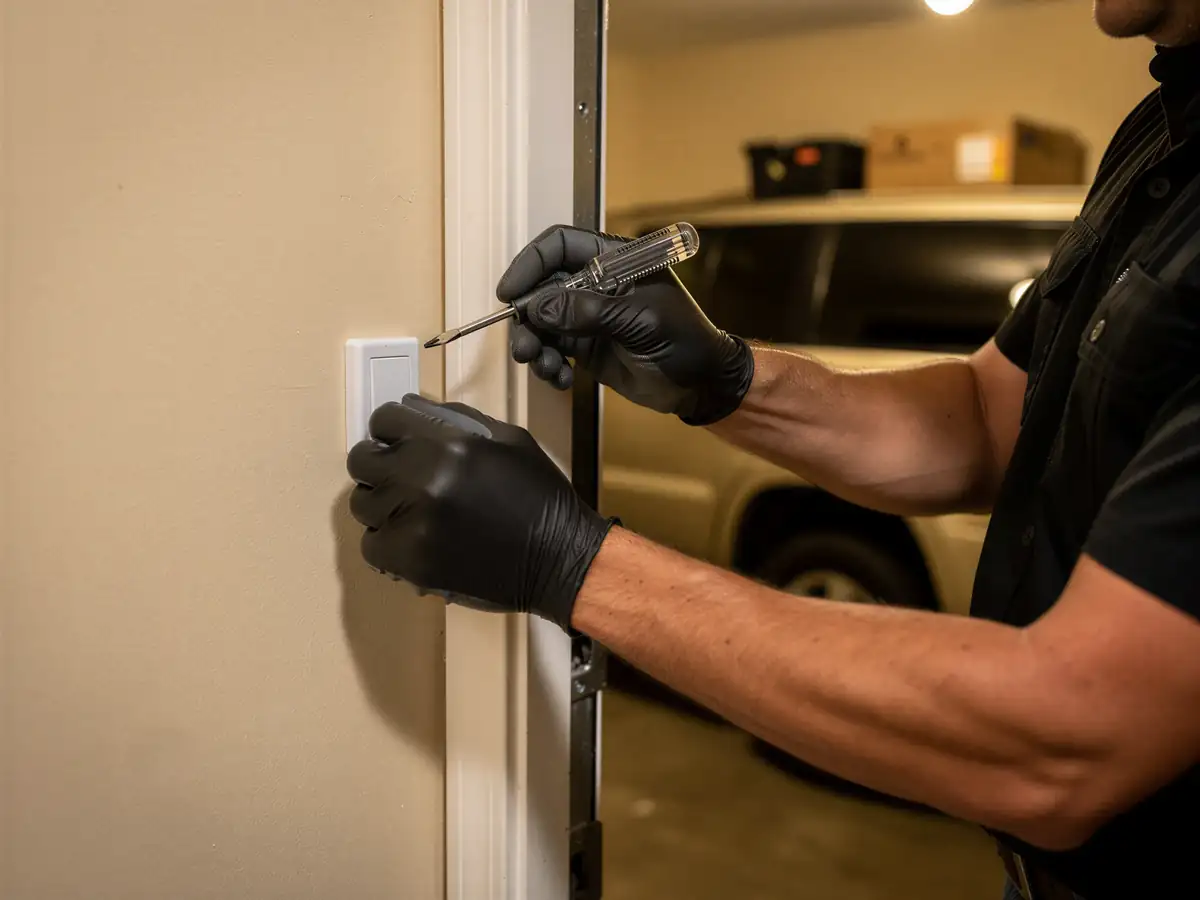
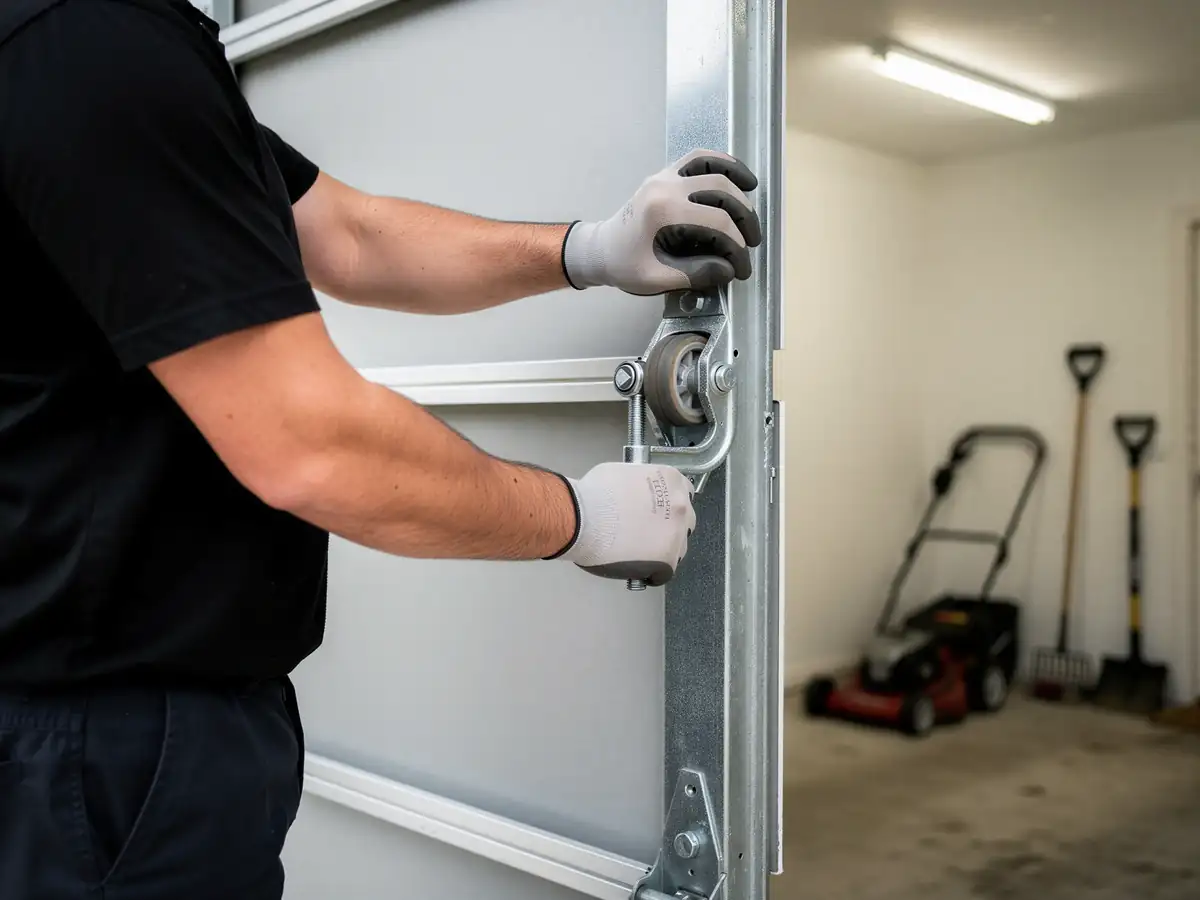
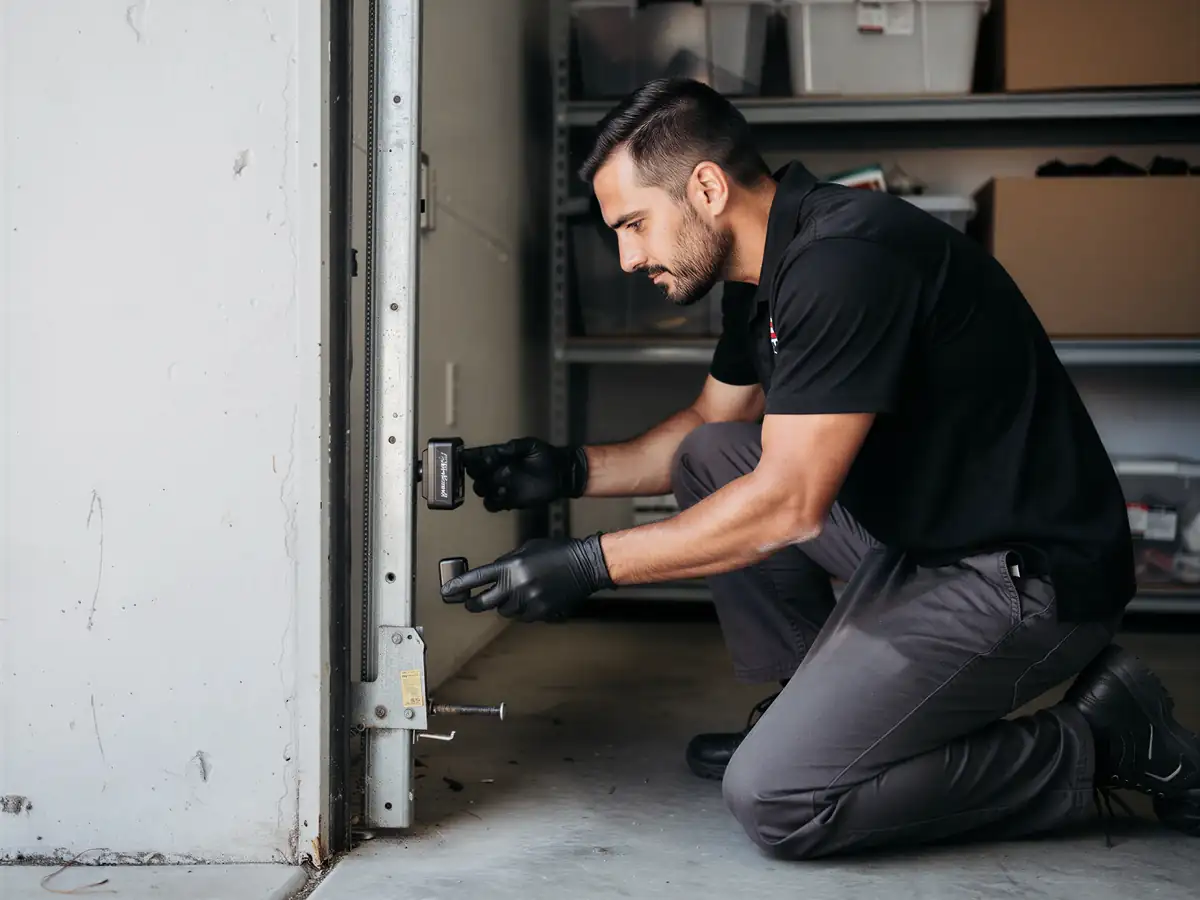
The most common mistake is treating a service call like it's one fixed thing - show up, tighten something, leave. What it actually covers depends on what's behind the panel. On a house built in the median 1976 window, we're often looking at a torsion spring that was never rated for the cycle count it's logged, a track that's been re-shimmed more than once, and an opener that's had three remotes added to it over the years in ways that don't match how it was wired originally. People also assume a noisy door just needs oil. Sometimes it does. More often, on hardware from this era, the noise is slop in a worn roller track or a spring that's lost enough tension that the opener is doing work it was never built to do - which burns out the opener motor faster than the spring itself ever would have failed. We won't guess on this. A service call means we open the panel, check the spring's wind and the drum alignment, and tell you straight whether it's a tune or a replacement. If the hardware's original to a 1976 build, there's a real chance parts for it just aren't made anymore, and we'll say so rather than force a fix that won't hold.
How Local Conditions Play In
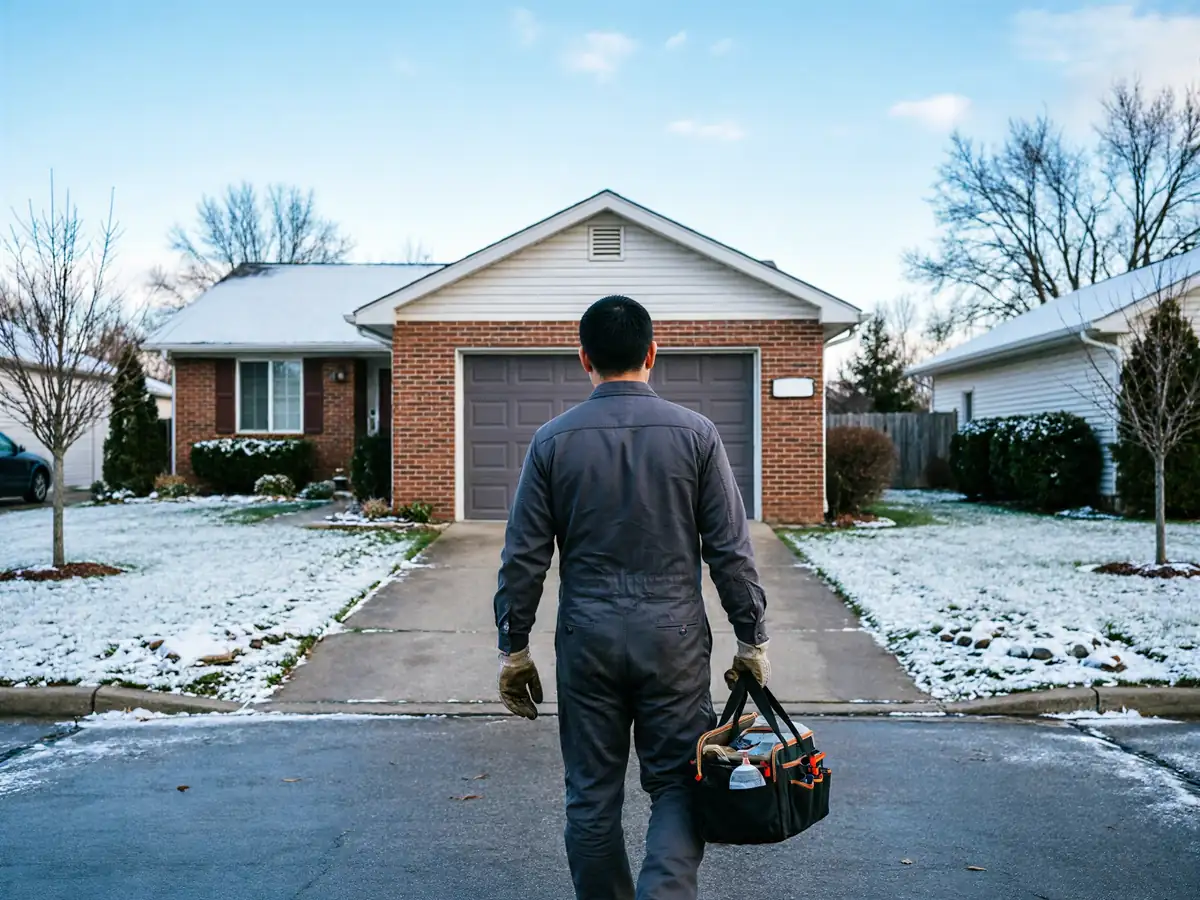
East Lansing sits in a severe cold climate band, and that's the detail that turns a minor issue into a call-us-today problem. Steel contracts in deep cold, and a torsion spring that's already a few years past its prime loses more tension on a 10-degree morning than it does in August - that's usually the week we get the call about a door that won't lift at all. Cold also stiffens lubricant on tracks and hinges, so a door that rolled fine in September can start grinding by January even though nothing actually broke. On older homes with original 1960s-70s hardware, the metal fatigue from decades of winter contraction and summer expansion is cumulative - it's part of why a 45-year-old spring doesn't fail gently, it fails all at once, usually on the coldest day of the stretch. We also see slab movement from frost heave affecting track alignment on older foundations, which shows up as a door that binds on one side only. None of this is dramatic weather - it's just the slow, repeated cold-to-warm cycle this area gets every year, working on hardware that was installed before anyone was thinking about its 50-year service life.