What Most People Get Wrong
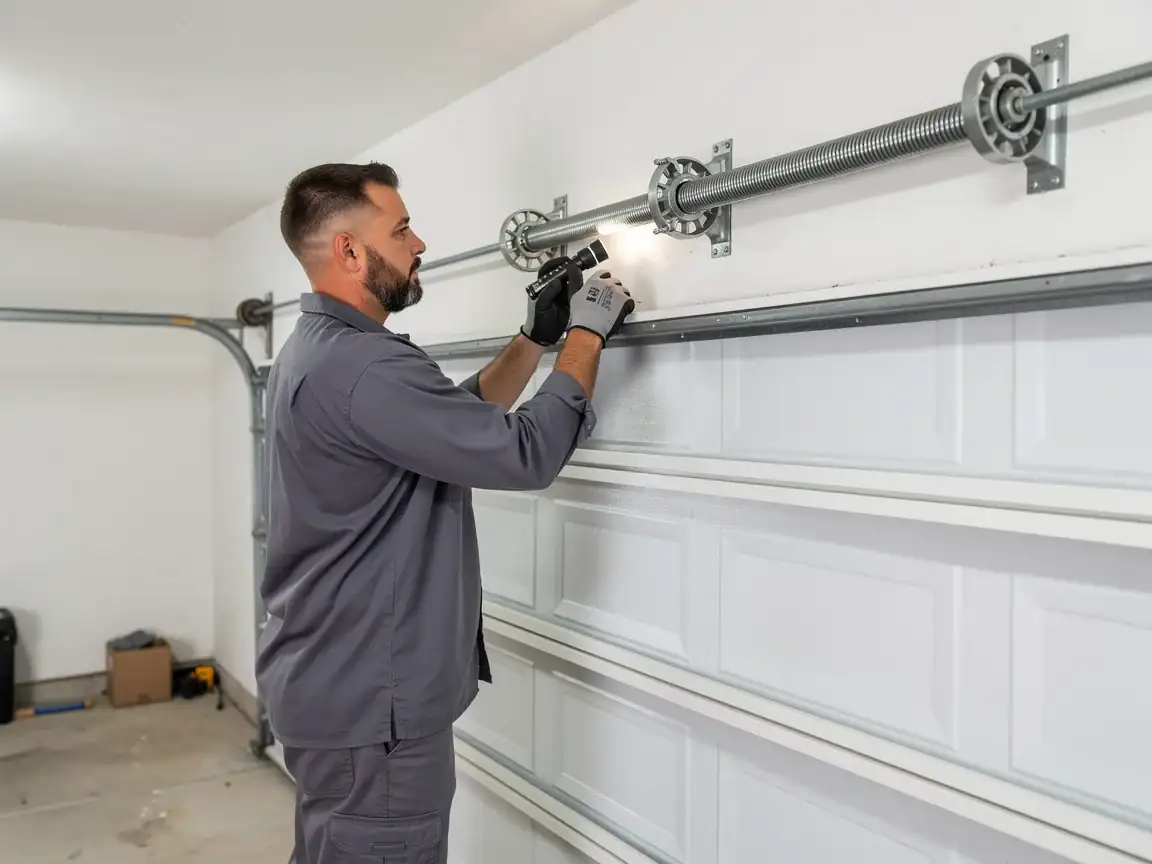
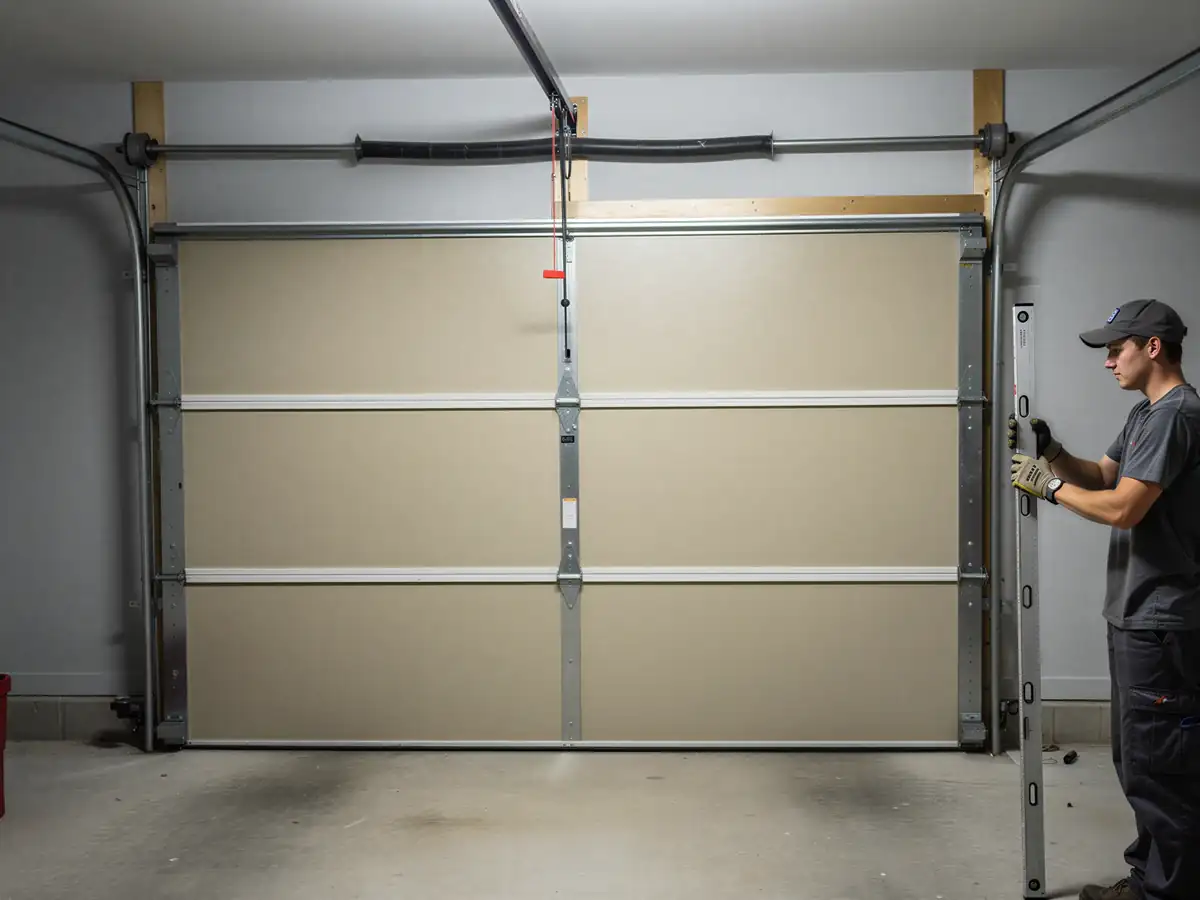
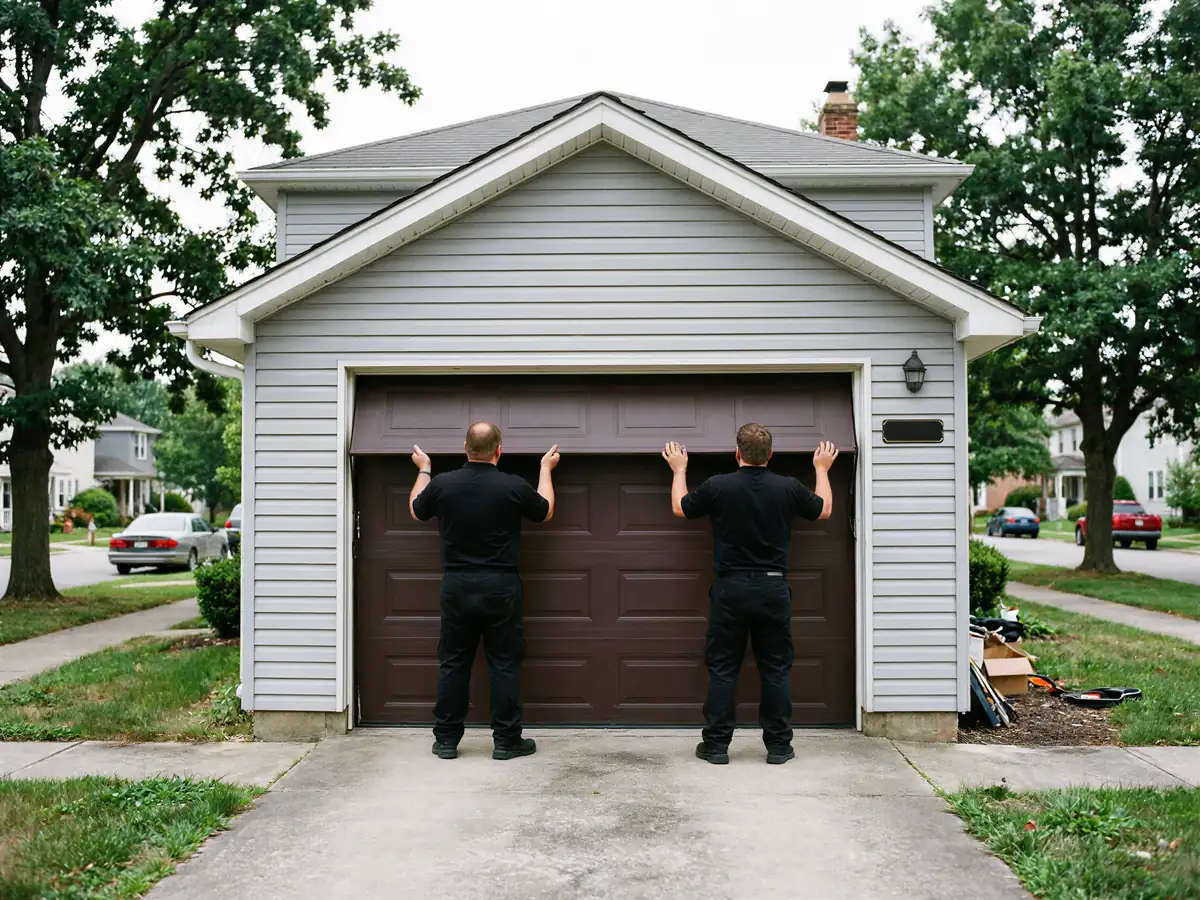
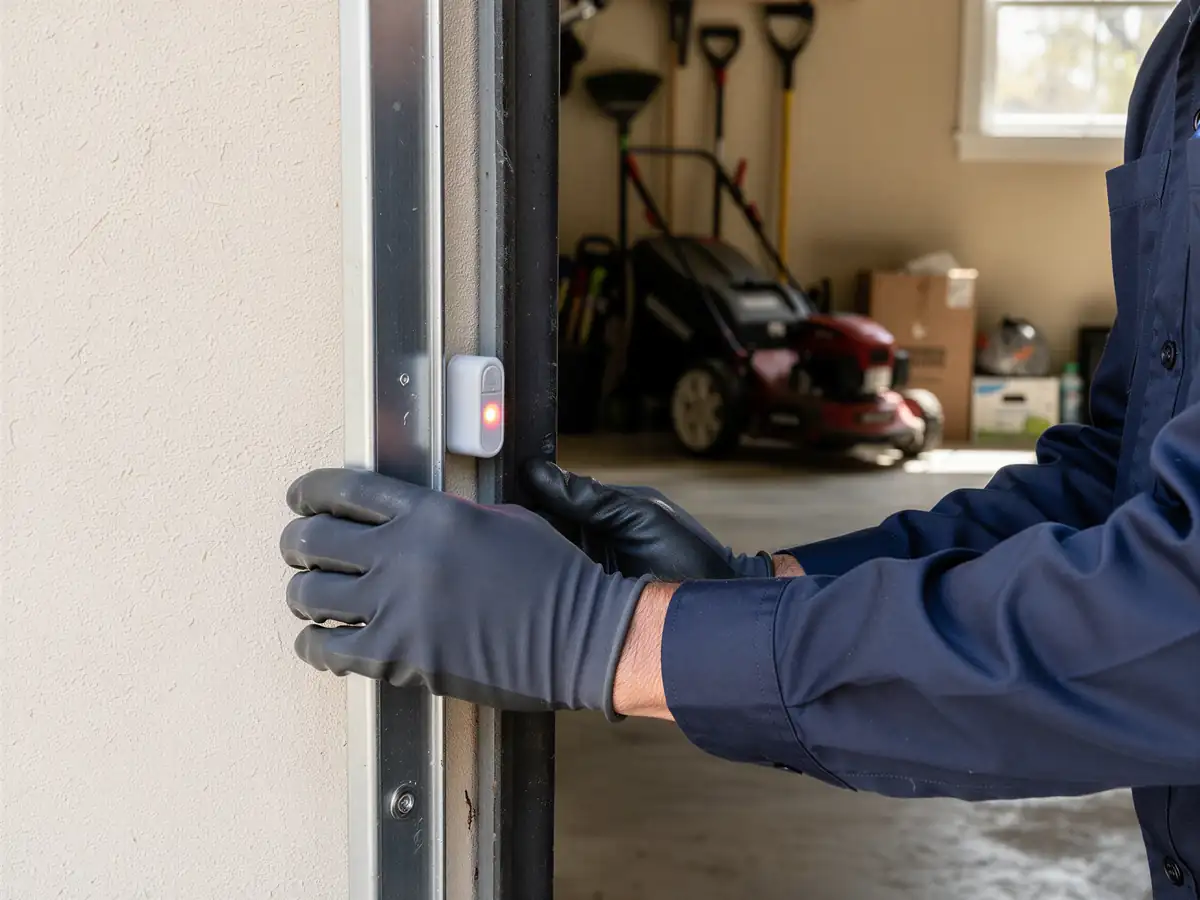
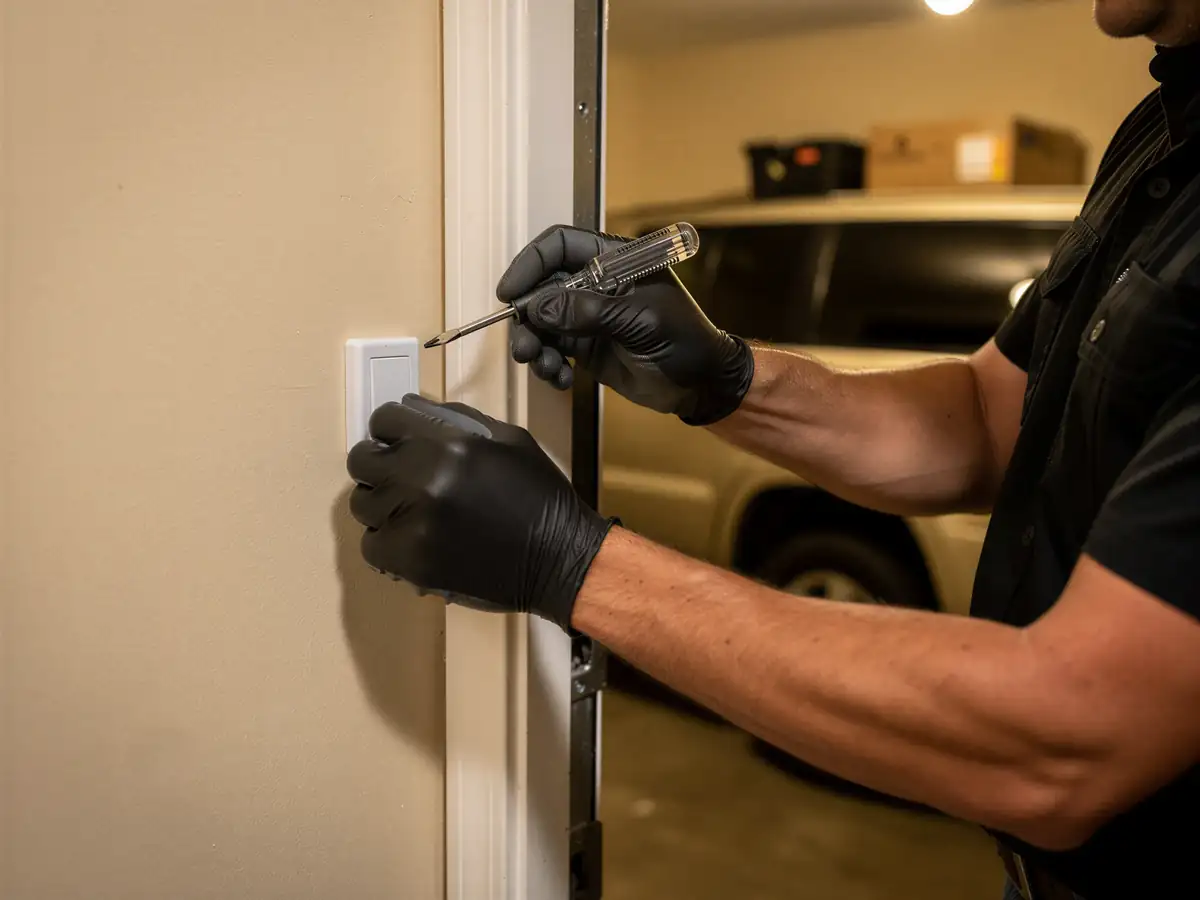
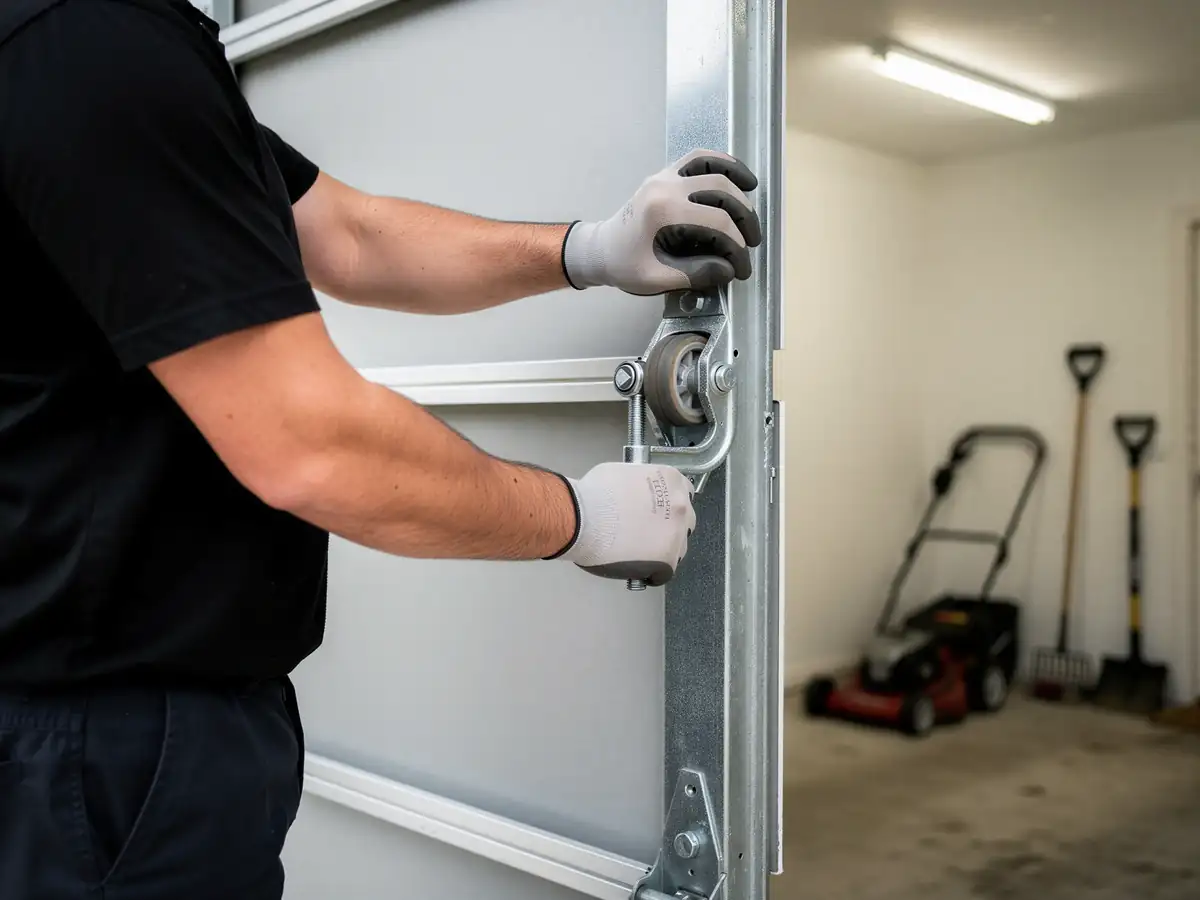
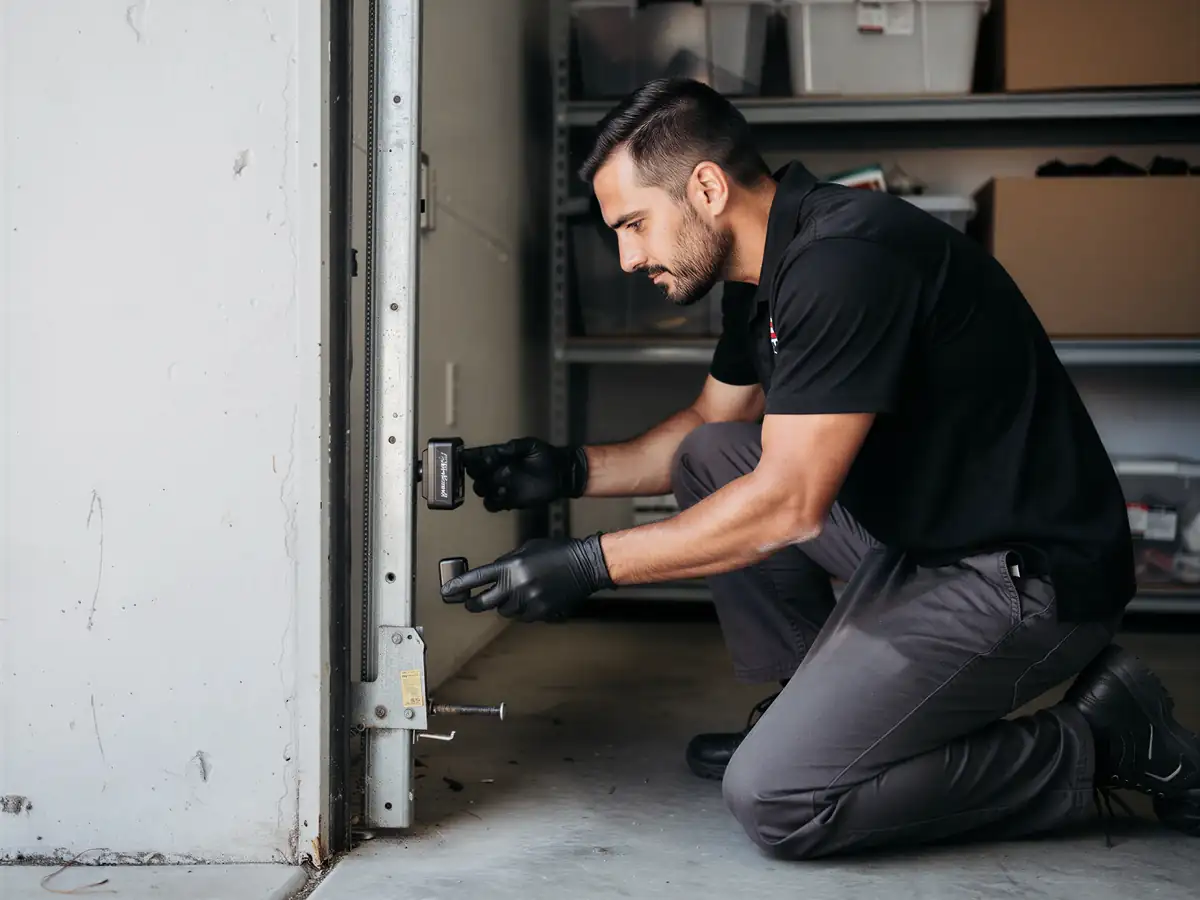
The most common mistake is assuming a broken spring is a quick fix you can handle with the garage door still under tension. A torsion spring holds real stored force, and on an older door from the 1960s-70s building wave, the mounting hardware itself may not be in great shape either - rusted set screws, a bent center bracket, a stationary cone that's seen 50 years of cold-to-warm swings. The second mistake is replacing just the one spring that broke. On a double door, the other spring is the same age and has taken the same number of cycles in the same cold-severe climate; it's close behind. The third mistake is ignoring a slow, gradual stiffening of the door over a few weeks before it snaps - that's usually the spring losing tension, and it's the warning sign most owners miss because the opener compensates for it right up until it can't. None of this is about buying a premium part. It's about matching the spring to the door's weight and the cycle count it's actually seeing, which an undersized or mismatched replacement won't do.
How Local Conditions Play In
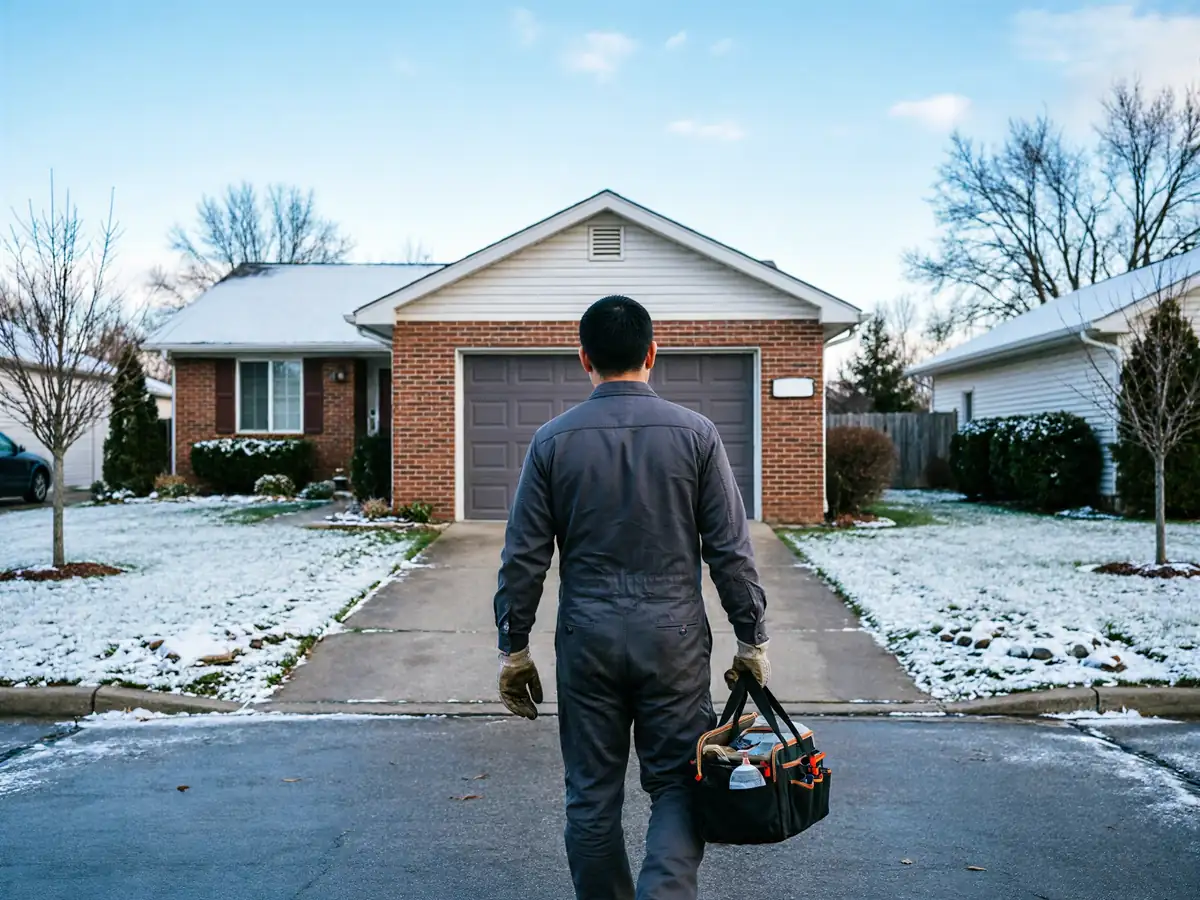
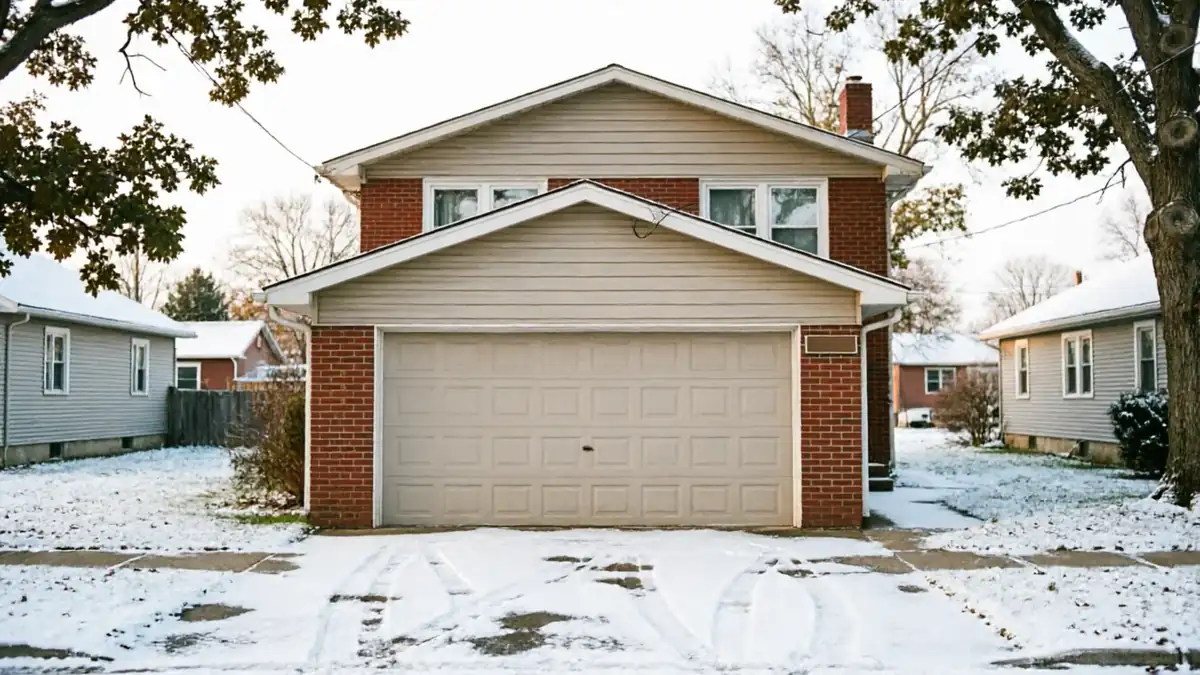
East Lansing sits in a cold-severe climate band, and that matters more for springs than for almost any other garage door part. Steel contracts as it cools, and a coil that's already carrying years of fatigue has less give left when temperatures drop hard overnight. That's why spring failures here cluster in the coldest stretches of winter rather than spreading evenly across the year. It also means lubrication matters more than people think - a dry spring in cold weather has more friction between coils right when it's already stressed. Across the wider service area there are 66,121 households and 27,559 owner-occupied houses, a lot of them built in that same 1945-1994 window, so this isn't a one-house problem - it's a pattern tied to when this part of the region was built and the weather it sits in every winter. Median household income here runs $75,707, which is worth mentioning only because it means most owners replacing a spring are doing a proper two-spring job rated for the door's actual weight, not a single cheap patch that fails again next winter.