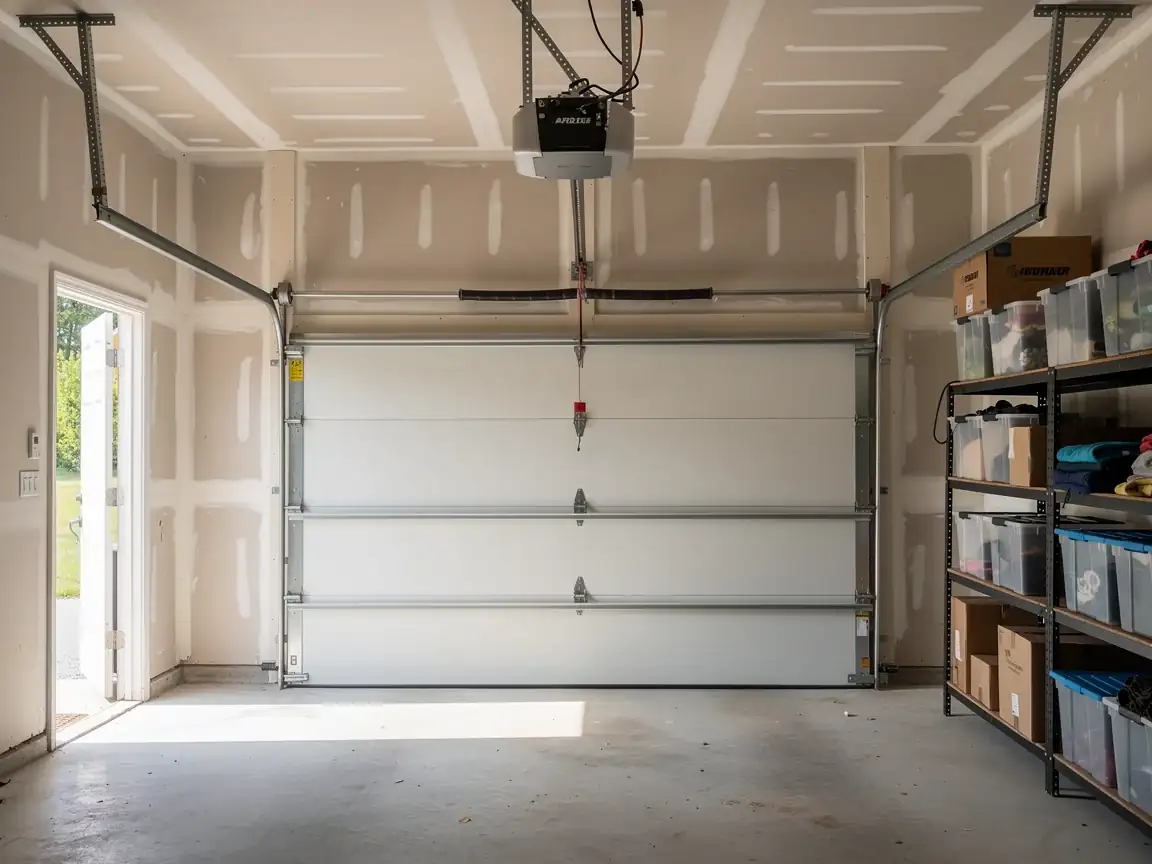
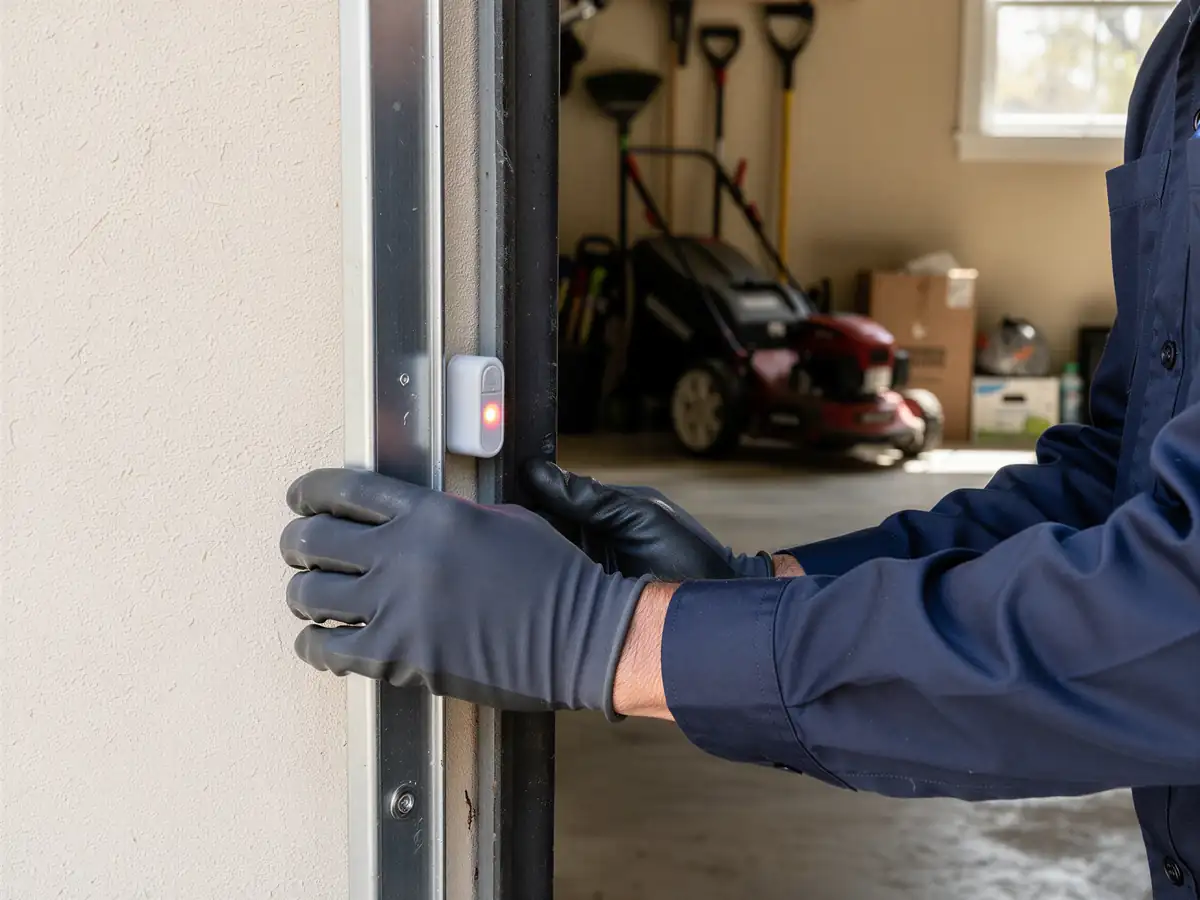
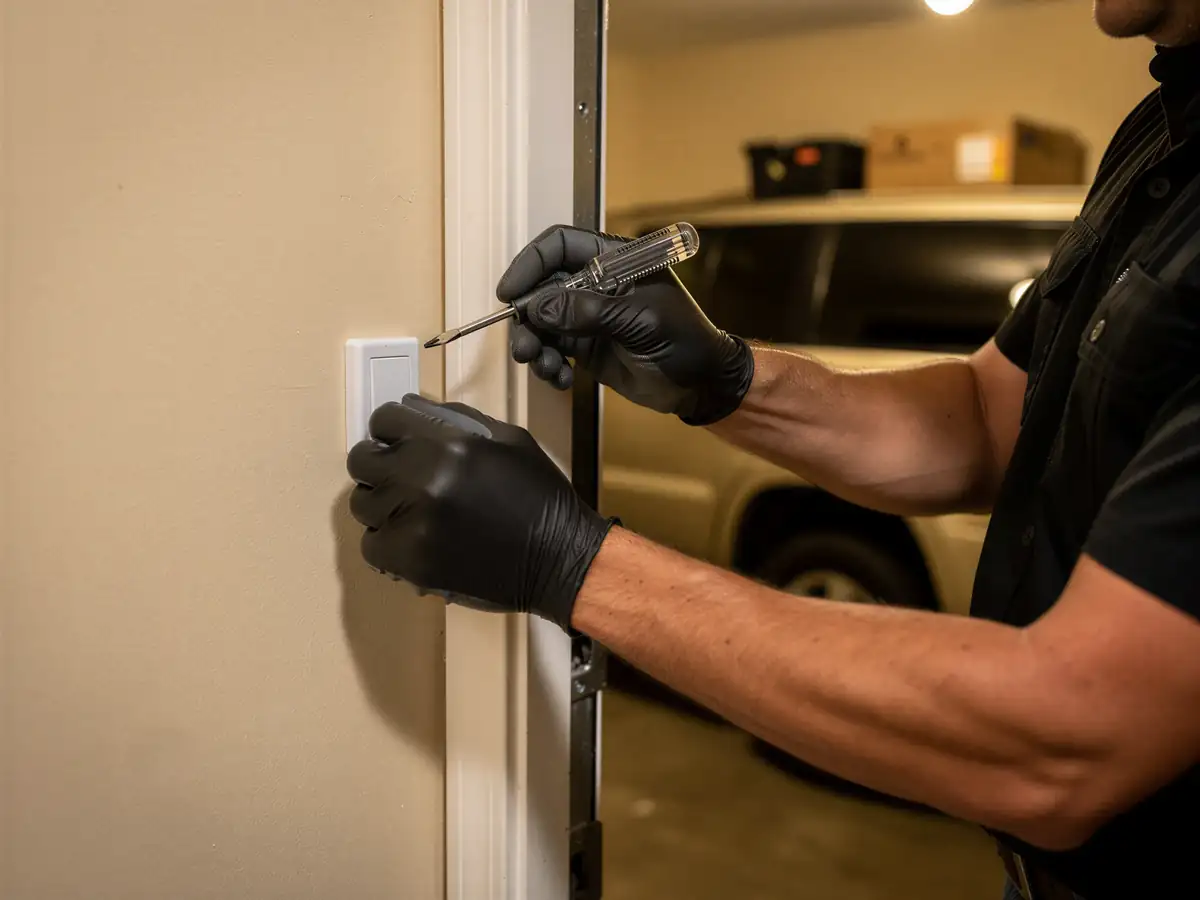
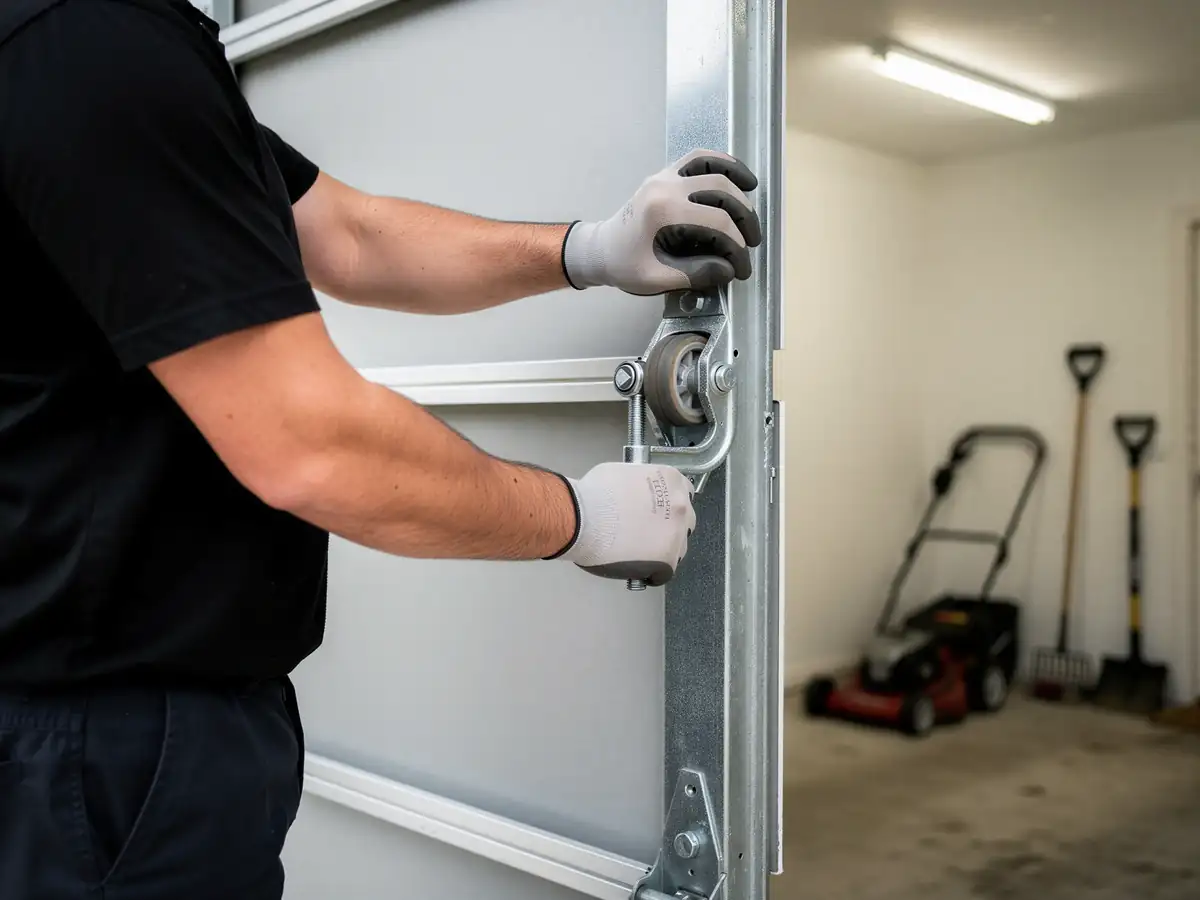
24-hour broken spring and stuck-door repair for East Lansing homes built mostly between 1945 and 1994, where cold snaps hit original torsion hardware hardest.
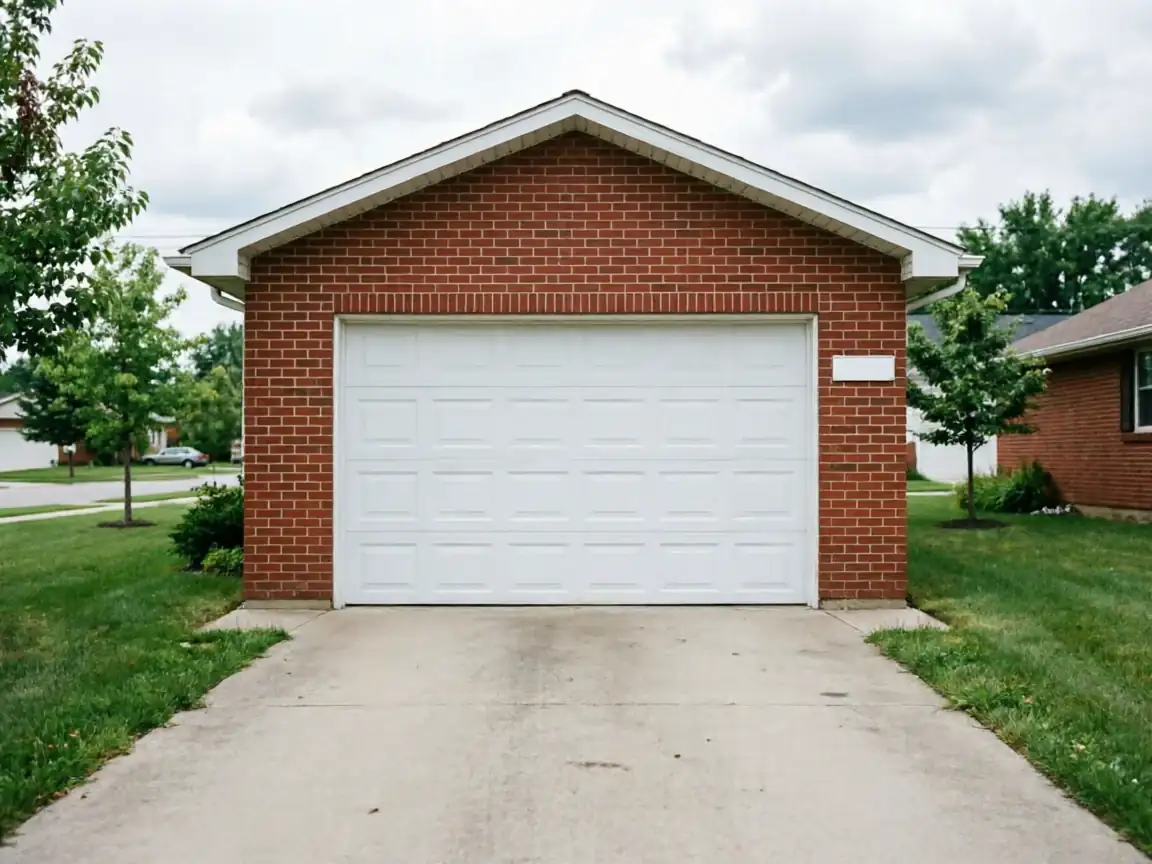
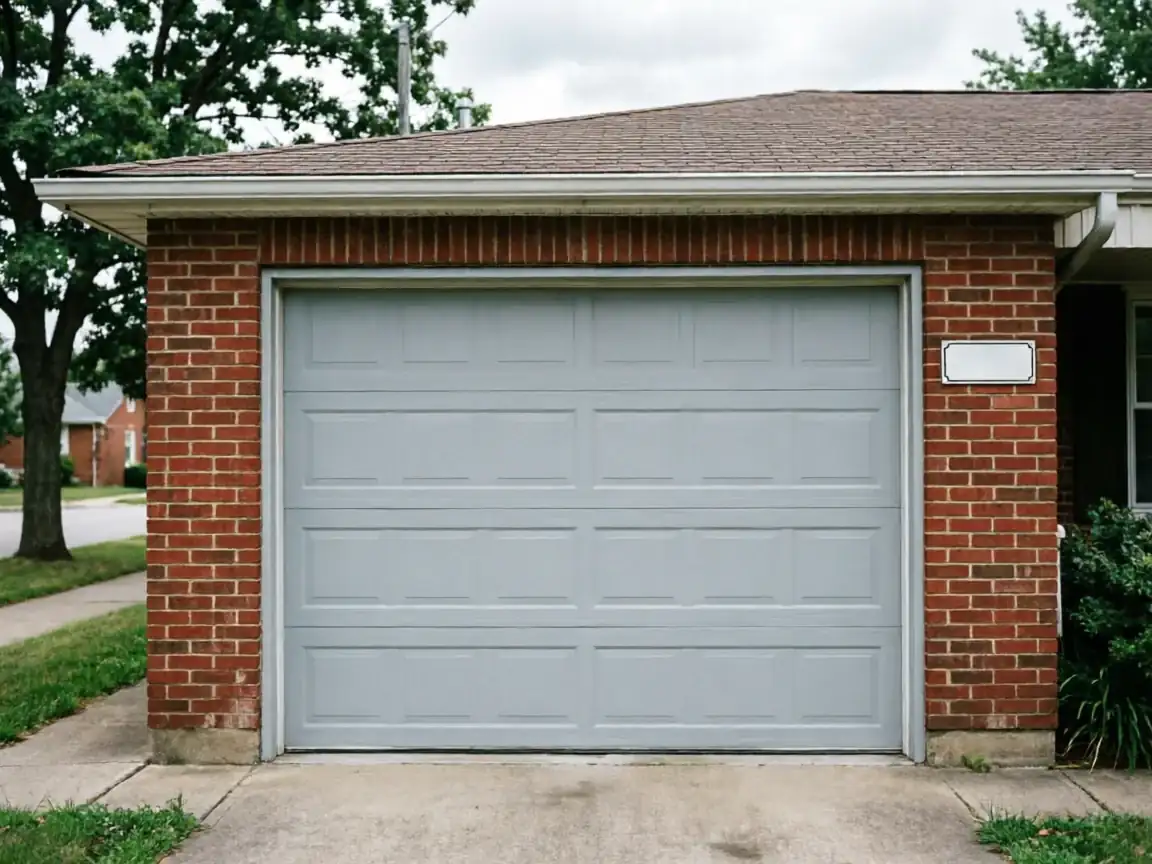
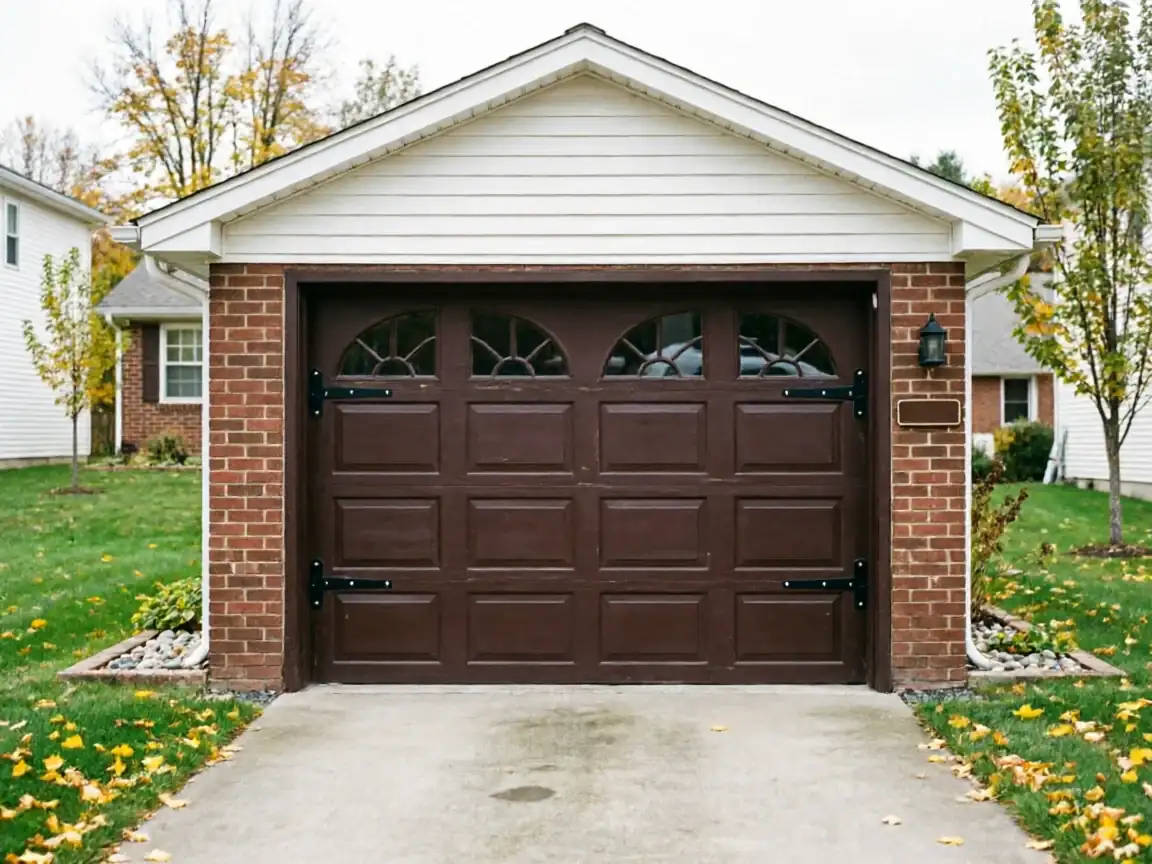
When a spring lets go or a door won't budge, it doesn't wait for business hours. A broken torsion spring usually happens on the coldest morning of the week, right when you need to get the car out. We run emergency calls across the East Lansing service area, which covers the mix of mid-century and later subdivisions built between 1945 and 1994 - housing stock that's now old enough that original springs, cables, and rollers are wearing out at the same time, on a lot of streets at once. We don't publish a flat response-time promise here because drive time varies by which part of the service area you're in, but the call gets triaged as an emergency the moment you say the door won't move or won't close. One limit worth saying up front: if a panel is bent badly enough that the track is pulled out of square, that's not a same-visit spring swap - it's a bigger job and we'll tell you that on the phone, not after we've driven out.
How It Shows Up
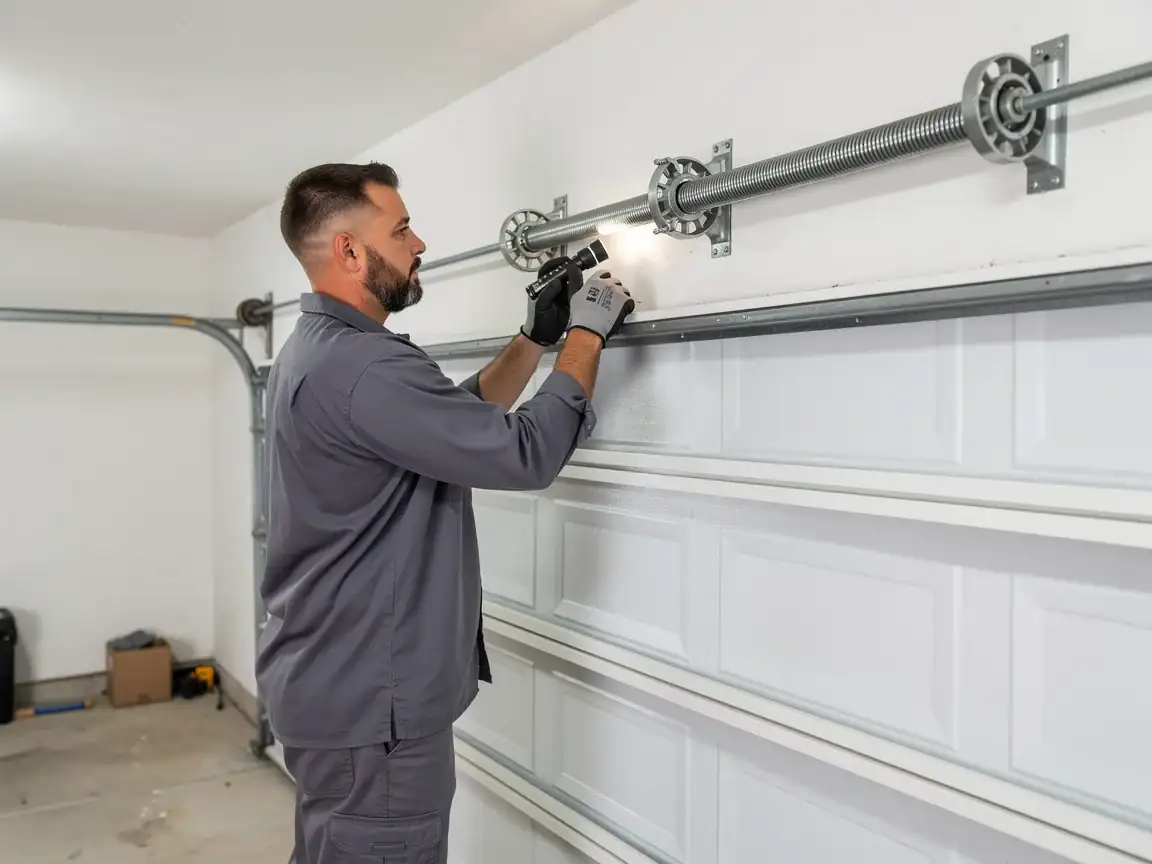
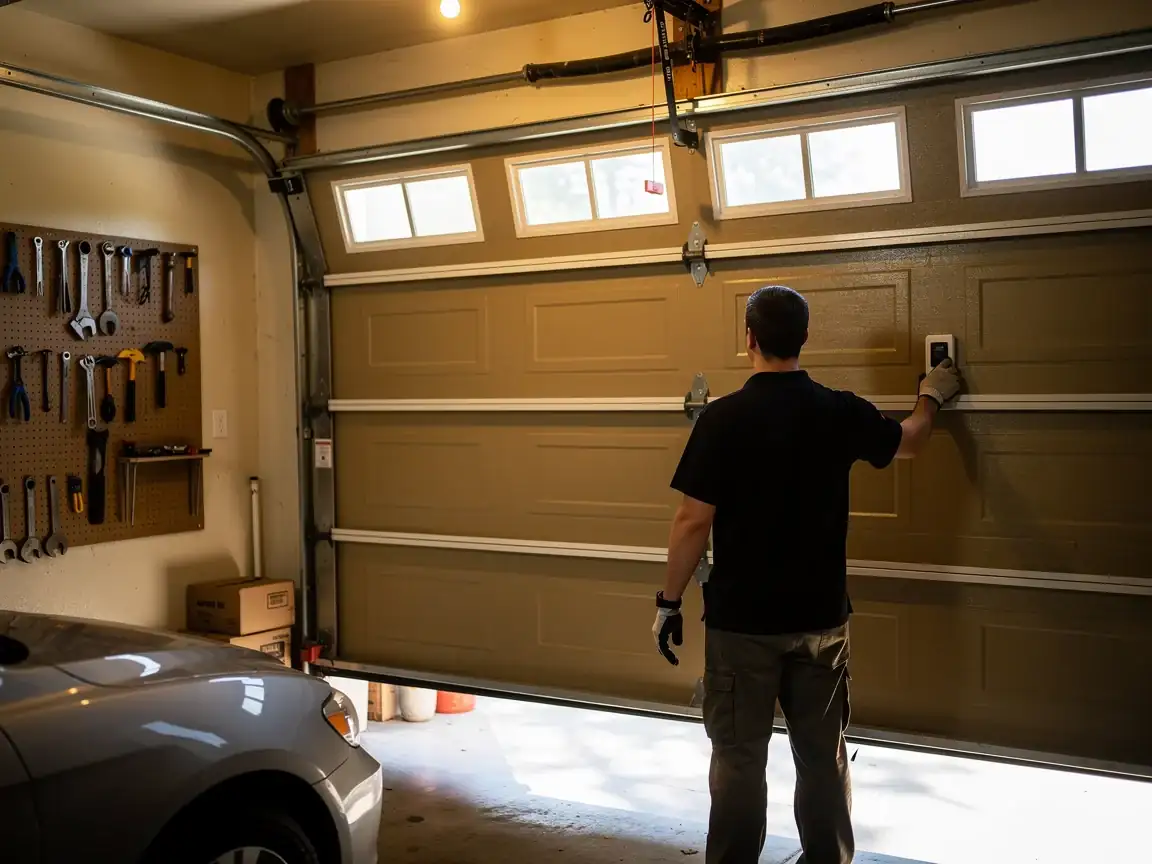
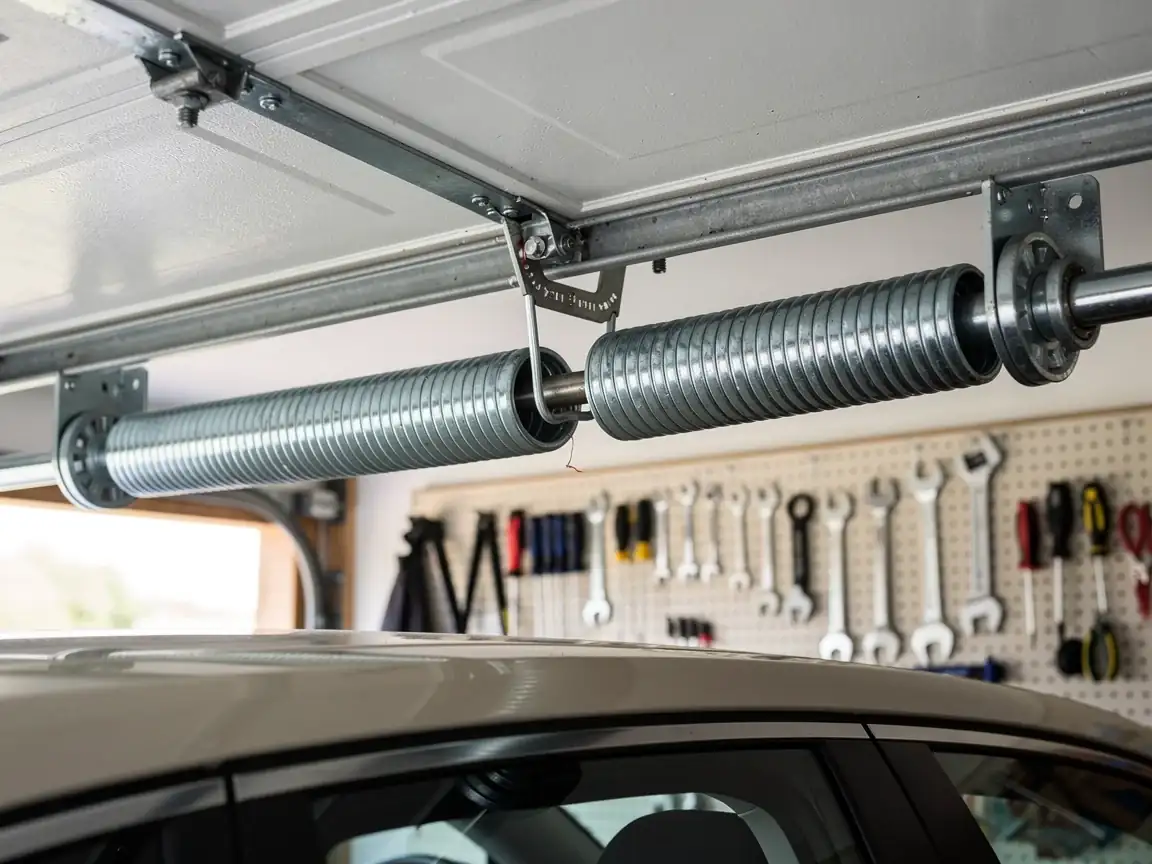
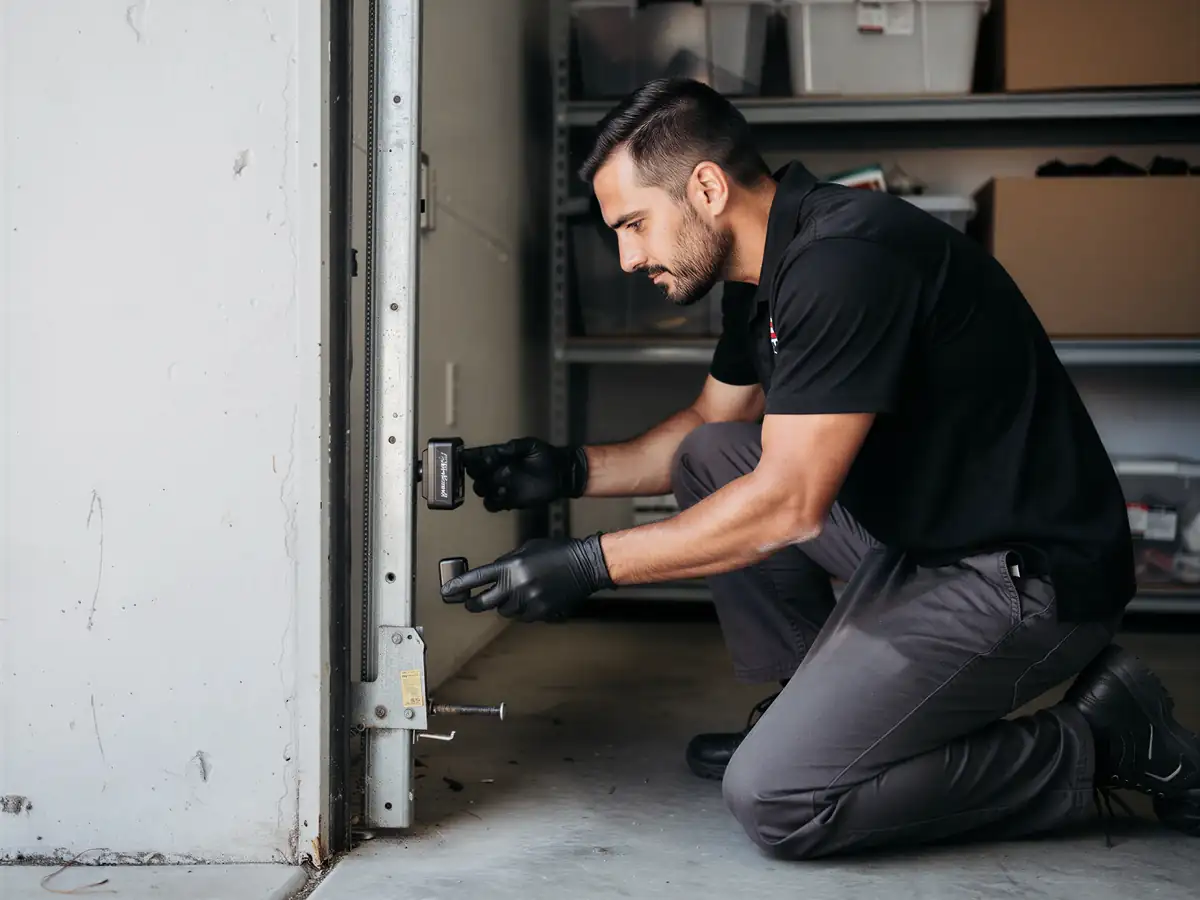
Most emergency calls fall into a short list. A torsion spring snaps with a bang you can hear inside the house, and the door won't lift, or it lifts six inches and stops. A cable jumps the drum and the door hangs crooked in the opening. An opener motor runs but the door doesn't move, which usually means a stripped gear or a disconnected trolley, not the spring at all. On older one-piece and sectional doors common in housing from the 1960s and 70s, the failure is often the hardware itself - bearing plates worn oval, center brackets pulled loose from years of flexing. None of these are optional repairs; a door stuck halfway open is a security problem and a stuck-shut door with a car trapped inside is a real inconvenience, which is why these calls get treated differently than a routine tune-up.
What Causes It Around Here
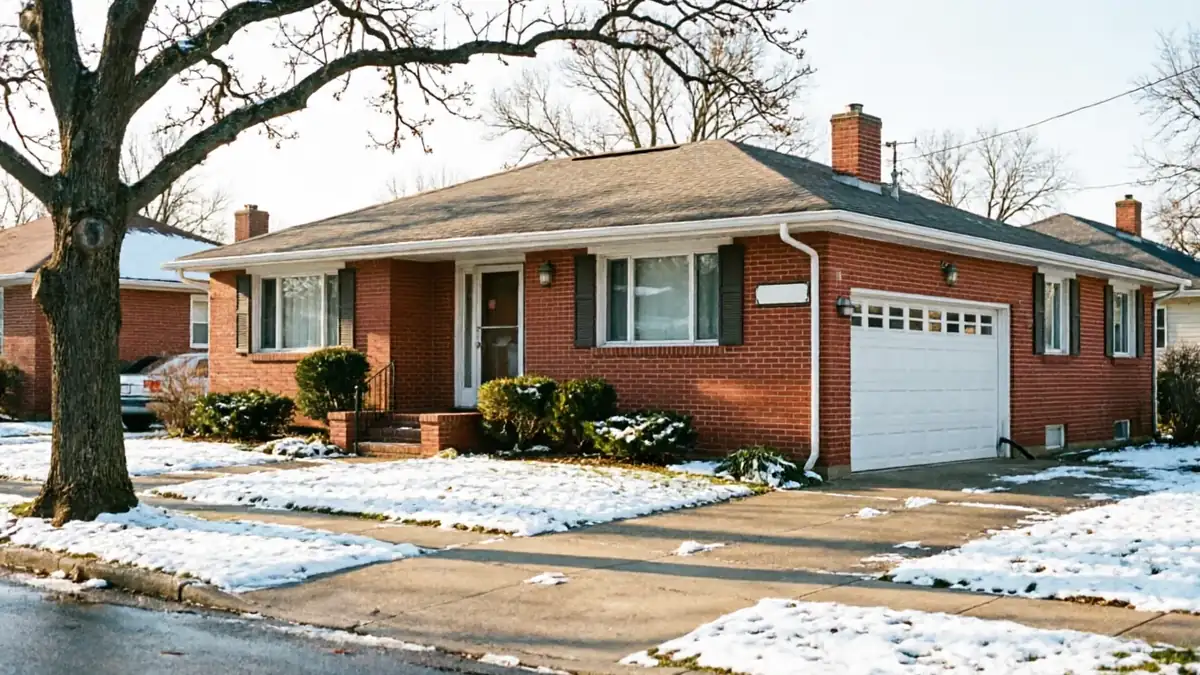
This area sits in a cold climate zone with severe winter conditions, and that's the real driver behind emergency calls, not bad luck. Steel contracts in deep cold, torsion springs lose a little tension and flex differently every cycle, and a spring that was already near the end of its life gives out on the coldest stretch of the season. Add in a housing stock with a median build year around 1976 - across 22 named areas of mostly 1960s and 70s construction - and you've got thousands of garage doors running on 30-to-50-year-old spring and hardware setups that were never meant to last forever. Houses built before modern opener safety standards also tend to have older openers with worn gears, which fail in cold weather right alongside the springs. It's less about any one storm and more about old steel meeting a hard freeze on a schedule nobody controls.
The DIY Question
A torsion spring is under enough stored tension to break a bone or worse, and we don't recommend touching it yourself, full stop - that's not upsell talk, it's the one job on a garage door that genuinely isn't a weekend project. What you can safely check before calling: whether the opener is actually getting power, whether the manual release cord has been pulled by accident, and whether anything (a bike, a bin) is blocking the track. If the door won't move and you hear a spring already broke, don't force the opener - running it against a dead spring can strip the gear and turn a spring job into a spring-and-opener job. For households across the wider service area - around 66,121 total, with roughly 27,559 owner-occupied houses - a median income near $75,707 generally covers the repair side of this comfortably, but replacement springs plus an aging opener motor at once is a bigger number, and we'll always quote that honestly before starting.
How it works
From “it’s stuck” to “it’s fixed”
01
Tell us what’s wrong
Describe the symptom - won’t open, loud bang, opener runs but the door won’t move.
02
On-site diagnosis
A technician tests the door under power and by hand and finds what actually failed.
03
Clear, up-front plan
You get the fix that’s needed and what drives the cost - before any work starts.
04
Repaired & tested
The repair is done, the door is set true and tested, and the work area left clean.
Not sure which repair your door needs in East Lansing, MI? Describe what it’s doing - every job starts with a diagnosis.
How fast can you get to an emergency call in East Lansing?
It depends on where in the service area you're located and what's ahead of you on the schedule that day, but a stuck or broken door gets flagged as an emergency as soon as you describe it on the phone, ahead of routine maintenance calls.
Why do springs seem to break more in winter here?
This area sits in a cold-climate zone with severe winters. Steel springs lose tension and flex differently in deep cold, so a spring that's already near the end of its life is far more likely to snap on a hard-freeze morning than on a mild one.
My door opener runs but the door doesn't move. Is that an emergency?
Treat it like one. That's often a stripped gear or a disconnected trolley, not the spring, but a door you can't open or close is still a security and access problem, so call rather than keep running the opener against it.
Is my door old enough that this was bound to happen?
Possibly. A lot of the area's housing was built between 1945 and 1994, with a lot of it from the 1960s and 70s. Original springs and hardware from that era are well past their expected cycle life, which is a big part of why these calls cluster in older neighborhoods.
Ready to get your garage door sorted?
Tell us what it’s doing and where you are in East Lansing - we’ll take it from there.