Why Garage Door Springs Fail Early in East Lansing
East Lansing homes built mostly between 1945 and 1994 run original torsion springs into brutal winters. Here's why that combination fails, and what a real fix costs.
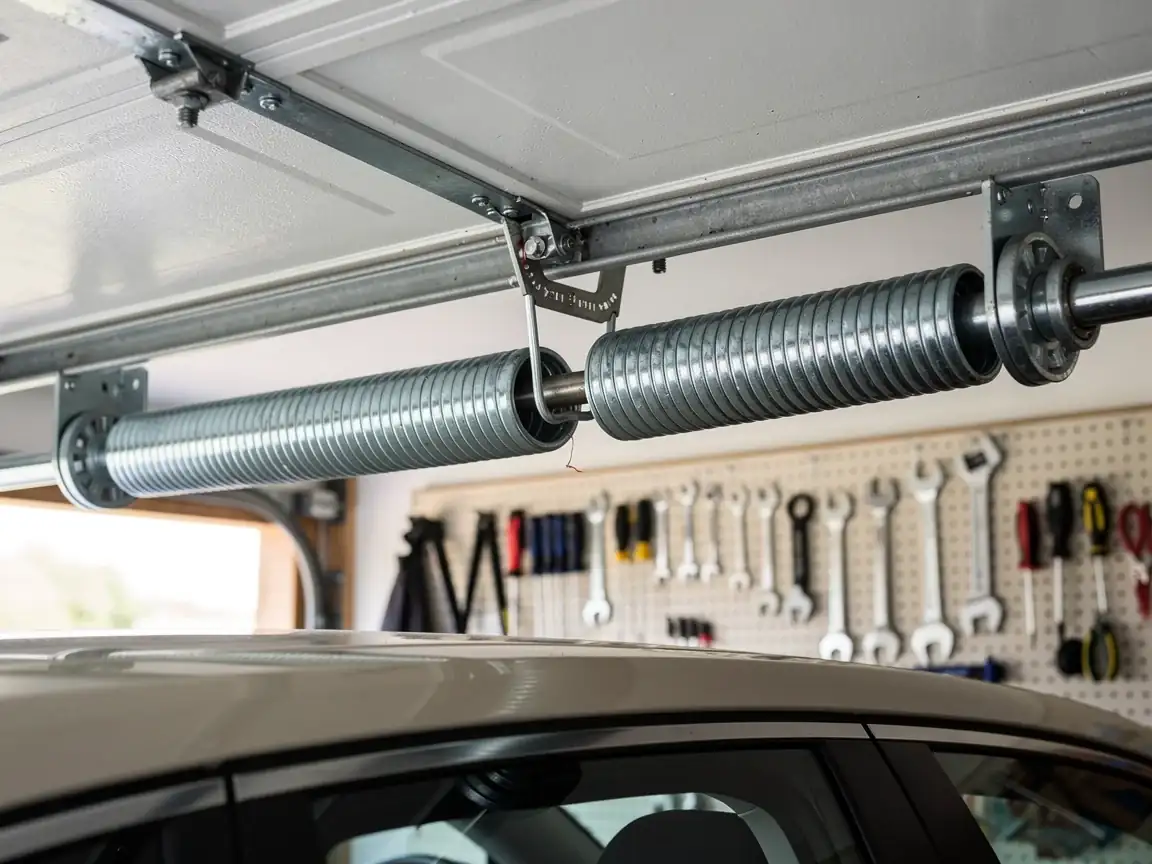
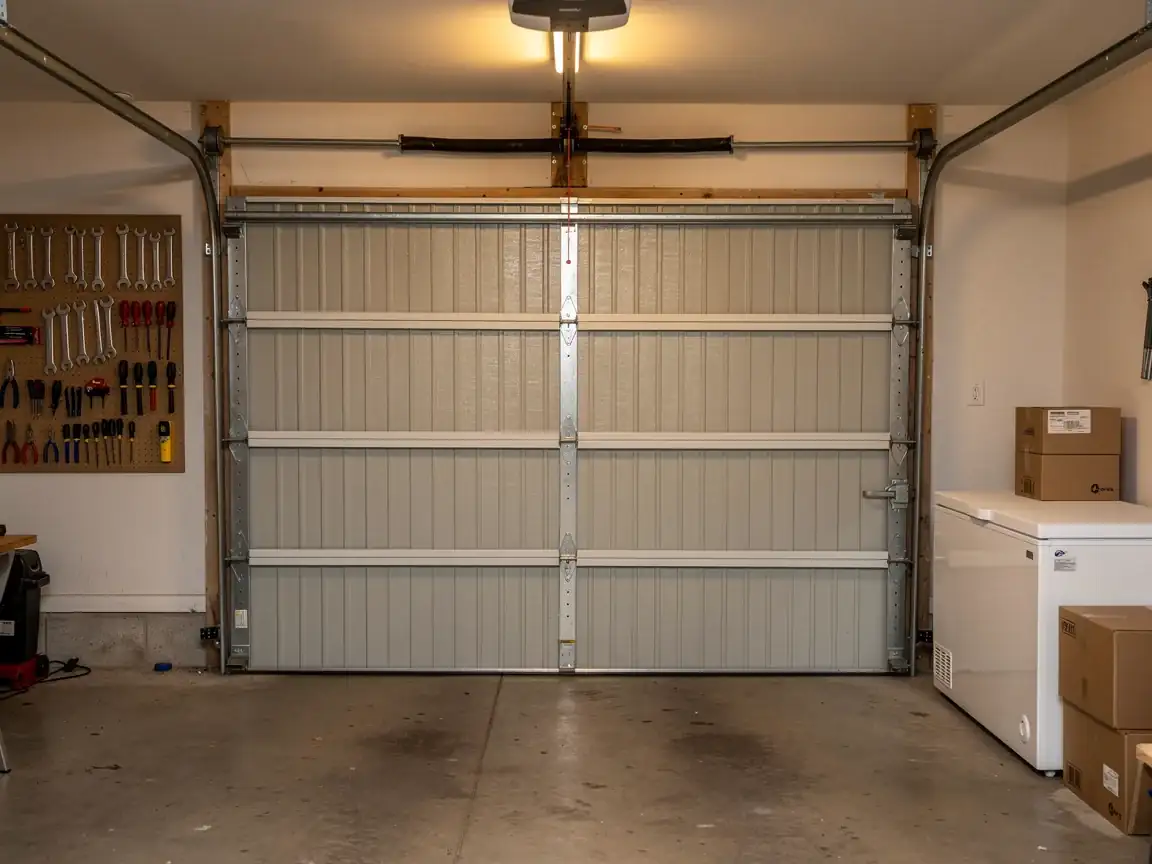
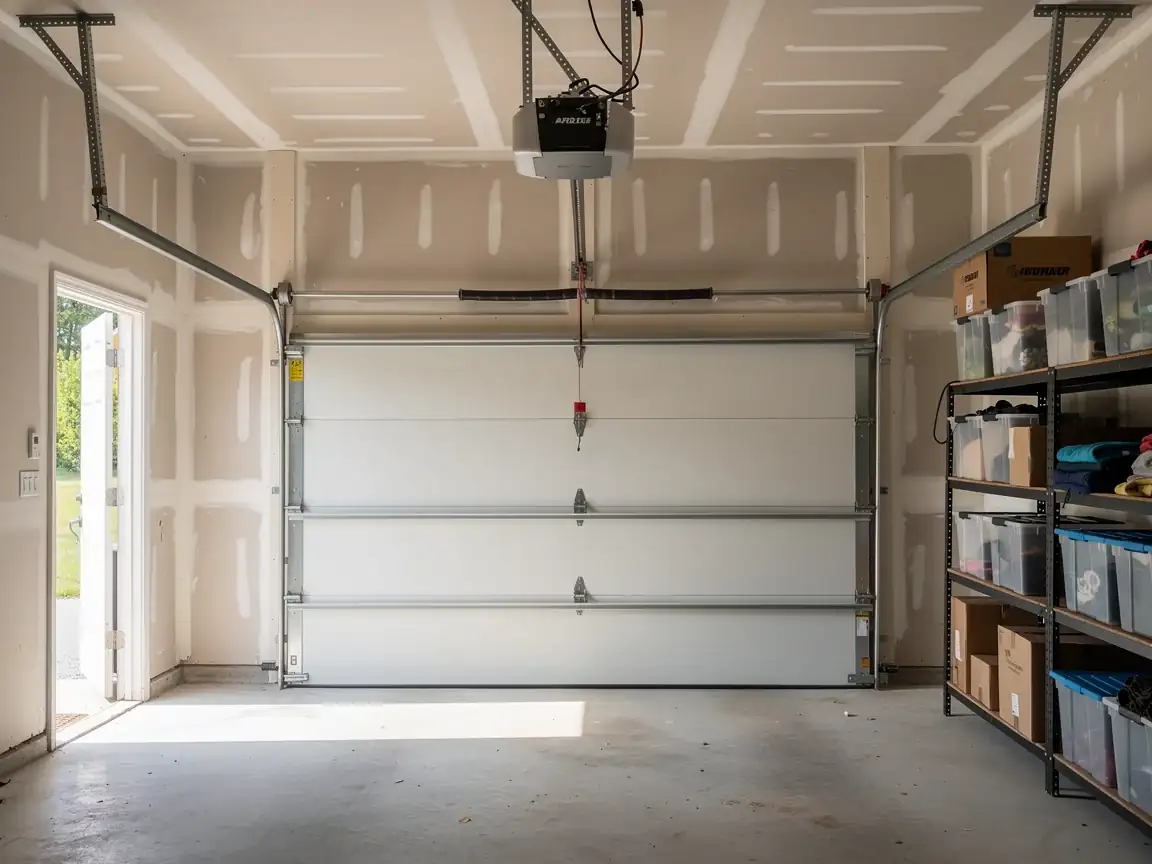
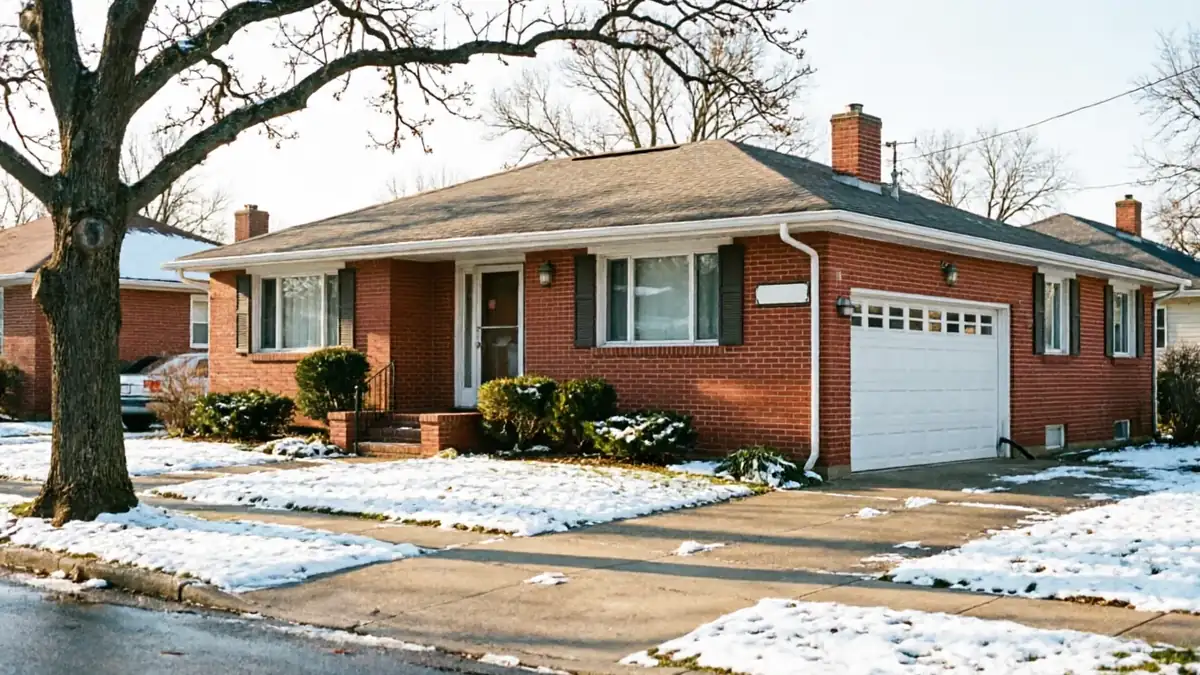
A torsion spring is rated for a set number of open-close cycles, not years, but years still matter because most of the housing stock here went up between 1945 and 1994, with a lot of it clustered in the 1960s and 70s. That means a big share of doors in this service area are still running the spring that came with the house, or the one replacement that got swapped in decades ago. Nobody tracks cycle counts on a residential door, so the spring just keeps going until the day it doesn't, usually with a loud bang and a door that won't budge. On a 27,559 owner-occupied house base, that adds up to a lot of original hardware quietly aging past its rated life. We don't pretend to know the exact day any one spring will go. What we do know is that a door installed when Ford was president is not running factory-fresh steel, and a house from that era is due, not maybe-due.
How It Shows Up
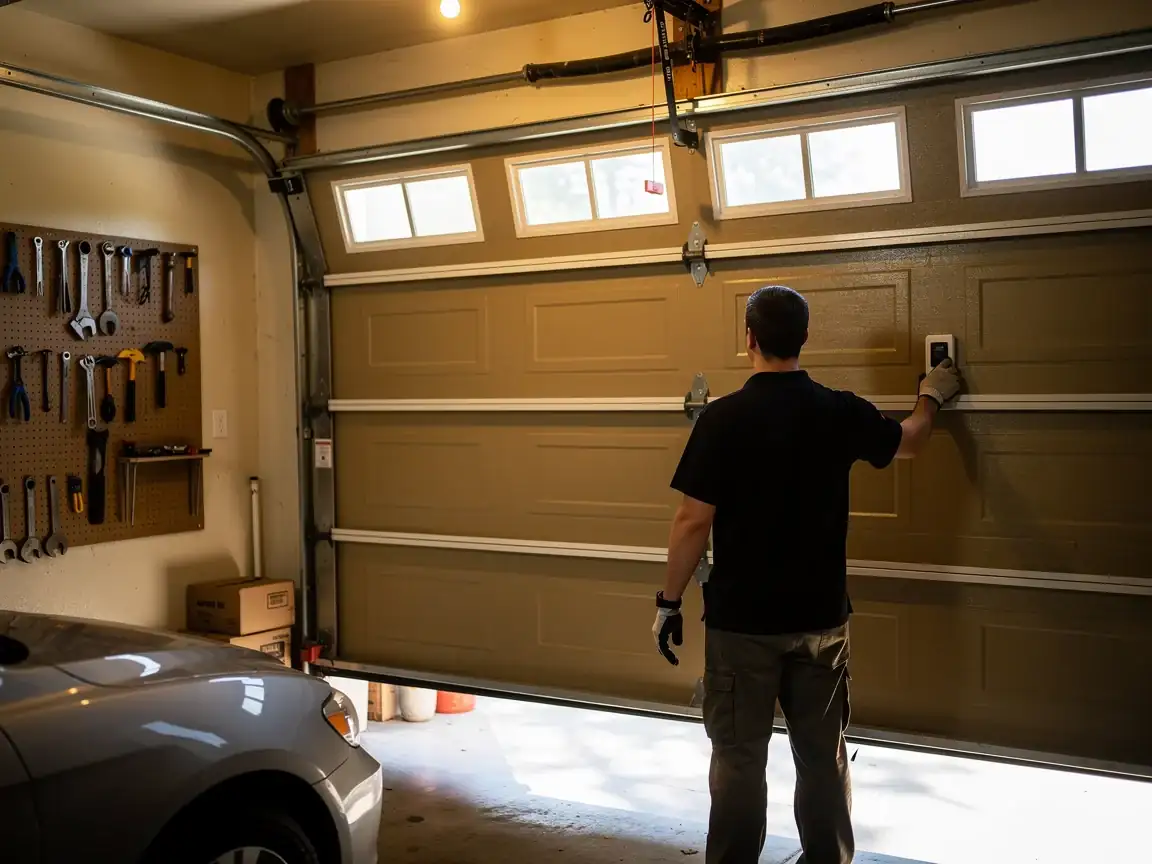
It rarely announces itself ahead of time. The door gets heavier to lift by hand, the opener starts straining on the up-cycle, or you hear a flat metallic pop from the garage and the door won't move at all. Sometimes one cable comes off its drum and the door hangs crooked in the track instead of dropping straight. On older openers paired with original springs, you'll sometimes see the opener motor working harder and harder for weeks before the spring finally lets go, because the motor's been quietly picking up slack the spring used to carry. If your door has started closing unevenly, or the opener sounds like it's lifting more than it used to, that's usually the spring losing tension before it breaks outright, not a new problem.
What Causes It Around Here
Two things stack on top of each other in this area: age and cold. The housing stock skews toward 1945-1994 construction, with plenty of it from the 1960s and 70s, so a lot of original torsion springs are well past any reasonable service life. Layer on a severe cold climate band and you get steel that's more brittle at the exact temperature swings East Lansing sees every winter, plus grease and lubricant inside the spring coils that thickens up and adds resistance right when the metal is least forgiving. A spring that's been slowly fatiguing for years is far more likely to snap on a cold January morning than a mild October afternoon, because cold steel has less give before it fails. That's not a coincidence of bad luck. It's old hardware meeting a hard winter.
The DIY Question
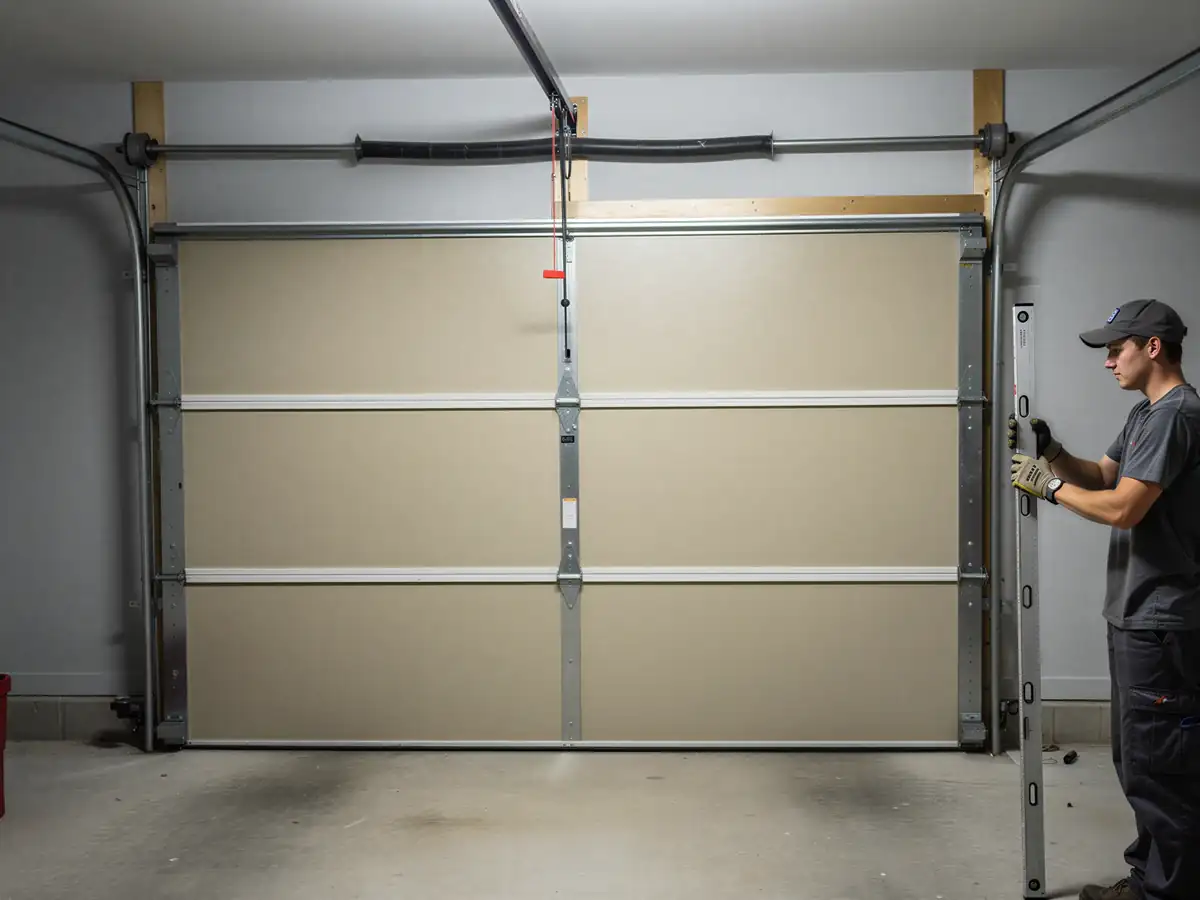
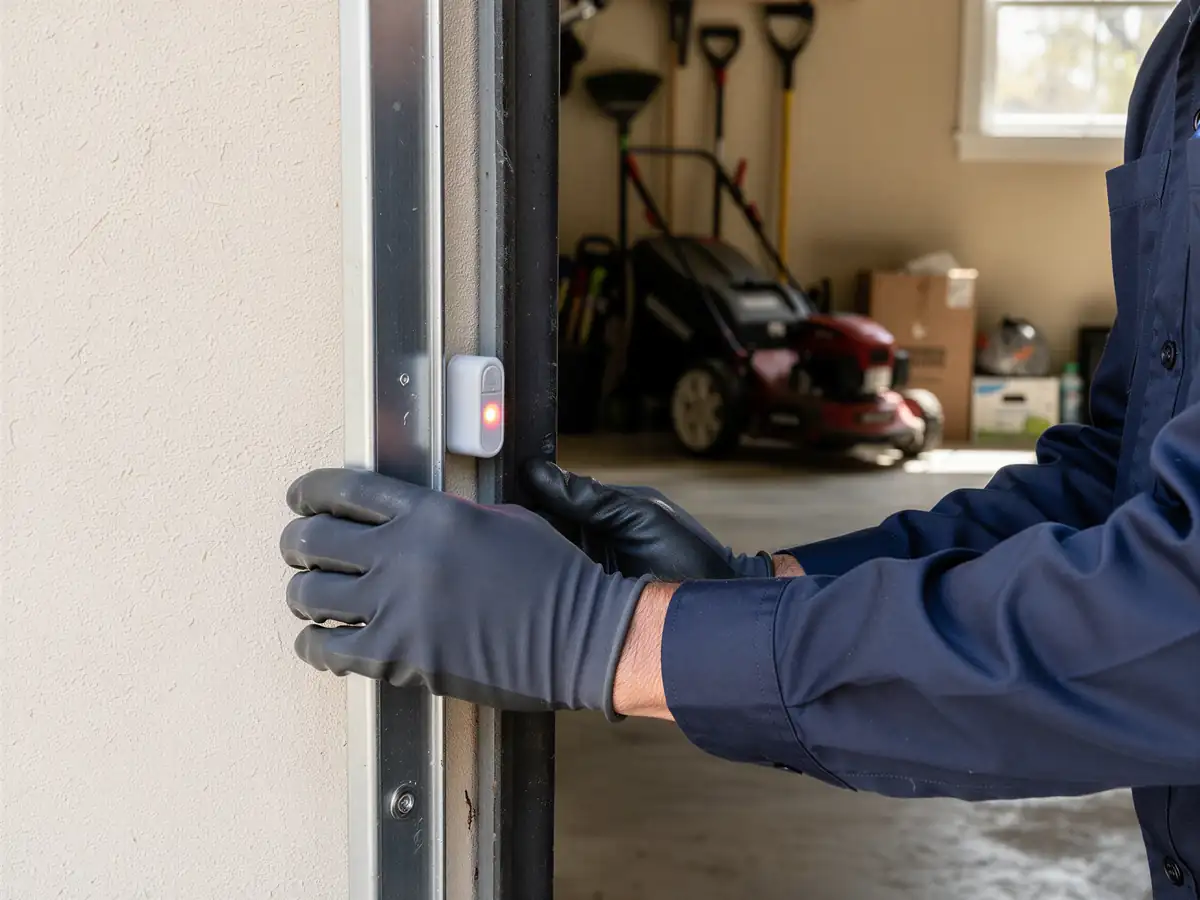
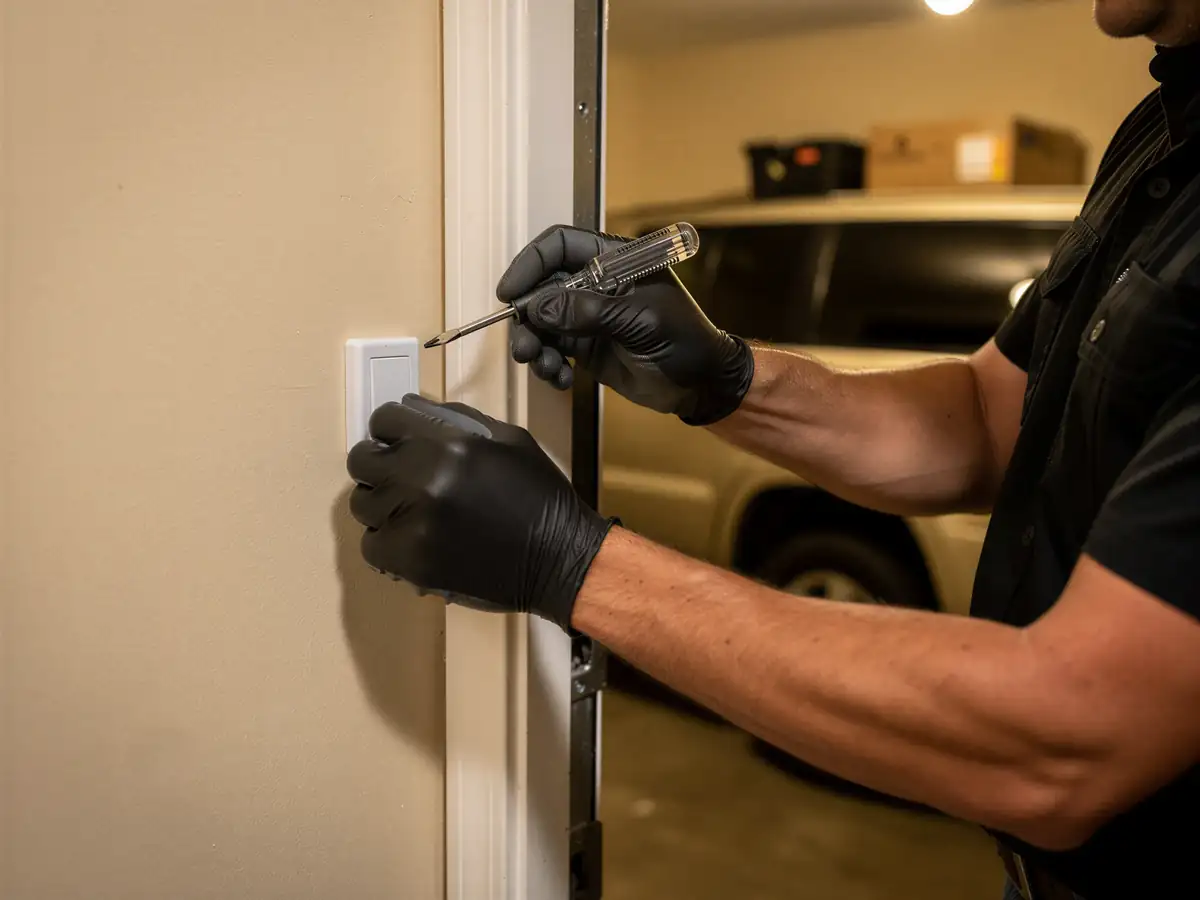
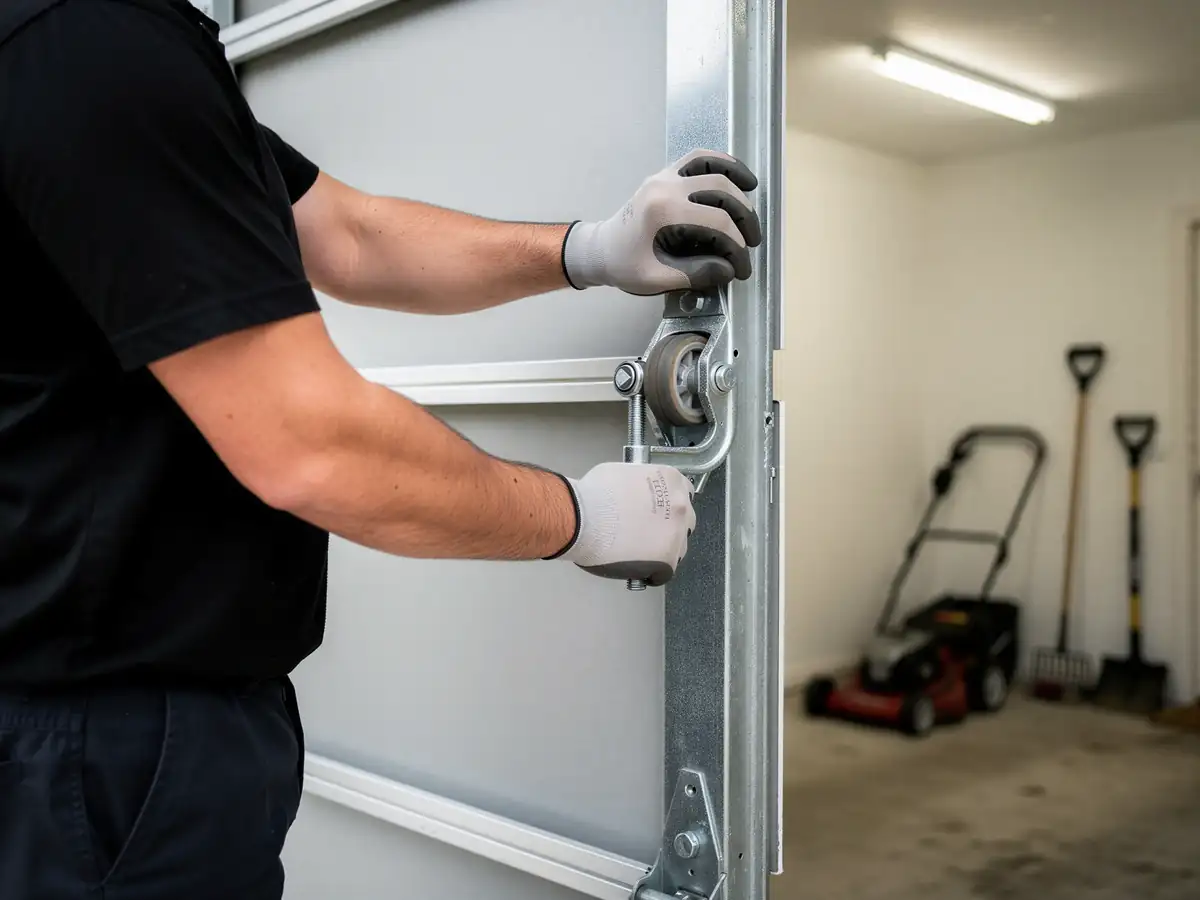
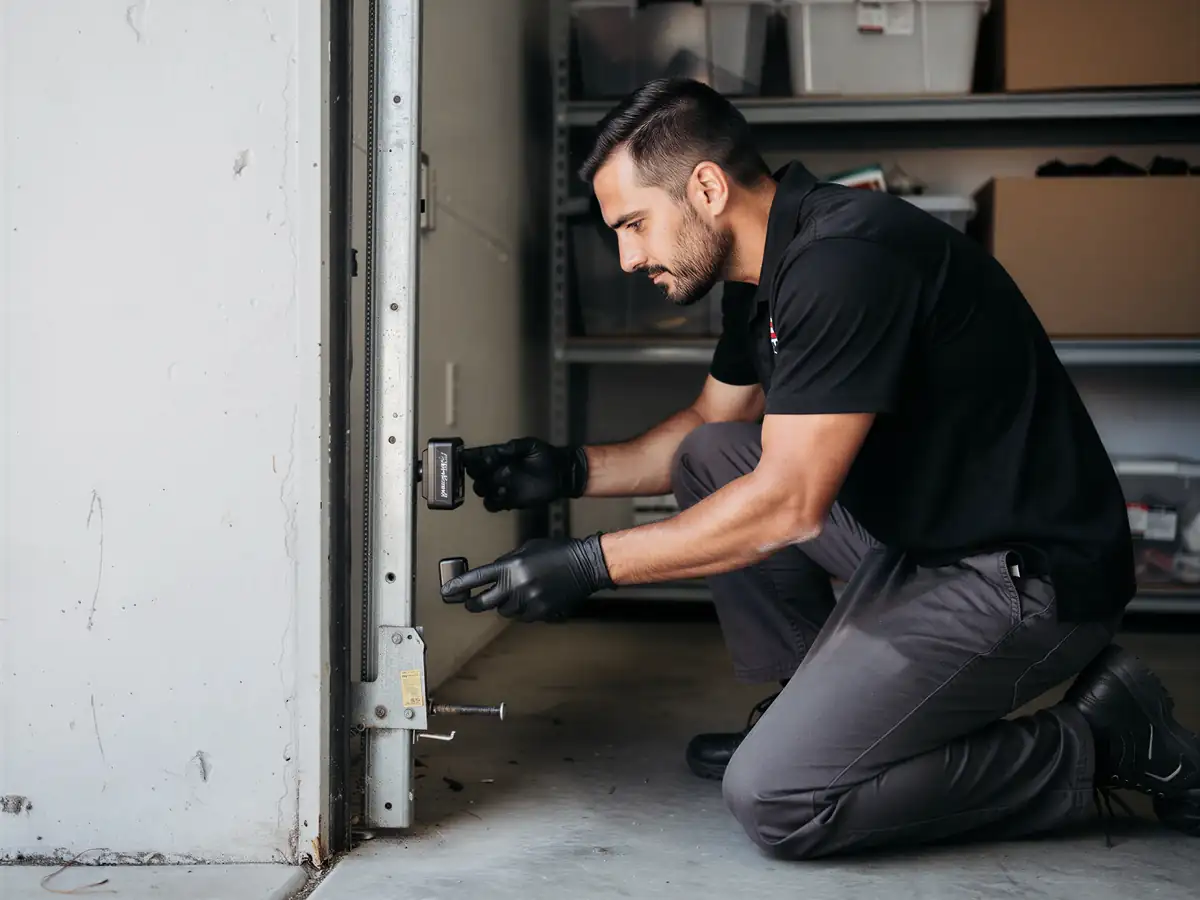
Don't do this one yourself. A wound torsion spring stores enough energy to break fingers or worse, and the winding bars and cone fixtures that make it safe to work on aren't something most homeowners keep in a drawer. Where a DIY approach makes sense is simpler stuff: tightening loose hardware, cleaning and lubricating rollers and tracks, checking that the photo-eye sensors aren't knocked out of alignment. Spring replacement, cable work, and anything involving the torsion bar under tension is a call-a-pro job, full stop. We'll also say plainly that if your opener and springs are both original to a house built decades ago, replacing both at once is often more sensible than fixing one and waiting on the other to go next winter.
How it works
From “it’s stuck” to “it’s fixed”
01
Tell us what’s wrong
Describe the symptom - won’t open, loud bang, opener runs but the door won’t move.
02
On-site diagnosis
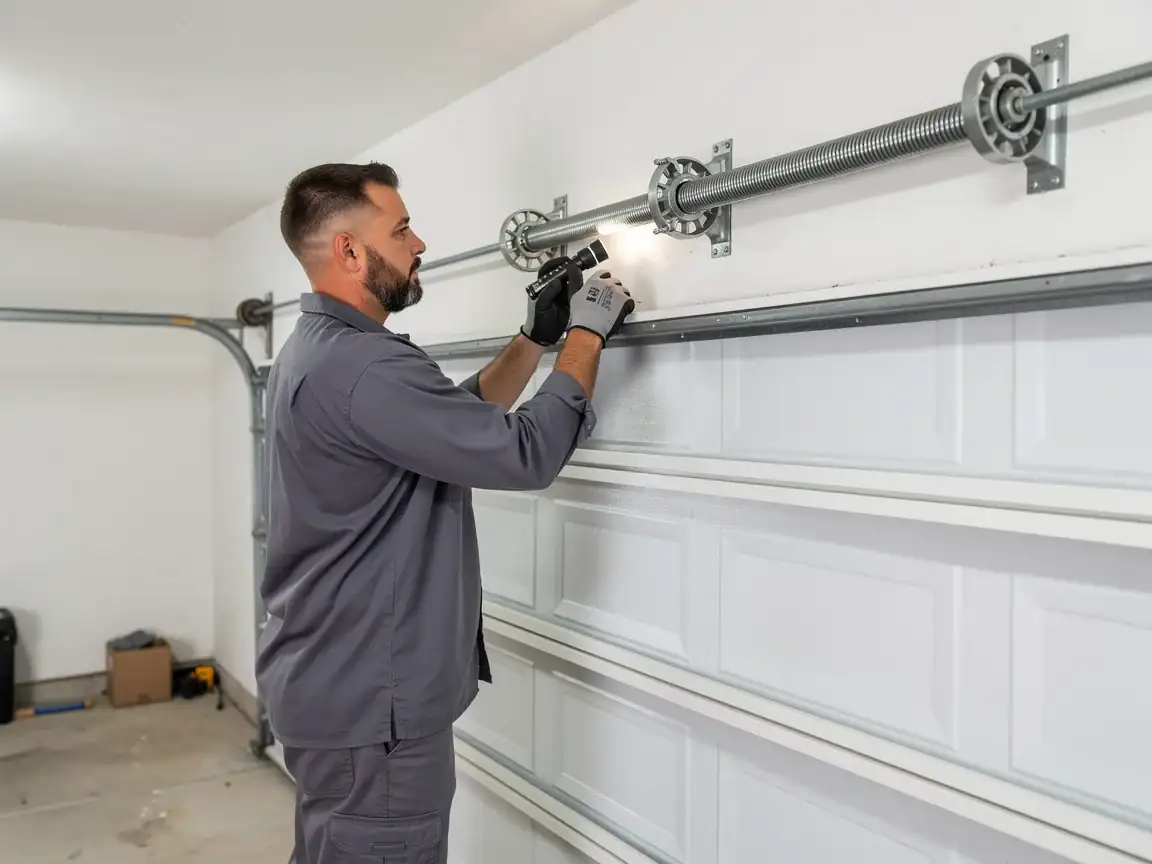
A technician tests the door under power and by hand and finds what actually failed.
03
Clear, up-front plan
You get the fix that’s needed and what drives the cost - before any work starts.
04
Repaired & tested
The repair is done, the door is set true and tested, and the work area left clean.
Not sure which repair your door needs in East Lansing, MI? Describe what it’s doing - every job starts with a diagnosis.
How do I know if it's the spring or the opener that's failing?
If the door is heavy to lift by hand with the opener disconnected, that's the spring. If it lifts fine by hand but the opener struggles or clicks without moving the door, that points to the opener or the drive gear. A cold, heavy door that the opener used to handle without complaint is the classic spring sign.
Why do springs seem to break more in winter around East Lansing?
Cold steel is more brittle, and the thicker grease inside an aging spring adds resistance right when the metal has the least flexibility. A spring that's been slowly weakening for years is more likely to snap during a hard cold stretch than during a mild month, which is exactly the pattern in a severe cold climate band like this one.
My house was built in the 1970s and the spring has never been replaced. Is that a problem?
It's worth having checked. A lot of the housing in this area dates to that same window, and a spring from a 1970s build has had decades of cycles on it even if nobody's counting them. We'd rather tell you it still has life left than let you find out the hard way on a cold morning.
Is it cheaper to just replace one spring instead of both?
Sometimes, but on a door with two springs of the same age, replacing only the broken one often means the second one goes within a season or two since they've had identical wear. We'll look at the actual spring and give you a straight read on whether matching them now makes sense.
Ready to get your garage door sorted?
Tell us what it’s doing and where you are in East Lansing - we’ll take it from there.