Time on the Job
Most off-track calls in Holt come down to one of two things
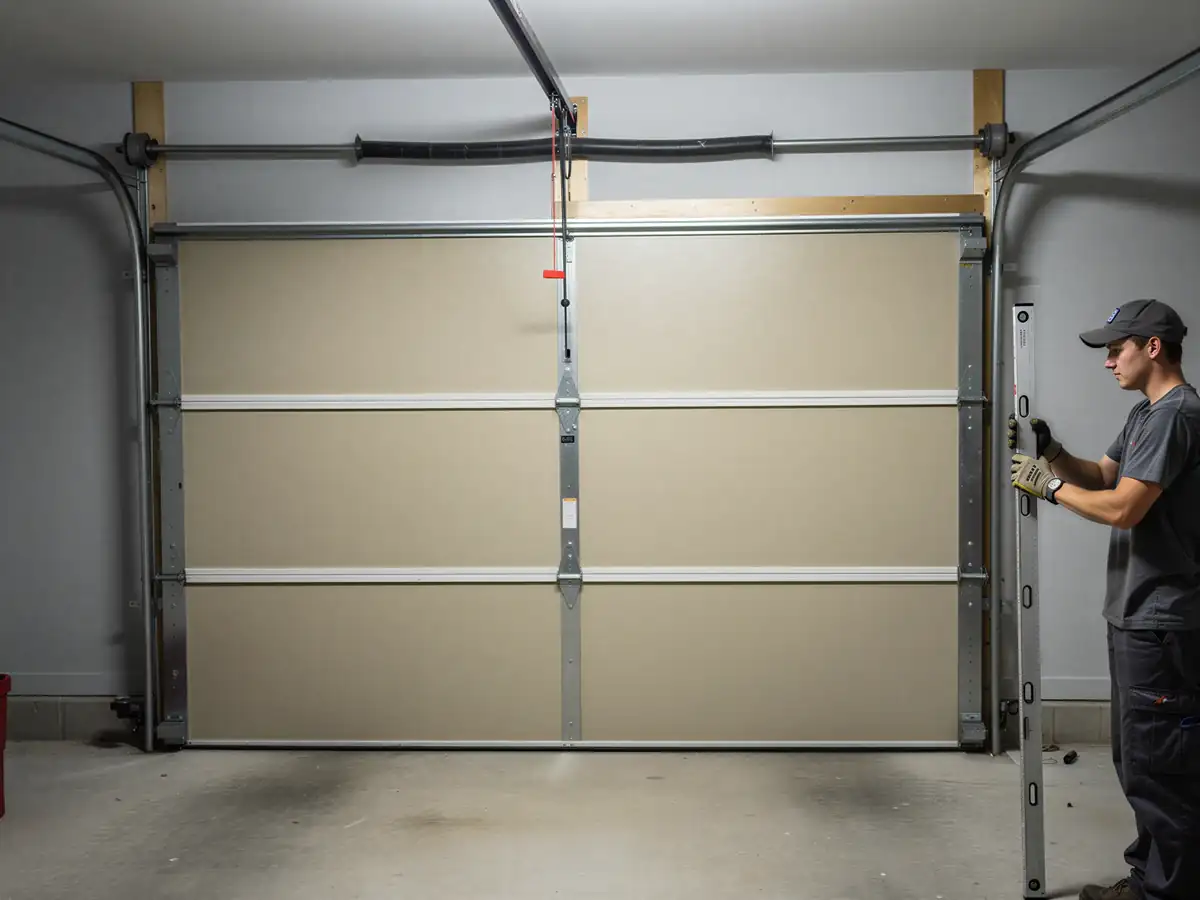
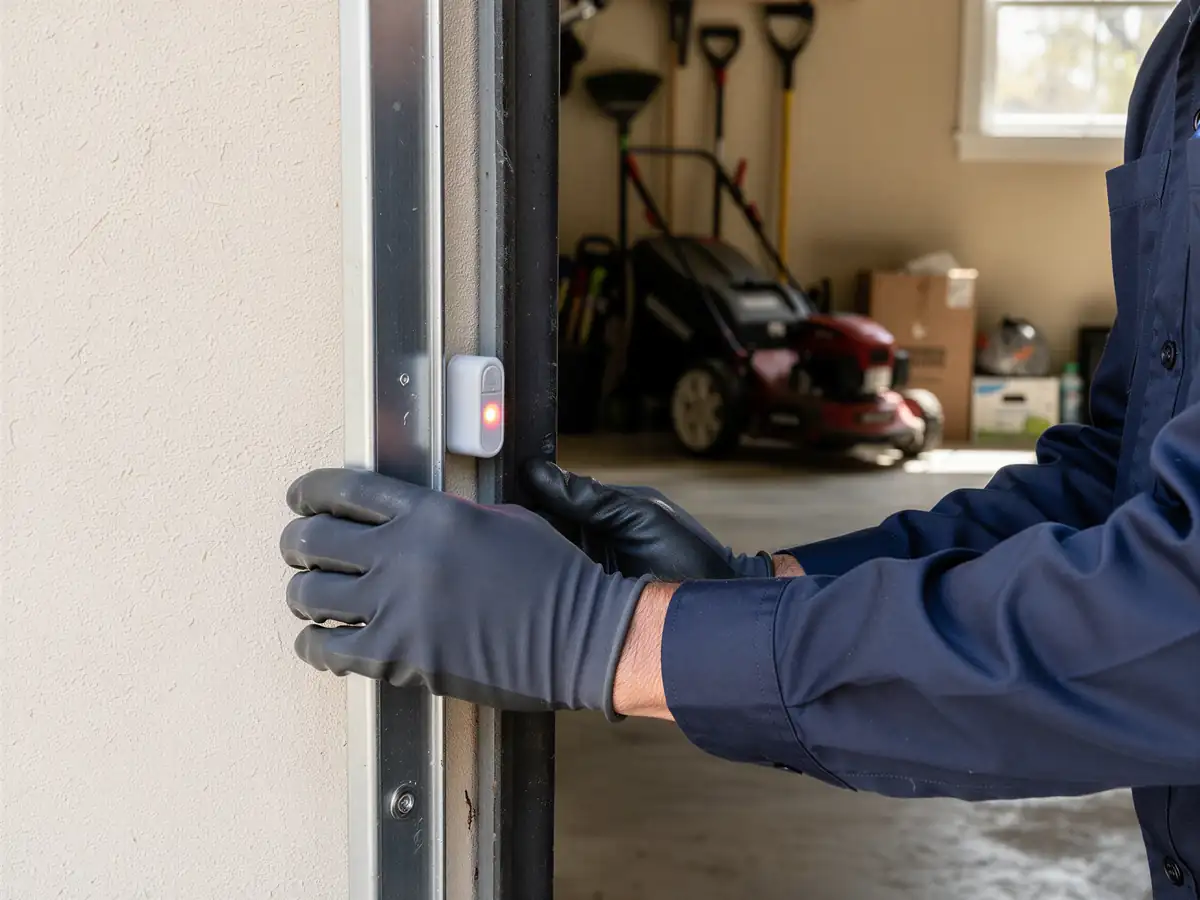
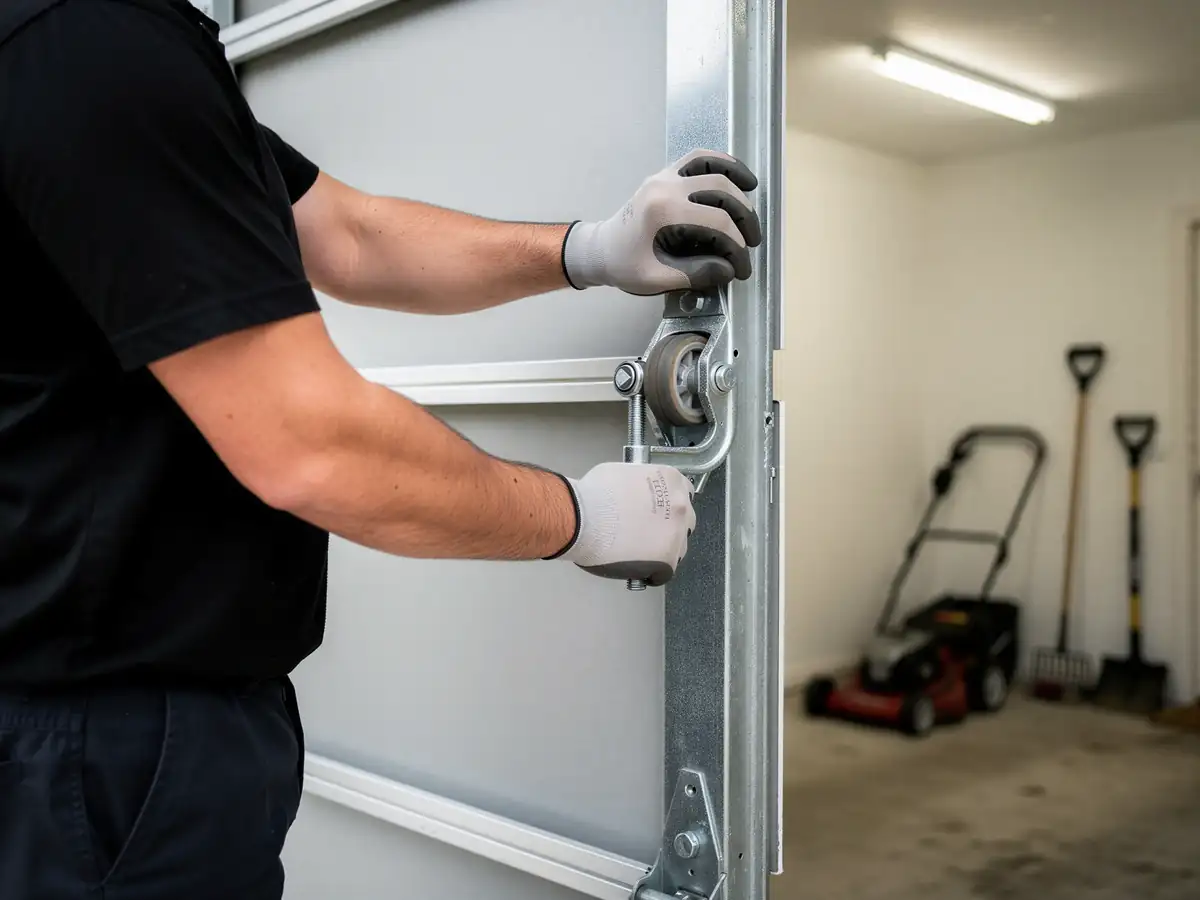
Rollers that have worn their way out of the track, or a track section that's been knocked a few inches out of true, usually by a car bumper or a door that's been forced on a bent hinge. Neither one is a quick snap-back. Getting the door running straight again means pulling the panel off the track, checking the roller brackets for stripped screws, and resetting the track plumb against the jamb before the door goes back on.
Holt's housing stock mostly dates to between 1970 and the mid-1990s
A decade or two newer than the 1945-1994 spread you see across the rest of the service area. That later build era means fewer of the heavy old one-piece doors and more sectional doors on roller track, which is a different repair than what we see on the older housing stock closer to East Lansing. The job itself still takes the better part of an hour once we're on site, sometimes longer if a bracket has pulled loose from the framing and needs new backing.
How It Shows Up
The door usually tells you something's wrong before it comes fully off the track. You'll hear a grinding or popping sound as it travels, see the door sit crooked in the opening when it's down, or notice one side dragging while the other side runs free. Sometimes a roller has just worked loose and is riding the edge of the track instead of inside it. Other times the track itself has bowed outward, usually where a bracket has pulled away from the stud behind it.
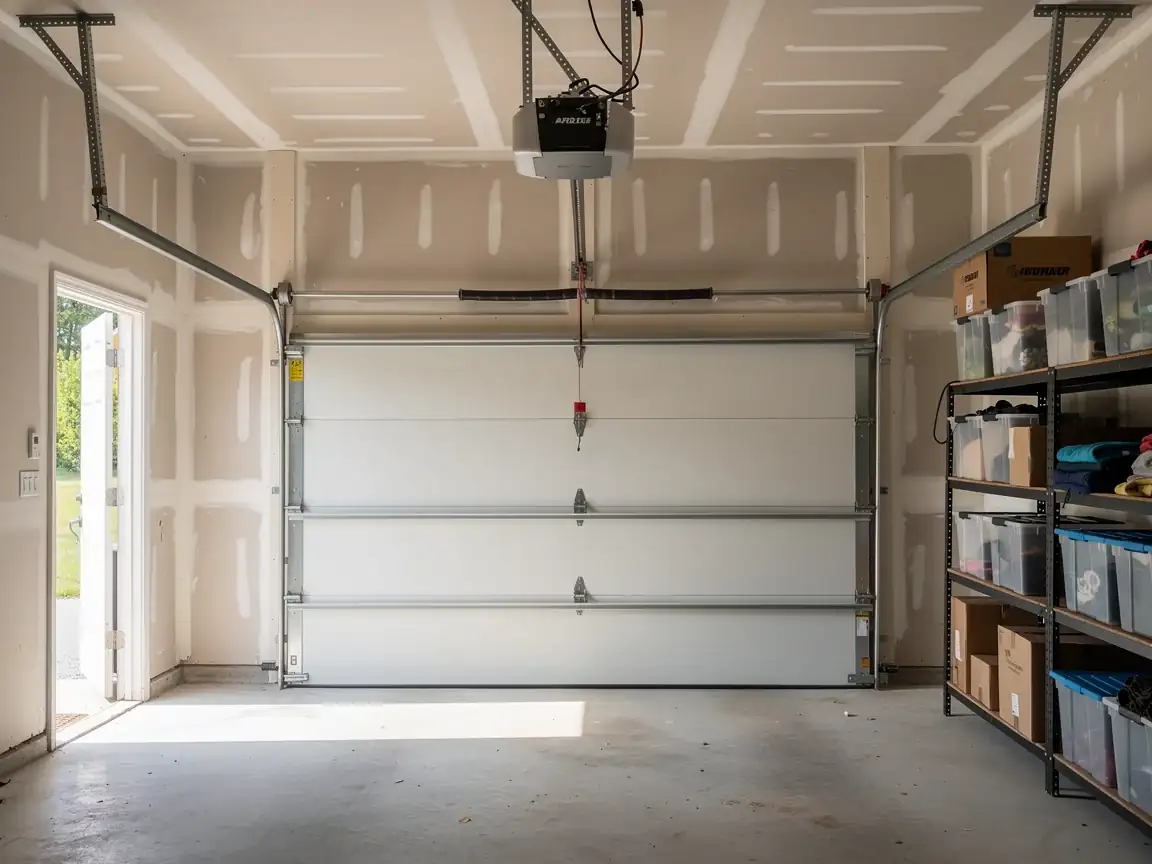
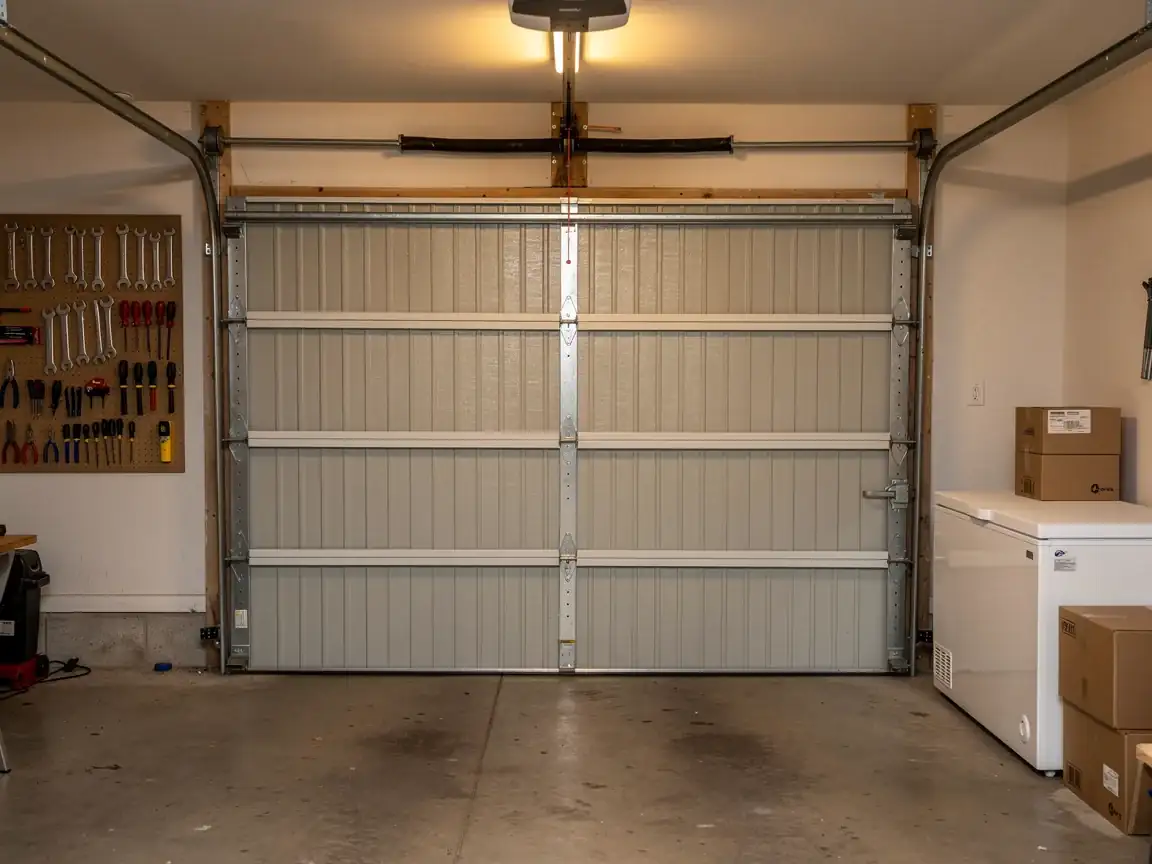
On the sectional doors common in Holt's newer housing stock, the failure point is often the bottom roller bracket, since that's the hardware taking the hit every time the door is forced shut on something slightly out of alignment. A door that's only partway off the track can sometimes still open and close, rough and loud, which is exactly when it's worth a call rather than waiting for it to jump the track completely and jam.
The Cost of This Job
What this job costs depends on what's actually wrong. A door that's just slipped a roller out of the track is a different repair than a bent track section that needs to come off and be replaced, and that's a different job again if a bracket has torn out of the framing and the wood behind it needs attention before new hardware goes back in. We don't have a flat number to quote here because the honest answer is it varies by what we find once the door's open.
One thing worth knowing up front: if the track is bent badly enough, straightening it rarely holds. Bent steel track that's been forced back into shape tends to kink again within a season, especially once cold weather stiffens the steel. In that case, replacing the section costs more up front than a bend-back repair, but it holds, and we'll tell you straight when that's the better call instead of patching something that's going to fail again.
How We Fix It
First step is figuring out why the door came off track, not just putting it back on
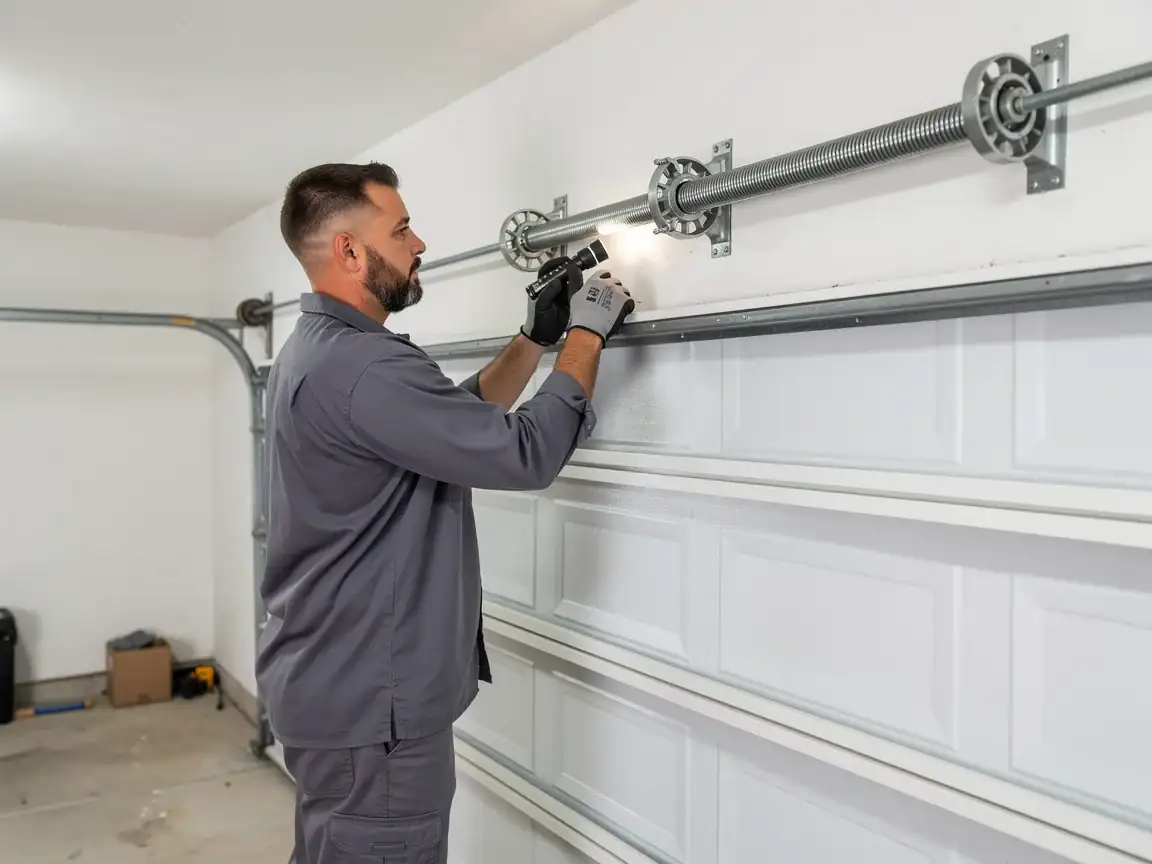
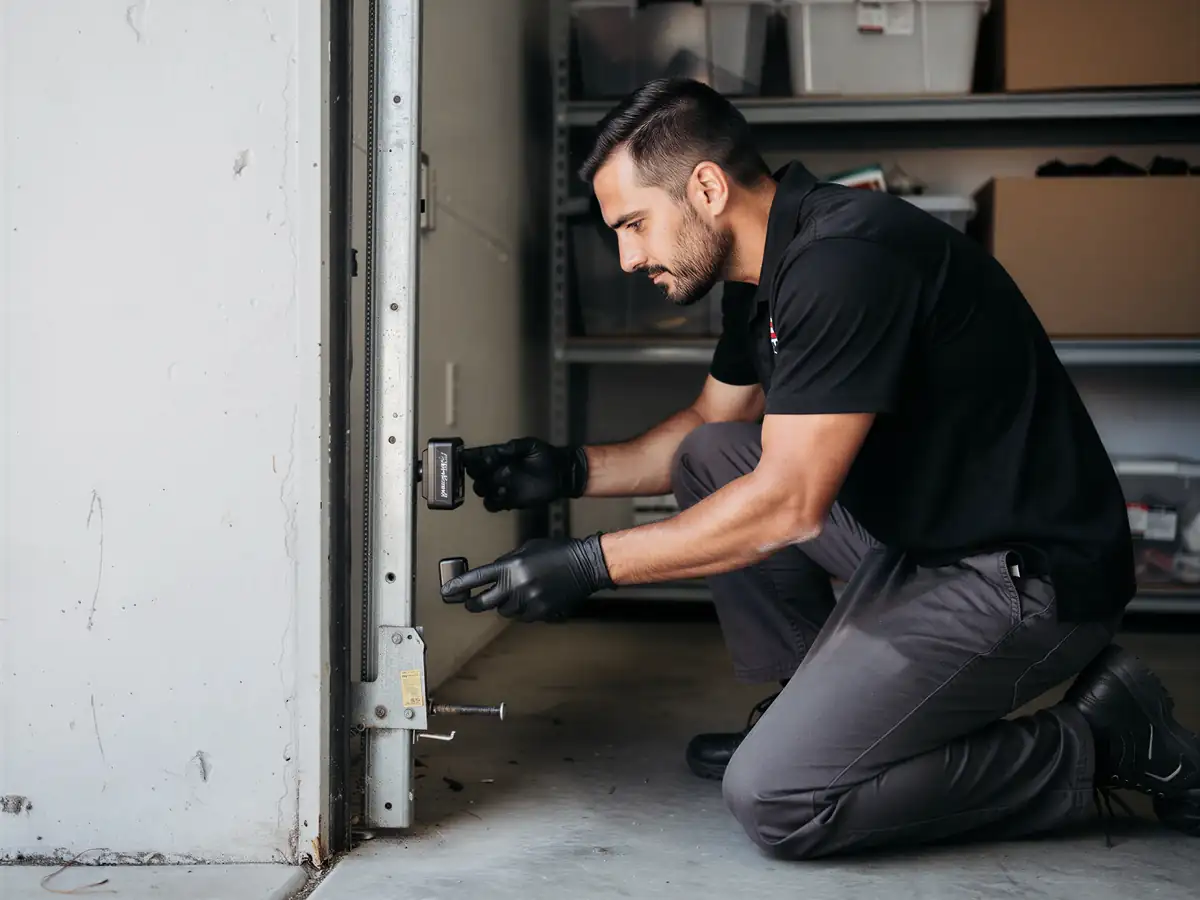
We check the rollers for wear, look at whether the track brackets are still tight to the framing, and run the door by hand to see if it's binding anywhere along its travel. If a roller's just worn down, that's a straightforward swap. If the track has bowed, we loosen the brackets, reset the rail plumb, and retighten against solid framing.
Where the bracket itself has pulled loose
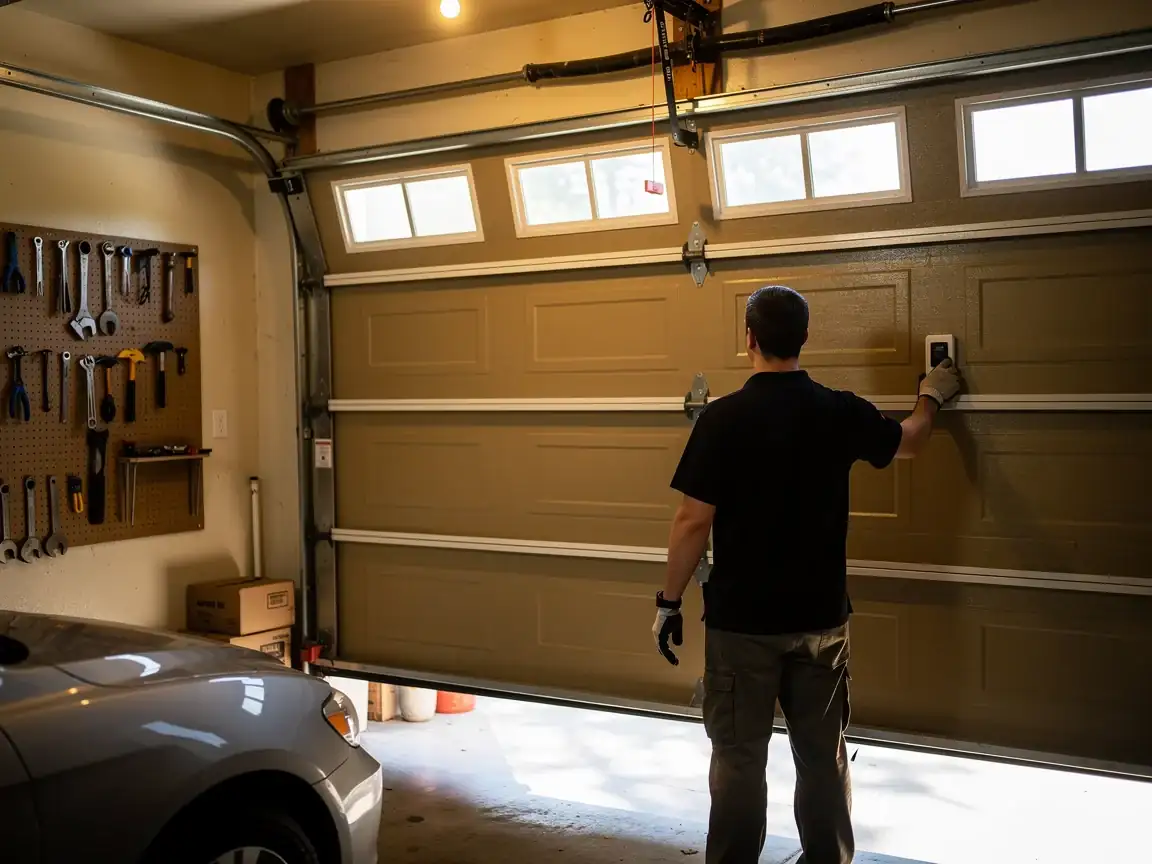
We won't just screw it back into the same stripped hole. That's a repair that fails again within months. We either move to solid backing nearby or add blocking behind the track so the hardware has something real to bite into. Once the track's reset, we run the door through a full cycle a few times, watching the rollers track true before we call the job done. If the opener's travel limits got thrown off by the door riding crooked, we reset those too.
What Causes It Around Here
Two things push this fault in Holt. First is the age and type of door common to the area's 1970-1990s housing stock: a lot of sectional doors on light steel roller track, which holds up fine under normal use but bends more easily than the heavier track on older one-piece doors if it takes a hit from a car bumper or a kid's bike.
Second is the cold. This area sits in a severe cold climate band, and steel track contracts in deep cold, which means a bracket that's marginally loose in October can work fully free by January. A door that's been riding slightly off-true all fall often finally jumps the track on the first hard freeze, when the metal's least forgiving. We see more of these calls in winter for exactly that reason, not because anything about the door changed, but because the cold found the weak point that was already there.
Booking a Visit
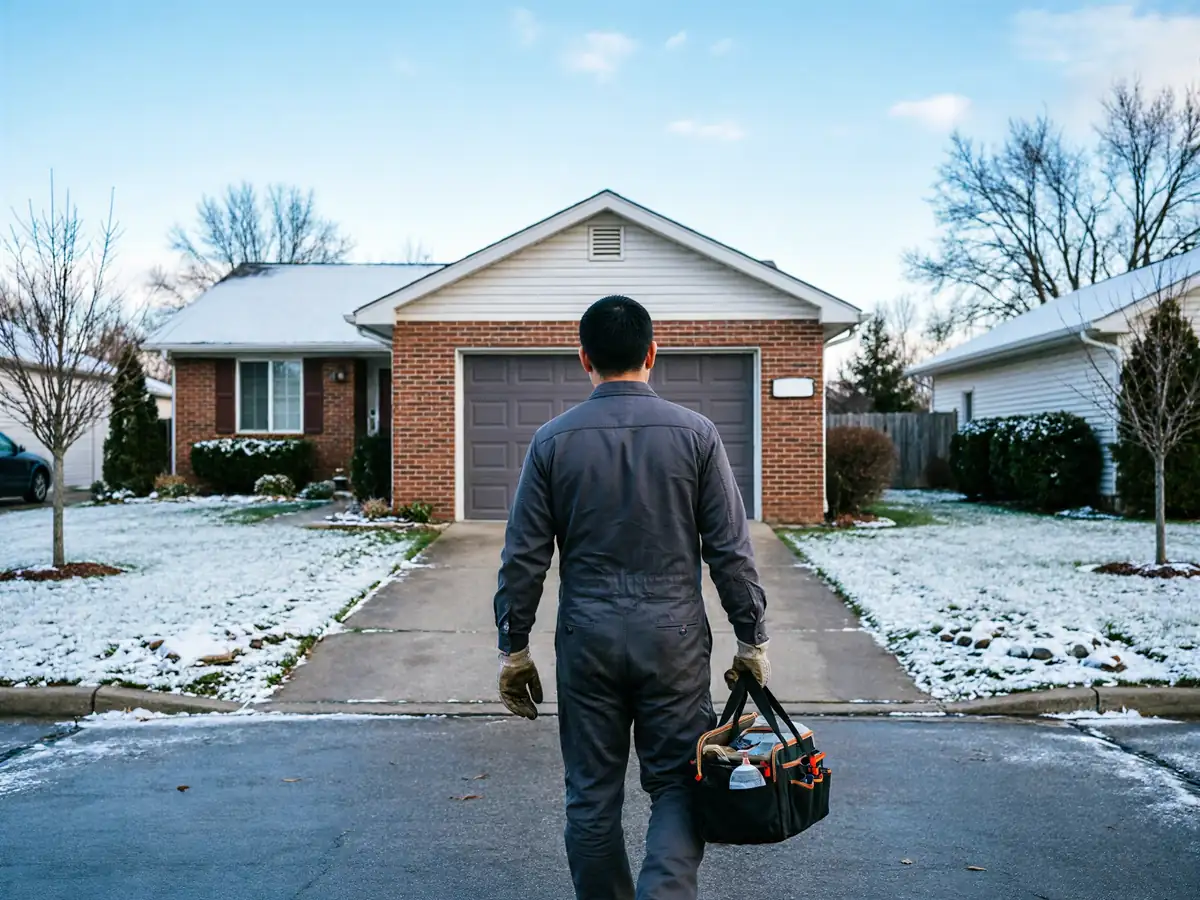
We run this repair out of East Lansing, about 8 miles from Holt, same as the drive out to Okemos or Haslett. There's no branch location in Holt itself, so when you call, we're scheduling the truck out rather than dispatching from somewhere closer. If your door's jammed off the track and won't move at all, say so when you call, since that changes what we bring on the truck versus a door that's still running rough but functional.
Holt's households run a median income a fair bit above the service area average, and we mention that only because it tends to mean homeowners here call us when a door starts sounding wrong rather than waiting until it's stuck dead in the opening. Earlier calls are easier jobs, generally, since the hardware hasn't had time to tear up the framing around it. For more on the area we cover, see our Holt area page, or our general off-track repair page for East Lansing.