The Cost of This Job
The number that moves the price here isn't the brand of door
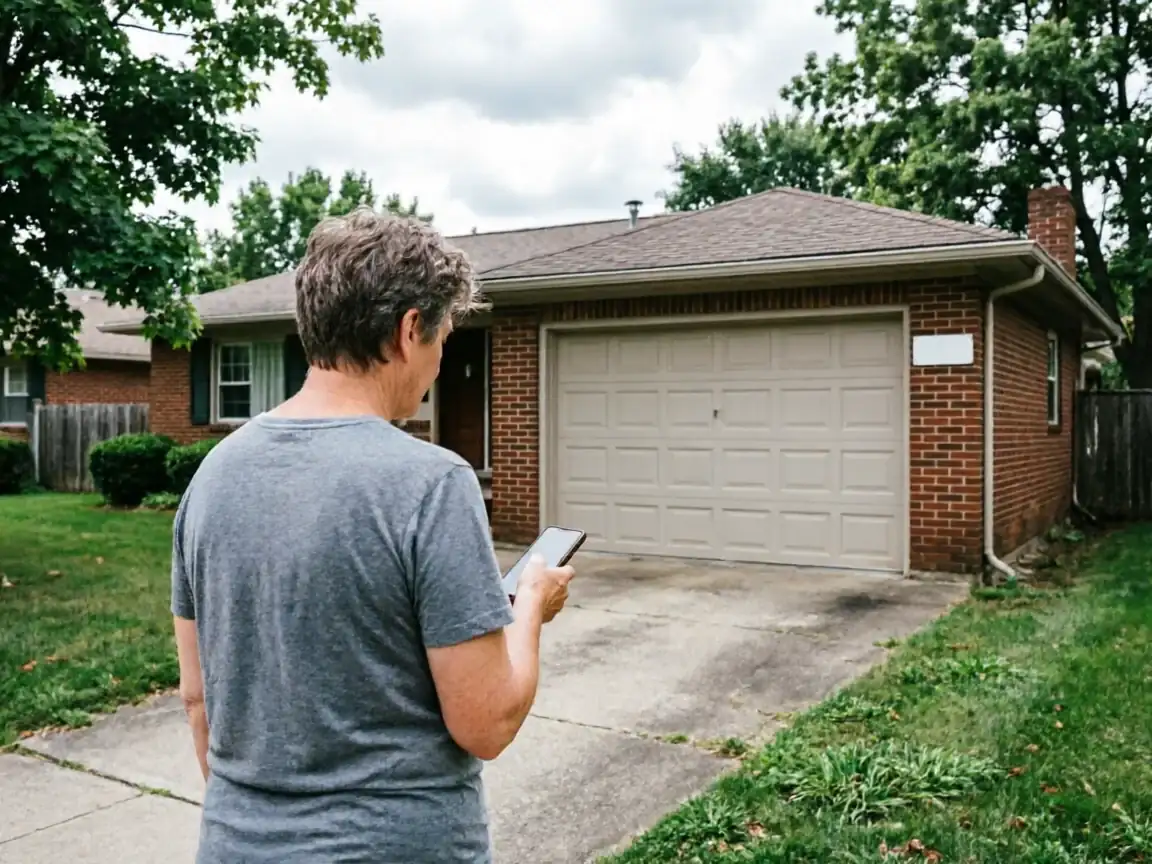
It's the age of the house behind it. Mason's housing stock centers on 1980, a bit newer than the 1976 median across the wider service area we work. That handful of years matters because it's roughly when builders in this part of Michigan were shifting away from extension springs toward torsion setups on new construction, and plenty of Mason garages still have whichever one they started with.
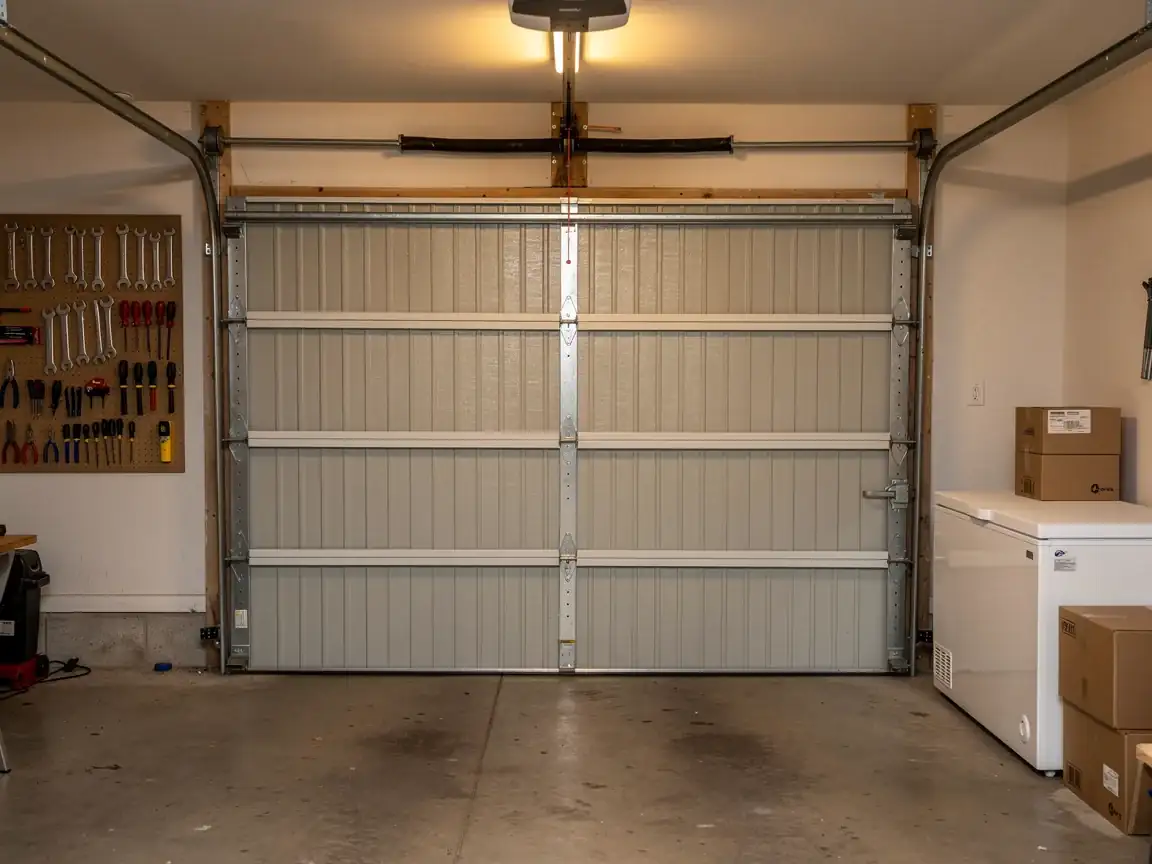
An extension spring repair runs cheaper in parts but often means replacing both springs and the safety cables that should've been there from day one
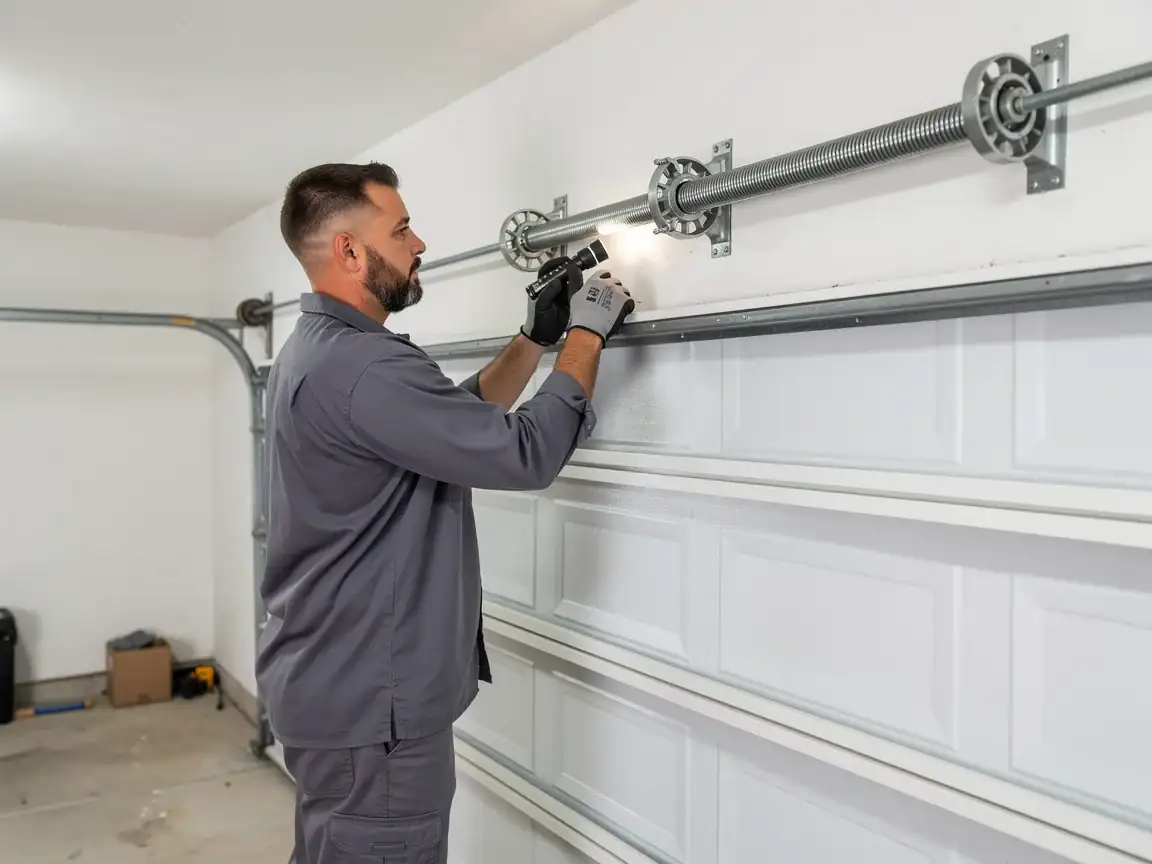
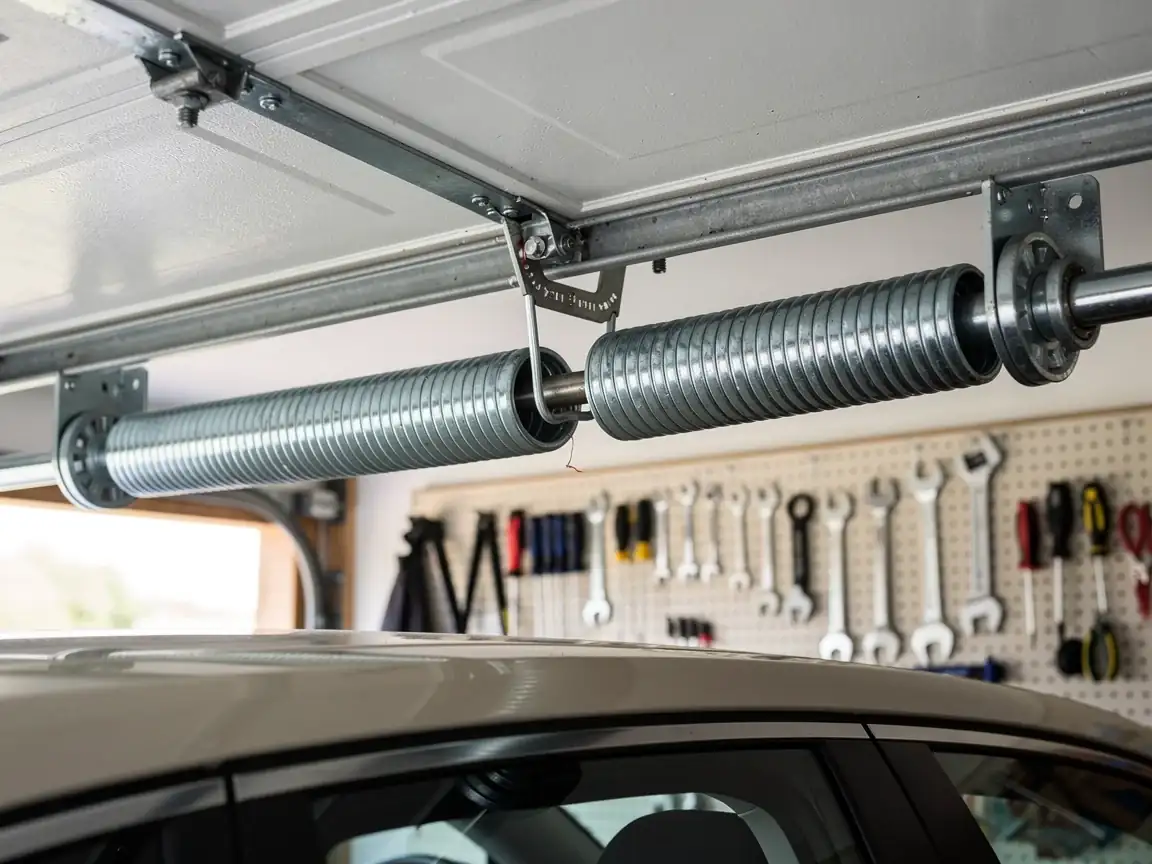
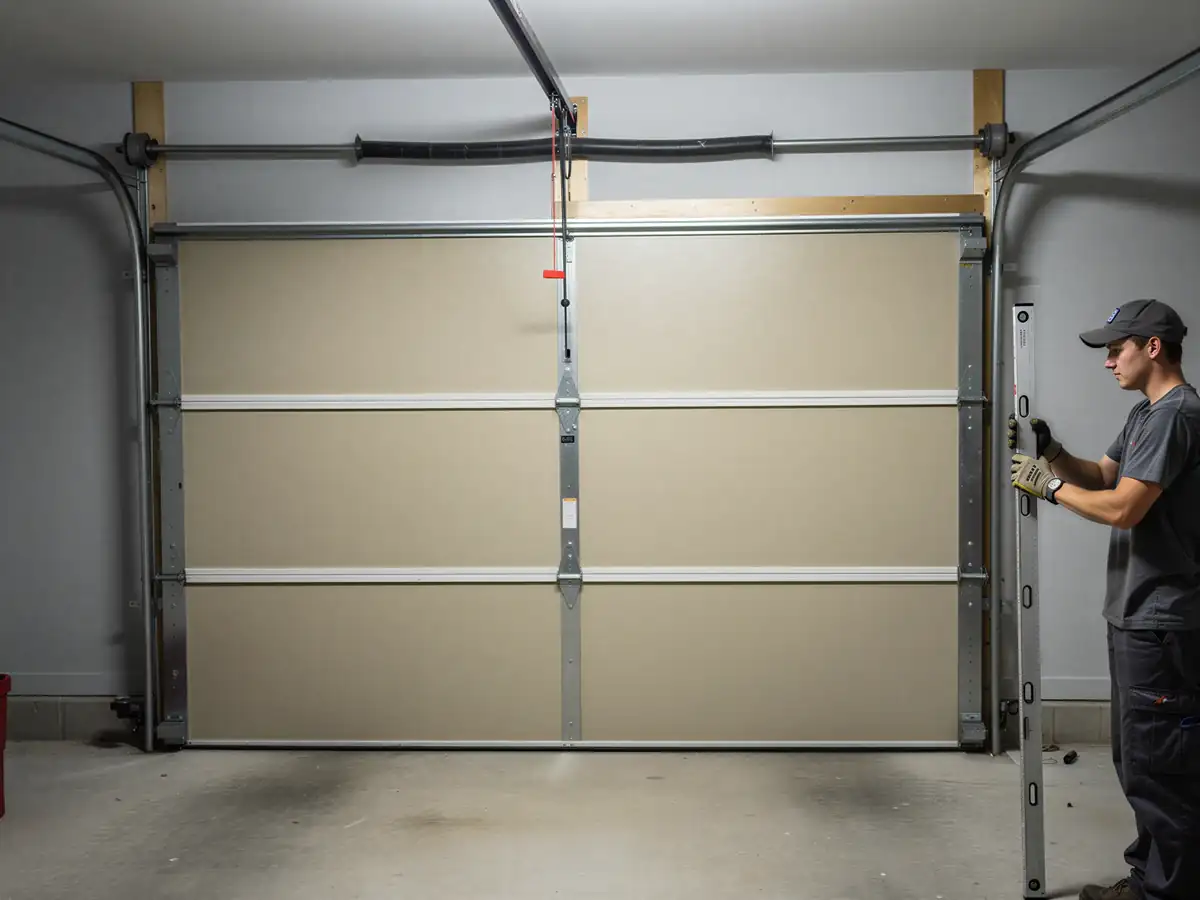
A torsion conversion costs more up front because it means new drums, a new shaft, and sometimes reframing the header if the opening was never built for it. We quote the job after we've seen the spring type and the header, not before, because guessing on a 1980-era garage gets the price wrong in both directions.
Booking a Visit
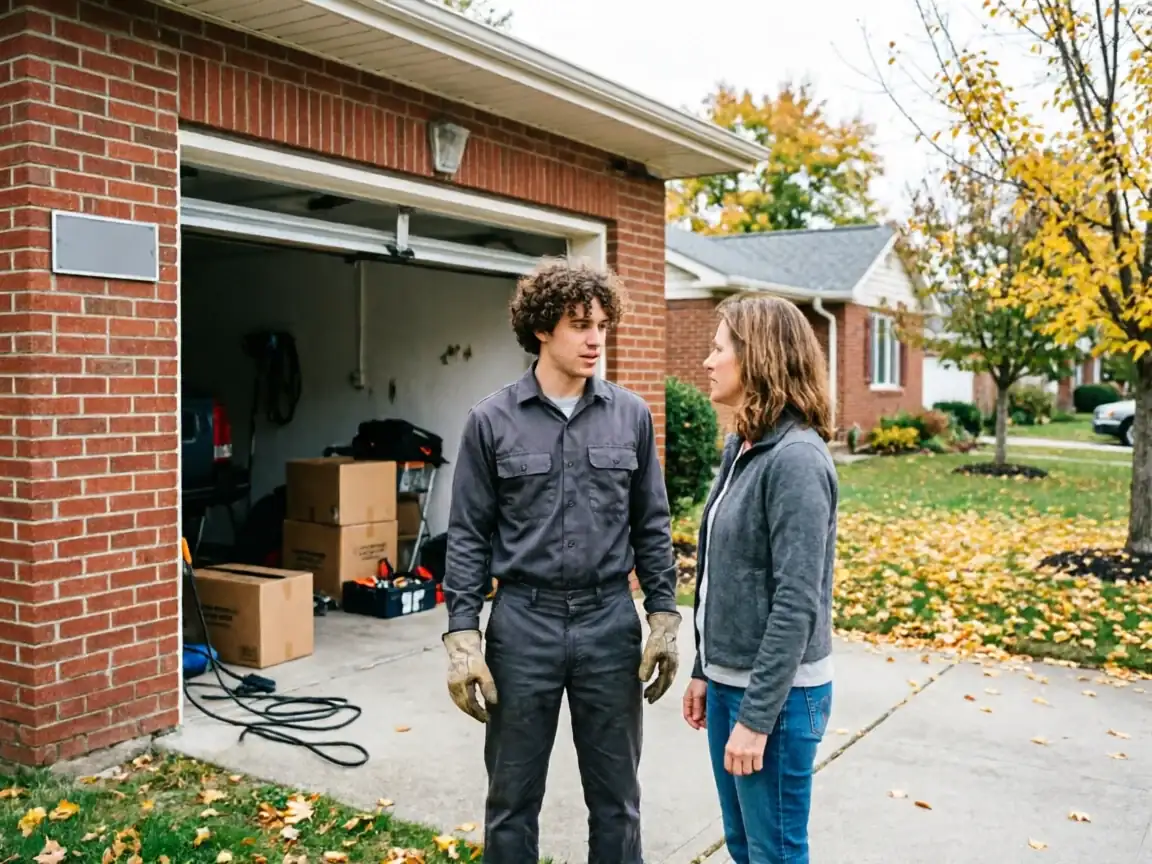
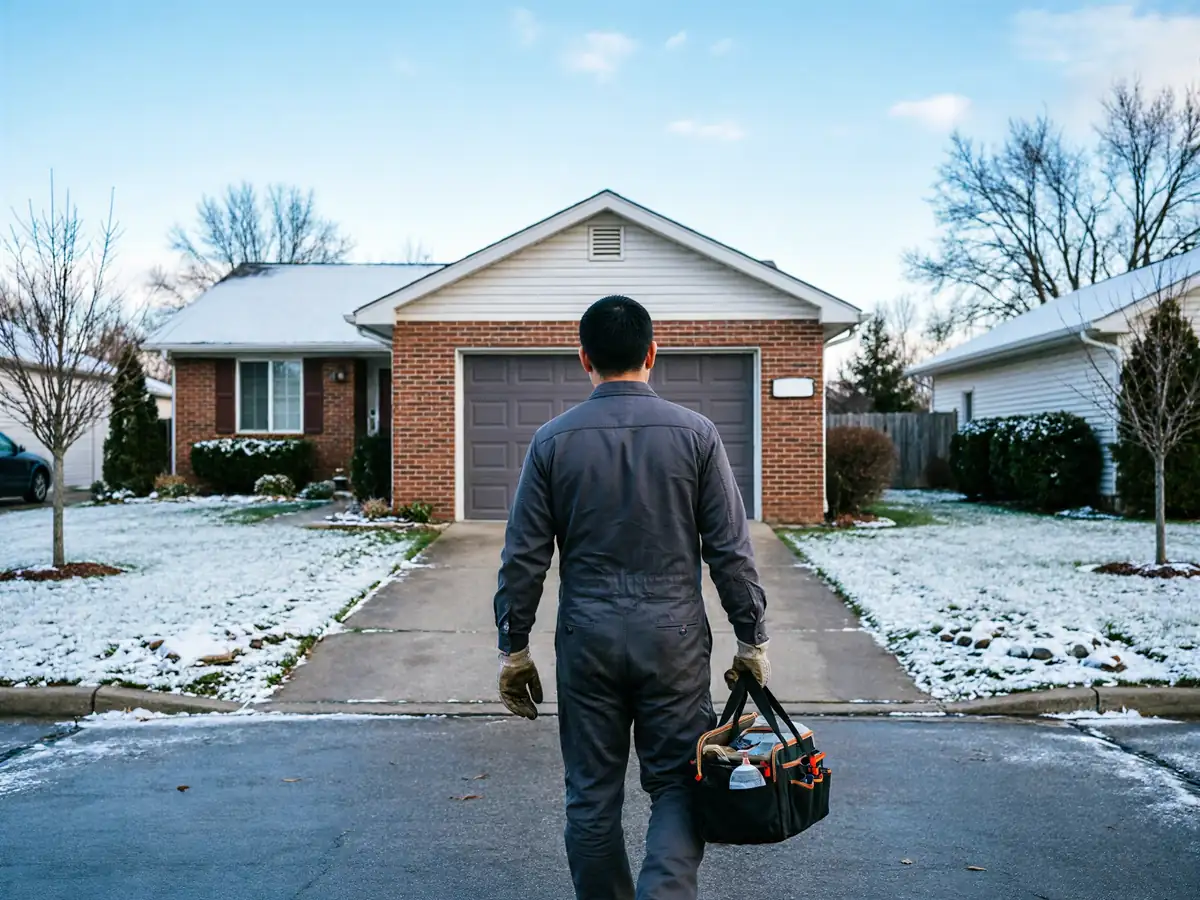
We run this call from East Lansing, 12 miles out. There's no branch or truck staged in Mason, so every visit here starts with a drive, which we build into how we route the day rather than how we price the job. We don't promise a same-day window for Mason the way we might for towns closer in - we fit it around what's already booked along the way.
When you call, tell us the door's age if you know it, whether the opener is chain or belt, and whether the spring is a single thick coil over the door (torsion) or two thinner coils along the horizontal tracks (extension). That one detail changes what we load before we leave, and it's the difference between a one-visit fix and a second trip for a part.
The Complications
The honest complication with Mason is distance, plain and simple. A part that's a quick run back to the truck in a closer suburb is a real delay here if we don't have it loaded already. We stock what covers most torsion and extension failures from the 1960s-through-1990s housing era that dominates this region, but a less common panel size or an opener model that's been out of production for a while can mean a return trip.
The other complication is that Mason isn't one uniform pocket of houses from one decade. Across the broader area we cover, the housing stretches from 1945 into the 1990s, and Mason's own mix leans toward the 1980 mark without being locked to it. That means we see older extension-spring setups next to newer torsion jobs on the same street, and we don't assume which one we're walking into until we're standing in front of the door.
What Causes It Around Here
This region sits in a climate band classified as severe cold
And that's the thing doing the damage more than age alone. Steel panels without foam backing flex in a hard freeze and crack along the bottom seam first - that's the panel that takes road salt spray and snow melt runoff every winter. Springs lose tension faster in cold cycling too, so a spring rated for a certain number of cycles in a mild climate gives out sooner here.
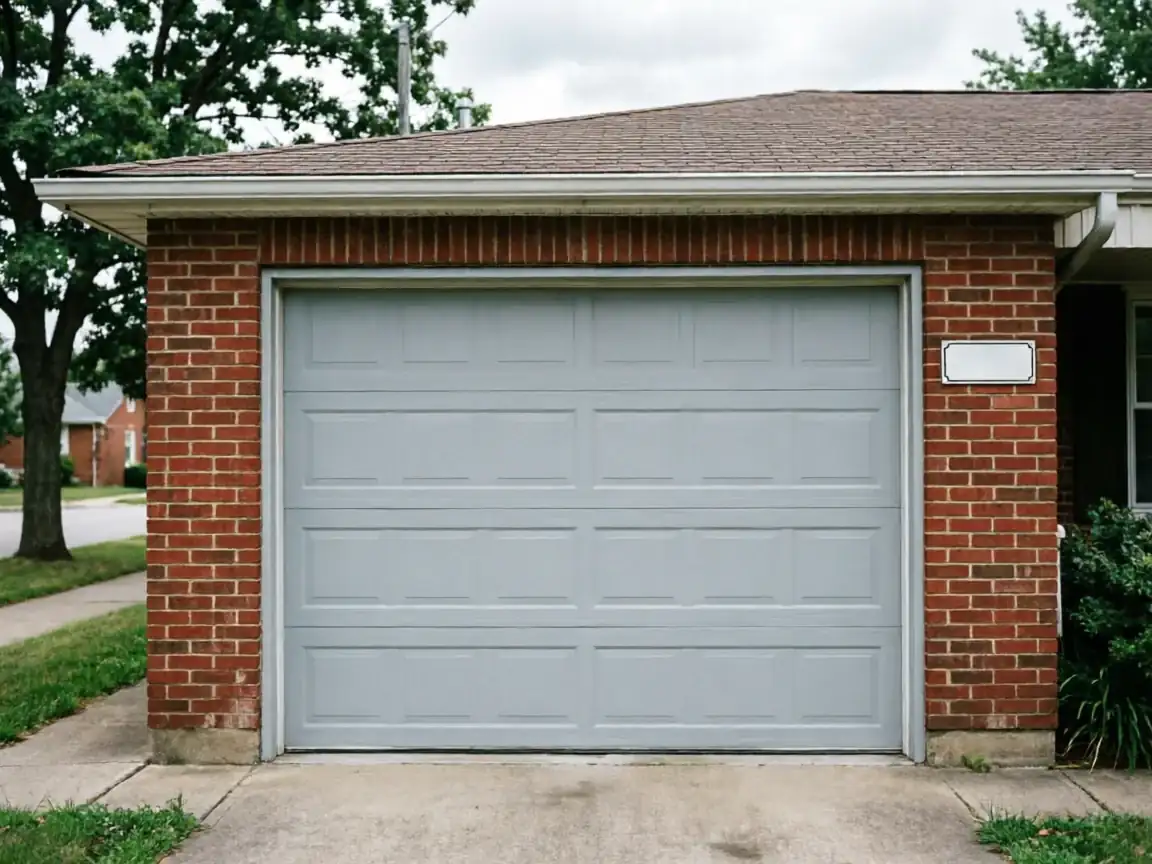
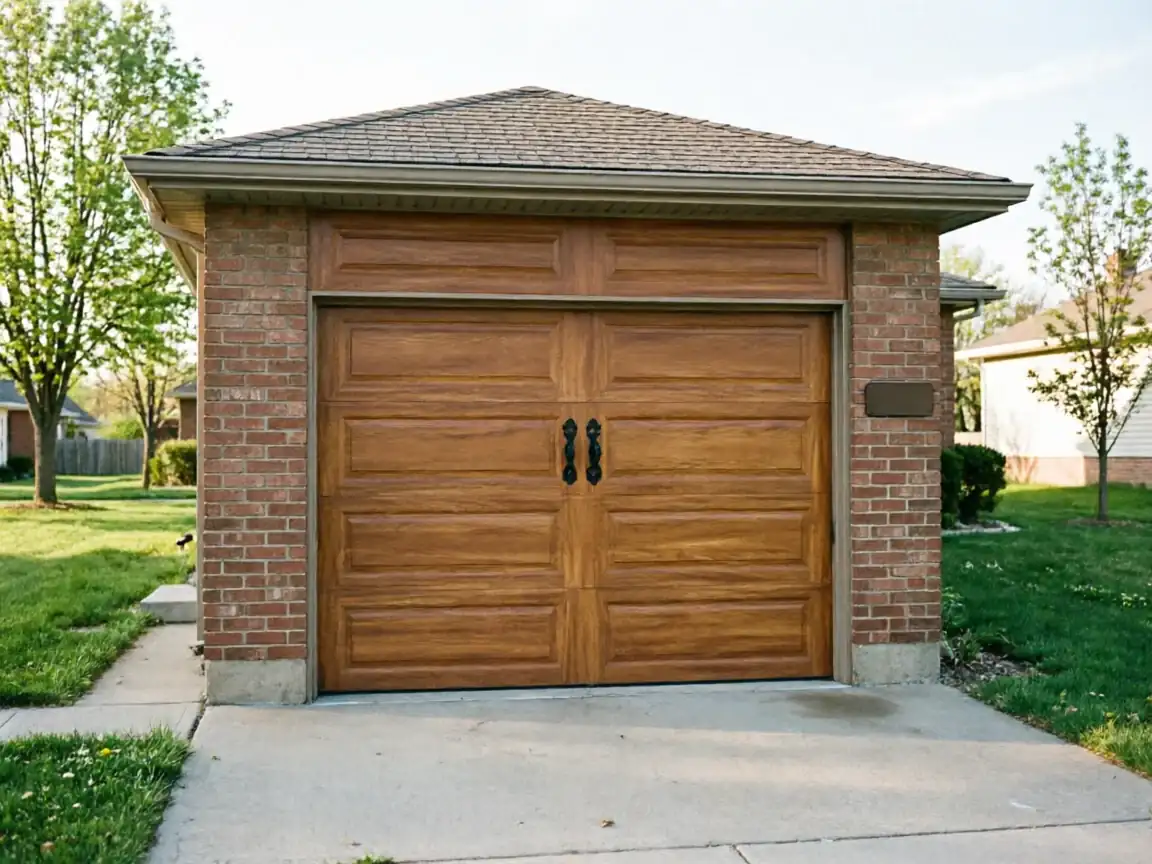
Houses built around 1980 in Mason often came with those uninsulated steel doors as standard
Paired with whichever spring type was cheaper to install at the time. Thirty-plus winters of that cycle - expand, contract, expand again - is what you're actually fighting when a door starts binding on cold mornings or a cable frays at the drum.
How We Fix It
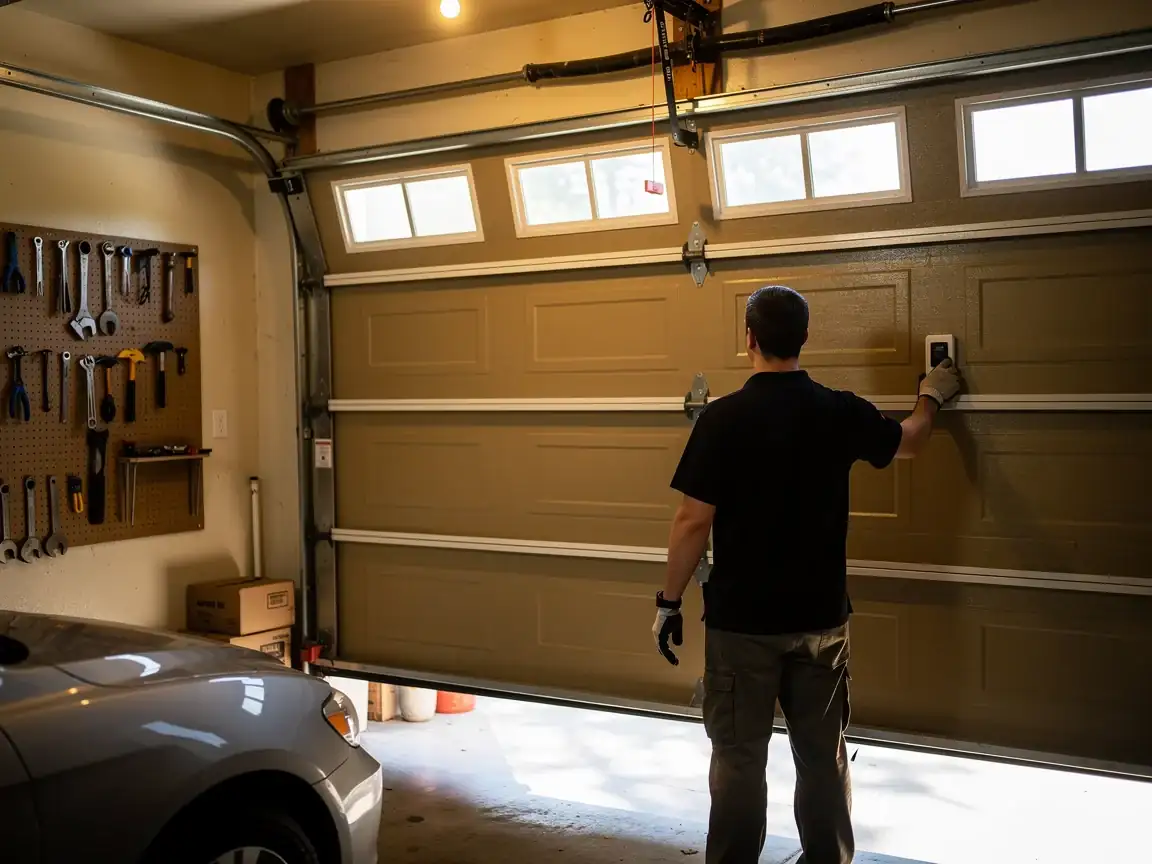
For a broken torsion spring, we match the wire size and wind to what's already on the shaft rather than guessing off a chart, because a mismatched spring either over- or under-lifts the door and burns out the opener motor compensating. For extension spring setups, we replace both springs as a pair even if only one broke - uneven tension on the other side just means a second call in a few months.
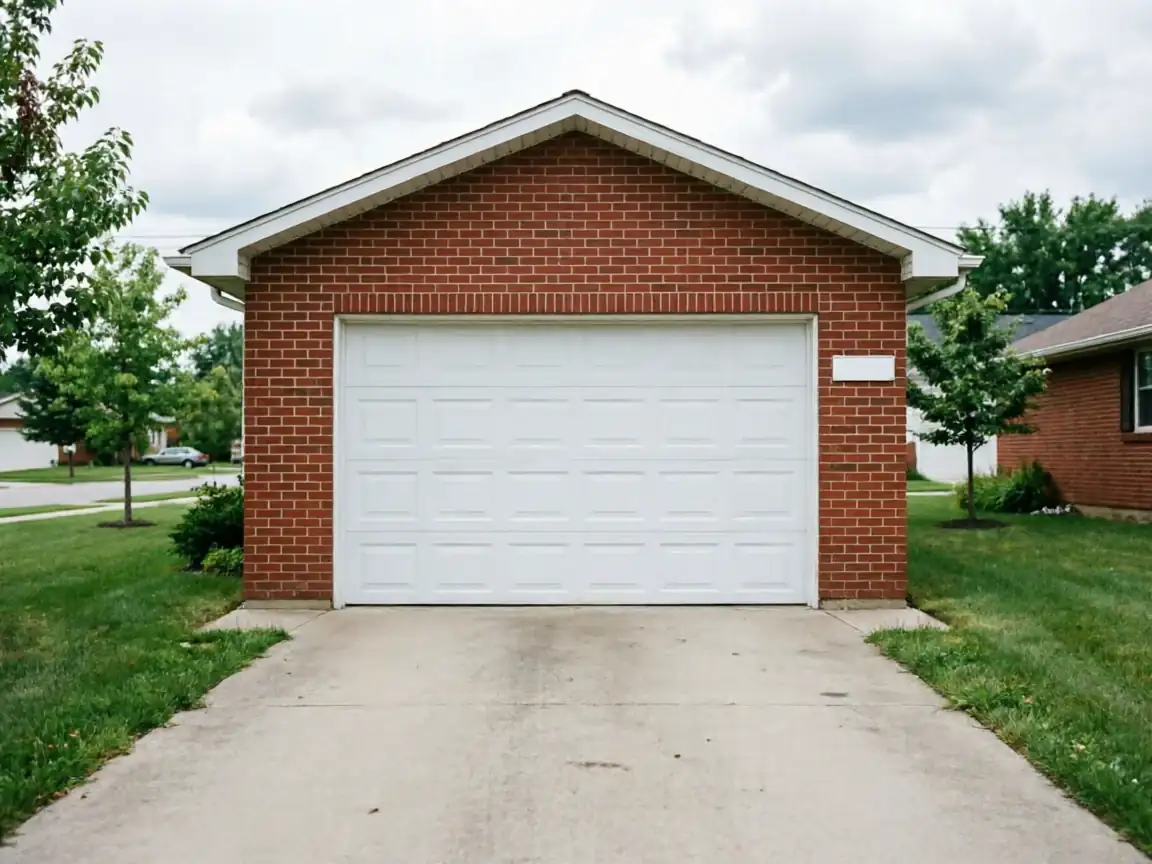
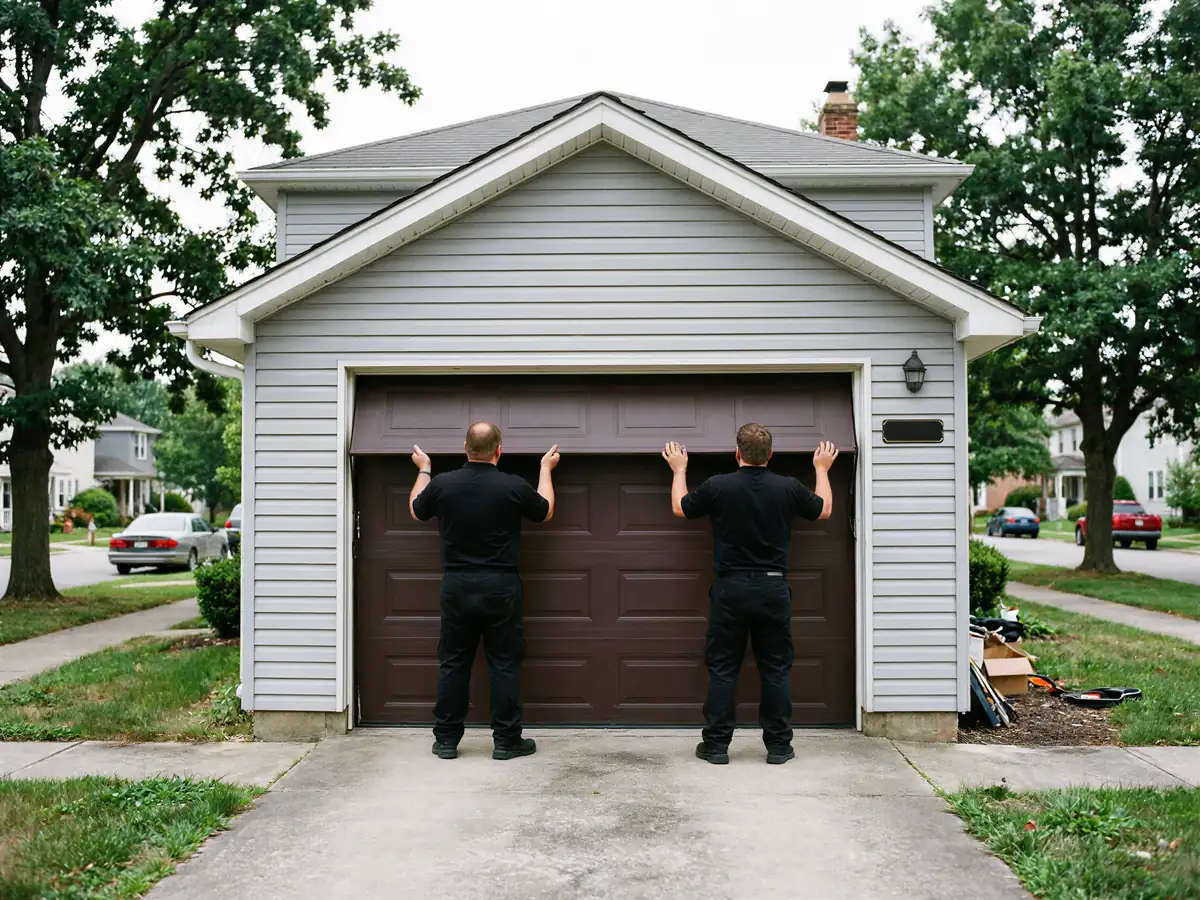
For doors that are flexing or cracking at the panel seams from the cold, we look at whether a panel swap makes sense or whether the whole door is due for replacement. If a 1980-era door has two or three cracked panels and the track is already pitted from rust, patching one panel is a short-term fix we'll say so plainly rather than bill you for it twice.
What Is on the Truck
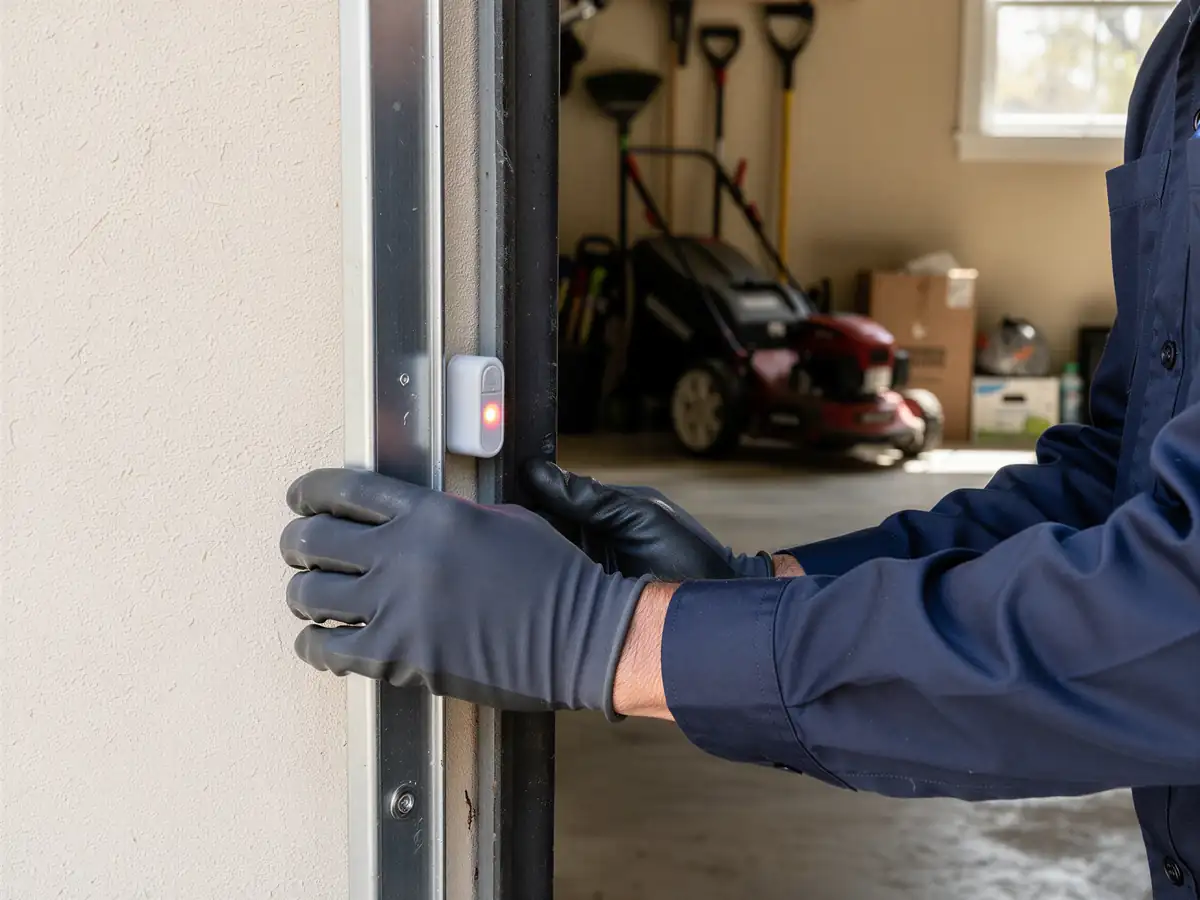
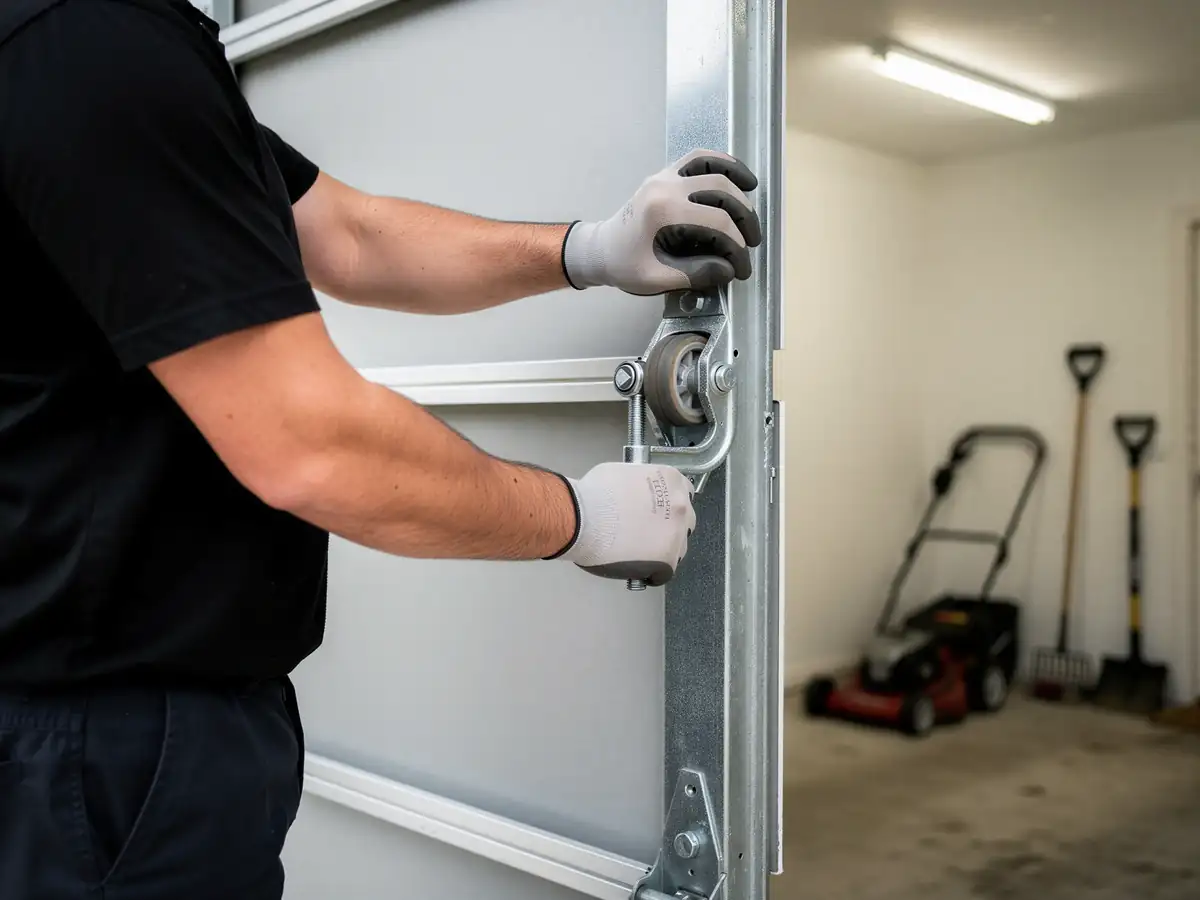
We carry standard torsion springs across the common wire gauges, extension spring pairs, safety cables, rollers, and the hardware for track realignment, since those cover most of what fails on the housing stock in this part of the region. Openers - chain and belt drive - and the logic boards for common failures are stocked too.
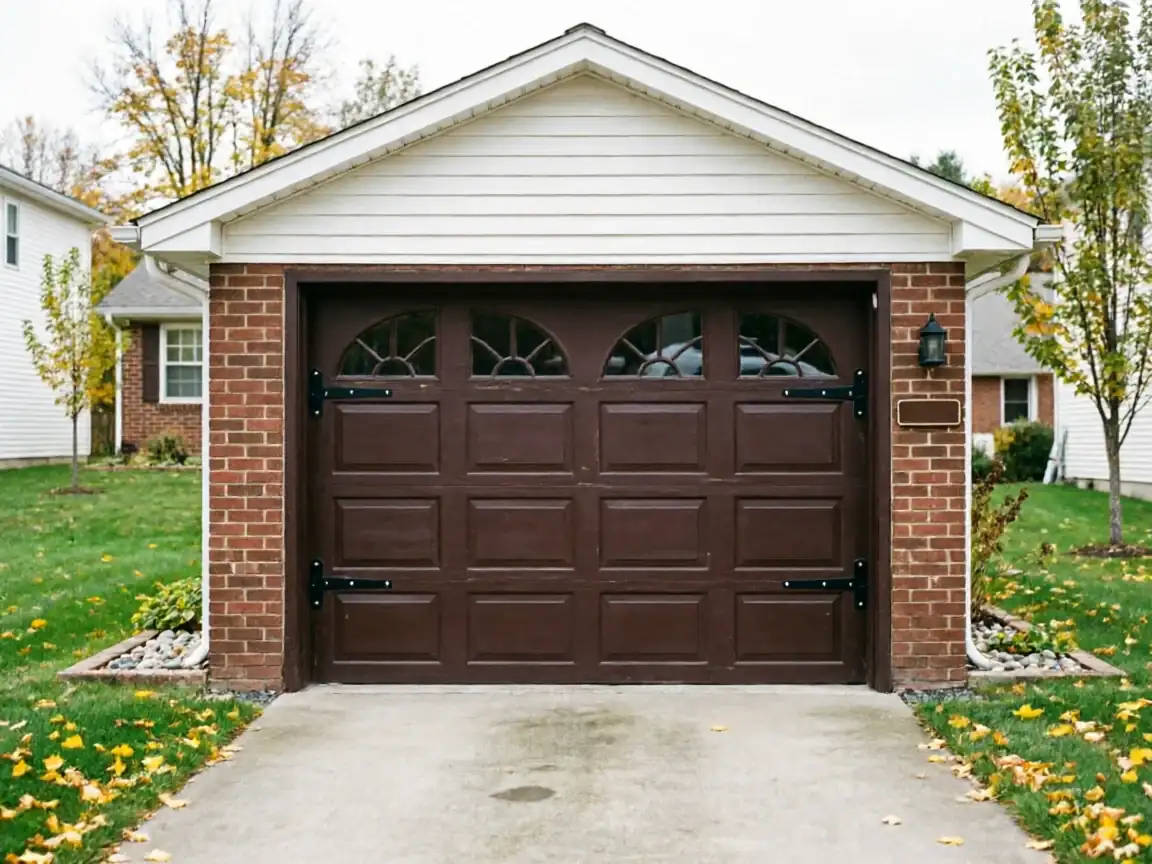
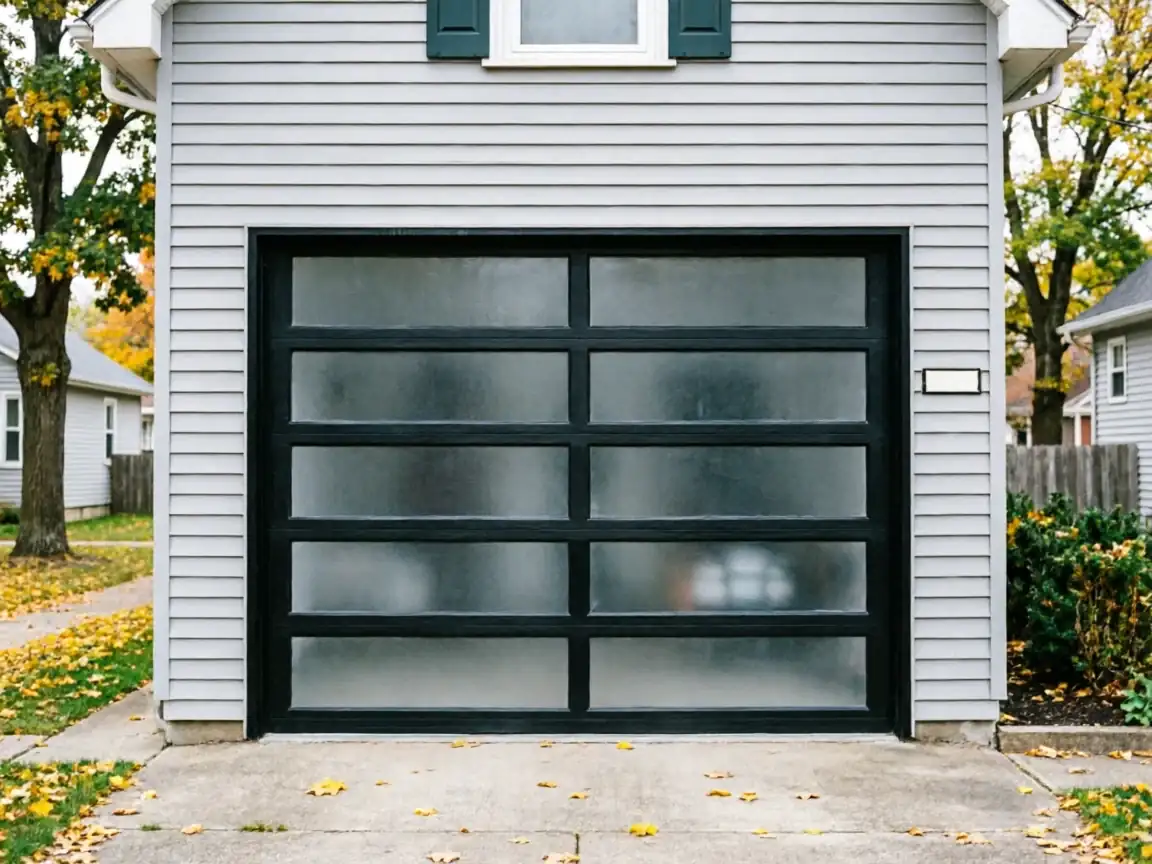
What we don't carry for every call is an exact panel match for a discontinued door model or a specialty insulated panel in an uncommon color or window pattern. If your 1980-built door needs one section replaced and the manufacturer stopped making that line, we'll tell you upfront that it's a special order, not a same-visit fix, and let you decide whether a panel swap or a full door makes more sense at that point.