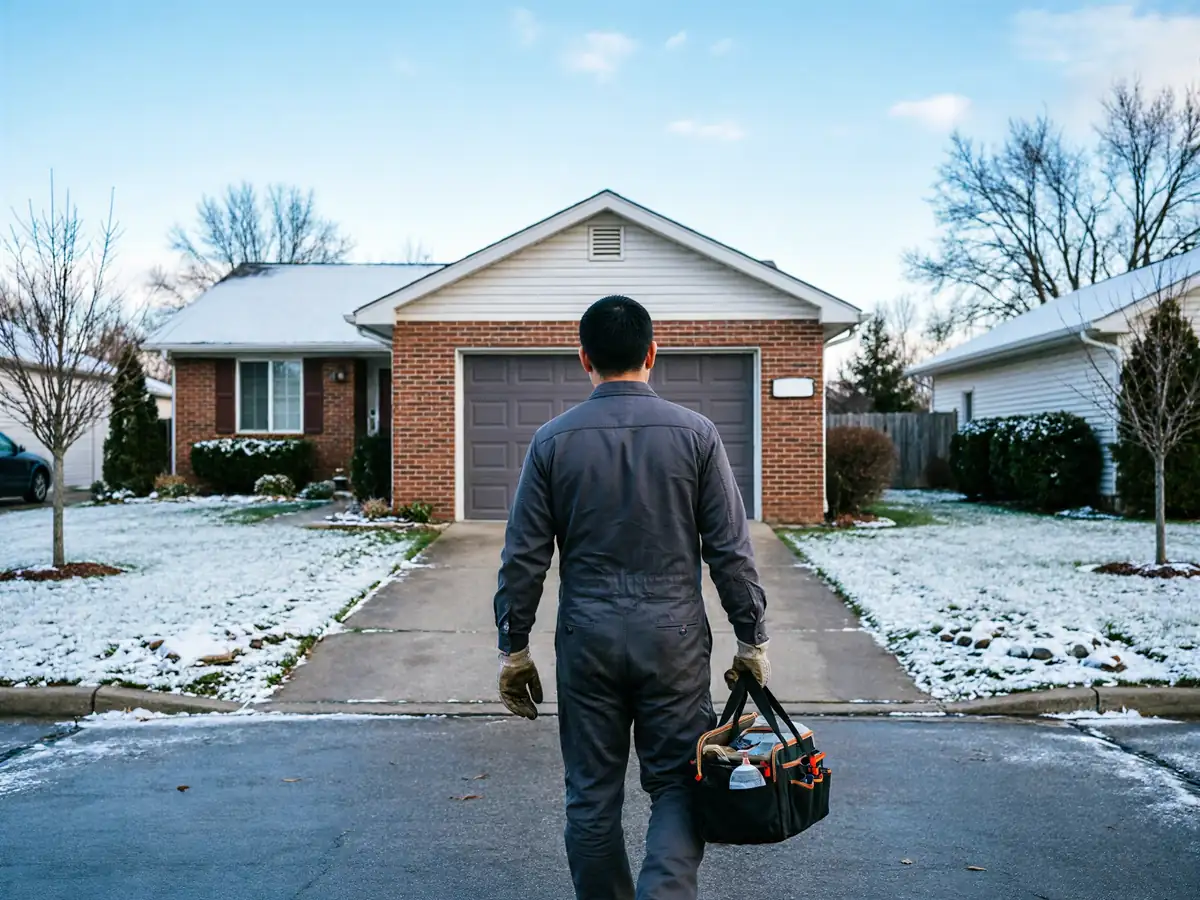
Booking a Visit
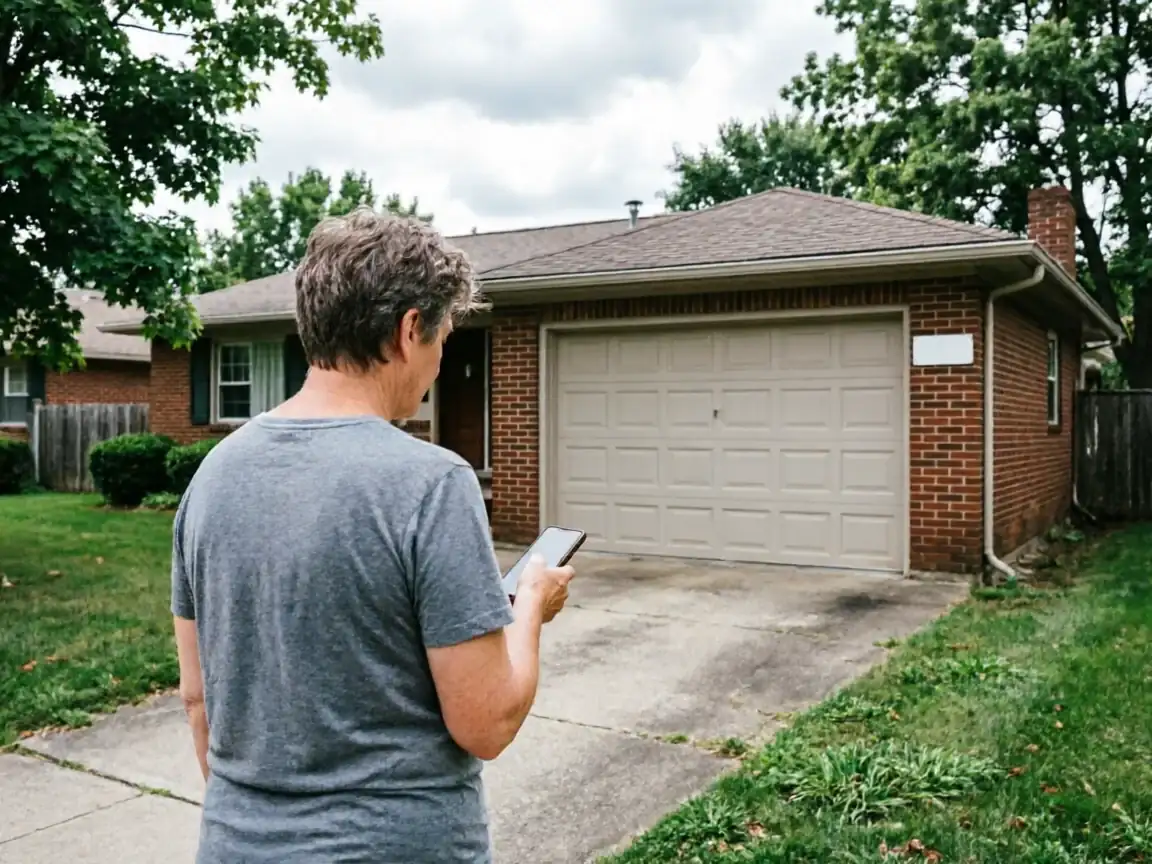
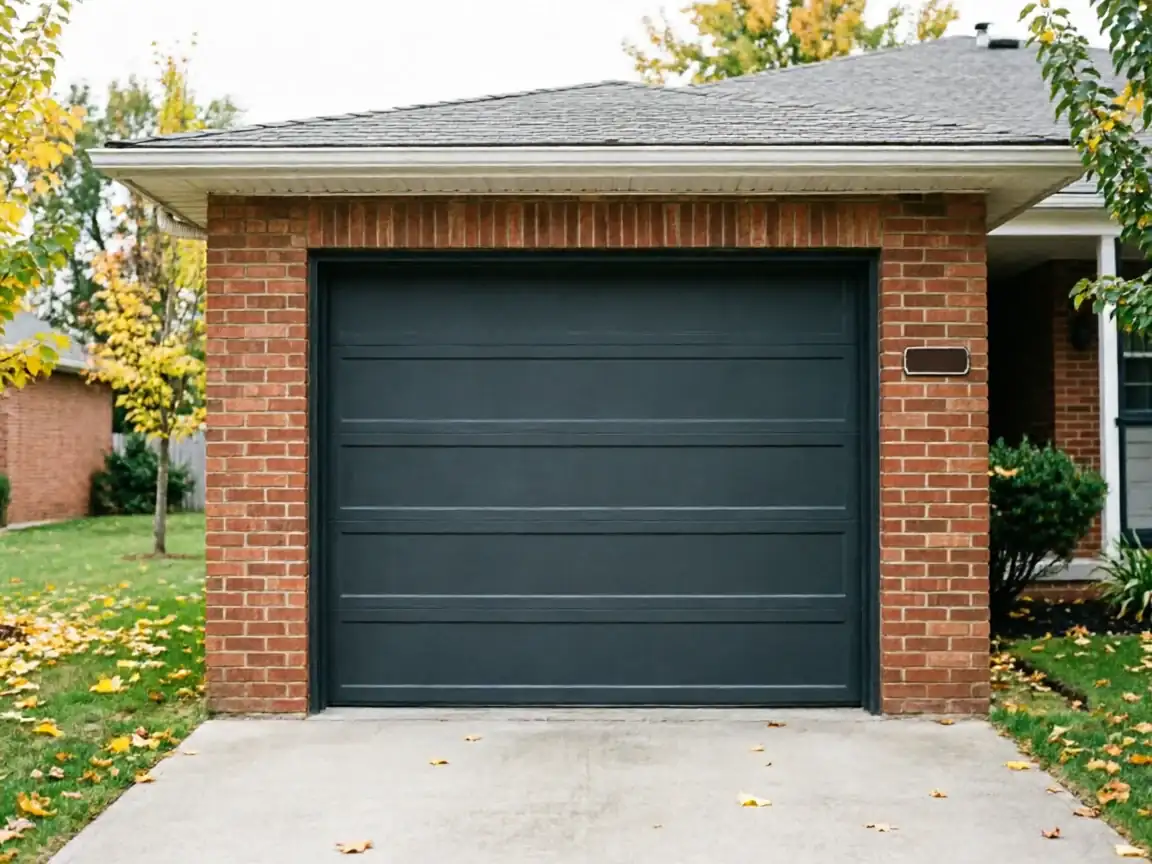
We travel from East Lansing, about 4 miles out to Okemos, so there's no separate branch sitting in town and no reason to pretend otherwise. When you call, tell us what the door is doing: won't open, opens and stops, makes a bang before it quits. That tells us what's in the truck before we're on your street. We don't quote a fixed response window here because it depends on where the truck is and what else is on the board that day, but the short drive from East Lansing keeps Okemos close to the front of the line on most days.
Time on the Job
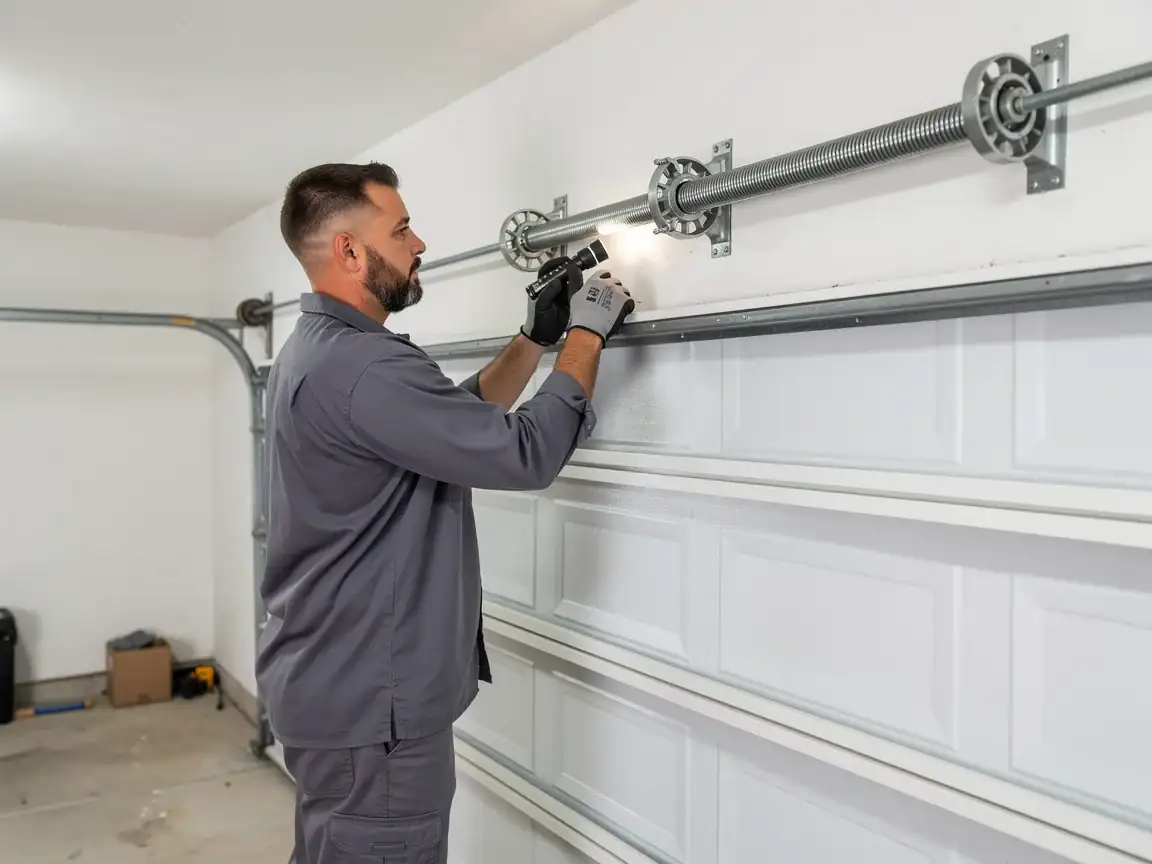
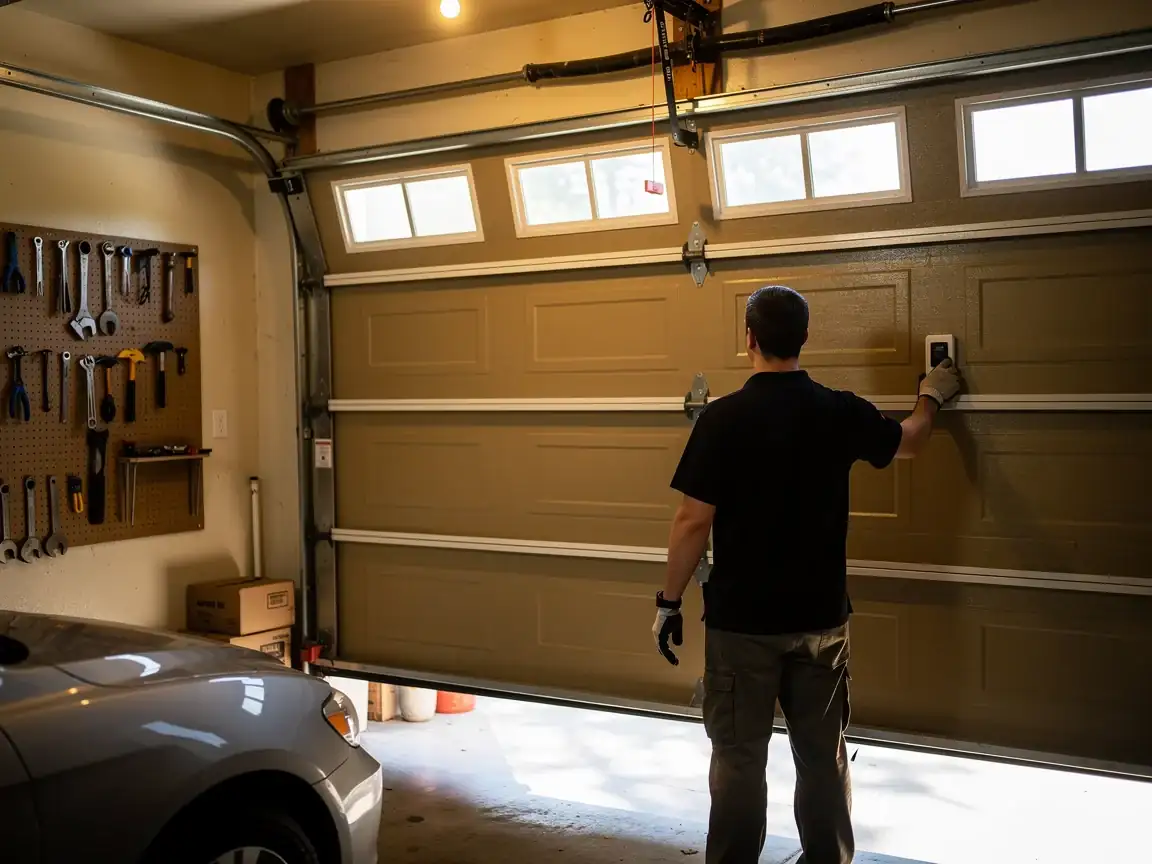
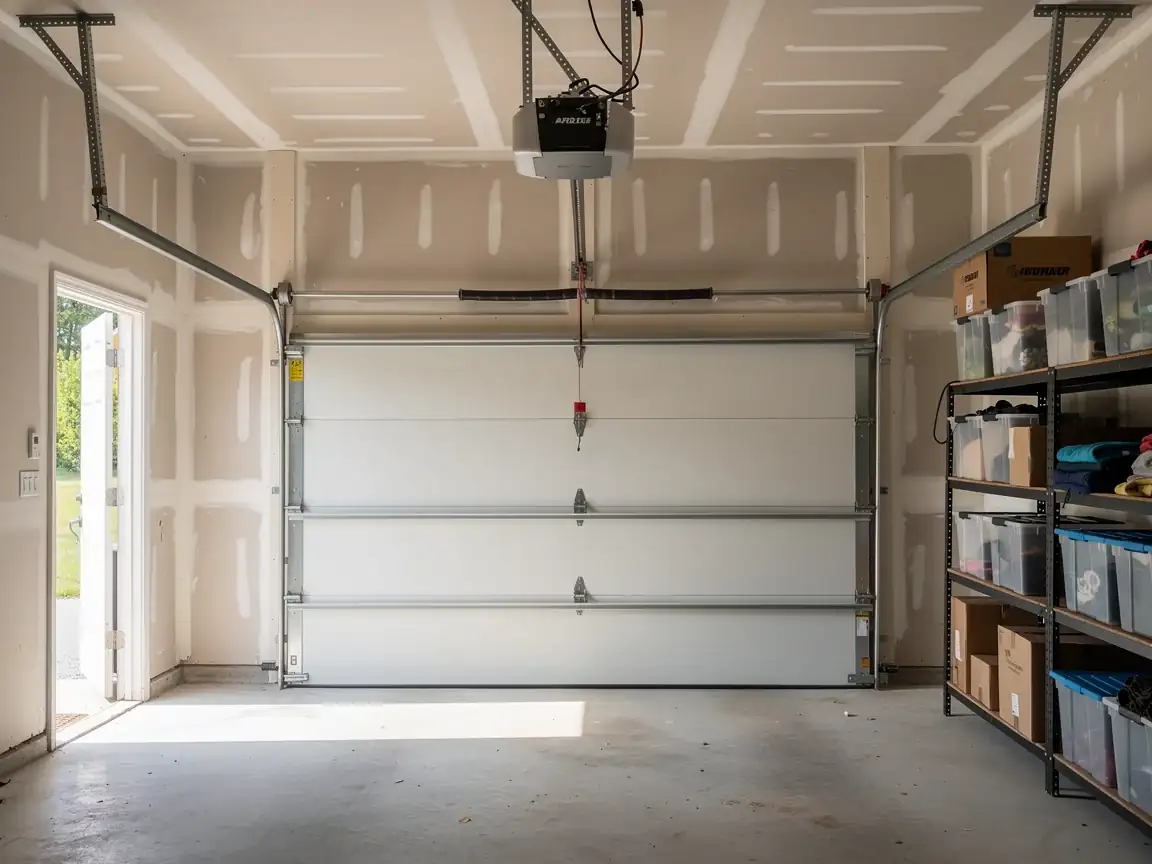
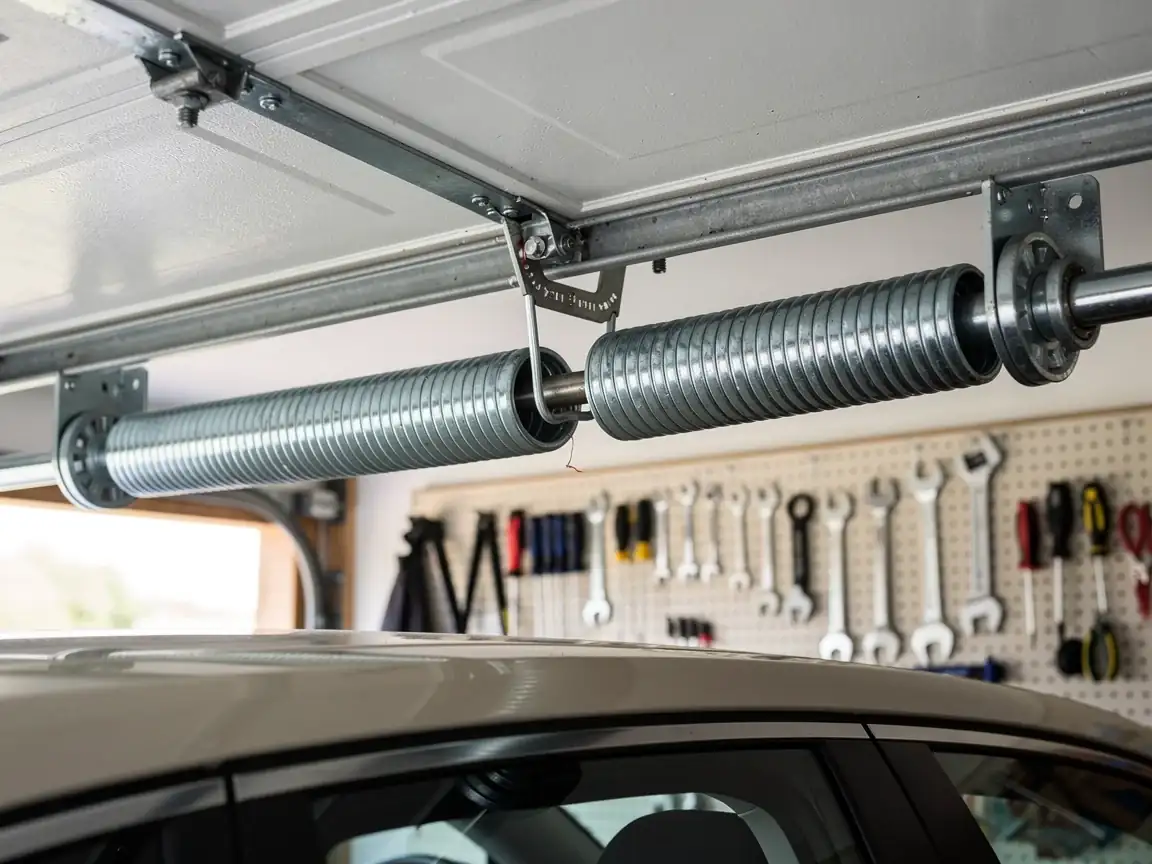
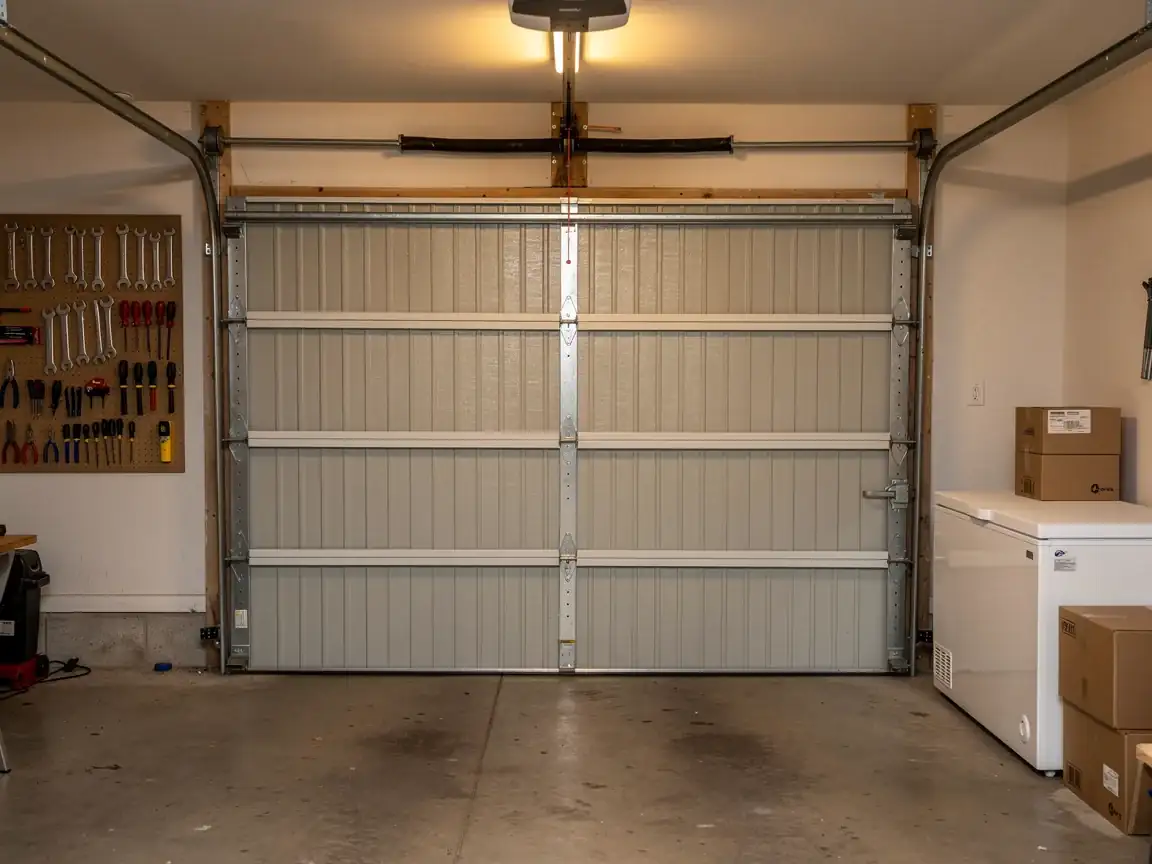
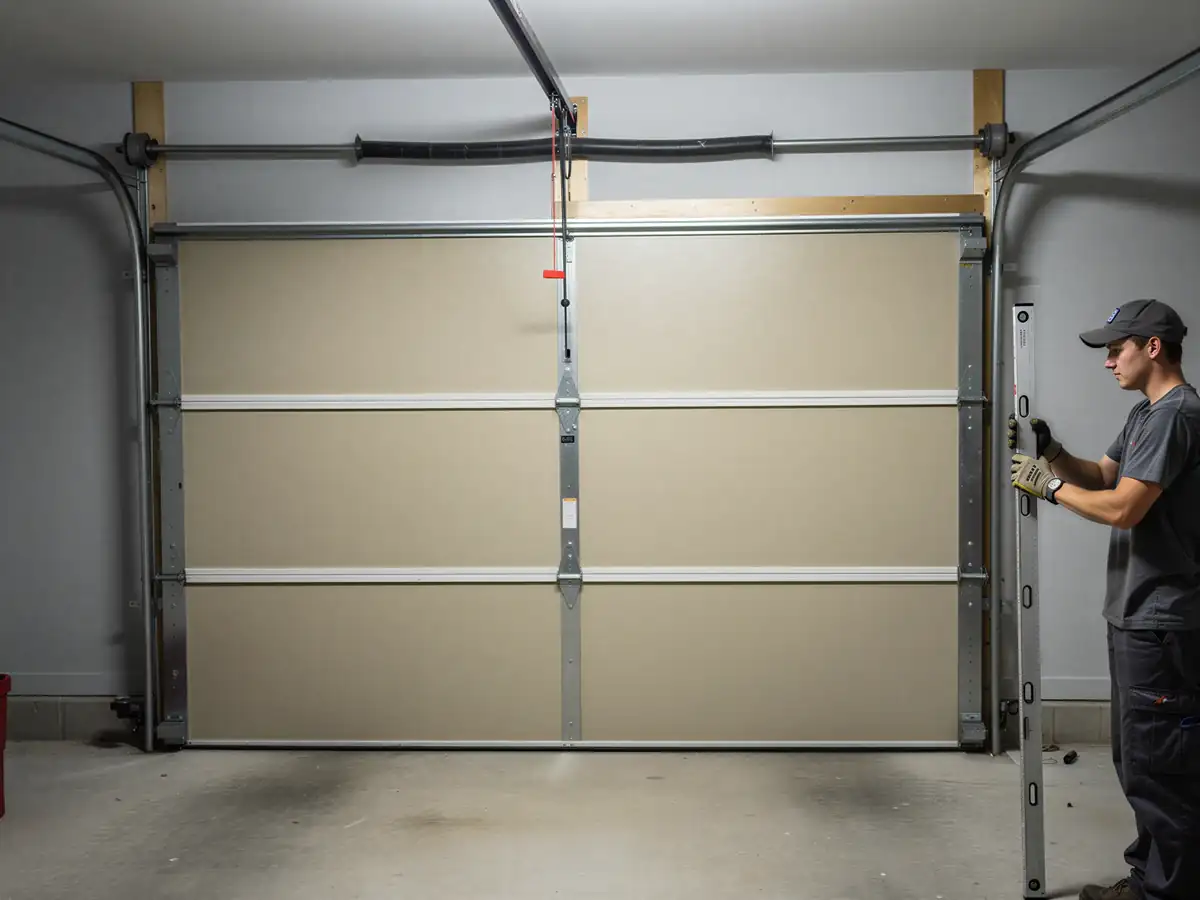
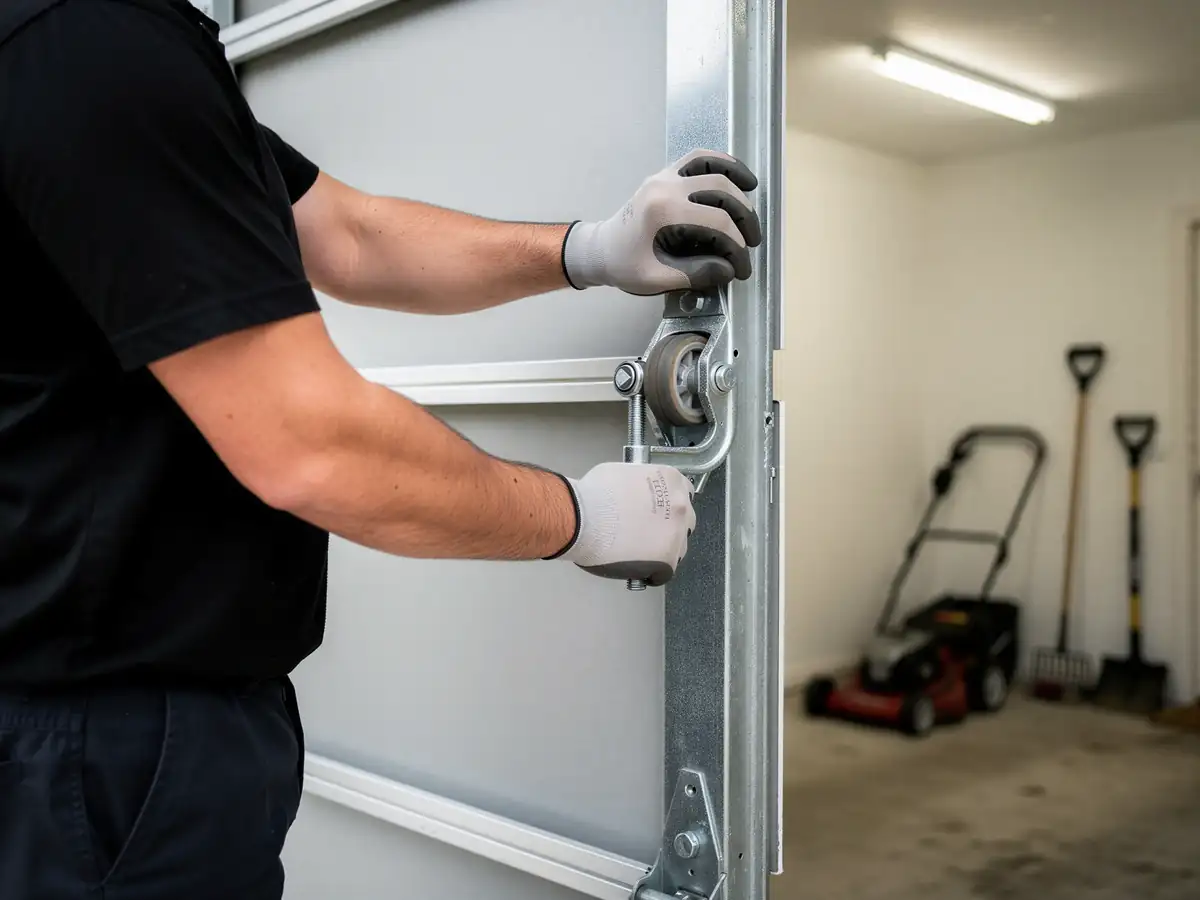
A straightforward torsion spring replacement on a double door, which is the most common emergency call on houses of this vintage, usually runs under an hour once the tech is on site. Cable snaps and roller failures are similar. Opener board swaps take a bit longer because we're also testing travel limits and safety reversal before we leave, which isn't optional on a door this close to a living space. What slows a job down isn't the door, it's parts. If your opener is an older or discontinued model, that part may not be on the truck and we'll have to order it, which we'll tell you up front rather than have you wait around guessing.
The Cost of This Job
We don't publish a flat price here because spring size, door weight, and opener model all move the number, and quoting a figure that doesn't match your door helps nobody. What we will say: at Okemos income levels, most owners land on repair rather than replacement for anything short of a door with rusted-through tracks or a motor that's failed twice in two years. Replacement makes more sense when the door itself, not just the hardware, is the problem. We'll tell you which category your call falls into before we touch anything, and we won't talk you into a new door to fix a spring.
How It Shows Up
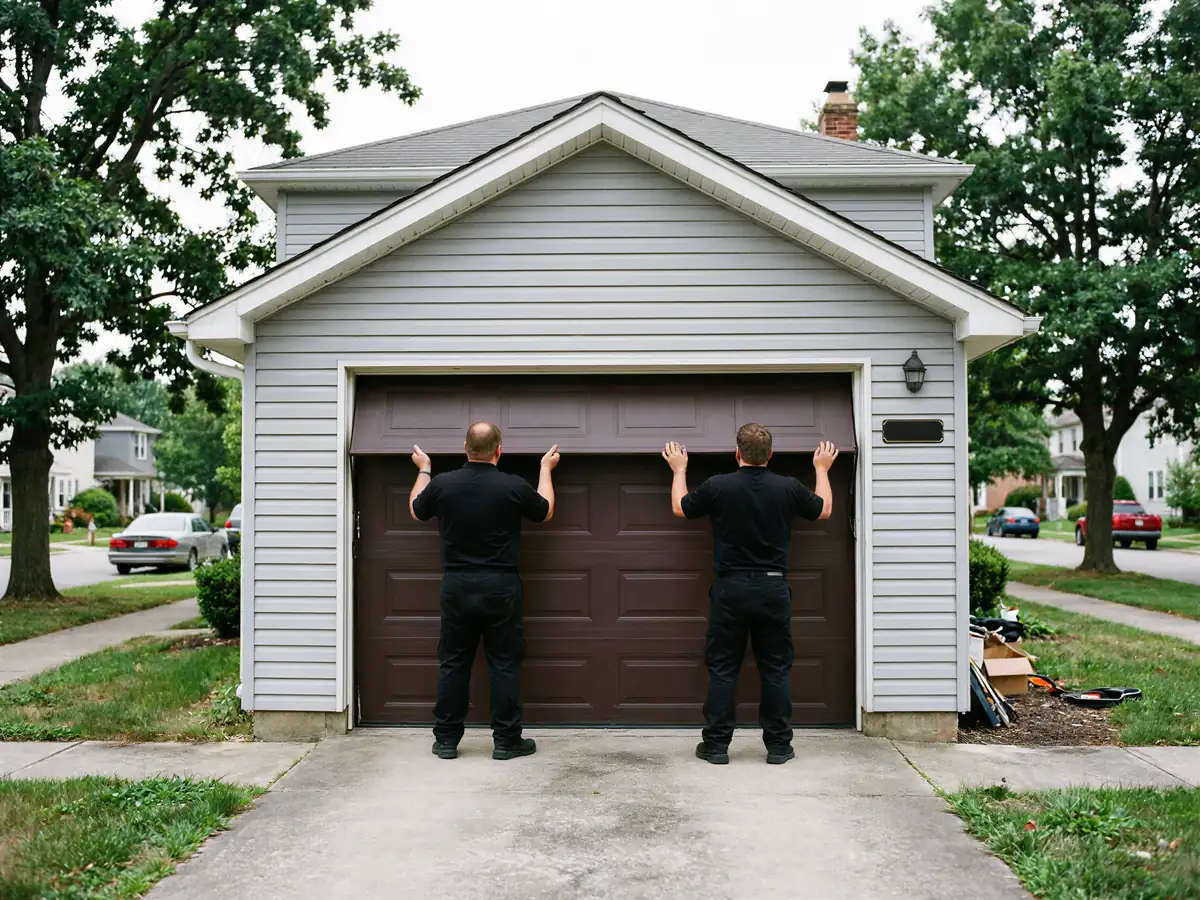
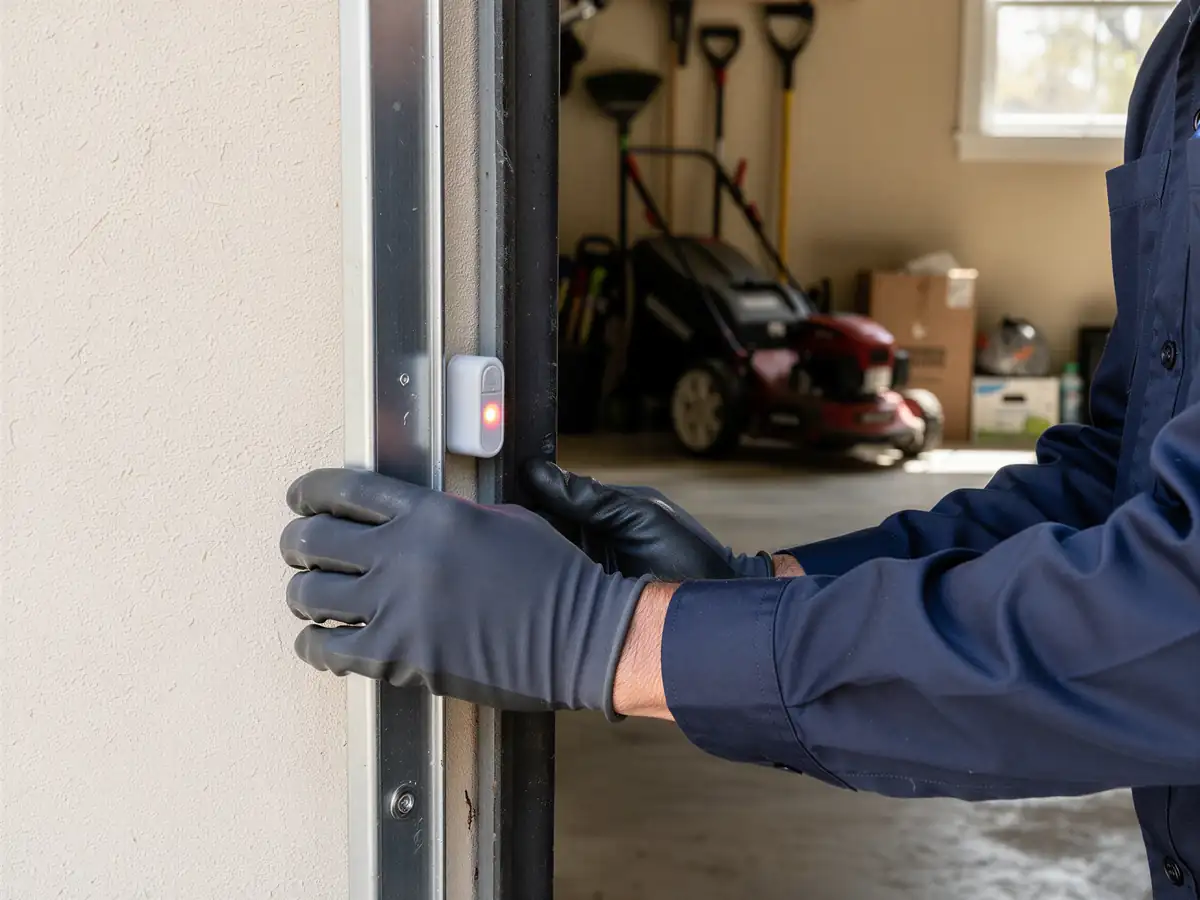
Most emergency calls from Okemos start the same two or three ways: the door won't budge and there's a loud bang from the garage right before it quits, which is almost always a broken torsion spring. Or the door opens partway and reverses, which is usually a sensor or a limit setting, not the spring at all. Less often, a cable frays and lets go, and the door drops unevenly on one side. None of these are something to force by hand or by opener, since a door under spring tension that's already failed can move fast and not in the direction you expect.