How We Fix It
A lot of Okemos was built after 1980
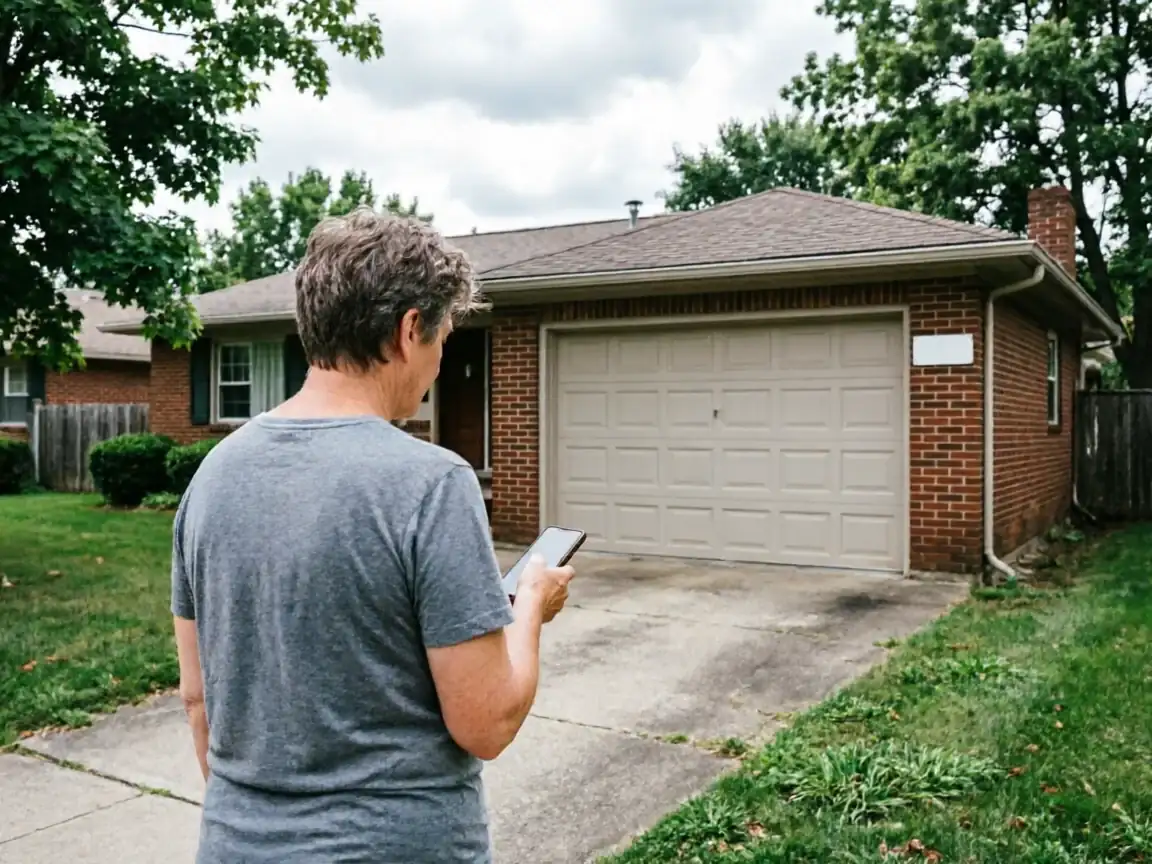
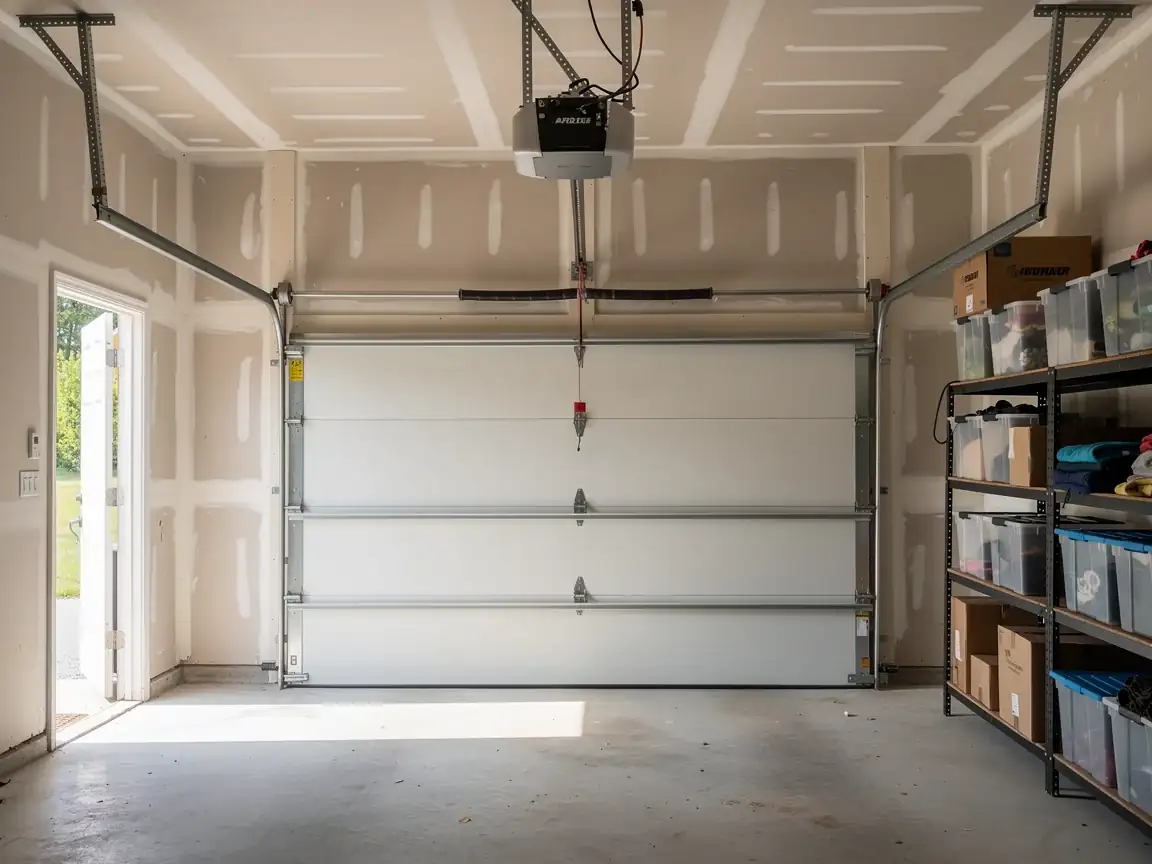
Which puts the median year built here at 1984 - newer than much of the rest of the service area, where the typical house went up in 1976. That matters for openers because a house from the early-to-mid 80s often still has its original garage door opener: the builder-grade chain-drive unit that came with the house and never got swapped out. Forty years on, those motors are tired, the gears inside the housing are often stripped plastic, and the safety reversal sensors - if the unit even has them wired in - don't meet the standard you'd want protecting kids or pets today.
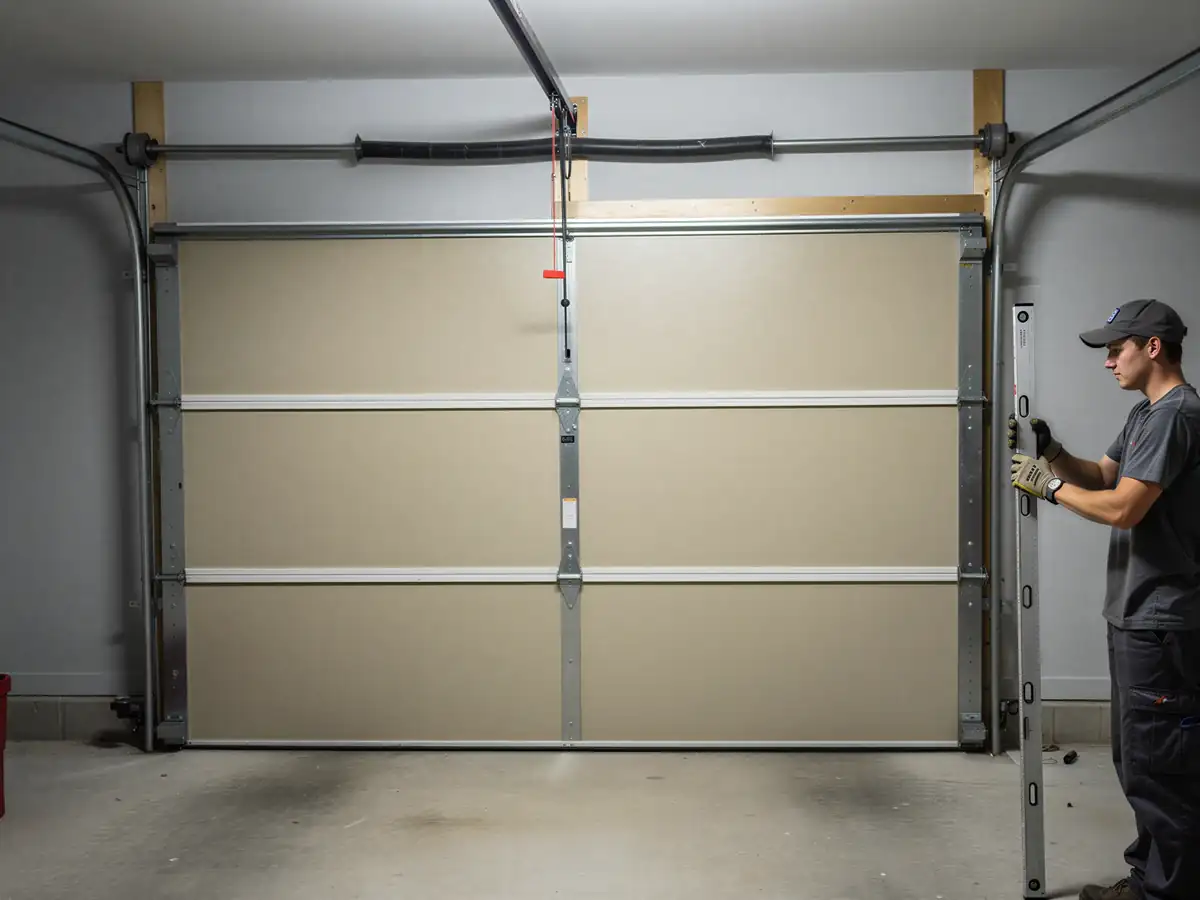
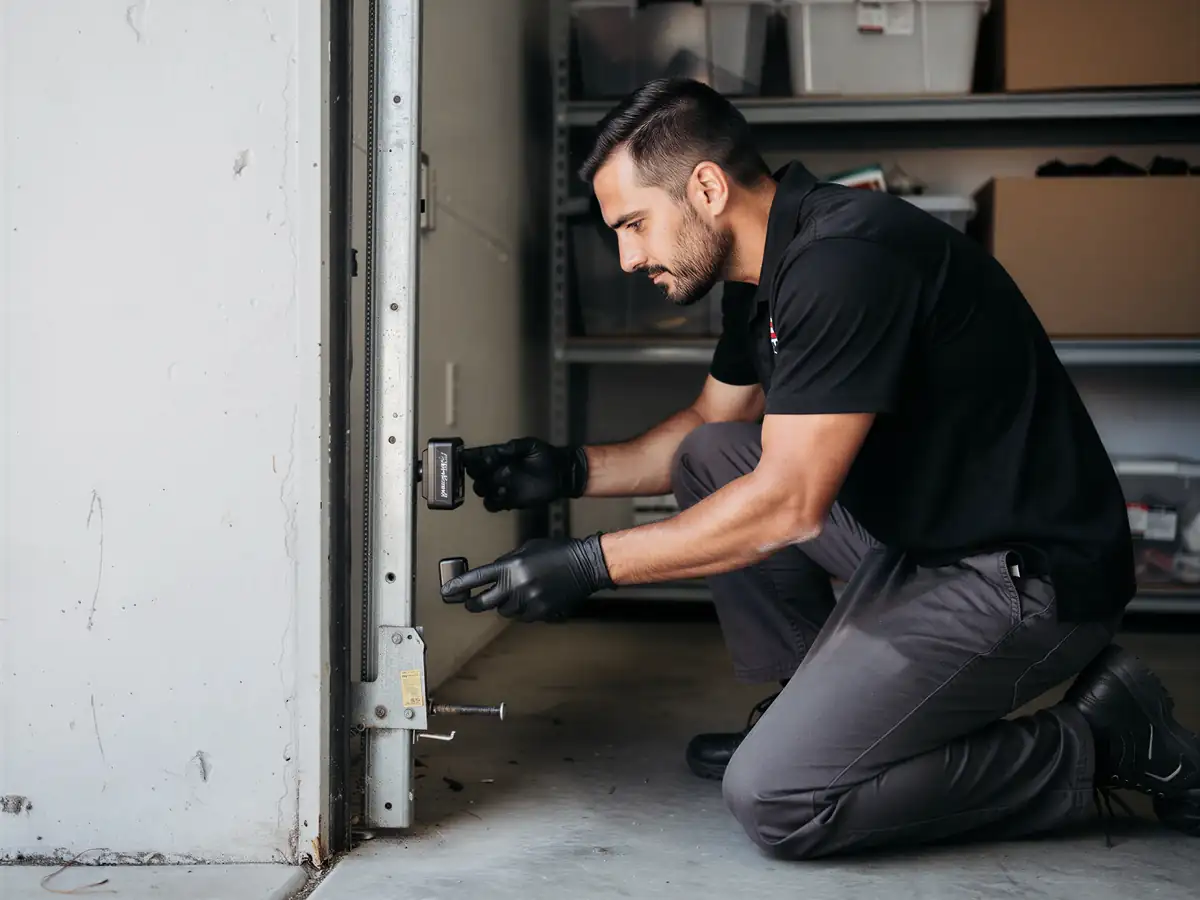
We pull the old unit, check the header bracket and rail for damage
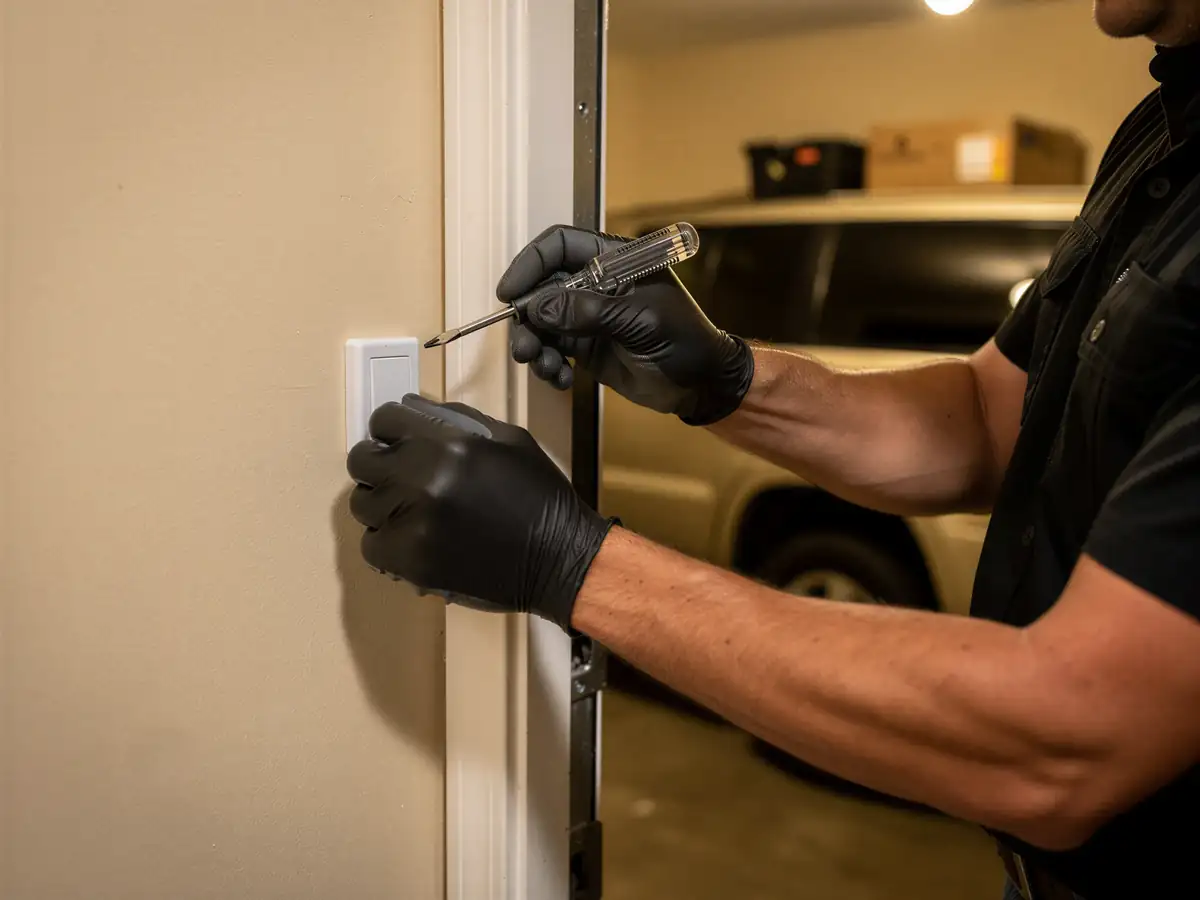
And set a new opener sized to your door's weight and travel. For colder Michigan nights we match the opener to a lubricant and gear rating that won't gum up or strip in deep cold - this is a severe cold climate zone, and a cheap opener greased for a mild-climate market will struggle here in January. We test force settings, travel limits, and the safety reversal before we call the job done, and we show you how to manually release the trolley if the power ever goes out.
Booking a Visit
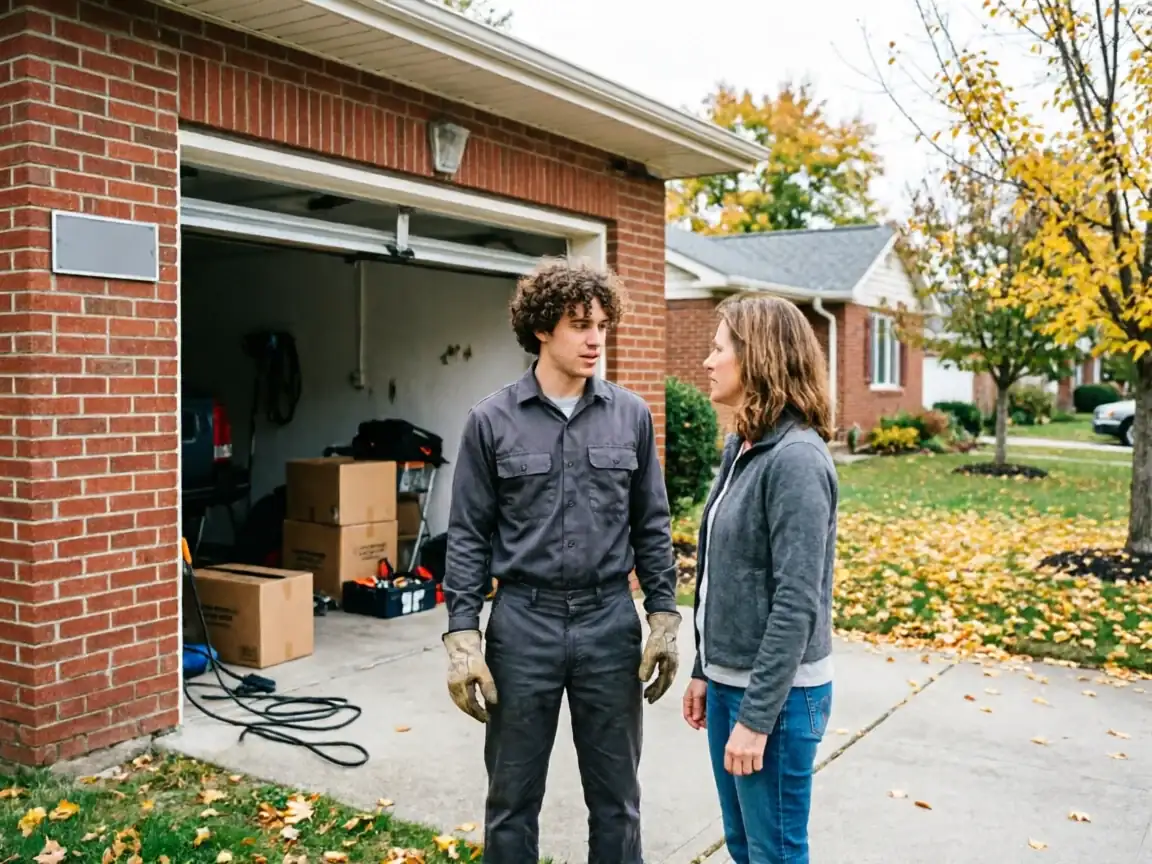
We run this job out of our East Lansing shop, and Okemos sits about 4 miles out, so it's a short trip for us - not a separate branch, just a quick drive. When you call, we ask the age of your house and whether the opener is the original unit or a replacement, since that changes what bracket, rail length, and horsepower we bring. If you know the make and model stamped on the motor housing, that saves a trip back to the truck for parts.
We book around your schedule rather than promising a same-day slot we can't guarantee from facts we don't have. What we can tell you up front is what the job involves and roughly how long it takes, so there's no surprise when we're standing in your driveway.
Time on the Job
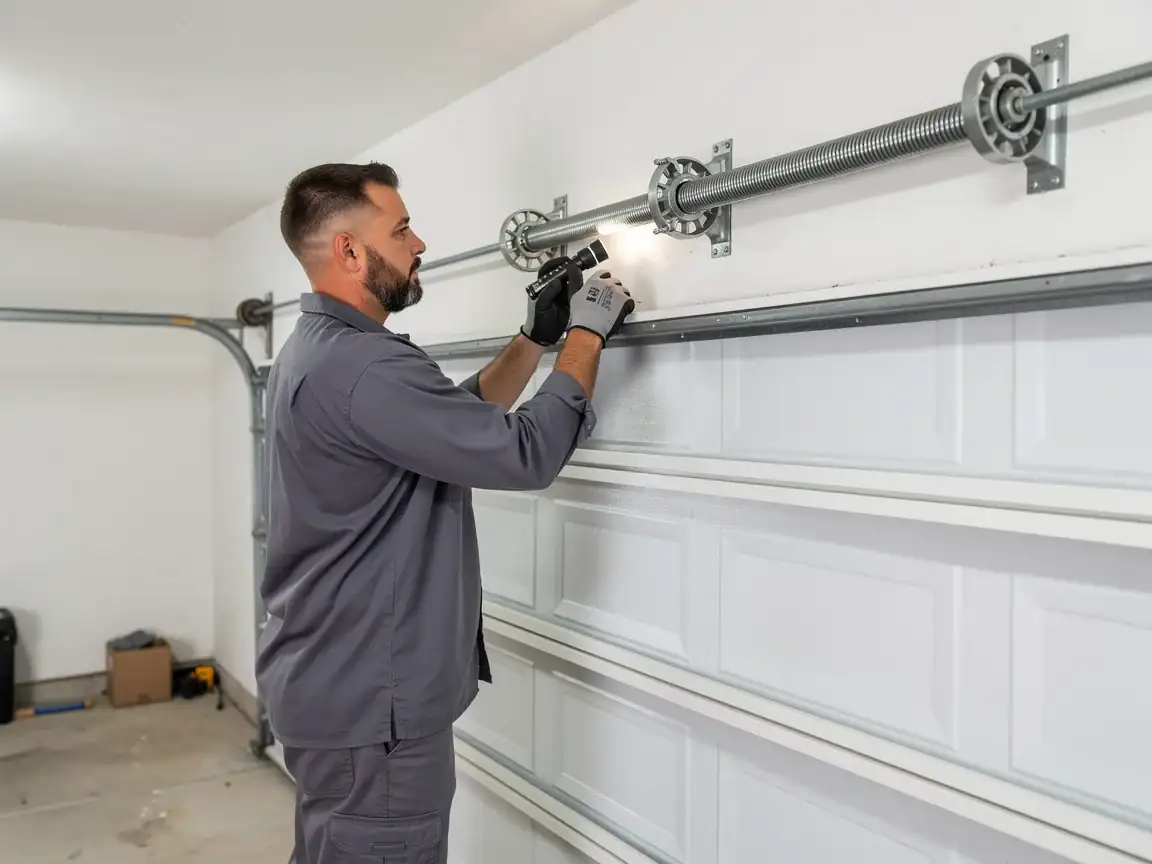
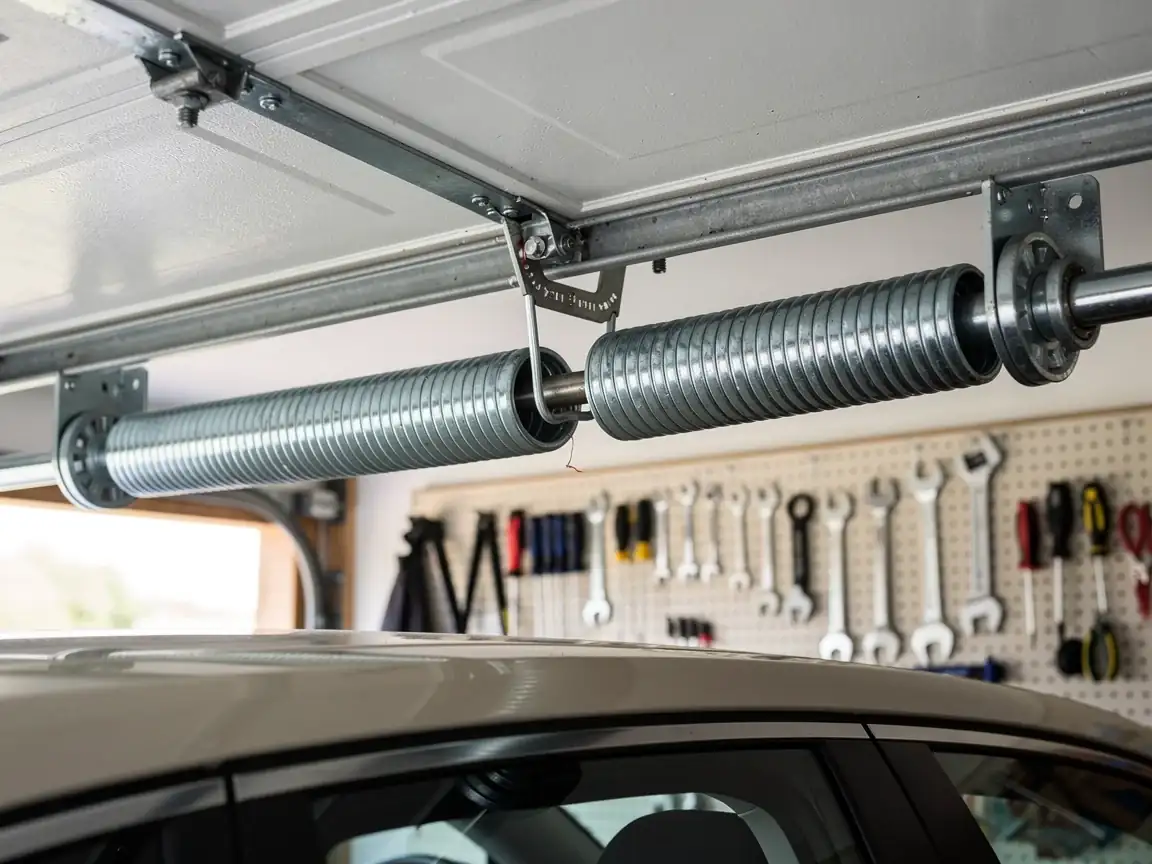
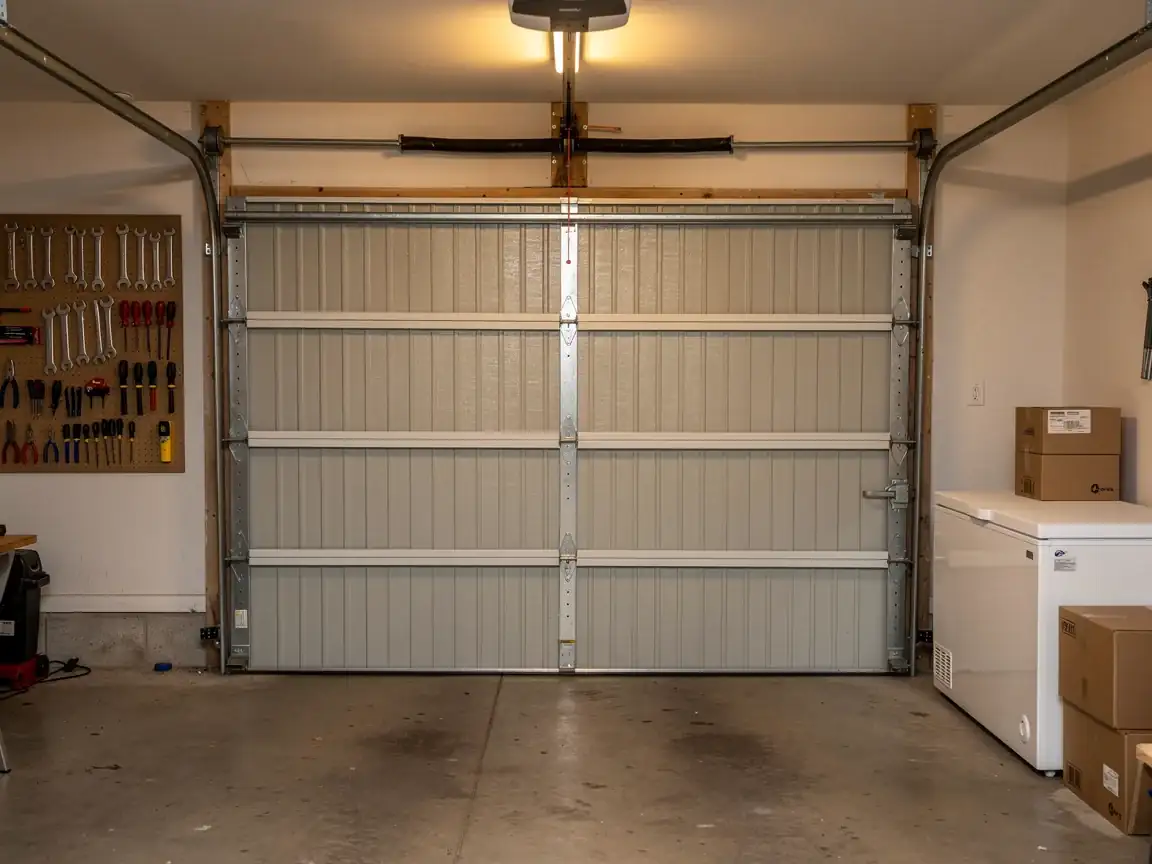
A straight swap - same mounting points, same door, new opener on the existing rail - usually takes less time than a job where we're also replacing worn rollers or the torsion spring that's been limping along since the house was built. Houses from the early 1980s in this area often still have the original torsion spring and some of the original hardware alongside that aging opener, so we check the whole system while we're up there rather than just bolting on a new motor and leaving the rest to fail next winter.
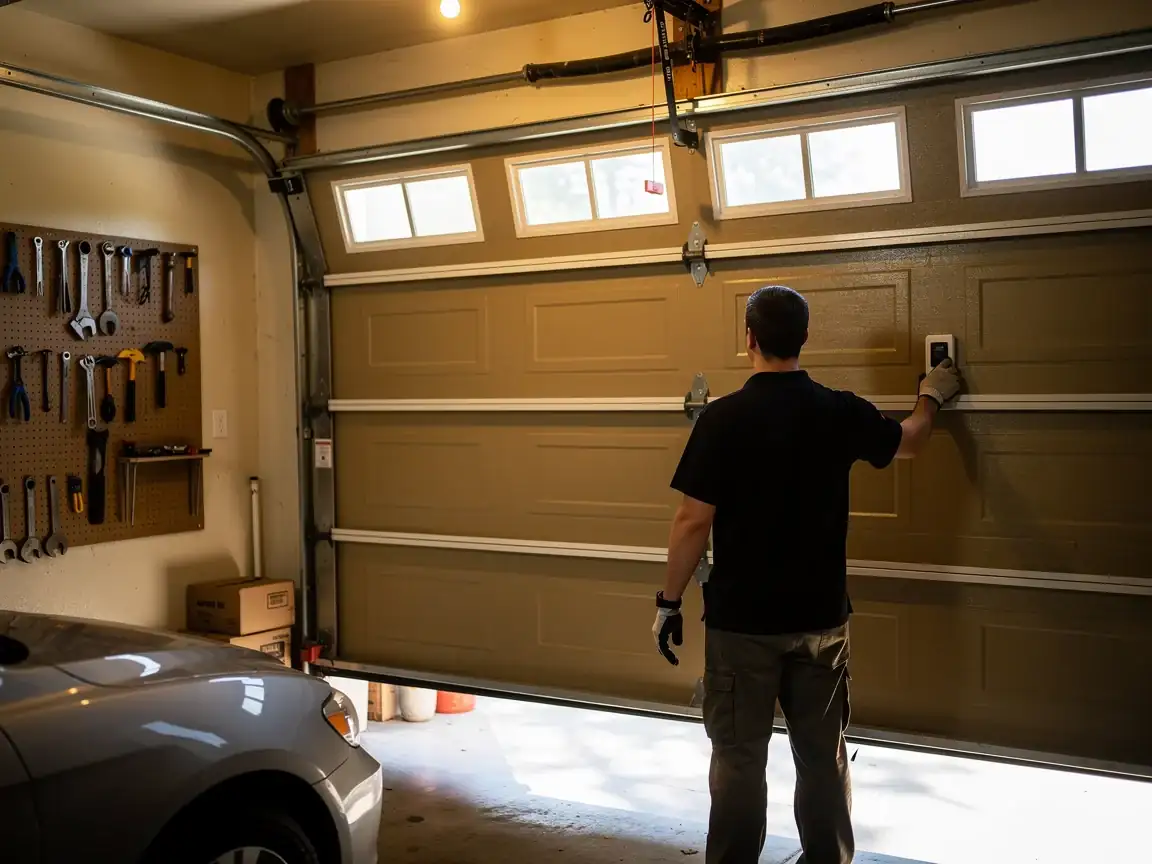
We test the full cycle under power several times before we leave: open, close, auto-reverse off an obstruction, and the wall control and remote pairing. If something else on the door needs attention - a cracked panel, a cable fraying at the drum - we'll tell you honestly rather than quietly working around it.
What Causes It Around Here
The pattern we see in Okemos is different from the older postwar blocks elsewhere in the service area
Most of this area's housing sits in the 1945-1994 range overall, but Okemos itself skews later - median year built 1984 - so the failure we're usually called for isn't a door hung on hardware from the 1950s. It's a chain-drive opener that's simply run its full life: forty-plus years of belt or chain wear, a motor capacitor giving out, or a logic board that's seen one too many power flickers in a severe-cold climate where temperature swings are hard on electronics.
Homes with household incomes in this range
Okemos runs well above the wider service area's median of $75,707 - more often ask us to upgrade to a quieter belt-drive unit with battery backup and smartphone control rather than just replace like-for-like, since the original chain-drive setup was built to a 1980s price point, not a 2020s one.
The Cost of This Job
We don't have a posted price list for opener installation here, and we're not going to invent one. What we can tell you is what drives the number: the horsepower and drive type you choose, whether we're reusing the existing rail and bracket or replacing them, and whether the rest of the door hardware is sound or needs attention at the same time. A straight motor swap on healthy hardware costs less than a full opener-and-rail replacement with a battery backup unit added in.
We'll give you the number for your door before we start, not after.
How It Shows Up
The usual signs: the opener runs but the door barely moves, or it moves and then reverses for no reason. Sometimes it's a grinding or clicking from the motor housing that gets louder every week. Other times the remote works intermittently, which is often a logic board or antenna issue rather than anything wrong with the door itself.
One thing worth saying plainly: if your opener is original to a house built in the early 1980s, repair parts for that exact model are often long out of production. We'd rather tell you that up front than have you wait on a part that isn't coming.