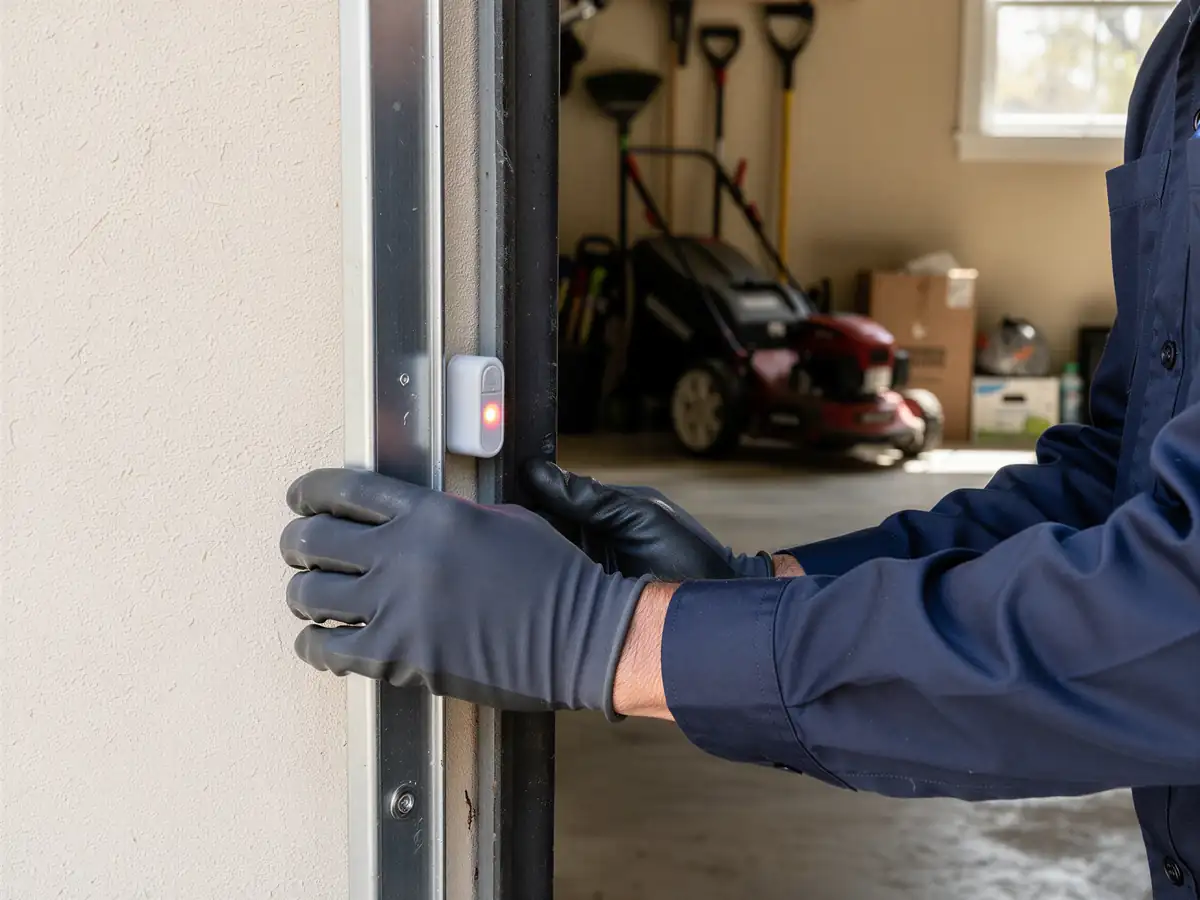
How We Fix It
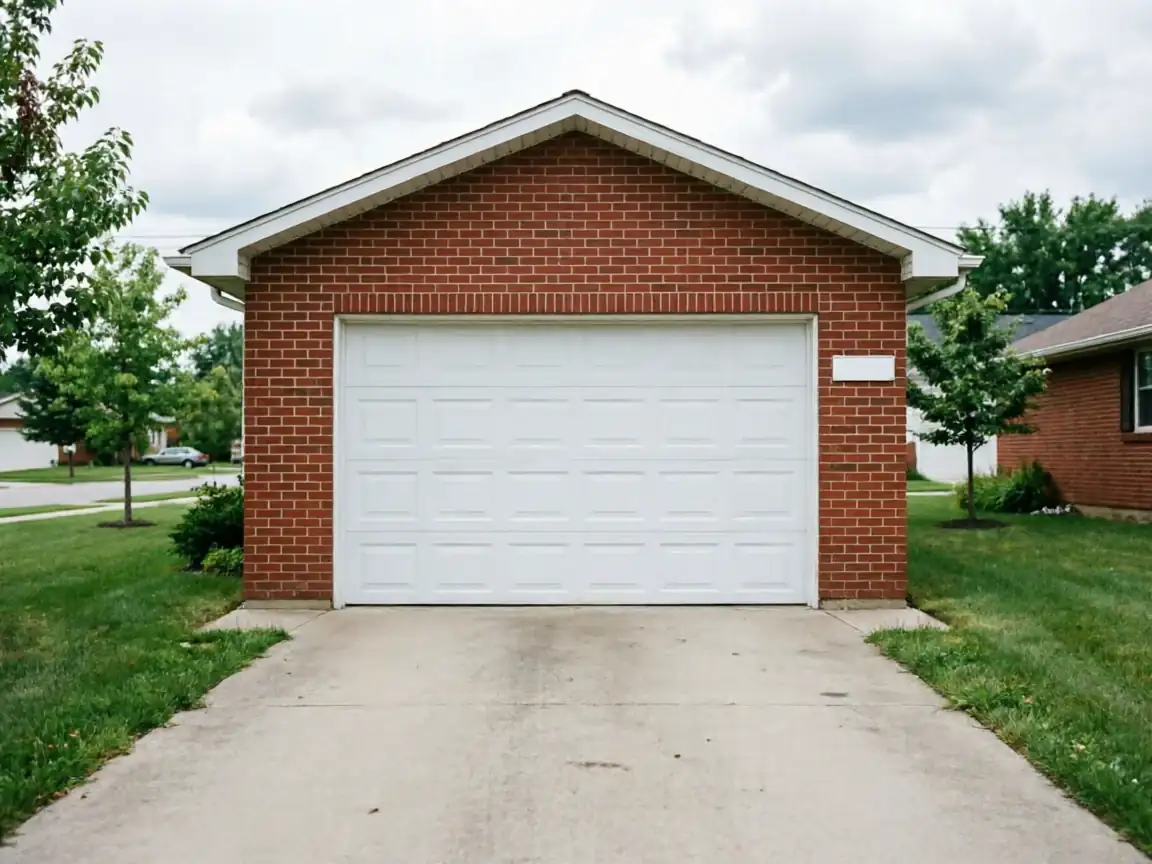
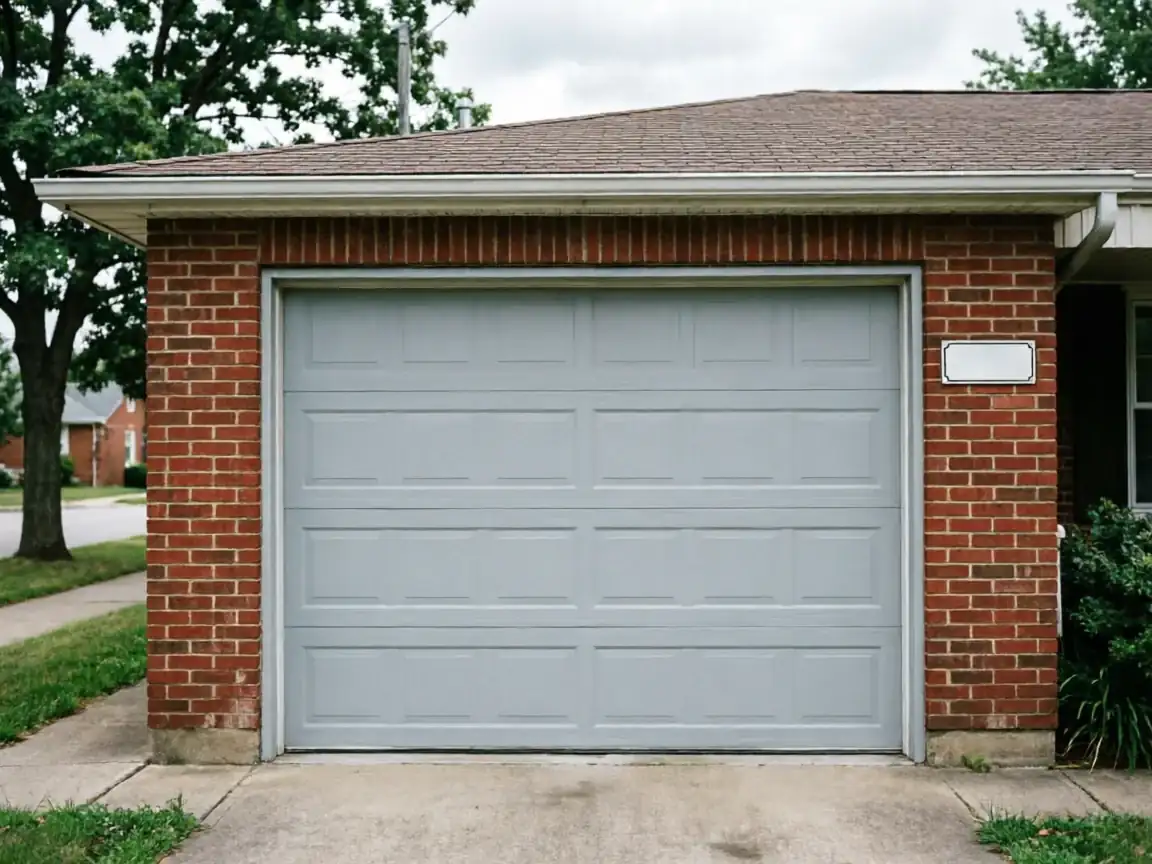
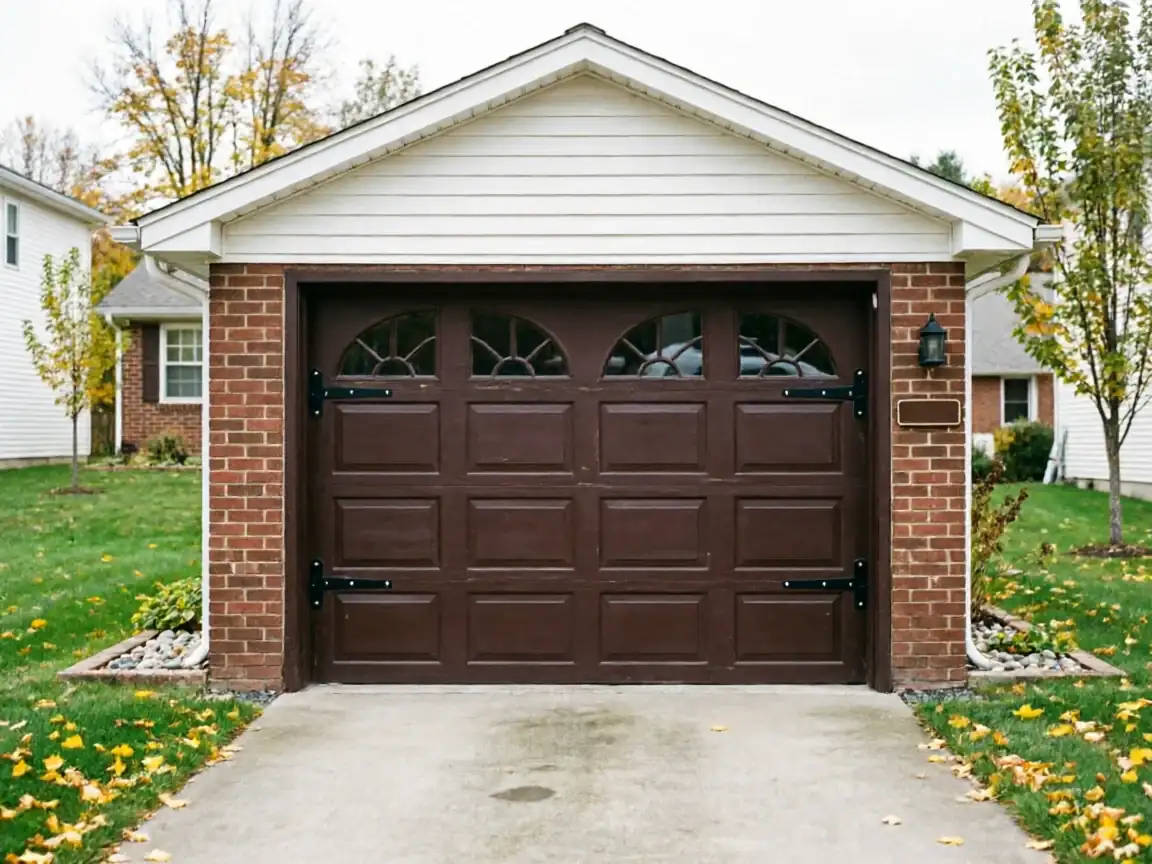
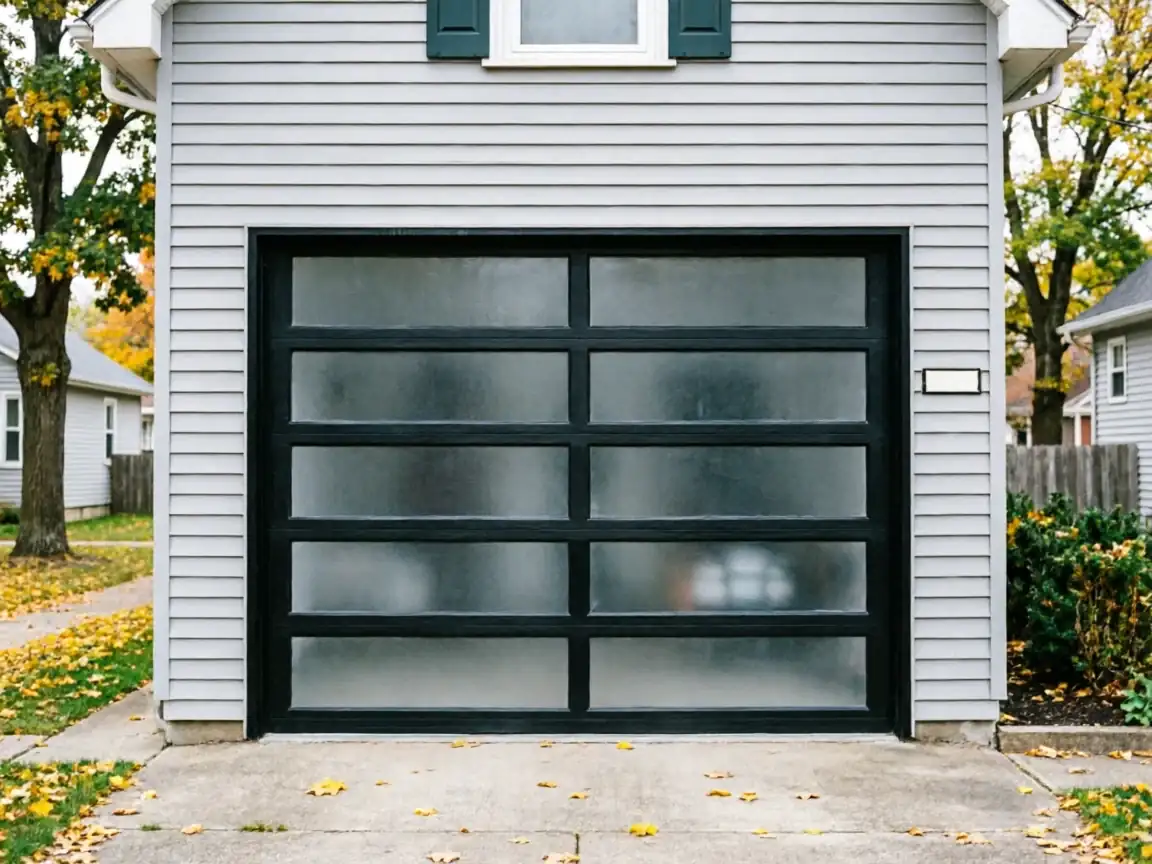
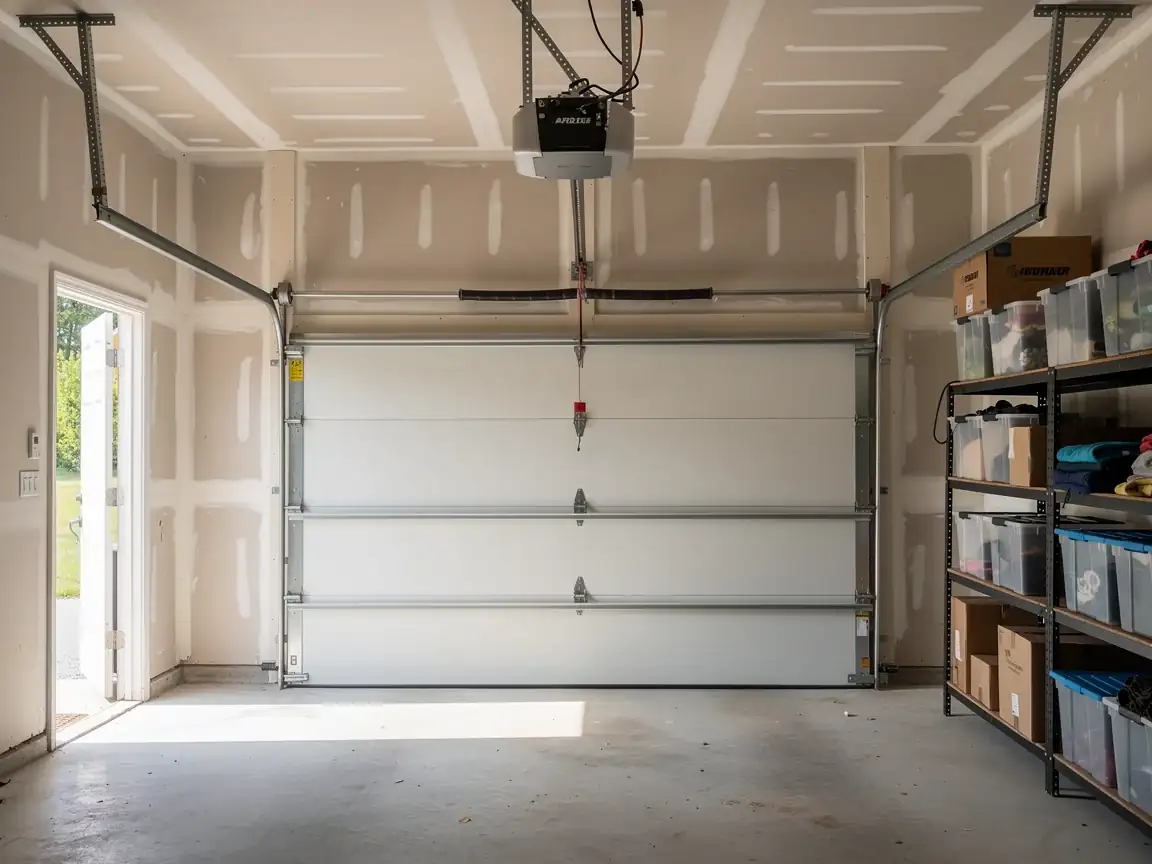
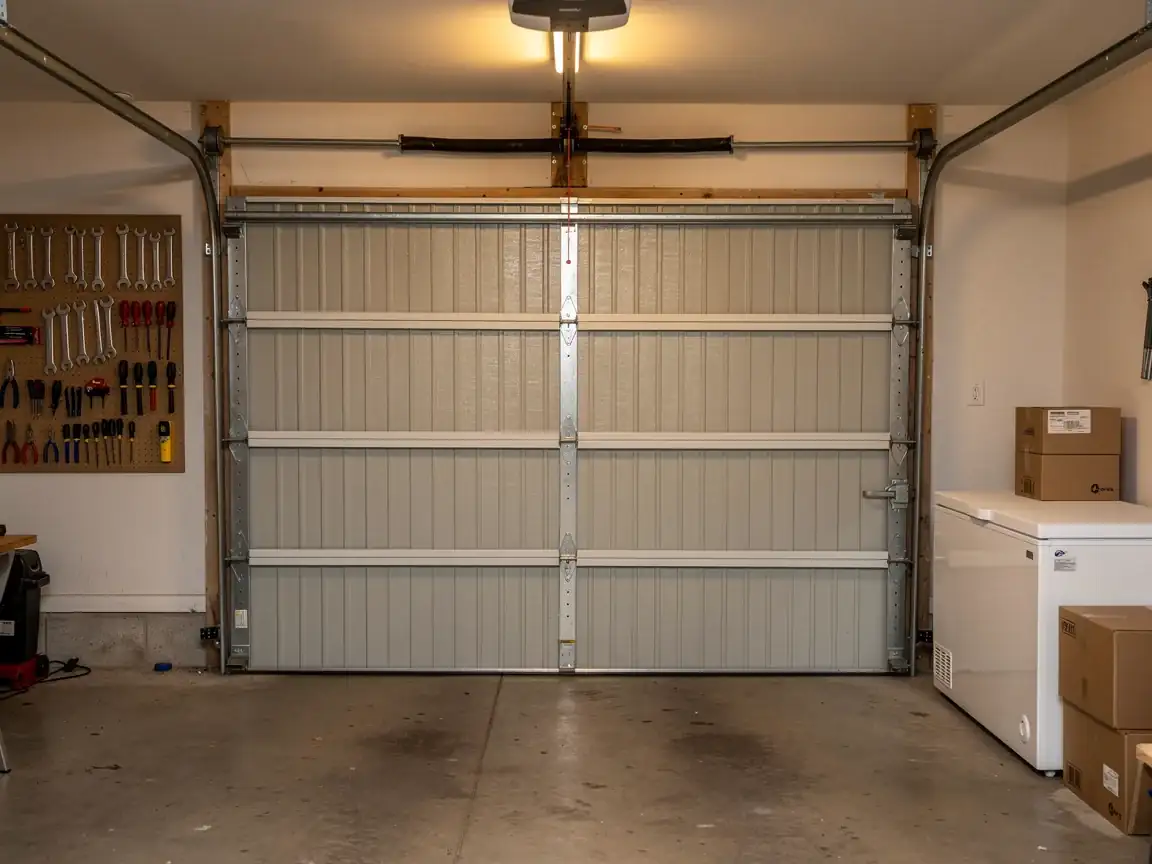
Most garages in Okemos sit behind a steel sectional door hung on a builder-installed opener from somewhere around the home's original construction
With a median build year of 1984 for this area. That's roughly a decade newer than the 1976 median across the wider service area, which matters because these houses came with a different generation of opener gear already in the wall: half-horsepower chain drives bolted to a wood header, screw-drive units in a handful of cases, and the early circuit boards that came before today's rolling-code remotes.
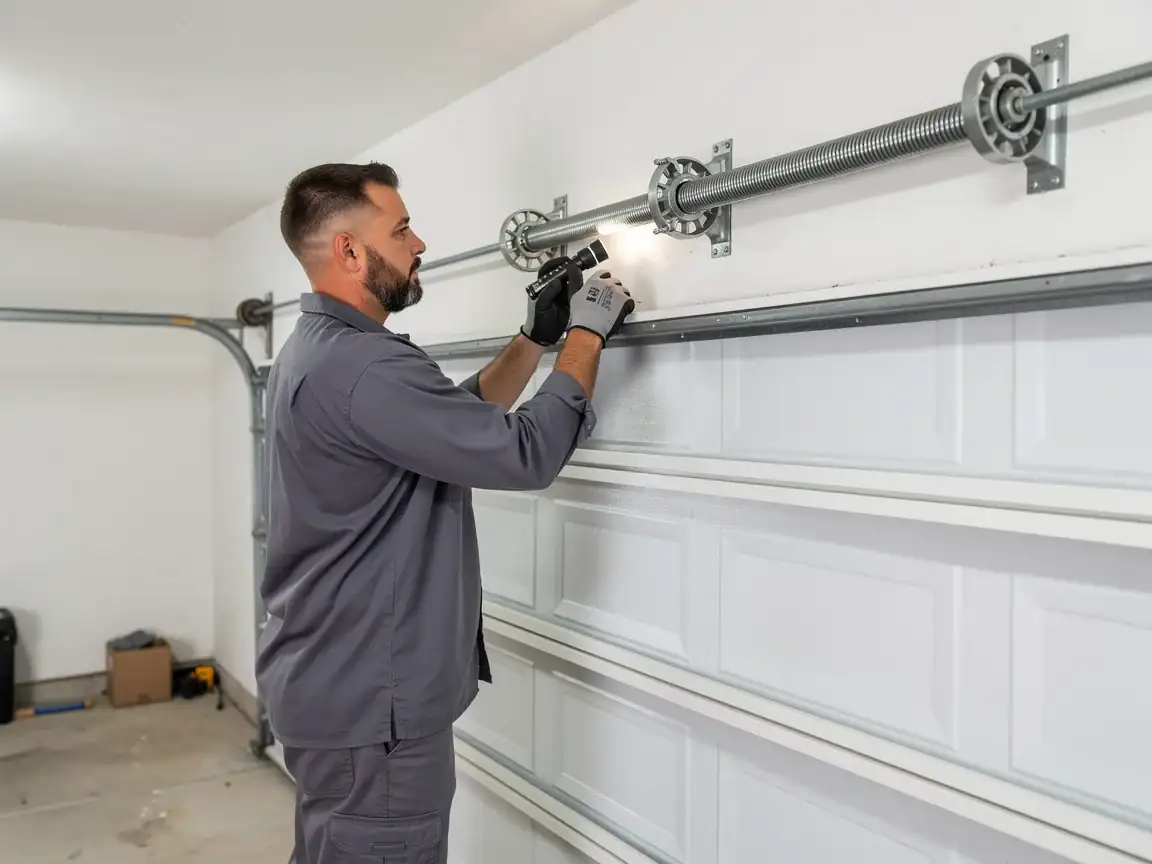
When we get a call here, we start with the motor unit and the logic board before we touch the door itself
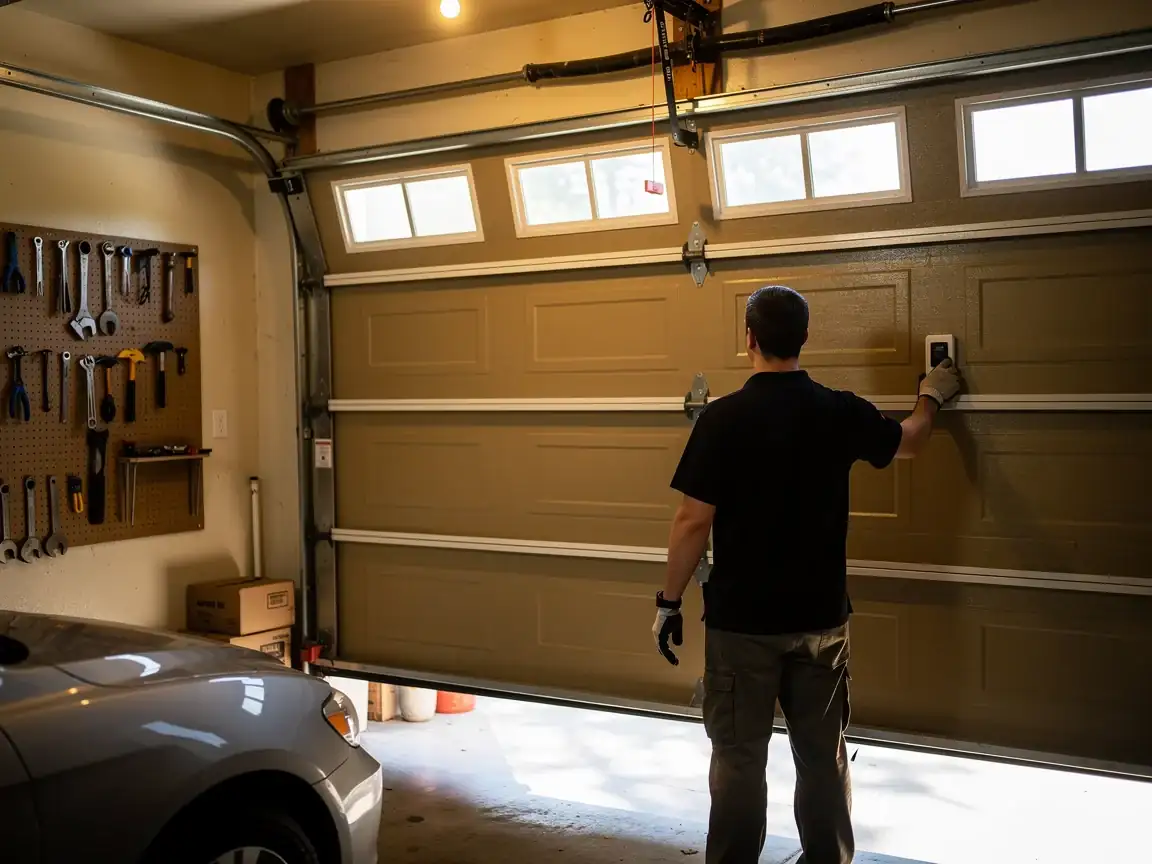
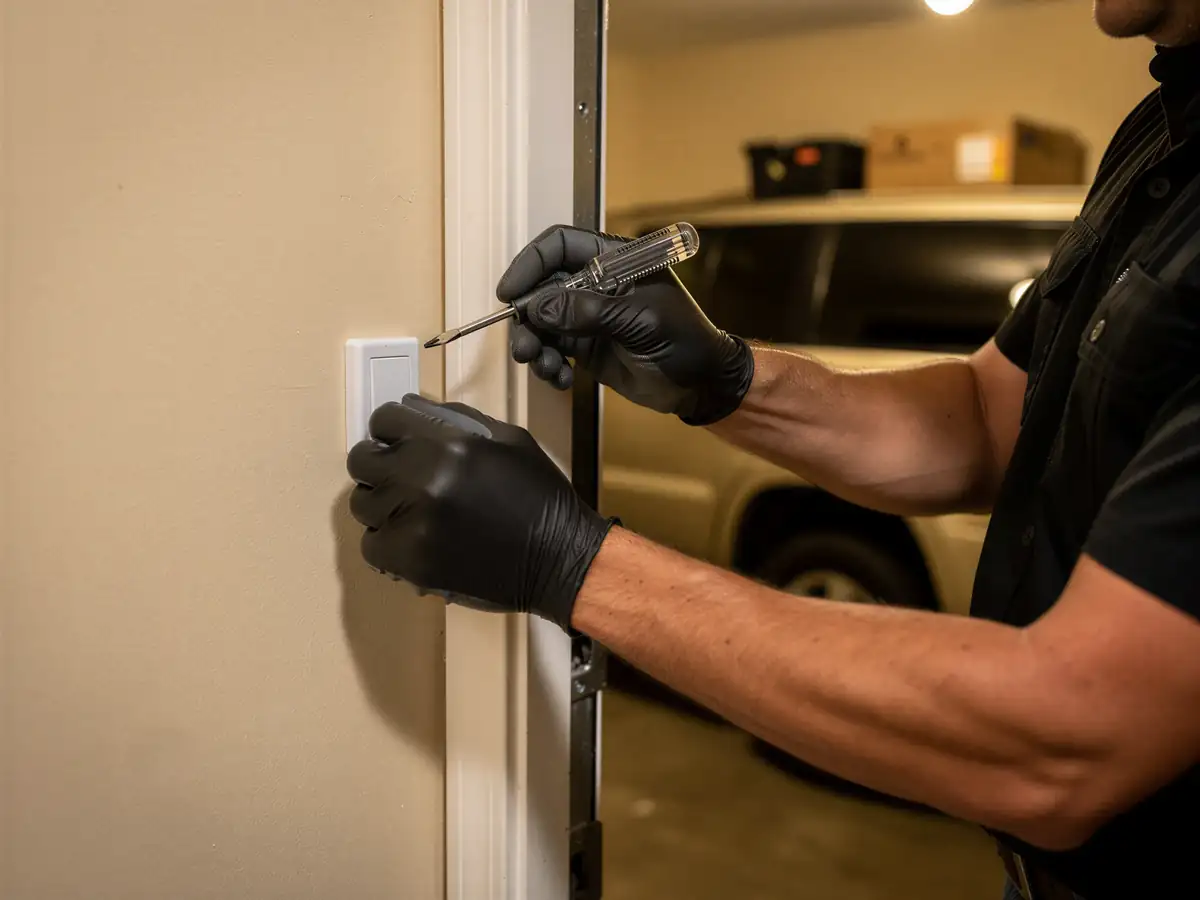
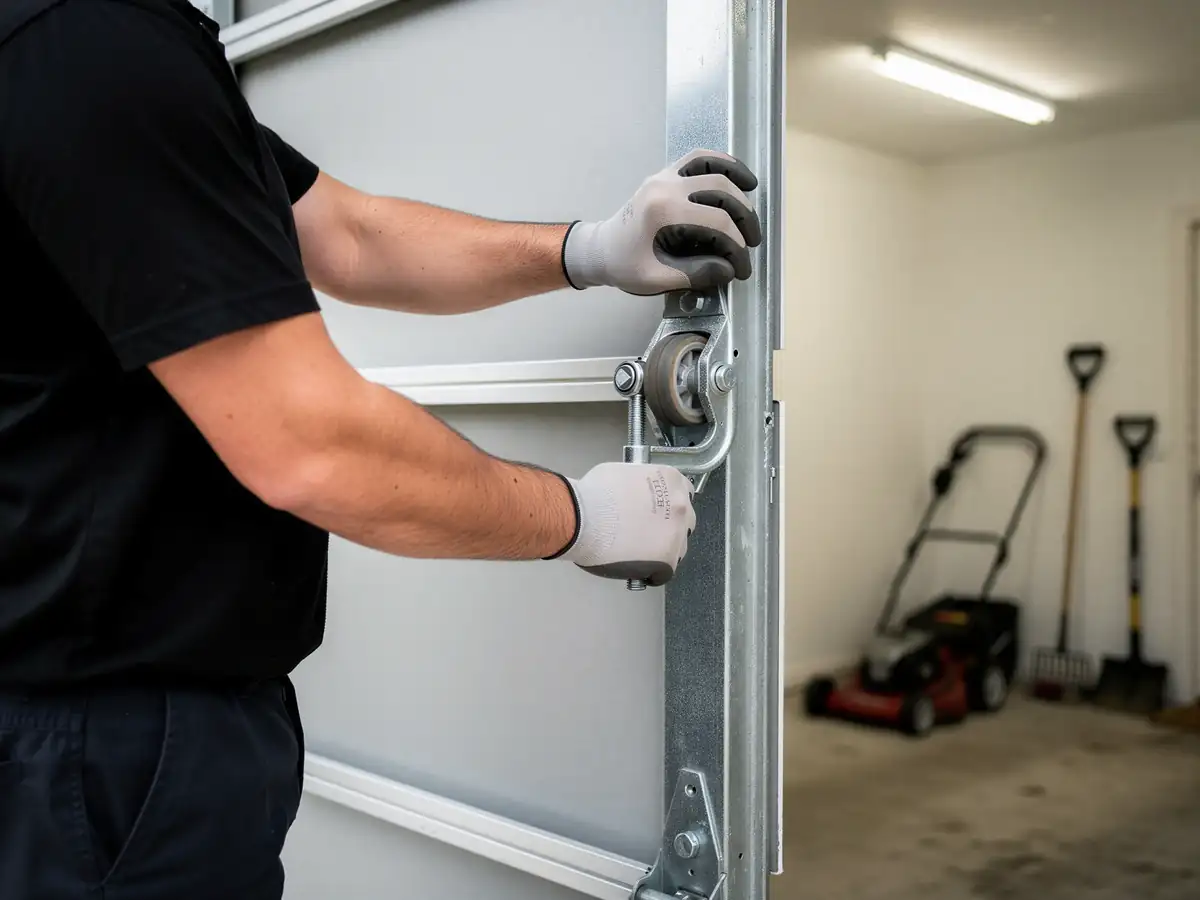
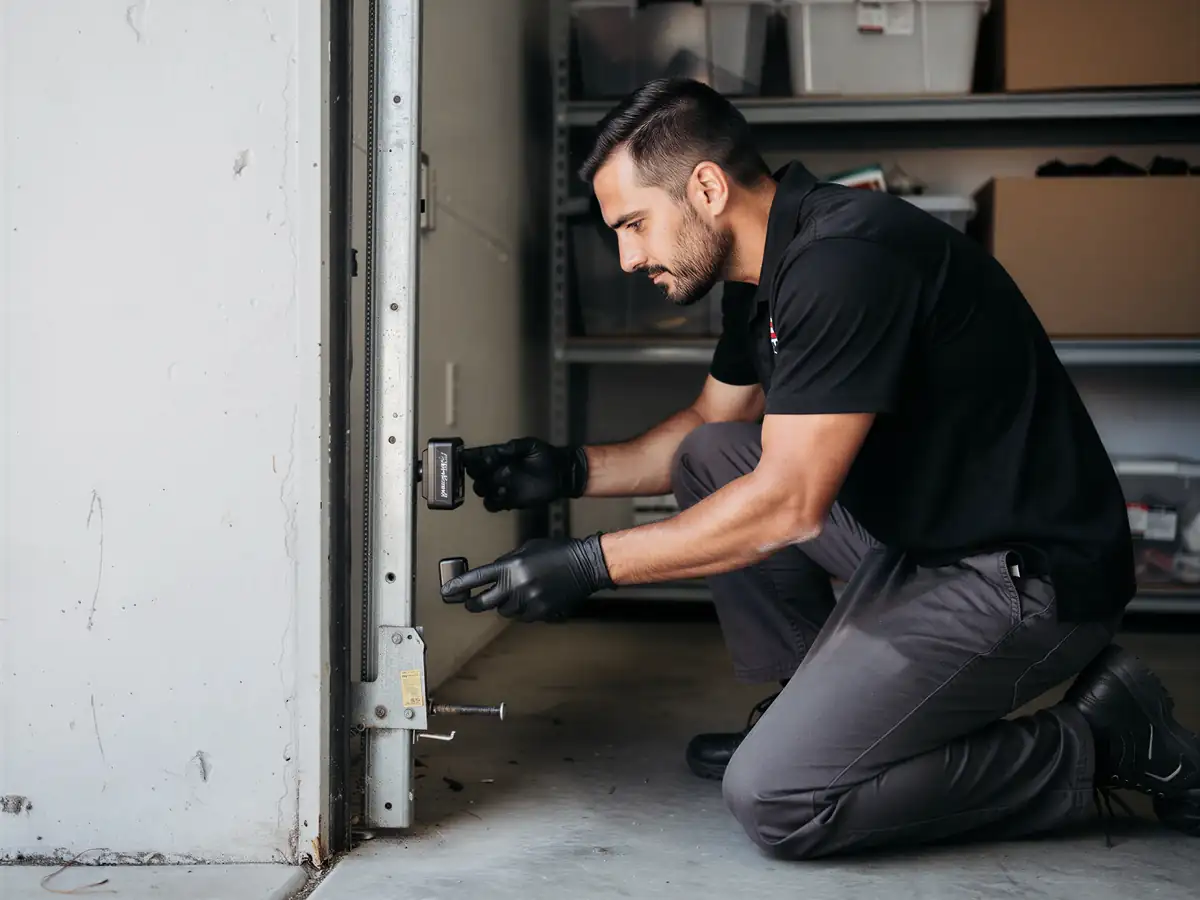
A dead opener in a house this age is rarely the motor outright - it's a stripped gear, a worn drive chain sagging off its rail, or a limit switch that's drifted so the door reverses before it seats. We test the travel settings, check the drive mechanism for play, and look at the wall control and sensor eyes before replacing anything. If the board or motor is original to the house, parts for that exact model can take time to source, and we'll tell you straight if a new opener costs less than chasing a 40-year-old board.
Booking a Visit
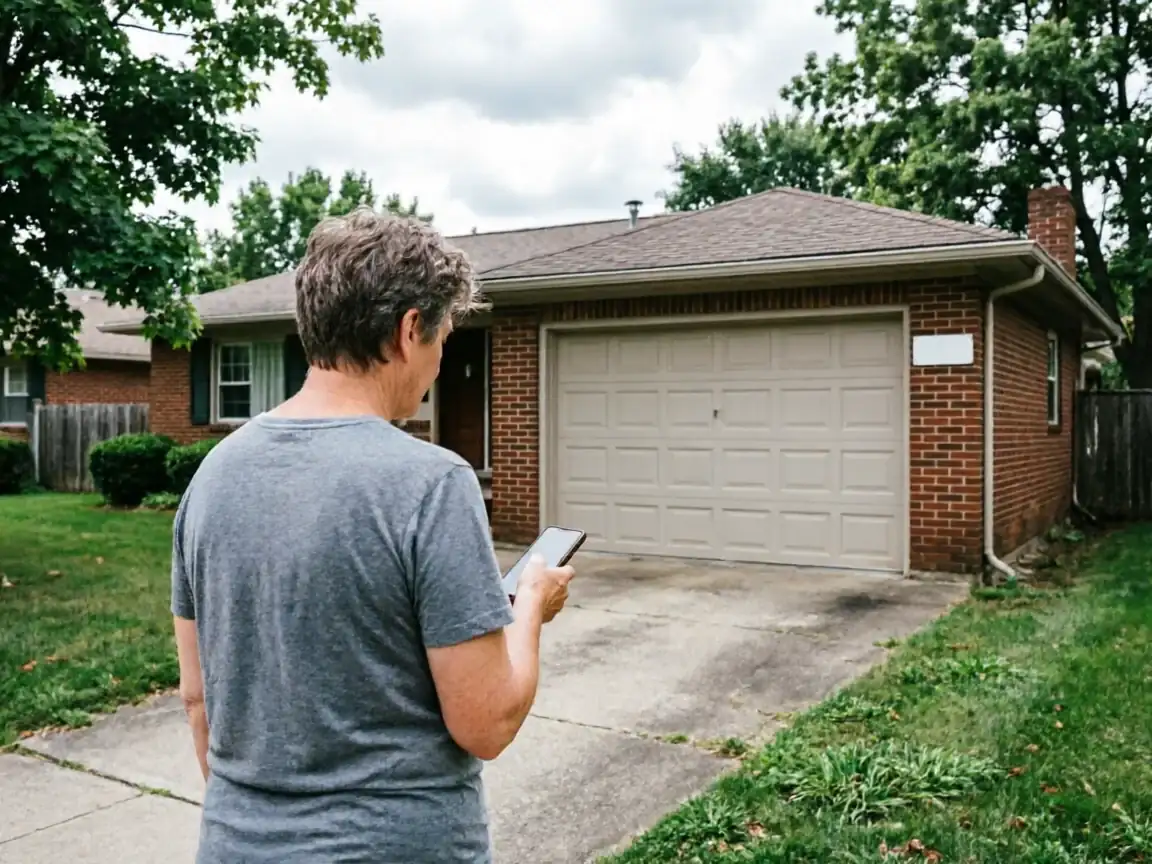
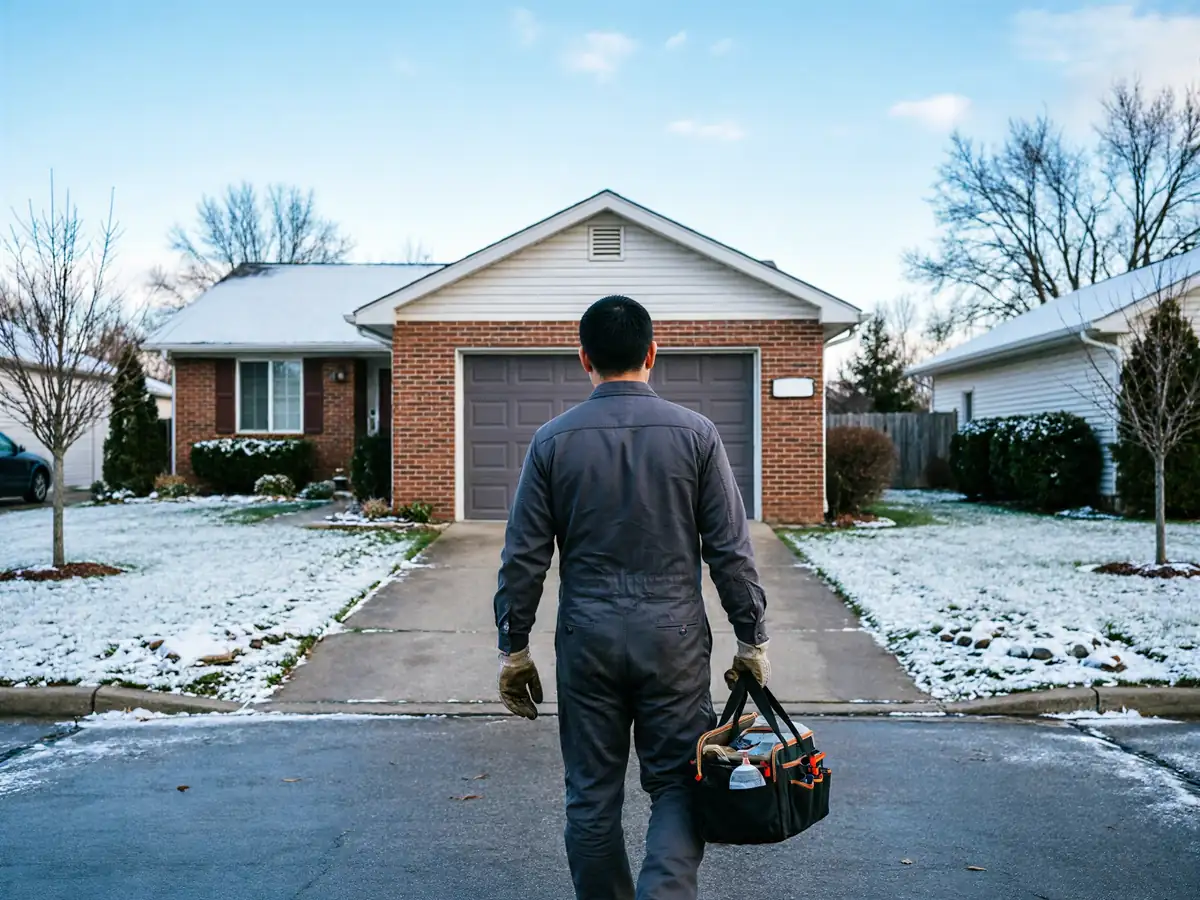
We run this job out of East Lansing, about 4 miles from Okemos, so there's no separate branch or crew based in town - one truck, one route, same company covering both. When you call, tell us the opener brand if you can read it off the motor housing, and whether the door still moves by hand. That alone tells us a lot about whether we're looking at a drive problem or something electrical.
We don't promise a same-day slot here because we're not quoting a response time we can't back up from FACTS. What we can tell you is that Okemos sits close enough to our base that it's a routine stop on most days, not a special trip.
Time on the Job
A straightforward opener repair - travel limits, a sensor realignment, a drive gear swap - usually runs under an hour once we're on site. Full opener replacement, especially on a garage with a header built for an older unit, takes longer because we're often adding a safety reversal sensor pair or rewiring the wall station to match current hardware, neither of which existed in a standard 1984 installation.
We won't quote you a number before we've seen the unit. Chain drives from this era sometimes hide a second problem behind the first - a motor that finally failed because the chain had been loose for years, grinding the gear housing in the process. We check for that before calling the job done.
What Causes It Around Here
The area sits in a cold, severe winter climate zone
And that matters more for openers than people expect. Grease inside the gearbox thickens in deep cold, which puts extra load on the motor every time it starts, and that repeated strain is what eventually burns out a gear or a capacitor years before it should fail. Houses built around 1984 are old enough now that most are on their second or third opener, but the ones still running original equipment are the ones we see fail hardest in January.
Okemos households skew toward higher income than the wider area
Median household income here runs around $97,603, well above the roughly $75,707 median across the service area - and we see that reflected in the garages themselves: more insulated doors, more openers upgraded to belt drive for quiet operation, fewer bare chain-drive units left untouched since installation. That doesn't mean failures don't happen, just that when they do, it's often a newer board tripped by a power surge or a sensor knocked out of alignment rather than decades of wear.
The Cost of This Job
We're not going to put a number on this page that isn't backed by a fact, and we don't have a local price figure to give you. What we can tell you honestly: a sensor realignment or travel adjustment costs a lot less than a full motor and board swap, and if your opener is original to a house built in the 1984 range, parts availability - not labor - is usually what drives the final number up or down.
If the gearbox housing is cracked or the circuit board is scorched, replacement is almost always the better call over repair, because sourcing an exact-match board for a unit that old can cost more in time than a new motor does in price.
How It Shows Up
The door opens partway and stops. The motor hums but nothing moves - usually a stripped gear. The door reverses right after it touches the floor, which almost always points to a limit switch or a sensor that's drifted out of alignment, not the motor itself. Sometimes it's simpler: the remote works from across the garage but not from the driveway, which usually means a weak antenna or an old receiver board losing range.
In the roughly 10,062 households across Okemos, we see a consistent pattern tied to the building wave here - openers original to a 1984-era install that have run for decades on the same chain, the same worn nylon rollers inside the housing, finally giving out at once rather than gradually. That's different from what we see in older pockets of the service area, where openers have usually already been replaced once or twice.