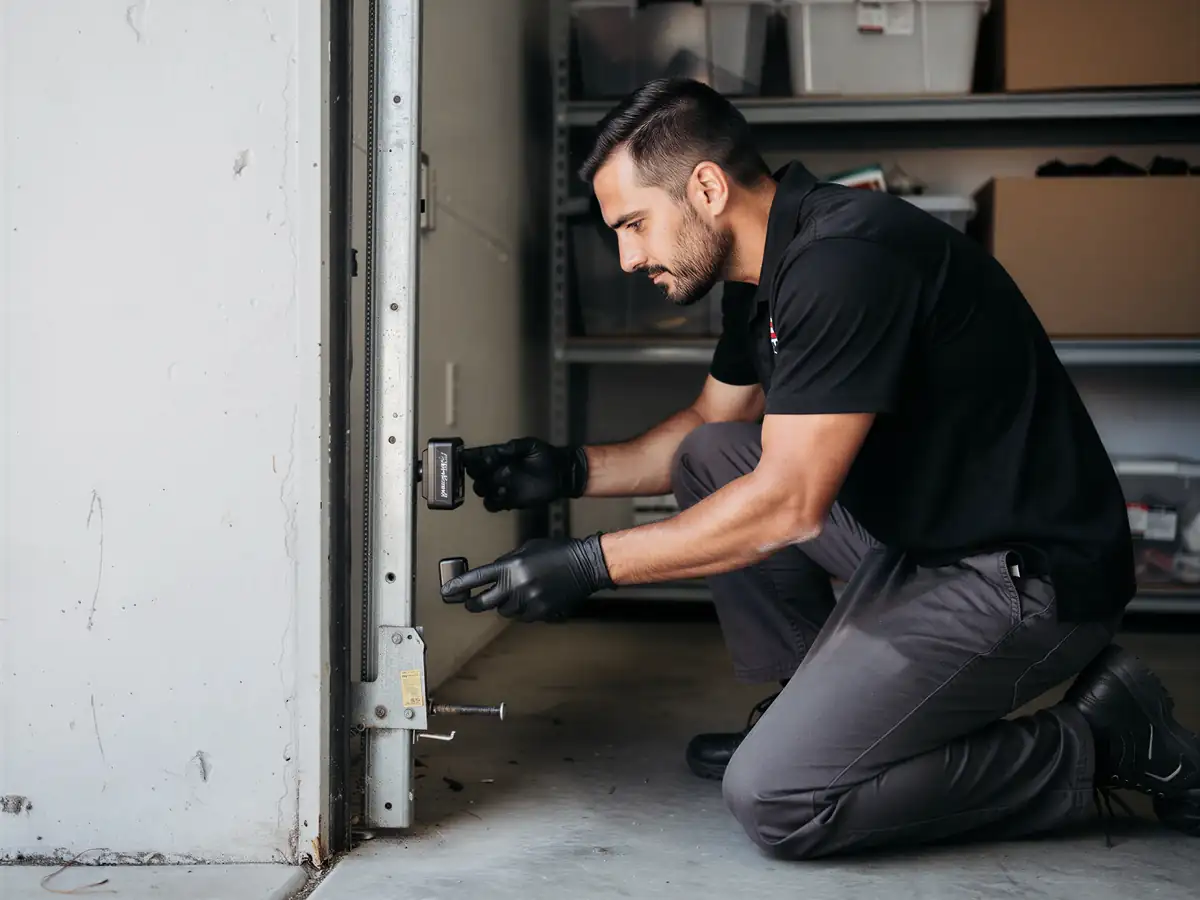
How We Fix It
Across the East Lansing area, the typical house went up around 1976
Okemos runs newer - median build year here is 1984 - which means you're less likely to be dealing with the original 1960s hardware we see in some of the other 22 areas we cover, and more likely to have a door and opener from the late 70s through the 90s that's aging out of its second or third set of rollers and cables.
Our maintenance visit covers the same ground regardless of the house's age
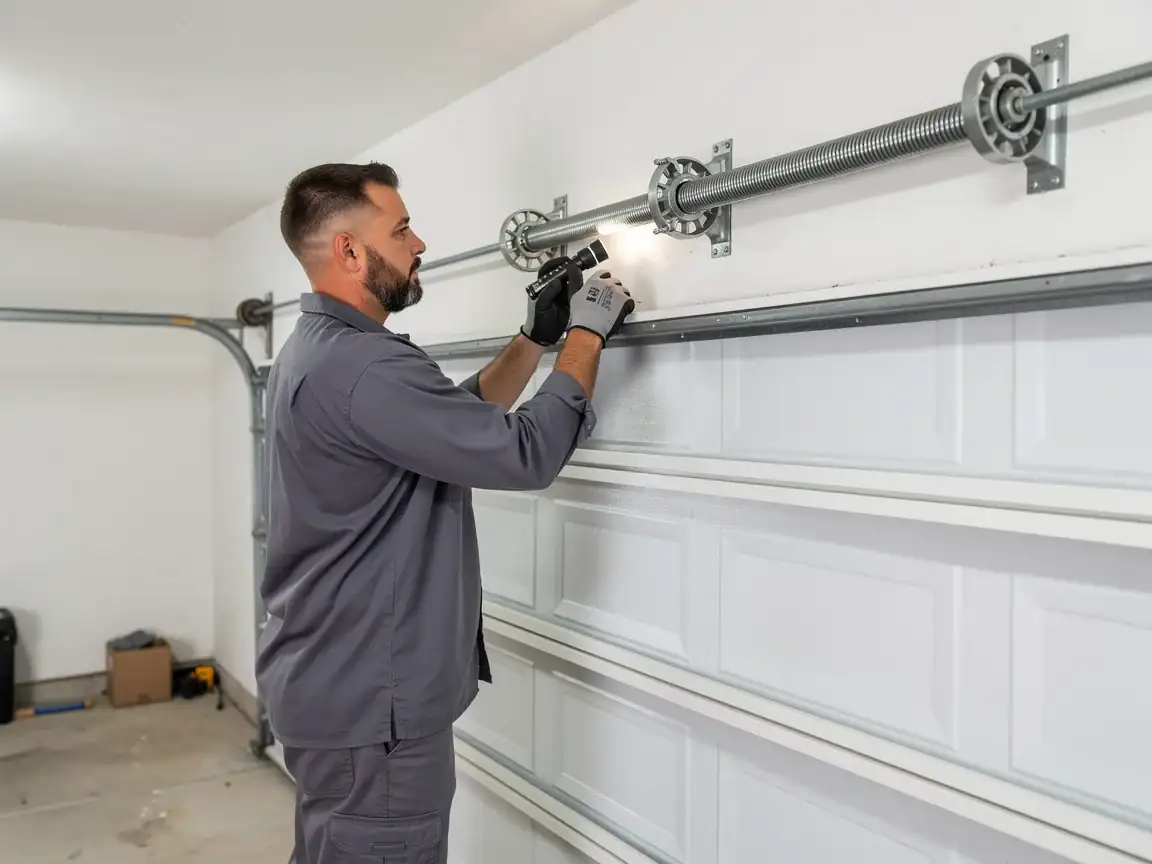
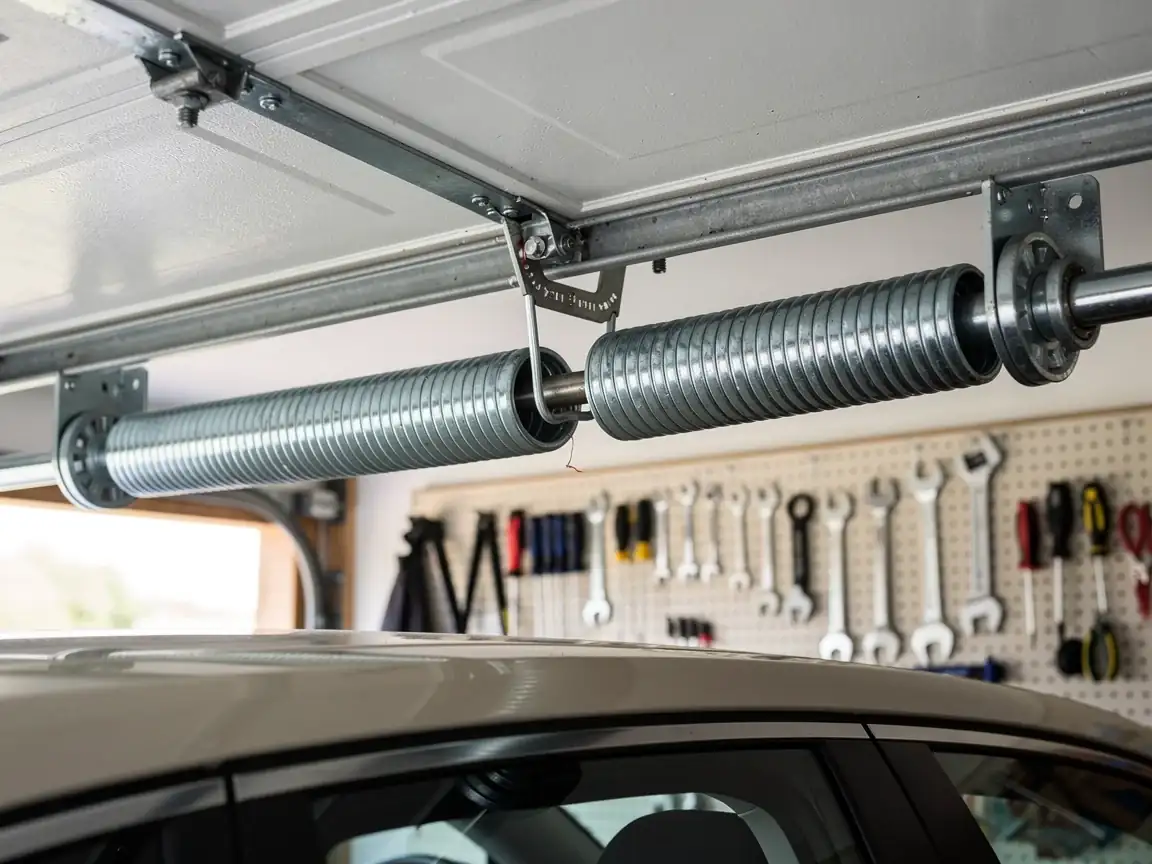
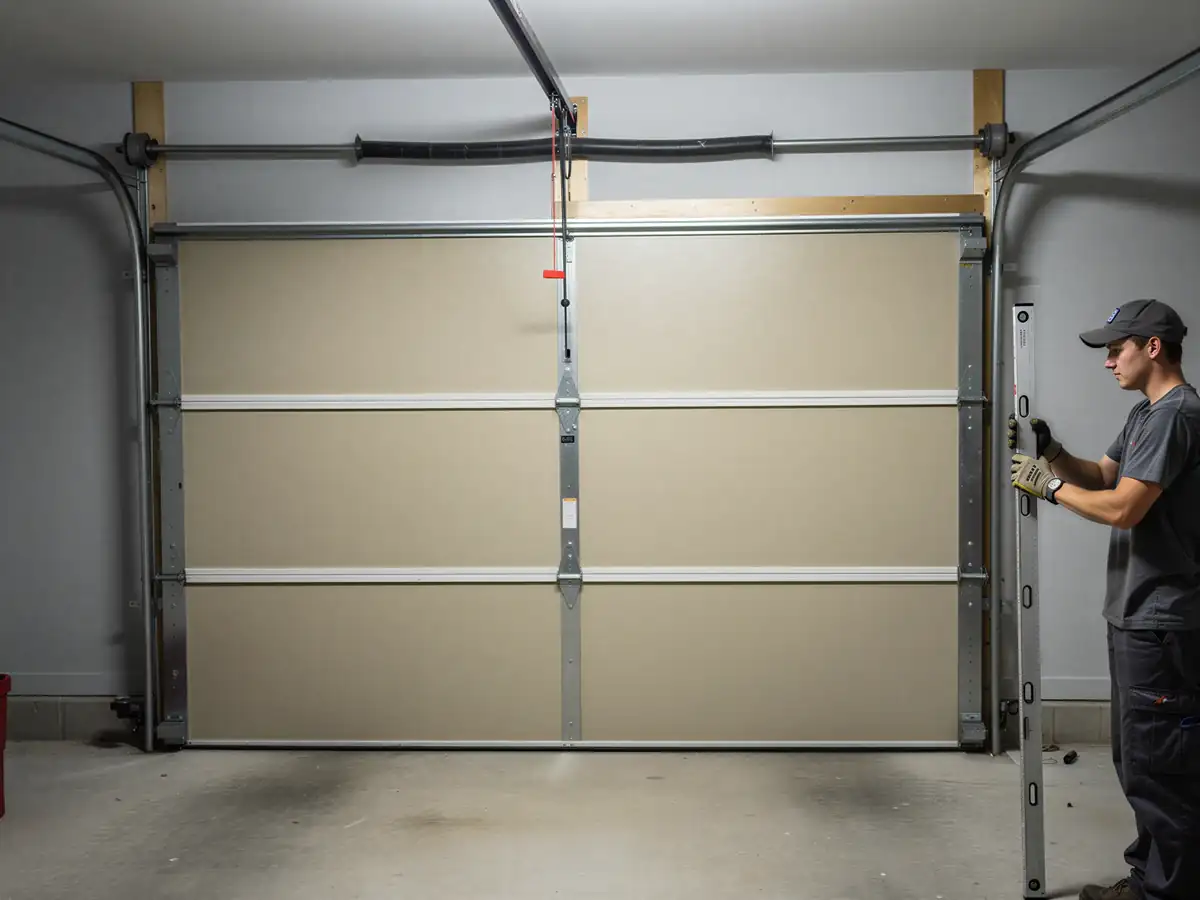
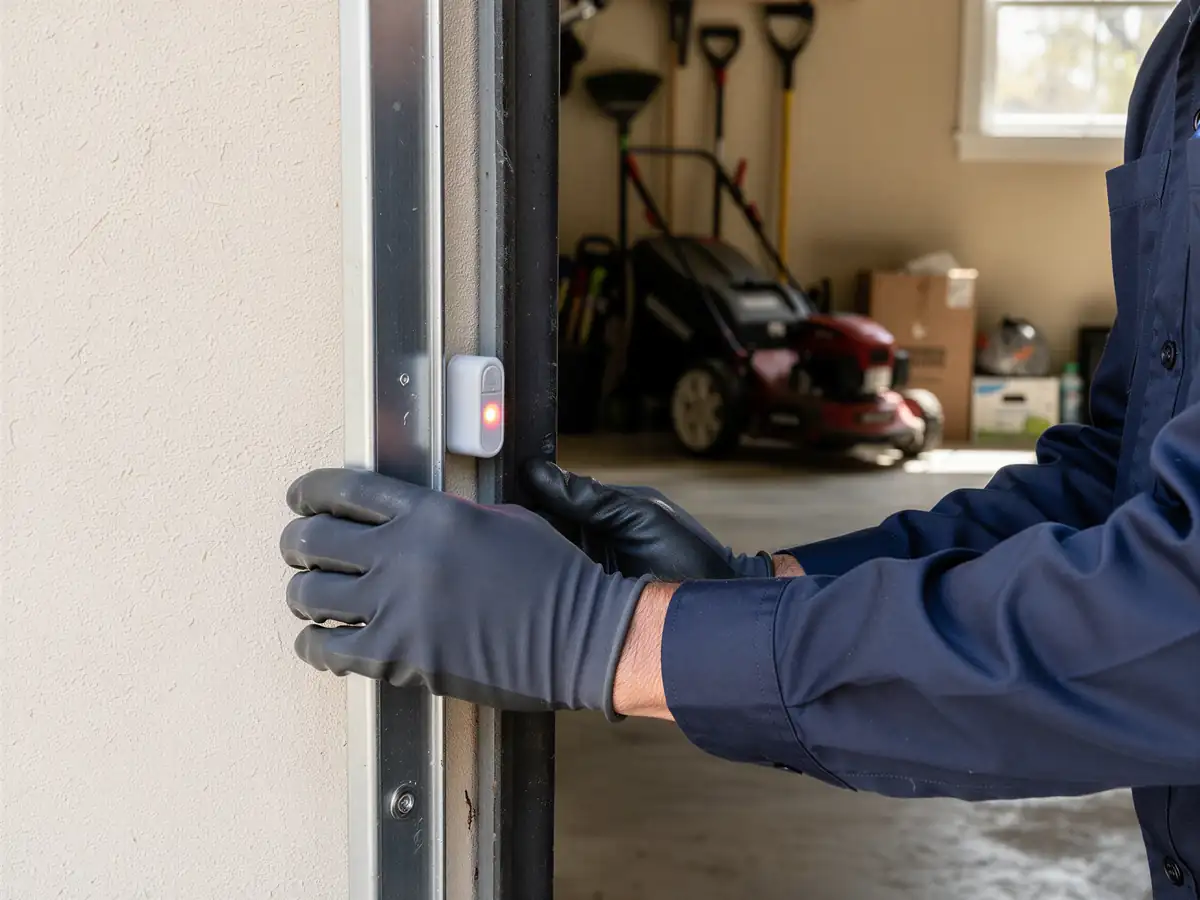
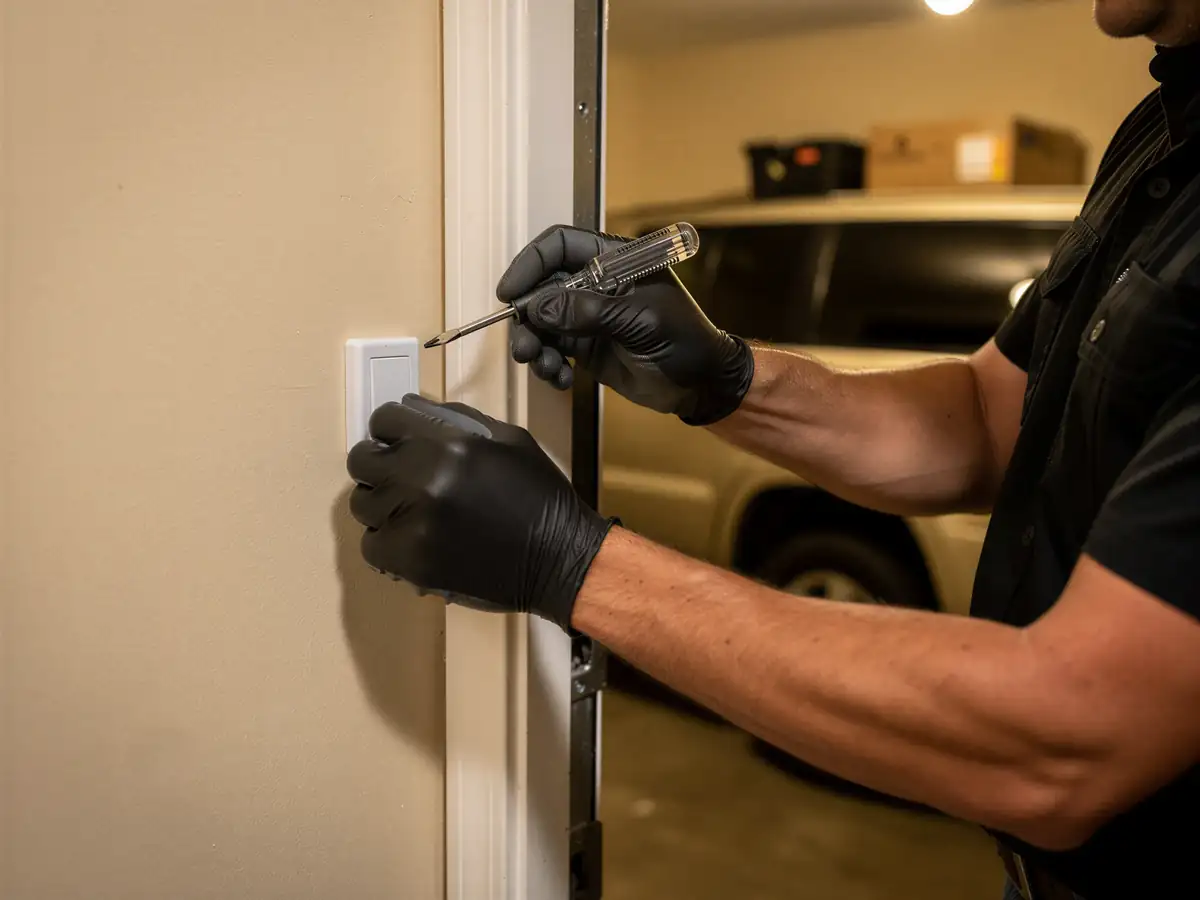
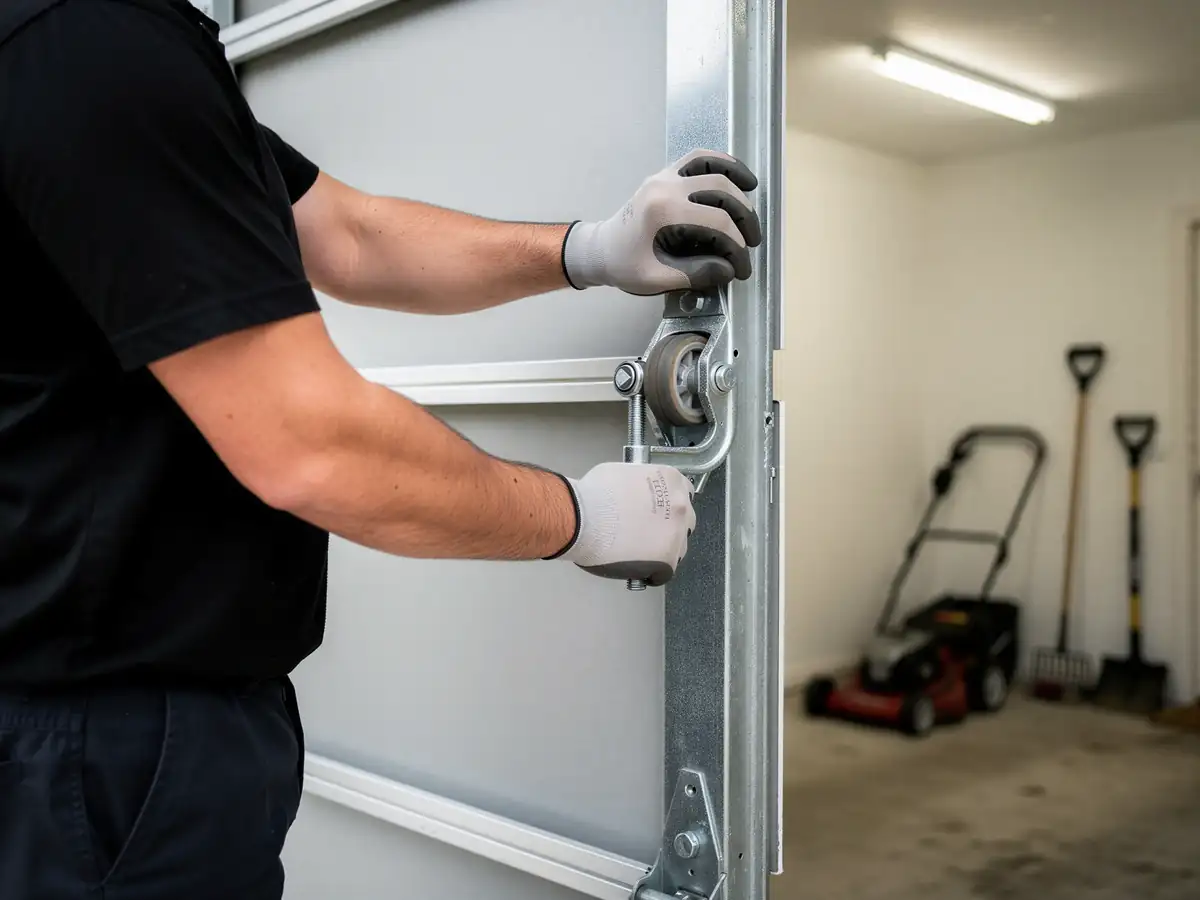
We check spring tension and wear, inspect cables and the drums they wind on, test the opener's force settings and safety reverse, lubricate rollers and hinges, and look at the track for alignment issues that show up as the door ages. On a 1984-era door, we're also watching for the point where the original springs are due for replacement before they fail outright - torsion springs are rated for a cycle count, not a calendar date, so a door used daily for four decades is closer to that number than one in a newer build.
We don't replace parts that don't need it
If a hinge is stiff but sound, it gets oil, not a swap.
Booking a Visit
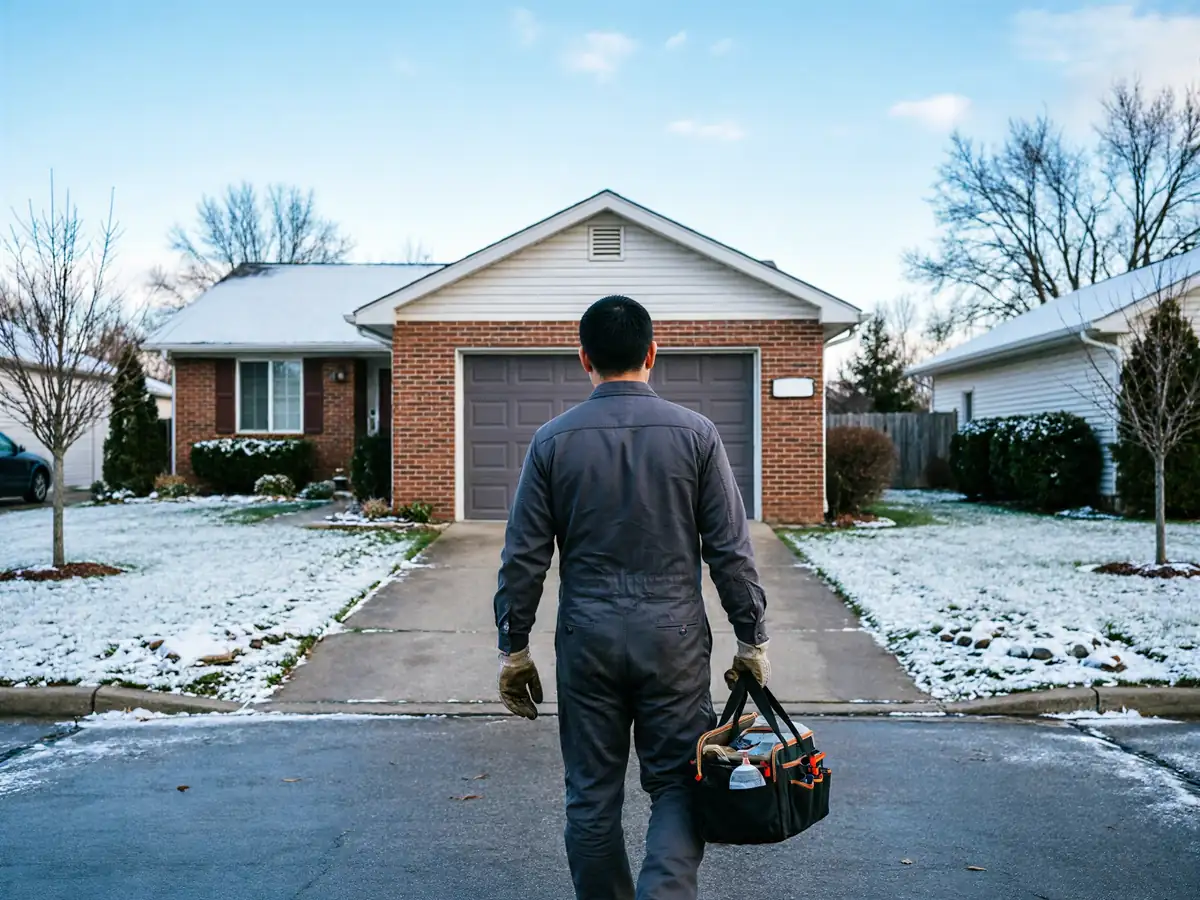
We run maintenance visits out from East Lansing, and Okemos sits about 4 miles out - close enough that scheduling here isn't a stretch for the route. We don't keep a branch or drop-off point in Okemos itself; the truck comes from East Lansing for every job.
When you call, tell us roughly how old the door and opener are if you know it - a door from the 1980s building wave gets a different once-over than one installed in the last ten years. If you don't know, that's fine too; we can usually tell within a few minutes on site.
We book maintenance as a standalone visit, not bundled with a repair call, so you're not paying for diagnostic time you don't need.
Time on the Job
A standard maintenance visit - spring check, cable inspection, track alignment, opener test, full lubrication - runs about the same length whether the house is from 1976 or 1984, since we're inspecting the same components either way. What changes the clock is what we find: if a spring is near the end of its cycle life or a cable shows fraying, we'll tell you before doing anything extra, and that's a separate conversation about repair, not part of the maintenance visit itself.
We don't pad the visit to look thorough. If the door checks out clean, we say so and we're done.
What Causes It Around Here
Okemos households report a median income of $97,603, well above the $75,707 median across the wider service area
And that shows up in the housing stock - more owners here have replaced an original opener or door section at some point rather than running it to failure. That's a good thing for maintenance, since a door with some replacement history usually has fewer compounding wear problems than one that's never been touched since 1984.
The bigger factor is the same one that hits every house in this part of Michigan: winter
We're in a severe cold climate band, and cold is hard on garage door hardware specifically - steel springs lose some tension efficiency in deep cold, nylon rollers get brittle, and lubricant that's fine in July turns thick and sluggish in January. A door that's a little stiff in summer can bind badly once temperatures drop, and that's when we get the most maintenance calls tied to actual symptoms rather than routine upkeep.
The Cost of This Job
We don't have a flat number to publish here - cost depends on what the visit turns up, and we're not going to quote a figure that doesn't hold up once we're looking at your actual door. What we can say is that maintenance costs less than the repair it prevents, almost every time. A spring that's inspected and flagged before it breaks is a planned job; a spring that snaps on a cold morning is an emergency one, and emergency parts and emergency scheduling both cost more than a routine visit.
If your door needs more than maintenance - a cracked panel, a dead opener motor, a bent track - we'll tell you that on site and give you a straight answer on whether it's worth fixing or worth replacing. We'd rather lose a repair invoice than talk you into fixing something that's going to fail again in six months.
How It Shows Up
On a door from the 1980s building era, wear tends to show up as noise first - a grinding or popping sound from the spring area, or a rattle from loose roller brackets - before it shows up as a door that won't open. In severe cold, the first sign is often a door that's noticeably slower to open in the morning than it was in August, or an opener that strains and reverses partway up.
If you're hearing a new sound or feeling new resistance on the door, that's the window to call for maintenance rather than waiting for a full breakdown. Catching it there is cheaper and a lot less disruptive than catching it after the spring lets go.