The Complications
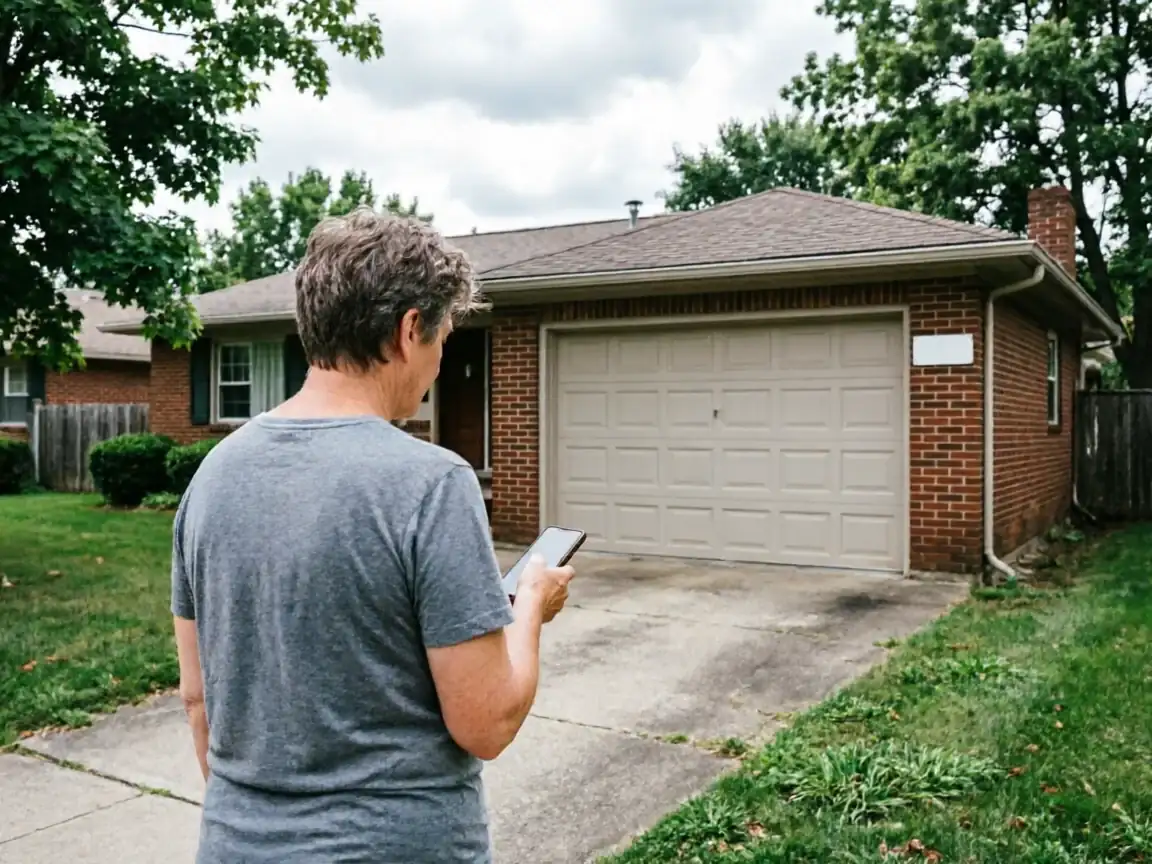
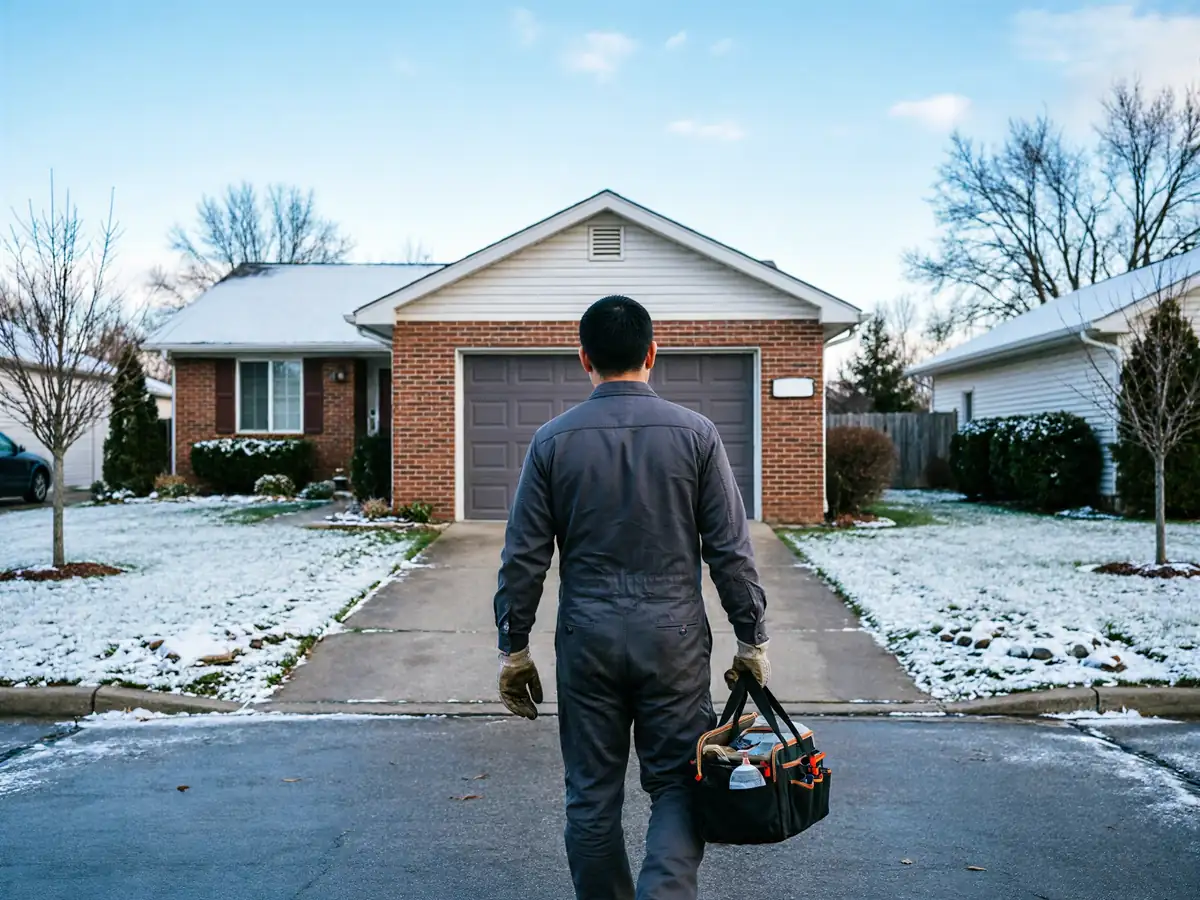
Laingsburg sits twelve miles out from our East Lansing base
Which matters more than it sounds like it should. It's not a same-block callback if we forget a part - it's a drive back down the same road we just came up, so we try to get the diagnosis right the first time and bring what a house like yours is likely to need before we ever pull in. With 523 households in town, this isn't a market where we're rolling trucks past five jobs a day; a repair call here gets planned, not squeezed in between two others a mile apart. The upside is we're not guessing what we'll find. A town this size, built mostly around one era, tends to throw the same handful of failures at us again and again, and we've seen enough of them from the East Lansing side of the county to know what's under the hood before we open it.
- 523 households
The honest limitation
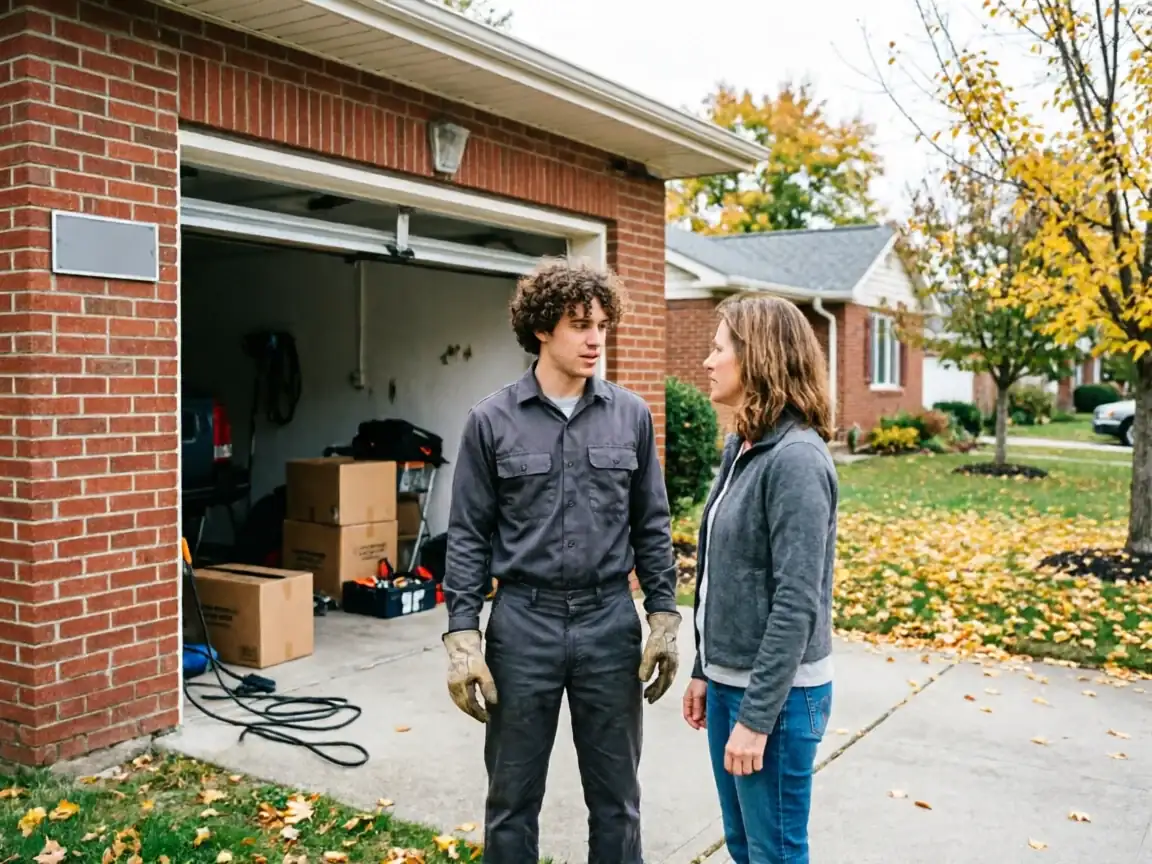
If your door needs a part we don't carry on the truck - an odd-length track section or a discontinued opener board - that's a second trip, because we're not stocking a Laingsburg-specific inventory for a town this size. We tell you that up front rather than let you assume we've got everything in the van.
What Causes It Around Here
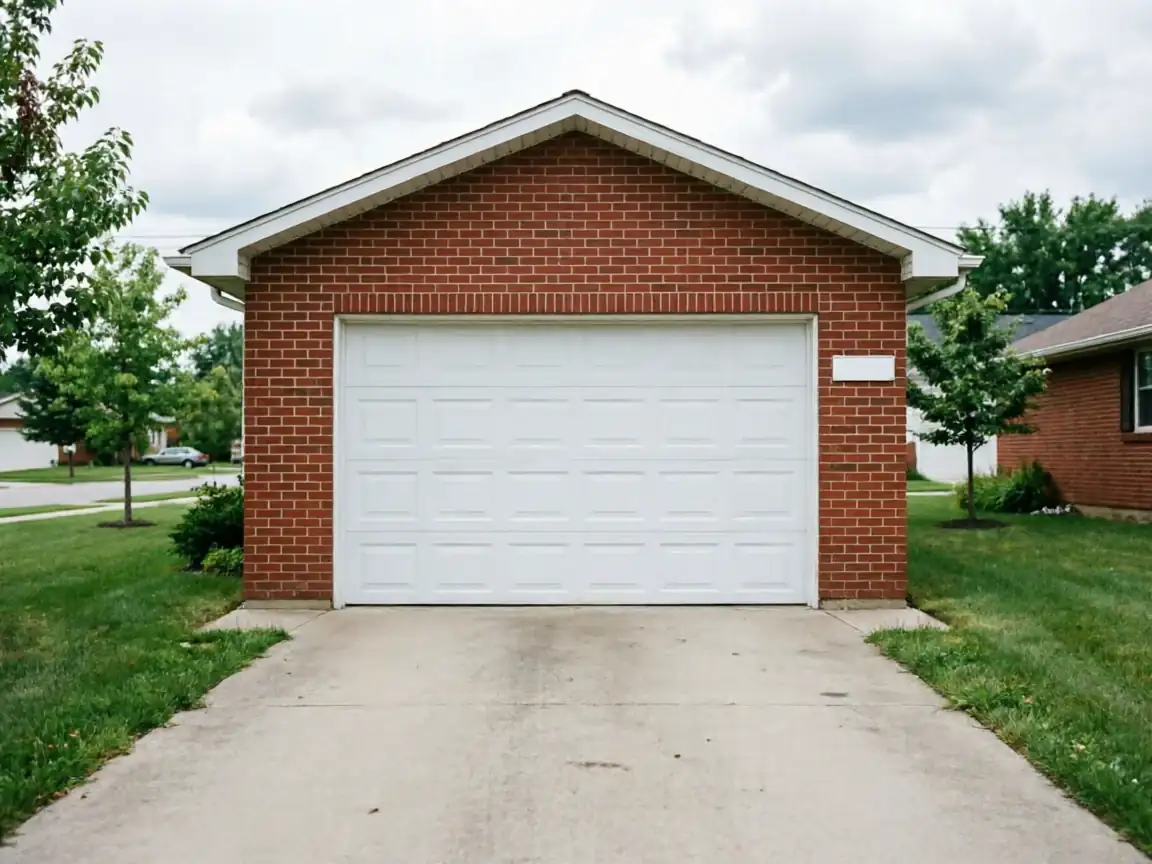
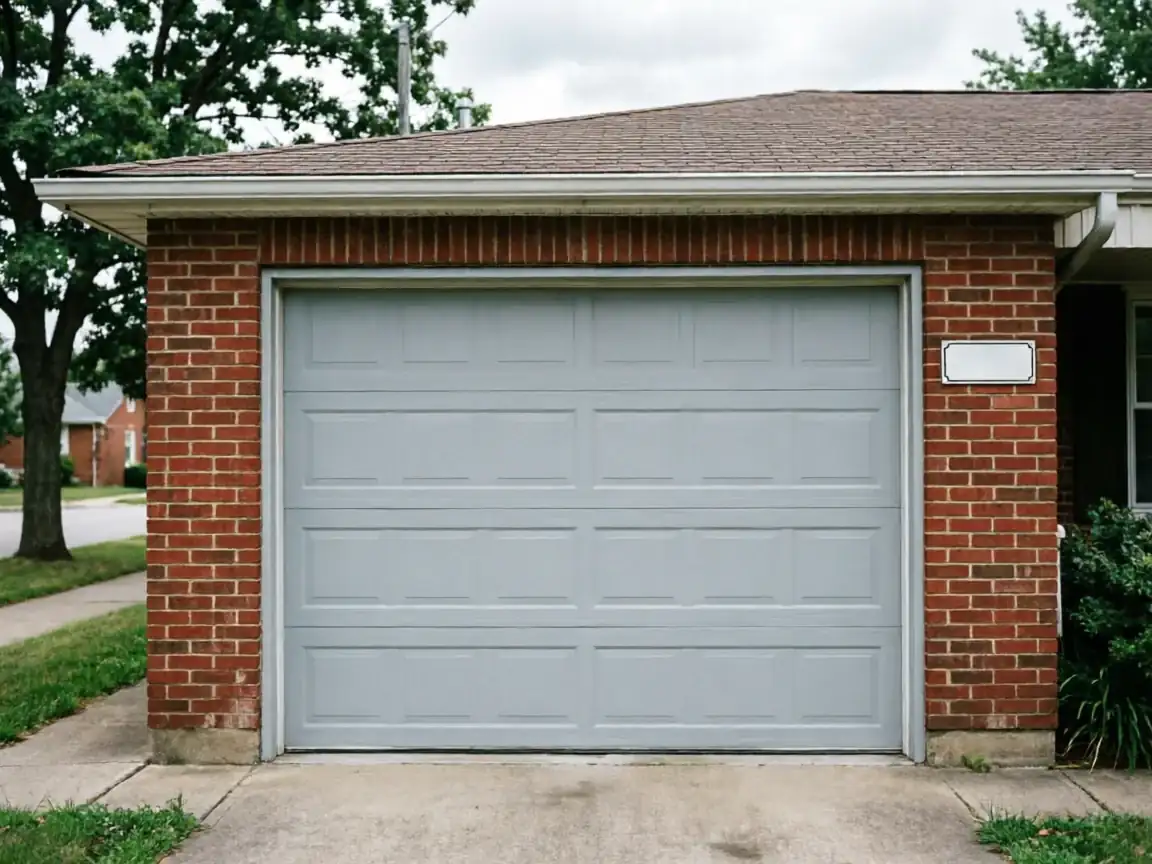
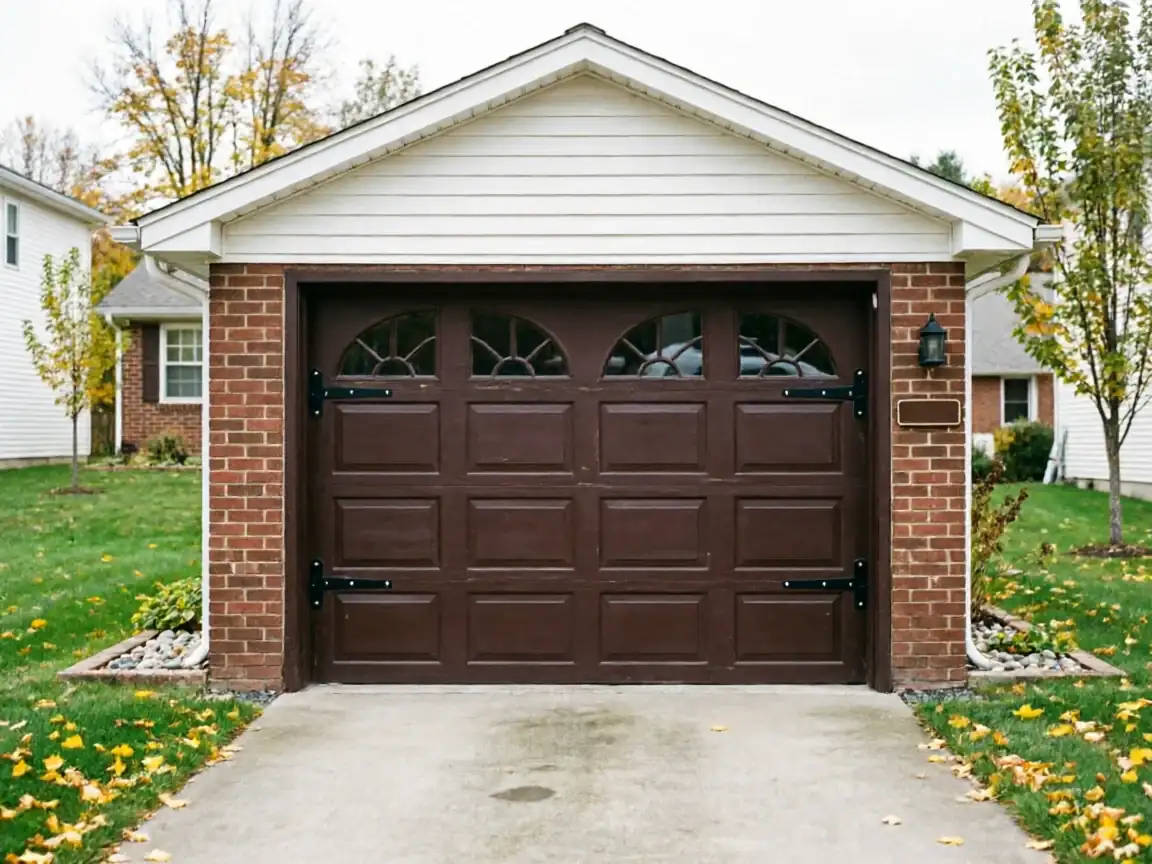
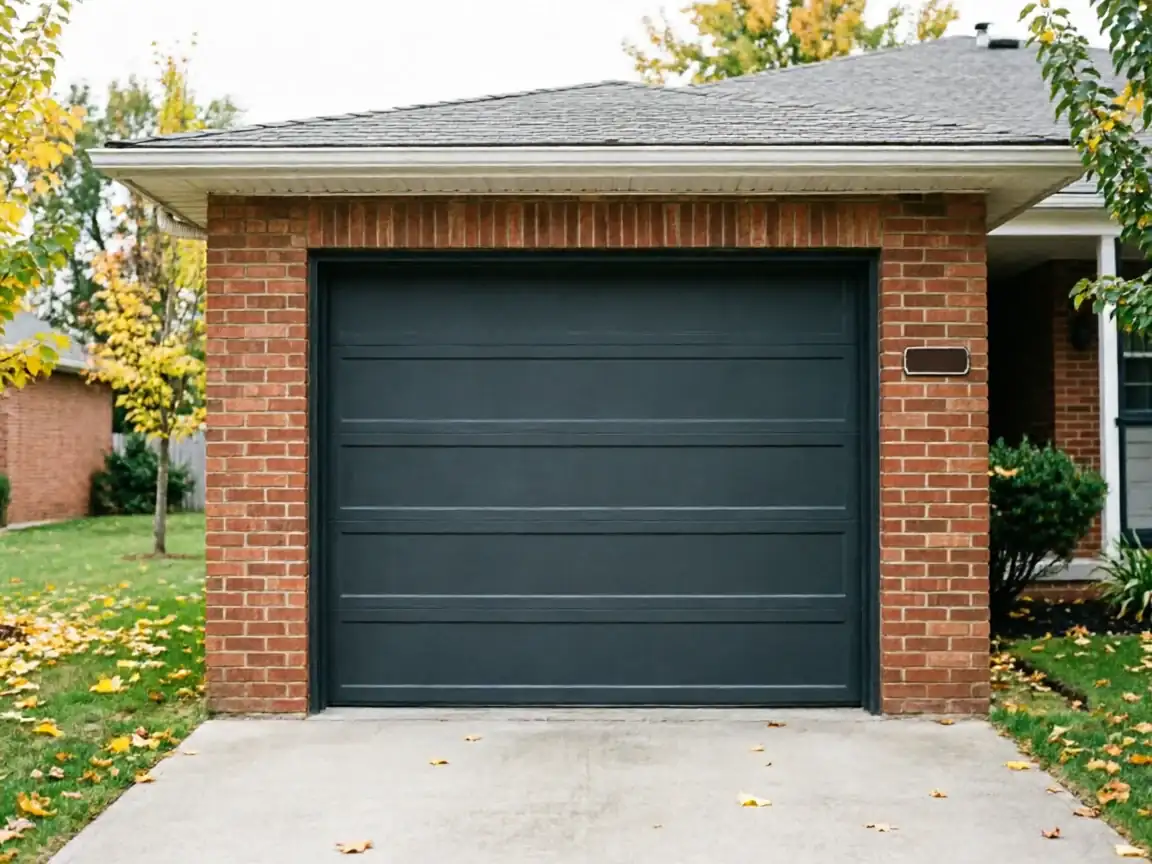
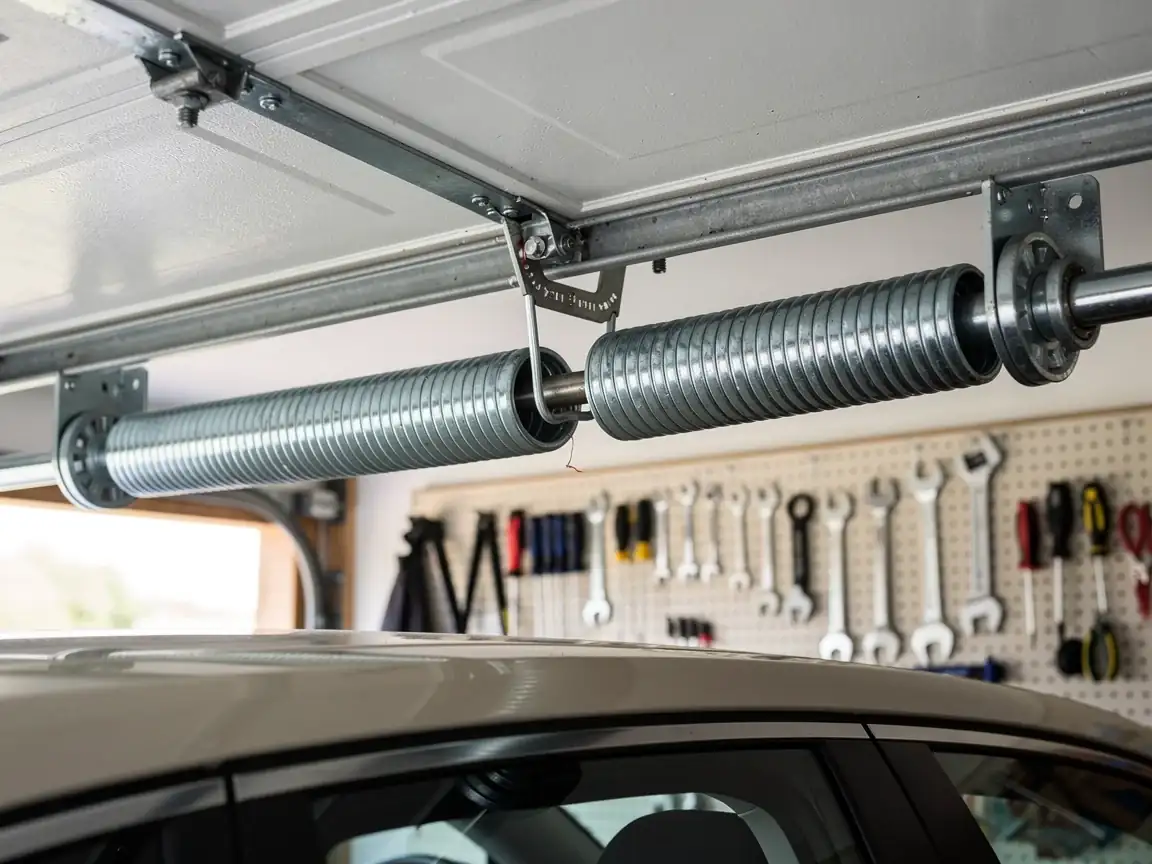
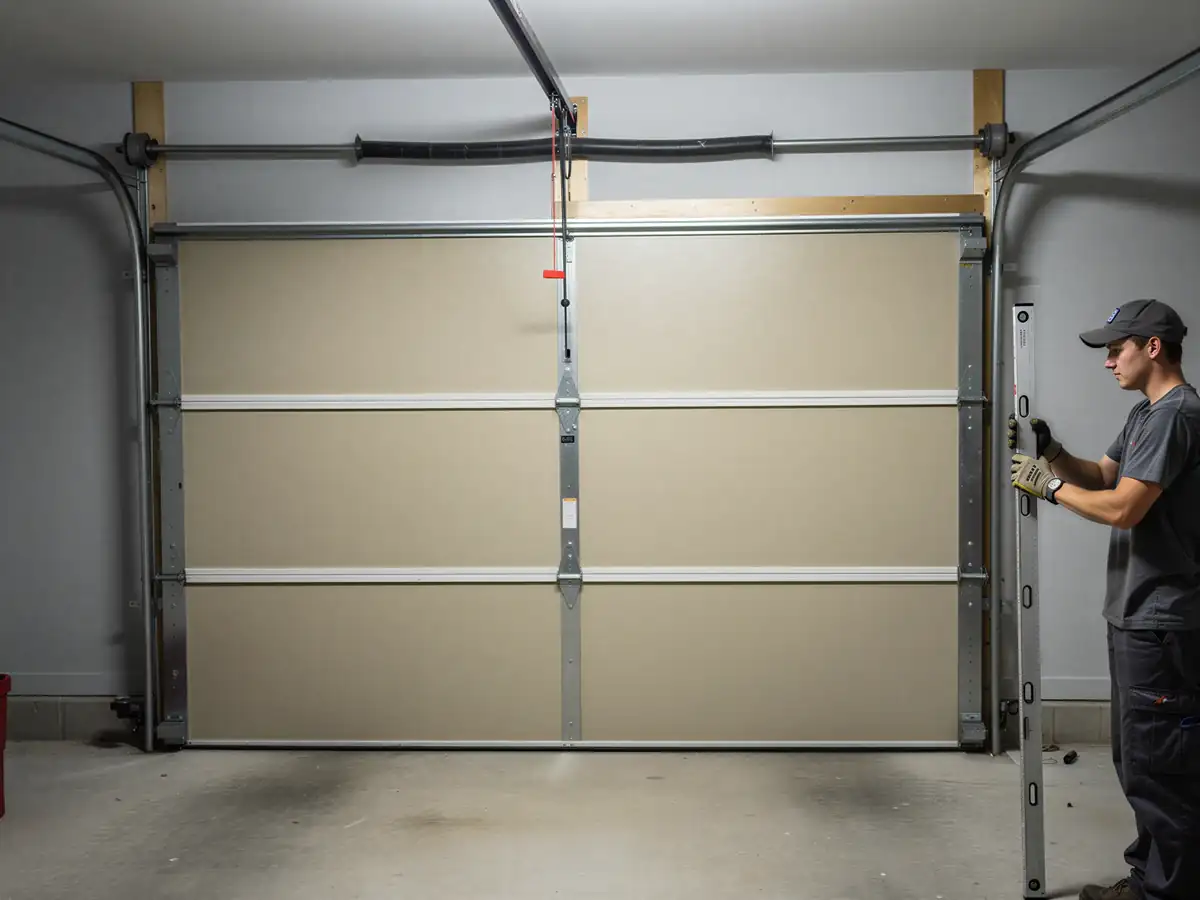
Housing in this part of the service area mostly went up between 1945 and 1994, with the median closer to the mid-1970s - and Laingsburg's own stock centers right around 1970. That means a lot of doors here are original builder-grade panels on steel tracks that were never upgraded, paired with torsion springs rated for a lighter door than whatever's been hung on it since. Thirty-plus winters of cold-climate swing - and this area sits in a severe cold band - stiffen the lubricant in old rollers and shrink the metal just enough that a worn spring finally lets go on the coldest morning of the year, not the warmest.
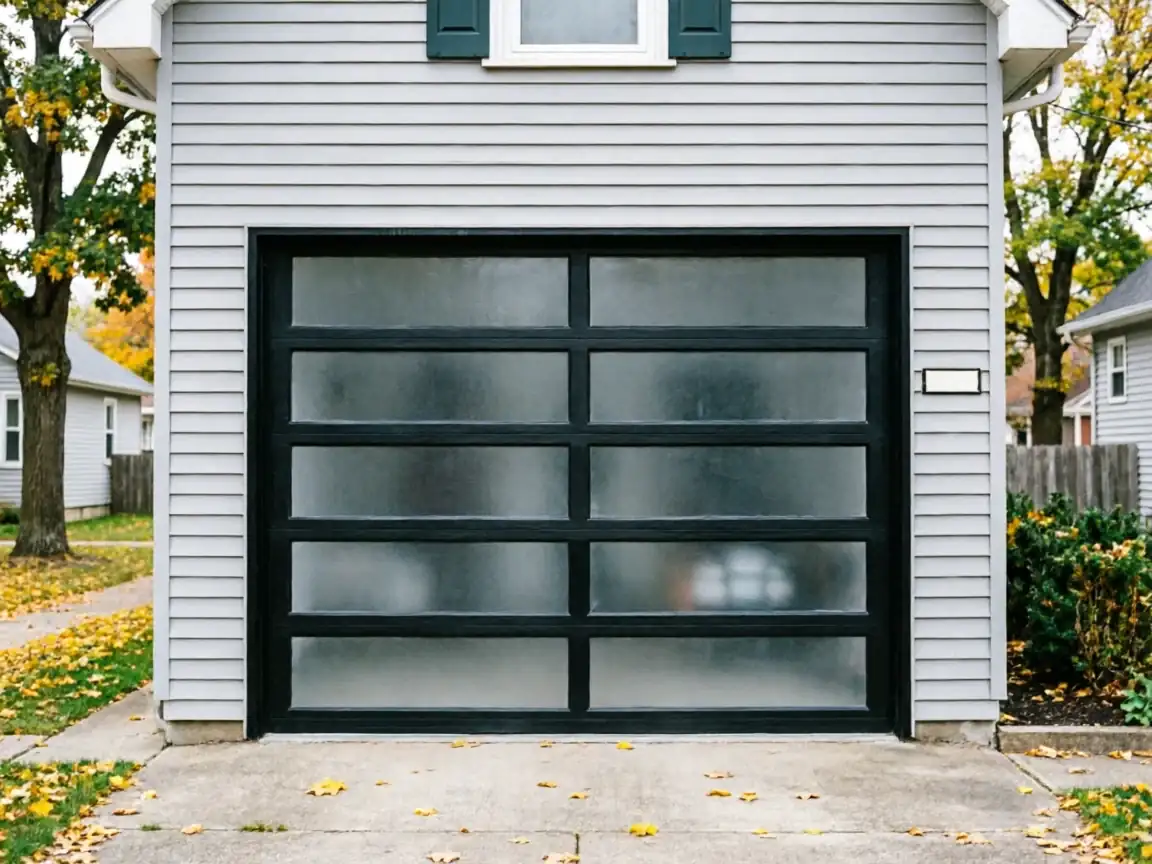
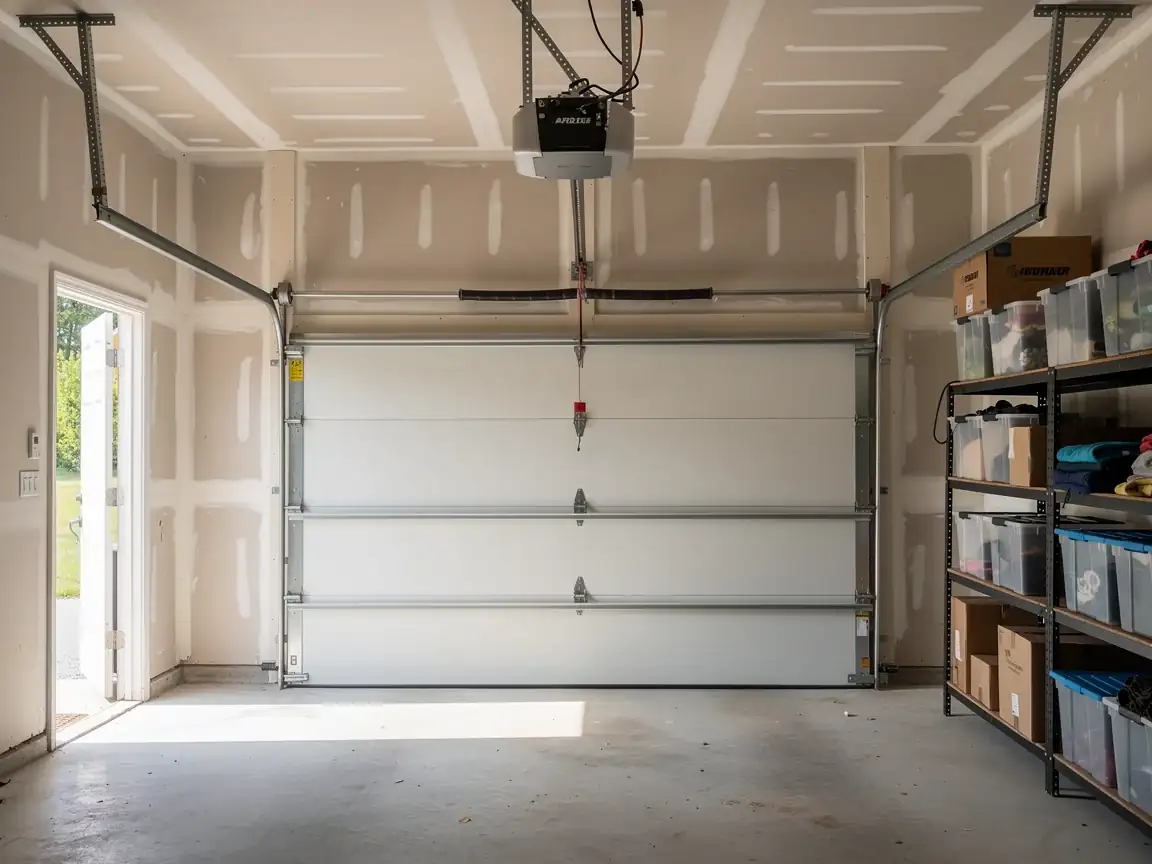
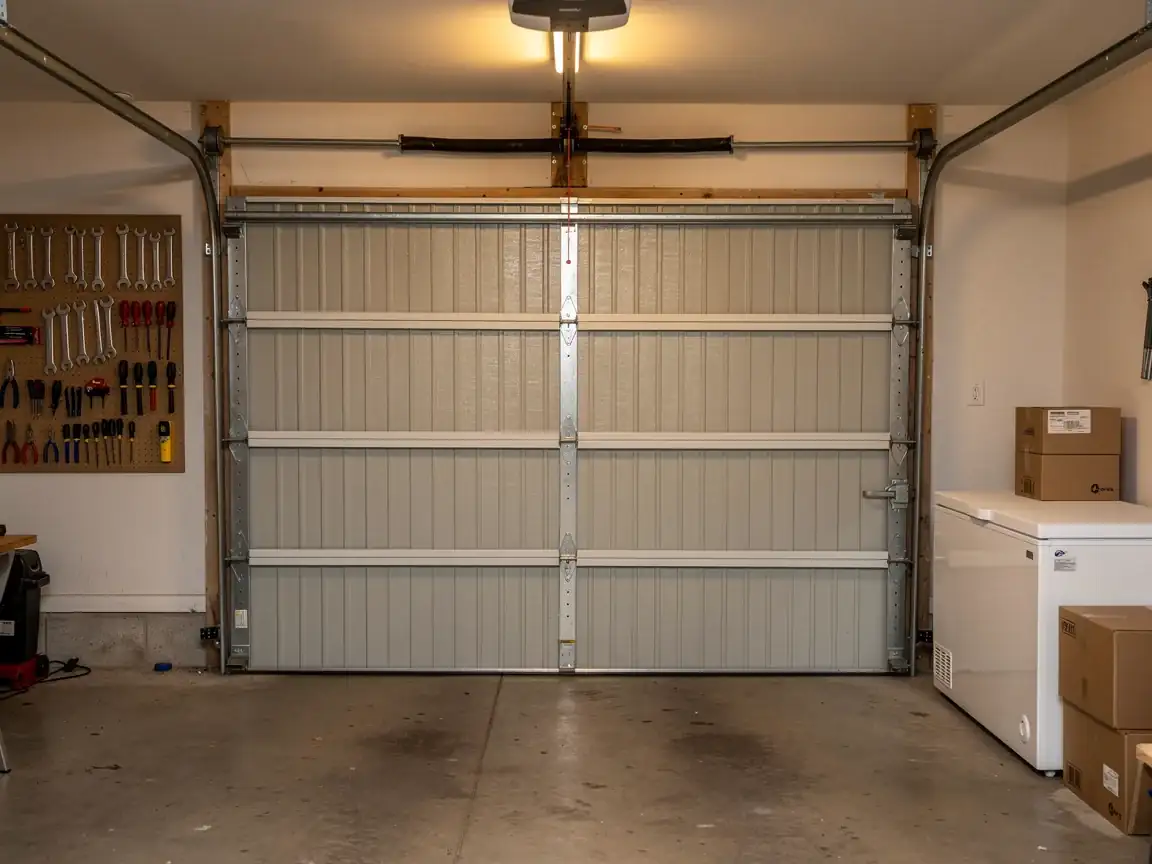
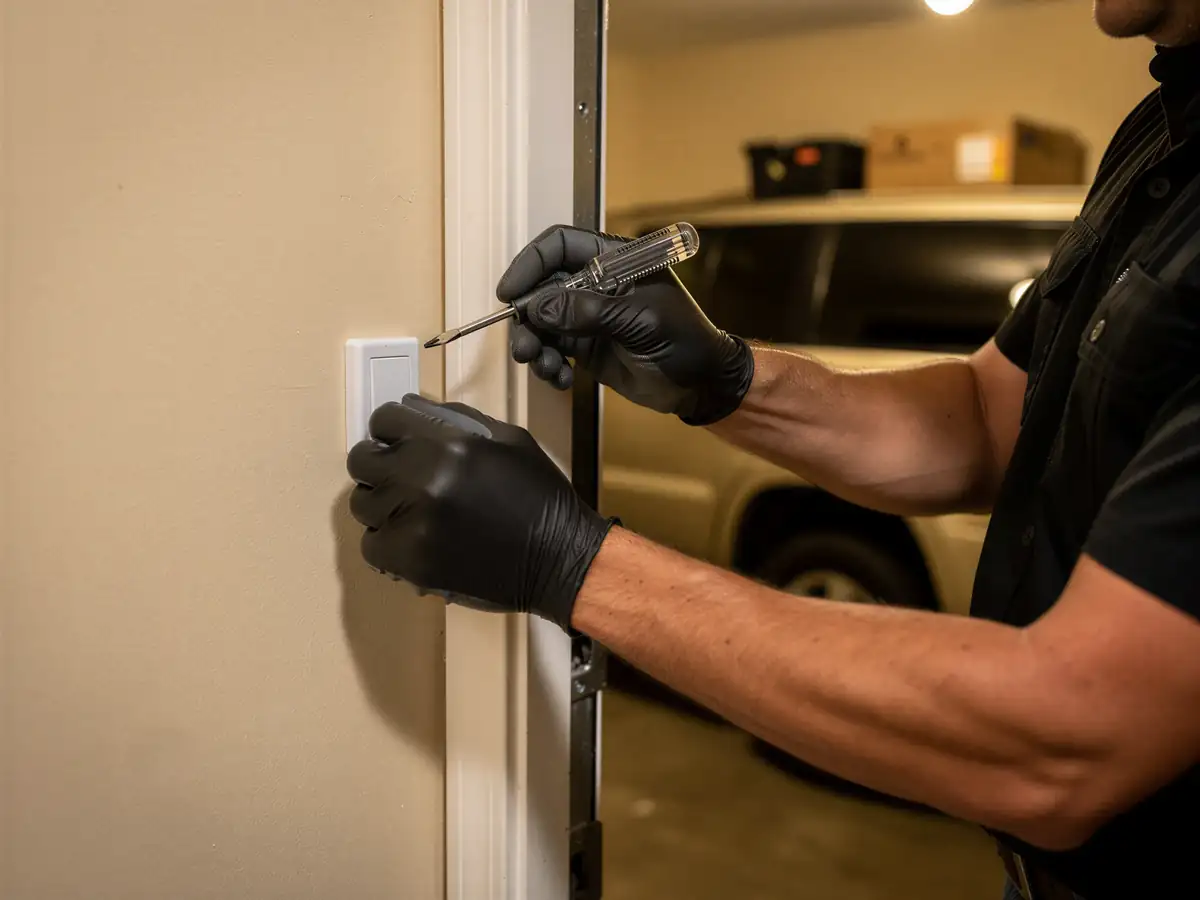
The other common failure we see on 1970s-era doors is the opener. If the house still has its original unit, or a second-generation replacement from the 90s, the travel limits and safety reversal weren't built to the standards openers meet today, and the gears inside are usually plastic that's long past its working life. Add a steel sectional door that's sagged slightly on one side from decades of an off-balance spring, and you get a door that binds in the track before it ever gets to the floor.
How We Fix It
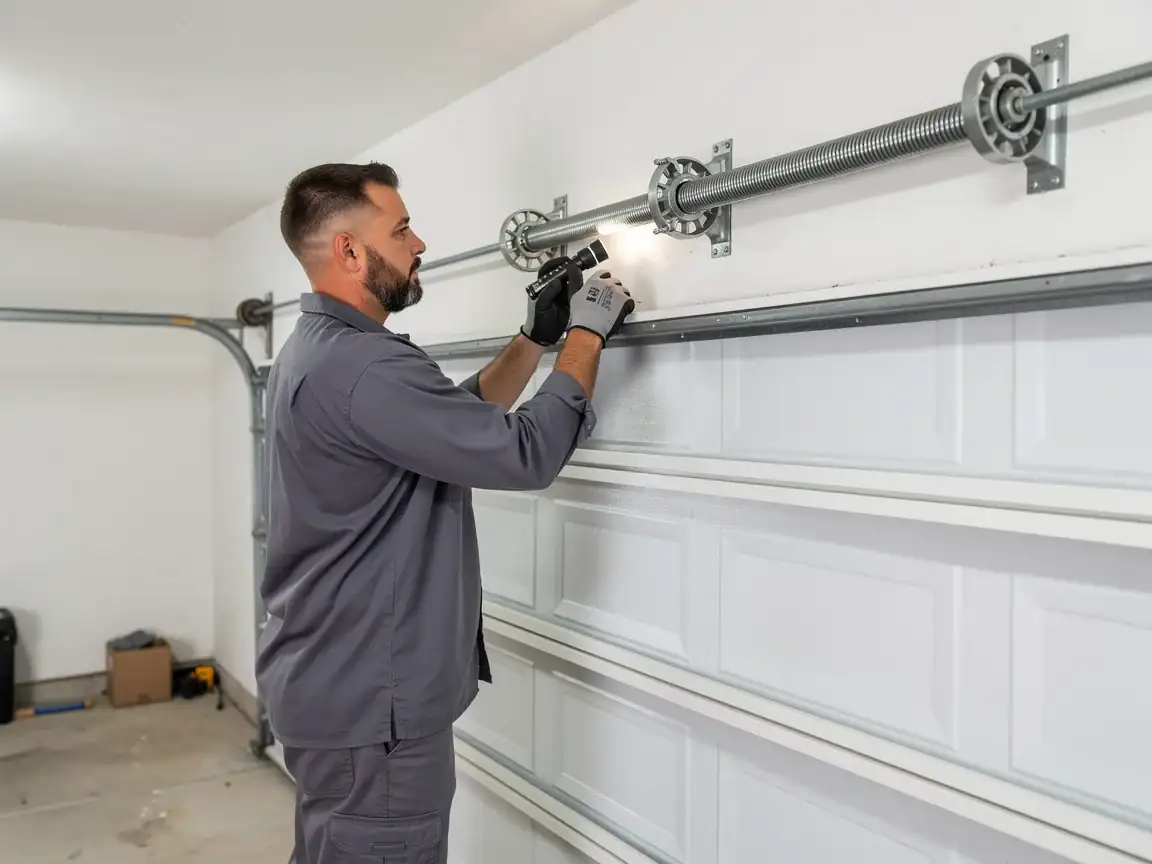
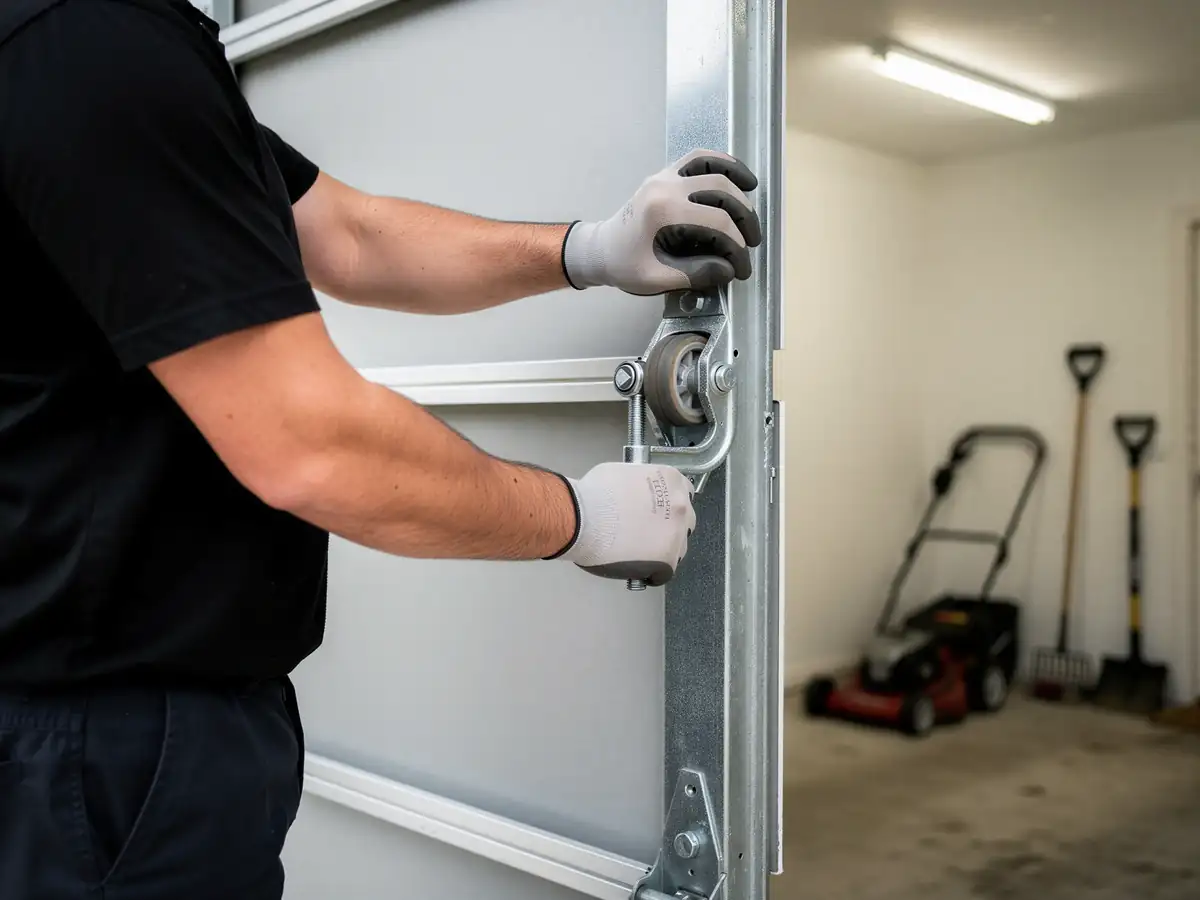
For a sprung or worn-out torsion spring on a door this age, we match the spring to the door's actual weight rather than whatever was installed originally - a lot of these doors were under-sprung from day one, which is part of why they fail young. If the tracks are bent or pitted from age rather than a single impact, we'll tell you straight whether bending them back is worth doing or whether a new section makes more sense long-term, especially on a door that's already fighting cold-weather stiffness every winter.
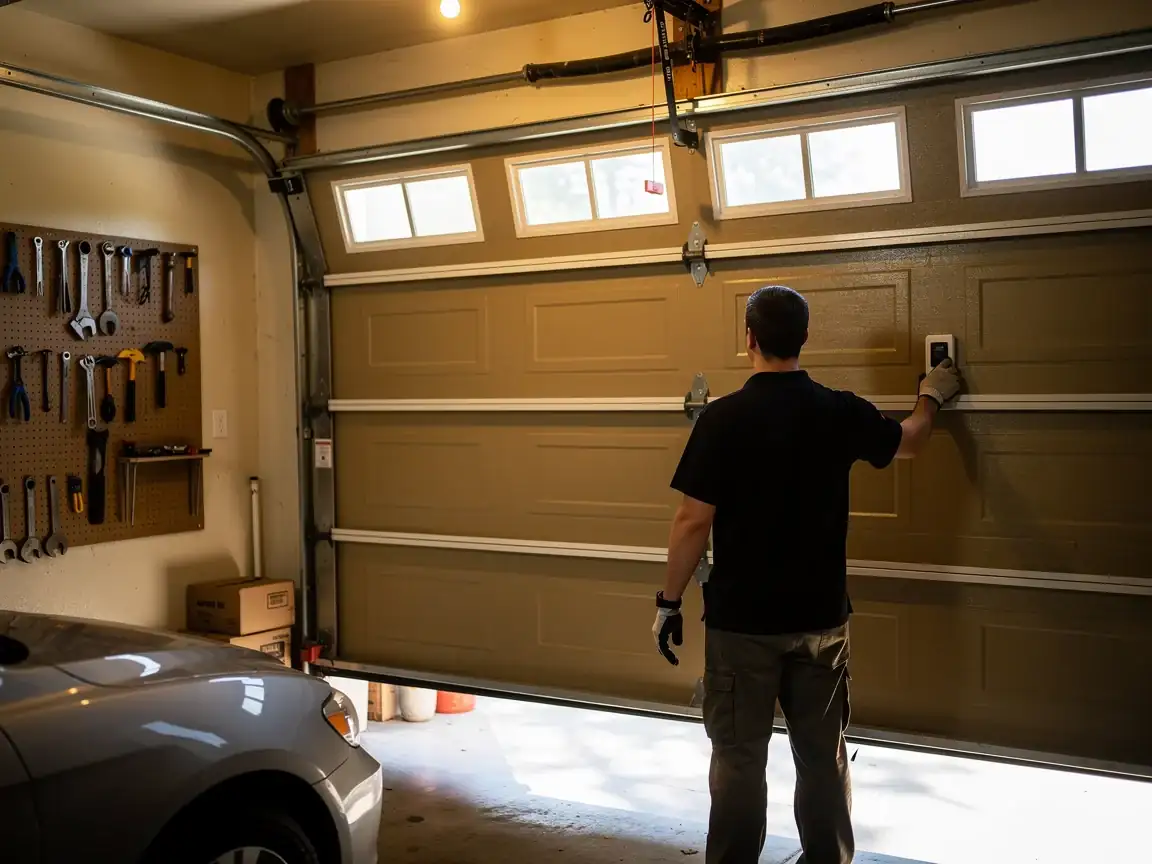
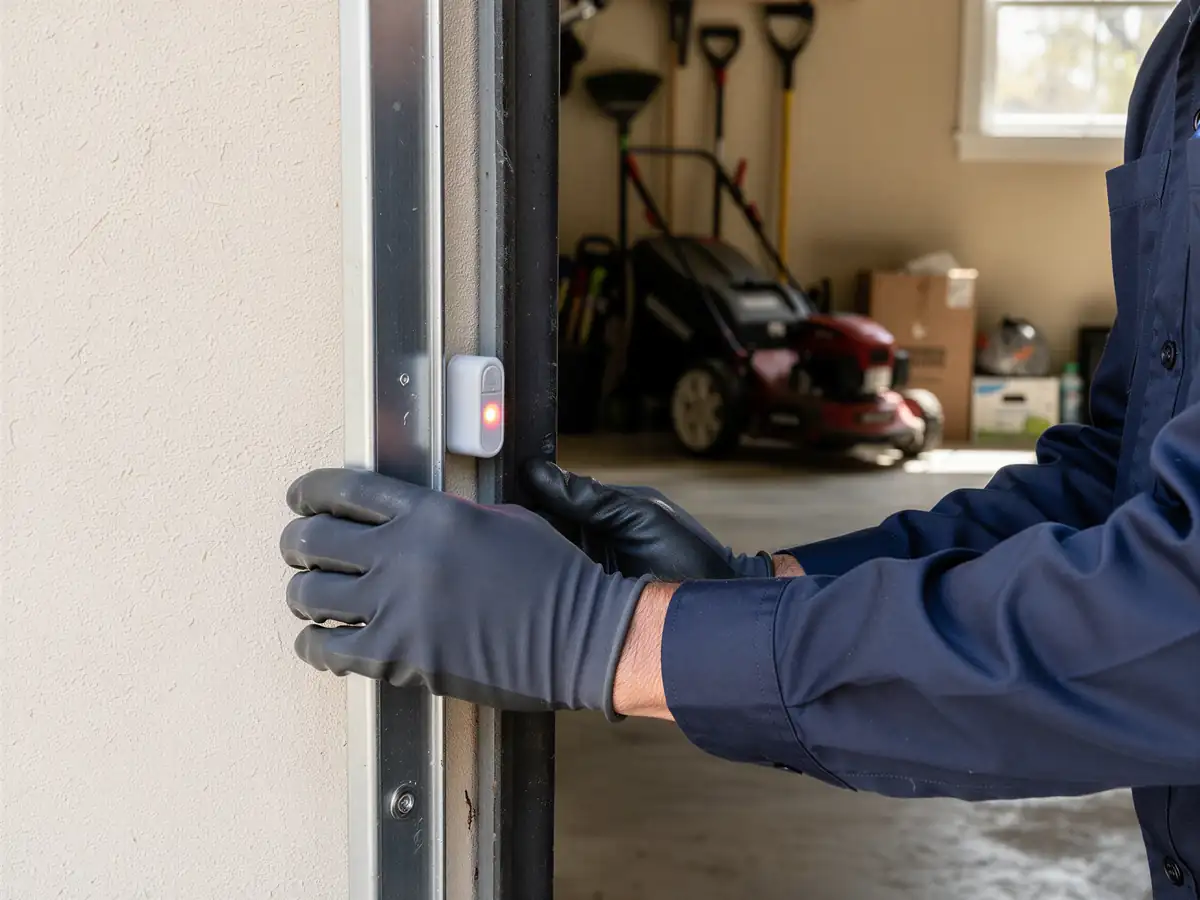
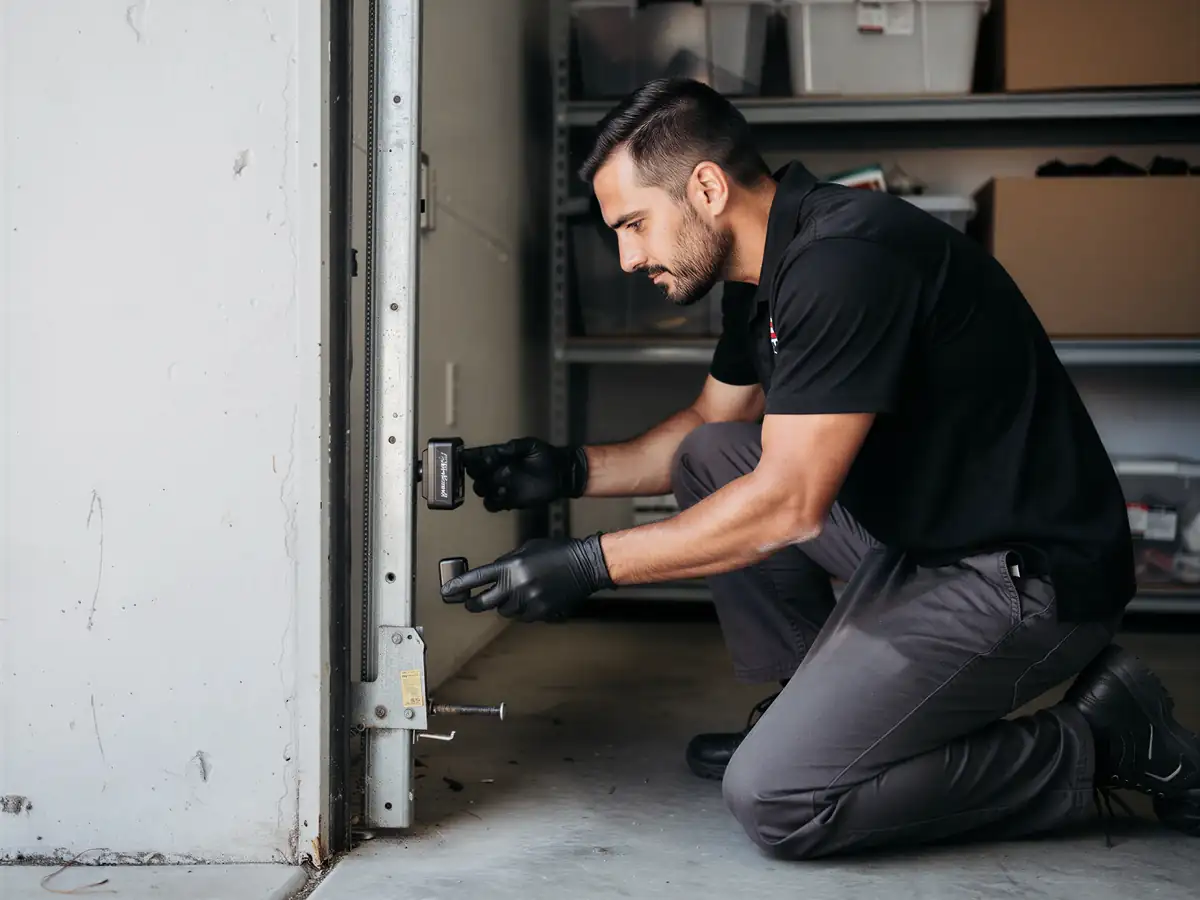
On openers, if the unit is original to a 1970s build, we usually recommend replacement over repair - parts for that generation of opener aren't something we can source quickly, and a new unit comes with the safety reversal sensors that code requires now. Rollers and cables get swapped as a set when one's gone, since on a door this old the rest of the hardware is usually close behind. We balance the door before we leave, because an unbalanced door is what wears out the next spring early.