What Causes It Around Here
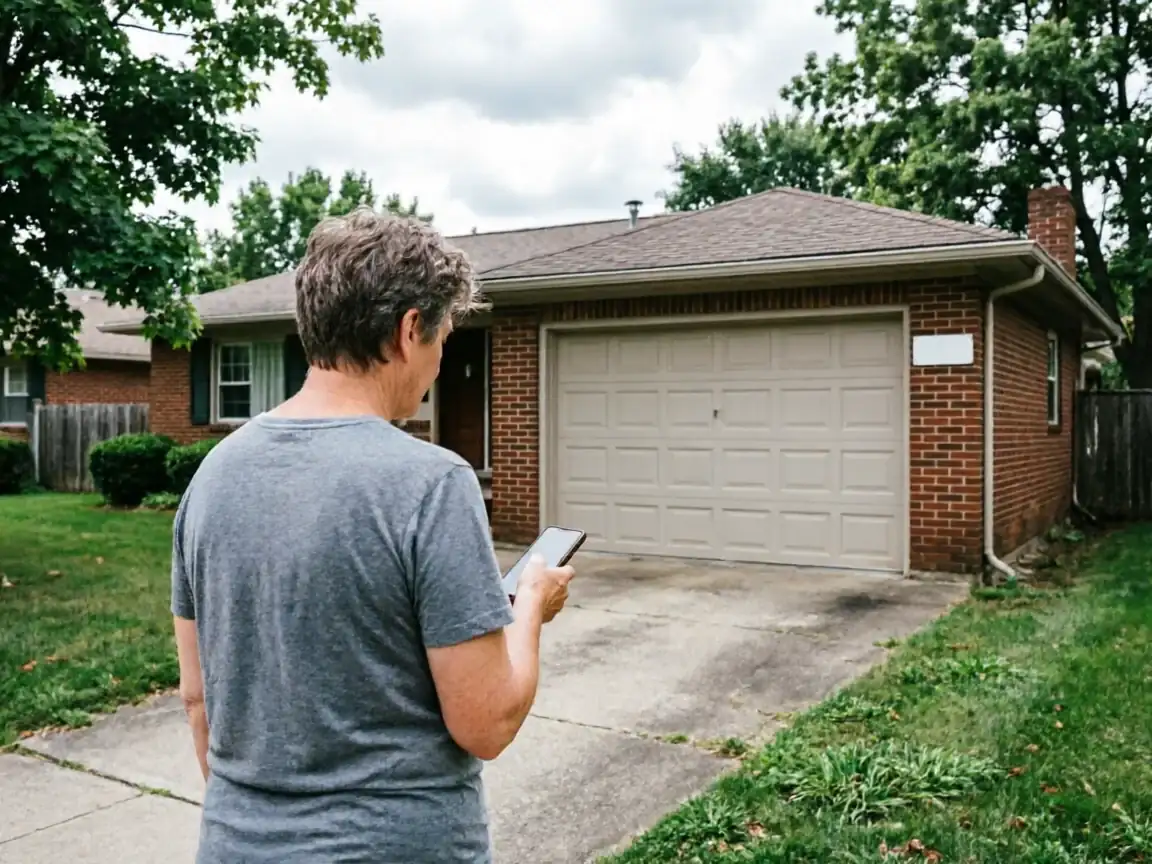
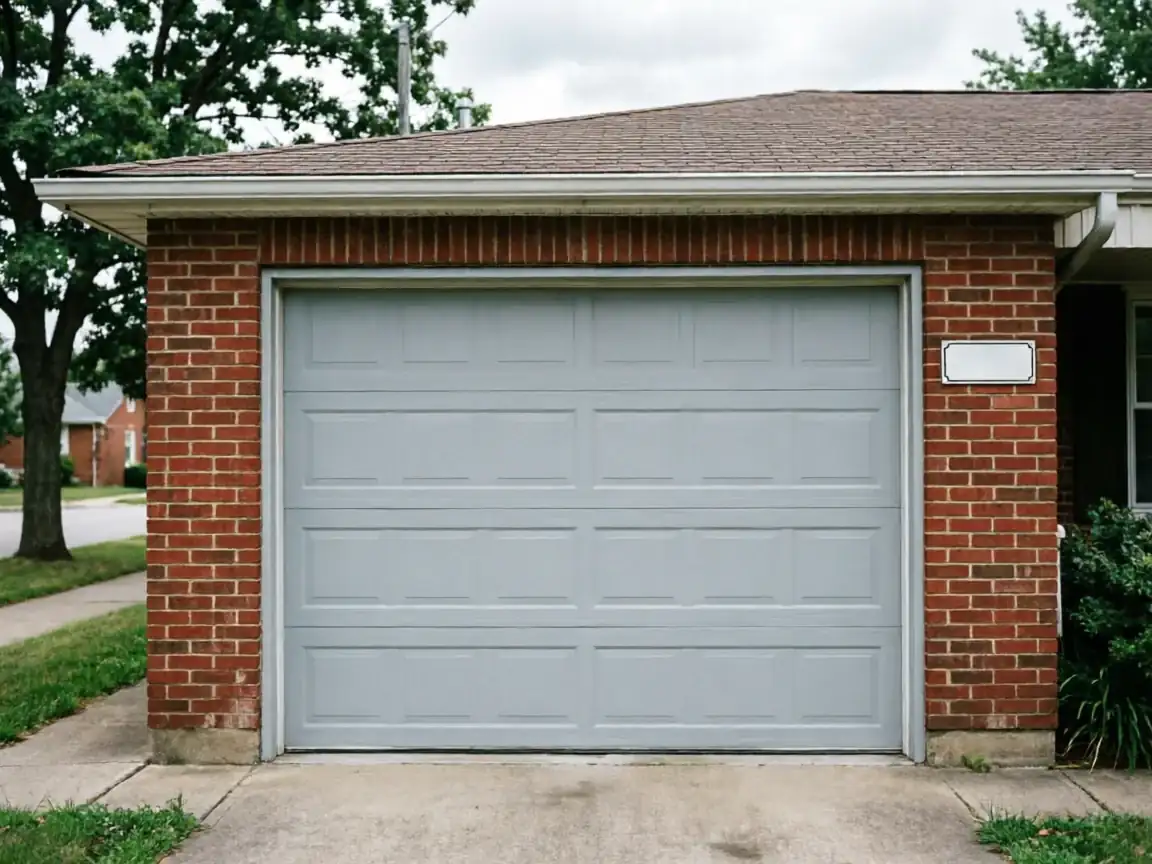
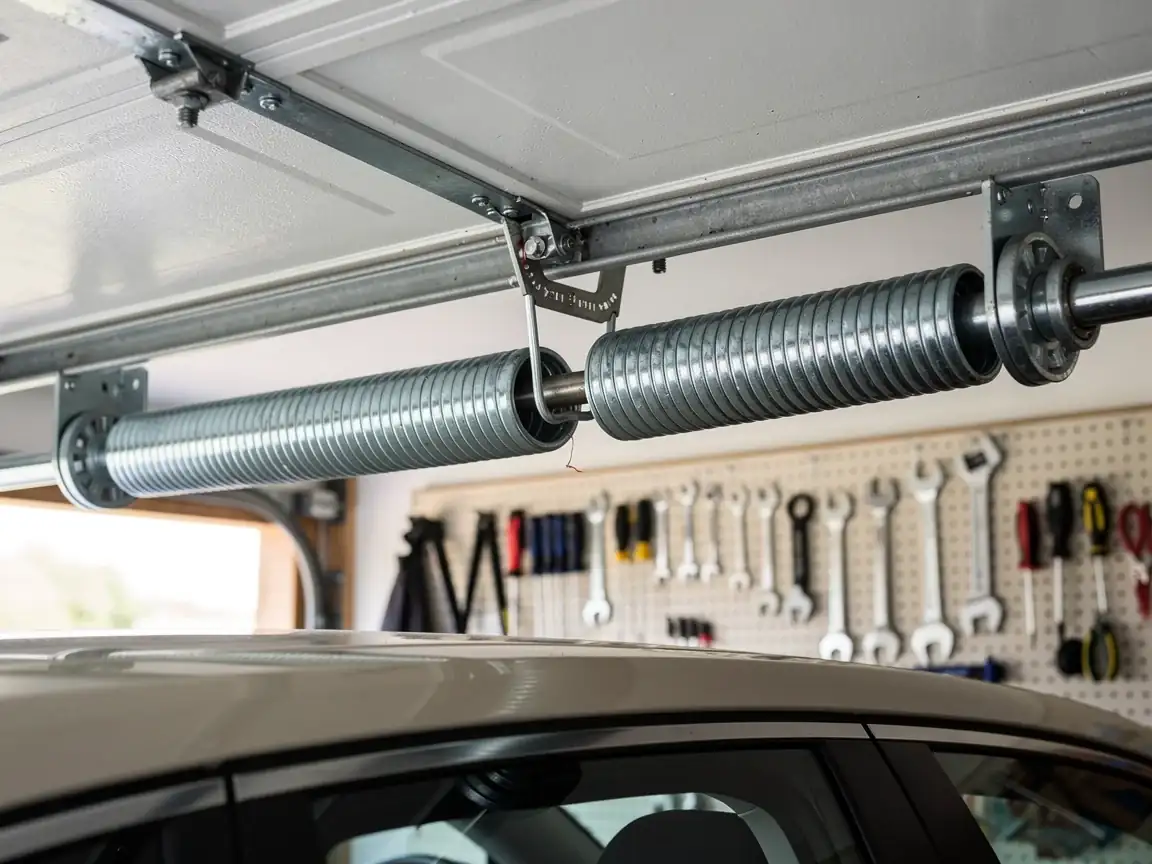
The median year built in Laingsburg is 1970, which puts it squarely in the 1945-1994 window that defines most of this service area's housing stock, and more specifically in the 1960s-70s wave that makes up the bulk of it. Doors from that era were built for a different climate expectation and a different opener standard. Steel panels without foam insulation were normal then, and in a cold-severe climate band, an uninsulated door means a garage that never gets above freezing in January, which stresses every moving part - rollers seize, cables stiffen, springs lose tension faster. A lot of these original doors also ran on hardware sized for lighter, single-layer panels, so when an owner swaps in a heavier insulated replacement without upgrading the springs and track, the new door fights the old hardware from day one. That mismatch is one of the most common complaints we see on 1970s-era houses: a door that looks new but still binds.
How We Fix It
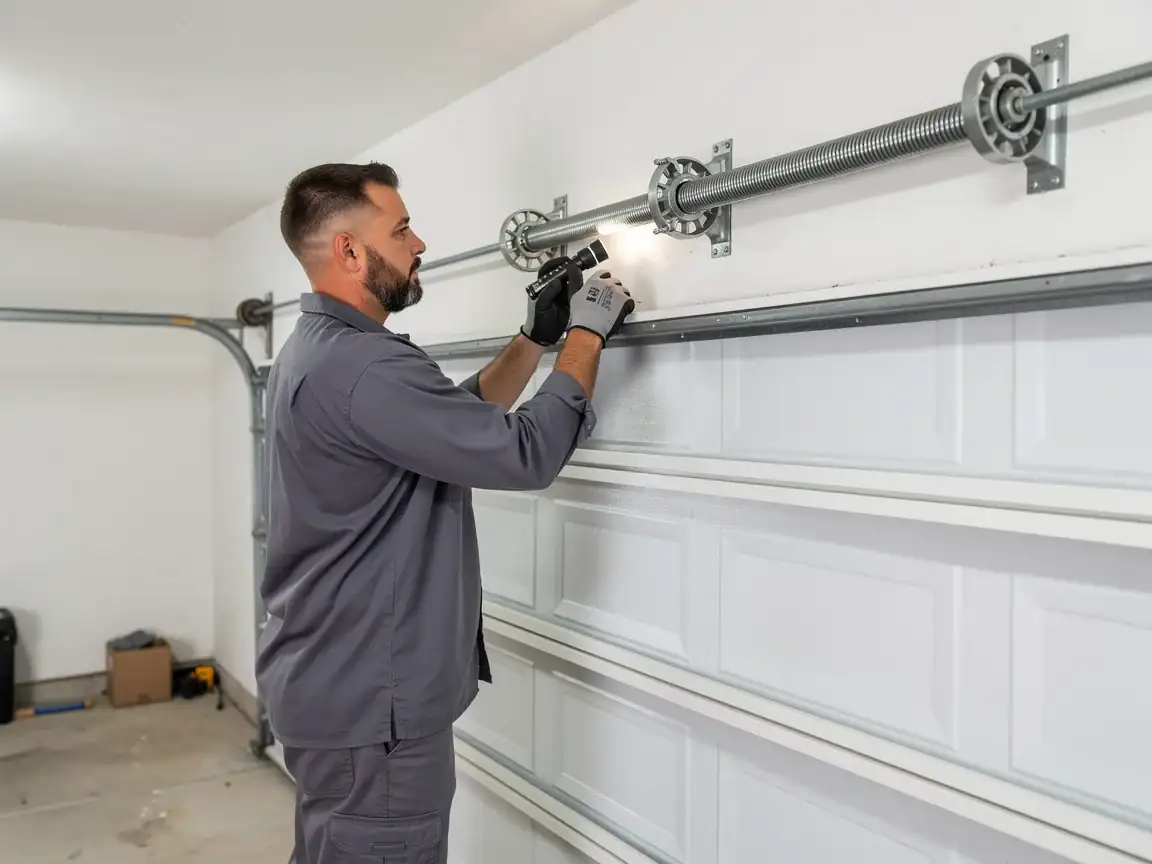
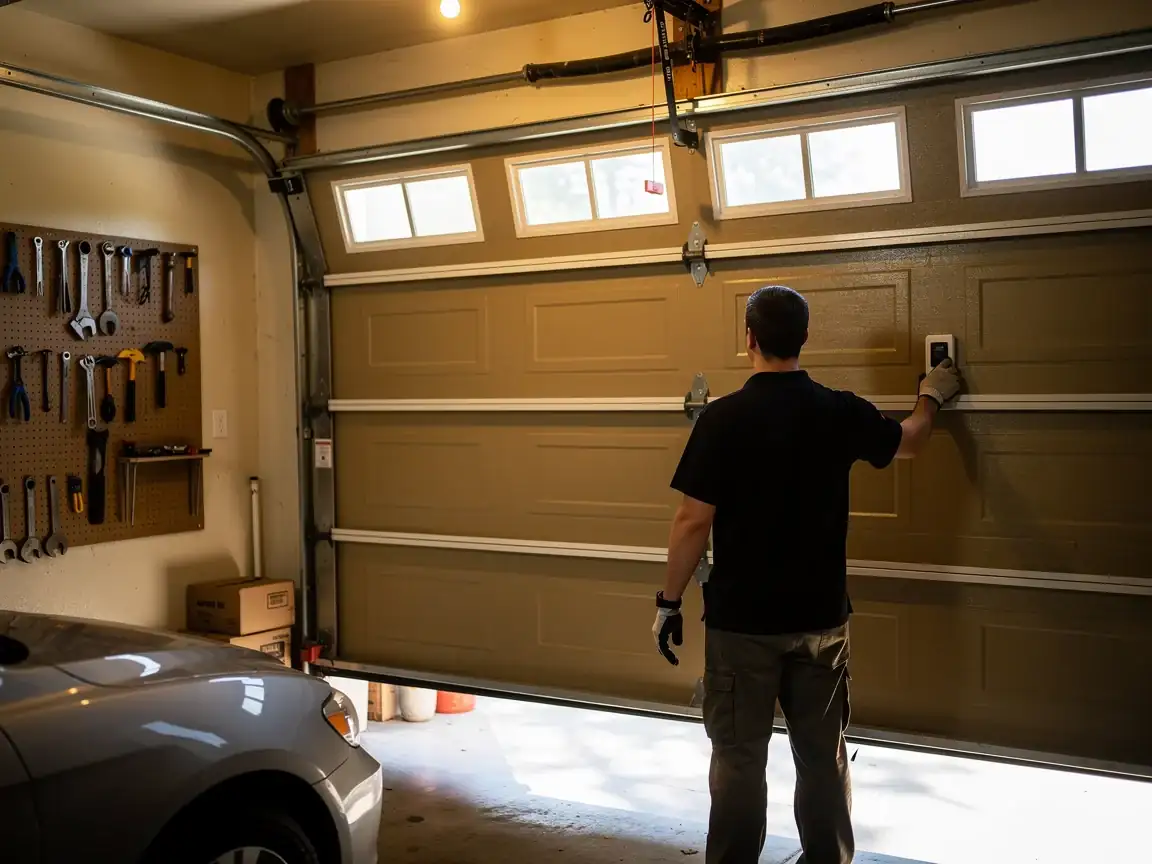
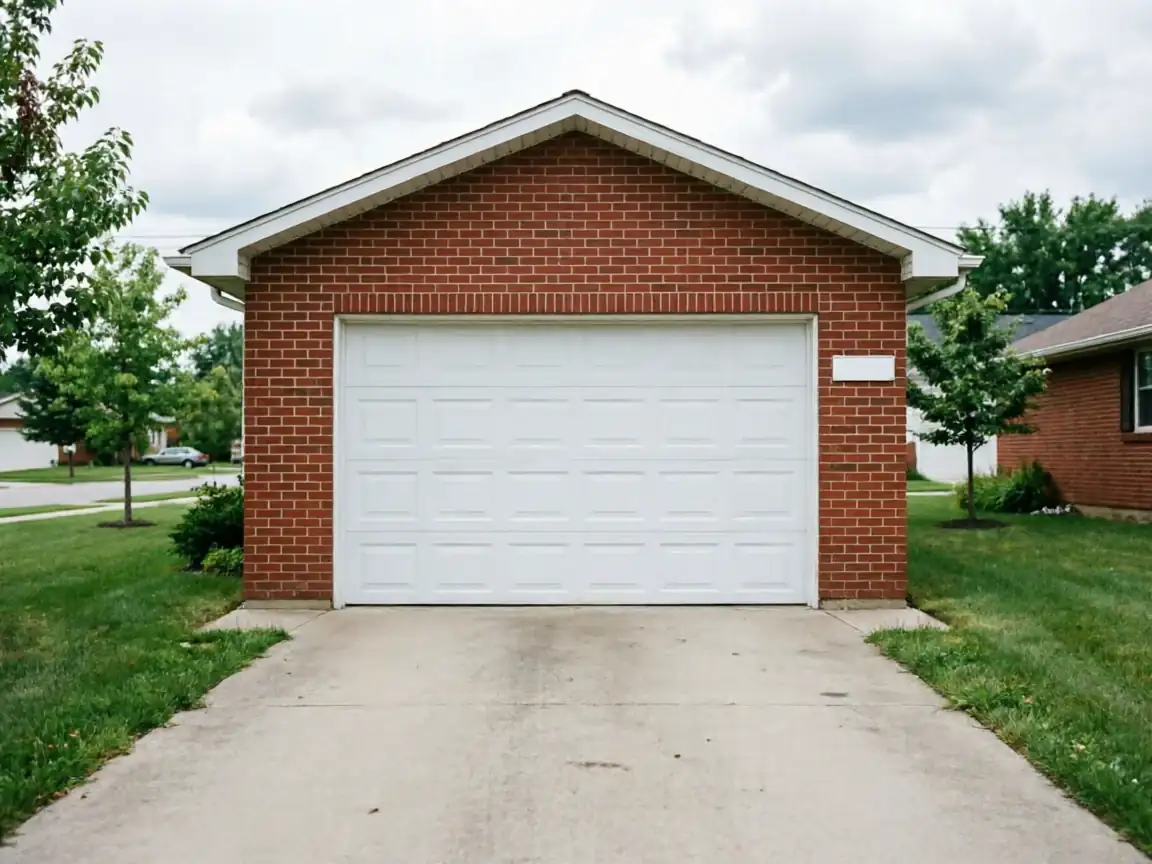
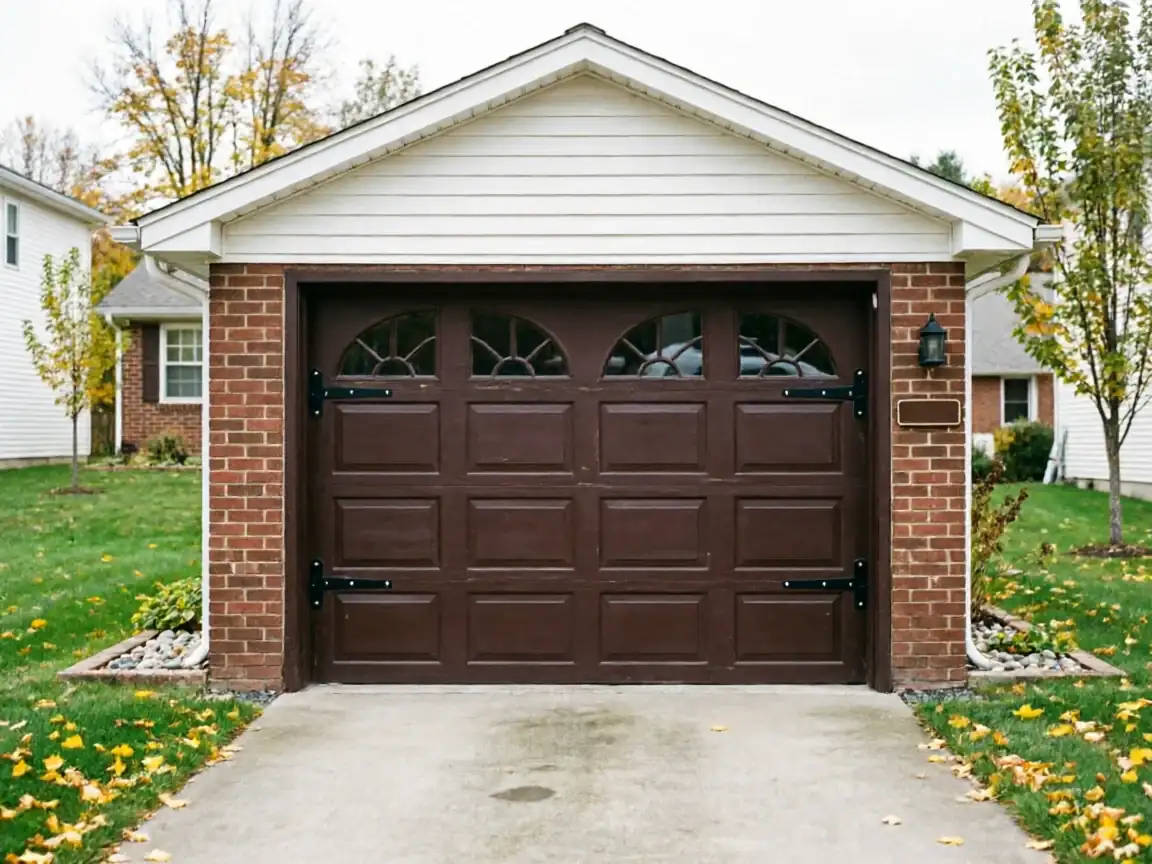
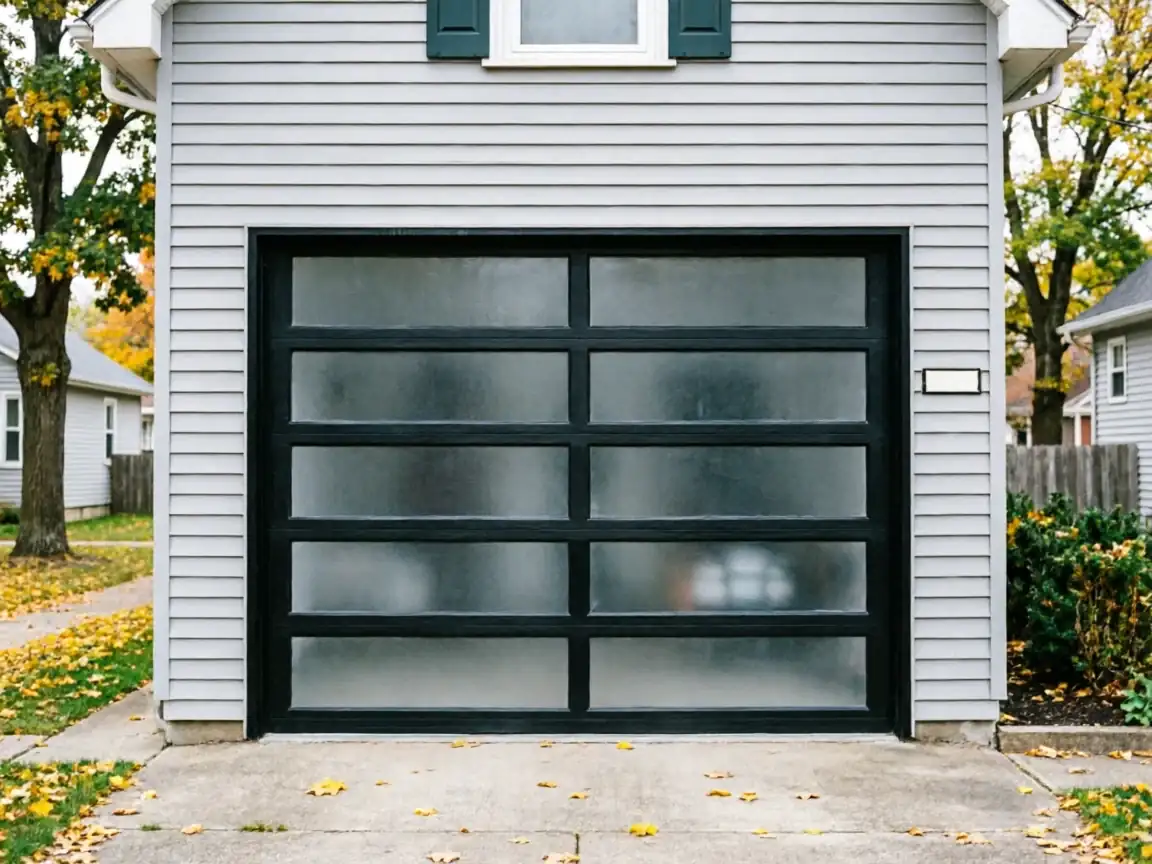
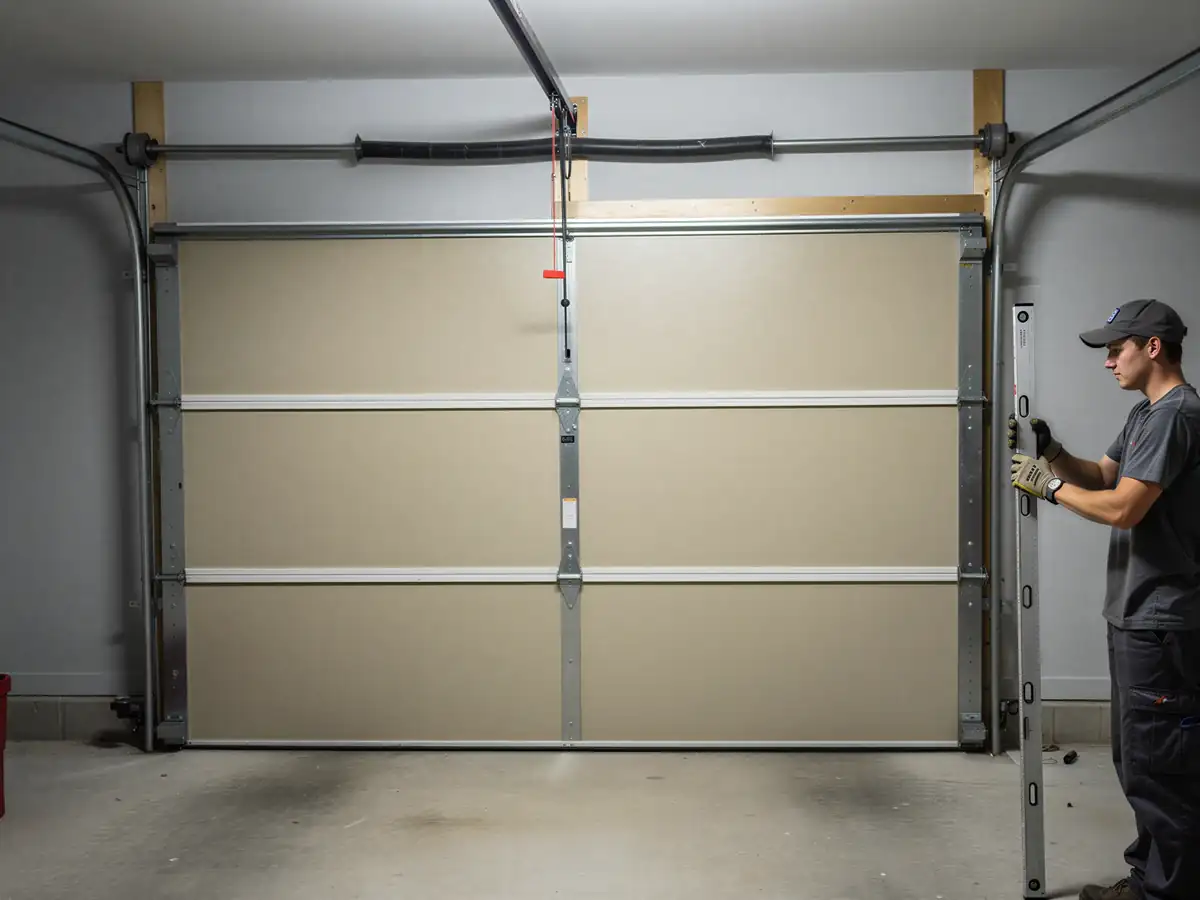
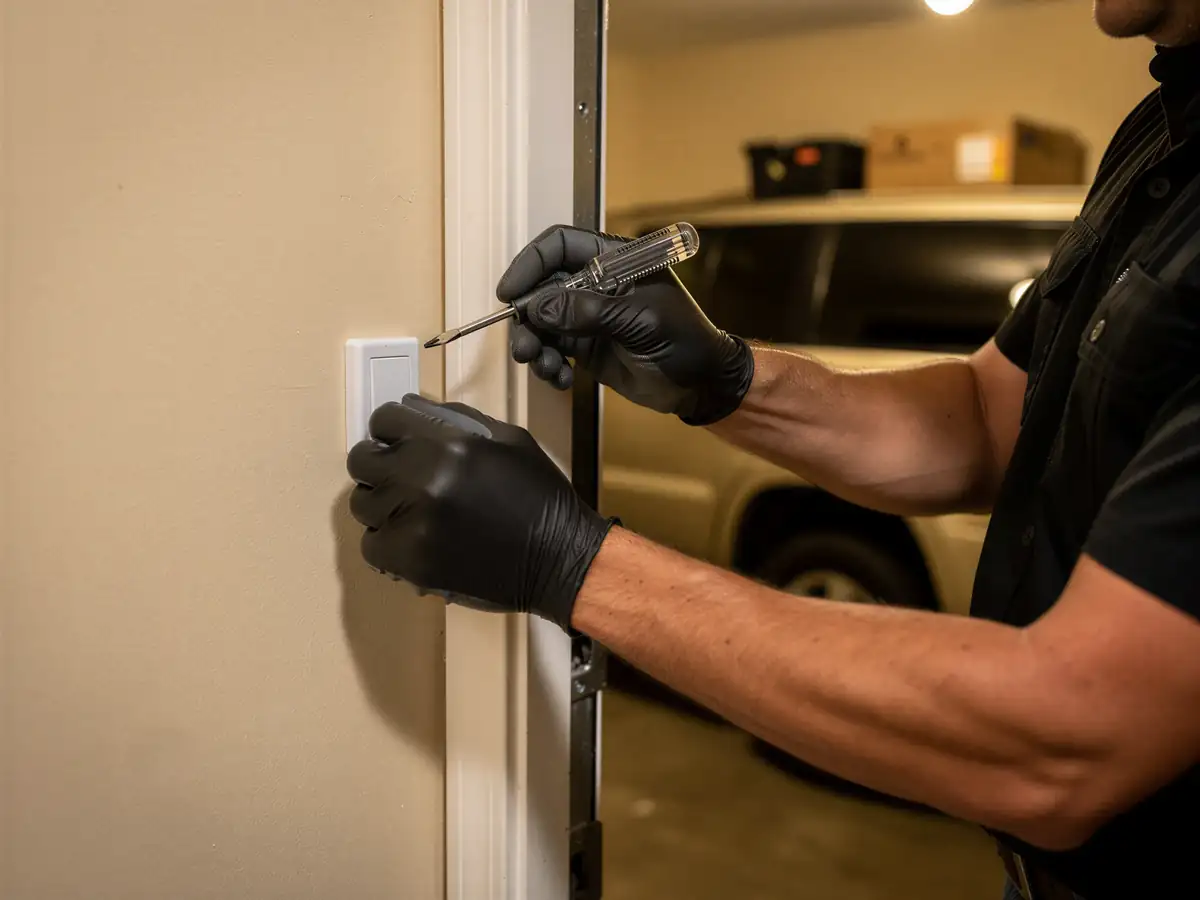
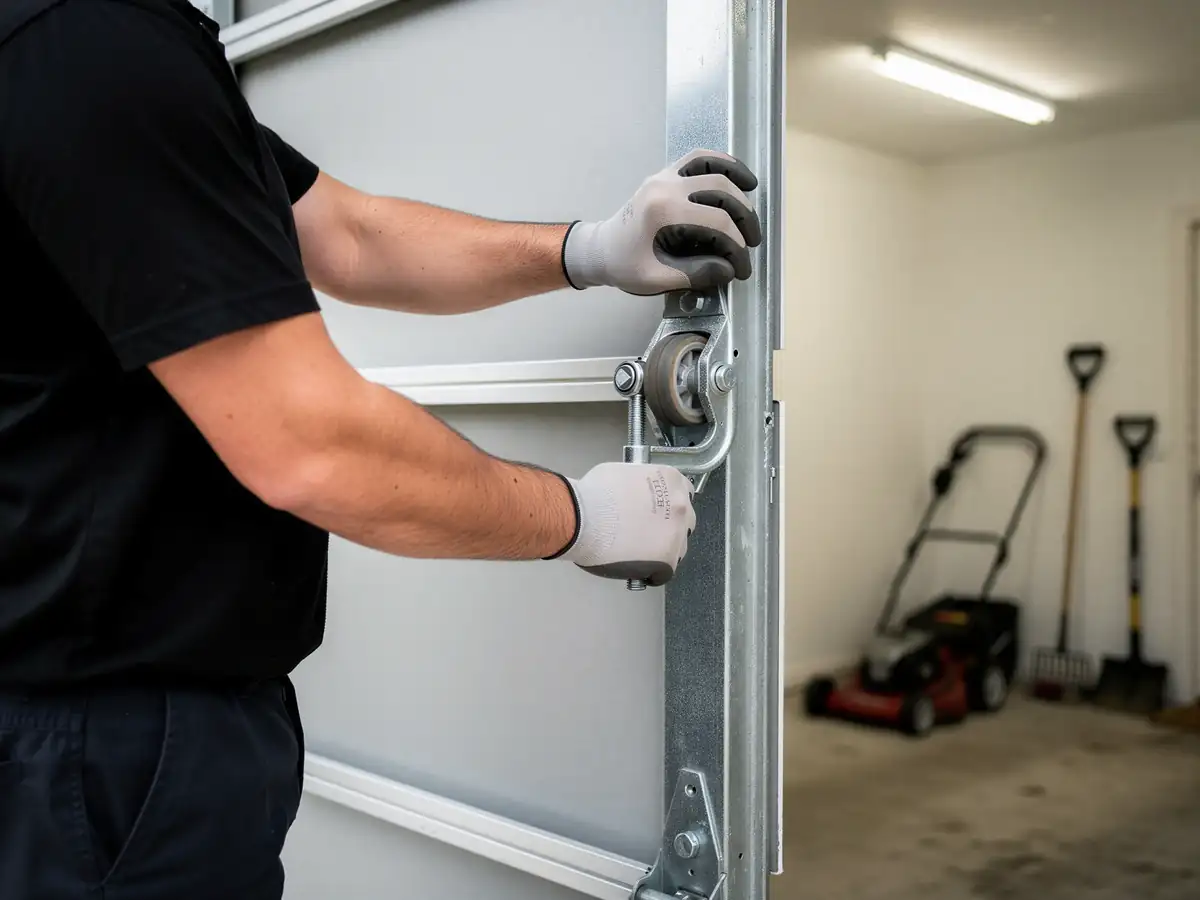
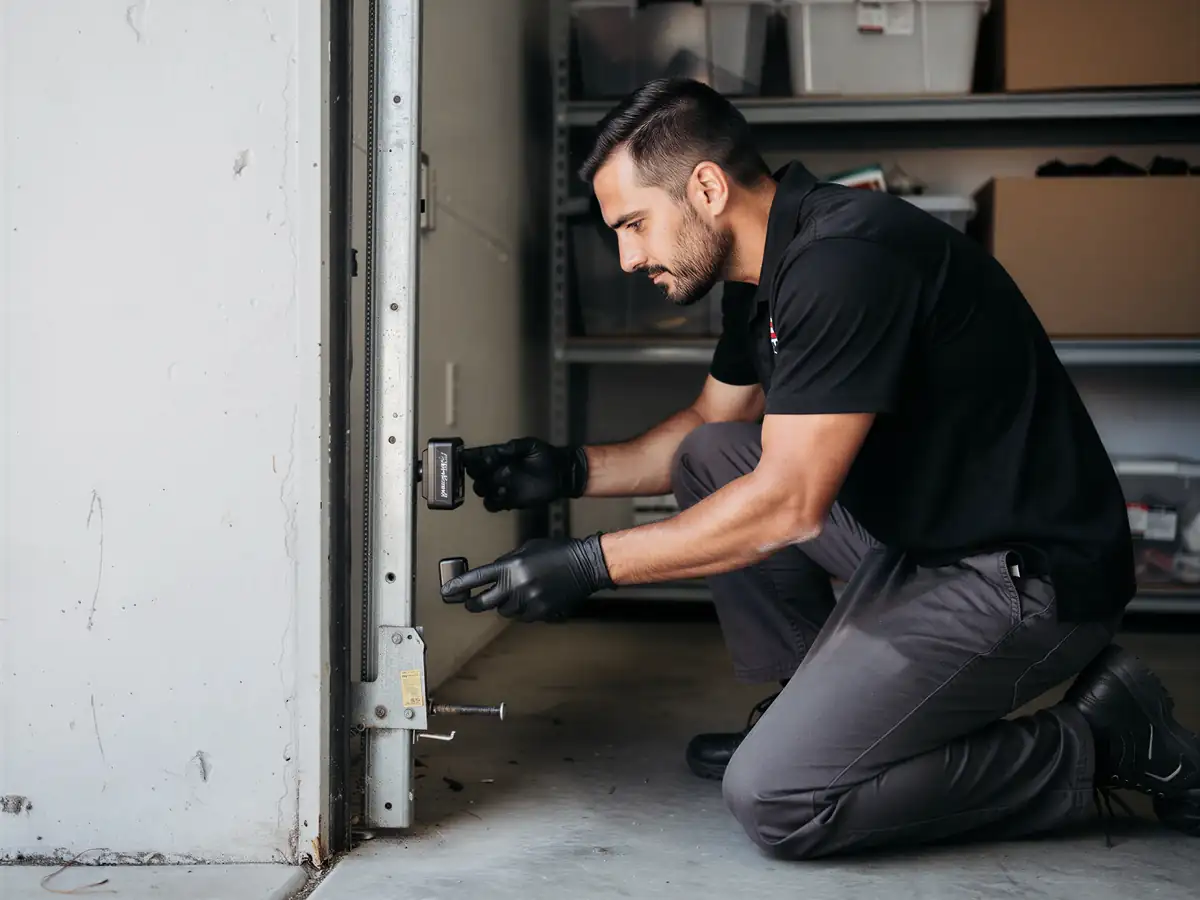
A proper new install isn't just hanging a fresh panel on what's already there. On a house built around 1970, we expect the track, springs, and sometimes the header framing to be sized for the original door's weight and dimensions, so the first step is confirming the new door's specs actually match the opening and the structure behind it - not assuming it will. For this climate band, we size insulation and weatherseal for sustained cold, not just a mild winter now and then, because a door that's fine in October and stiff by December hasn't done its job. We also replace the springs and cables as part of the install rather than reusing original hardware that's been doing its job since the Ford administration. One honest limit here: if the opening itself is out of square or the header's deteriorated, that's a carpentry fix we flag before the door goes in, not something we paper over with shims and hope.