The Complications
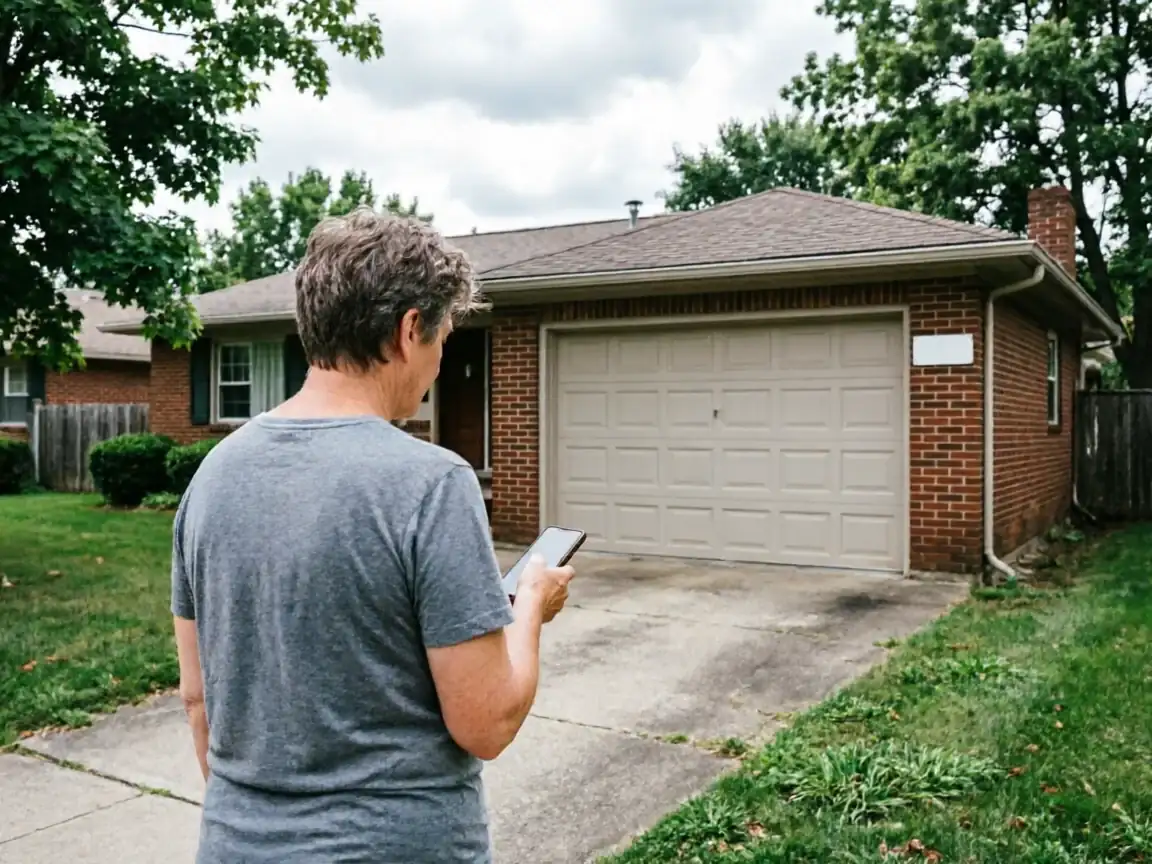
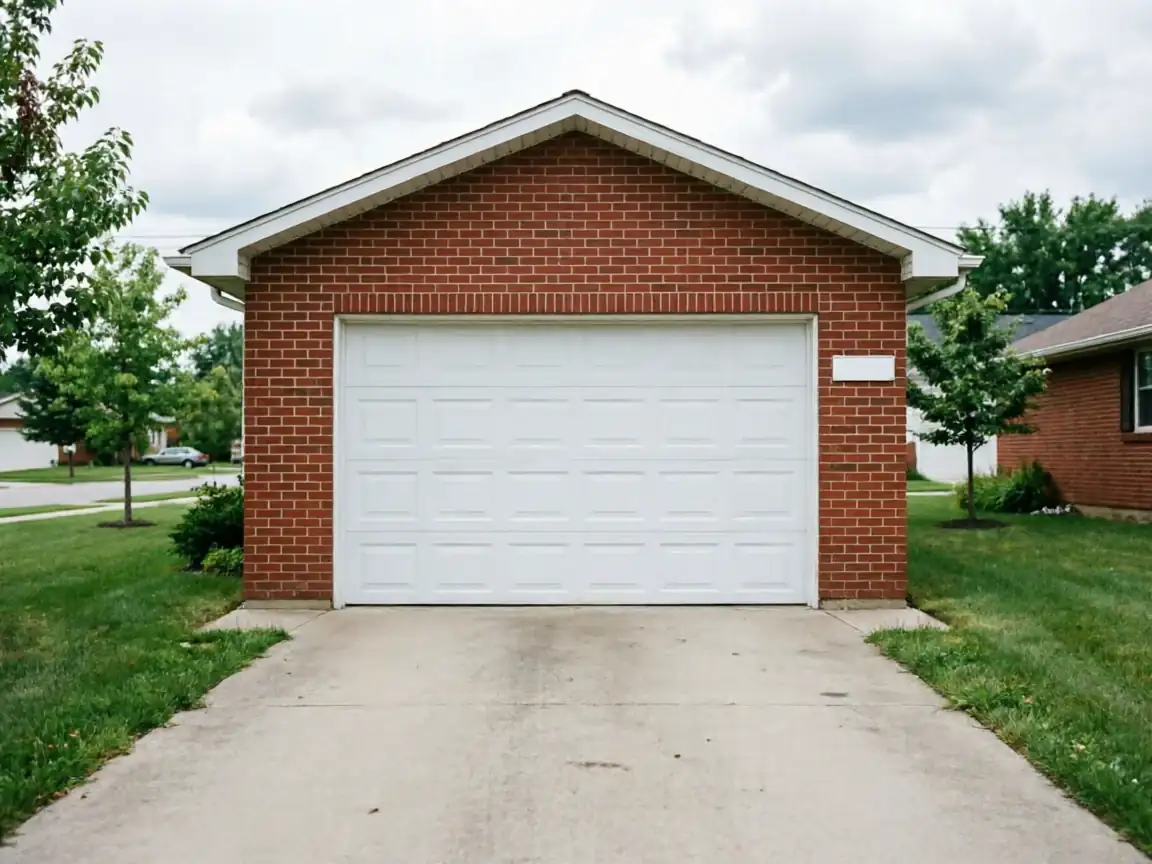
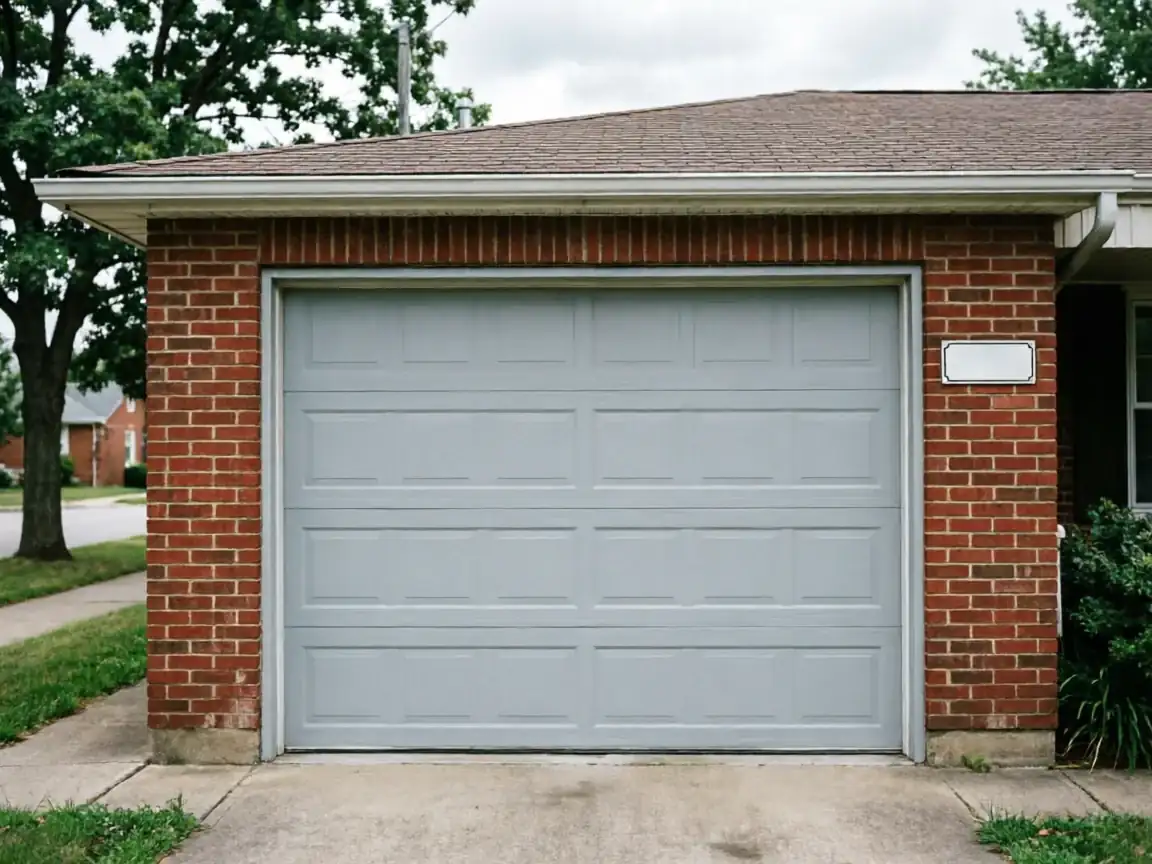
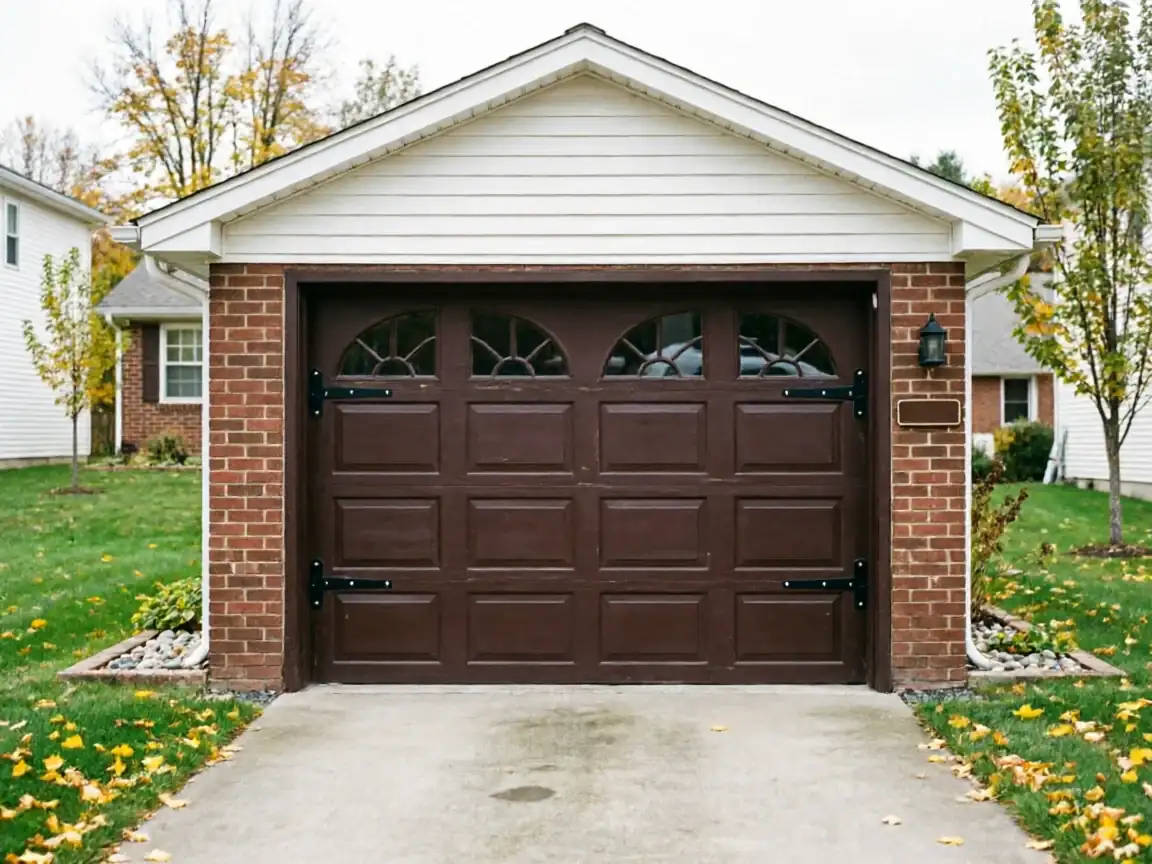
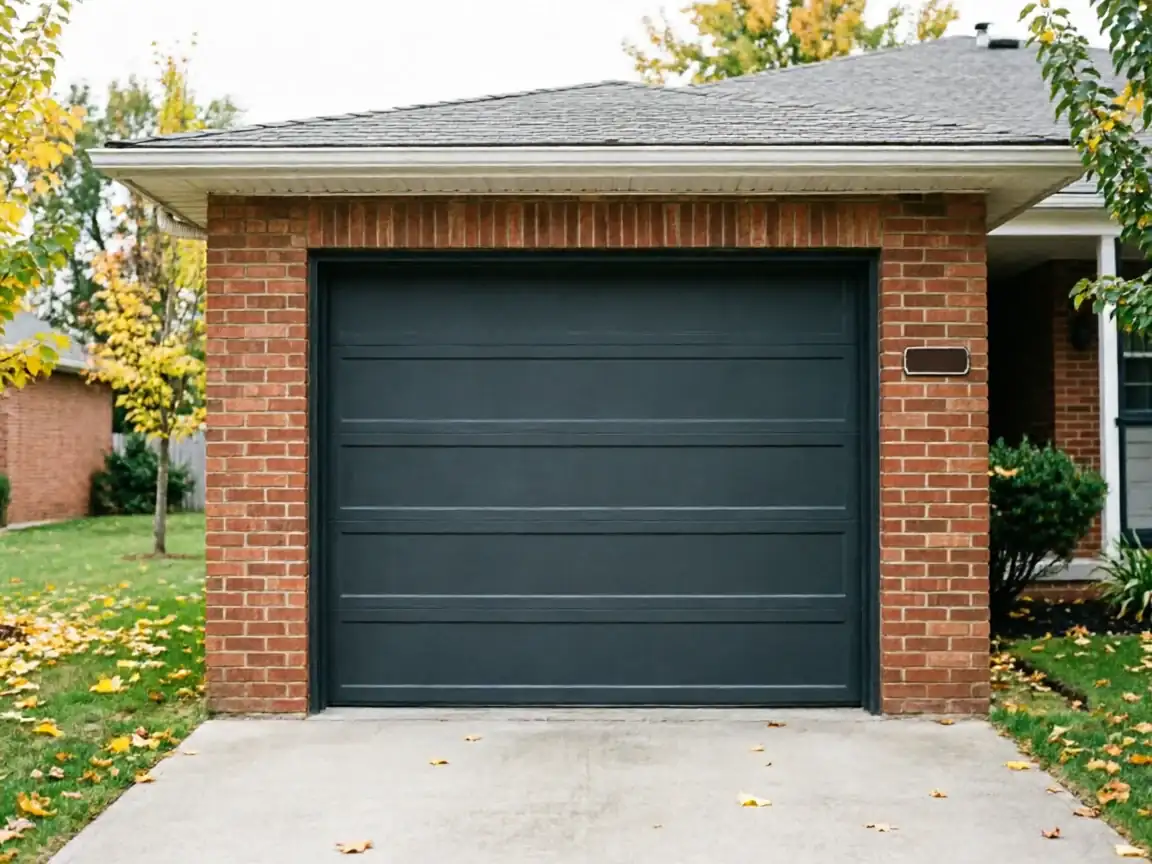
Most houses in Laingsburg went up around 1970
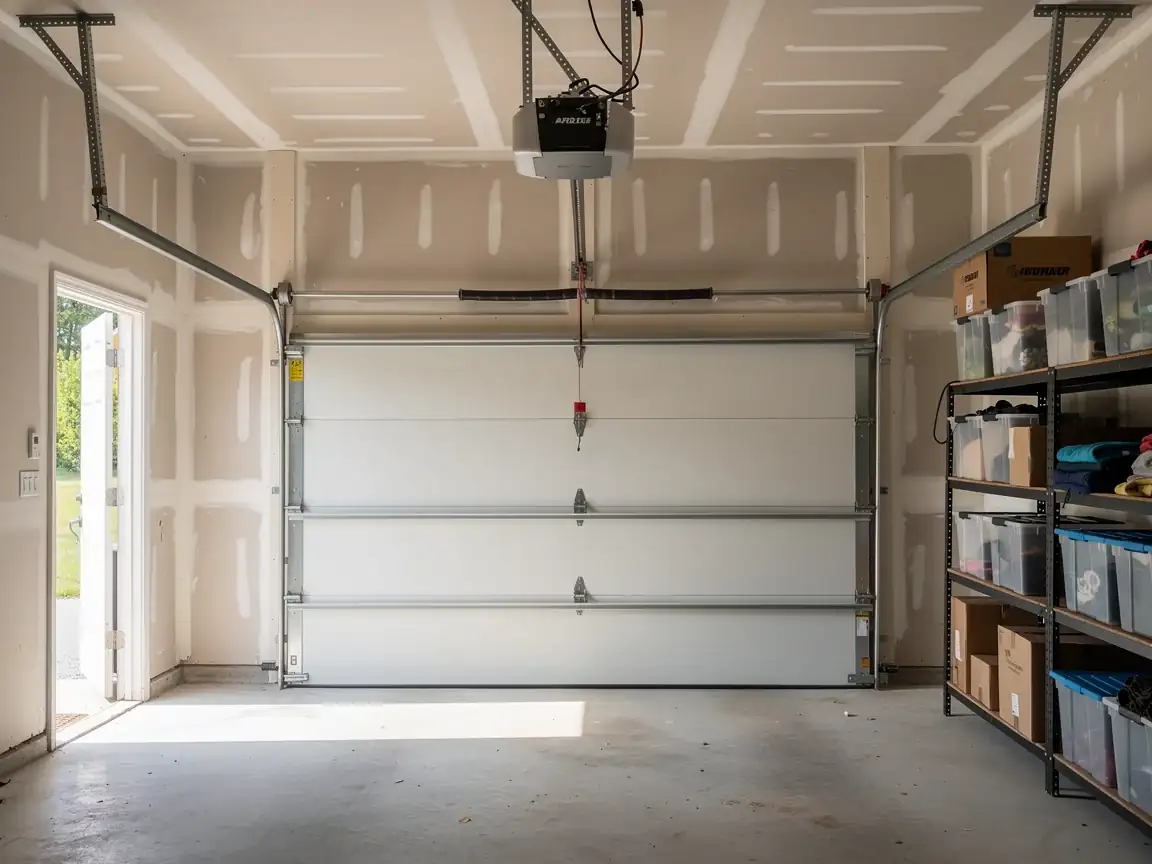
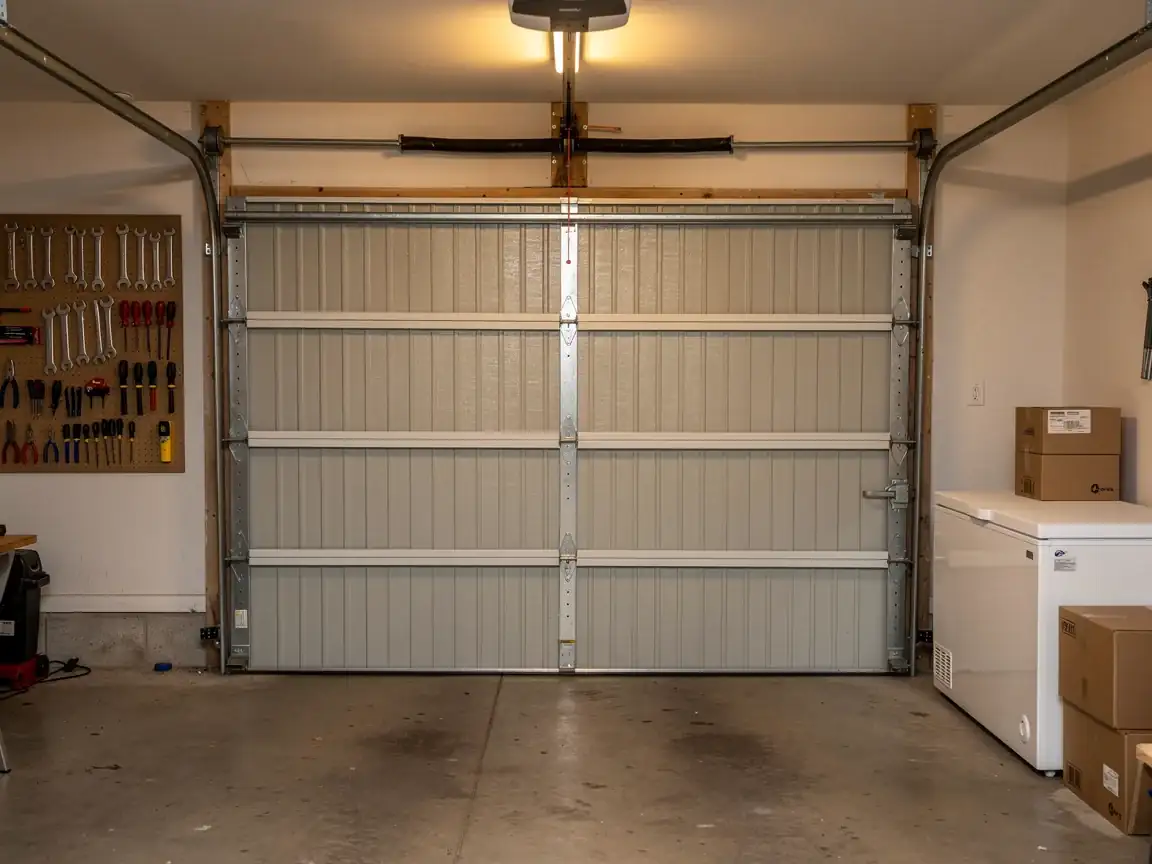
And a lot of that original garage hardware has never been swapped out. That means the track brackets holding your rails to the jamb are over fifty years old, fastened with lag screws that have worked loose in the wood a dozen times over without anyone noticing until the door actually jumps the rail. On a door that old, the track itself has usually seen one or two bends nobody bothered to straighten, which is exactly the kind of deformity that lets rollers walk out of the channel under load.
With only 523 households in town, this isn't a street where every third garage has had a full rebuild
A lot of these doors are running on hardware nobody's touched since the Nixon administration. When a door comes off track here, it's rarely a one-off accident. It's usually the last straw after years of a slightly bent rail or a bracket pulling away from framing that's been drying and shrinking since 1970.
- 523 households
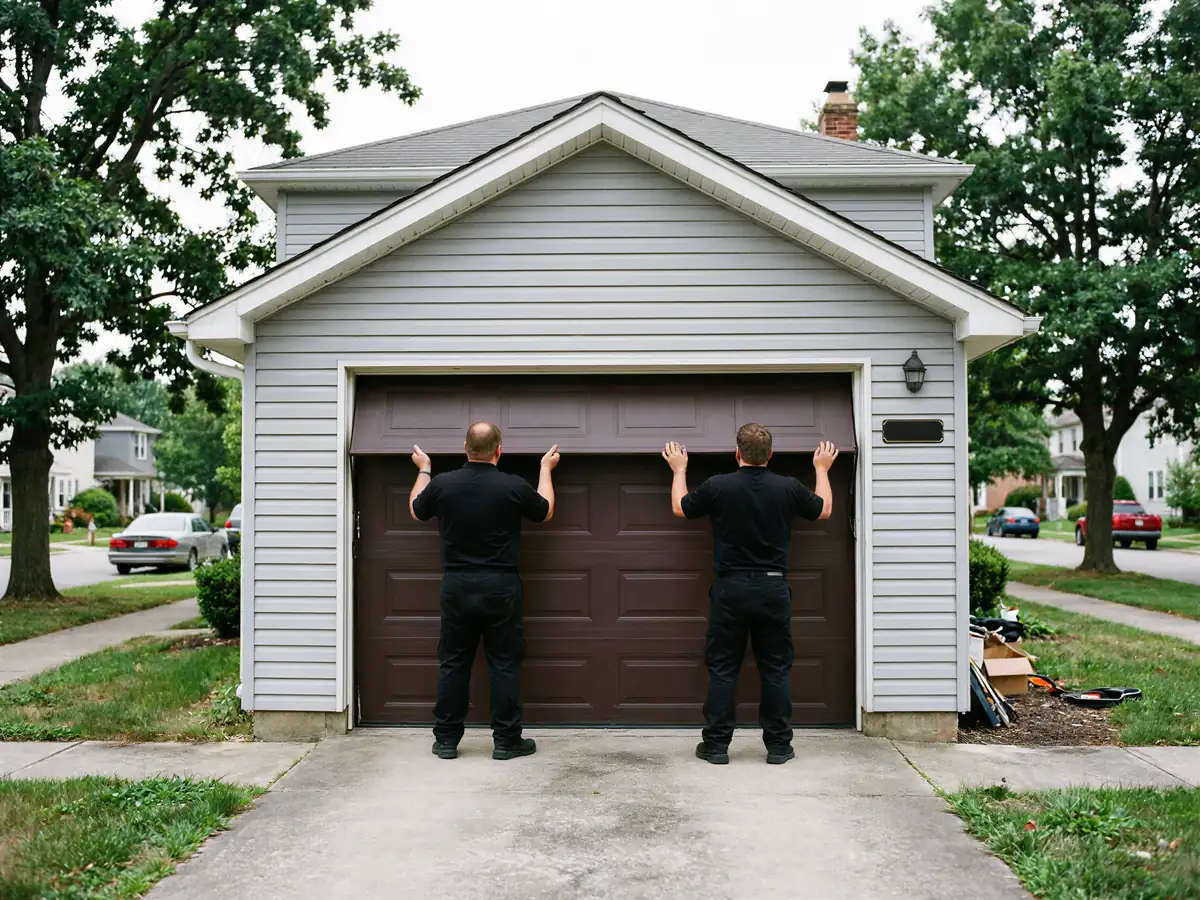
An off-track door is not safe to force closed or open by hand
If a cable has slipped along with the rollers, the door can come down unevenly and the whole panel can rack or drop. Leave it where it sits and call before you try to muscle it back into the track yourself.
What Causes It Around Here
Mid-Michigan's cold band is severe, and that matters more on fifty-year-old track than it does on new. Steel rail contracts in hard cold, and on a track that's already slightly bowed from decades of use, that contraction is enough to let rollers catch at the bend and pop sideways instead of rolling through. Add a winter's worth of ice and road salt tracked in on tires and boots, and the bottom few feet of rail corrode faster than the rest, widening the channel just enough for a roller to slip.
The other common cause on original hardware is a bracket that's backed out of the jamb. Wood framing moves with humidity and freeze-thaw cycles over fifty-plus years, and a lag screw that was snug in 1970 can be loose enough today to let the whole track flex under the door's weight. Once a bracket moves, the rail misaligns a few degrees, and that's often all it takes for the door to walk off the track on its next cycle.
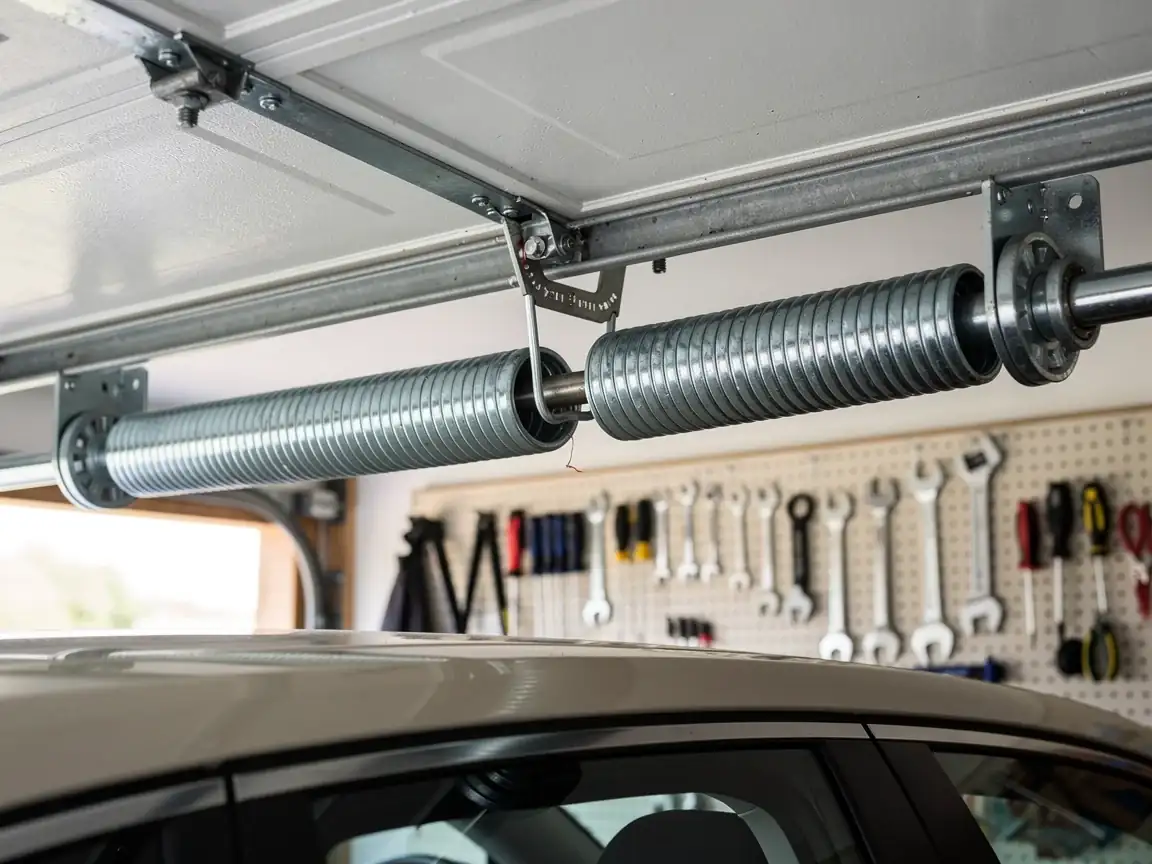
A broken cable or a spring that's lost tension will also pull a door sideways off its rail, especially on original torsion hardware that was never upgraded. None of this is unique to one house - it's the shared age of the housing stock doing the work.
How We Fix It
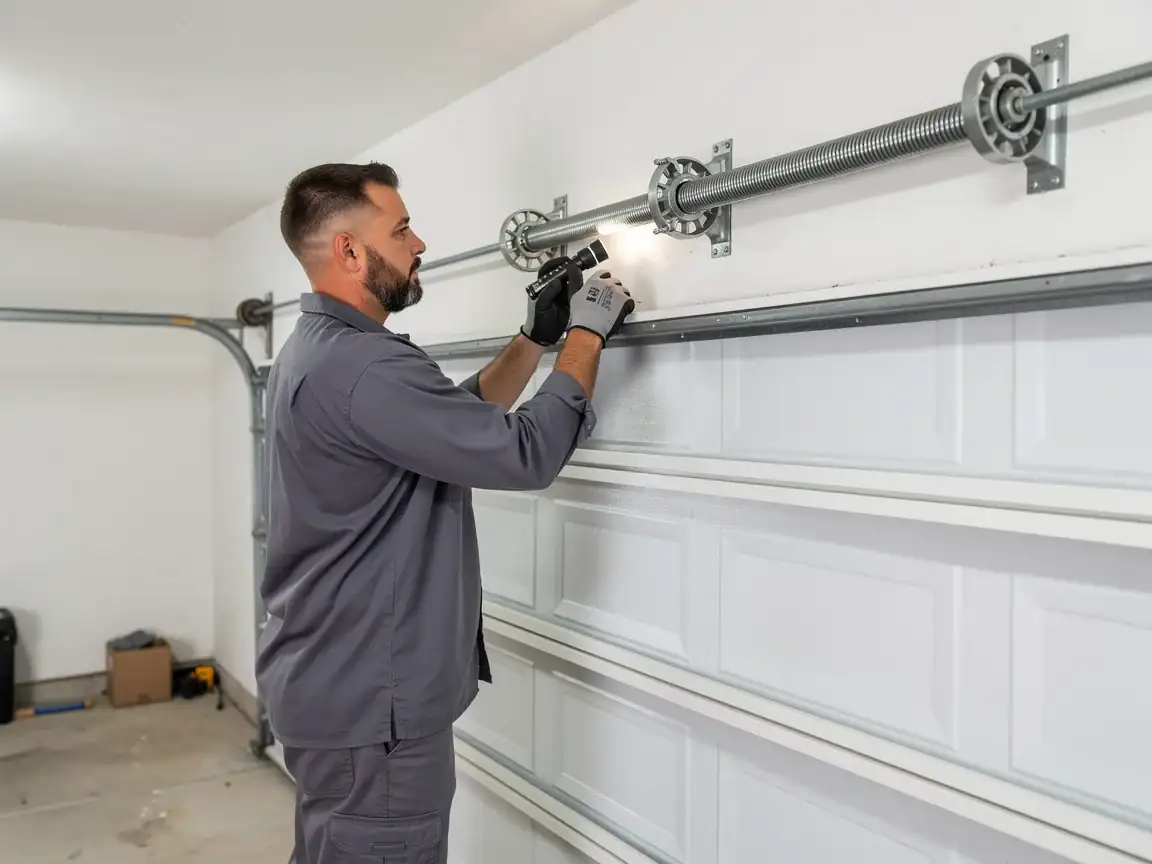
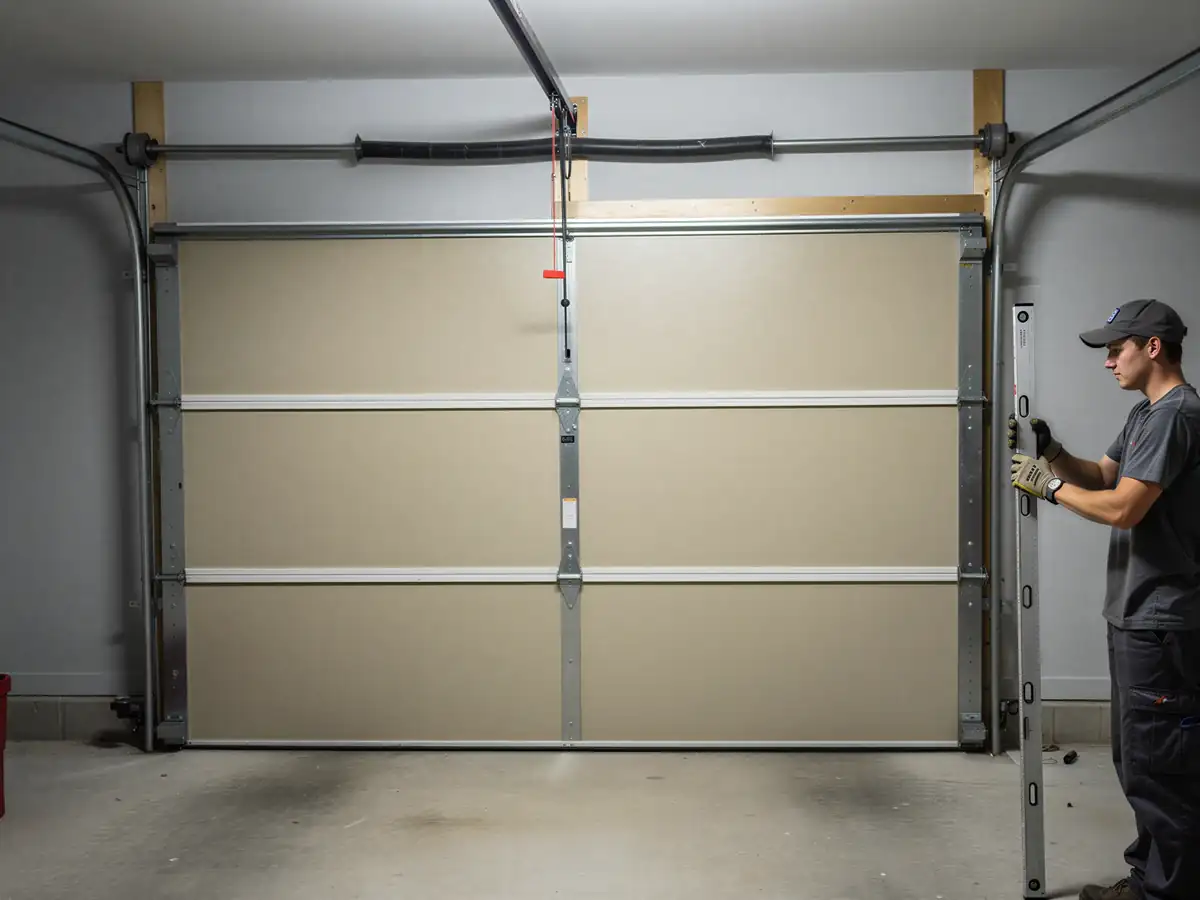
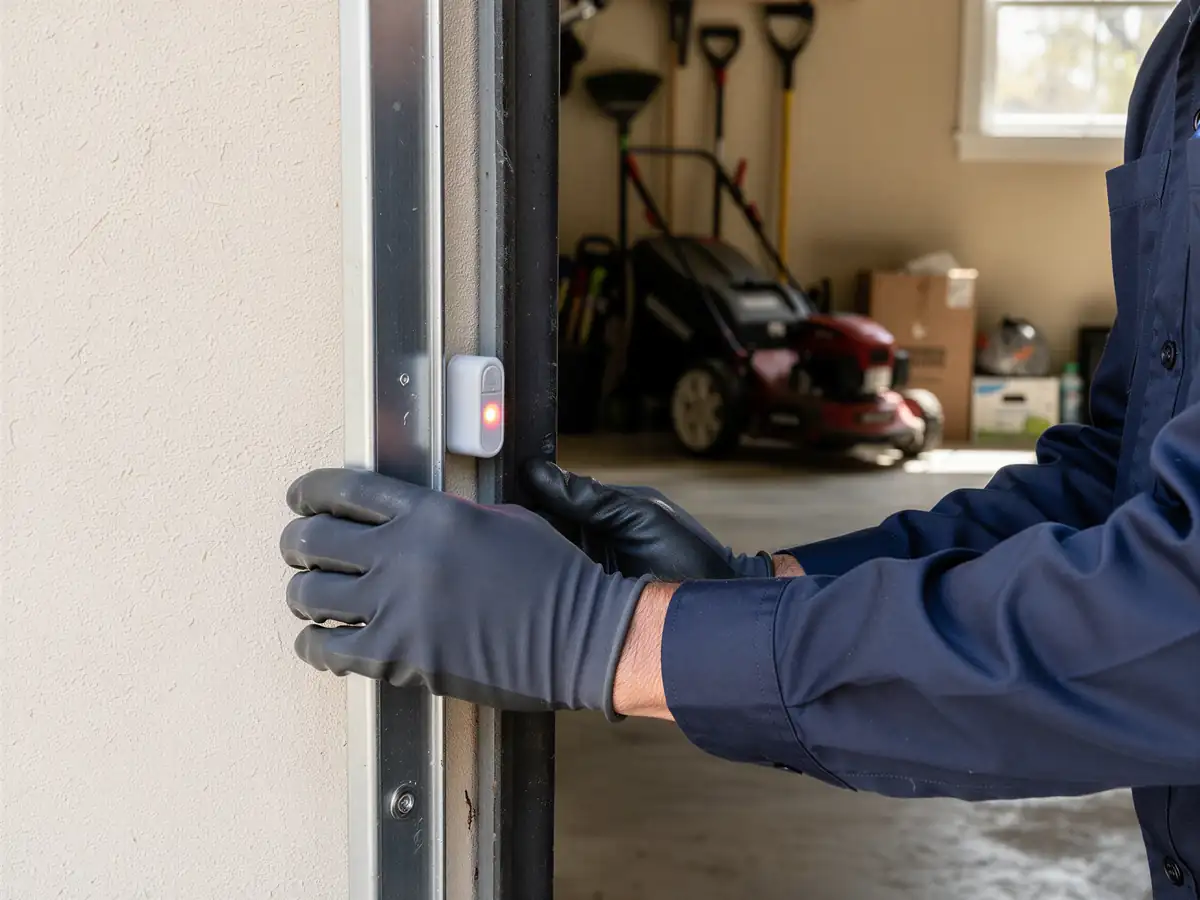
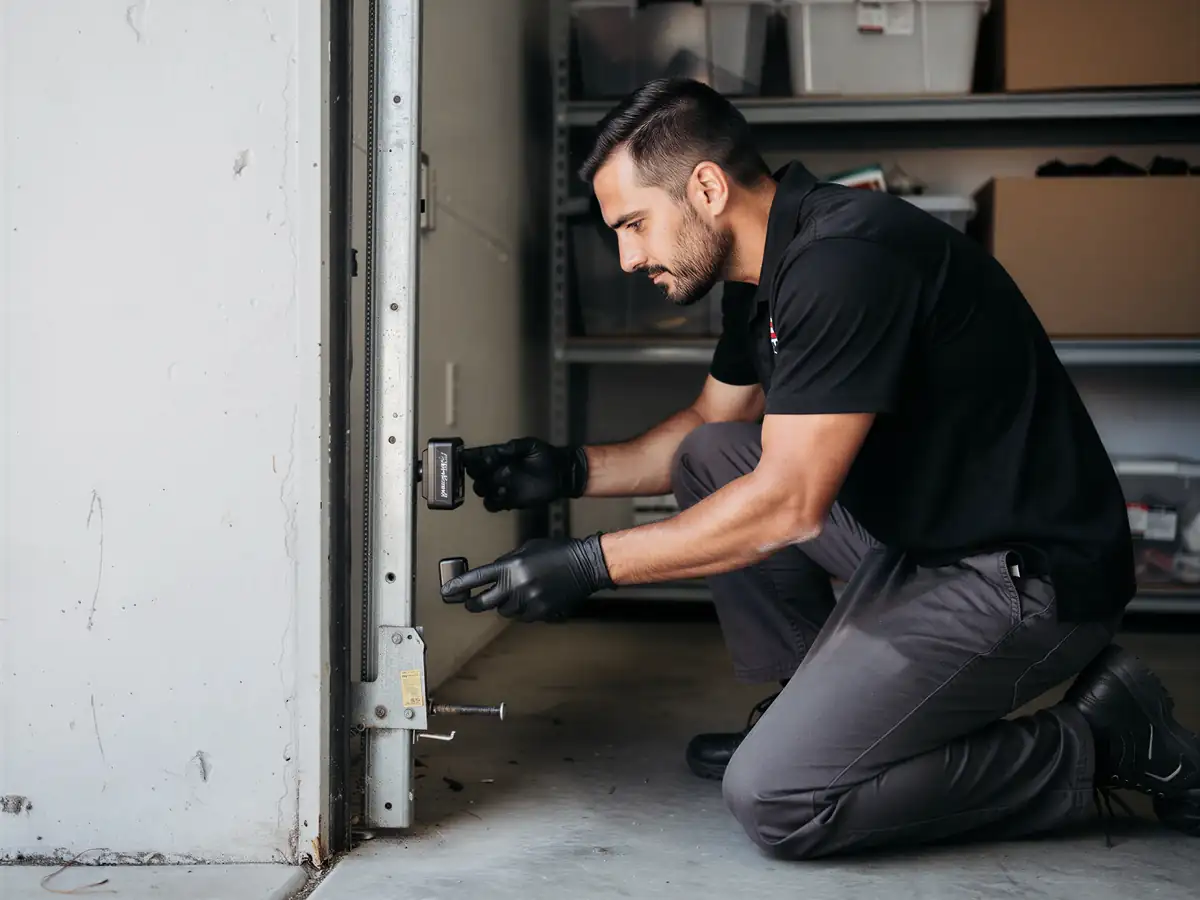
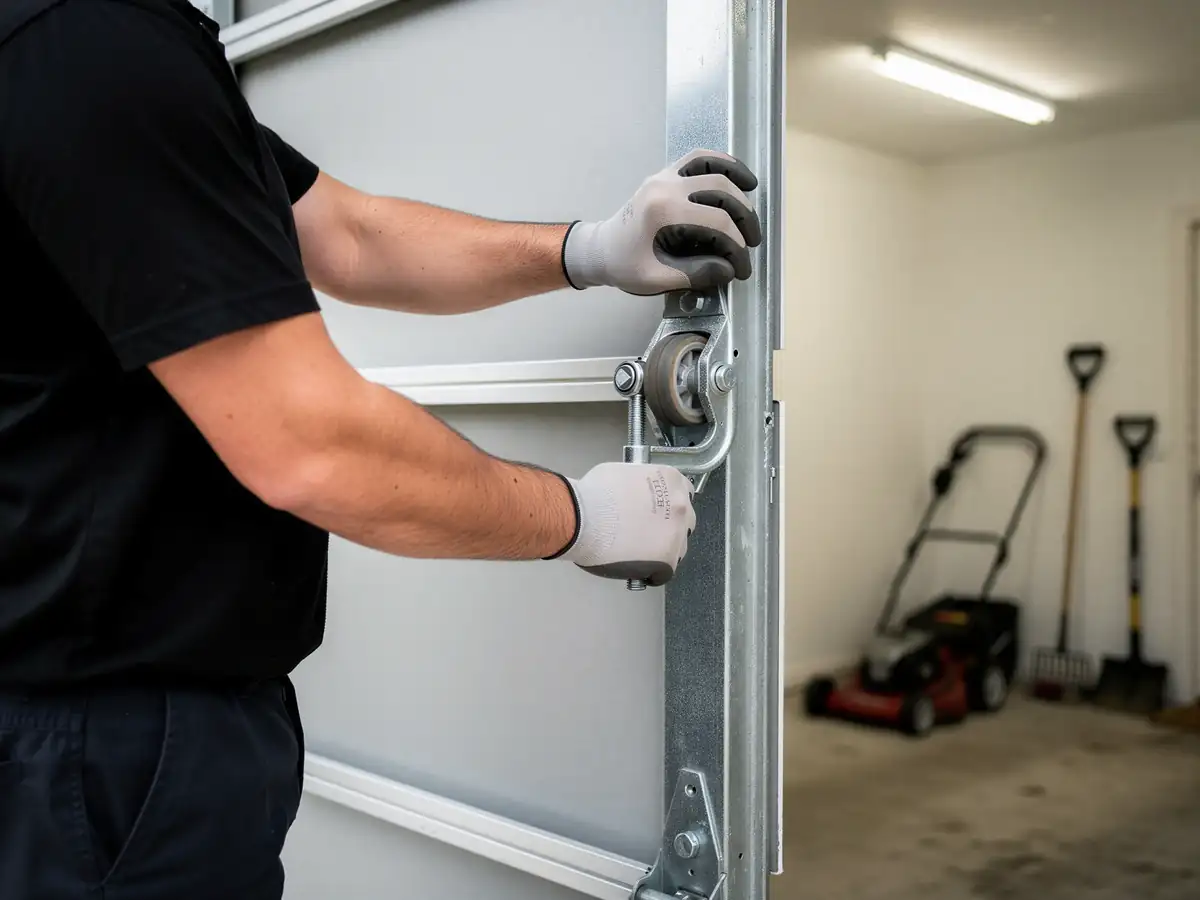
First thing on site is checking whether the track itself is bent or just misaligned - those are two different repairs. A bent rail gets straightened or replaced outright if the bend is sharp enough that straightening won't hold. If the problem is a loose or pulled bracket, we re-anchor it into solid framing, which on a 1970-era house sometimes means moving the fastener a couple inches over to find wood that hasn't softened.
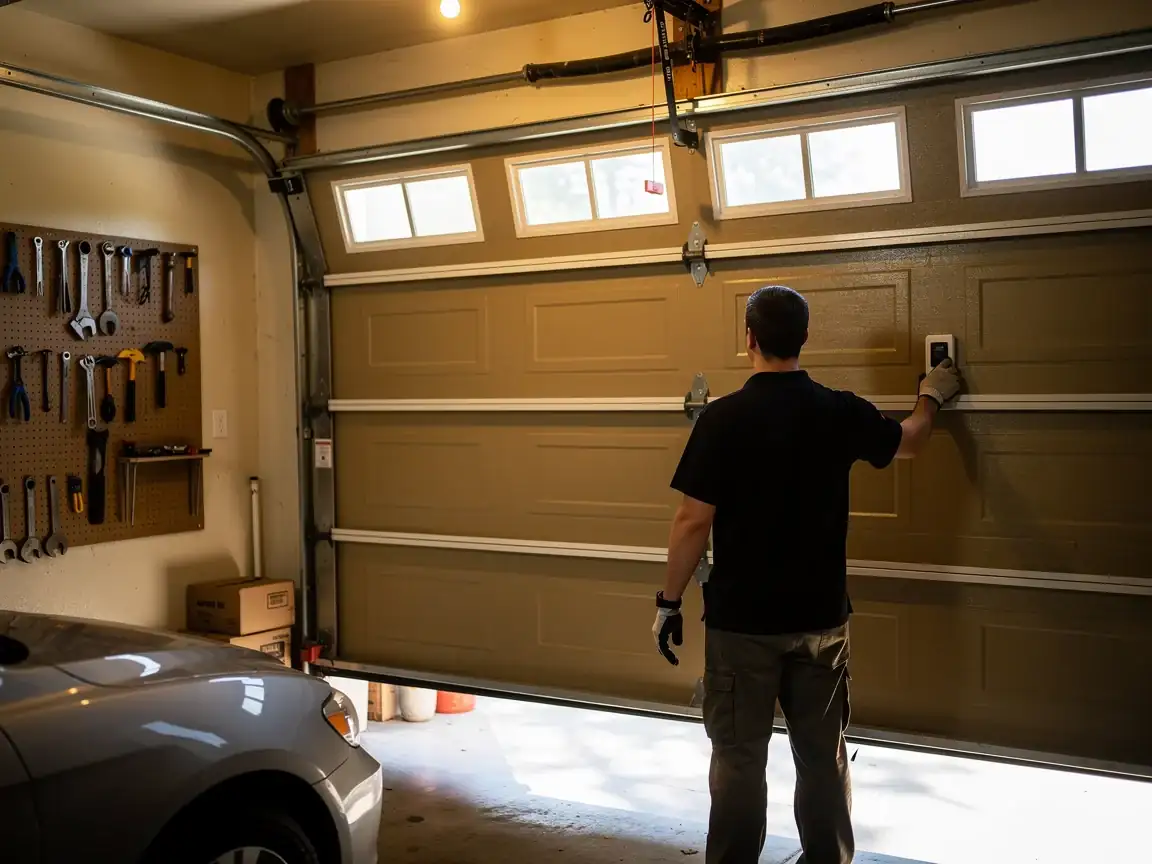
We reset the rollers into the channel, check the cable drums for fraying, and run the door through a full cycle under power before calling it done. If the opener's travel limits were thrown off by the door riding crooked, we reset those too. On original torsion hardware, we check spring tension at the same time, since a weak spring is often what let the door rack in the first place.
Honest limitation: if the track or bracket hardware is original from 1970 and has corroded or cracked rather than just bent, we're not going to patch it and send you on your way. Fifty-year-old steel that's pitted through doesn't hold a repair for long, and we'll tell you straight when replacement is the better money.
Time on the Job
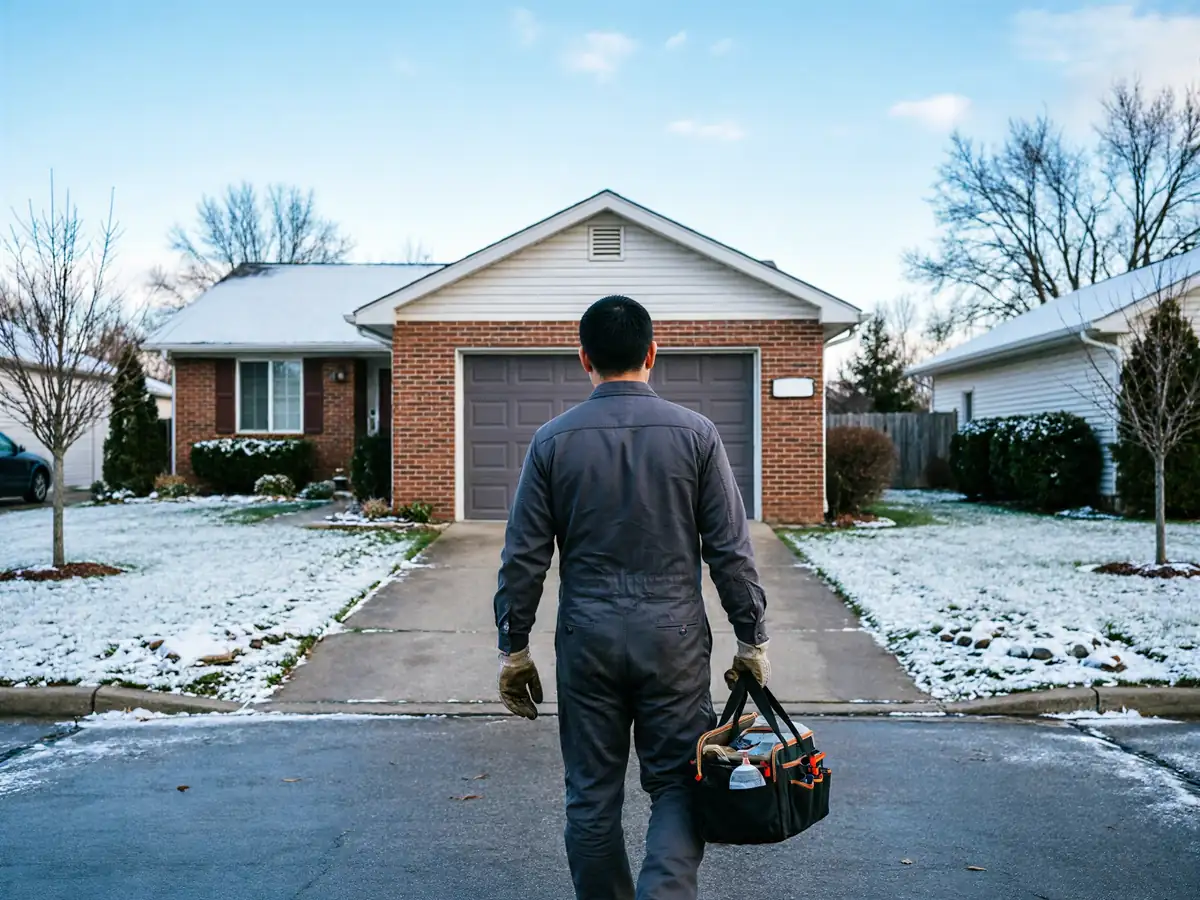
We run out from East Lansing, about 12 miles to Laingsburg
So there's a drive built into every visit - we don't have a crew sitting in town waiting. Most off-track calls on original 1970-era hardware run an hour to ninety minutes once we're on site: track realignment and bracket work doesn't take long, but checking spring tension and opener travel on top of it adds time most newer-door jobs don't need.
- 12 miles
If the track itself needs replacing rather than straightening, that's a longer job, and depending on what's in the truck that day it may mean a second trip for parts that match an older rail profile
We'd rather tell you that up front than rush a fix that doesn't hold through the next cold snap.