What Causes It Around Here
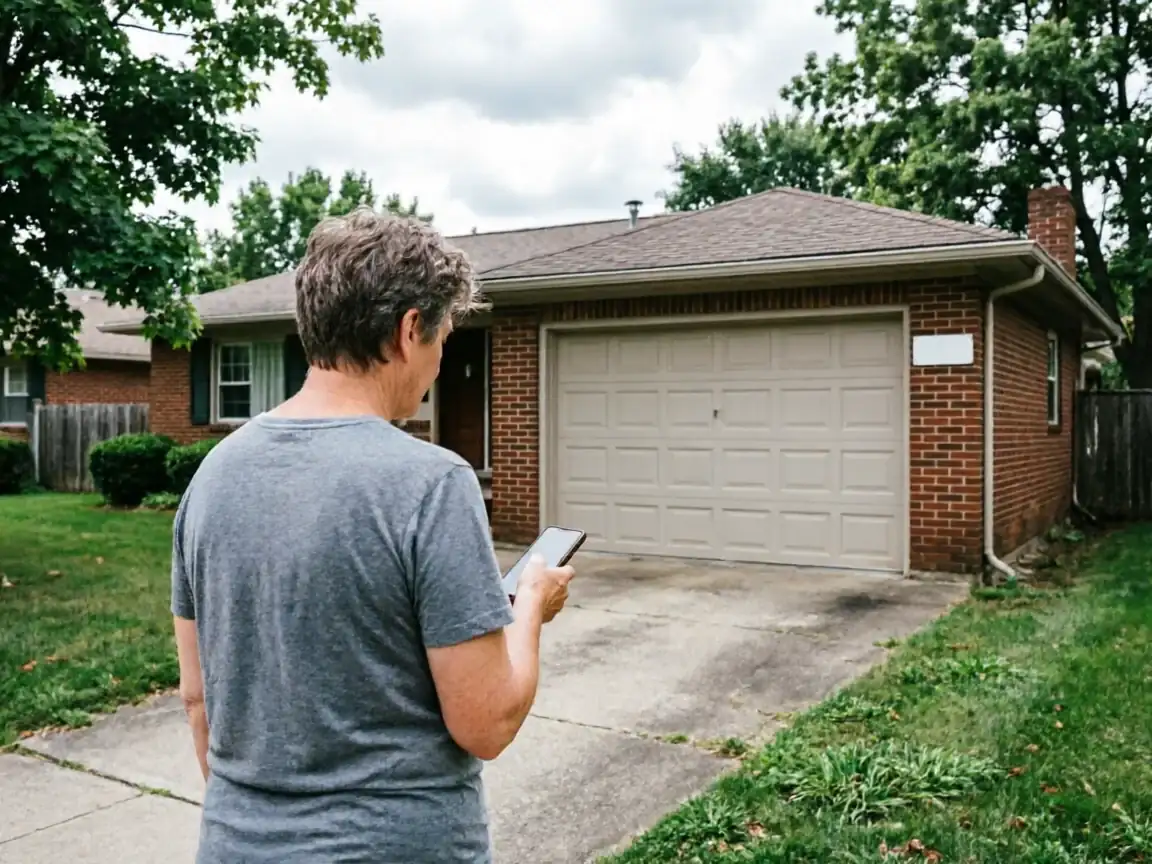
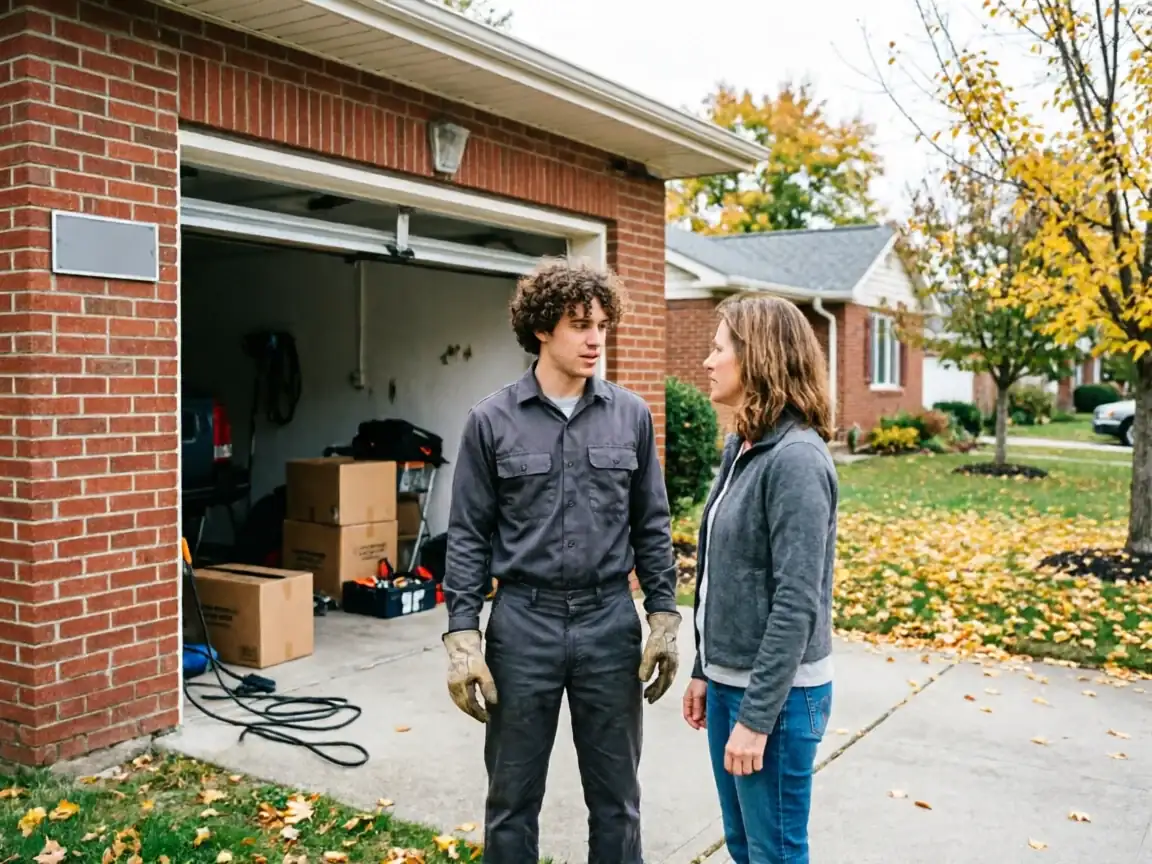
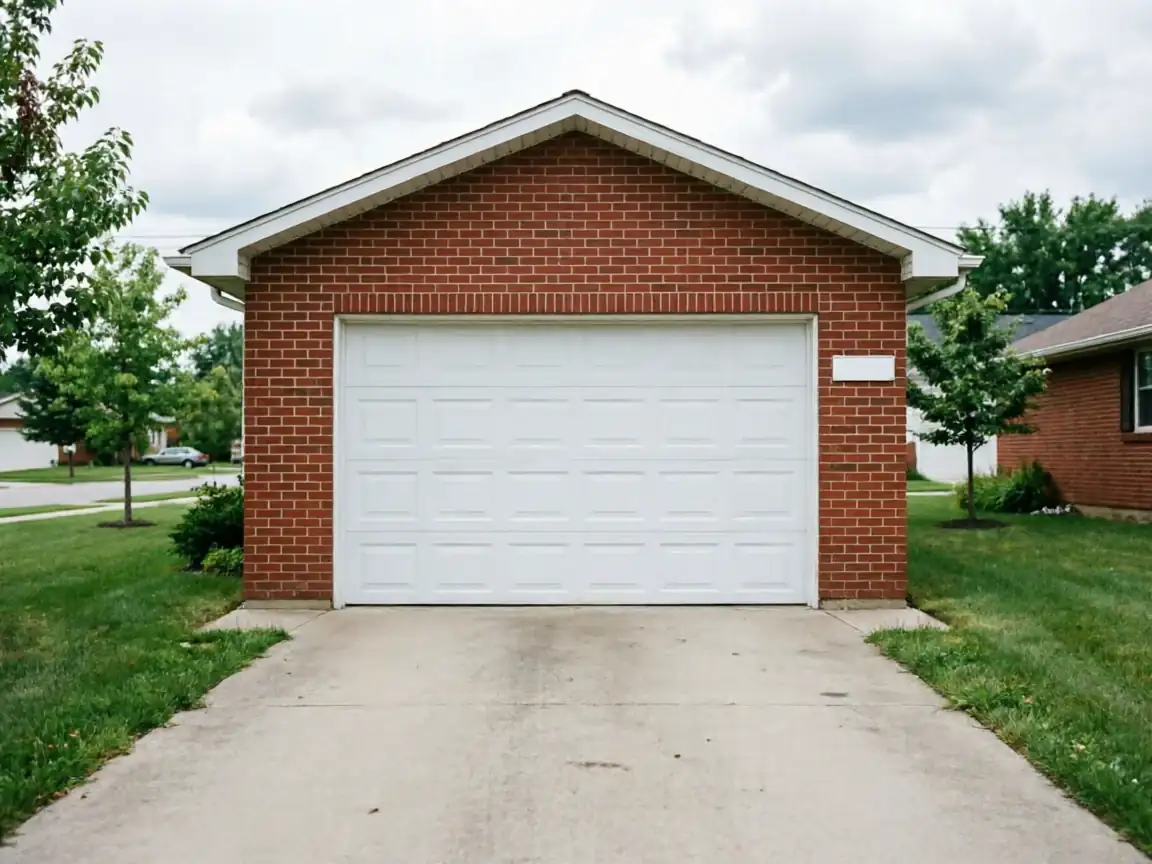
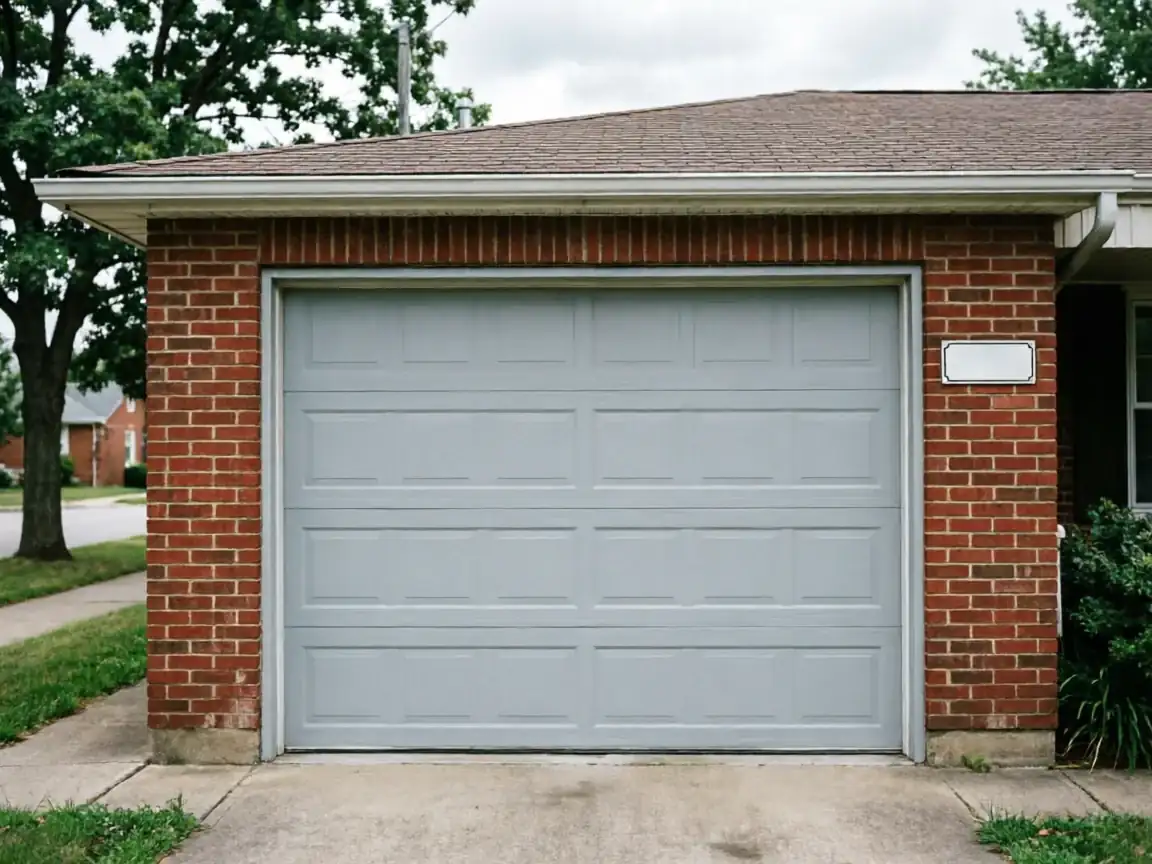
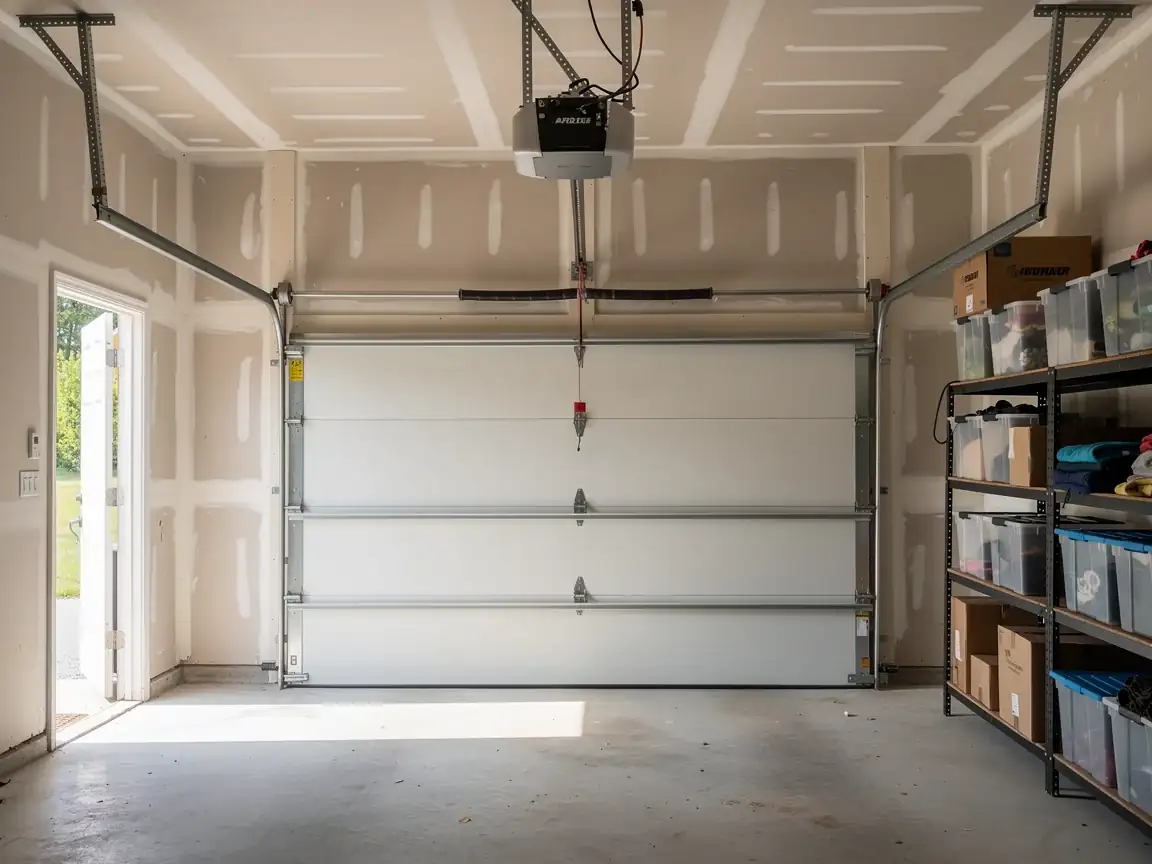
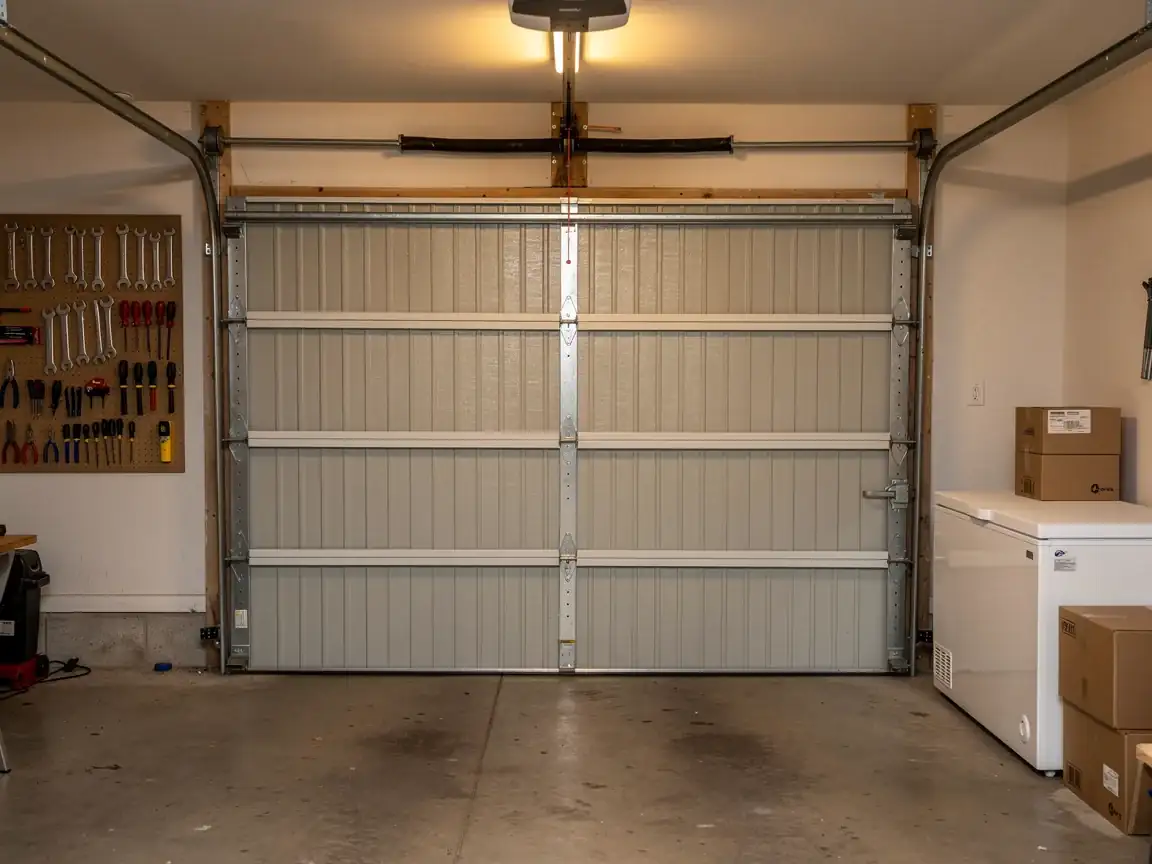
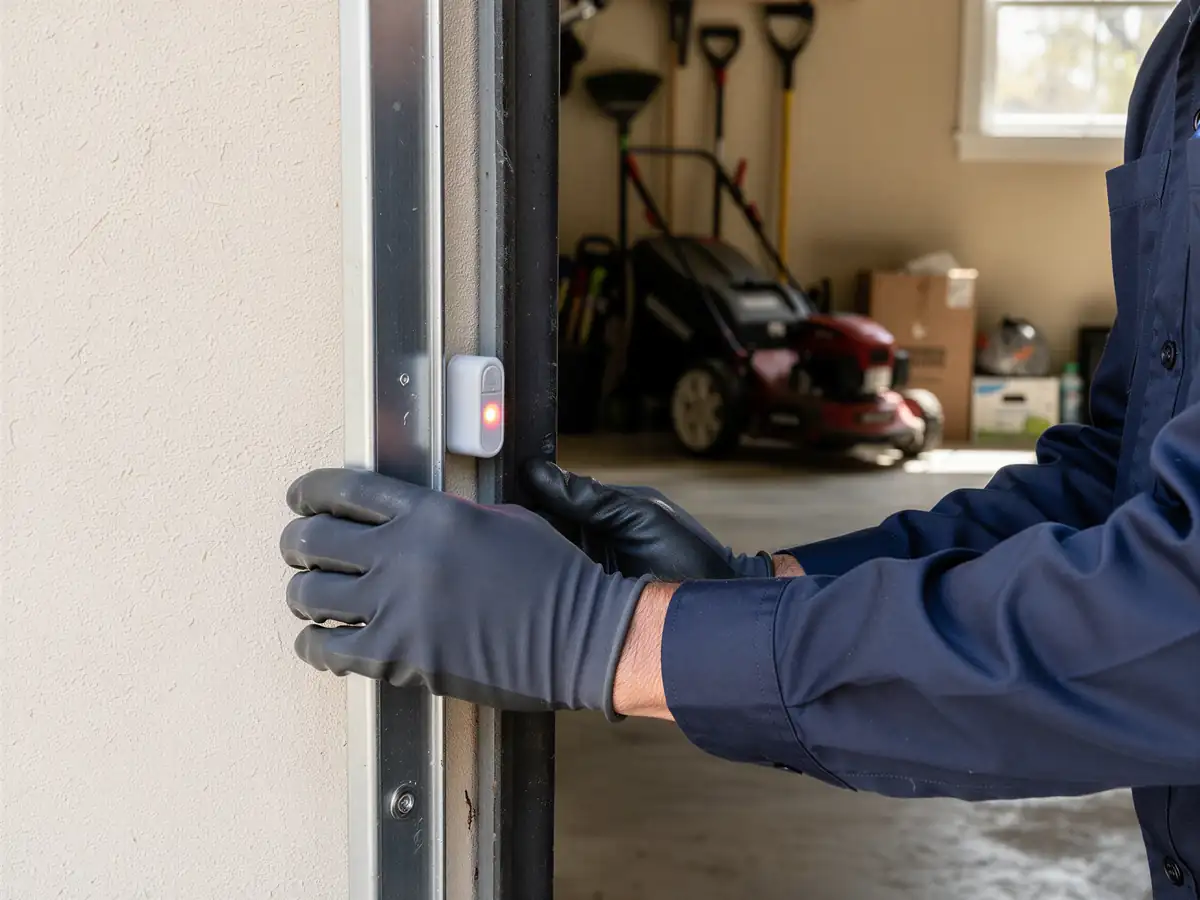
The region sits in a severe cold band, and that cold works on a 1970-built steel door in ways that show up as opener problems even though the opener itself is fine. Steel contracts in deep cold, and over fifty-plus years the header and jamb framing on these older garages has shifted enough that the door doesn't sit square anymore. An opener fighting a door that binds partway up will trip its force settings, wear its drive gear faster, or just quit lifting altogether. Add in the original lightweight track hardware - sized for a hand-lifted door, not a motor pulling against a stuck roller - and you get callouts that look like opener failure but start at the rail. Laingsburg's small size, around 523 households, means this housing pattern is fairly consistent block to block rather than mixed with a lot of newer construction, so when we see one 1970-era door with sagging track brackets, it's usually not an outlier for the area.
How We Fix It
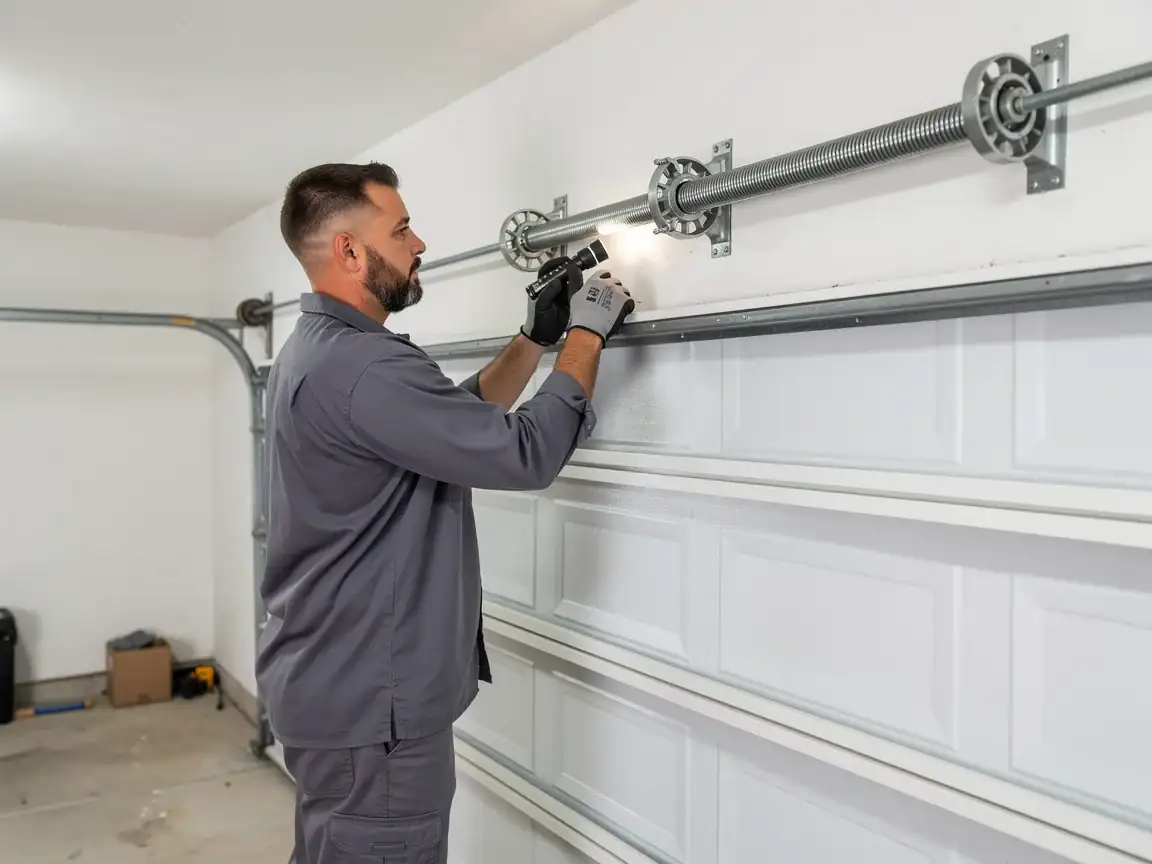
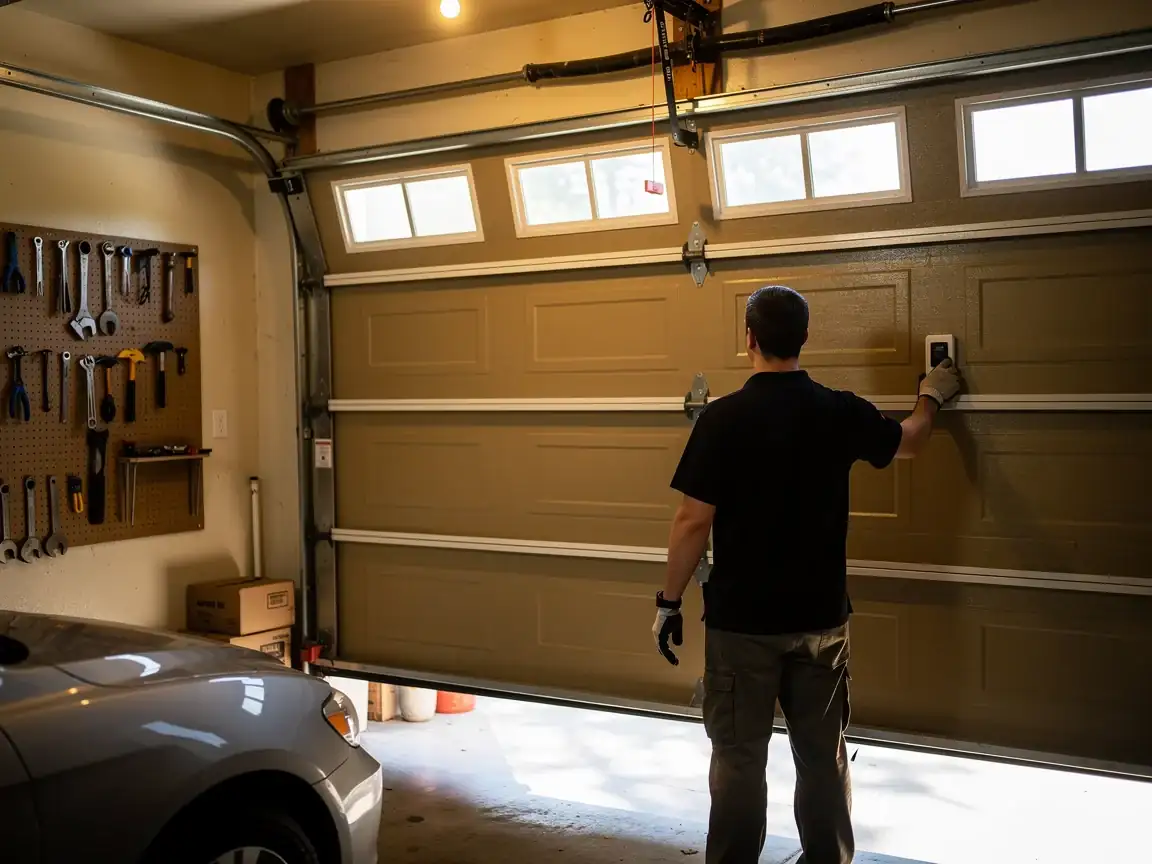
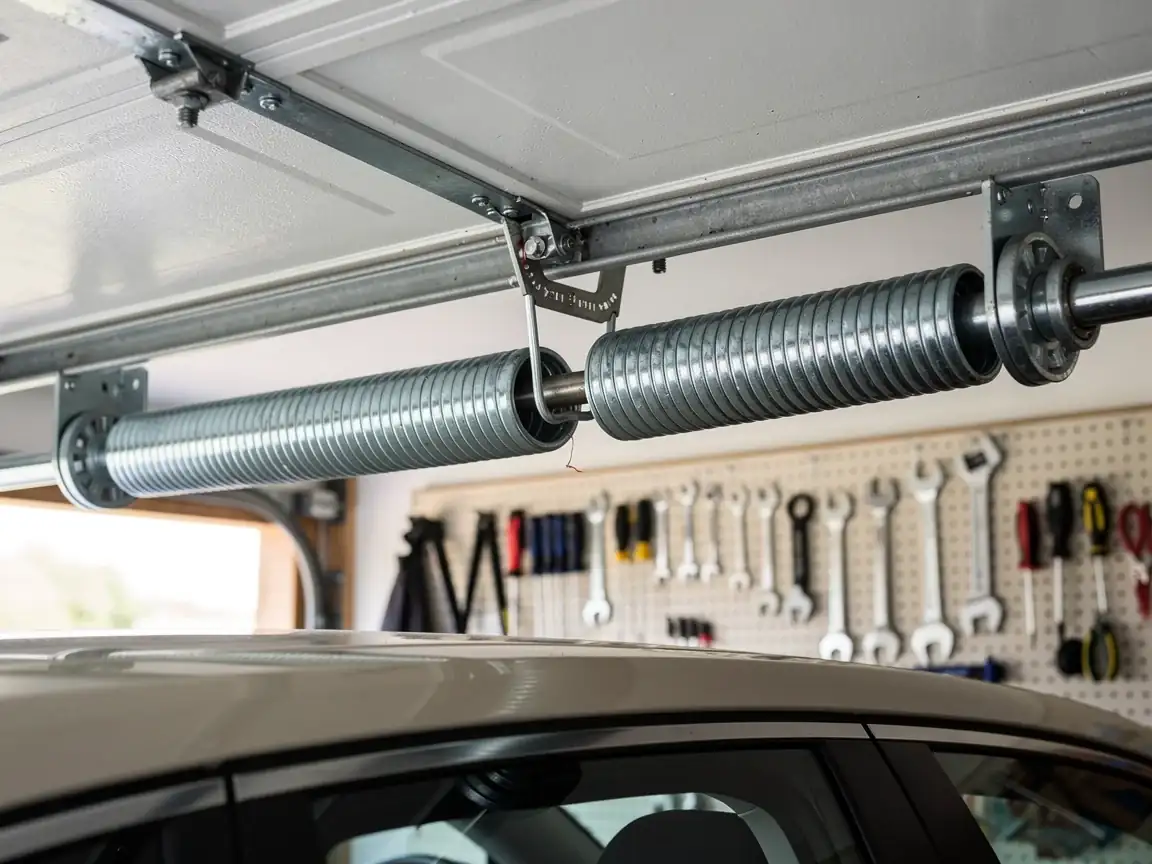
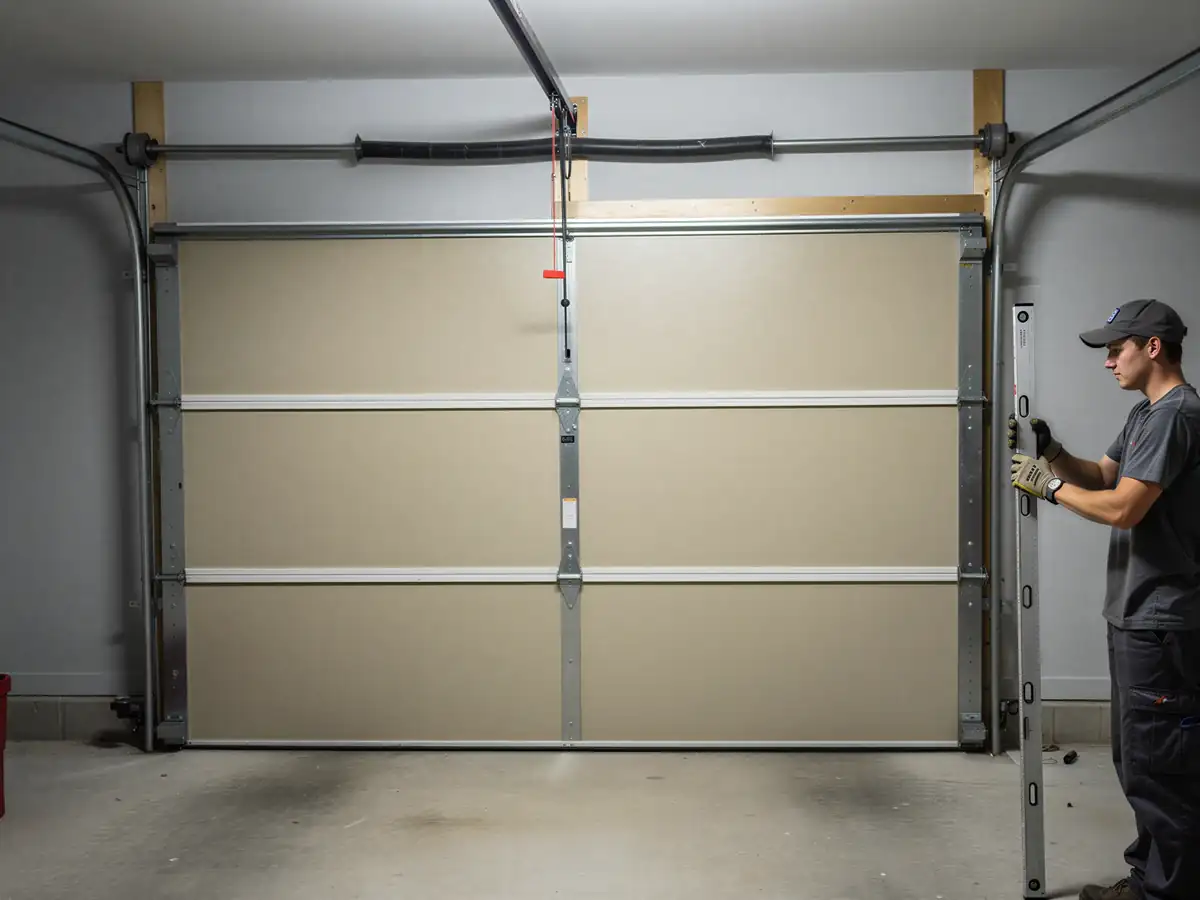
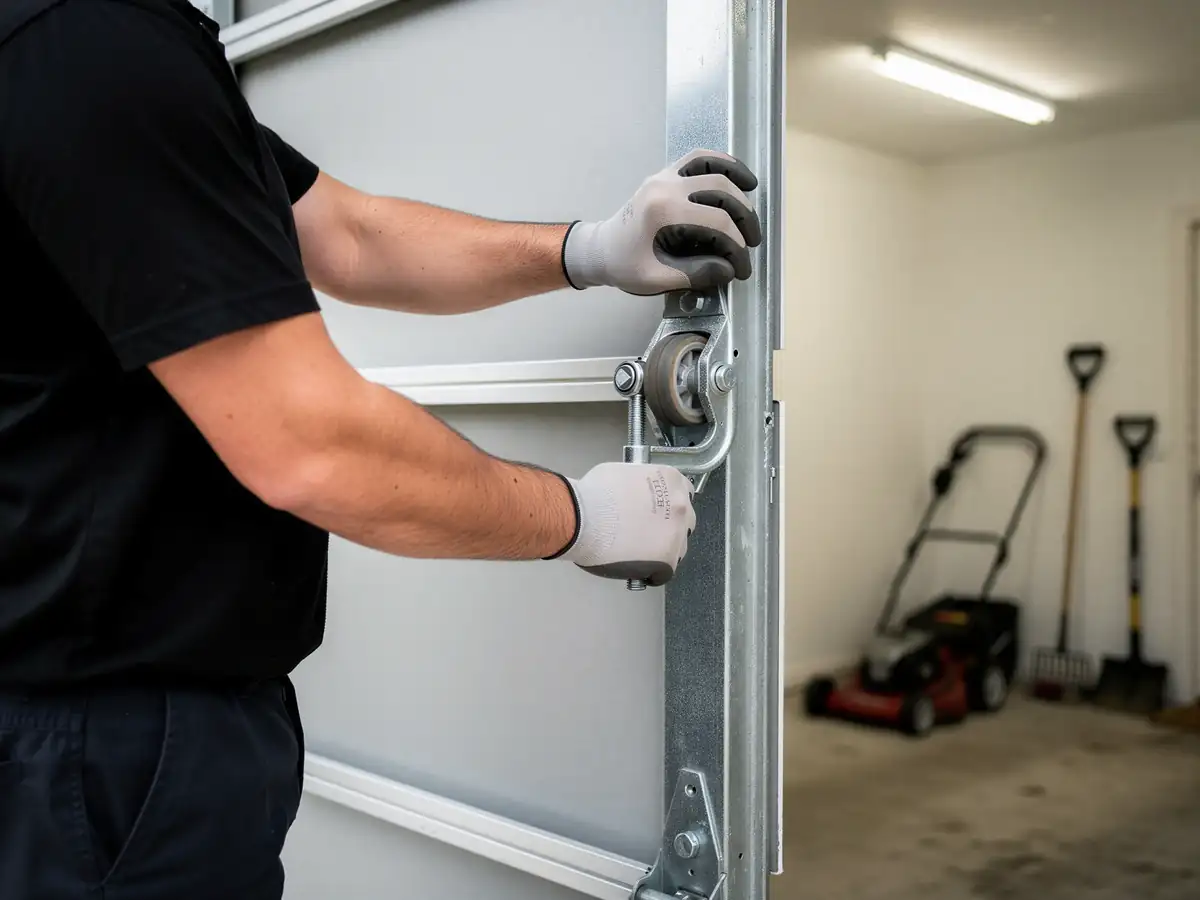
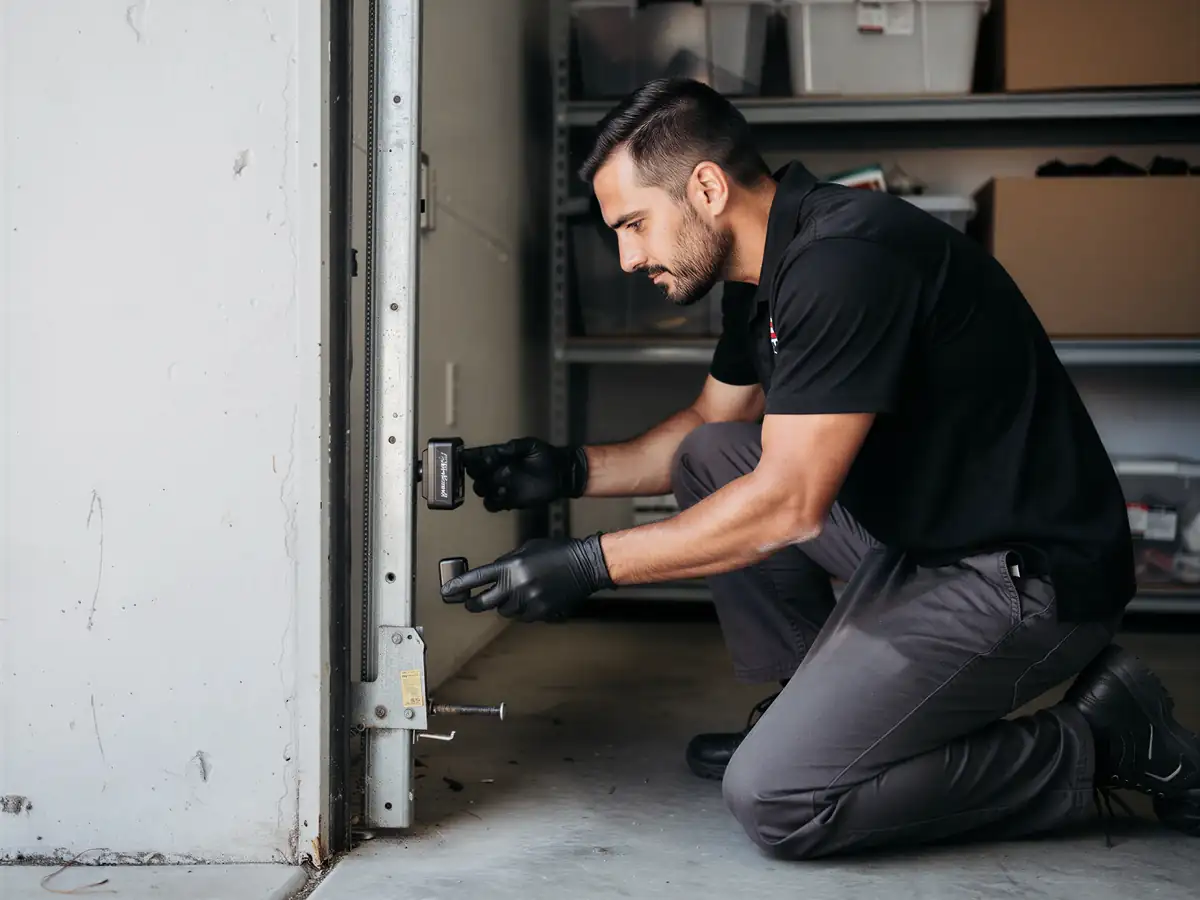
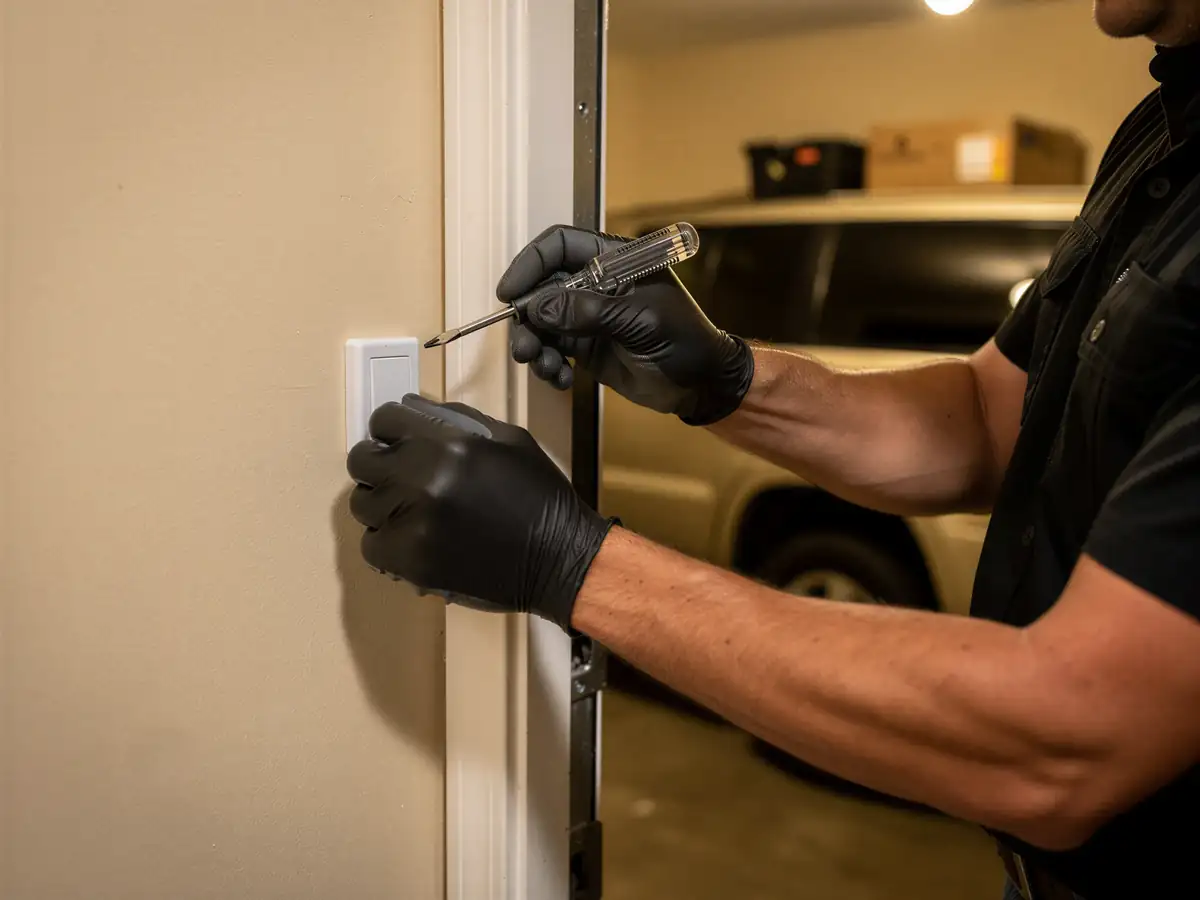
We start by checking the door's balance and weight before we talk opener model - a steel door from this era can be lighter than a comparable modern insulated door, and an oversized opener on an underweight door causes its own problems, slamming the door down too hard or stripping the travel limits. If the track or header hardware is original, we reinforce or replace what's carrying the opener's load rather than bolt a new unit to brackets rated for hand-lifting. For most of these single-layer steel doors we spec a chain or belt-drive unit matched to the door's actual weight, with the force settings dialed to the door we're actually looking at, not a factory default. We travel the 12 miles out from East Lansing for these jobs, so we plan the install as a full visit - door inspection, hardware check, opener mount, and a run-through of the safety reversal and force settings before we leave.