The Complications
The maintenance call we get most out of Laingsburg isn't a door that won't open
It's a door that opens fine today and seizes solid the first hard freeze of the year. That's not bad luck. It's hardware doing exactly what 50-year-old hardware does in a cold-severe climate: the grease in the bearings and the coating on the torsion spring break down slowly, and nobody notices until a January morning when the spring is rusted into its coils and won't flex.
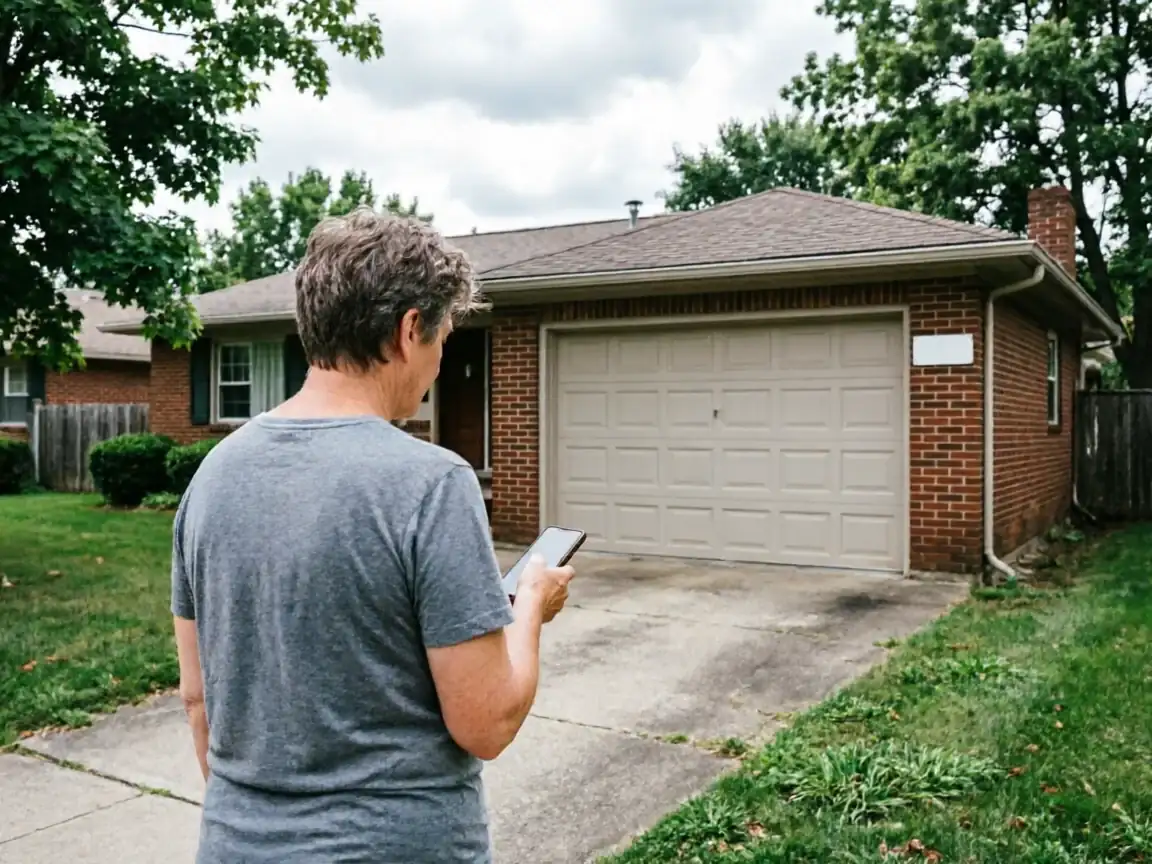
Laingsburg's housing stock centers on 1970
Which puts a lot of these garage doors right at or past the point where original torsion springs are worn out even if they've never snapped. A spring rated for a few thousand cycles doesn't care how well you've treated it - cycle count is cycle count, and a door installed when the house was built has been through a lot of winters. Maintenance here is less about fixing something broken and more about catching the spring, the bearings, and the track alignment before the cold finishes the job.
What Causes It Around Here
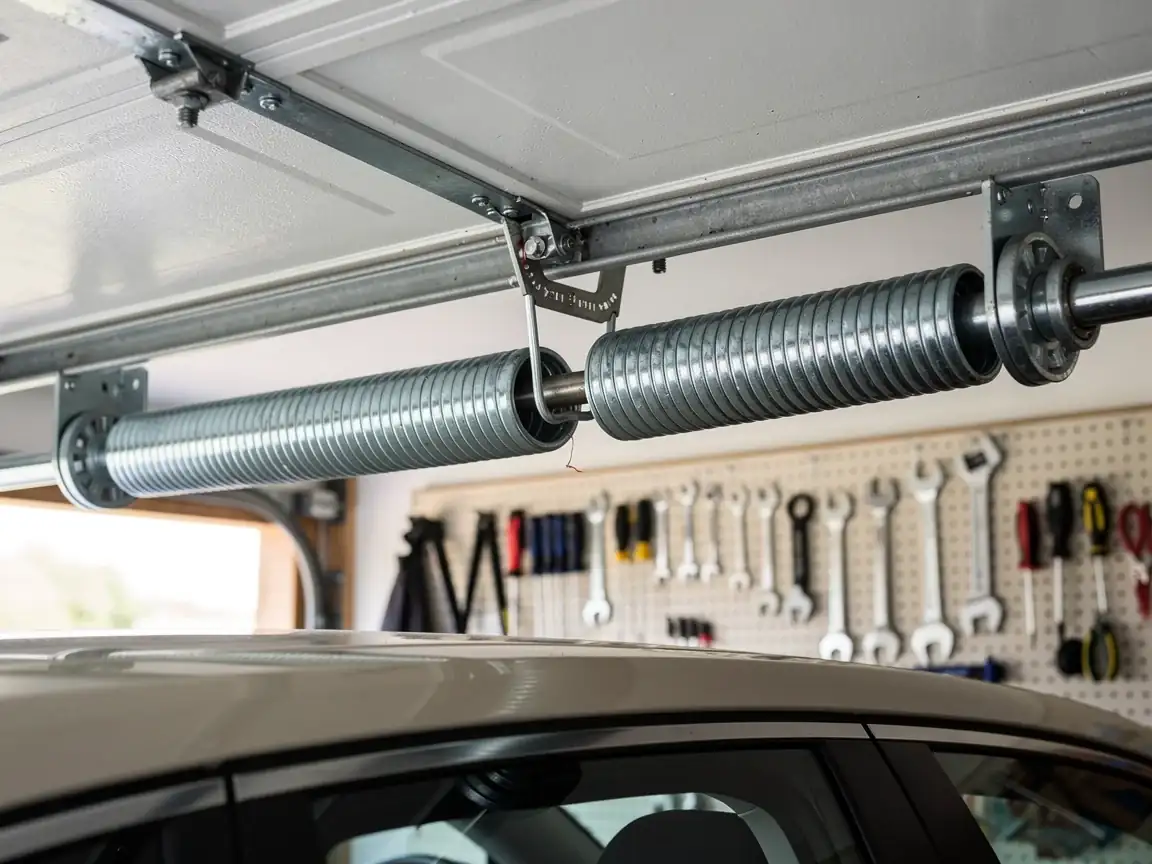
Three things stack up on a house this age. First, the spring itself: factory-wound torsion springs from the 1970s and 80s weren't built with the corrosion-resistant coatings common now, and decades of Michigan humidity swings and freeze-thaw cycles pit the metal. A pitted spring fails without warning, not gradually.
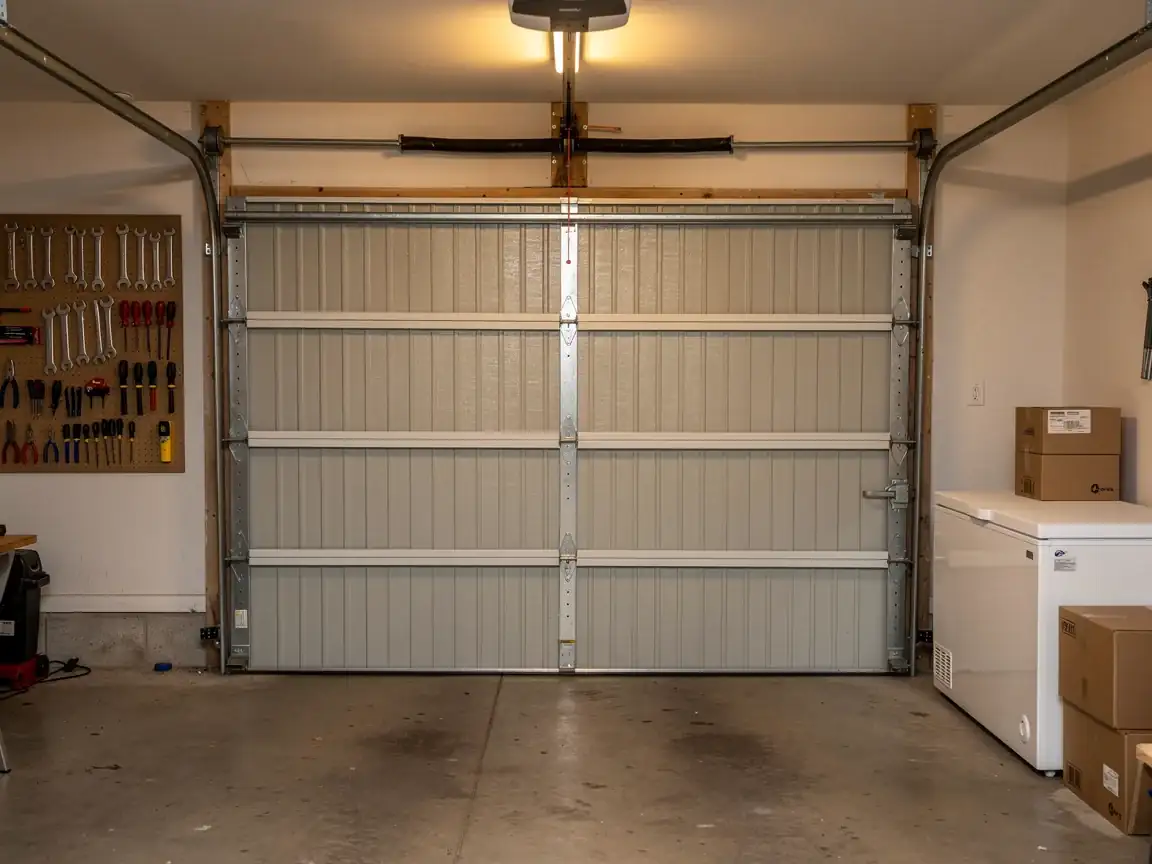
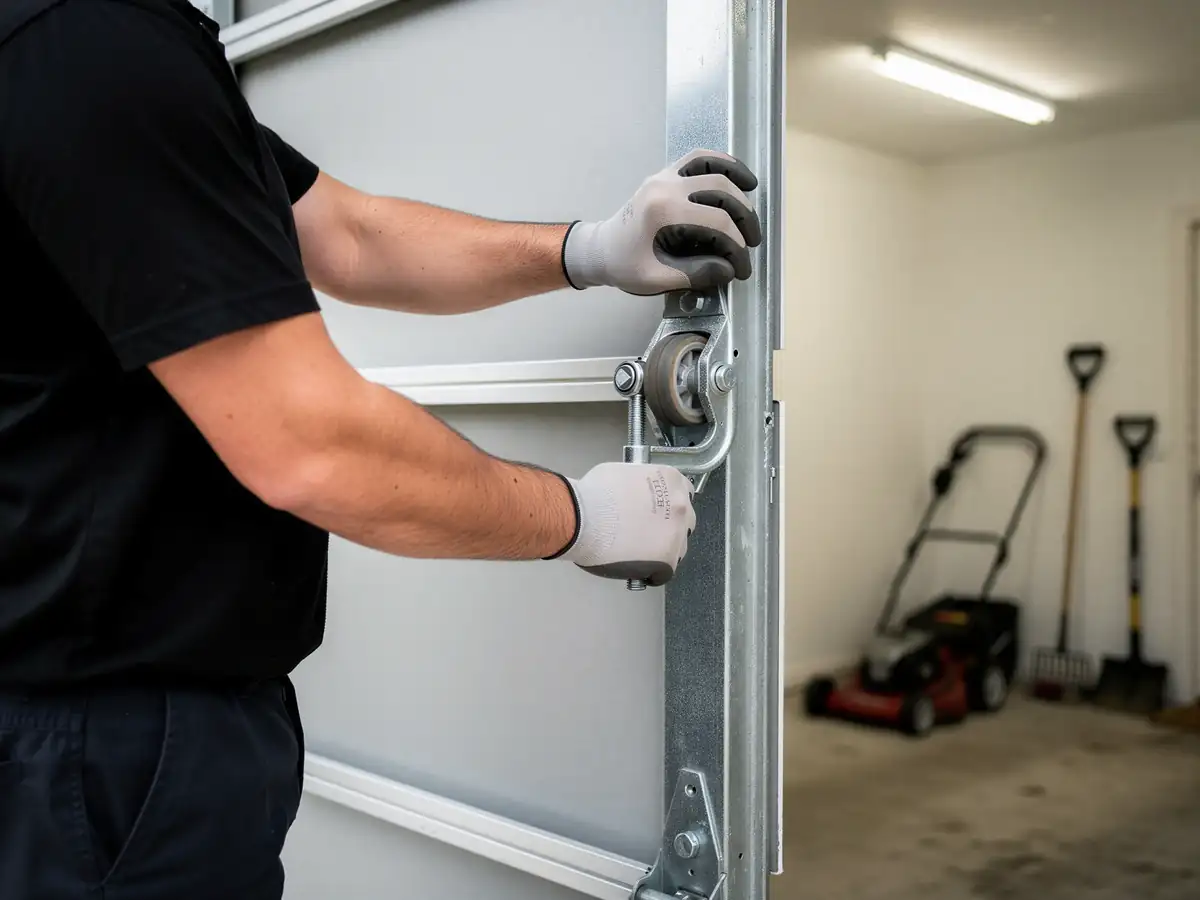
Second, the rollers and hinges. Original steel rollers on a door this old have usually worn an oval groove into the track rather than a round one, which makes the door bind right when it's coldest and the steel is least forgiving. Third, lubrication: whatever grease went on at installation has long since gone stiff or washed out, and in a cold-severe climate that stiffness shows up as a door that groans, hesitates, or won't fully seat in the frame.
None of this is specific to one house - it's the pattern across a town built mostly in that same decade-plus window, where the hardware and the weather have been working against each other for the same stretch of time.
How We Fix It
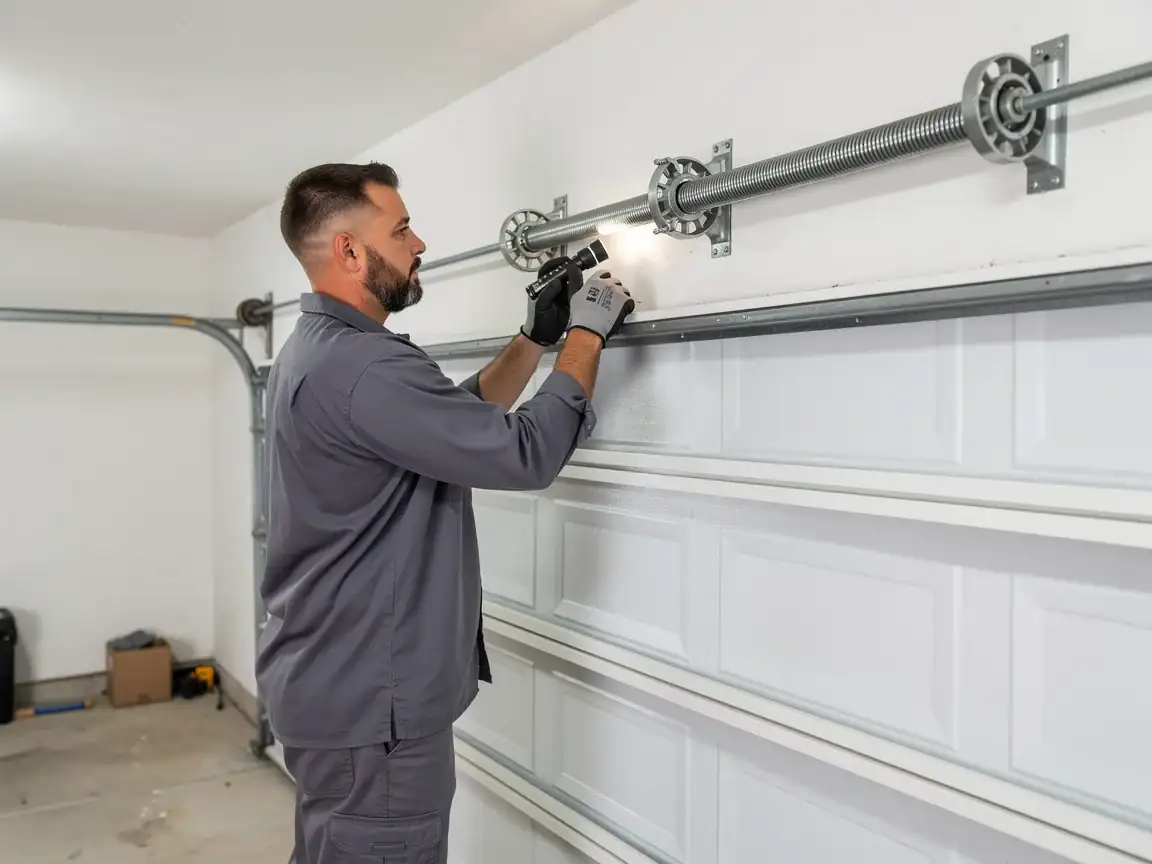
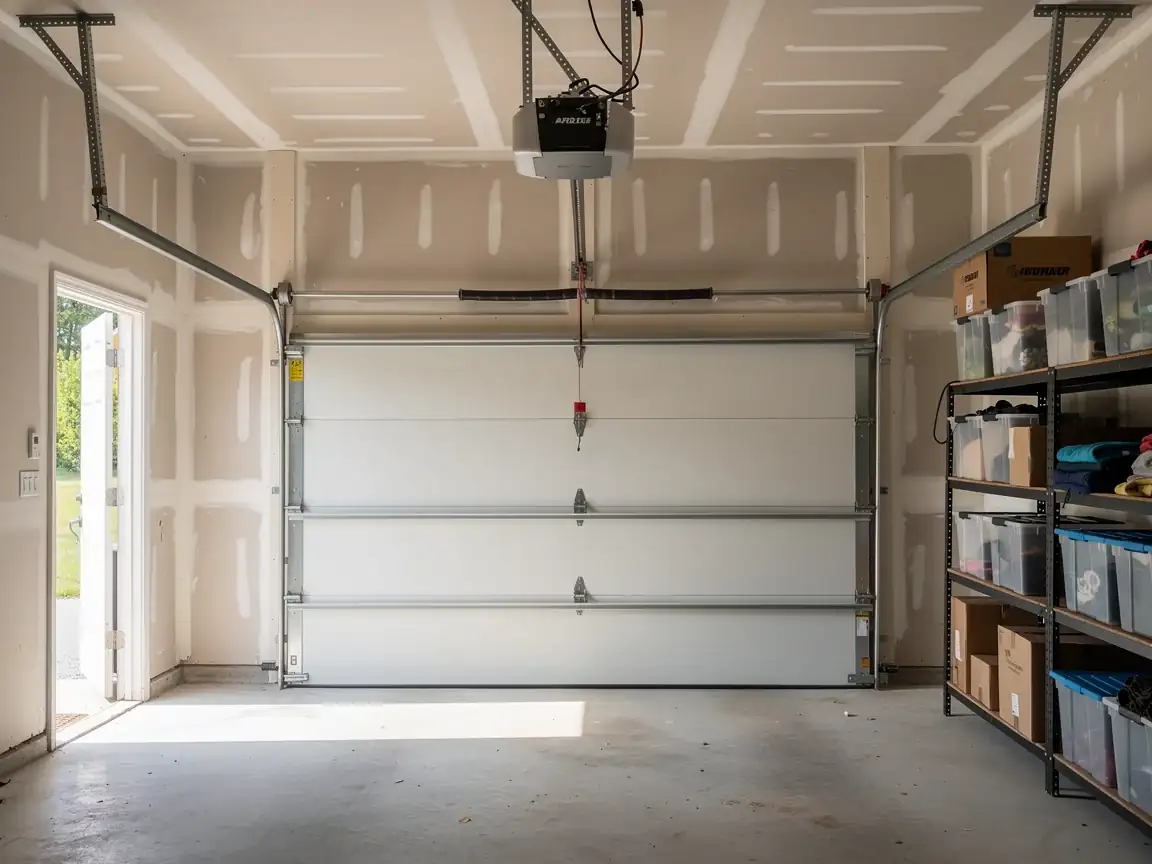
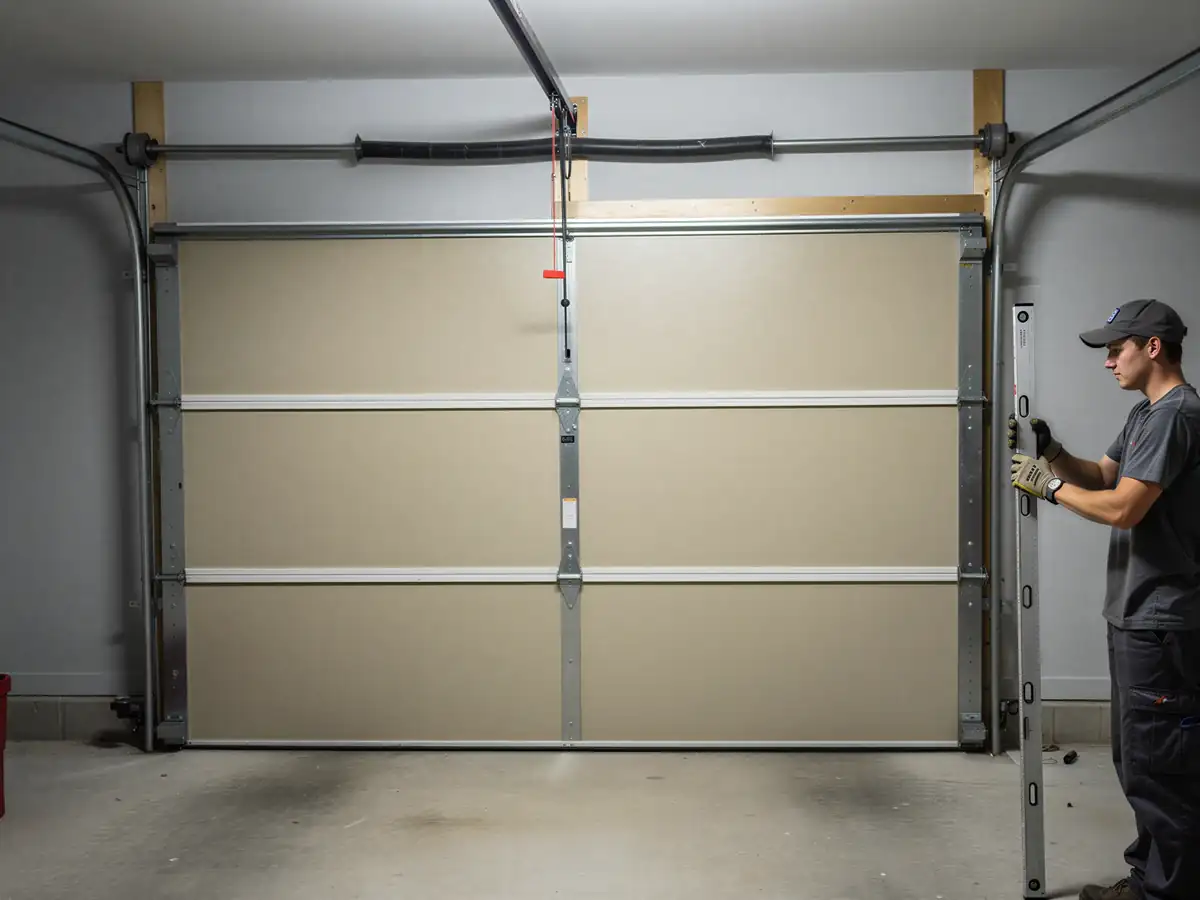
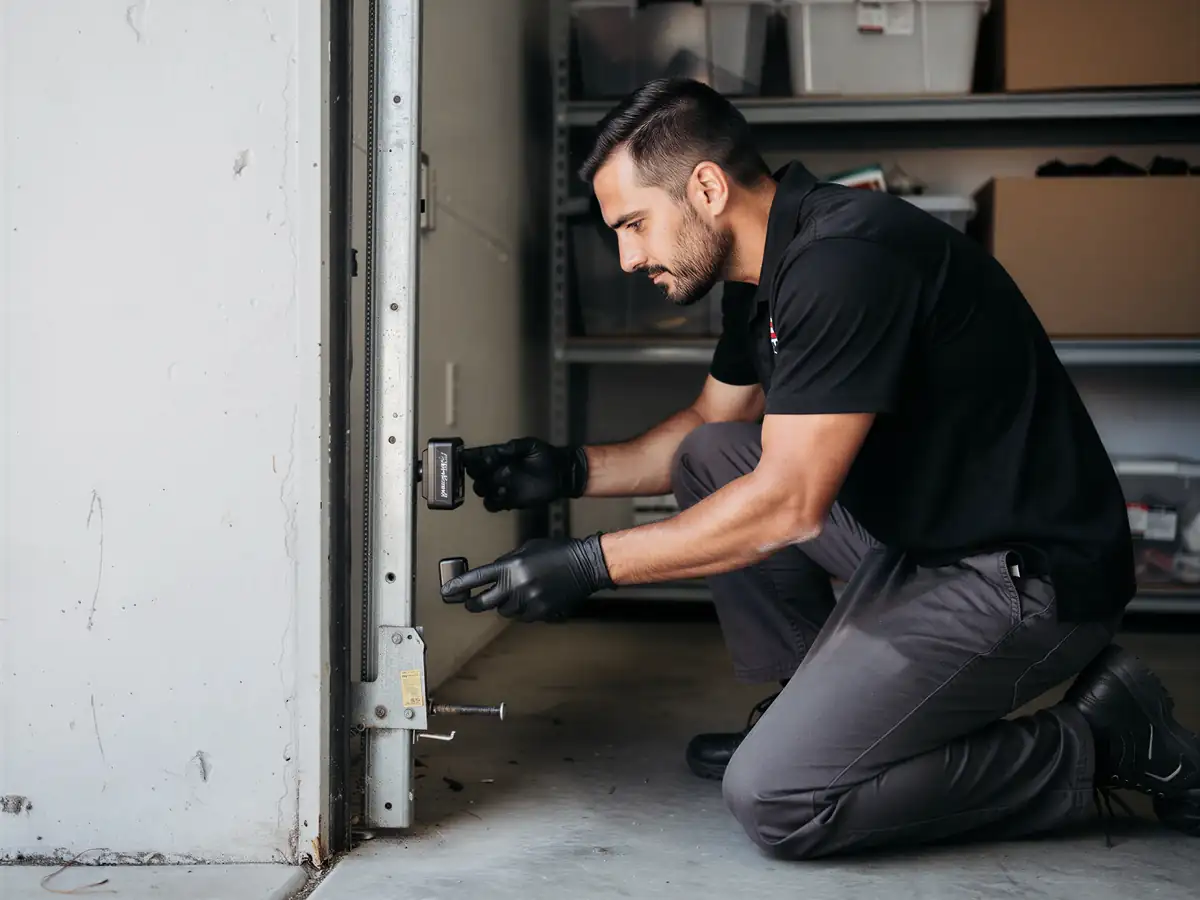
A maintenance visit starts with the spring: we check wind tension, look for rust pitting and flat spots, and measure cycle wear against the door's weight and age rather than just eyeballing it. On a door from this era, we're often recommending a torsion spring swap on a schedule rather than waiting for it to let go, since a sudden failure on a cold morning is both a safety issue and an inconvenient one.
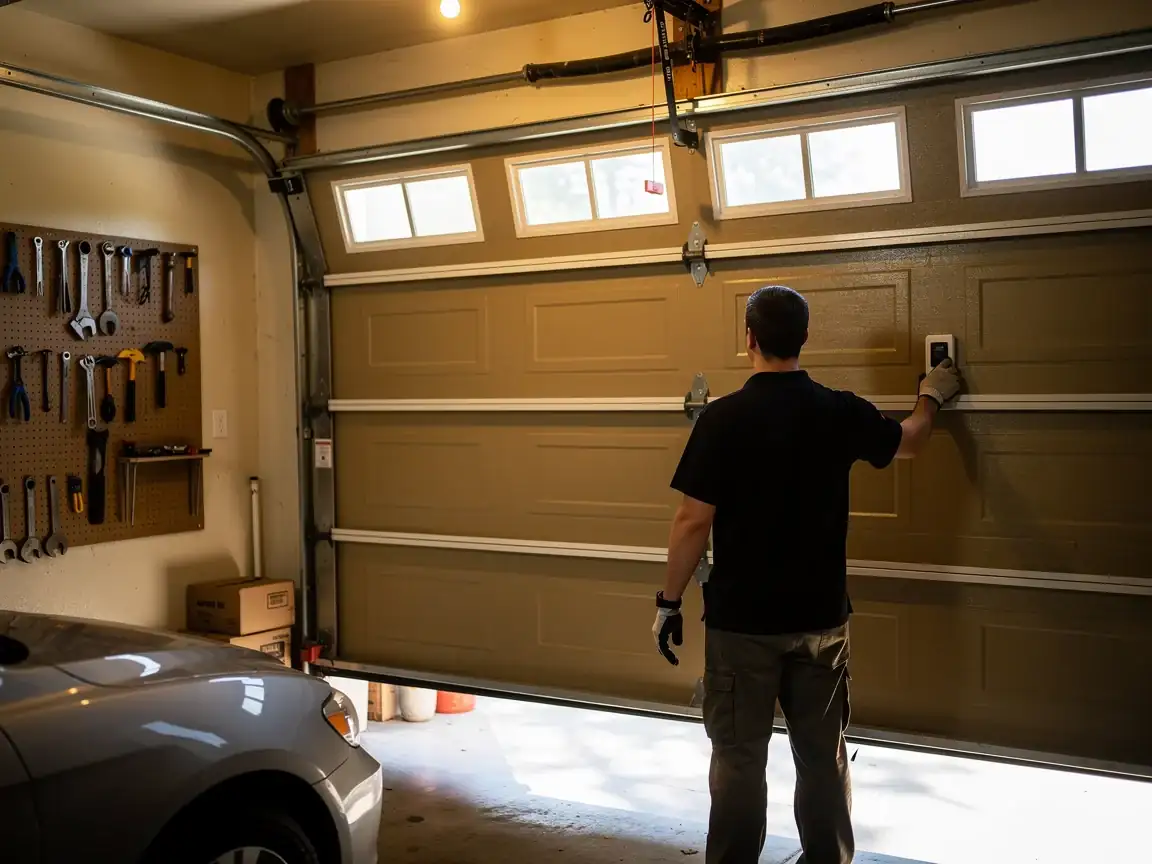
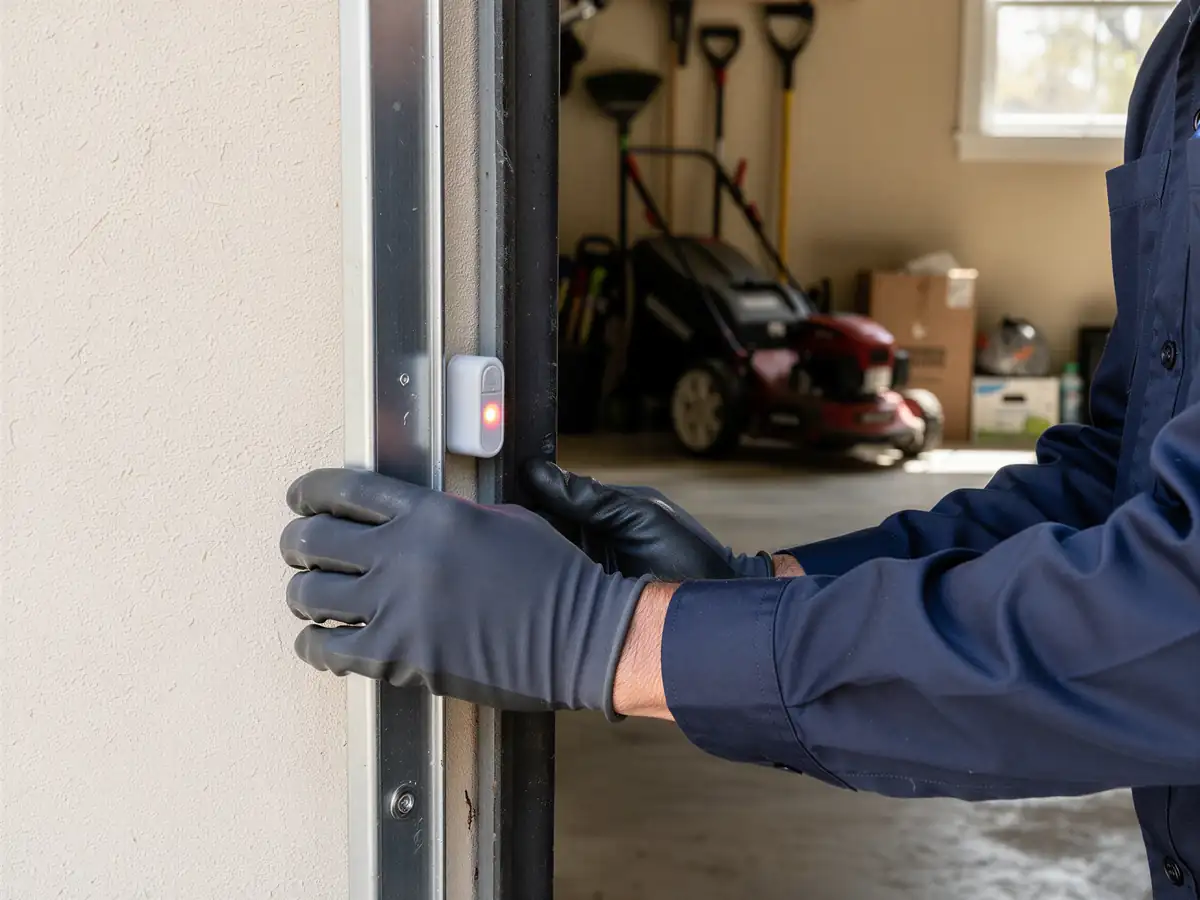
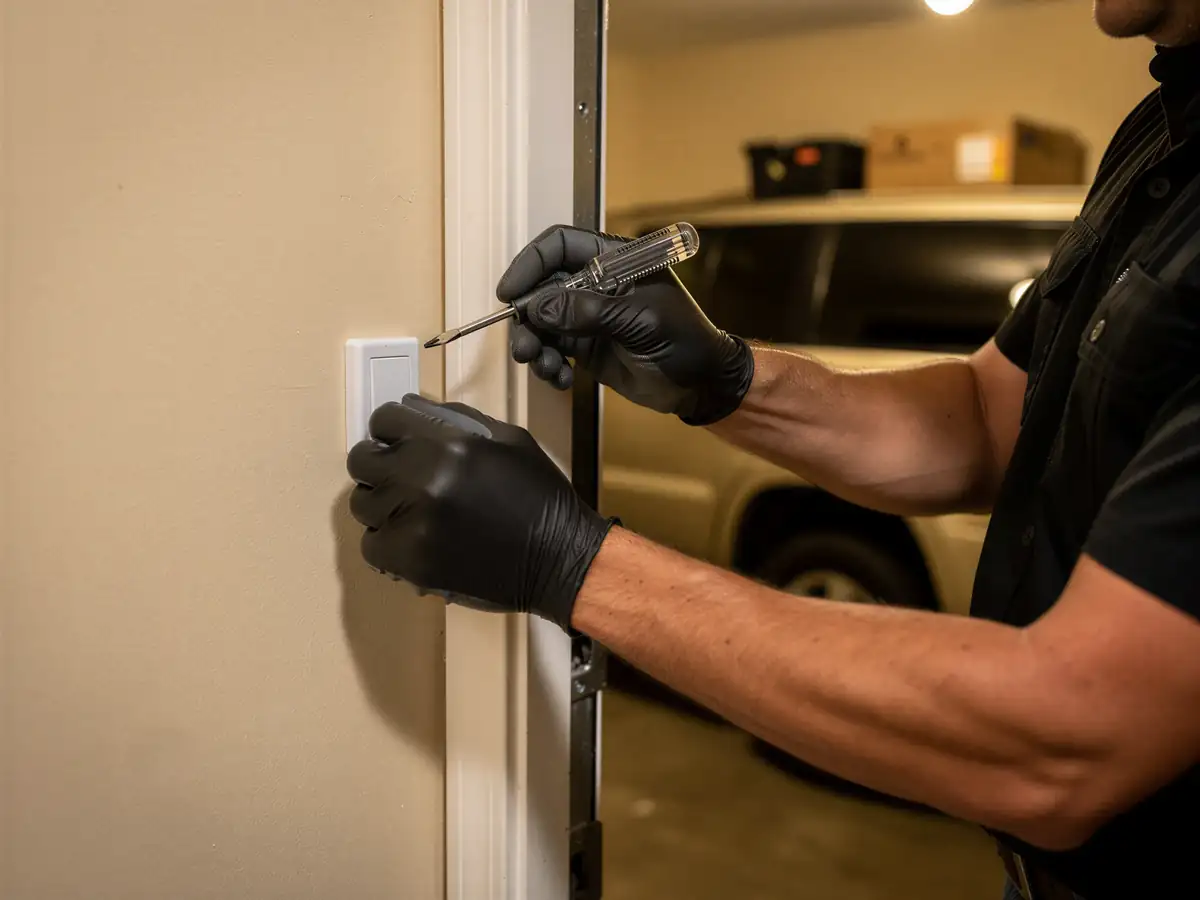
From there we service the track alignment and roller wear, re-lube the hinges and bearings with a lubricant rated for cold temperatures rather than standard grease that thickens below freezing, and check the opener's force settings, which drift over the years and make an aging door work harder than it should.
What we don't do is replace parts that don't need it. If the spring still has good life left and the track is true, we say so - a maintenance visit on an older door is about extending what's there, not selling a new system. Full replacement only comes up when the door itself, not just the hardware, is the problem.
Time on the Job
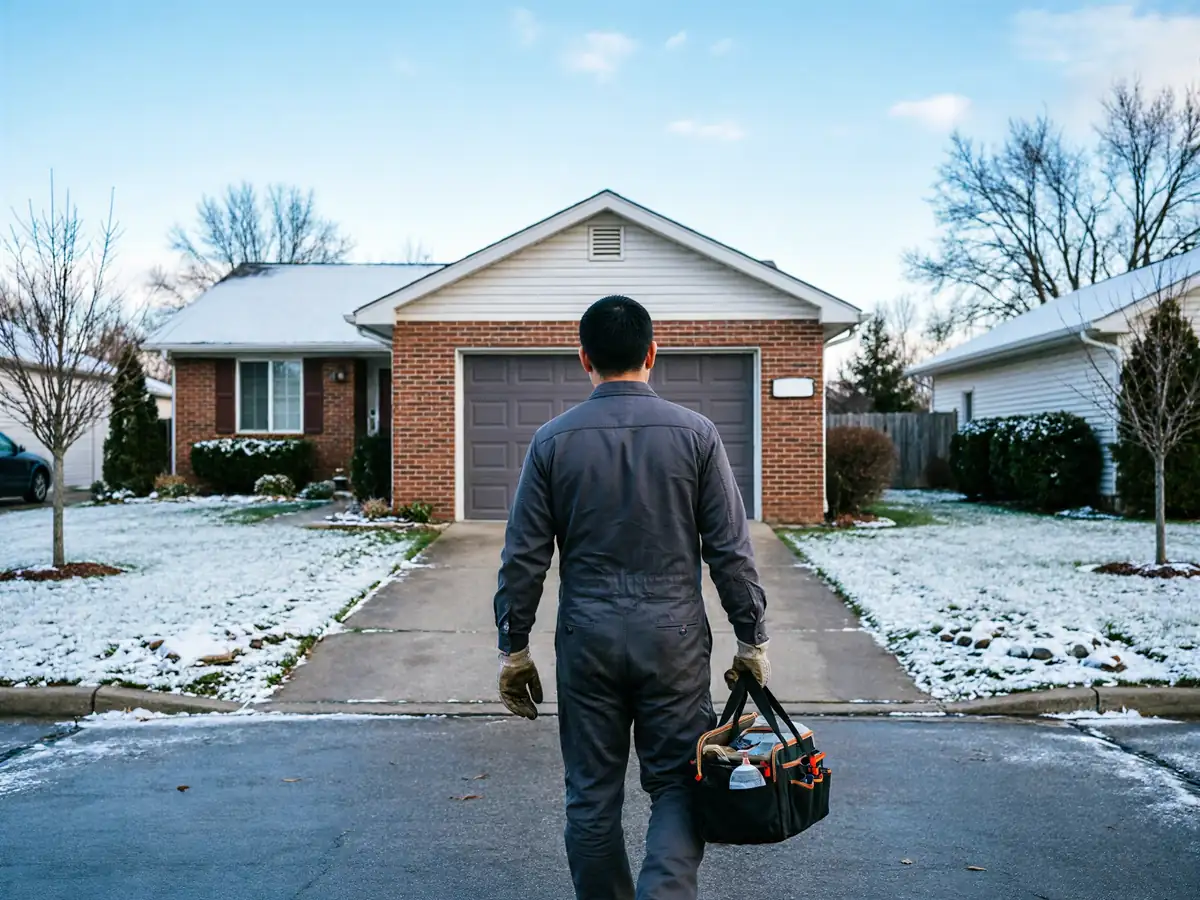
We run this service out to Laingsburg from East Lansing, about 12 miles out
It's a town of roughly 523 households, smaller than the denser areas closer to East Lansing we also cover, and the housing pattern reflects that: fewer newer builds mixing in, more doors still running close to original 1970-era hardware.
- 12 miles
- 523 households
Median household income here runs close to $75,547, in line with the wider service area's $75,707
So this isn't a town where people are routinely replacing doors before they need it, and a maintenance visit that catches a spring before it fails is usually the more practical call than letting it go to full replacement. We don't keep a branch in Laingsburg itself; every visit is a trip out from East Lansing, which is worth knowing if you're expecting same-hour service on a walk-in basis.