The Complications
Most houses in Laingsburg went up around 1970
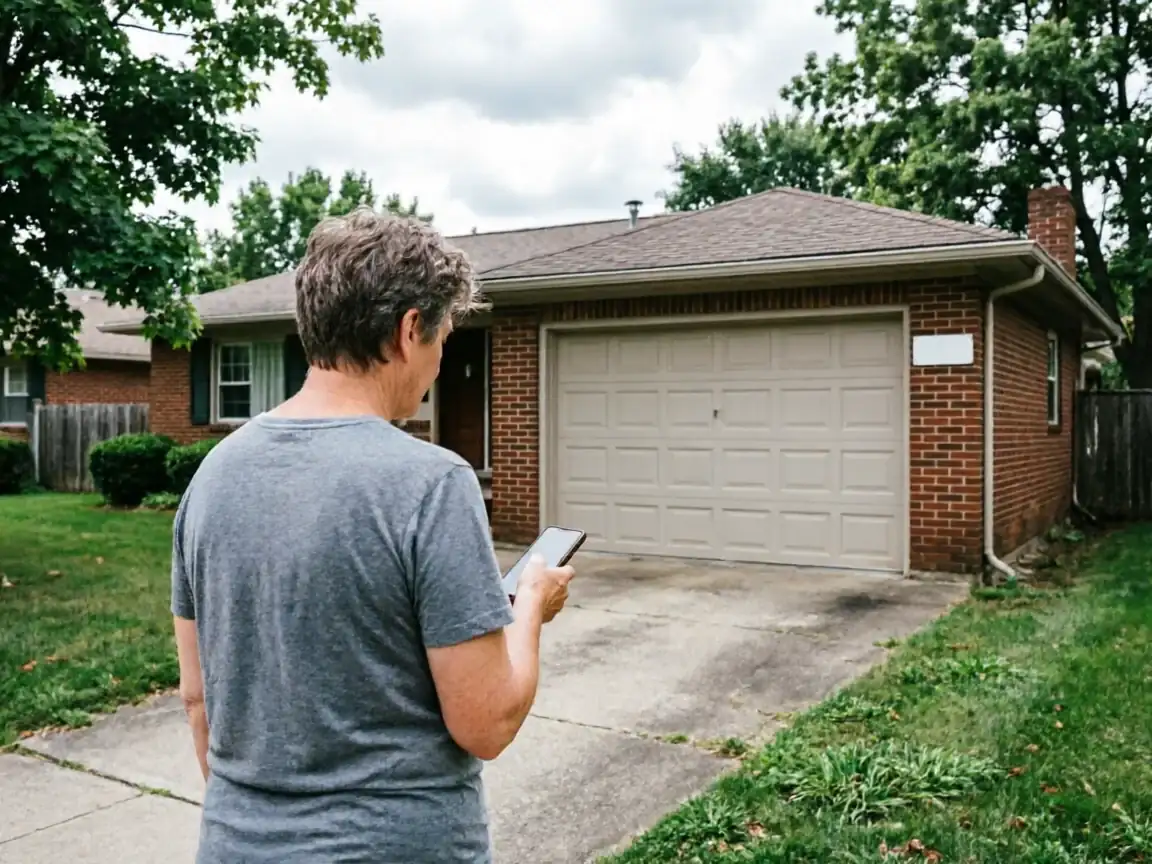
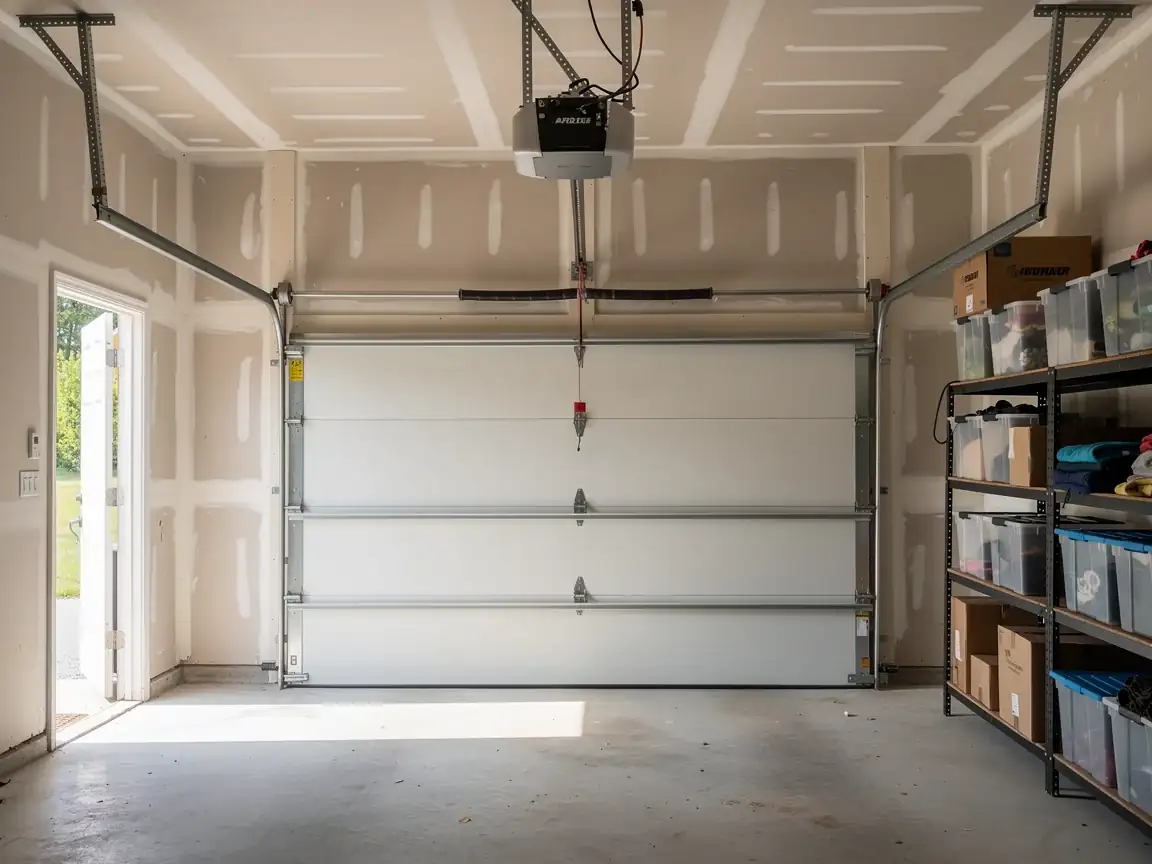
A few years ahead of the broader service area's 1976 median build year. That matters for openers specifically. A door hung in 1970 usually got a chain-drive unit wired straight into a wall switch, with a logic board that predates photo-eye safety sensors and rolling-code remotes entirely. If nobody's touched the opener since, you may be running on the original motor and a gear set that's been grinding plastic dust into the housing for decades.
The complication isn't just age, it's mismatch
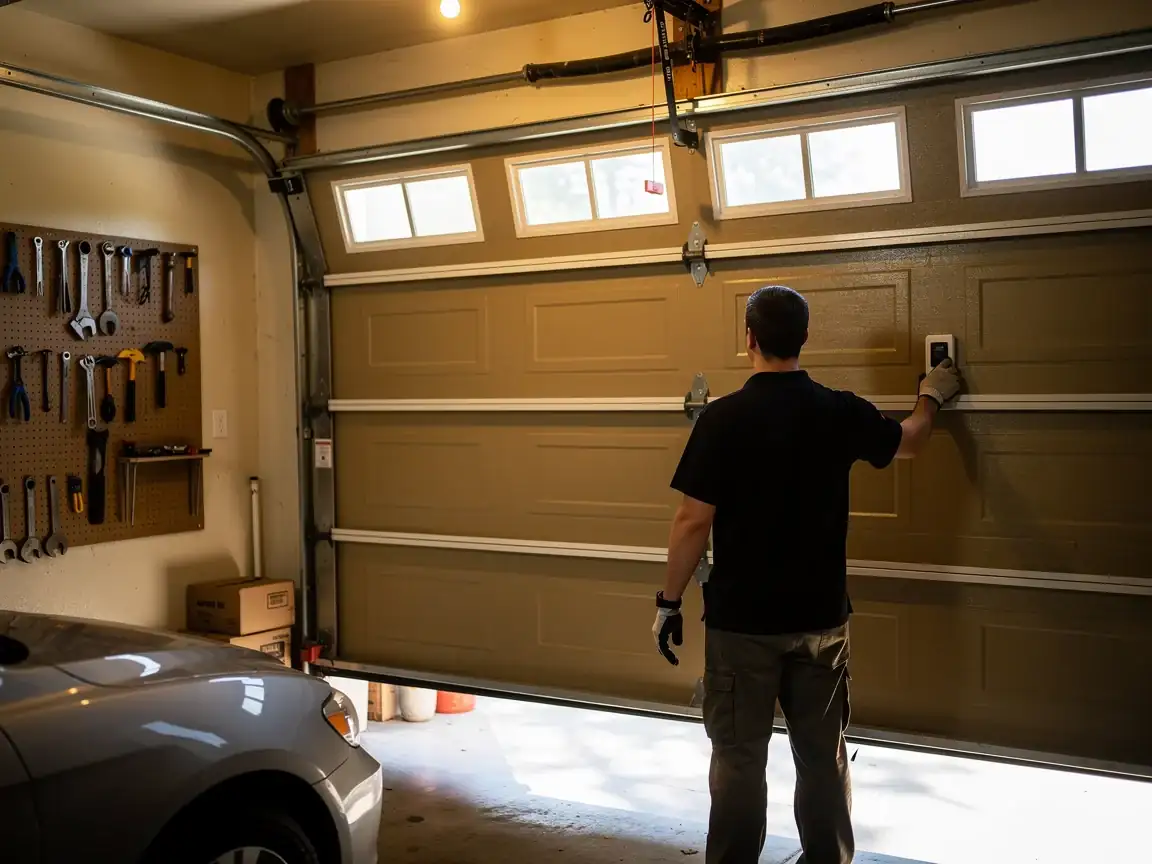
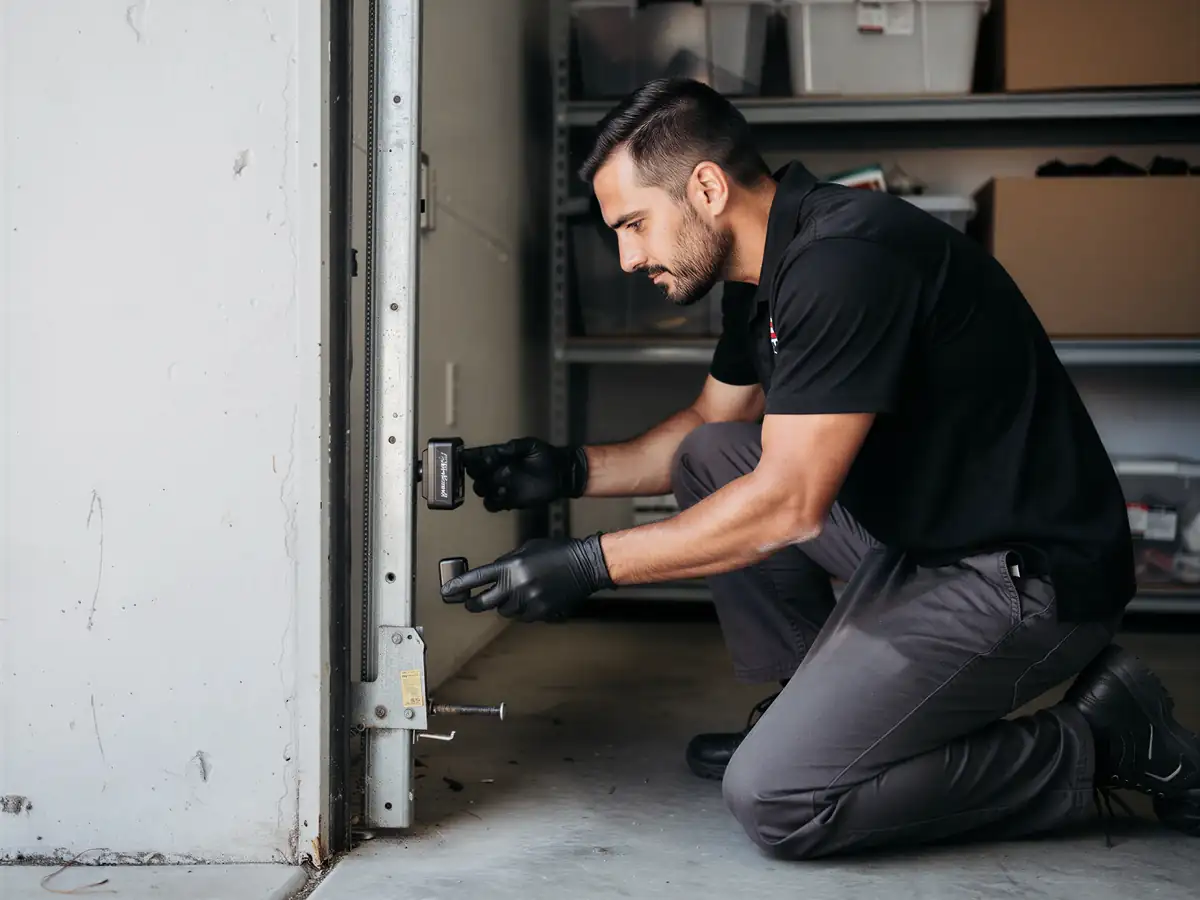
Homeowners who've had a door replaced over the years sometimes kept the old opener, or swapped in a newer opener onto hardware the old bracket wasn't built for. We see brackets pulling loose from door headers that were never meant to carry a modern belt-drive unit's torque. Diagnosing an opener here often means figuring out which era of hardware you're actually looking at before touching a single wire, because the fix for a 1970 chain-drive board is not the fix for a 2015 belt-drive unit bolted onto it.
What Causes It Around Here
Cold is the recurring factor. This area sits in a severe cold climate band, and openers feel that in specific ways: grease in the drive screw or chain stiffens below freezing, limit switches drift as metal contracts, and older capacitors in a 1970s-era motor struggle to deliver the starting torque a cold morning demands. A door that opens fine in July and groans to a stop in January isn't failing randomly, it's doing exactly what a 50-year-old motor does in the cold.
The other driver is simple wear compounding on itself. With Laingsburg's housing centered on 1970, a lot of these openers have had one owner, one install, and zero maintenance beyond replacing a remote battery. Gears strip, drive chains stretch, and travel limits get knocked out of adjustment by homeowners trying to fix a problem themselves with the adjustment screws. None of that is unusual for the age of the equipment. It's what you'd expect from hardware that's been running since before rolling-code remotes existed.
How We Fix It
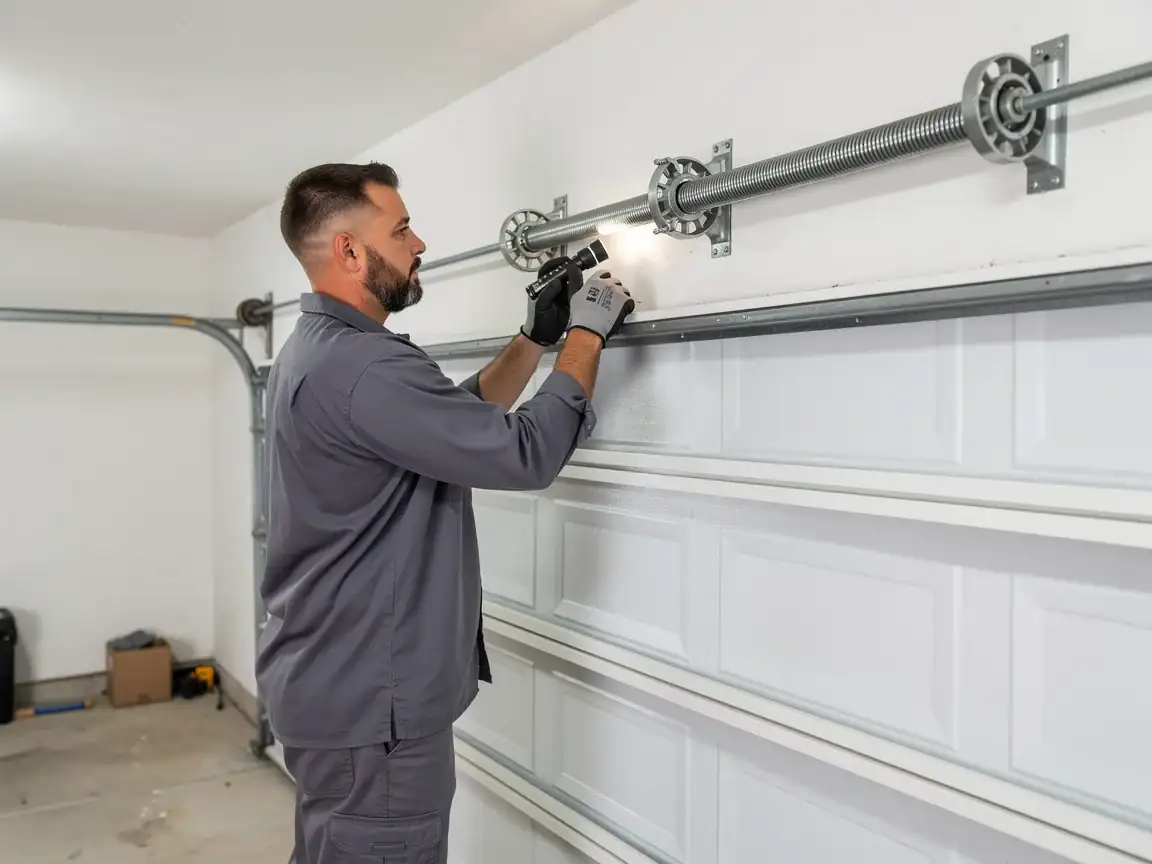
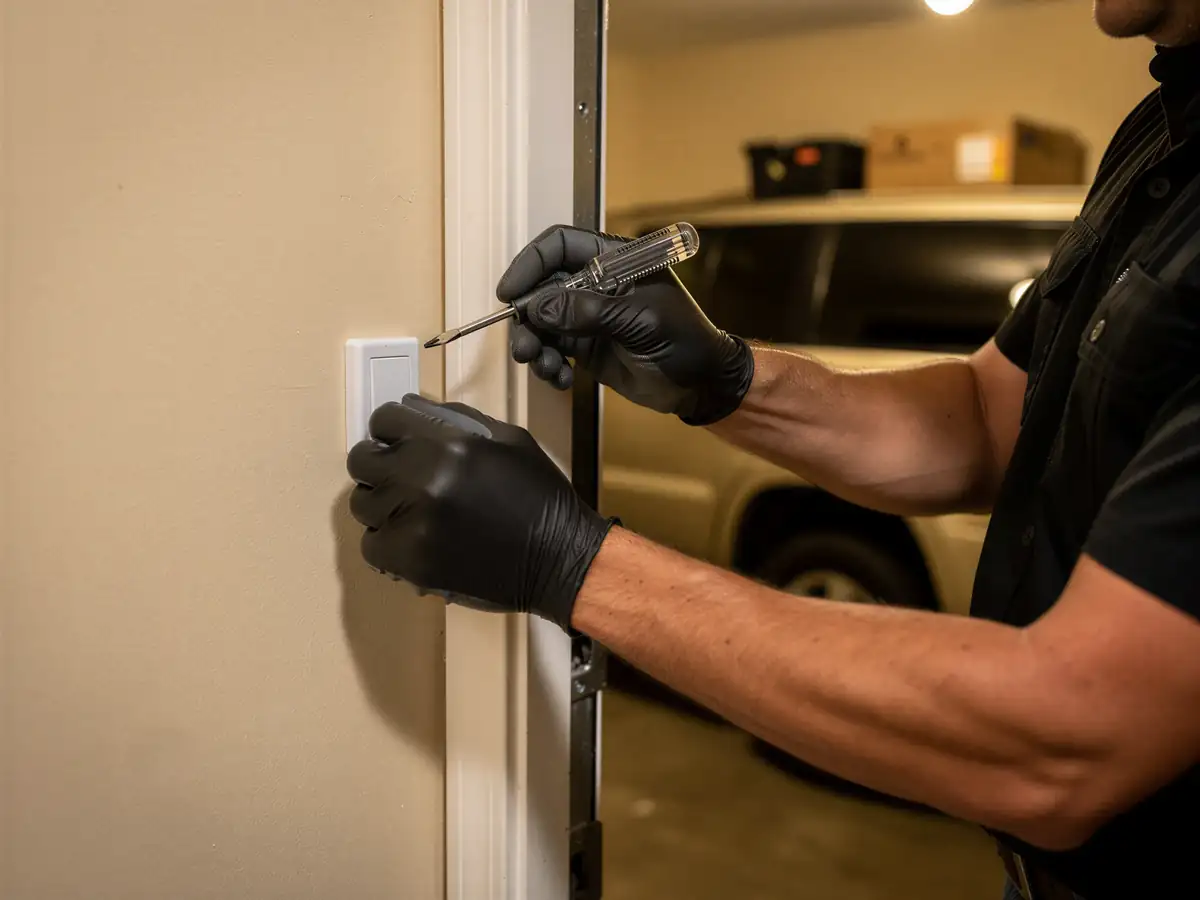
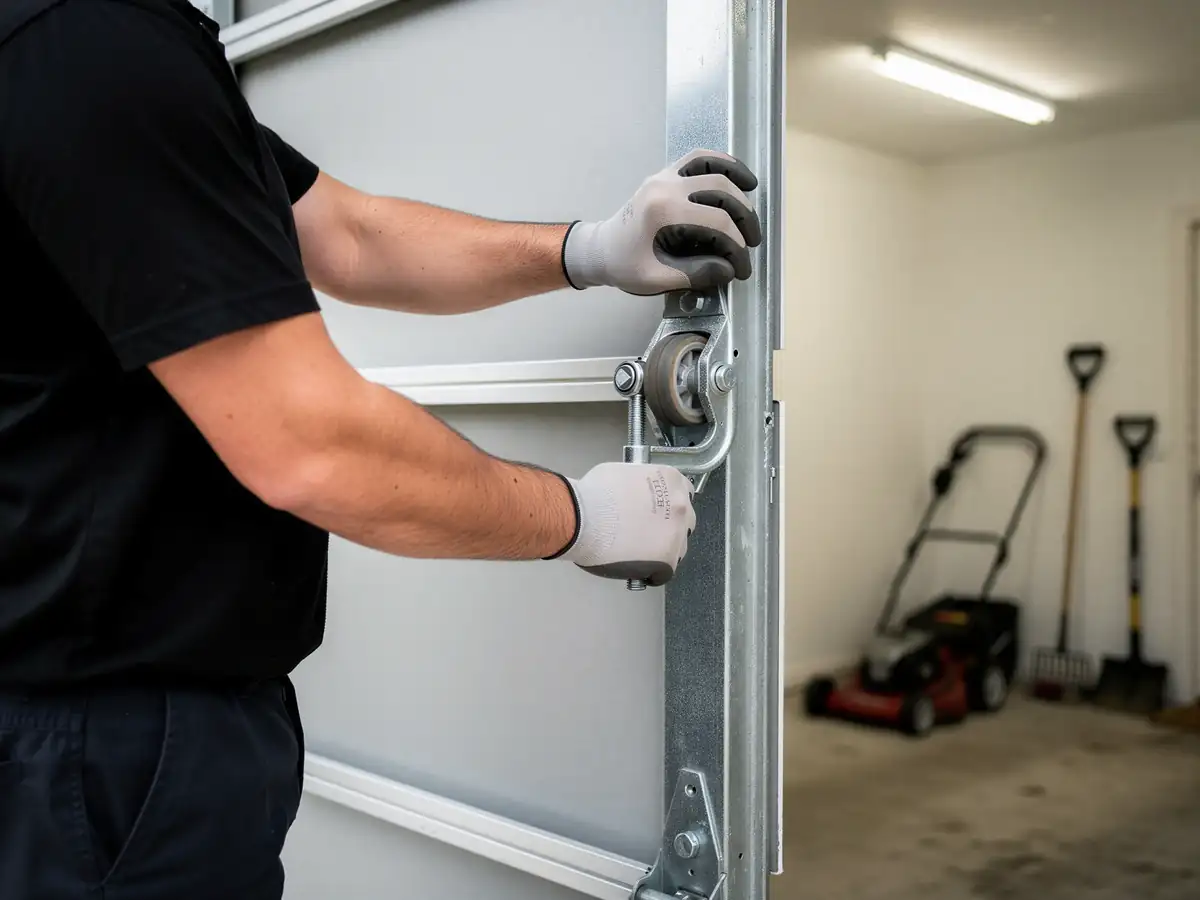
We start by identifying the opener generation, not just the brand, because a 1970s chain-drive unit and a modern belt-drive unit fail differently even when the symptom looks the same. For the older units common in Laingsburg, that often means a new drive gear kit, chain tensioning, and a check of the capacitor and start winding before we assume the whole motor is shot. Replacing the gear kit is usually cheaper than replacing the opener, and if the motor itself still runs strong, that's the right call.
When an opener from this era also lacks safety reversal sensors, we'll flag that honestly even if the repair you asked for is something else entirely, because that's a safety gap worth knowing about. We don't retrofit sensors onto housings that were never built for them, and we'll say so rather than bolt on a fix that won't hold. Sometimes the honest answer is that a 50-year-old motor with a cracked housing is done, and the better money is in a new opener rather than a third repair in two years.
Time on the Job
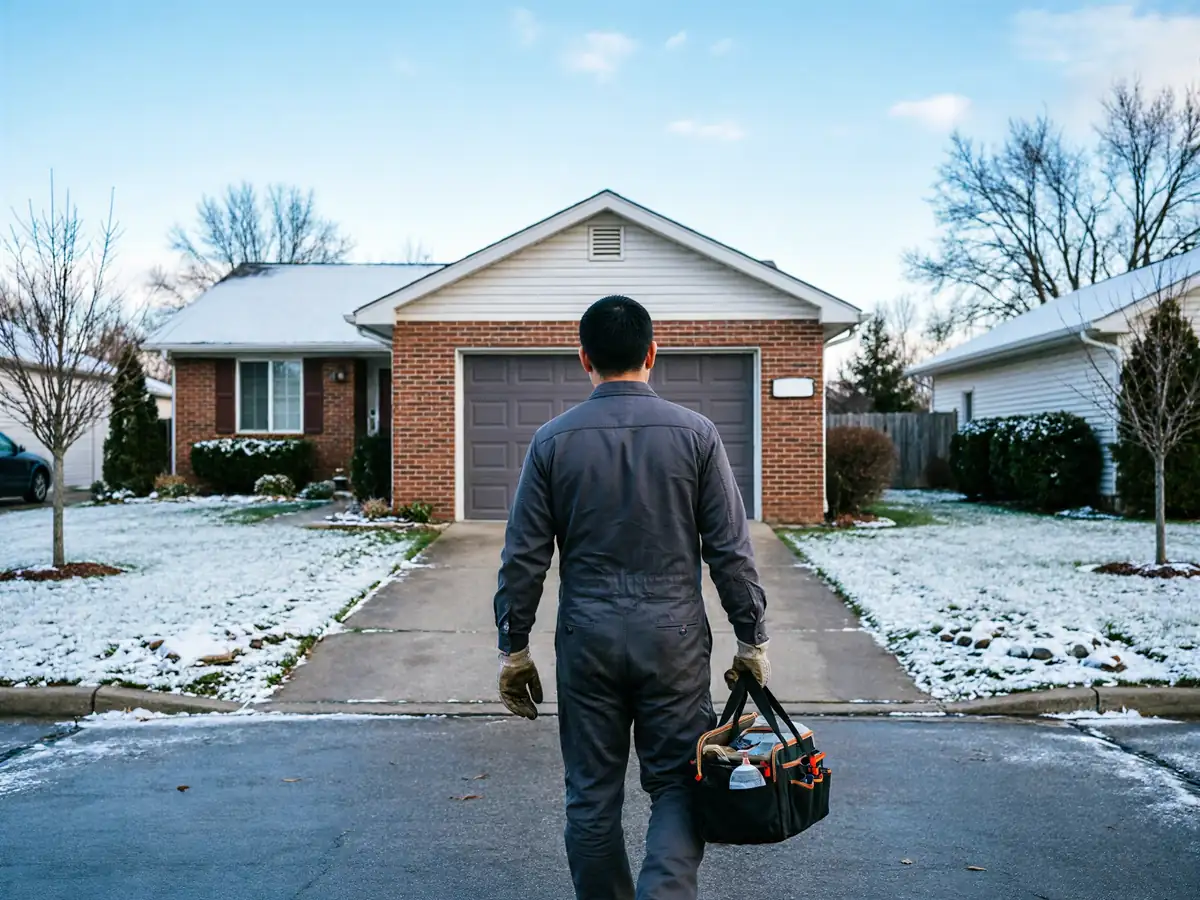
Laingsburg sits about 12 miles out from East Lansing
So we build that drive time into how we schedule the day rather than treating it as an afterthought. With only 523 households in town, call volume here runs lighter and more spread out than in the denser parts of the service area, which means we're not routing through Laingsburg every day the way we might through a closer suburb.
- 12 miles
- 523 households
Once we're on site, most opener repairs on the older chain-drive units take under an hour once we've got the right gear kit or capacitor on the truck
Diagnosis on a mismatched or heavily modified setup can run longer, since figuring out what a previous owner wired in matters before we touch anything. Median household income in Laingsburg runs $75,547, close to the wider area's $75,707, and we price the job the same whether you're the fourth stop of the day or the only one out this way.