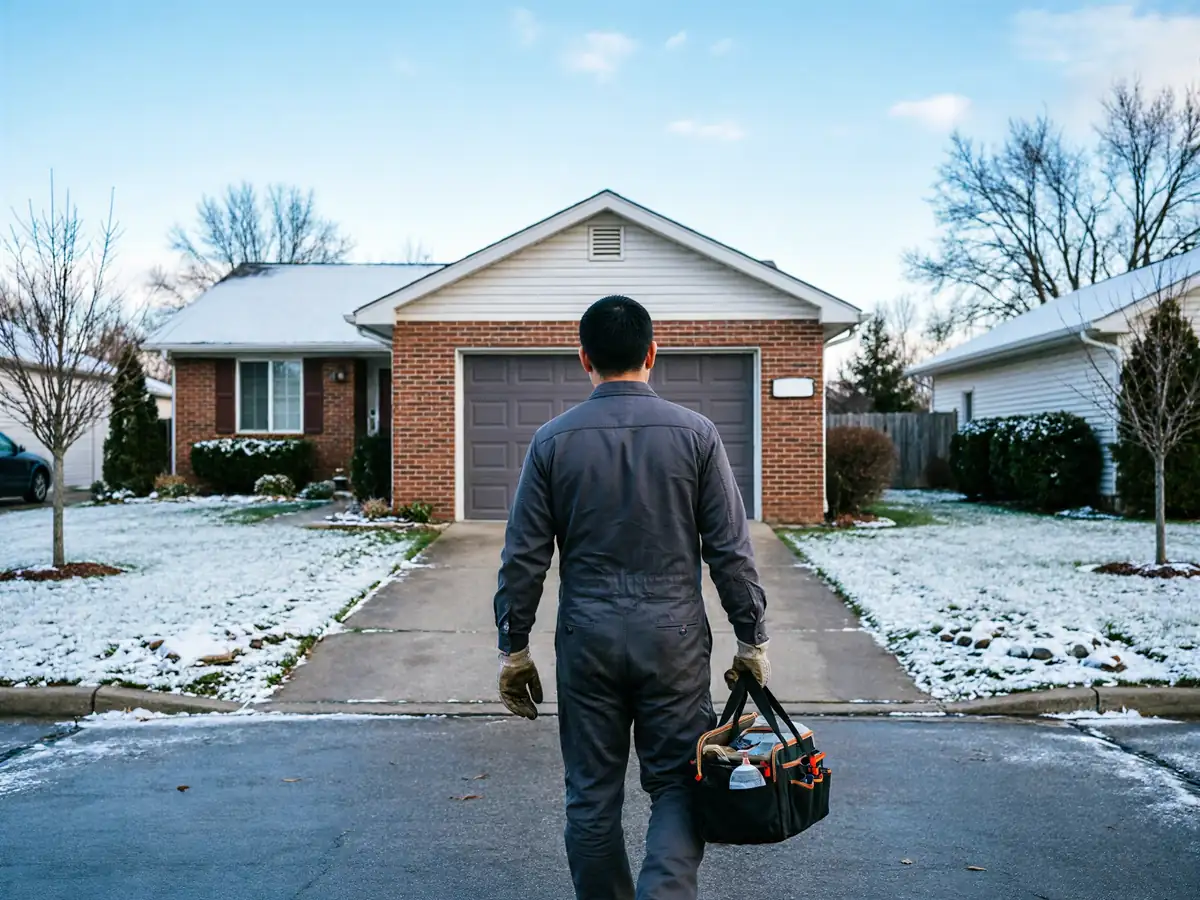
What Is on the Truck
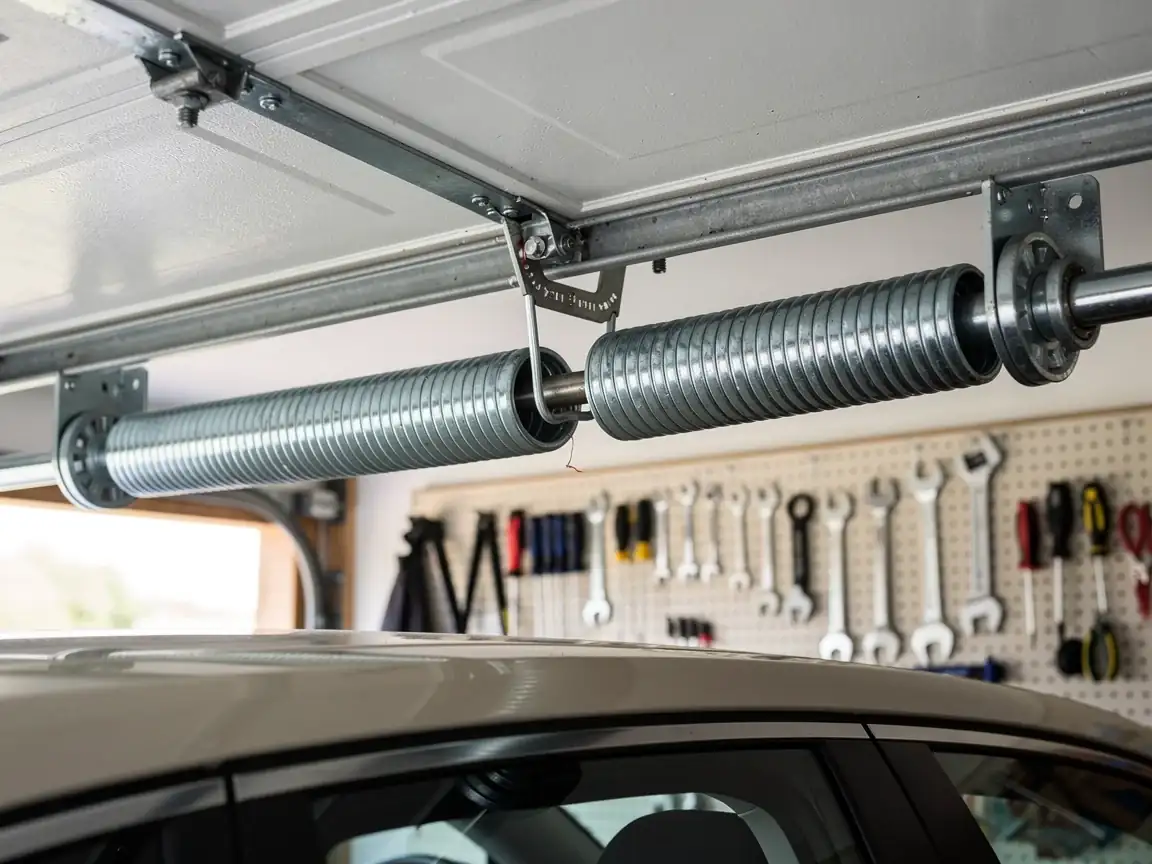
The call that comes out of Waverly is usually a torsion spring
And the reason is the age of the housing. Waverly's homes center on a median build year of 1980, a few years newer than the 1976 median across the wider East Lansing service area, but still well past the point where original springs and openers are due. A torsion spring wound in 1980 has had over four decades of winter contraction and summer expansion. It doesn't fail gracefully. It fails on a Tuesday morning with the car half in the driveway.
We carry torsion springs sized for the double and single door openings common to this build era
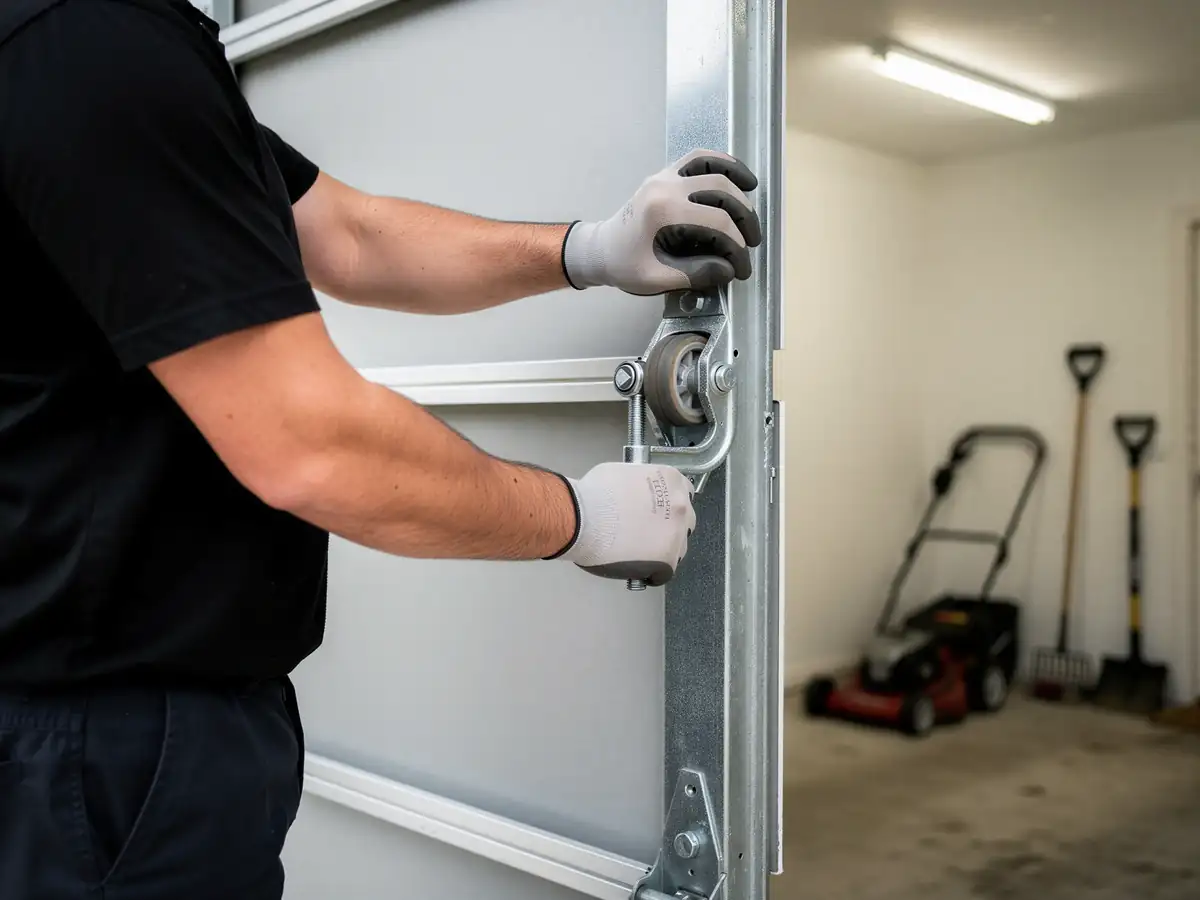
Along with the steel cable that runs with them, because those two parts wear together. We also carry rollers and hinges rated for cold-climate cycling - this is a severe cold band, and the hardware that was fine in a mild state gets brittle here faster. What we don't carry is every obscure chain-drive opener model from that period. Some of those were made in small runs, and if yours is one of them, we may have to source the part before we can finish the job.
Time on the Job
Waverly sits about 8 miles from East Lansing, which is where the truck comes from. That's a short drive, not a long one, and it means the time on a Waverly call is mostly the repair itself, not the road. We don't promise a response window here because we haven't been given one to promise - what we can tell you is that the drive doesn't add meaningfully to the job.
Once on site, a torsion spring swap on a standard double door usually runs under an hour once the truck is parked and the door is up on the jacks. Cable replacement is quicker. Opener board or logic issues take longer to diagnose than to fix, because the symptom - a door that won't respond to the remote - can come from the board, the sensors, or a worn drive gear, and you have to rule each one out before you touch a wrench.
How We Fix It
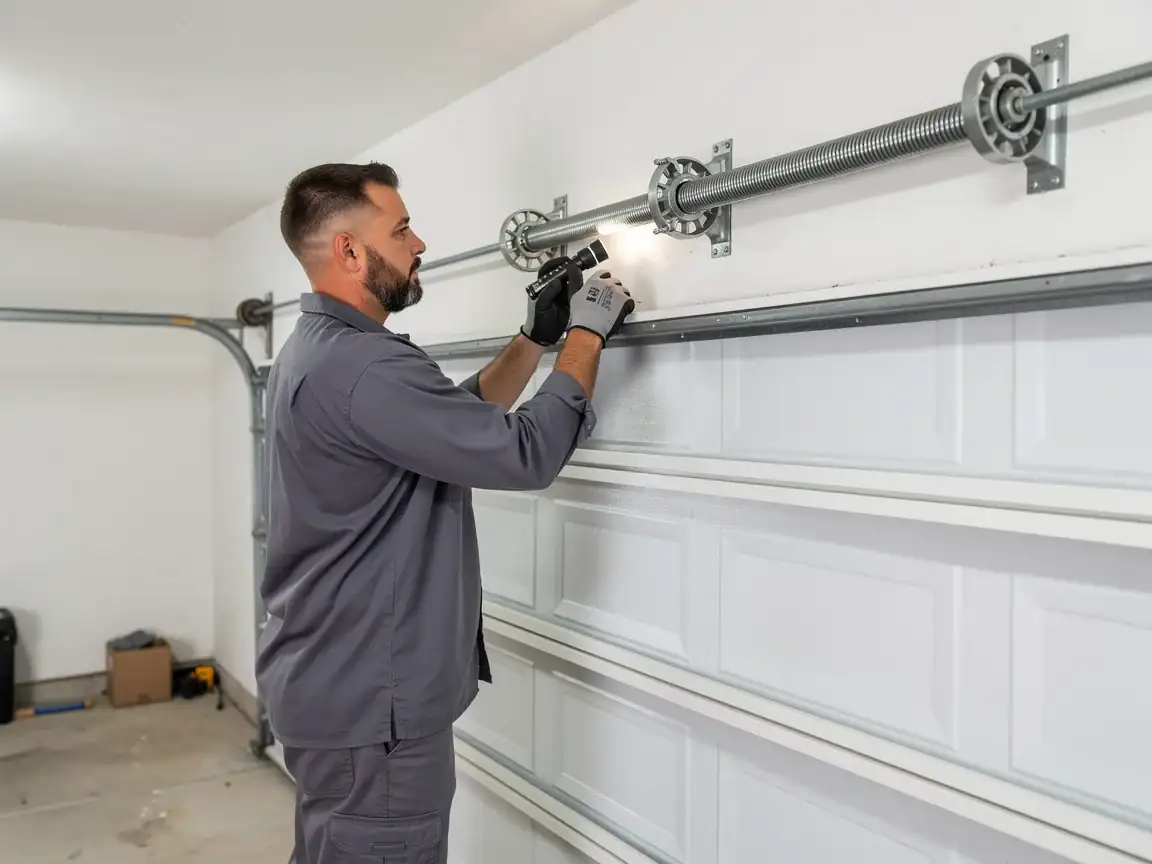
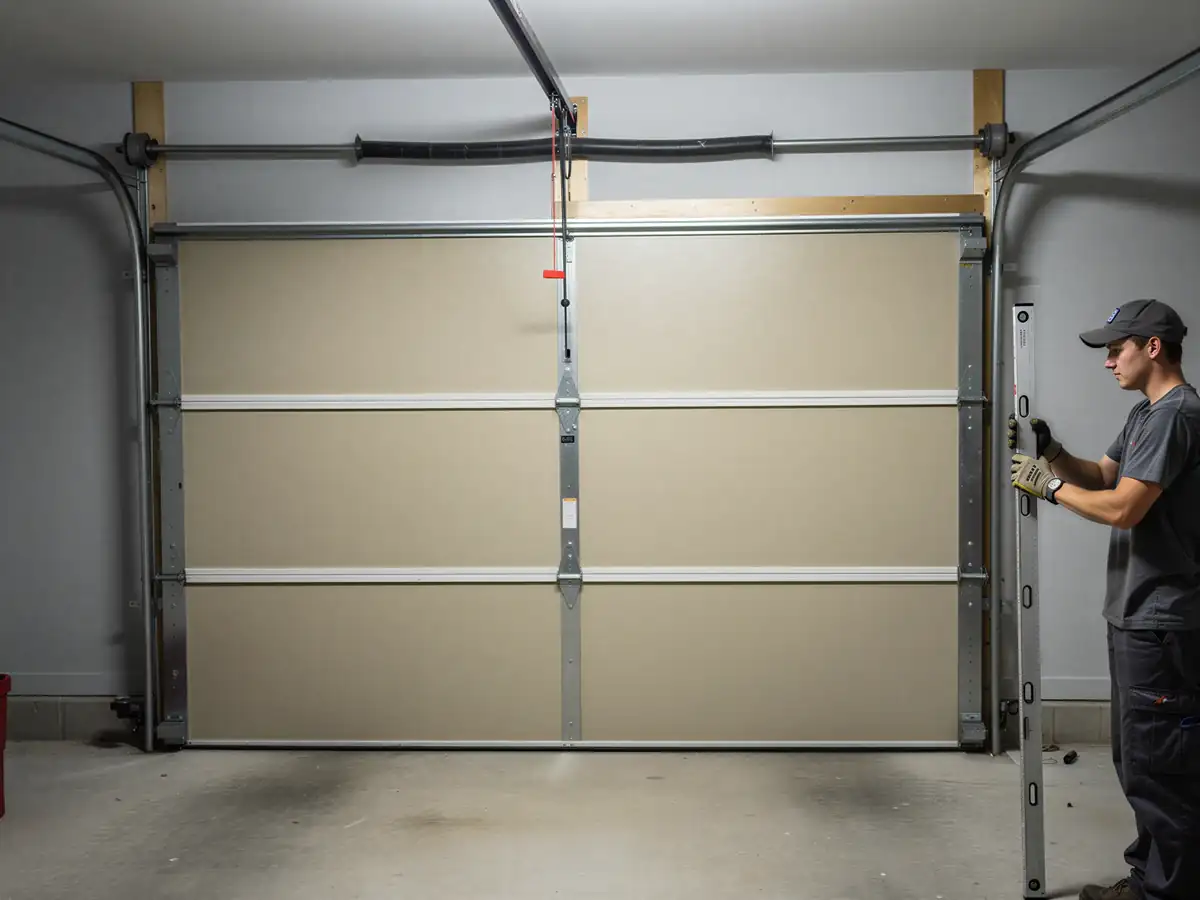
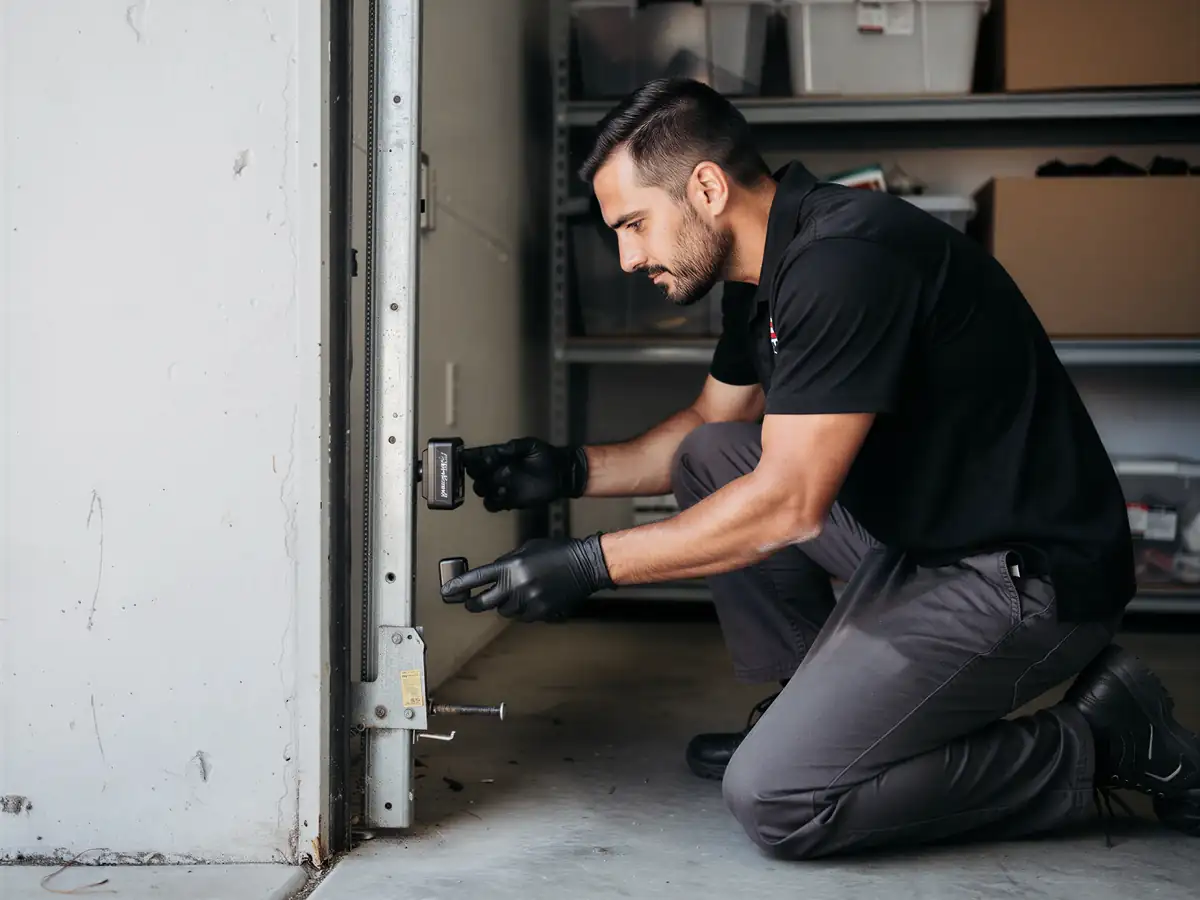
For a broken torsion spring, we unload the opposing spring tension safely, pull the old spring and cable, and install new hardware matched to the door's weight and the opening size - this matters more in Waverly than it would on a lighter aluminum door, because a lot of the 1980-era construction here runs steel panels sized for a cold climate, and an undersized spring will wear out again within a year or two.
For a stuck or off-track door, we check the rollers and track alignment first, since cold-weather contraction in the track rail is a common cause once a house crosses the 40-year mark. If the opener itself is the problem - stripped gear, dead capacitor, failed logic board - we test the unit before recommending replacement. Sometimes the fix is a fifteen-dollar part. Sometimes the opener is old enough and worn enough that repairing it costs more than swapping it, and we'll tell you which one you're looking at before we start charging for labor, not after.
The DIY Question
A torsion spring under tension can break a hand or worse if you don't know what you're doing
And we don't recommend attempting that repair yourself regardless of how simple the video made it look. That's not a sales pitch - it's the actual danger of the part.
What you can reasonably check yourself
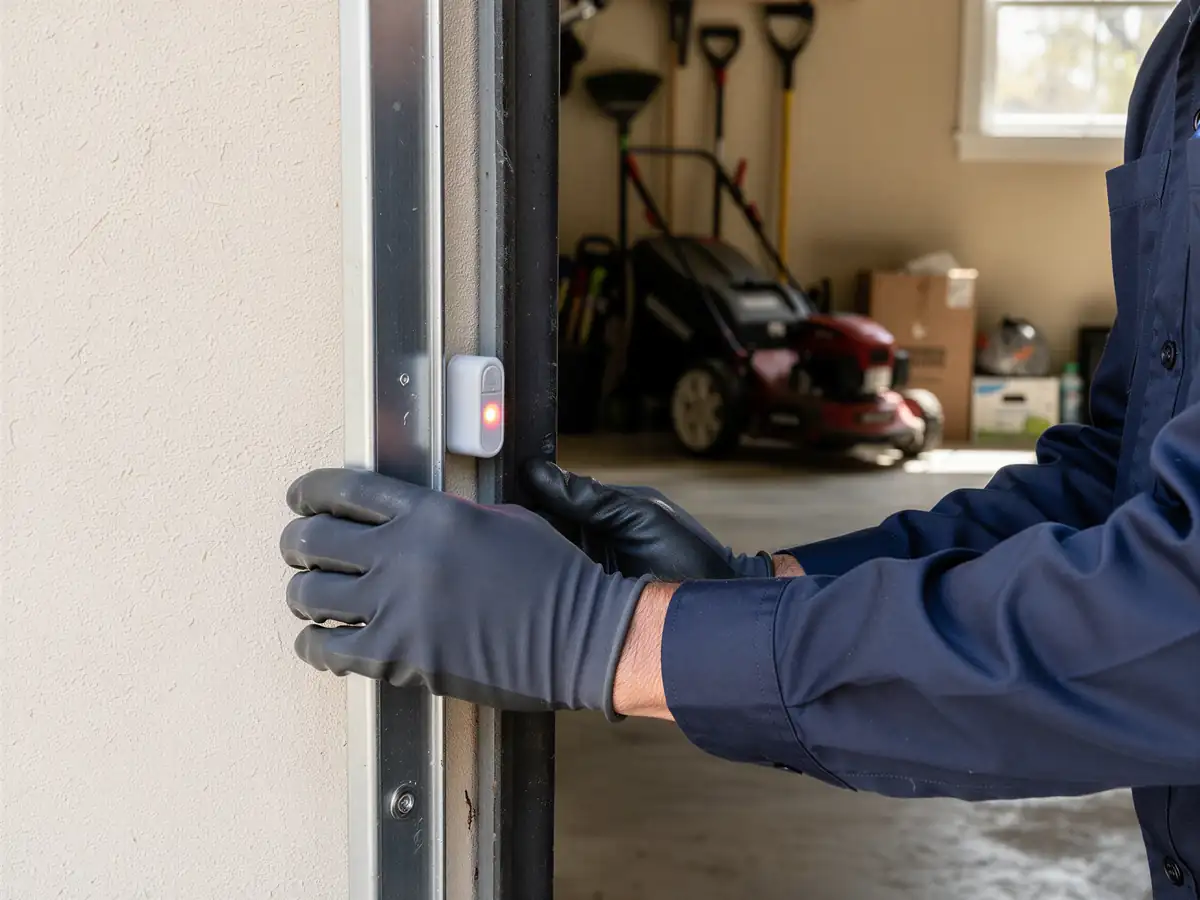
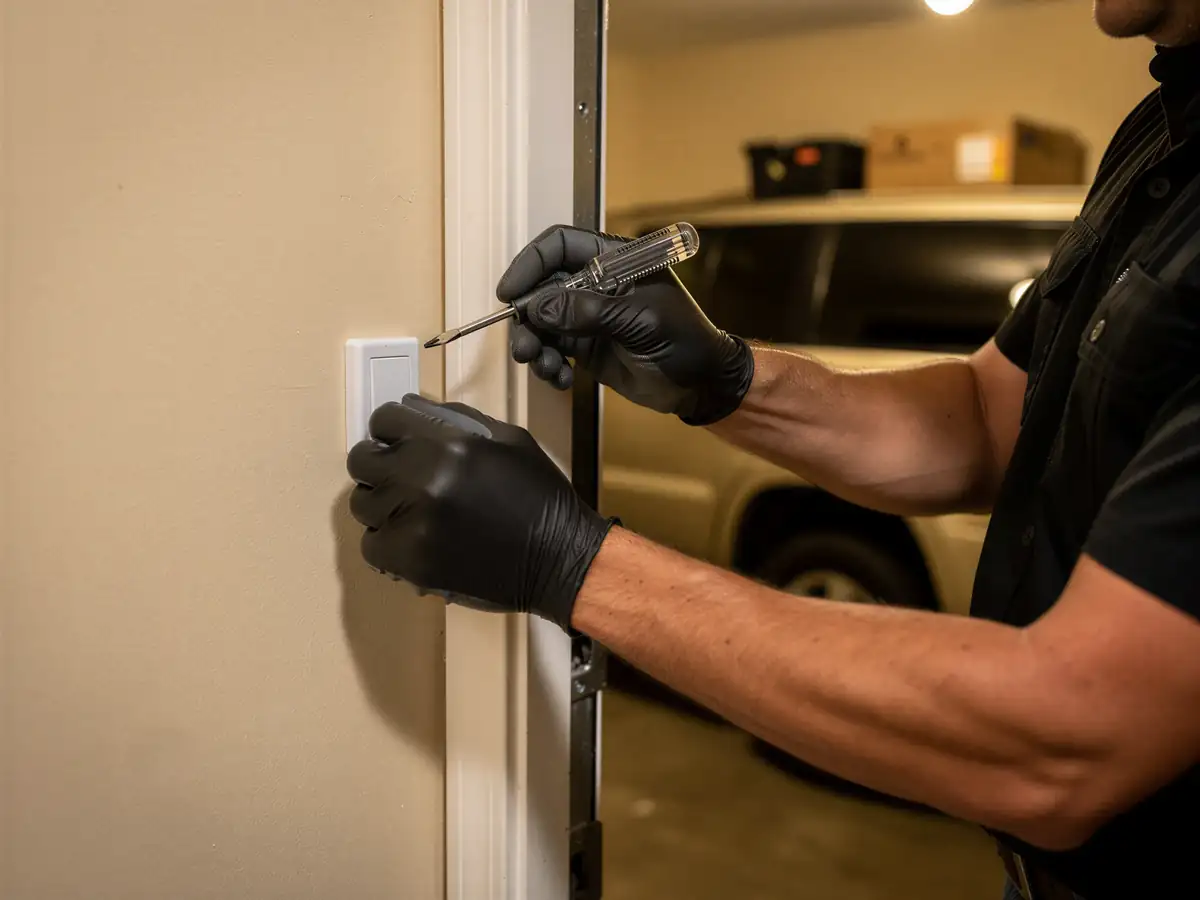
The sensor eyes near the floor on each track (dirt or misalignment there causes a lot of false "broken door" calls), the remote batteries, and whether the manual release cord has been accidentally pulled. If the door won't budge even by hand with the opener disconnected, that's usually a spring or cable problem, not an opener problem, and at that point it's a call, not a project. We'd rather tell you it's a five-minute fix over the phone than drive out and charge you for one.
How It Shows Up
In Waverly, the most common version of this call starts the same way: the door goes up fine one day and then, the next cold morning, it either won't move at all or moves a few inches and stops. That's almost always a spring that let go overnight - cold steel loses flex, and a spring already near the end of its life picks the coldest morning of the week to snap.
The second version is a door that runs but makes a grinding or popping noise partway through the cycle. That's usually a roller that's worn flat, common once a house passes 40 years old, which puts a lot of Waverly's 1980-built housing stock right in that window now. The third version - a door that reverses immediately after closing - points to the safety sensors or the close-force setting, not the spring, and it's worth ruling that out before assuming the worst.