What Is on the Truck
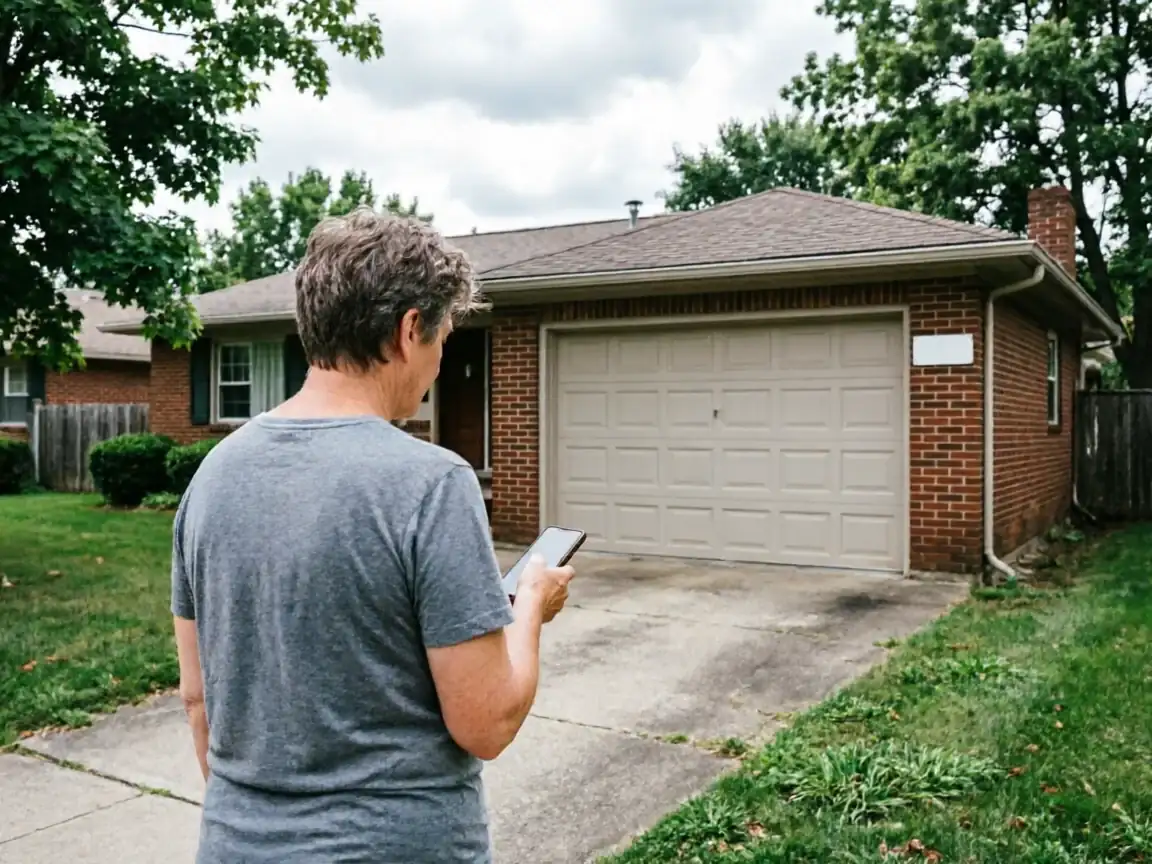
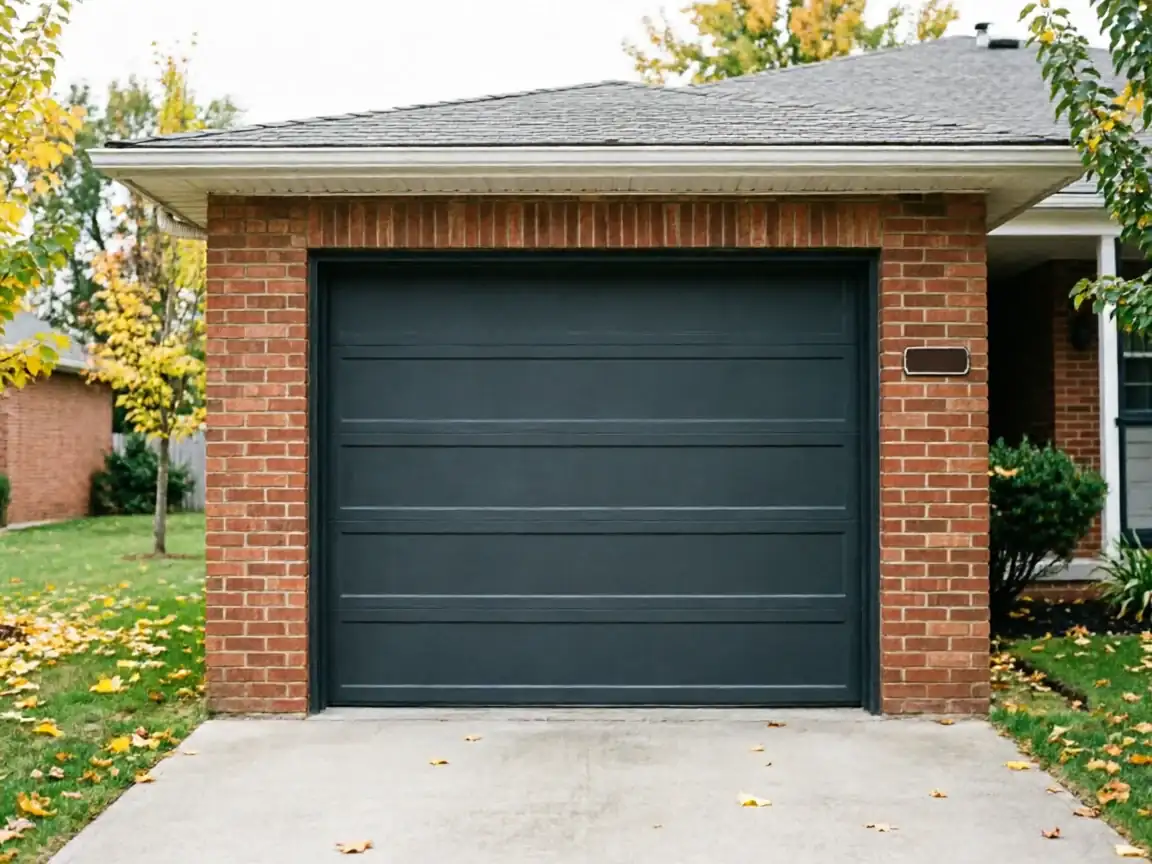
Waverly's housing mostly went up around 1980
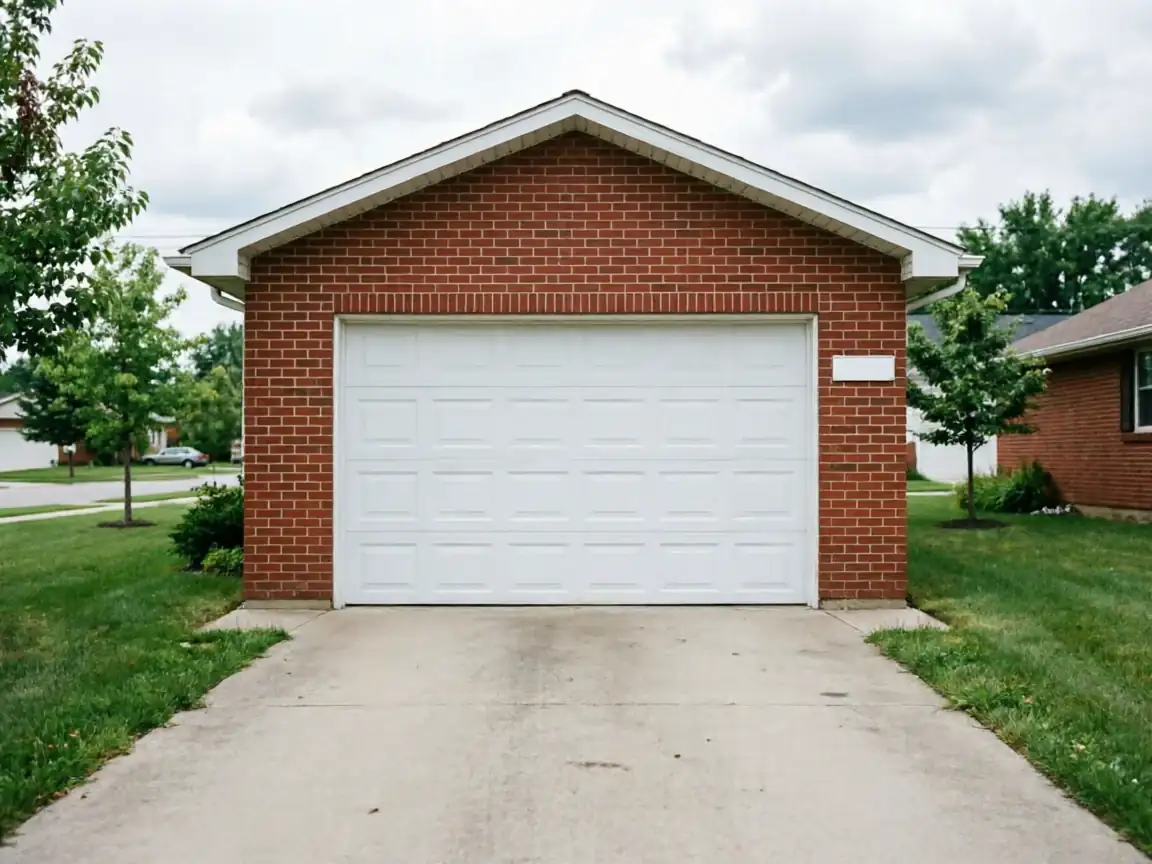
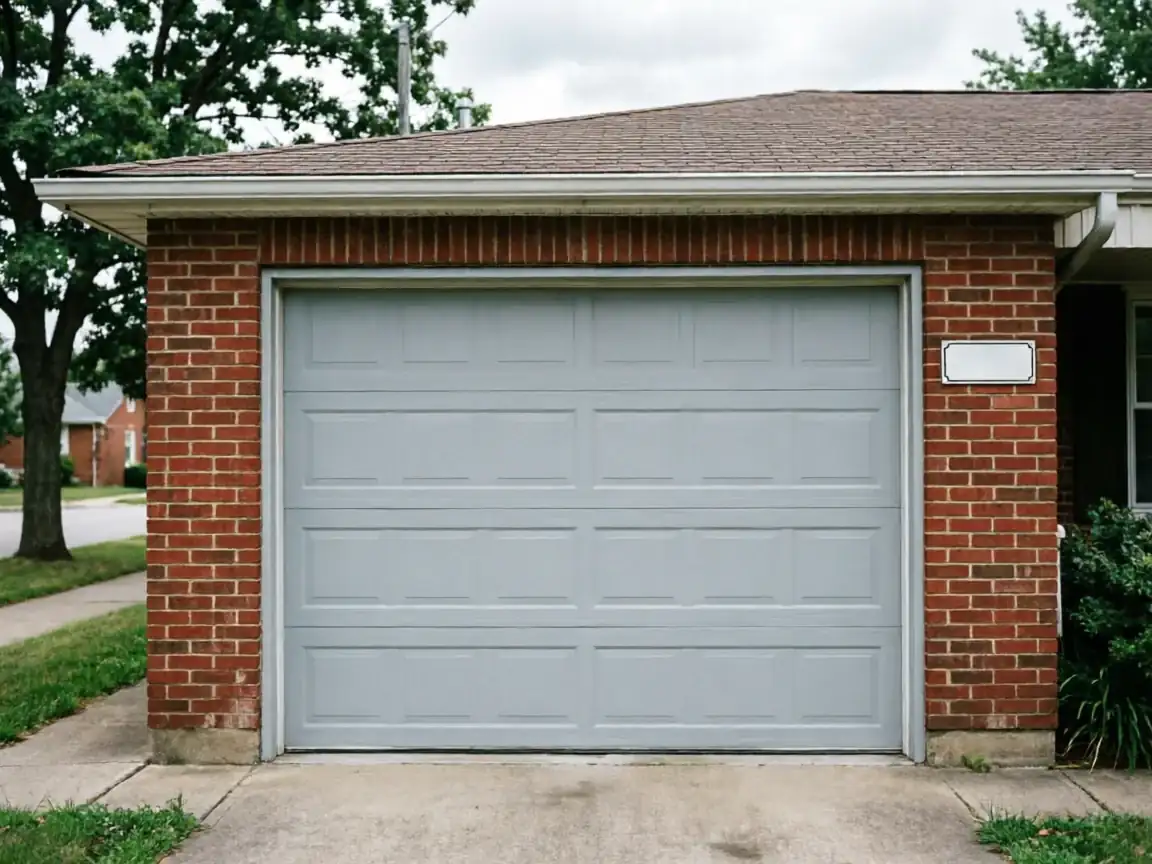
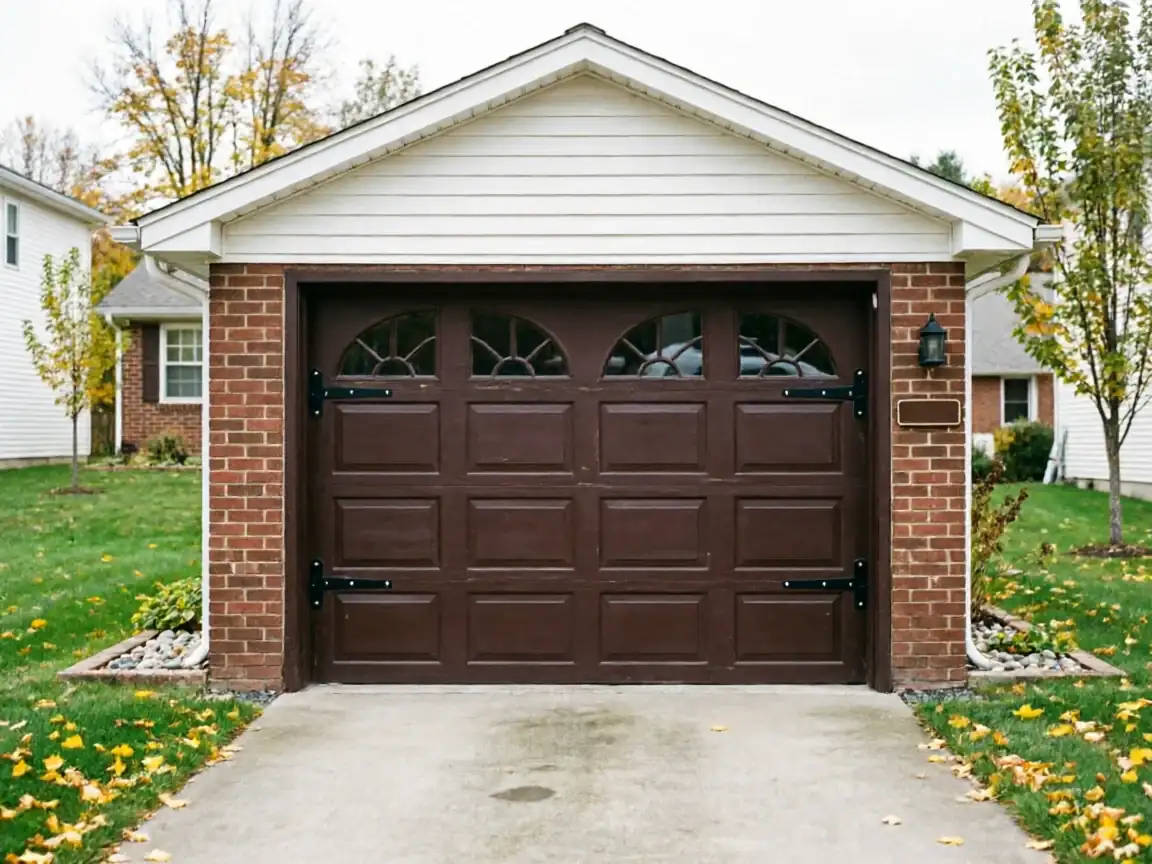
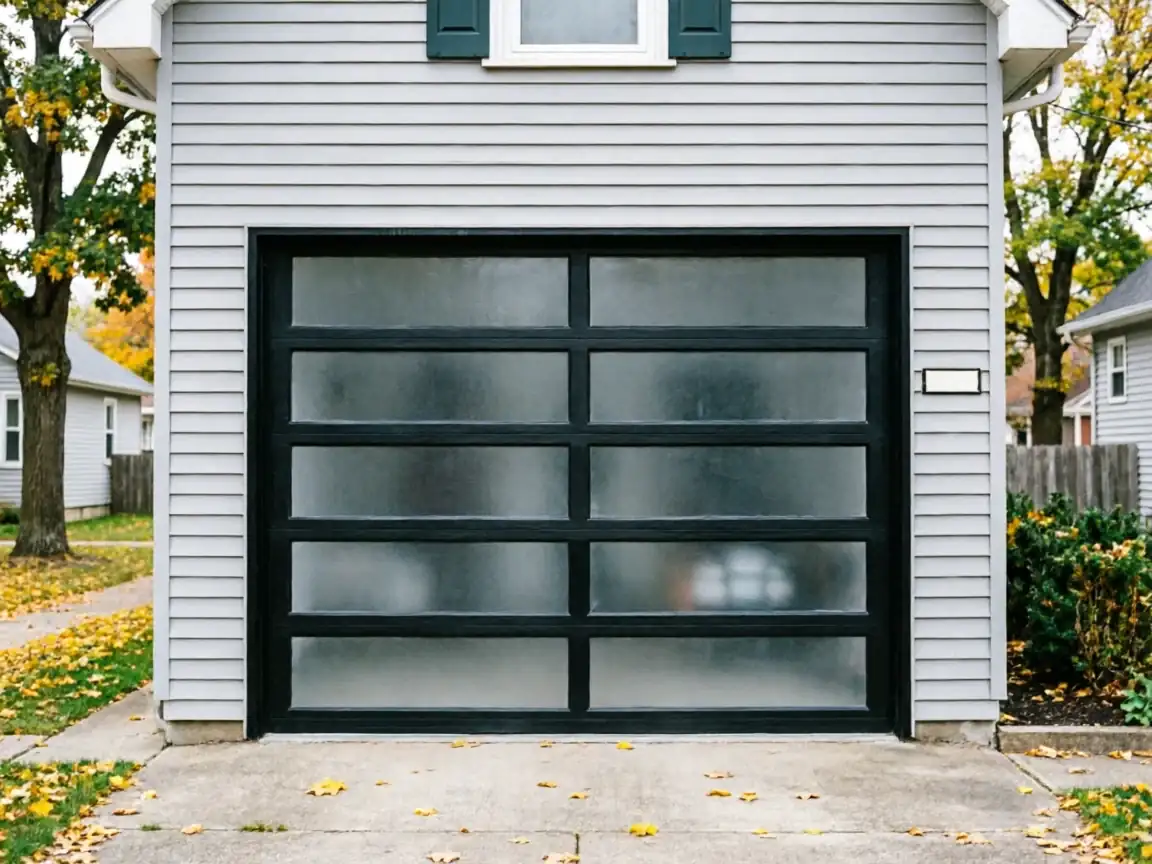
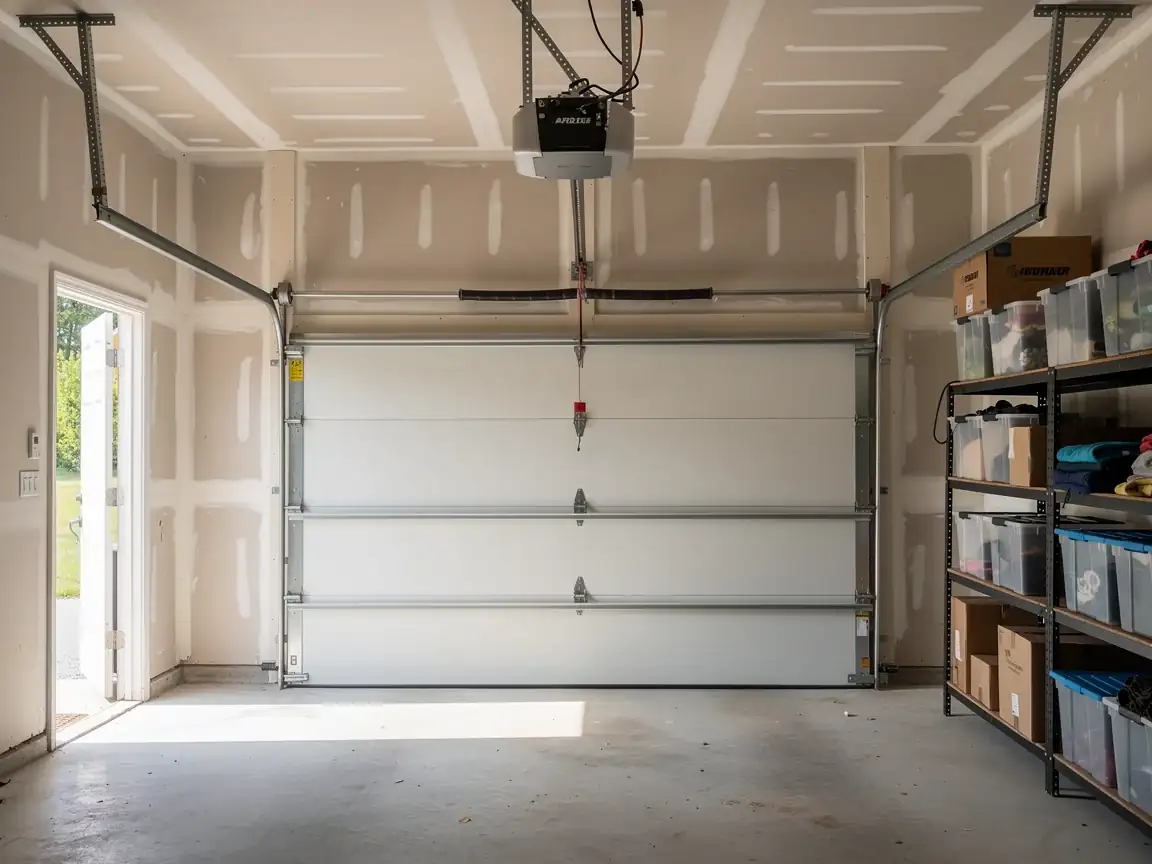
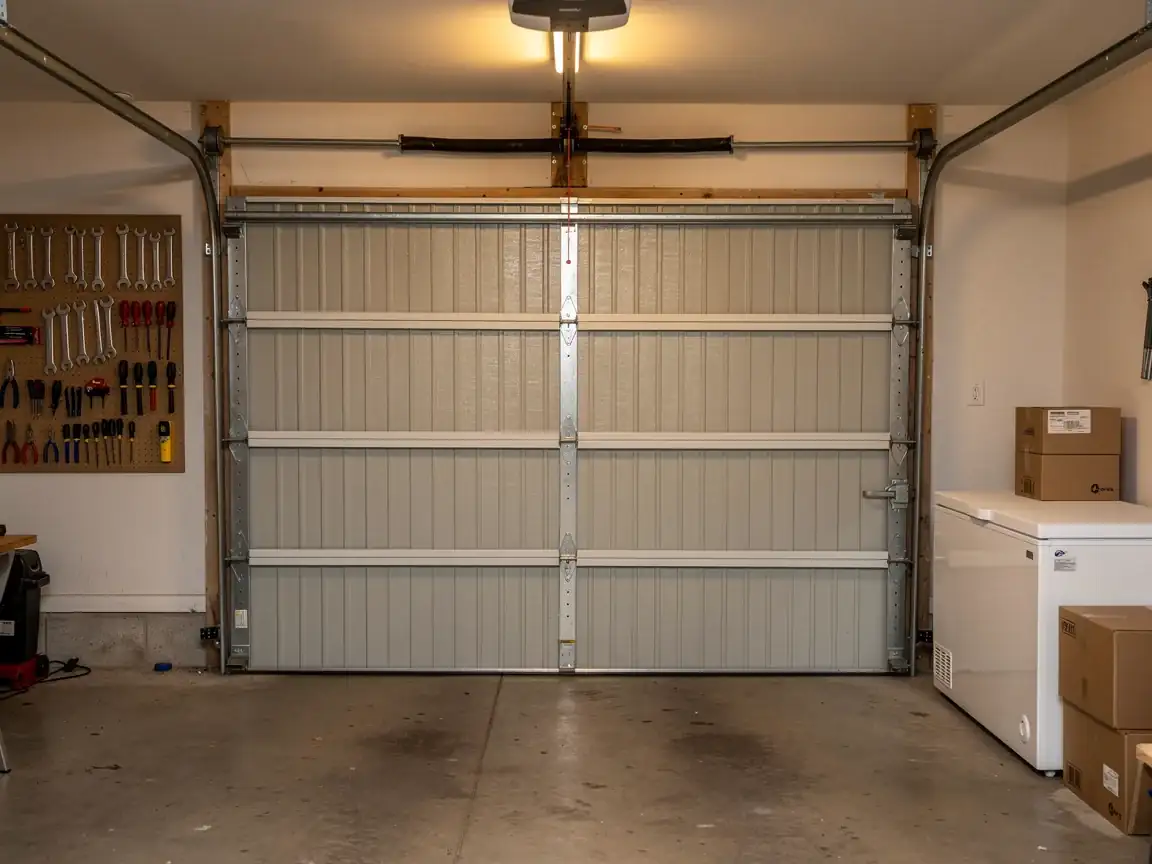
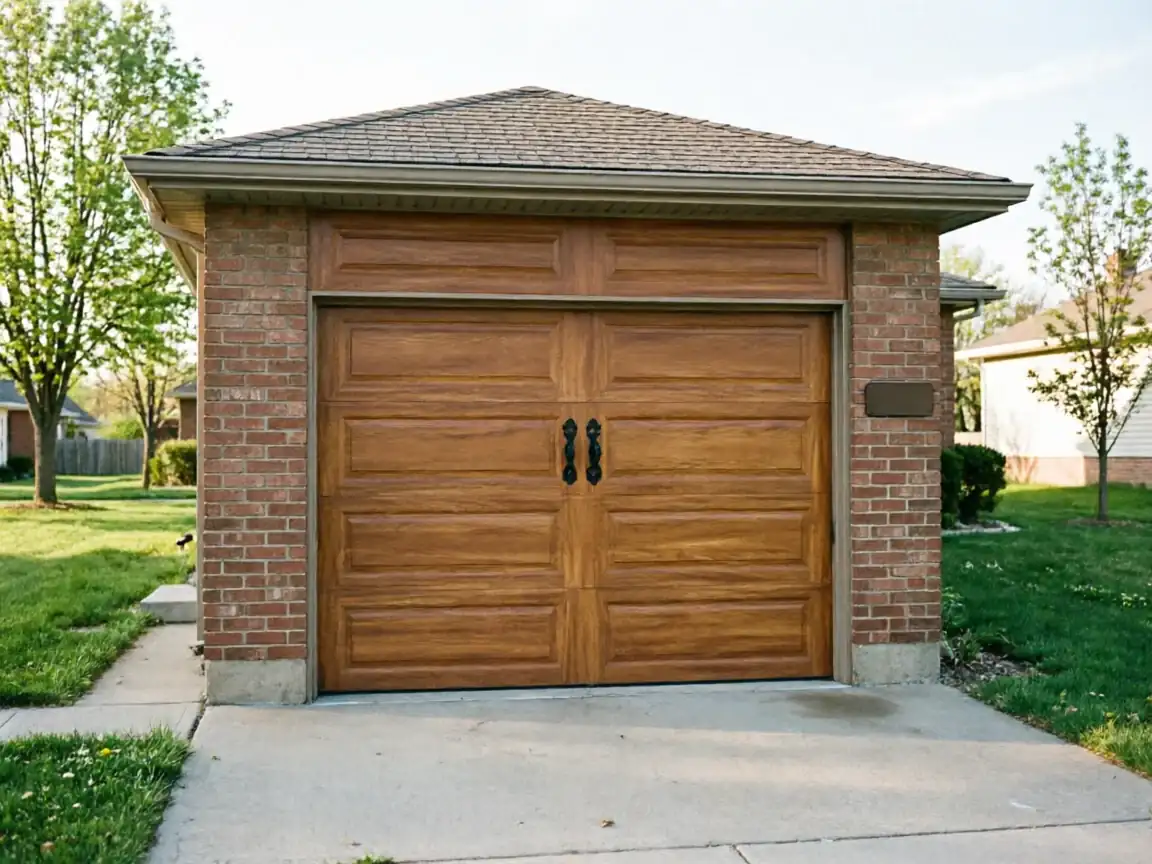
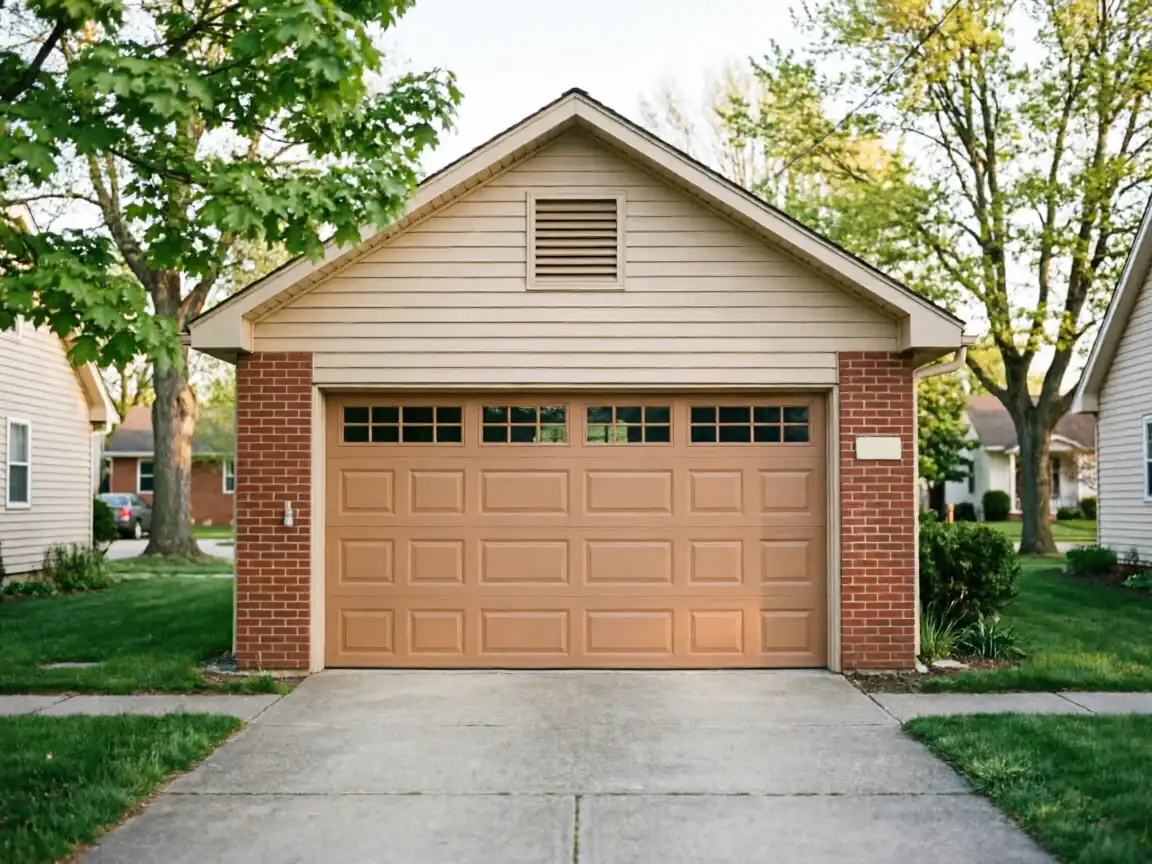
A few years past the midpoint of the wider East Lansing area's 1945-1994 build range. That later date matters for one reason: by 1980 almost every garage got a steel sectional door on roll-formed steel track instead of the older wood or fiberglass panel doors you'll find on houses built closer to the 1945 end of that range. Steel sectional doors from this era use lighter gauge track and stamped roller brackets, both of which bend and rust out over four decades.
So the truck carries what that specific door needs
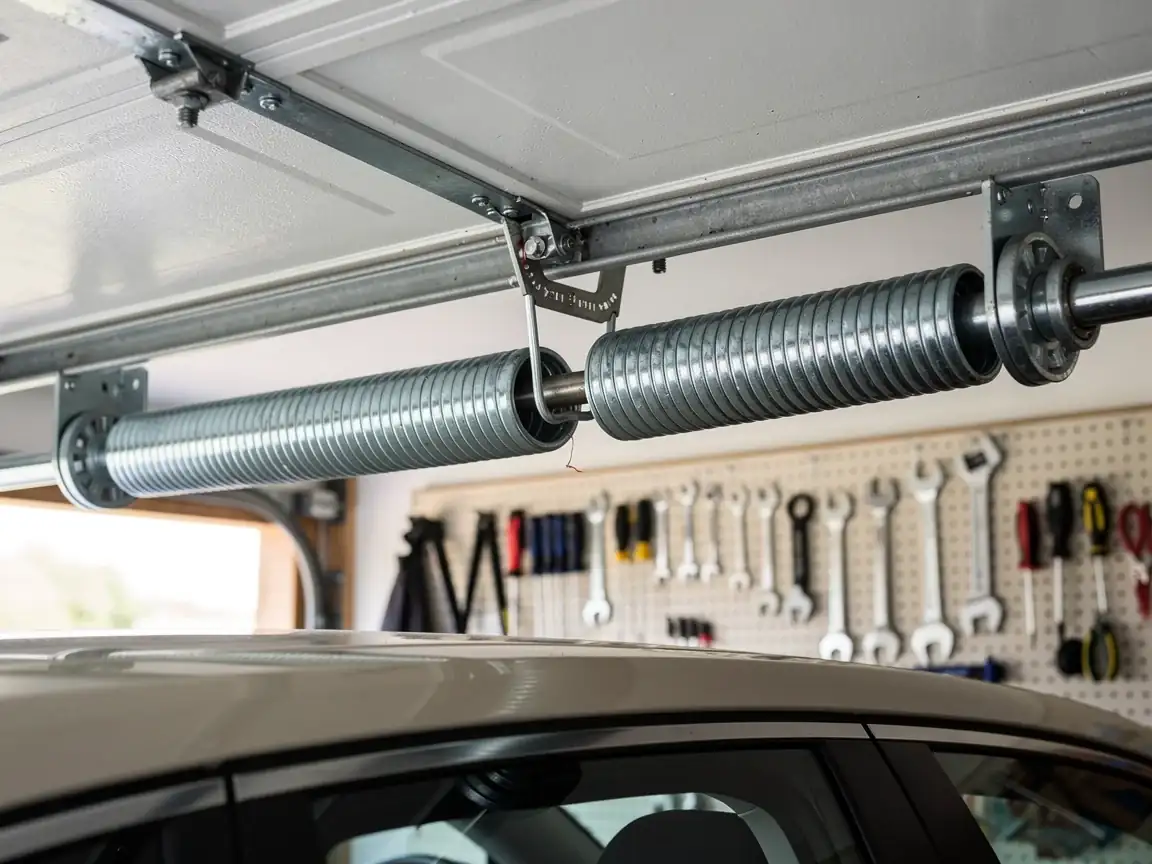
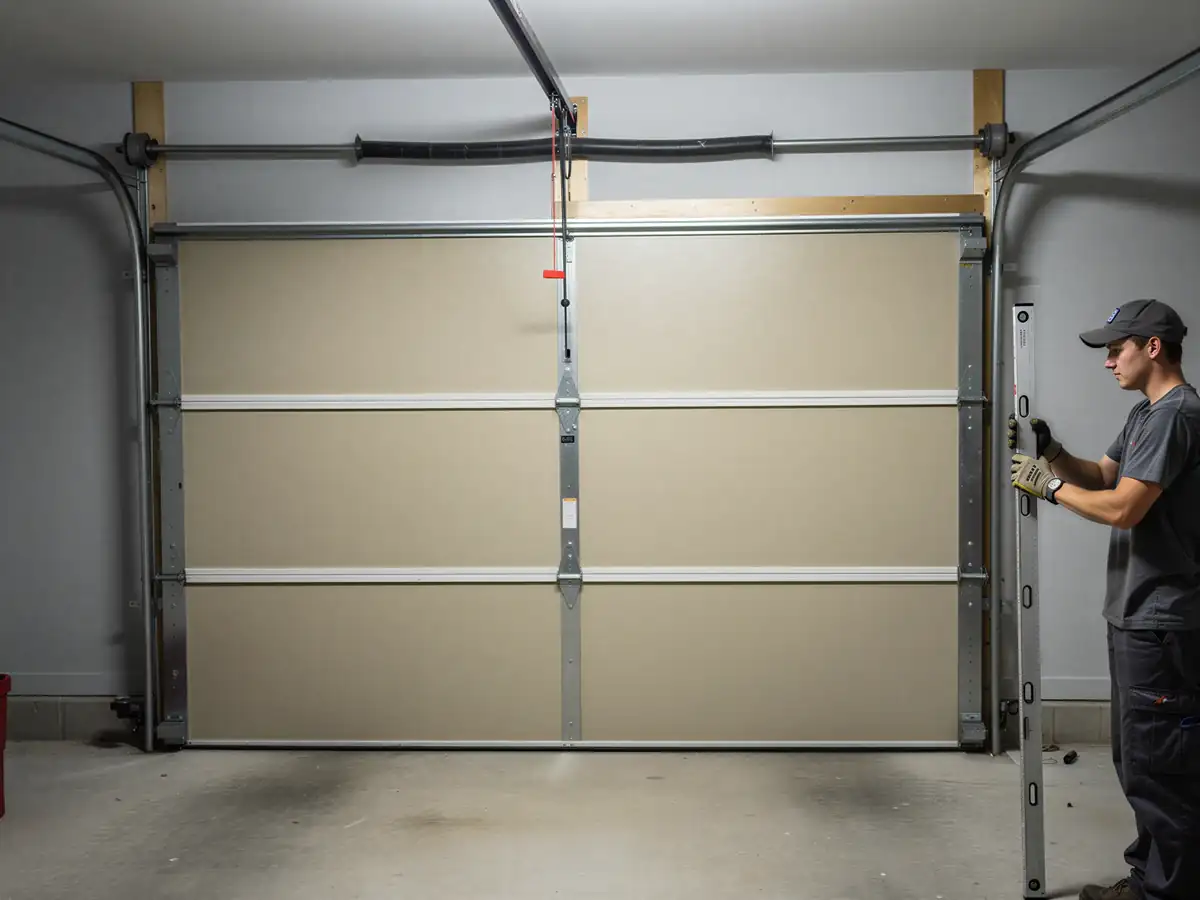
Replacement track sections sized to match roll-formed rail, nylon and steel rollers in the common stem lengths, repair brackets, and extension or torsion hardware sized for a standard-width steel door rather than a heavier older wood slab. We don't carry parts for exotic or custom doors on spec - if your door turns out to be something unusual, that part may need to be ordered, and we'll tell you that up front rather than guess at a fix on-site.
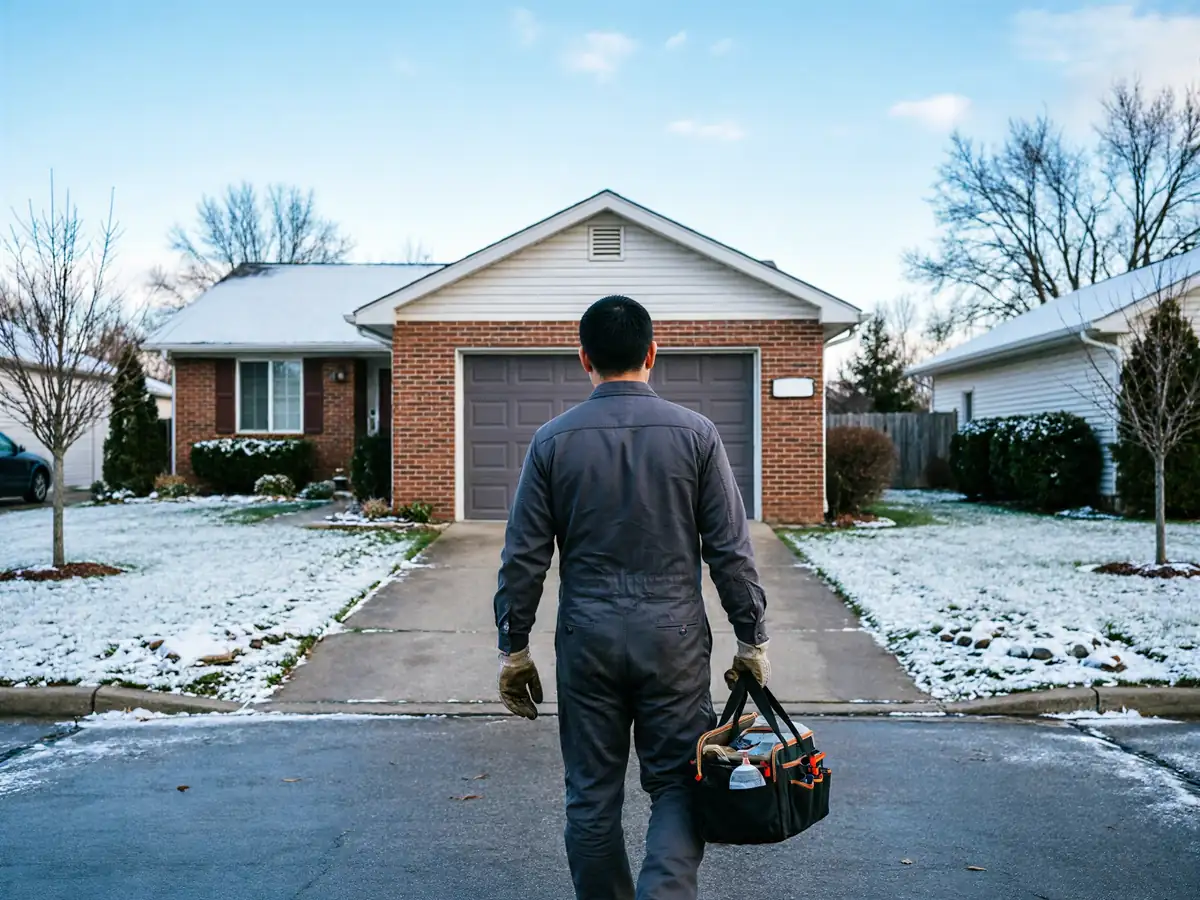
We come from East Lansing, about 8 miles out
So the truck is loaded before it leaves, not restocked mid-route.
- 8 miles
Time on the Job
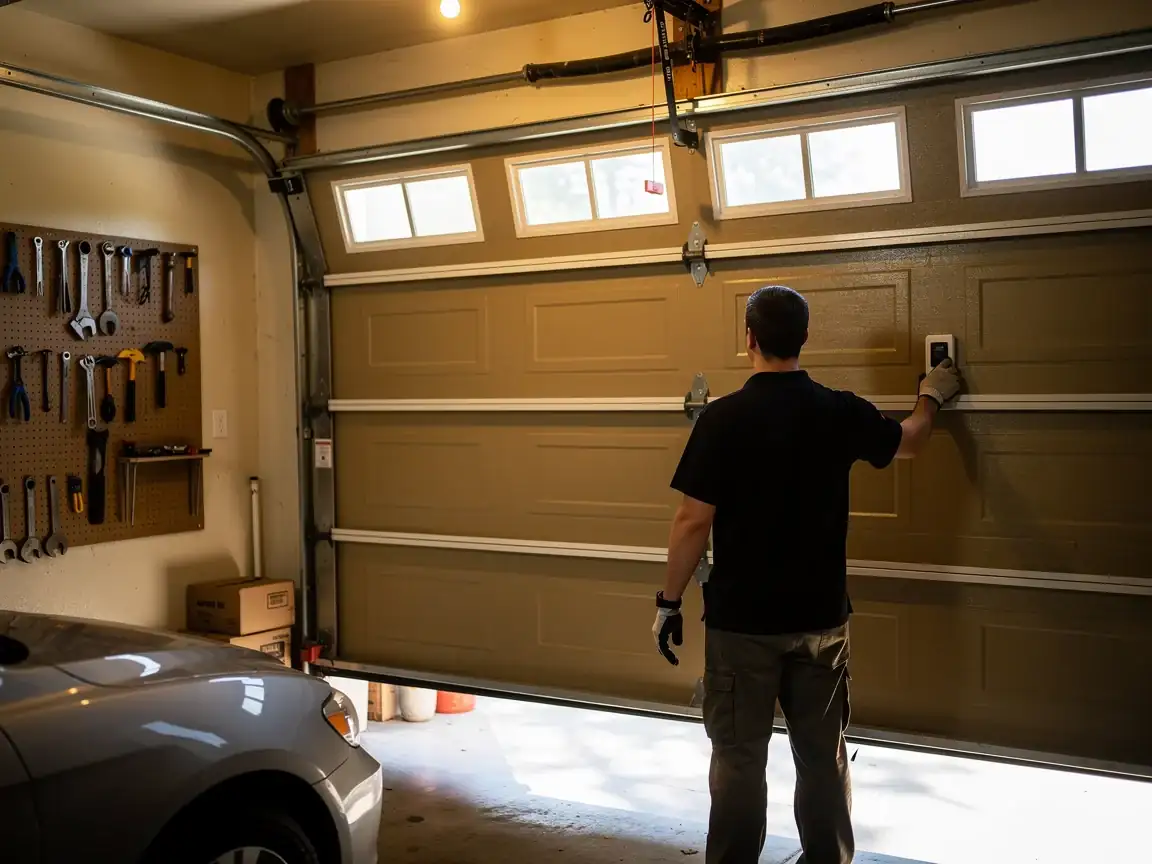
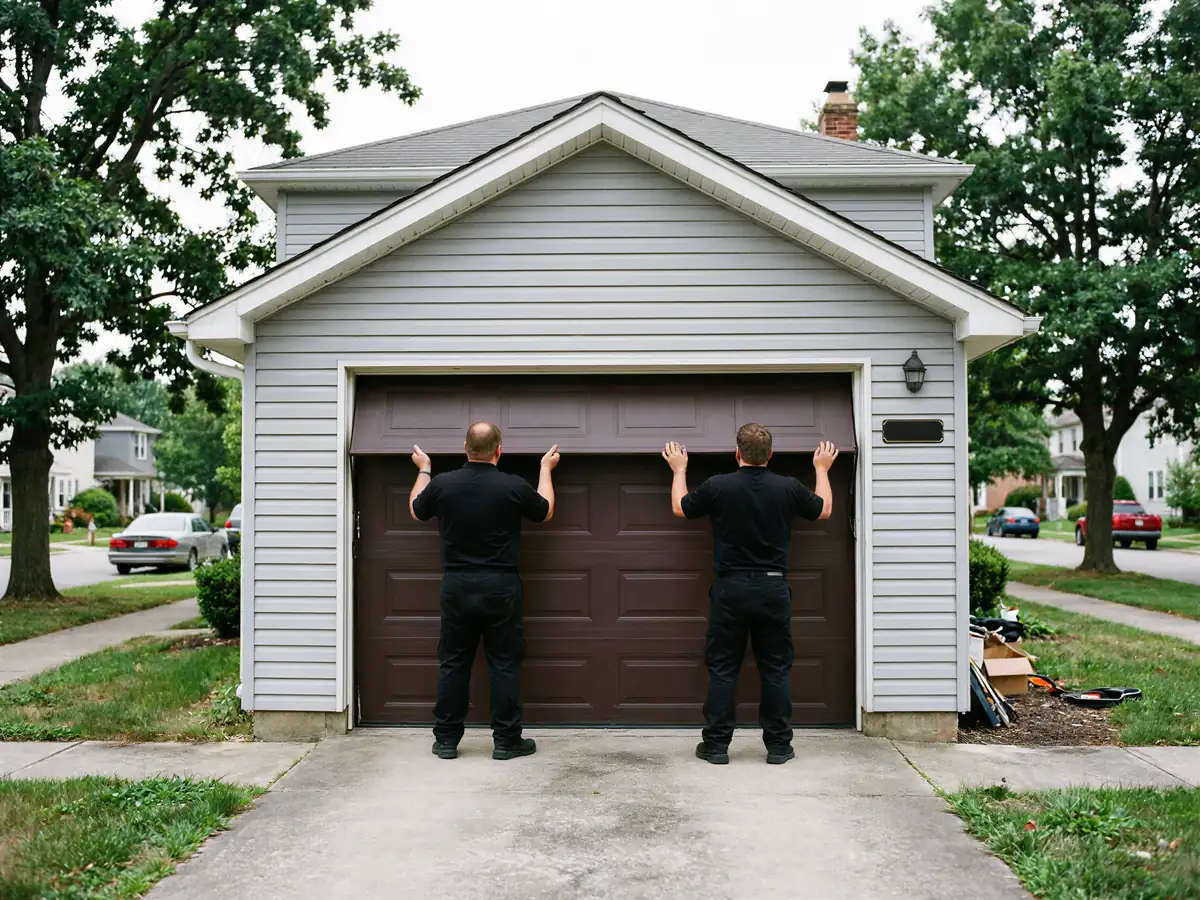
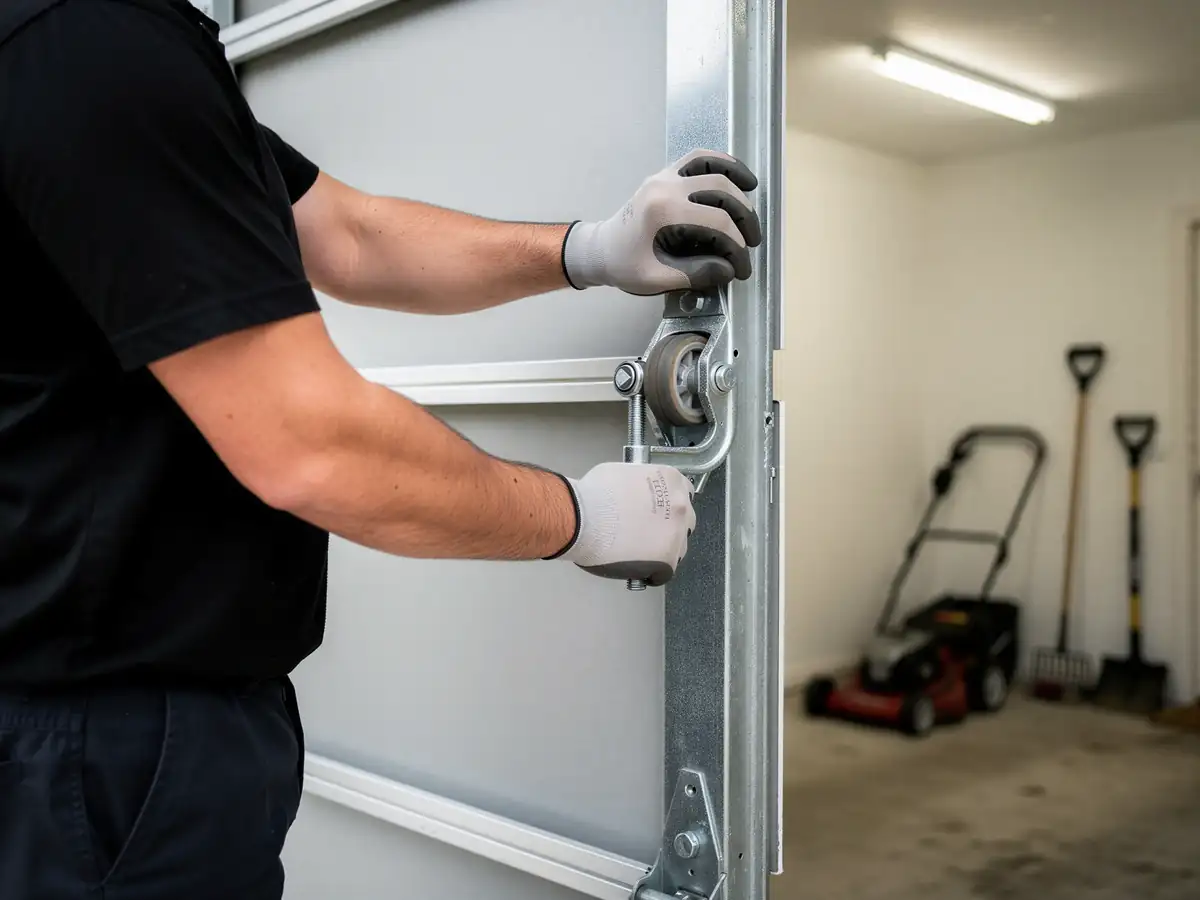
An off-track door on a standard steel sectional, the kind common to Waverly's 1980-era builds, is usually a bent track or a broken roller bracket, not a structural problem with the door itself. Realigning track and swapping a bracket or roller is a contained job once we're on-site with the right-sized parts already loaded.
What we won't do is promise a number of minutes or hours before we've looked at the door. A door that's been run off-track repeatedly, or one where the opener kept pulling against a jammed track, can have bent the track badly enough that straightening it is a waste of time compared to replacing the section outright. We make that call once the door is open and the track is off the wall, not before.
We're traveling from East Lansing for this call, 8 miles each way, so we don't carry a local same-day guarantee for Waverly specifically - we schedule it like any stop on the route and tell you honestly where that puts you in the day.
How We Fix It
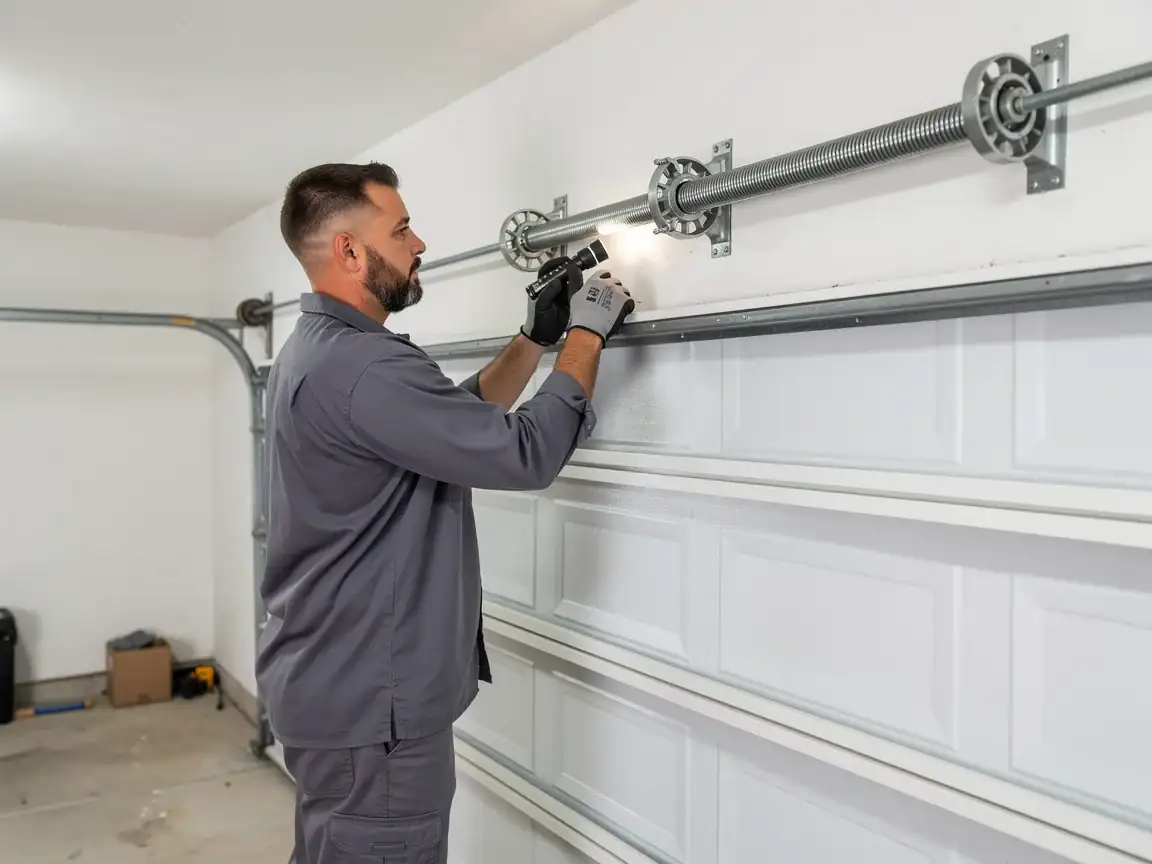
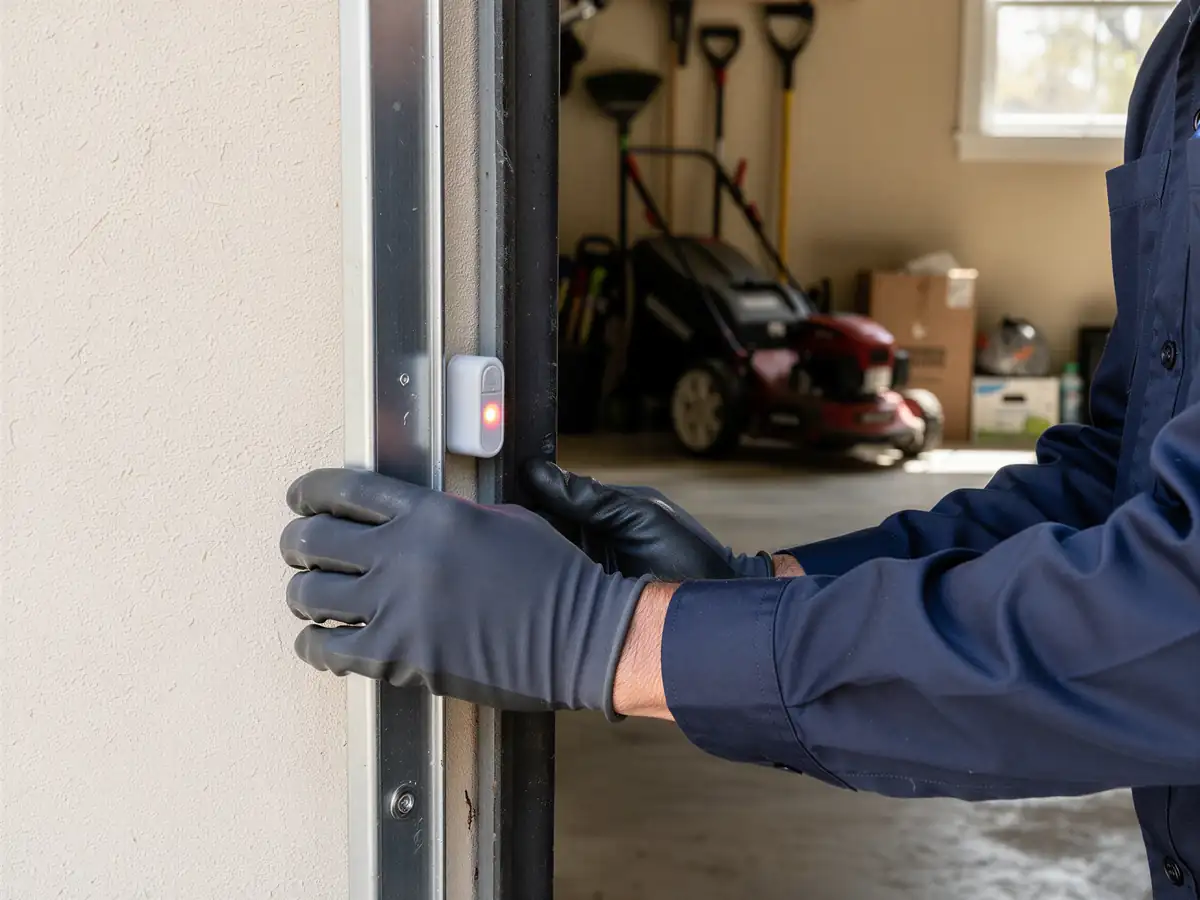
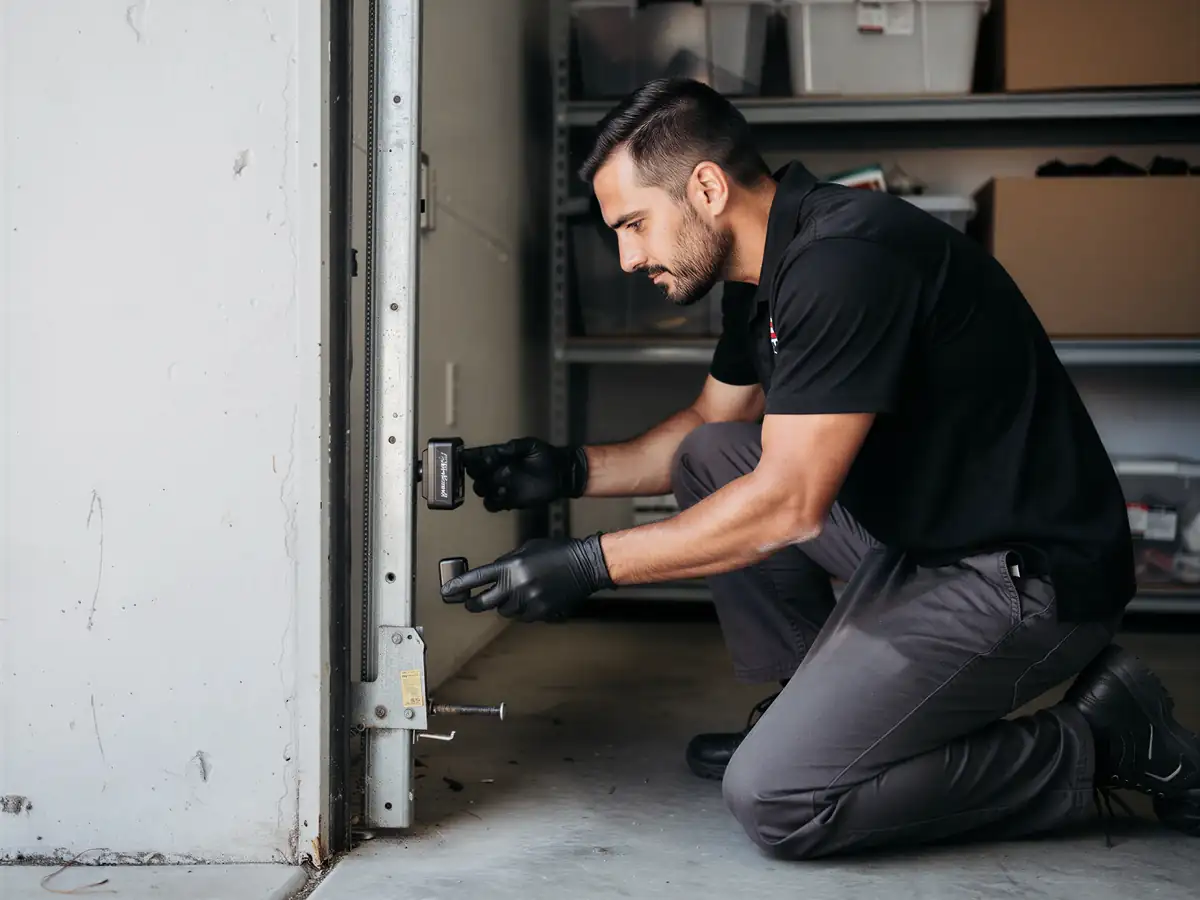
First step is figuring out why the door left the track, not just putting it back. On a roll-formed steel track from a 1980-era build, the usual cause is a bent rail from the door being forced closed after it was already off, or a roller bracket that's rusted and pulled loose from the jamb. We check both sides of the track for square before we touch the door panel.
If the track is bent only slightly, we can often straighten it in place and reset the rollers. If it's kinked or the bracket has torn out of the framing, we replace that section rather than bend it back - a track that's been forced once tends to fail again at the same spot. We reseat the door panel, check the cables are still seated on the drum, and run the door through a full open-close cycle before we call it done.
What we don't do on this call is rebuild an opener or rewire a circuit - if the opener itself was damaged by the door running off-track, that's a separate repair we'll quote once the door mechanics are sorted.
The DIY Question
A door that's partway off its track is under spring tension even when it looks still
And a steel sectional panel from this era is heavy enough to do real damage if it comes free while someone's working near it. Reseating a roller onto roll-formed track by hand, without releasing that tension first, is how people get hurt or bend the track worse.
There's a smaller job homeowners can reasonably handle
If a roller has simply jumped the track but the bracket is intact and the door is only open a few inches, closing the opener's power, confirming nothing is under load, and gently guiding the roller back in can work. Past that - bent track, a bracket pulled from the frame, or a door that's at an angle - it's not a project for a Saturday afternoon.
Our honest limit here
If the track damage is extensive enough that the whole rail assembly needs replacing, that part isn't always on the truck, and depending on the width and style, matching an older 1980-era rail can take a few days to source.
How It Shows Up
In Waverly, the climate itself is part of the problem. This whole area sits in a cold climate band with severe winter conditions, and ice buildup at the bottom panel of a steel sectional door is one of the more common reasons a door jumps its track here - the door sticks to a frozen threshold, the opener keeps pulling, and the bottom corner comes off the rail before the motor senses resistance and stops.
The other pattern is age-related: roller brackets on a 40-plus-year-old steel door loosen gradually as the screws work free from repeated use, and a door that's slightly off-square starts riding the edge of the track instead of the center. You'll usually notice it as a grinding or scraping sound right before the door comes free, or a visible gap between the roller and the rail on one side.
Either way, the fix starts with the track and bracket, not the opener. Running the opener repeatedly on a jammed or off-track door is what turns a bracket replacement into a track replacement.