Time on the Job
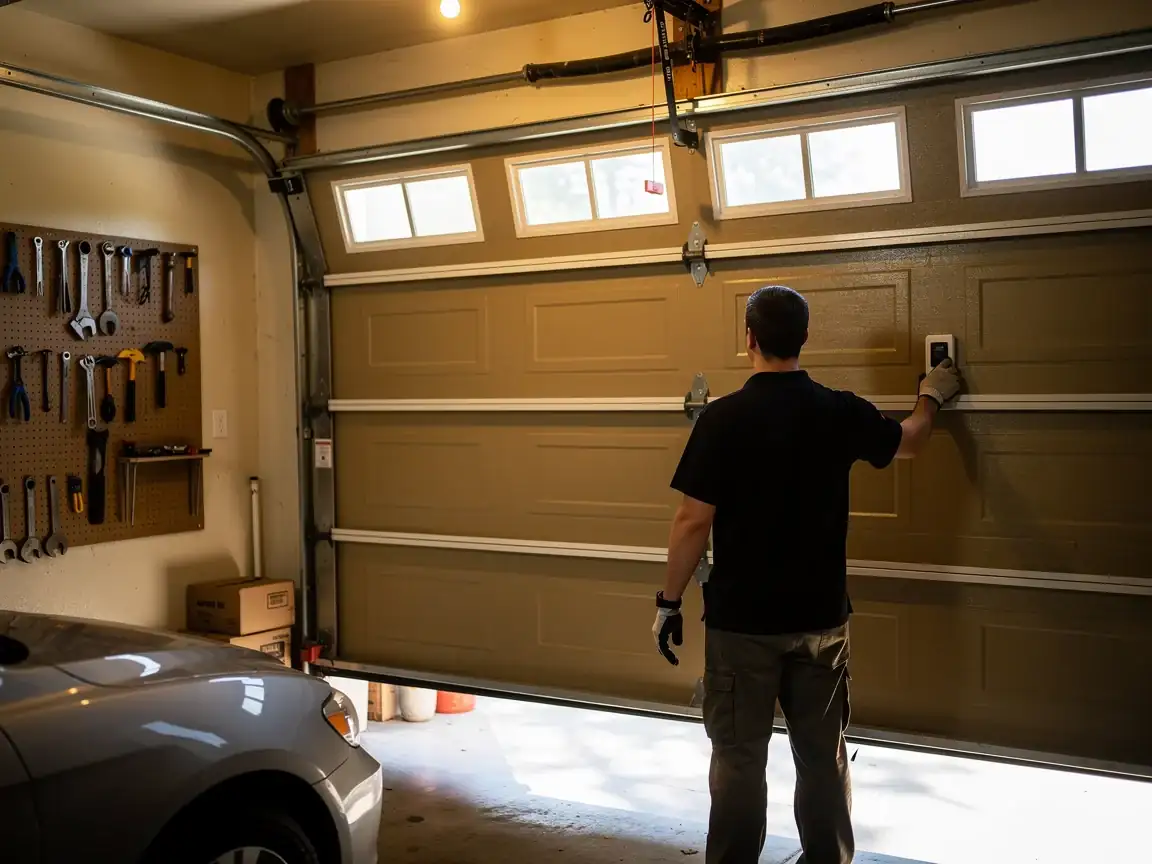
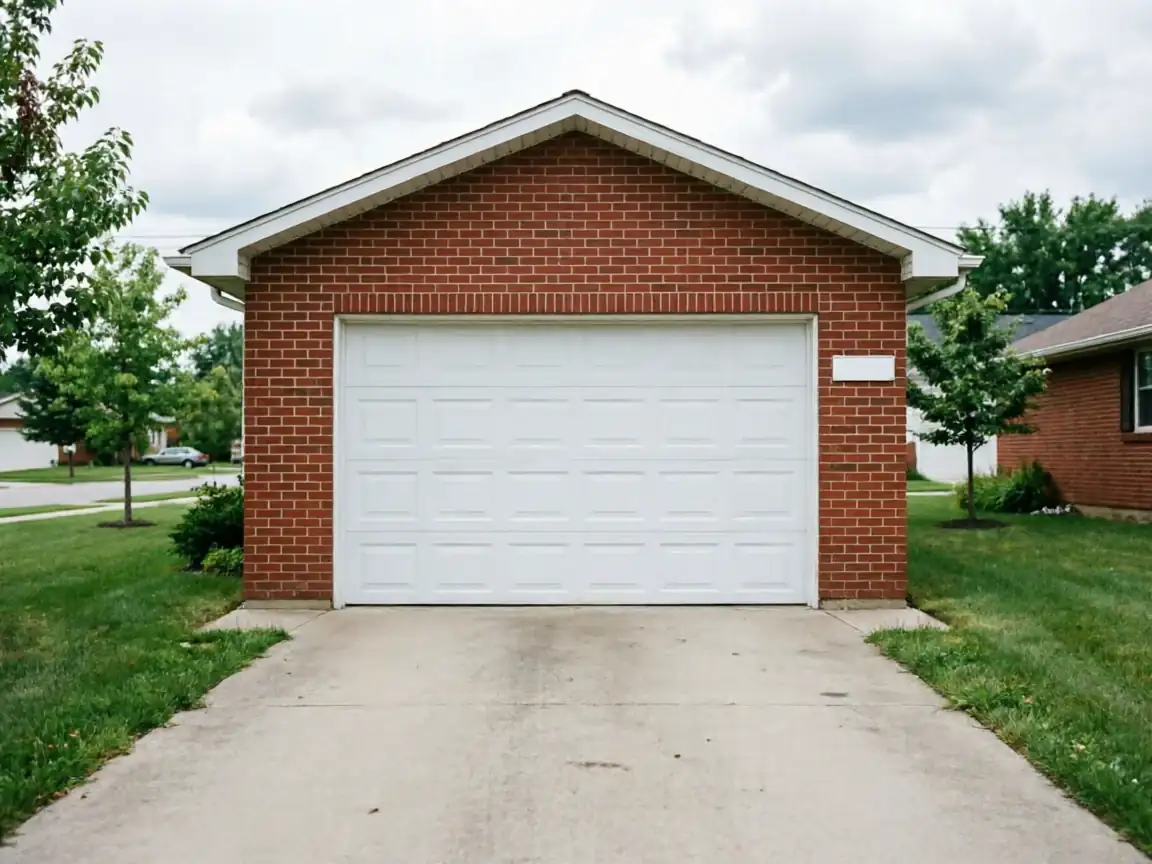
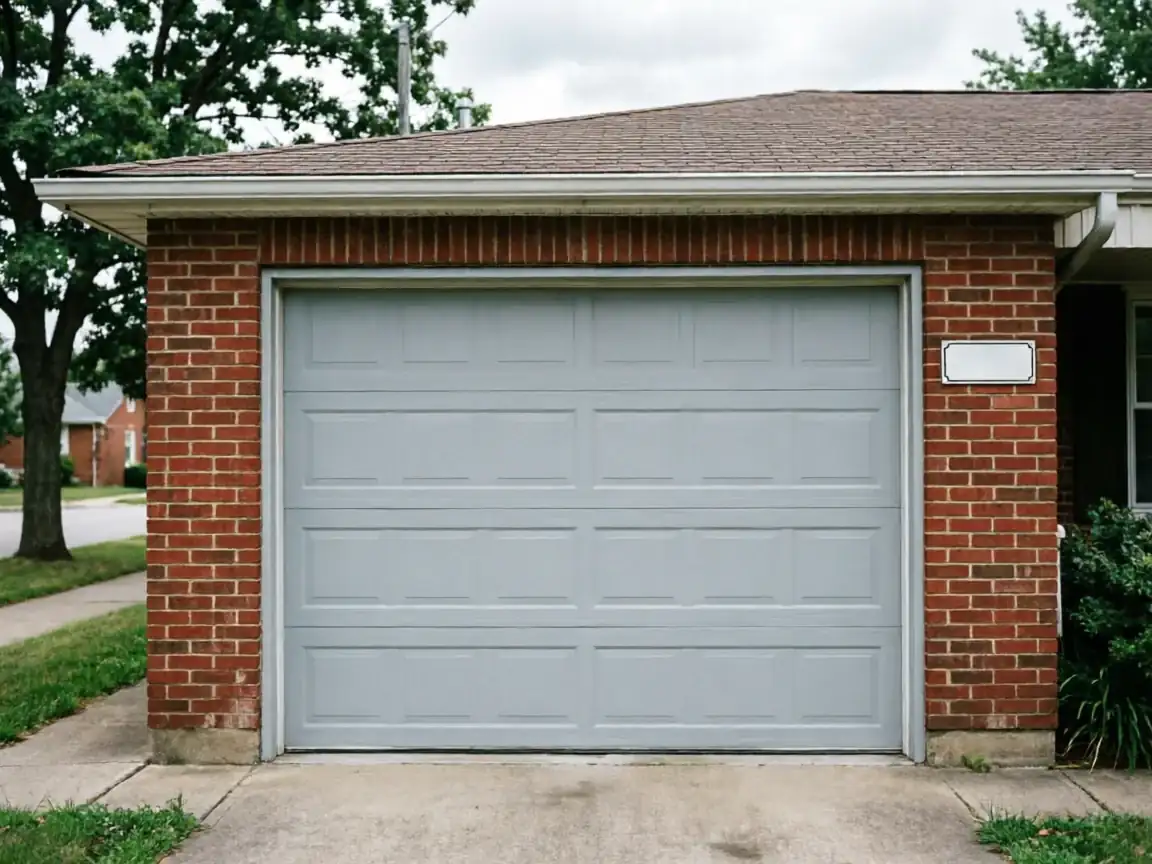
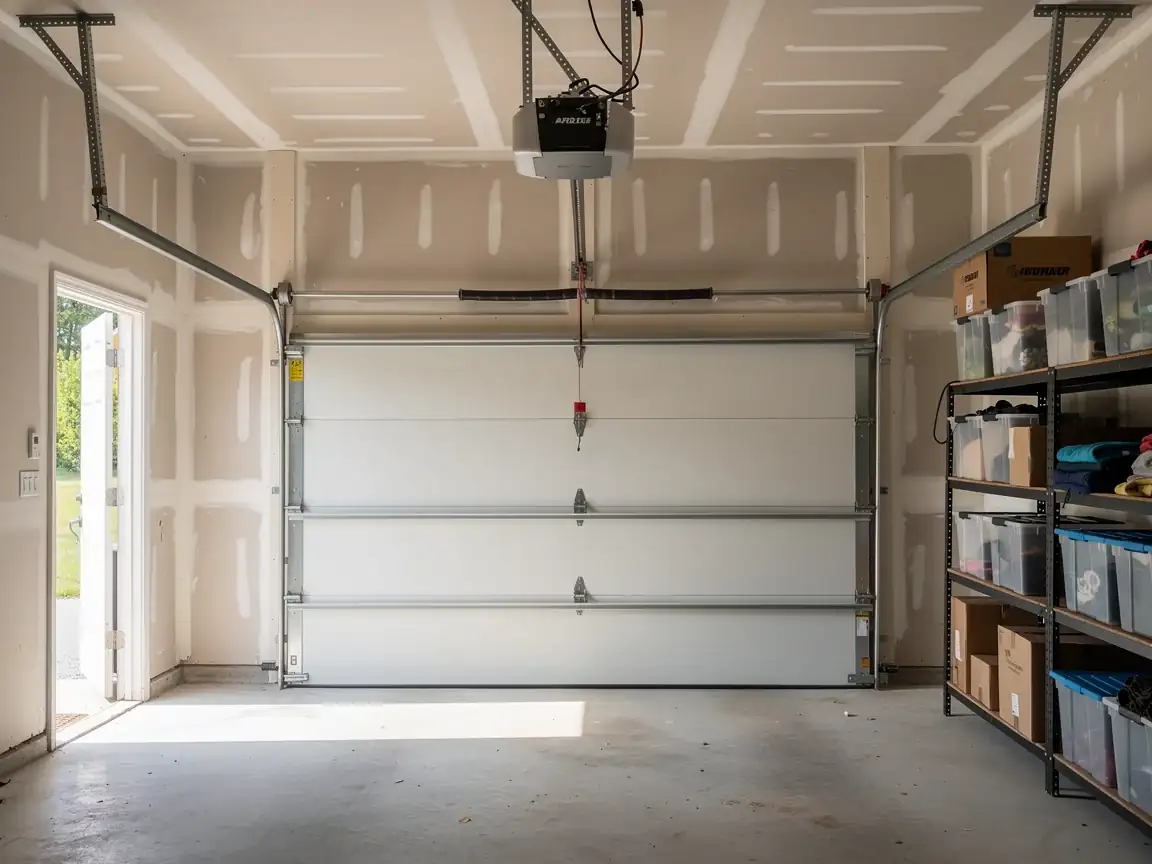
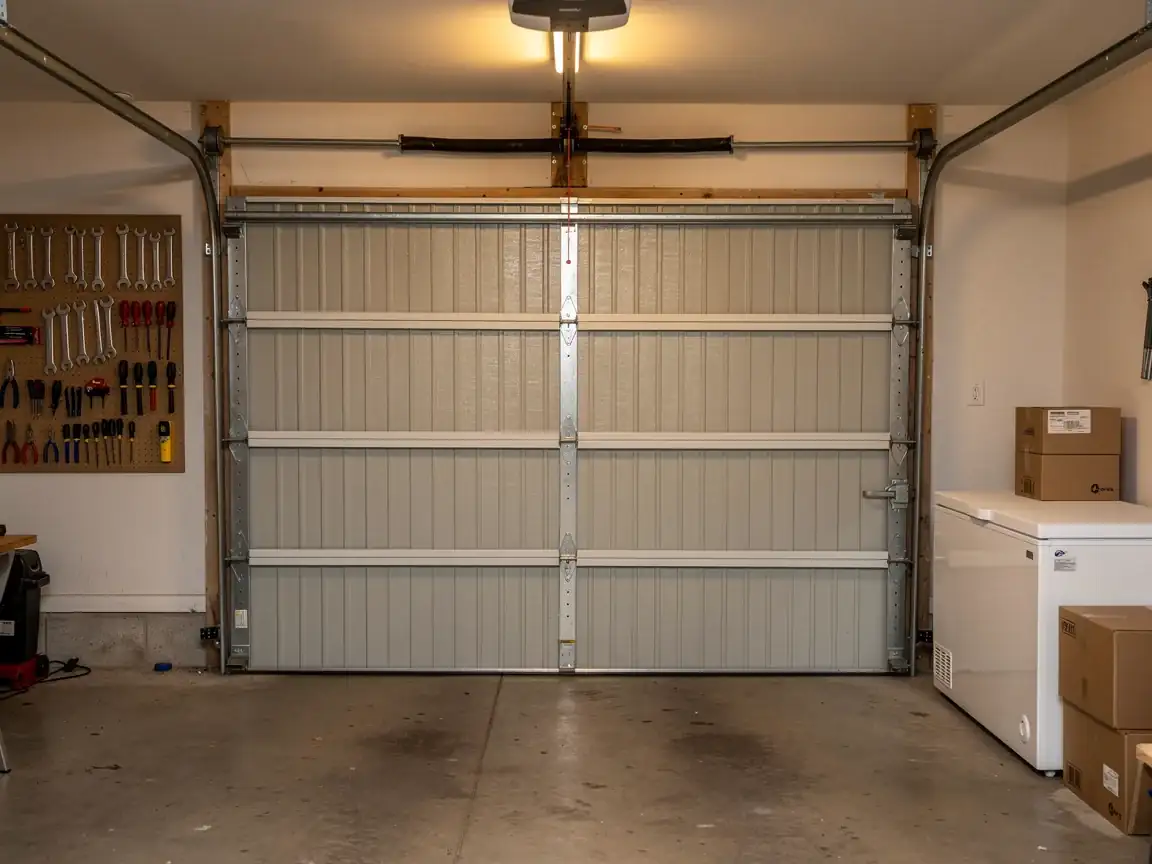
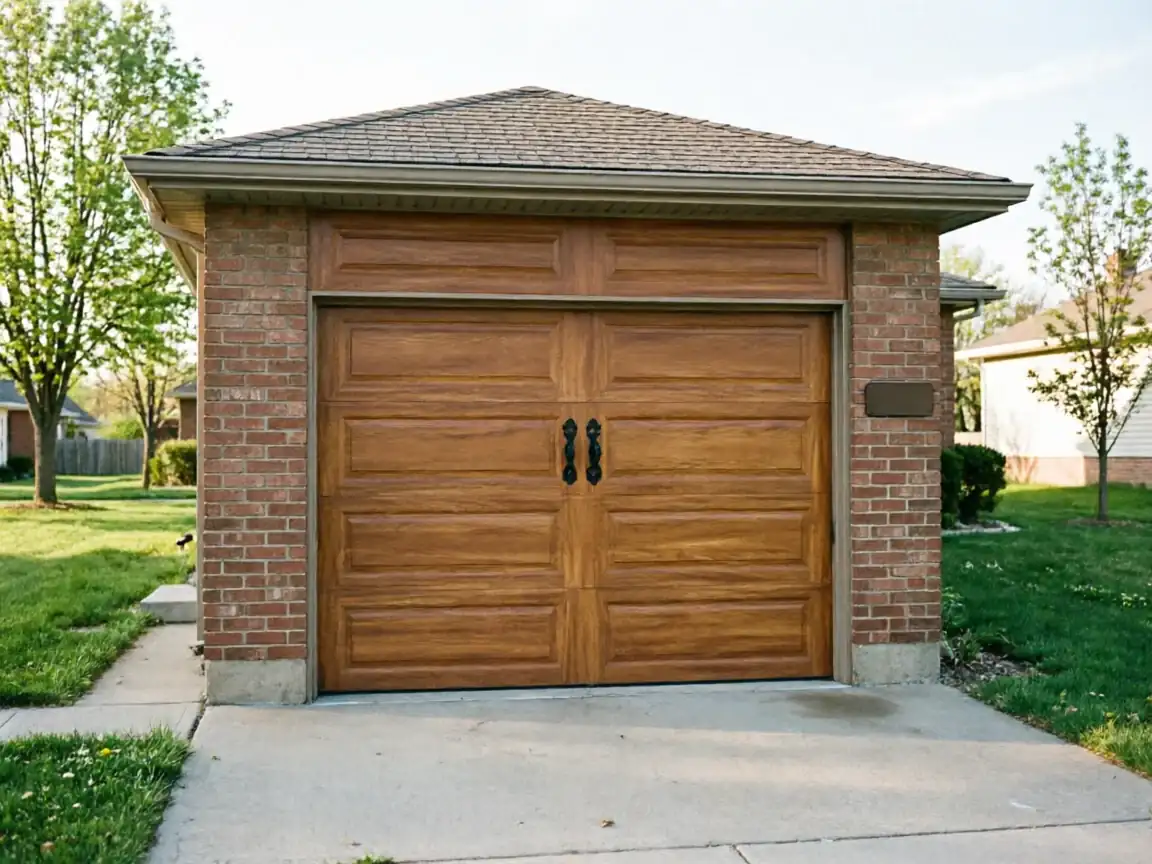
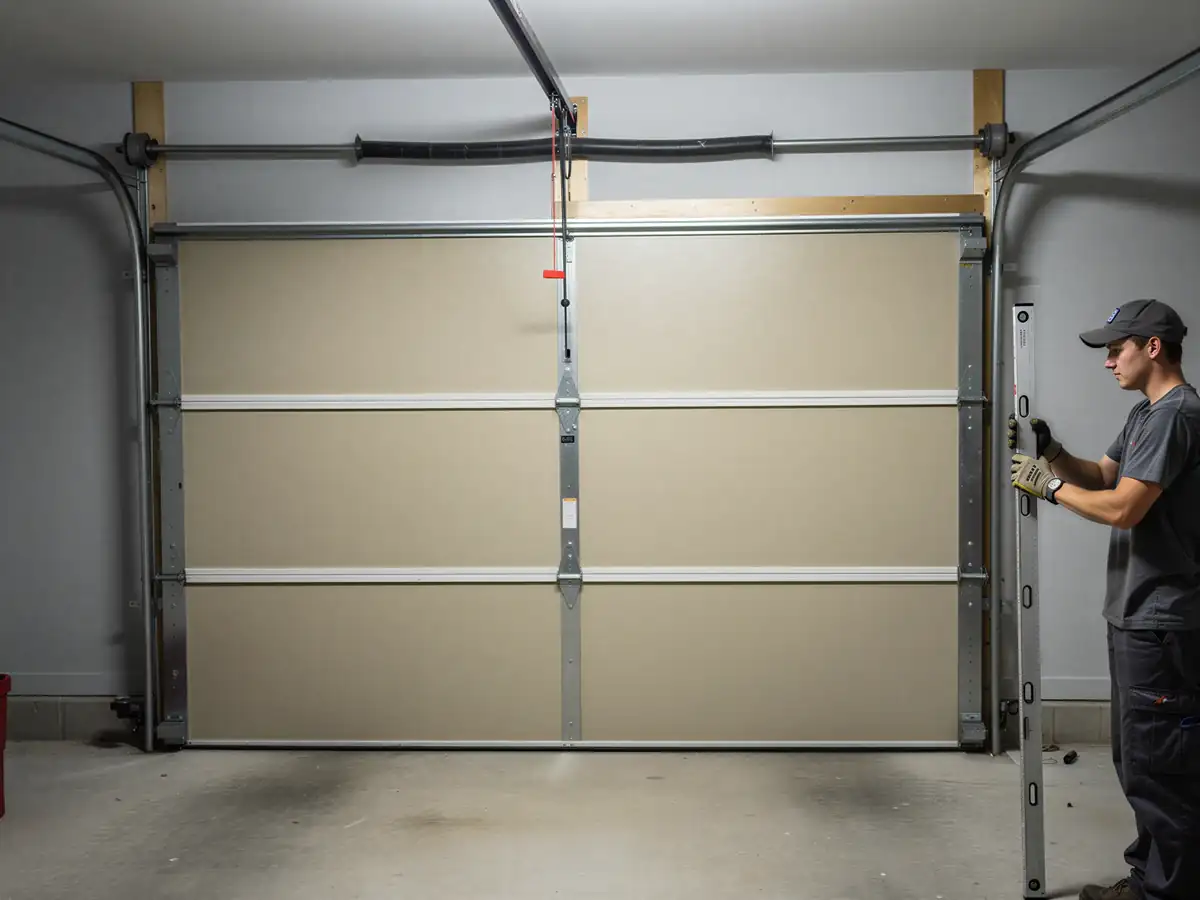
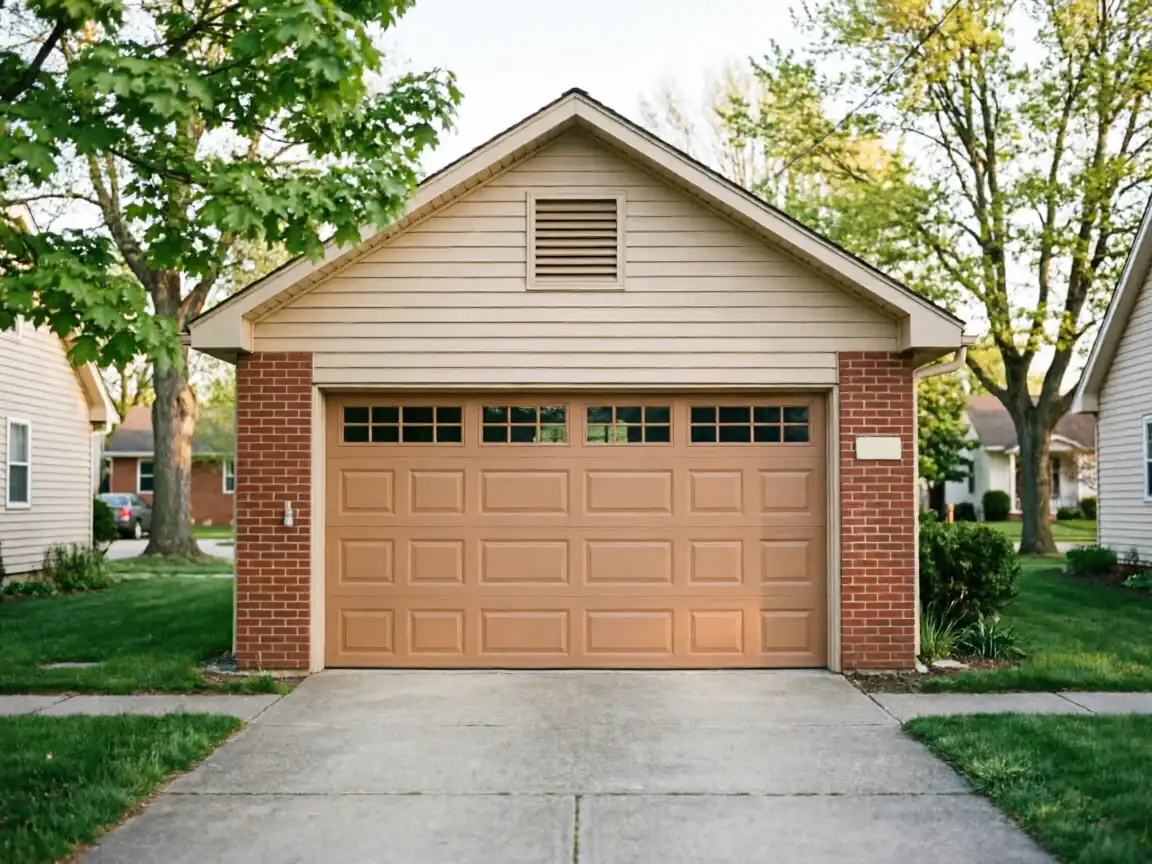
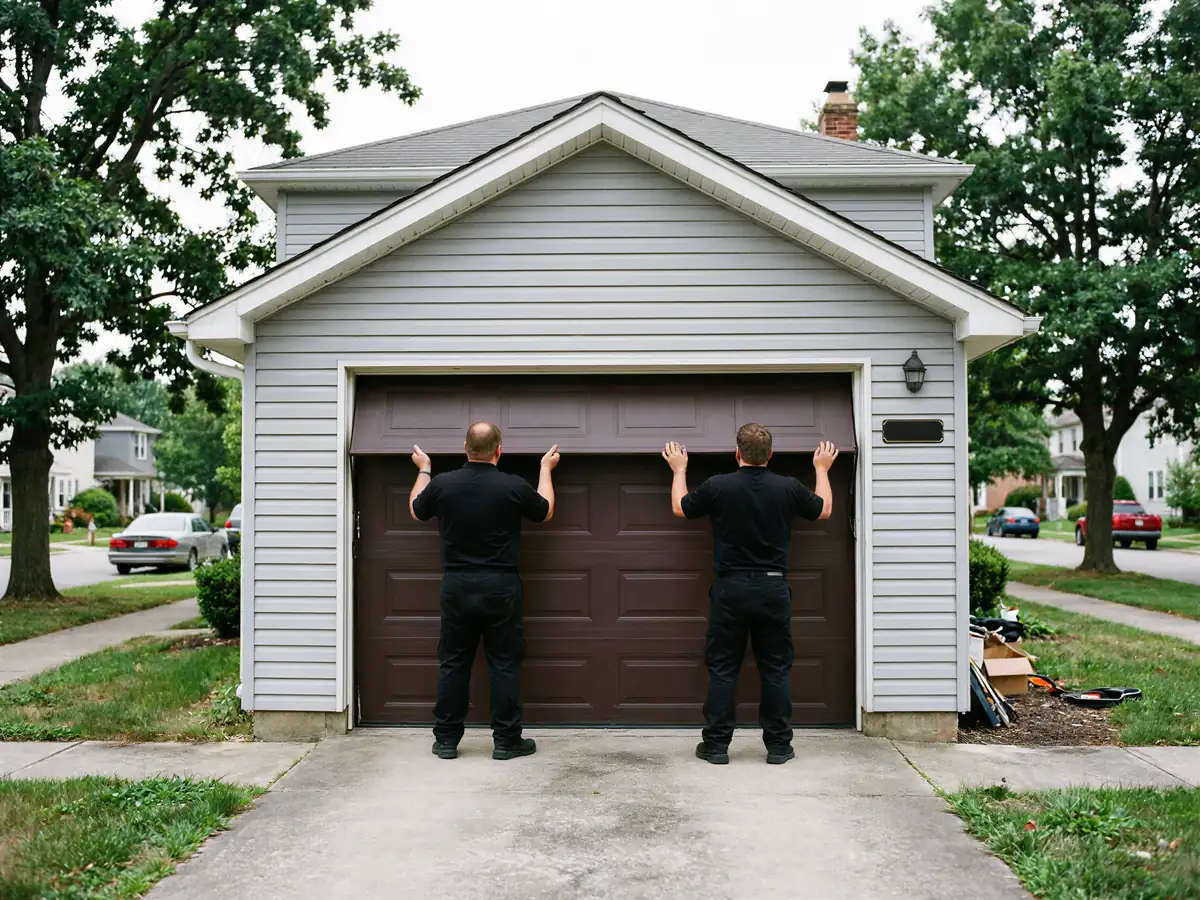
A clean double-door swap on a home from this era, where the opening is already standard and the framing hasn't shifted, takes less time than it does on the older housing stock closer to the city core. We're not fighting non-standard track widths or framing someone patched by hand forty years ago. Most of the time on a Waverly job goes into removing the old door and spring system, setting new track and hardware square, and running the opener through its full cycle more than once before we call it done. Insulated doors take a little longer to hang than uninsulated steel because of the added weight, and that's worth planning for if you're scheduling around a work day. We don't quote a fixed number of hours on this page, because the actual time depends on what we find once the old door comes off - sometimes the jamb underneath isn't as square as the siding suggests.
How We Fix It
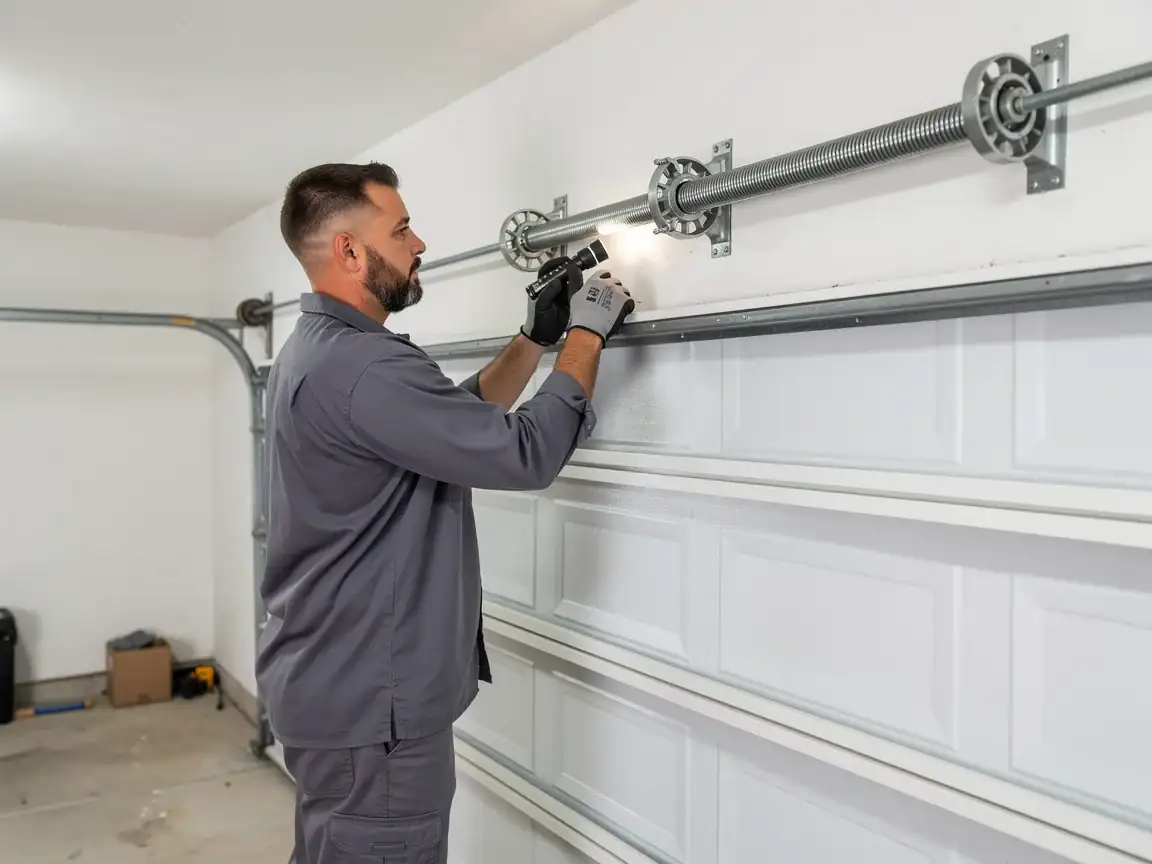
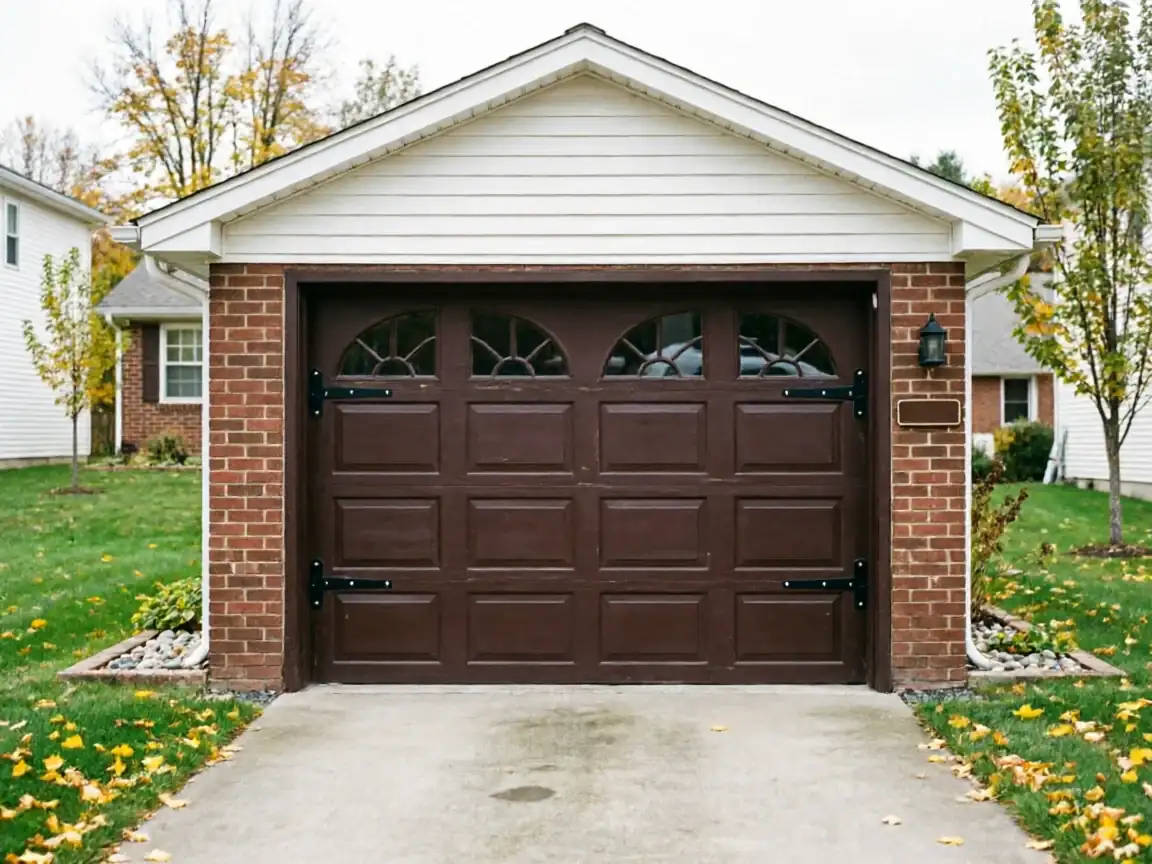
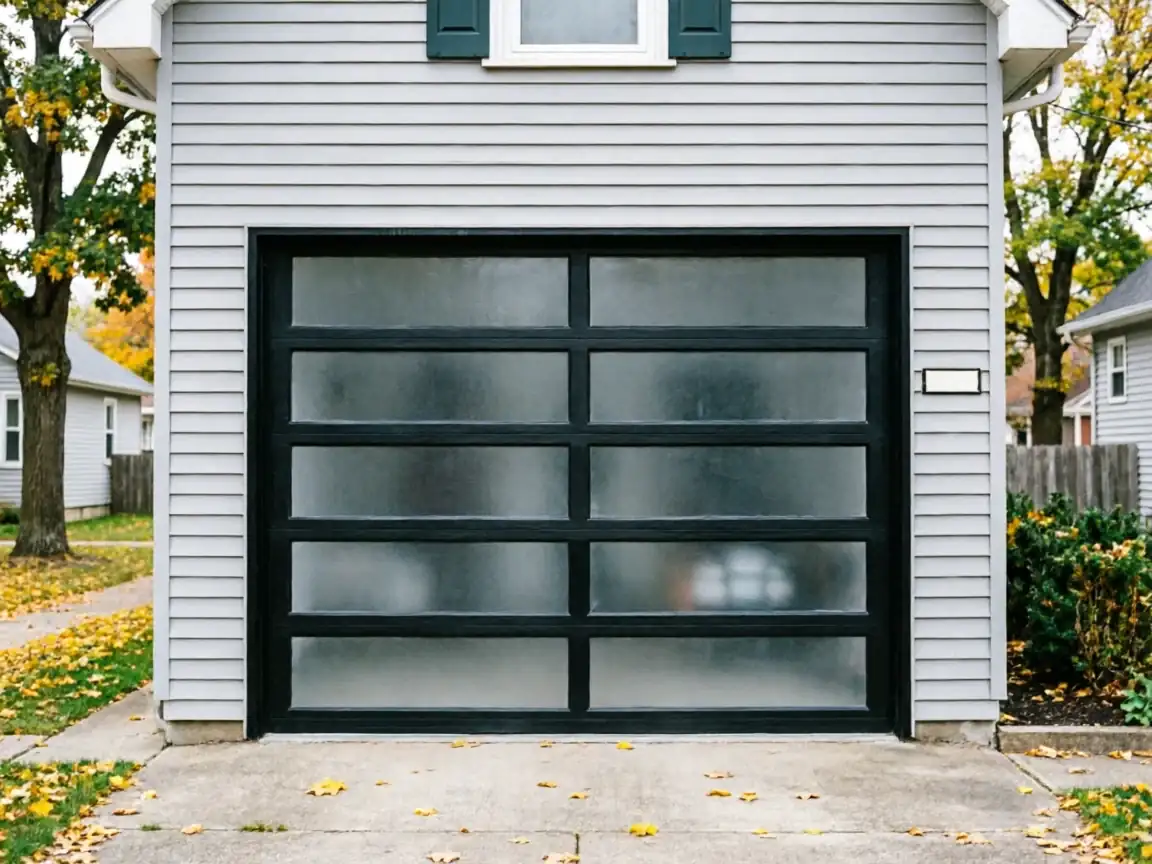
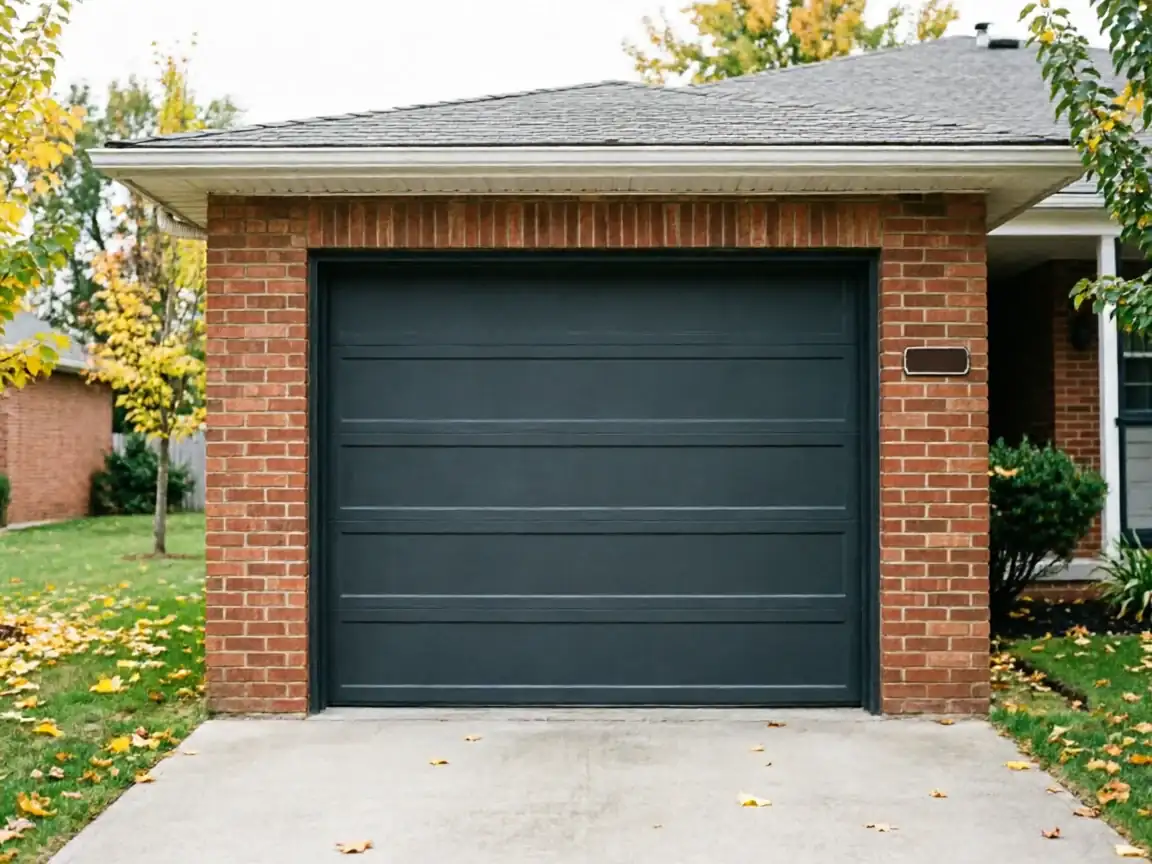
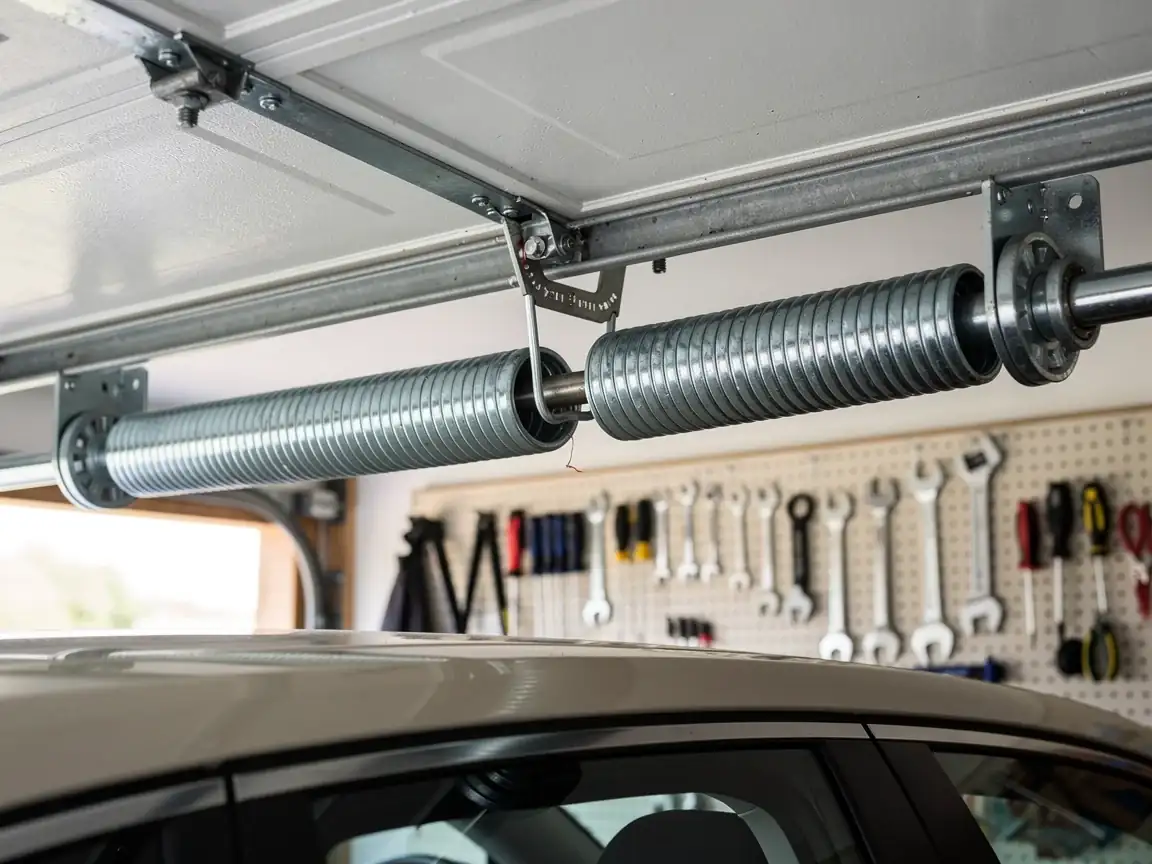
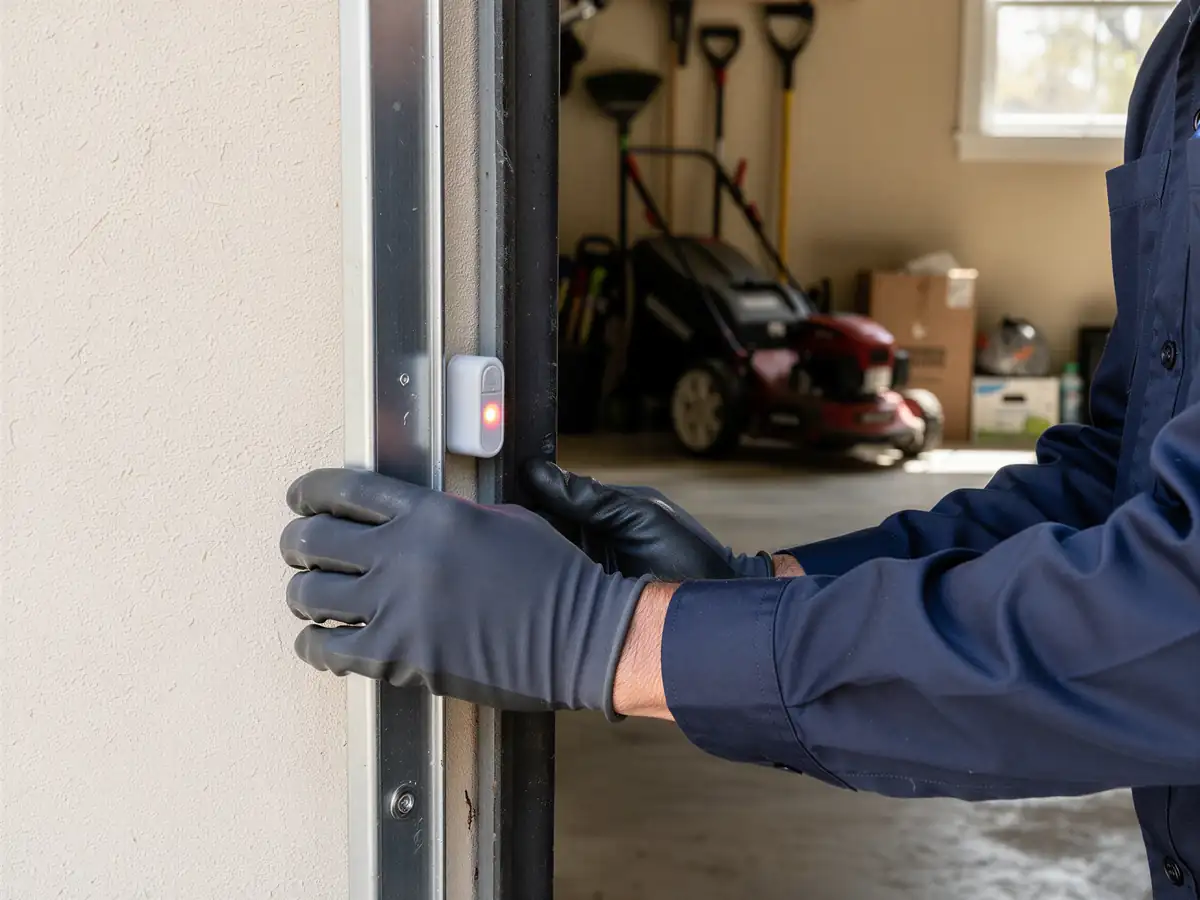
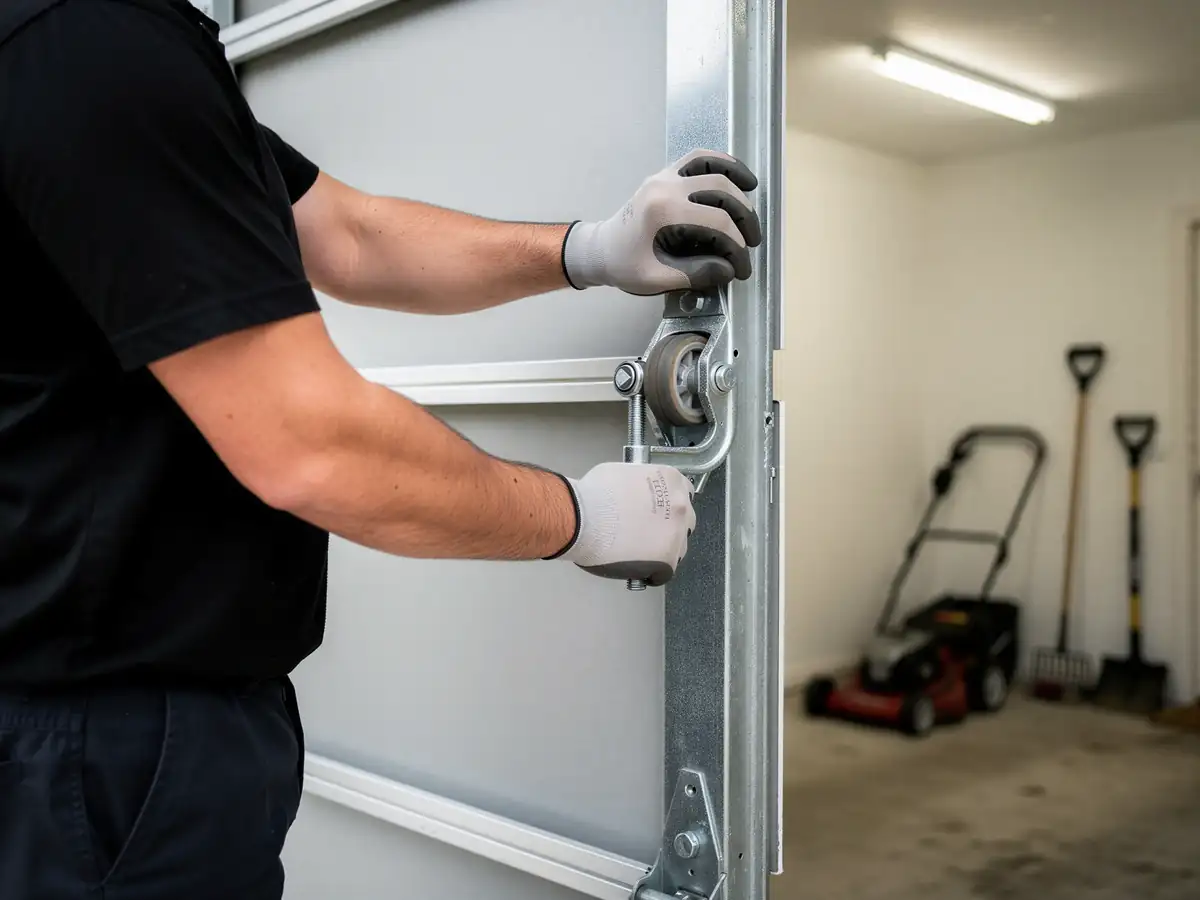
Replacing a door on a 1980-built house in a cold-severe climate means thinking about the whole opening, not just the panels. Torsion springs get sized to the door weight and the cycle count you actually use, not a generic default. Insulated sectional doors are the standard recommendation here, both for the temperature swings and for cutting down the draft that comes through a thin steel door in January. We set new rollers and track to match the door we're installing rather than reusing old track that's been bent from years of a door riding slightly off-center. Weatherstripping at the bottom and sides gets replaced as part of the job, not treated as an upsell - on a cold-climate install, a door with no fresh seal underperforms the door itself no matter how good the panels are.
How It Shows Up
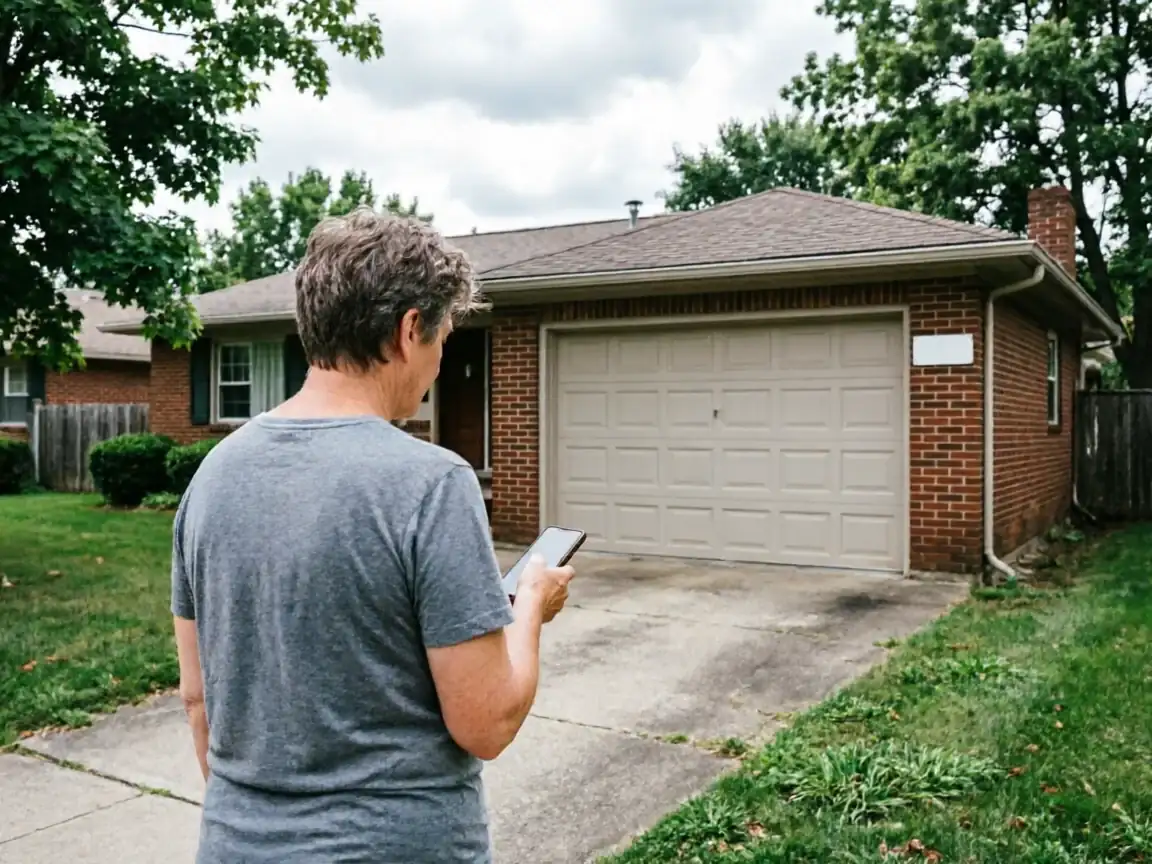
On a house built around 1980, the failure you're more likely to see first isn't a rotted panel - it's a torsion spring that's simply reached the end of its cycle count, or an opener drive gear that's worn smooth after four decades of use. Household incomes in this area run close to $75,868, which tends to mean homeowners replace rather than patch once a door starts showing real wear, and that's usually the right call once a spring has gone or the door is pulling off true. You'll notice it as a door that's suddenly heavy to lift by hand, a loud bang on opening, or an opener that strains and reverses partway up. None of that is urgent emergency territory, but none of it gets better on its own either - a worn spring under daily use goes from inconvenient to broken, not back to fine.