What Is on the Truck
Waverly is a mid-size piece of the territory
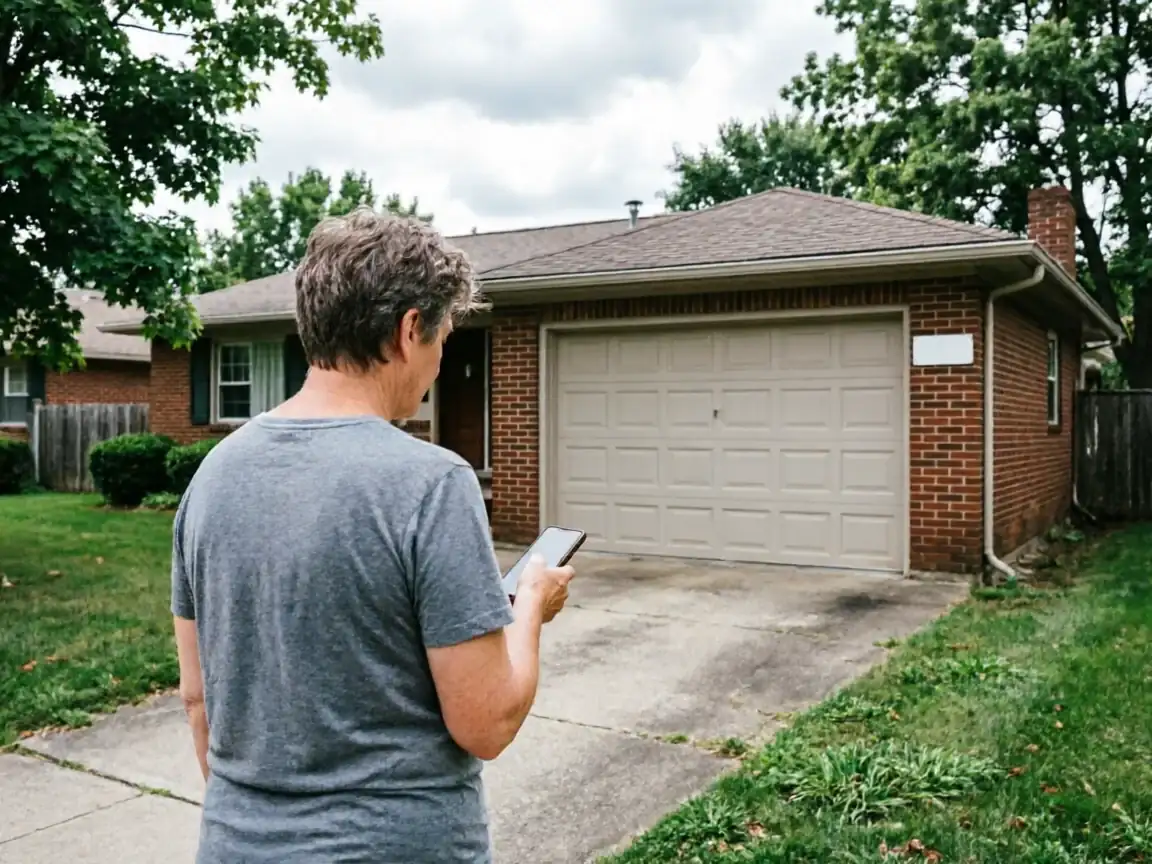
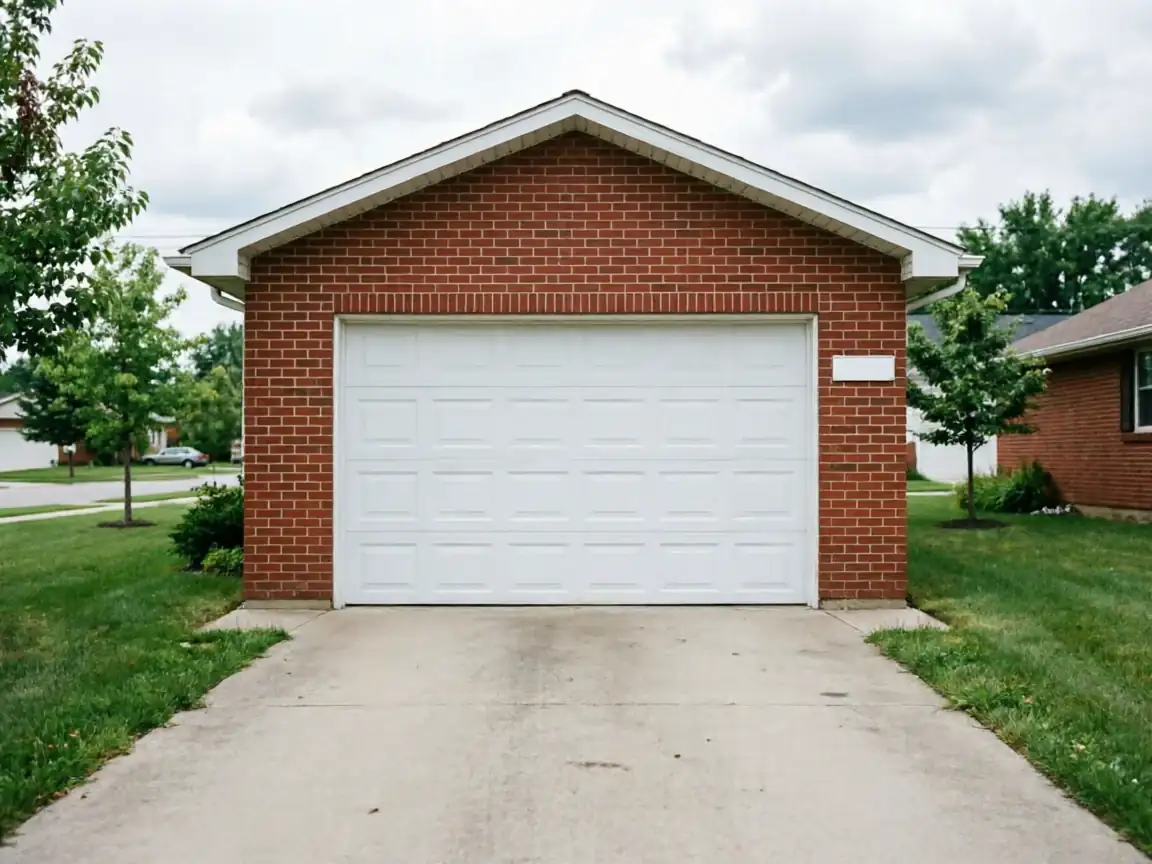
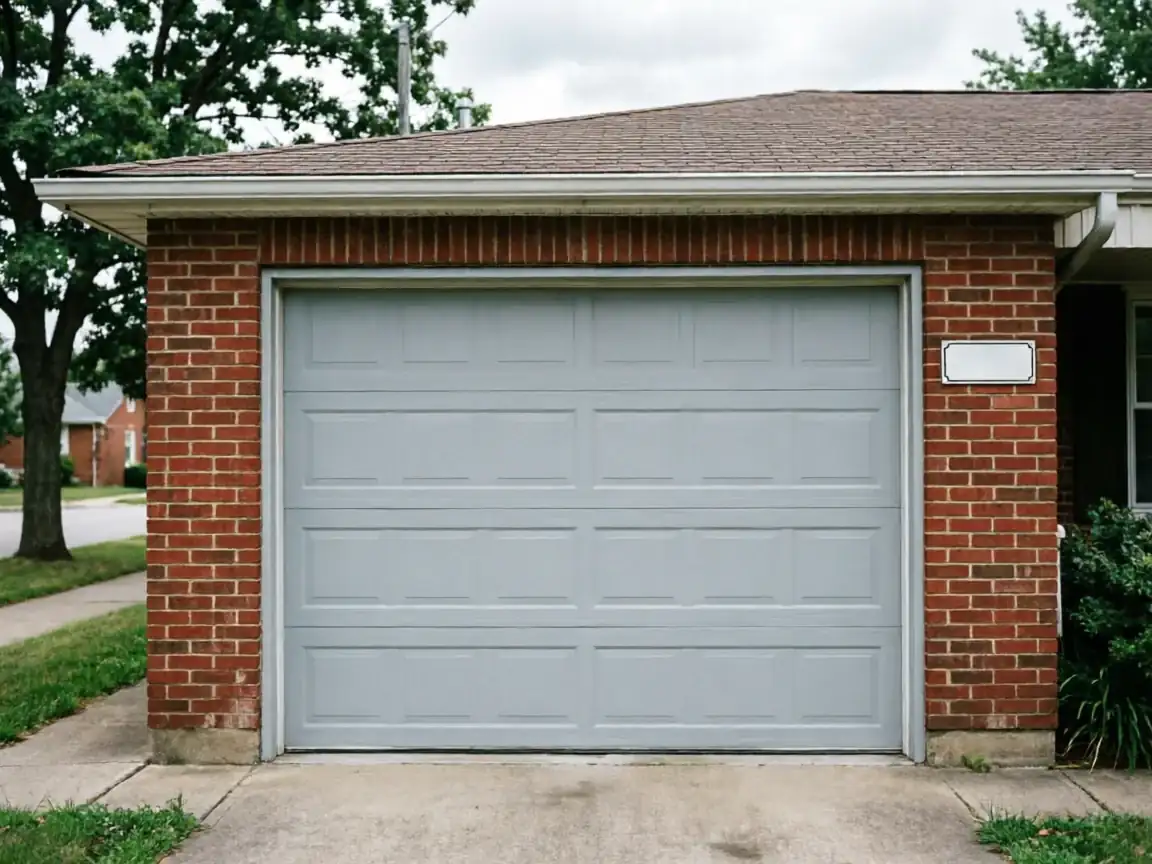
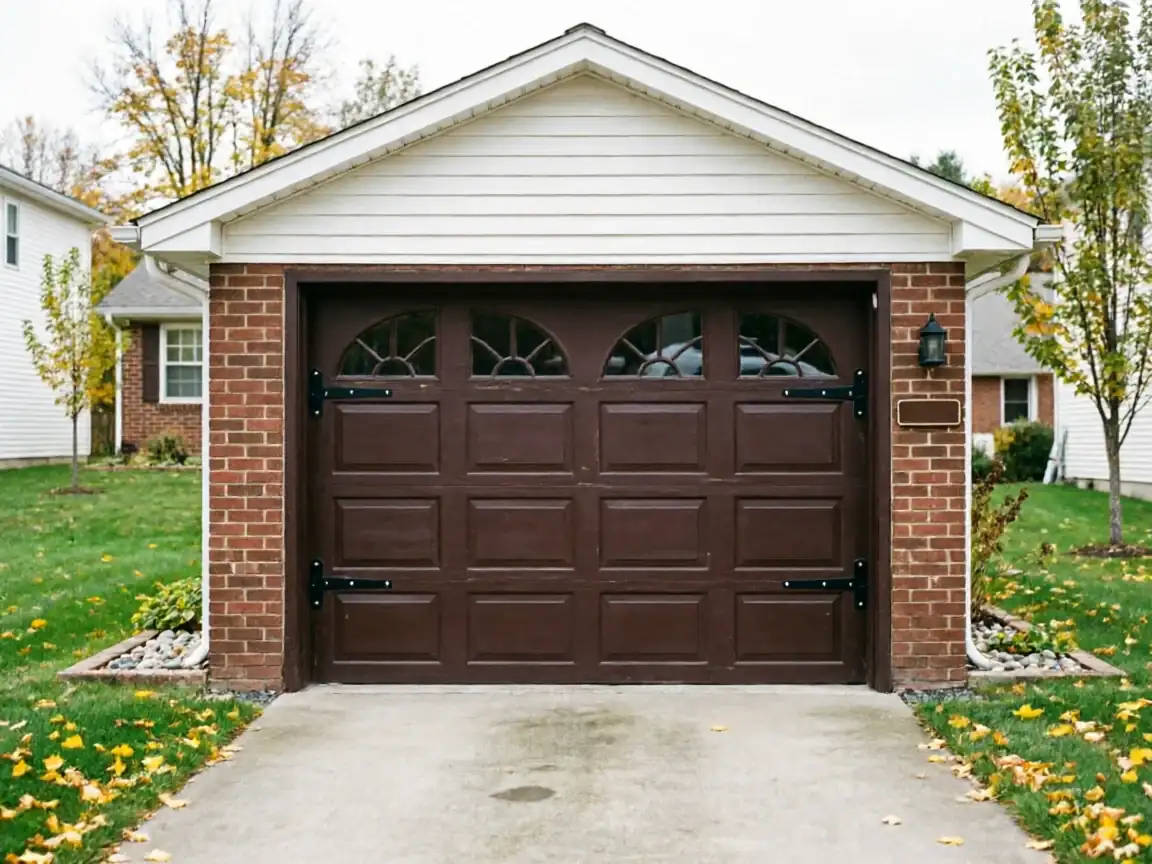
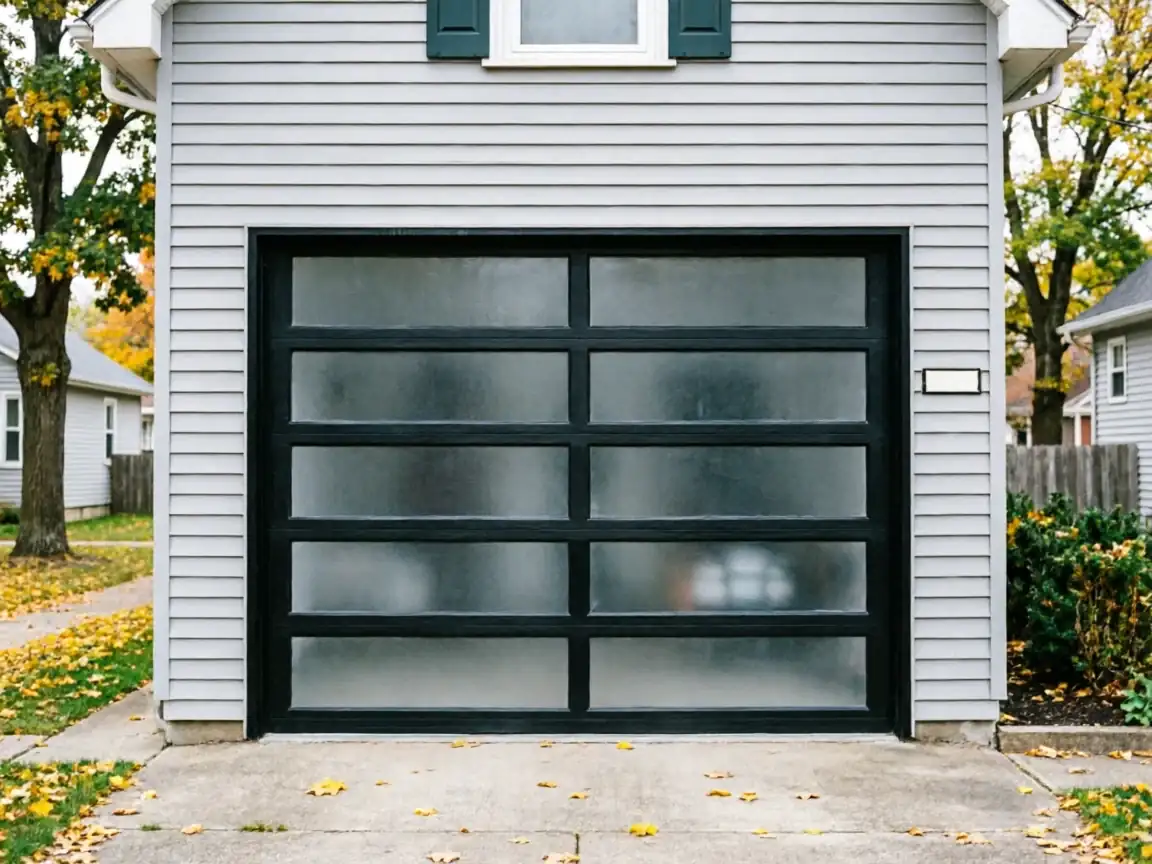
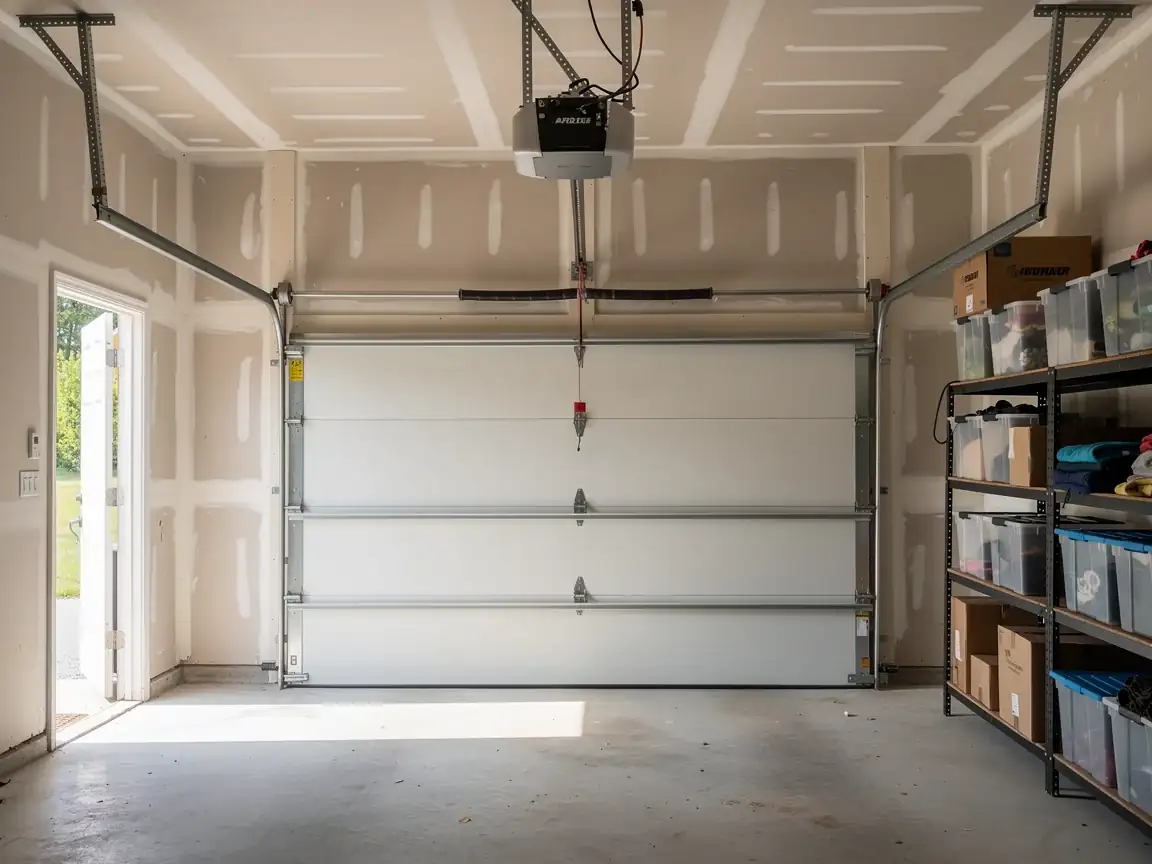
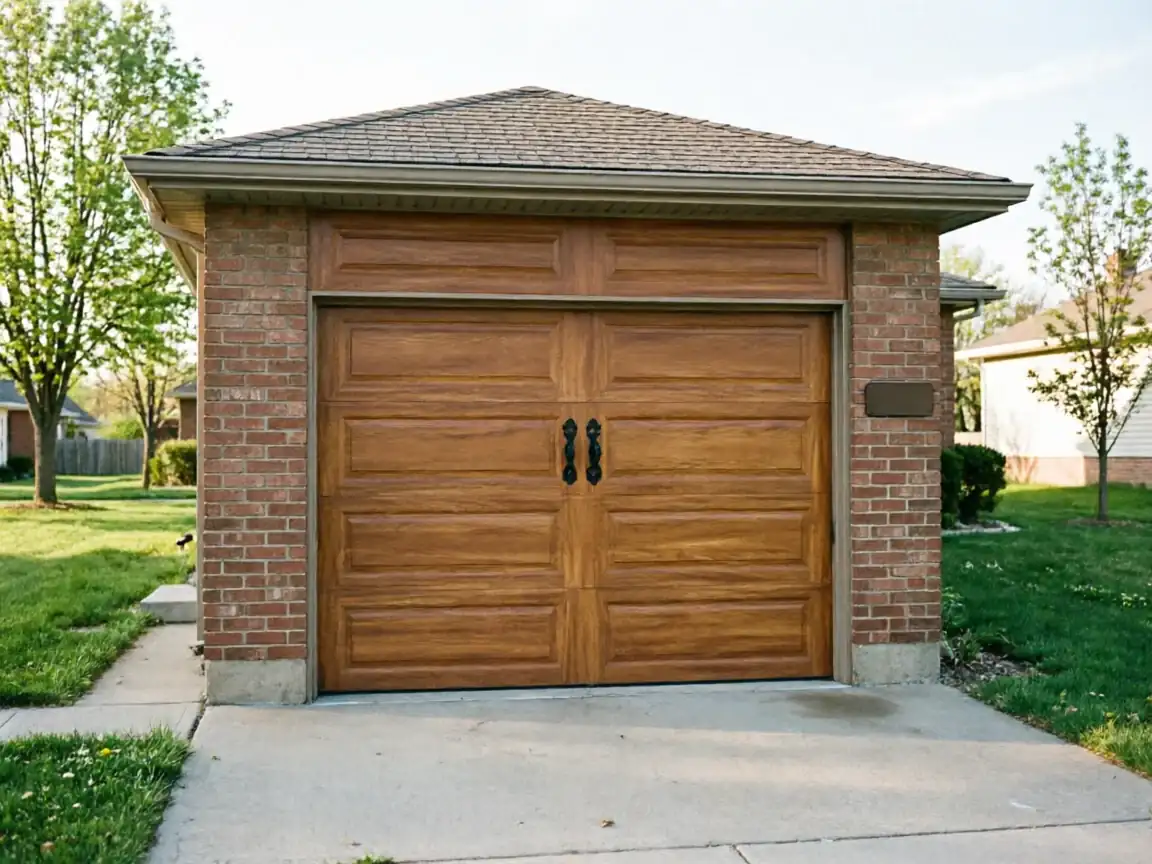
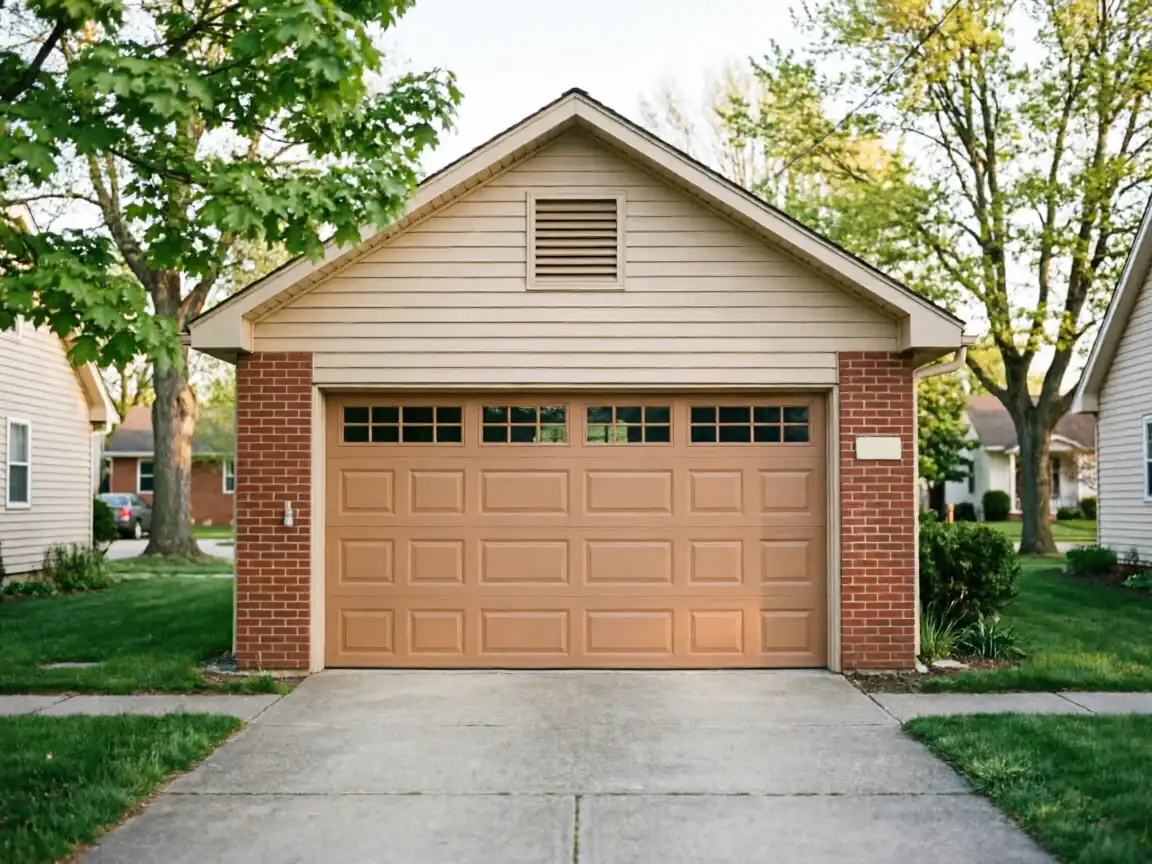
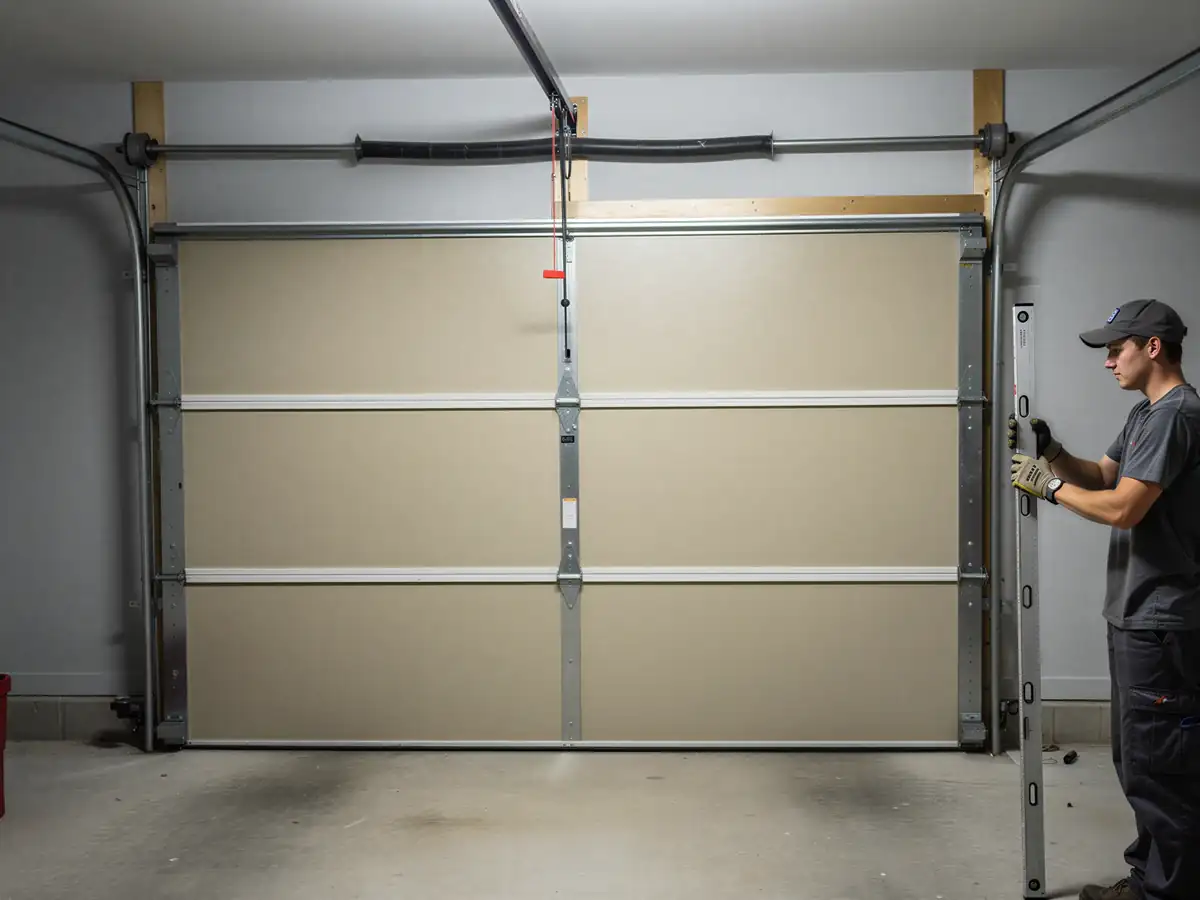
11,368 households, most of them in homes built around 1980. That's a few years newer than the broader service area's 1976 median, and it changes what breaks. Houses from this stretch were built with torsion spring systems as standard, not the older extension springs you still find in 1950s and 60s neighborhoods closer to the center of things. So the truck headed to Waverly carries torsion springs in the common residential sizes, steel rollers, and the standard-width tracks that match sectional doors from that era, plus openers compatible with the chain and belt-drive units that started showing up in garages built in the late 70s and 80s.
- 11,368 households
We don't load up for oddball setups
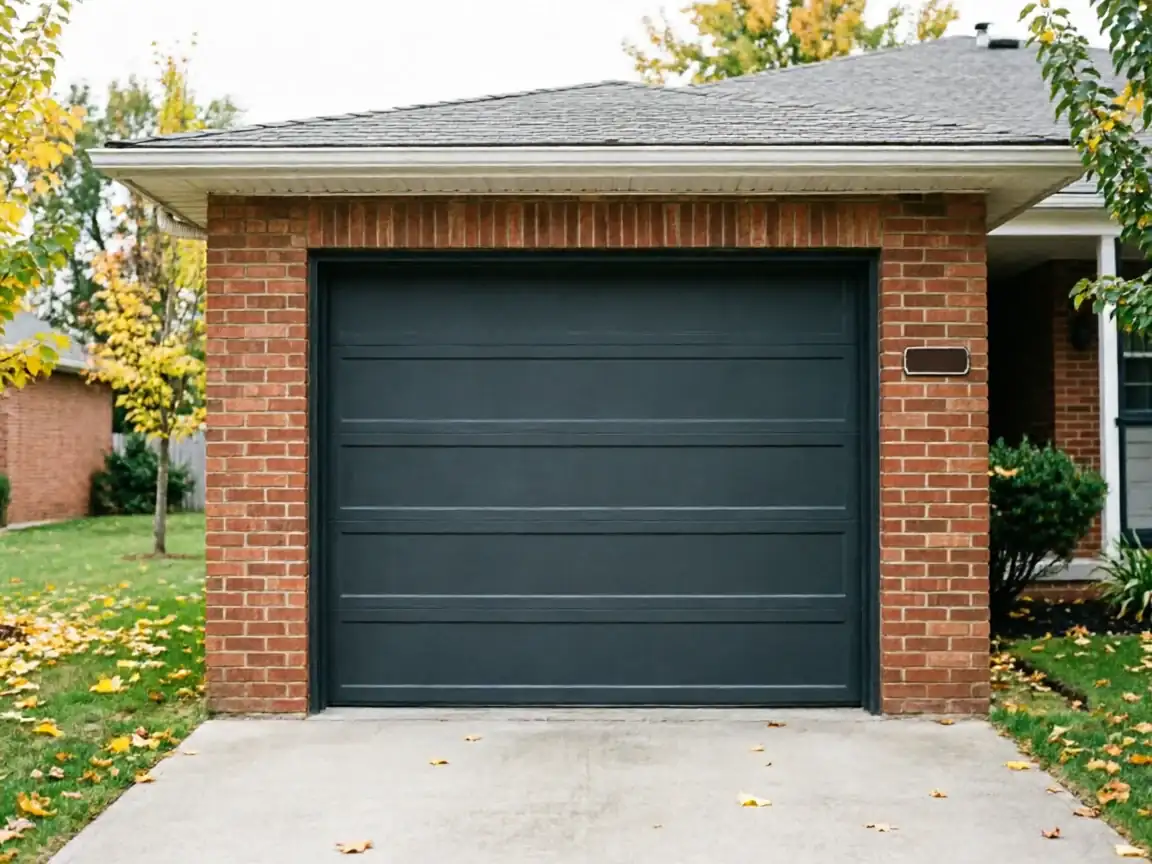
No custom-width doors, no wood carriage-house hardware from a renovation we haven't seen. If a Waverly job turns out to need something outside what a typical 1980-built attached garage would have, that part gets ordered rather than guessed at. Most of the time, though, a house this age takes a torsion spring, a set of rollers, or a opener board without a special order, because the hardware from this building period is still widely stocked.
Time on the Job
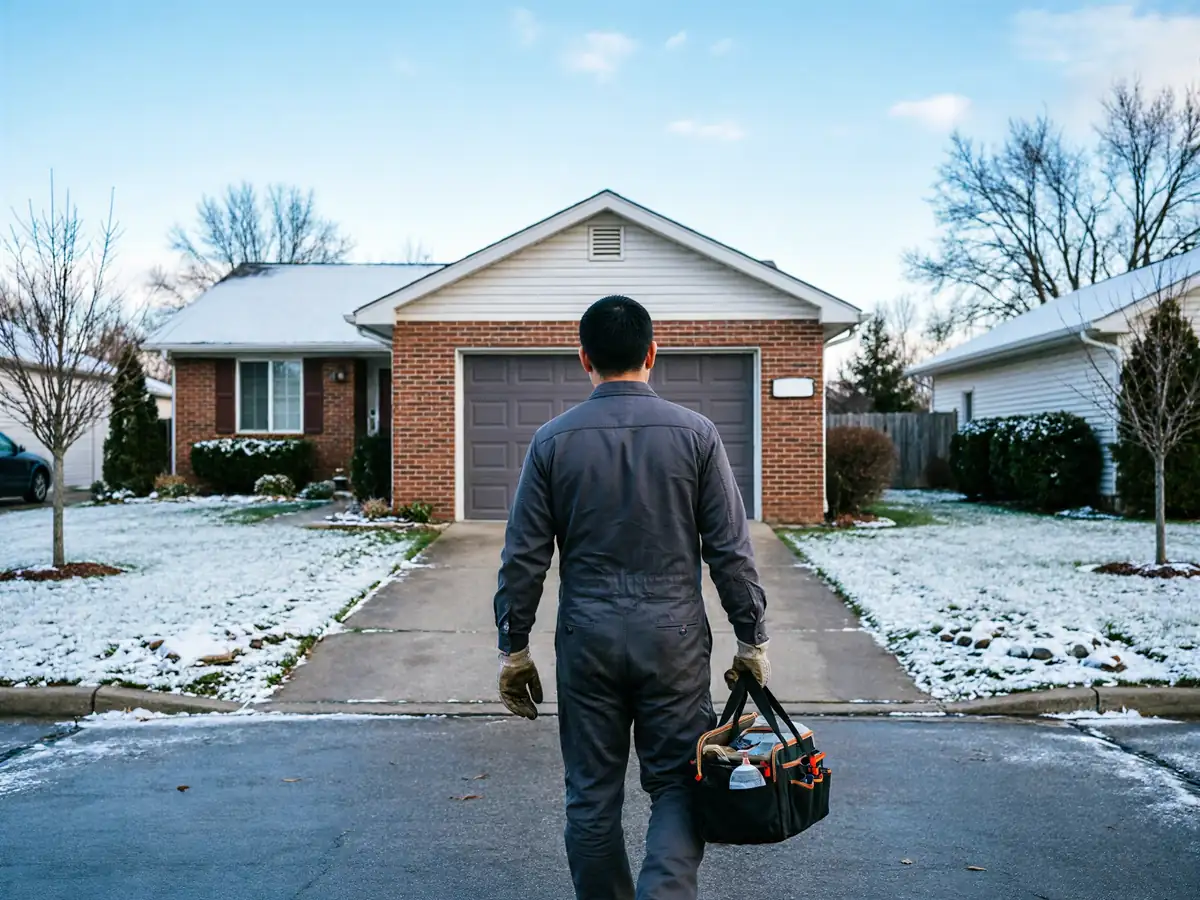
Waverly sits about 8 miles from East Lansing, which puts it among the closer stops in the territory - Holt is the same distance, Haslett and Okemos closer still. That's a travel number, not a promise about how fast anyone shows up; the company doesn't keep a branch in Waverly and isn't going to claim a response window it can't back up from an 8-mile drive on a given day.
Once a tech is on-site, the job itself tends to run predictably for a house of this age. A torsion spring swap on a standard double door is a different job than chasing an opener logic board fault, and houses built around 1980 in Waverly show both kinds of calls - springs that have simply worn out after decades of cycles, and openers reaching the end of their working life. Neither is usually a quick fix measured in minutes, but neither typically runs into a multi-day parts wait either, since the hardware common to this building period isn't hard to source.
How We Fix It
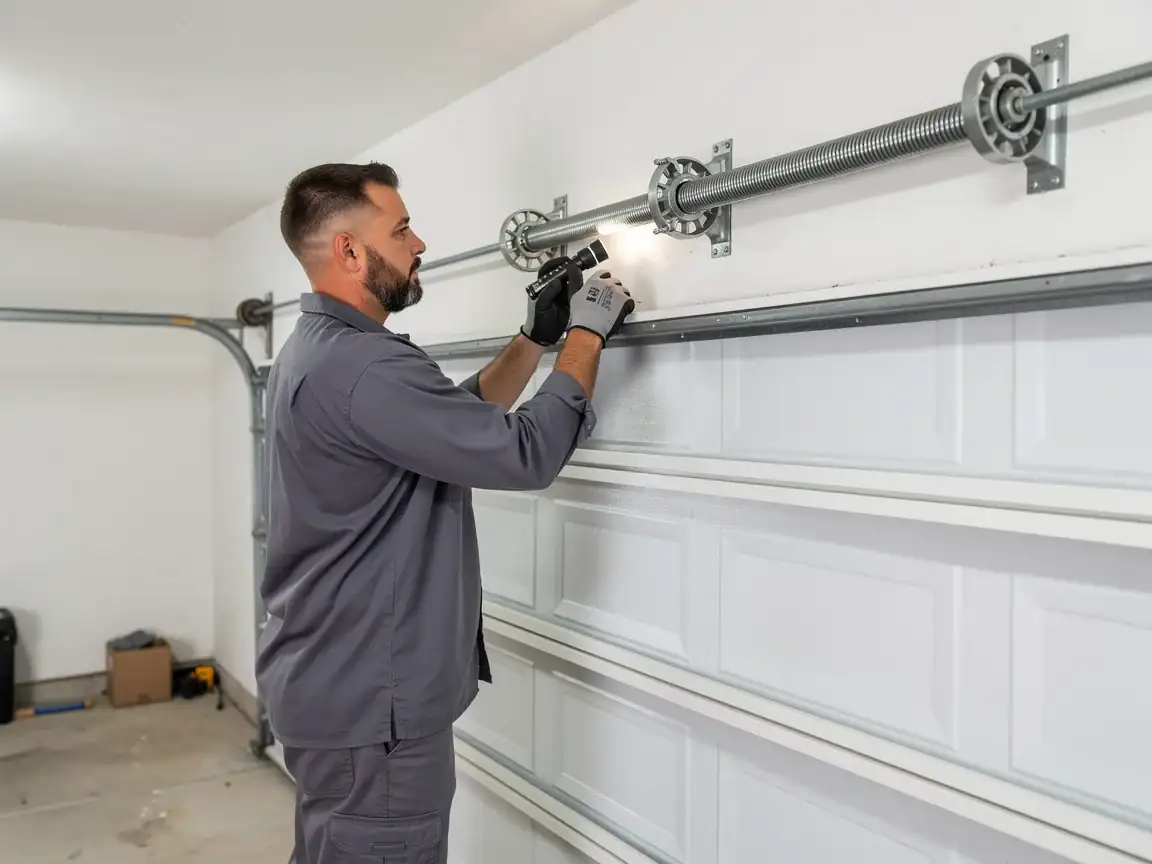
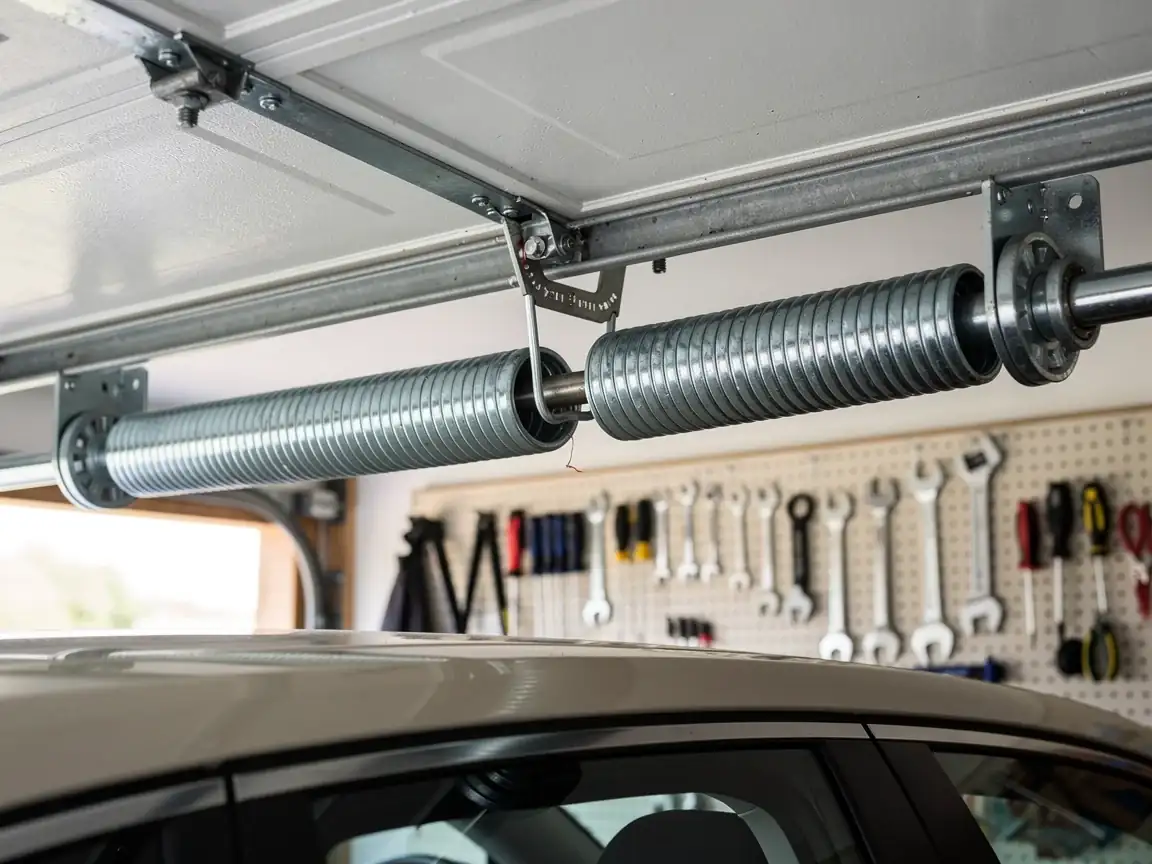
A broken torsion spring on a 1980-built double door gets replaced in kind - matched to the door's weight and wind, not swapped for a generic size and hoped-into-balance. We check the drums, the cable condition, and the bearing plates at the same time, since a spring failure on a door this age often means the rest of the torsion assembly is close behind it.
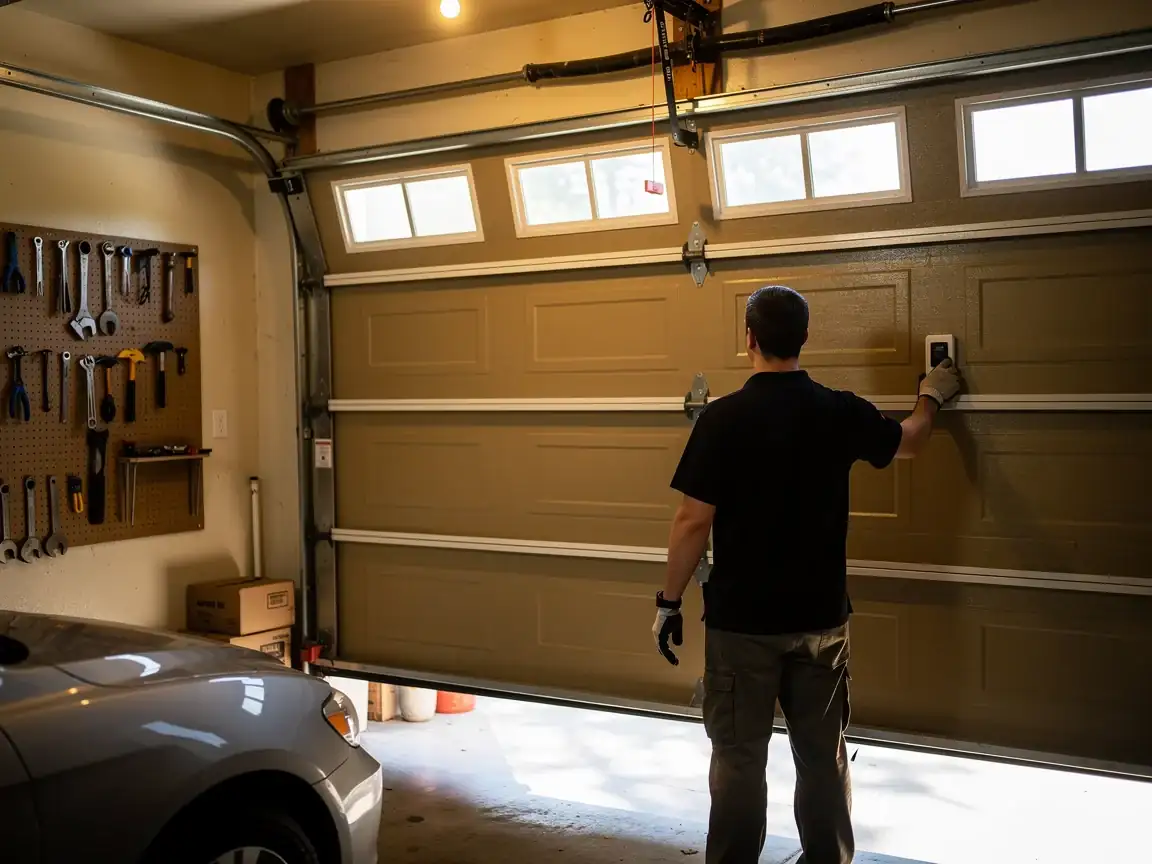
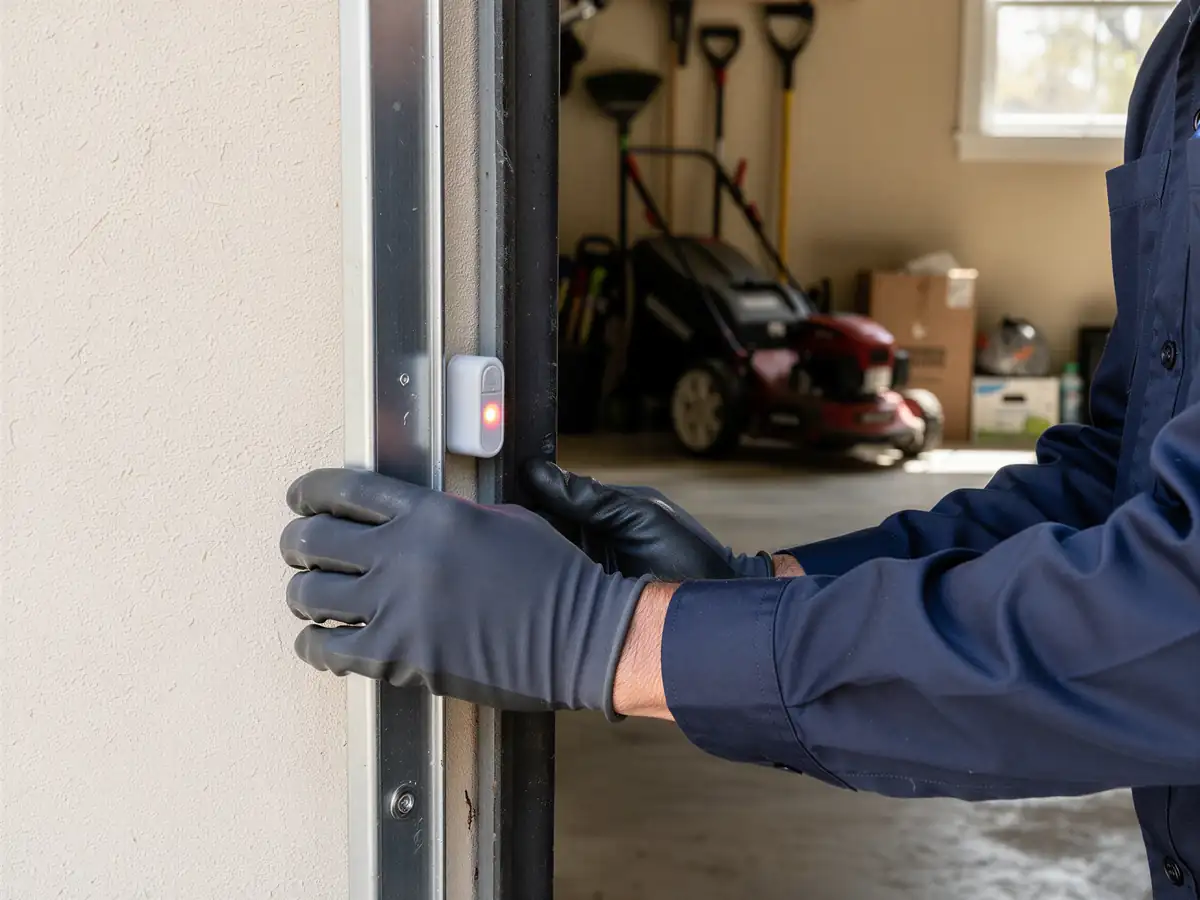
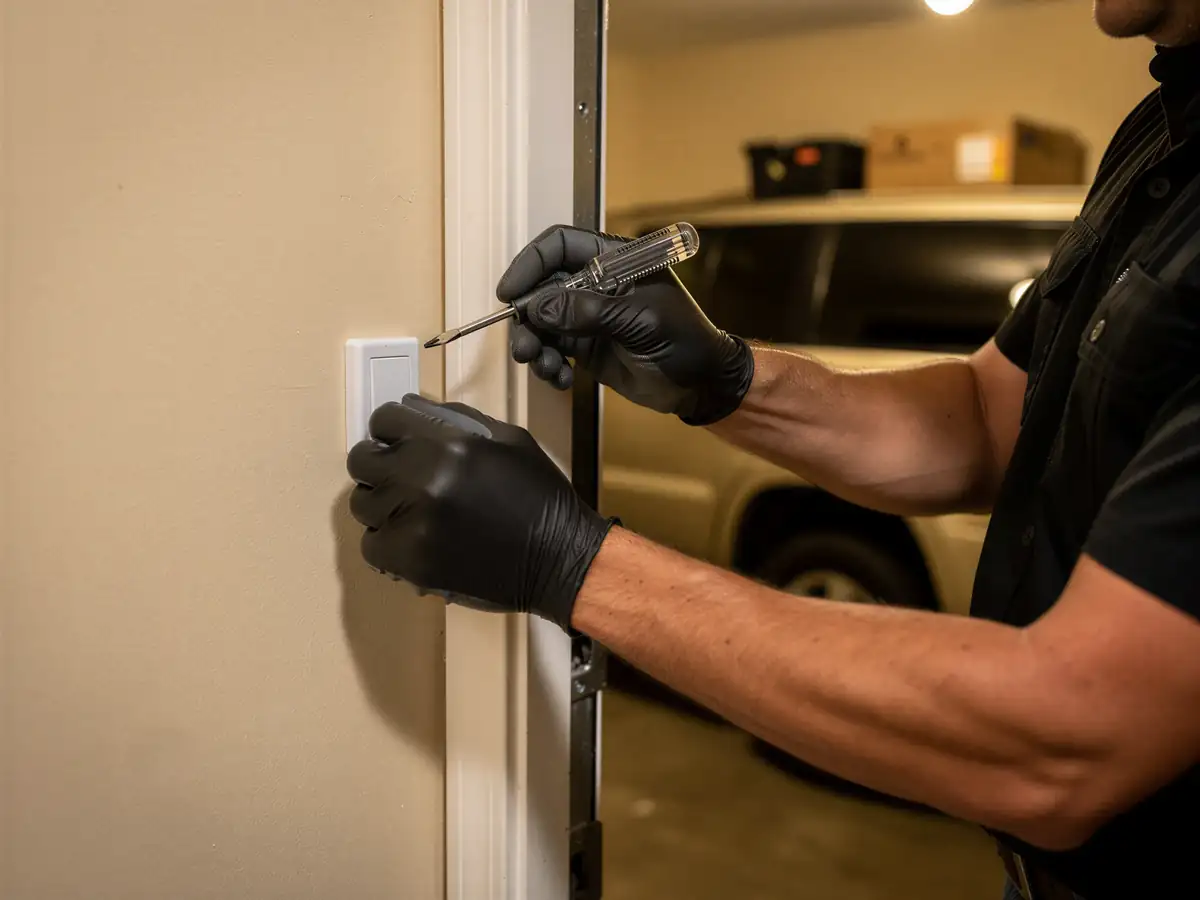
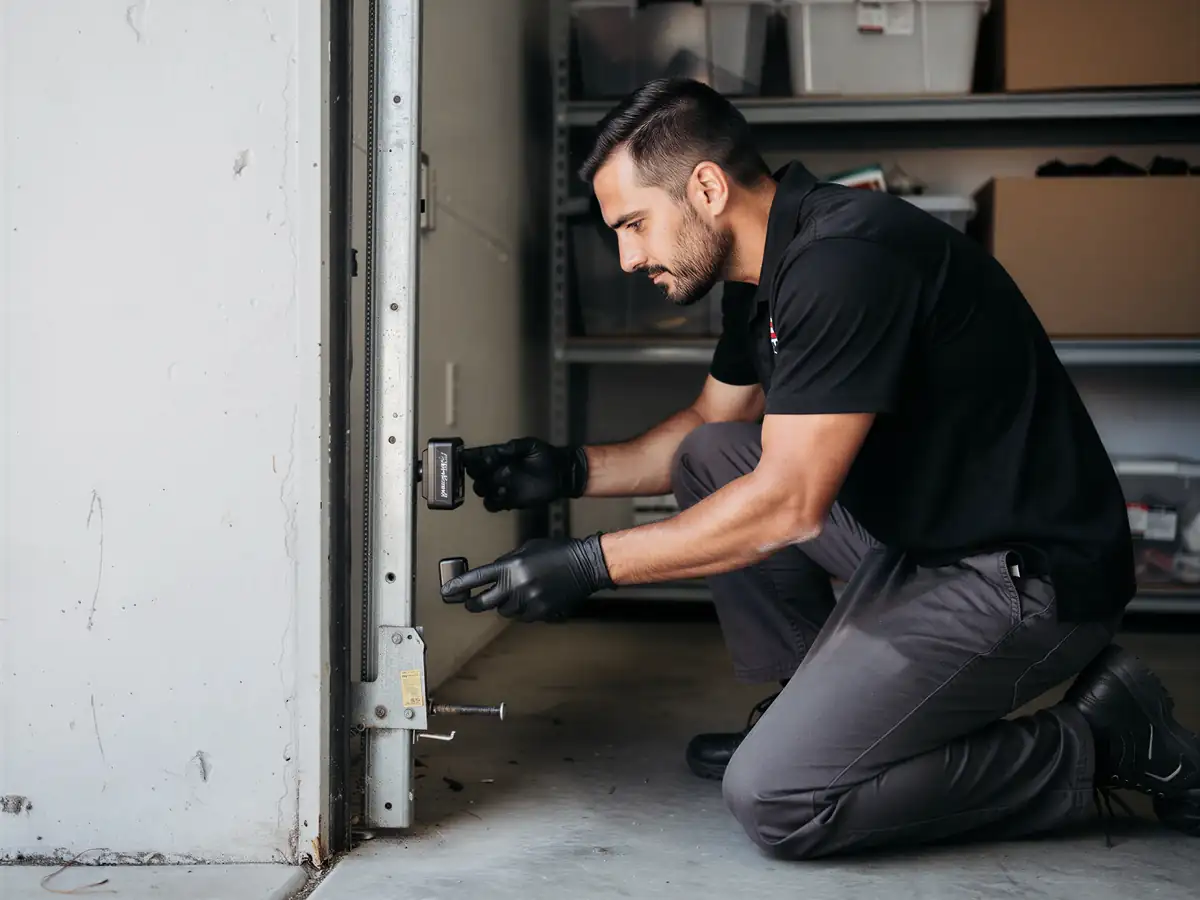
Opener issues in Waverly's housing stock split two ways: units that are simply old enough to fail electronically, and units where the real problem is a worn drive gear or a misaligned safety sensor that looks like an opener fault but isn't. We diagnose before we replace a board or a motor - not every opener call ends in a new opener.
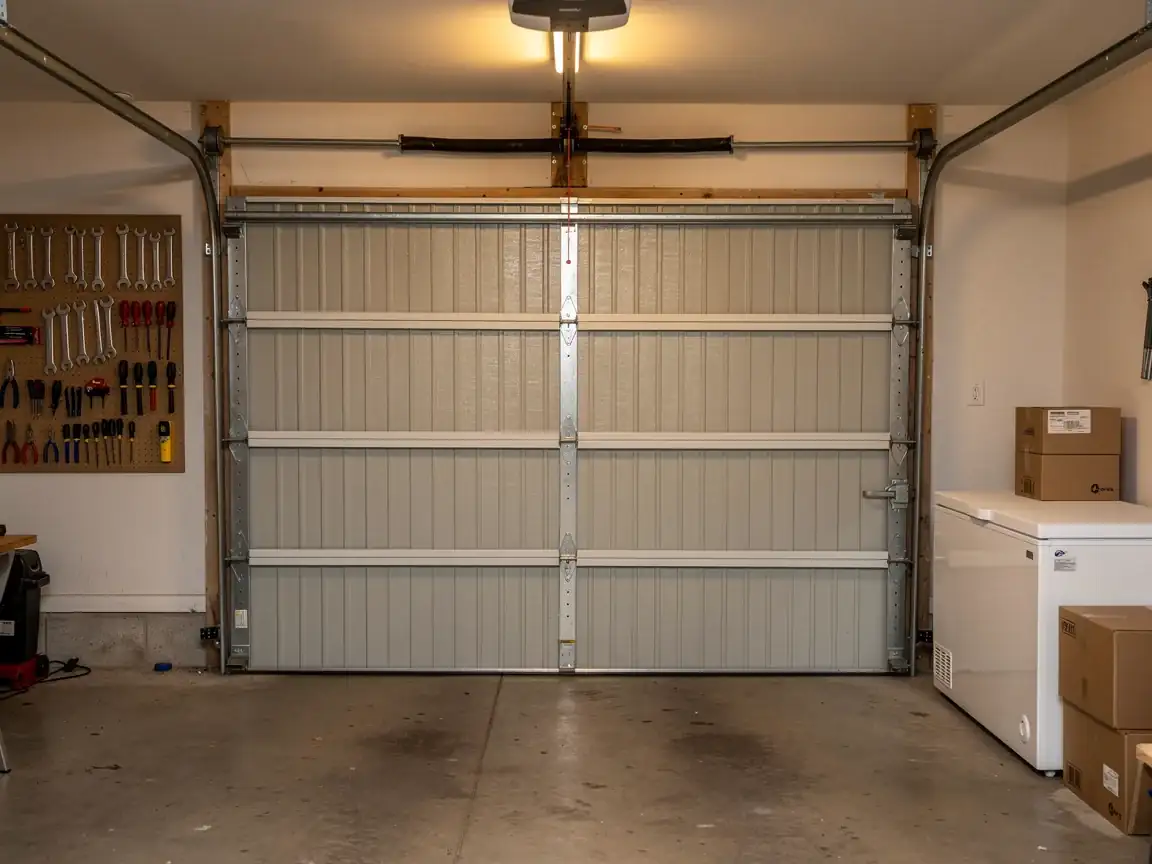
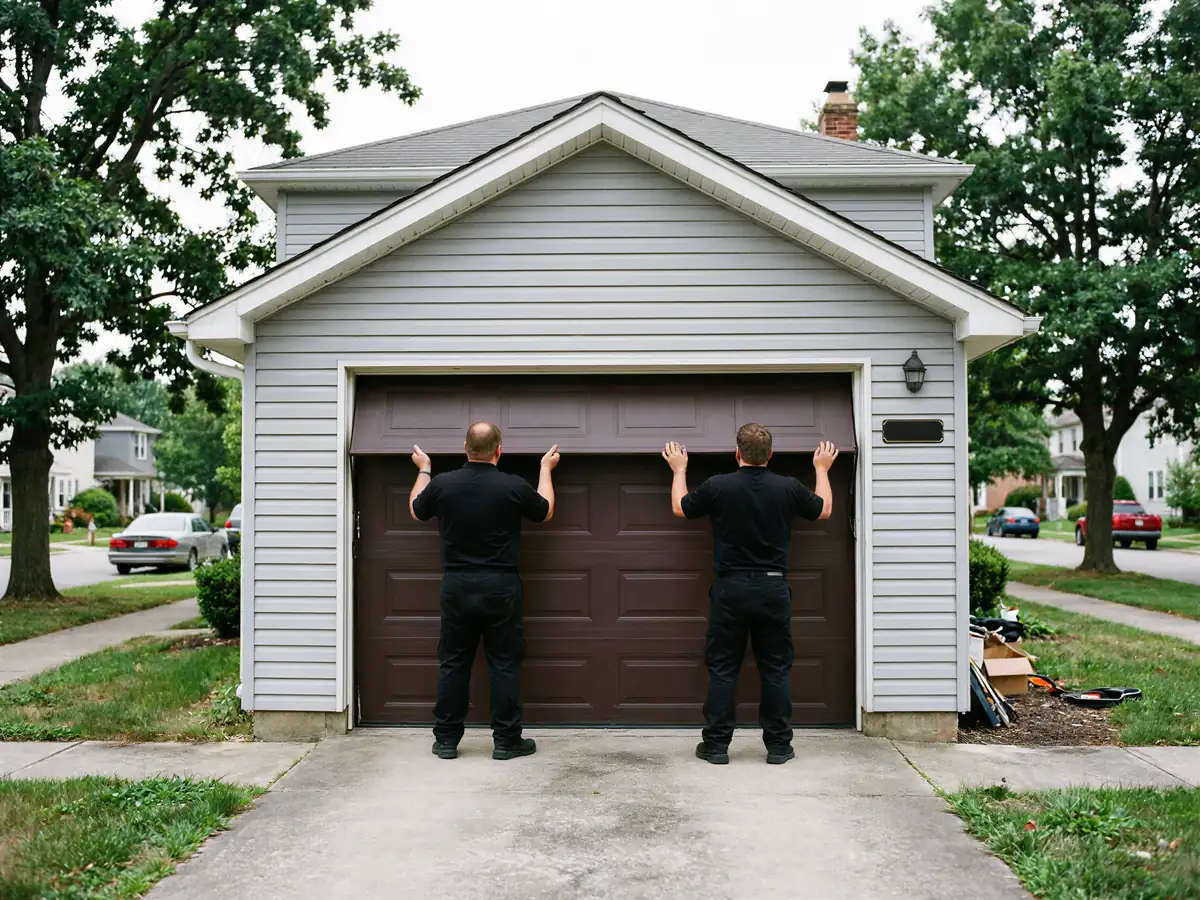
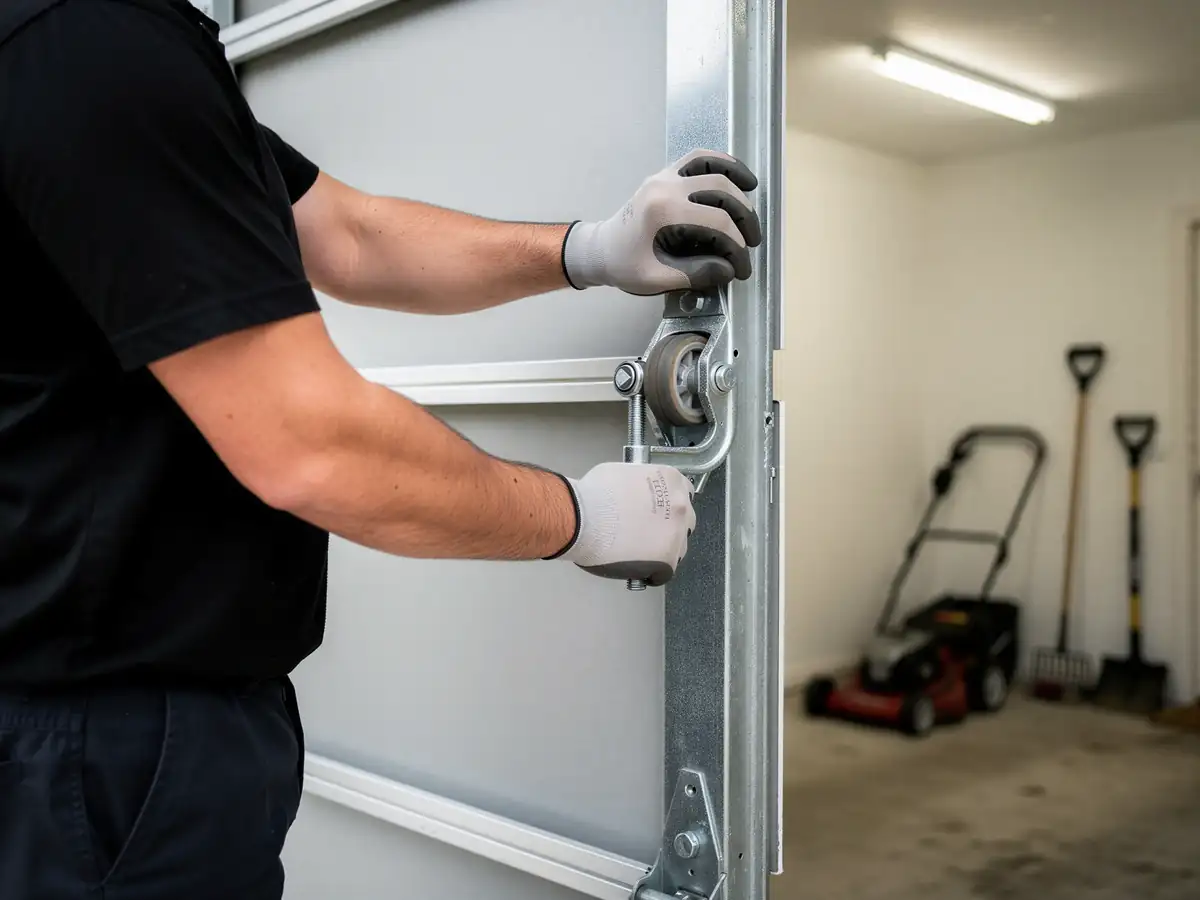
Track and roller wear shows up on doors that get daily use, which describes most attached-garage households in a town this size. Bent track gets straightened if the door and hardware are otherwise sound; it gets replaced if straightening won't hold. That's a call made on-site, door by door, not a standard answer.
The DIY Question
A homeowner can safely handle lubricating rollers and hinges, tightening visible hardware
And checking that the photo-eye sensors near the floor are clean and aligned. Those are maintenance tasks, not repairs, and they're worth doing on a schedule.
A torsion spring is not a DIY repair
The spring on a standard double door built in the 1980s is wound under enough tension to cause serious injury if the winding bars slip or the wrong size bar is used, and that risk doesn't change because the house is newer than one from the 1950s. If a spring has broken, the honest answer is to call it in rather than attempt a bar-and-cone job with no training.
We'll say plainly where replacement beats repair, too
An opener from this building era that's failed twice in a year, or a door with enough rust and warping that a new spring won't fix the underlying balance problem, isn't worth patching a third time. Sometimes the right call costs more up front and saves a repeat visit.
How It Shows Up
This area sits in a climate band rated cold and severe, and that matters more for garage doors than people expect. Steel torsion springs lose tension faster in sustained cold, and a spring that's been marginal all summer tends to let go on the first hard cold snap, not gradually. That's consistent with what we see across the territory, Waverly included, every winter.
Cold also stiffens nylon rollers and grease inside opener gear housings, which is why a door that worked fine in October can start binding or grinding by January without anything having broken outright - it's friction, not failure, until it isn't. With a median household income of $75,868 in Waverly, a fair number of calls we get are homeowners asking whether it makes more sense to replace an aging opener outright rather than keep patching a failing circuit board through another winter, and for units already a decade or more old, that's often the straighter answer.