Time on the Job
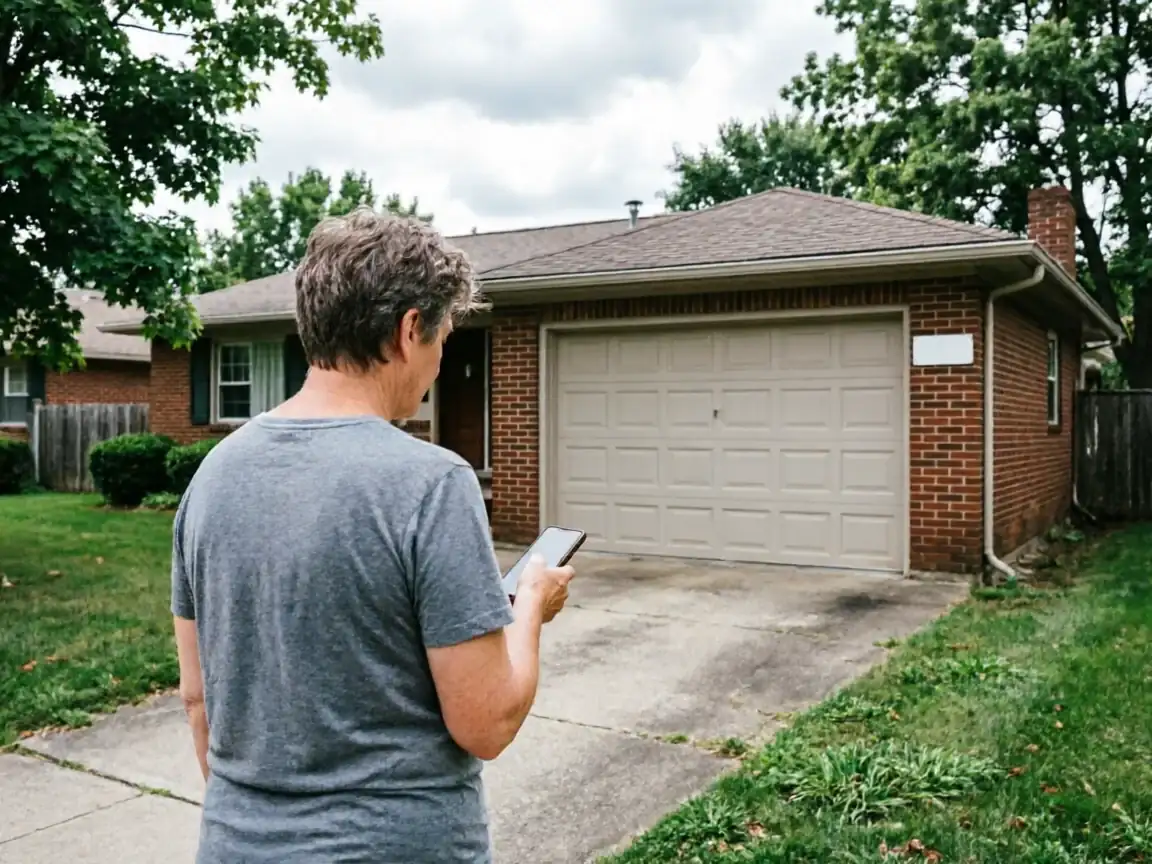
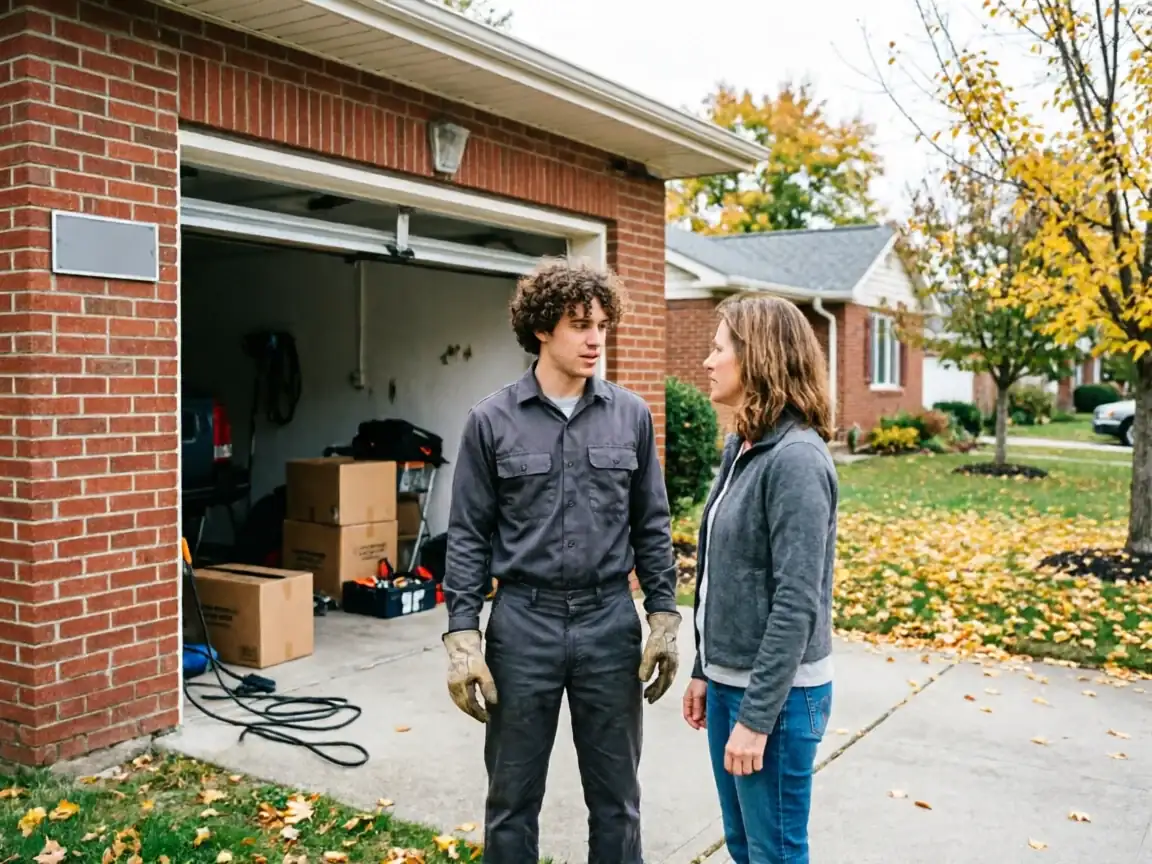
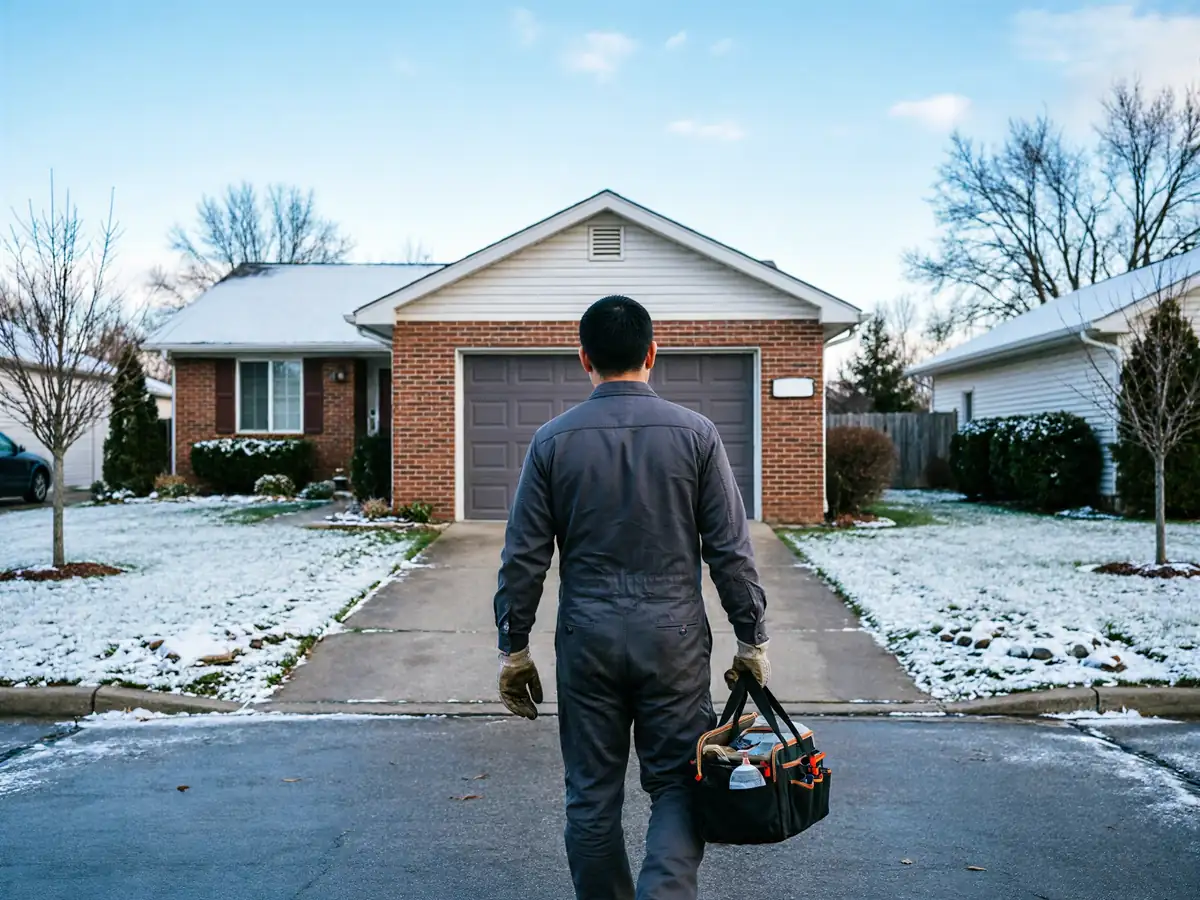
A straight swap - same mount, same rail length - runs shorter than a job where we're correcting for a header that was never braced for an opener at all, which shows up more often in houses built before local code caught up with opener weight. Waverly's median build year of 1980 means most garages here were framed with an opener already in mind, so the header work is usually minimal. Where it isn't, we tell you before we start, not after. We travel the 8 miles from our East Lansing shop for every call, so we build that into scheduling rather than promising a same-hour arrival we can't back up.
How We Fix It
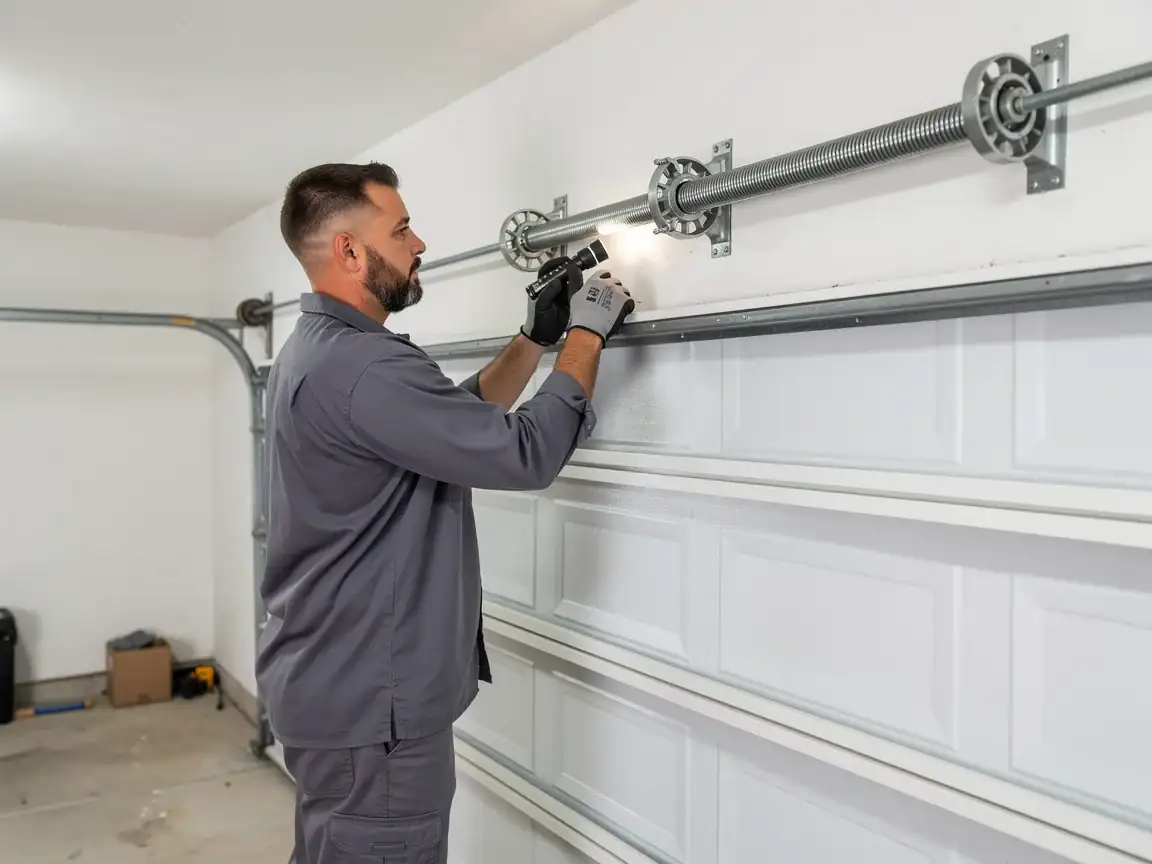
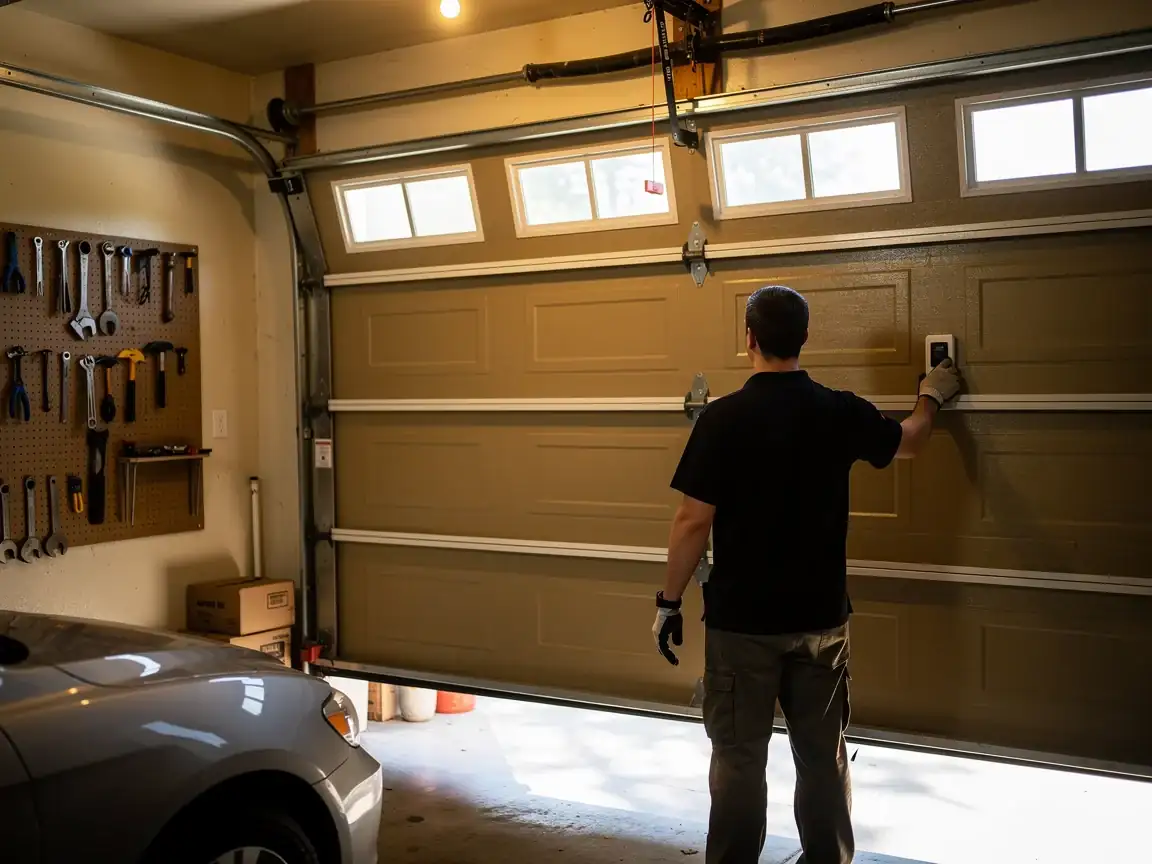
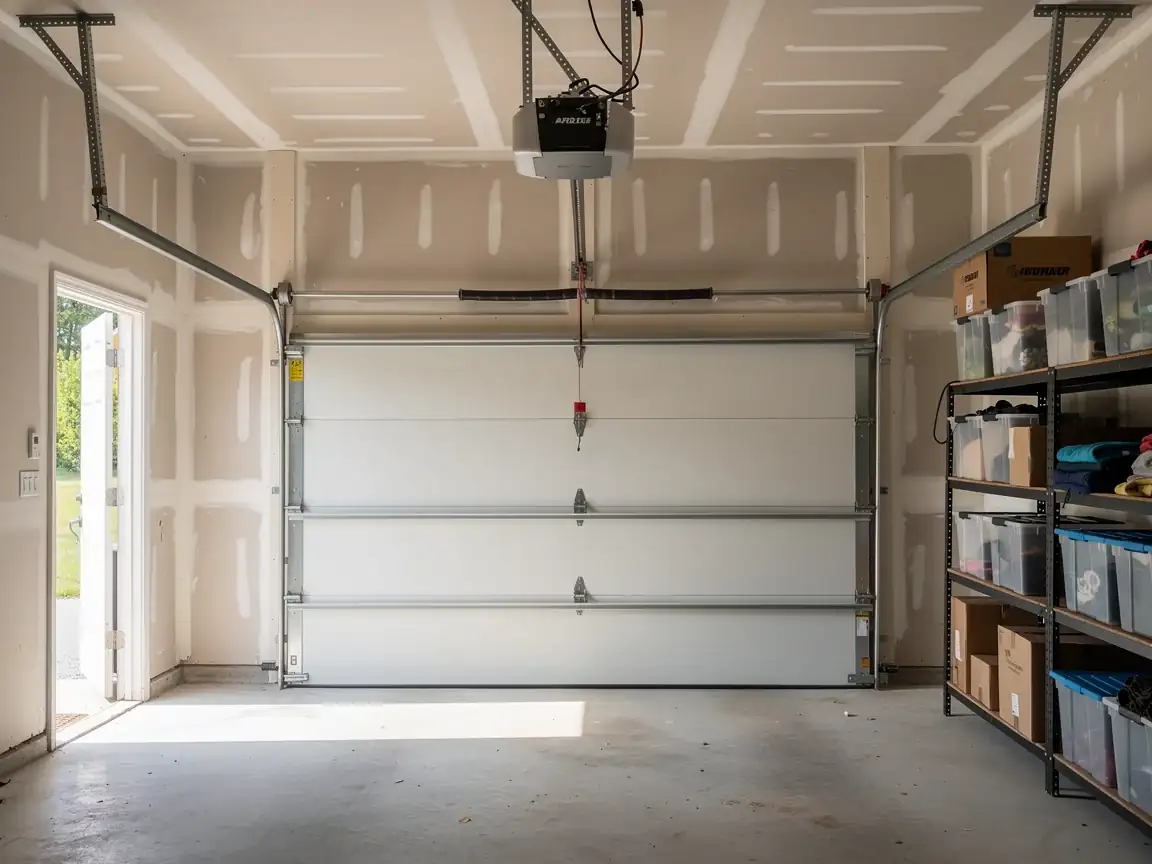
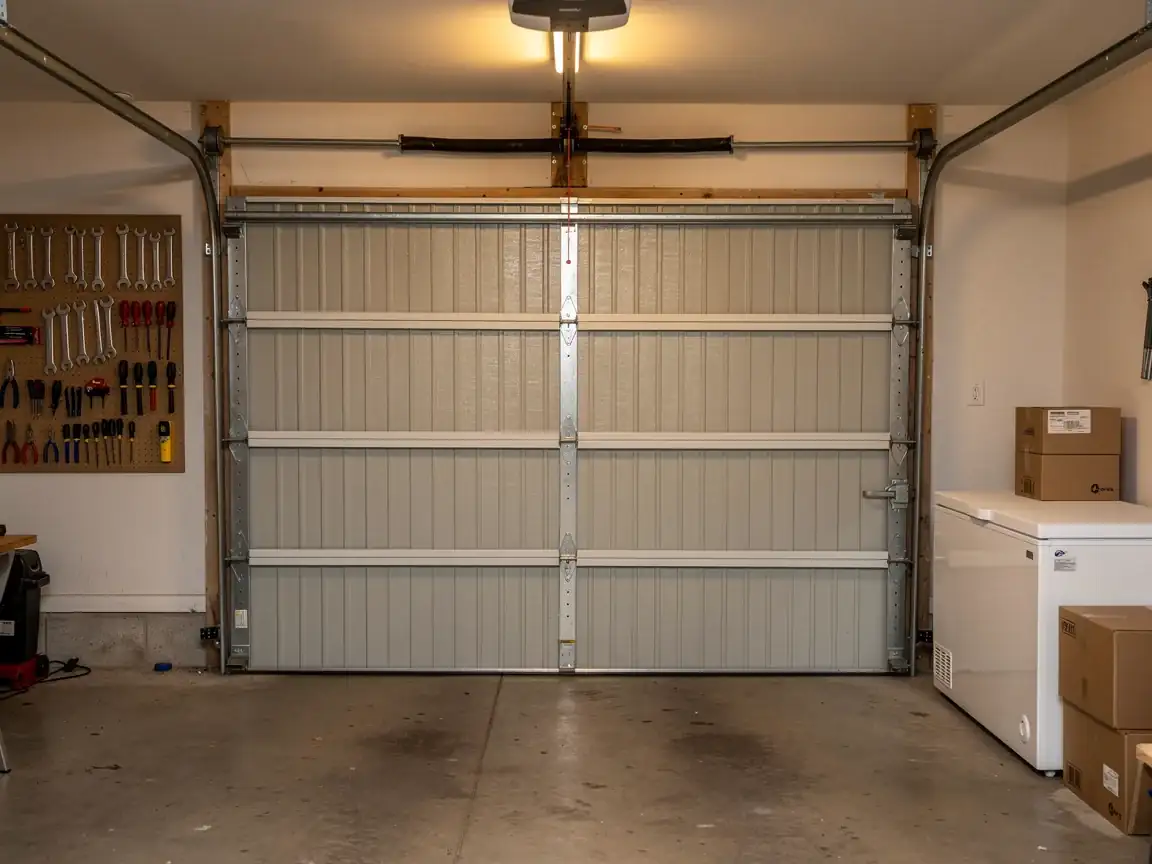
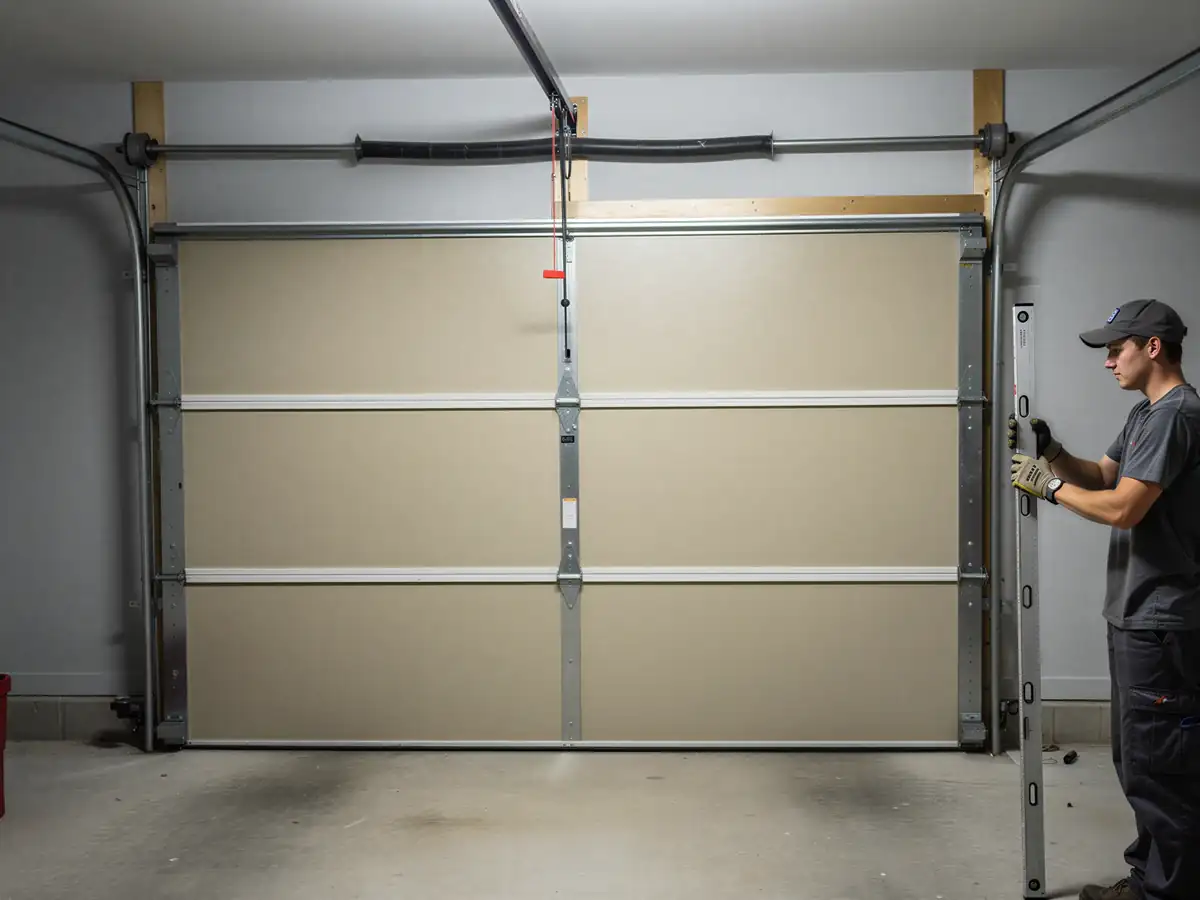
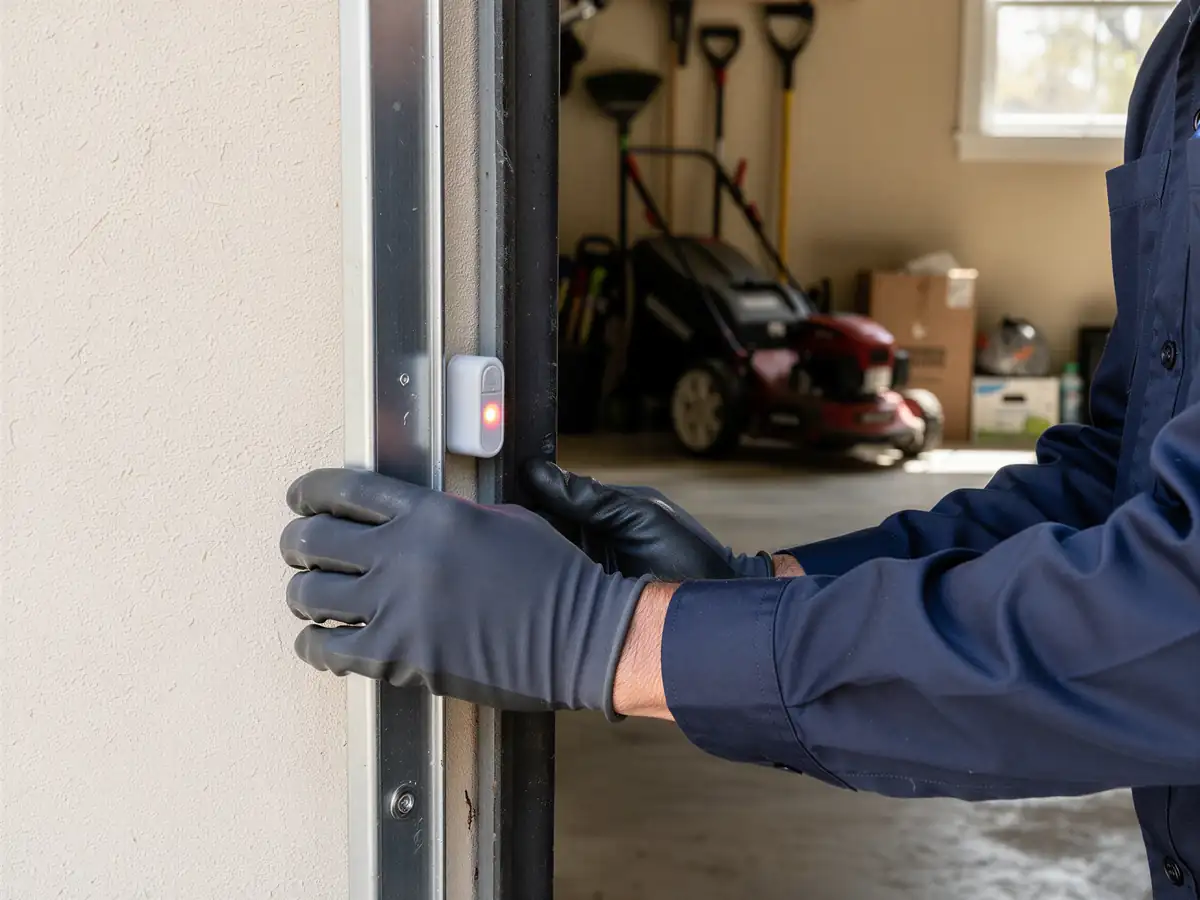
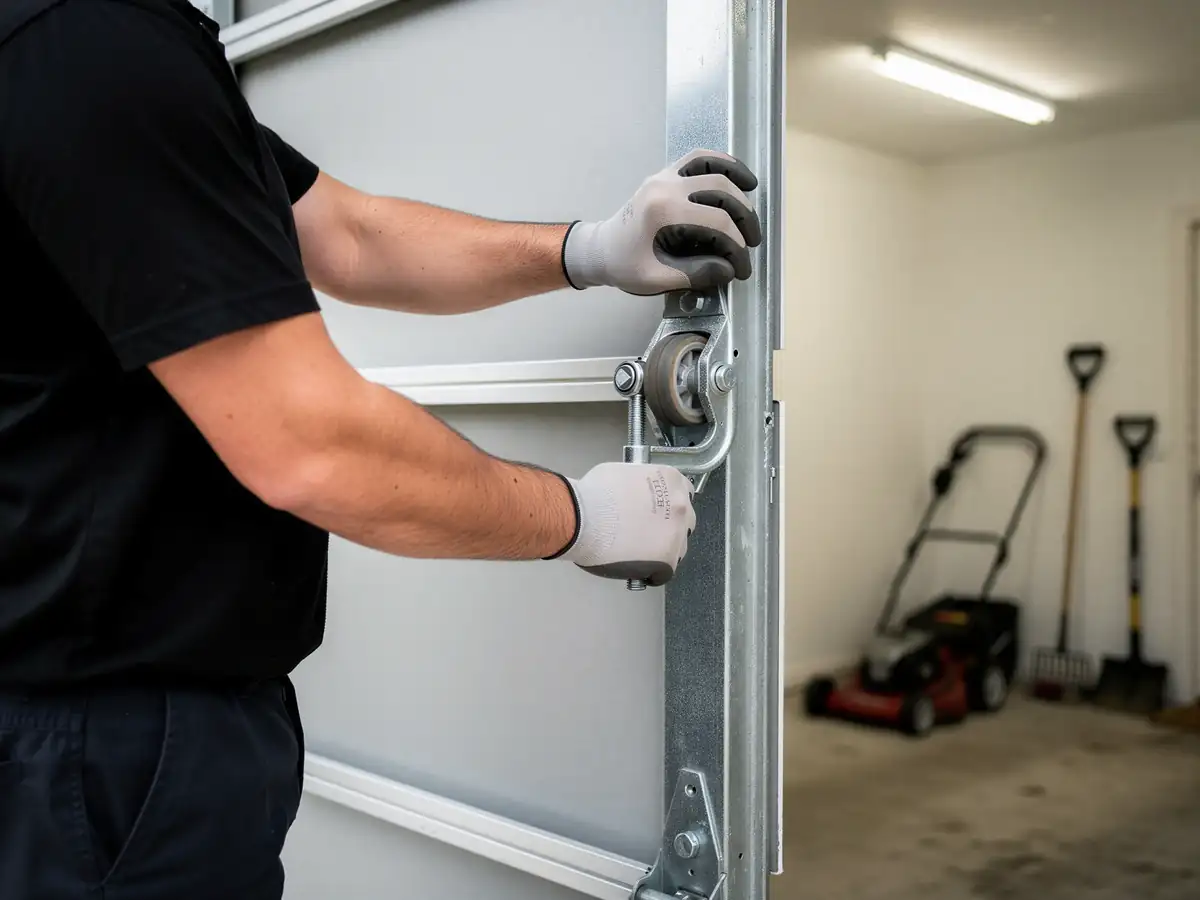
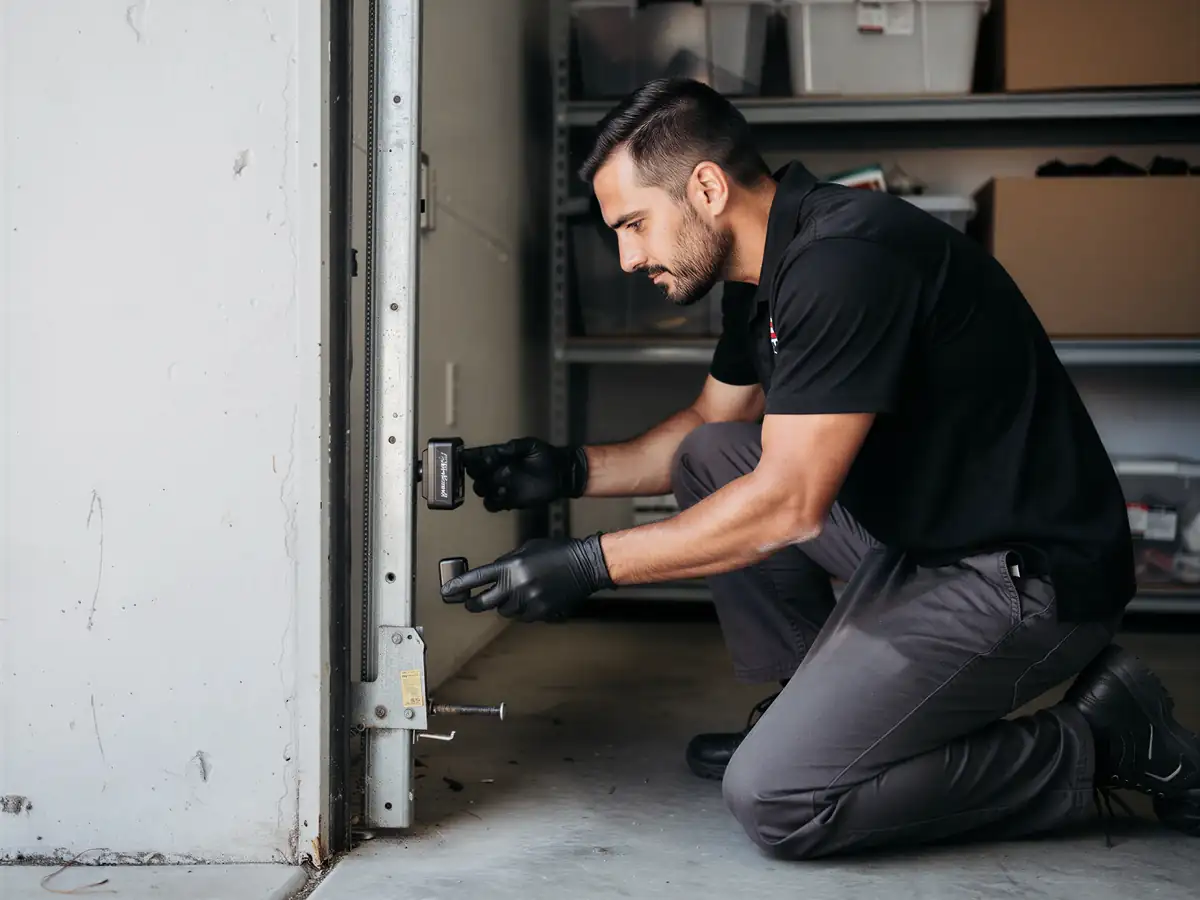
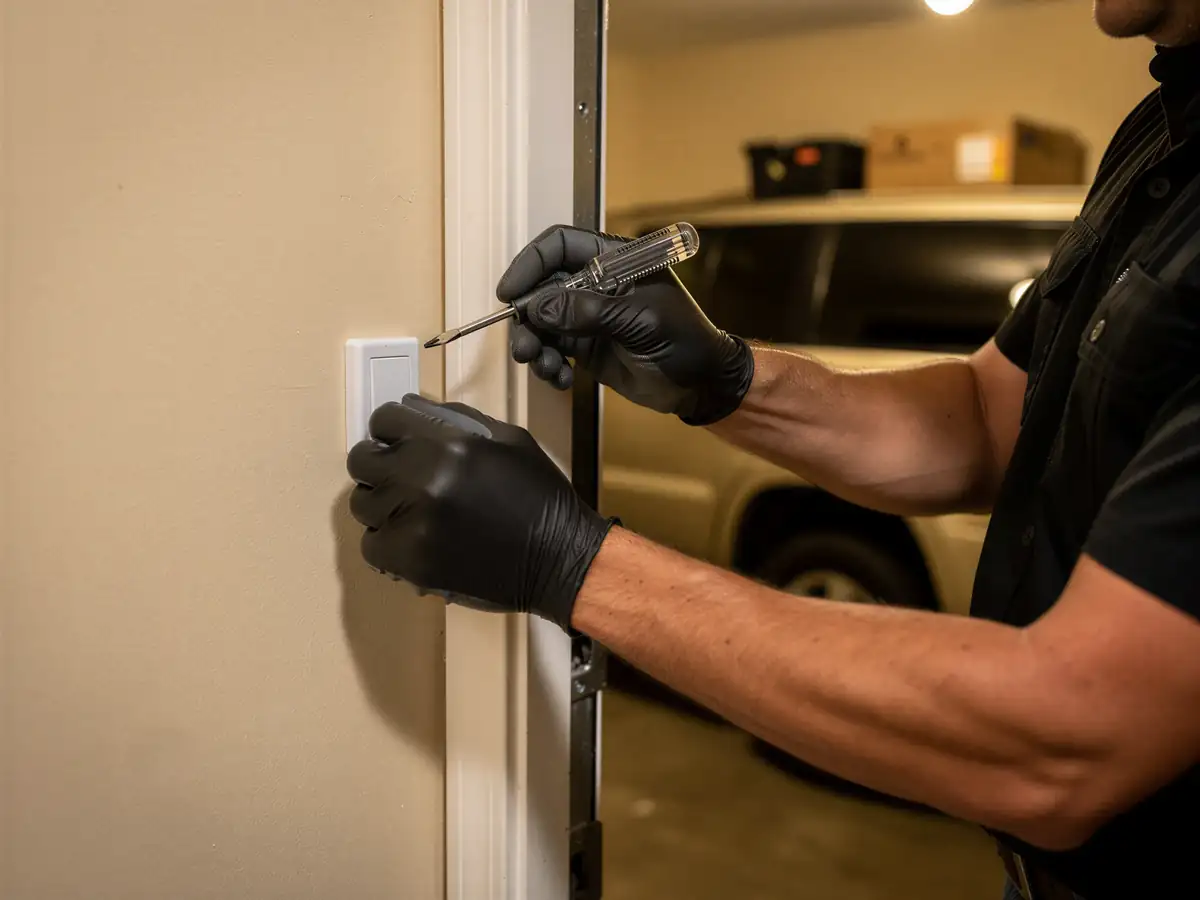
On a 1980-era door, the first thing we check is the track alignment and the condition of the existing bracket, because original installs from that period often used lighter hardware than current openers call for. If the door itself is original steel and still square, we mount the new opener to reinforced brackets and run a fresh rail, matching the opener's horsepower to the door's weight rather than defaulting to whatever's on the shelf. Cold-climate wiring matters here too - Waverly sits in a severe cold climate band, so we use cold-rated lubricant on the drive chain or belt and check that the opener's force settings account for a door that may be slightly heavier in winter from frost or ice buildup on the bottom seal. We set the travel limits and safety reversal to the door's actual weight, not a factory default, which is the step that gets skipped most often on quick installs.
How It Shows Up
With 11,368 households in Waverly and a median income of $75,868, we see a fairly even mix of straightforward opener swaps and jobs where the homeowner is upgrading from a decades-old chain-drive unit to something quieter with battery backup - backup power matters more here given the severe cold winters that can bring down a line. The most common call isn't a dead opener at all; it's a motor that still runs but can't lift the door reliably anymore, usually because the drive gear has worn down over years of use on a door that's gotten heavier with age from moisture or added insulation. We'll tell you plainly when an opener swap will fix it and when the door itself needs attention first.