Time on the Job
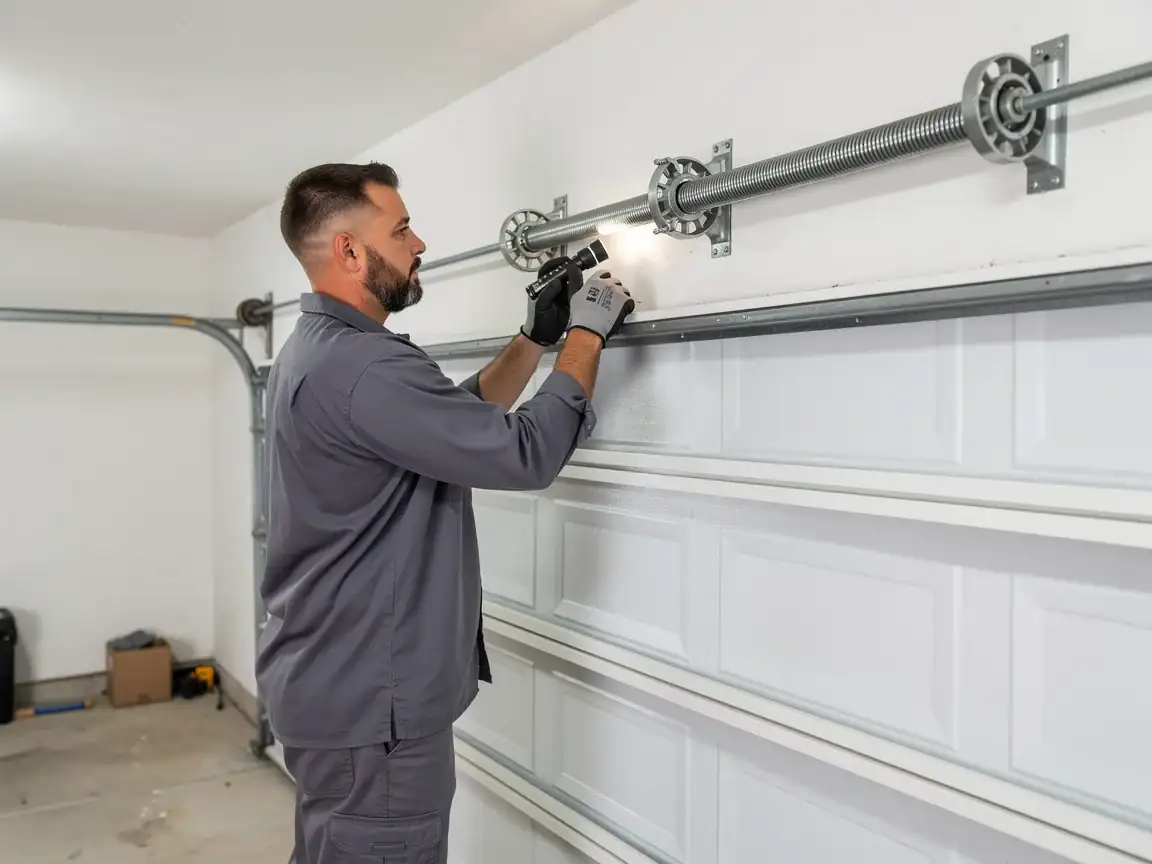
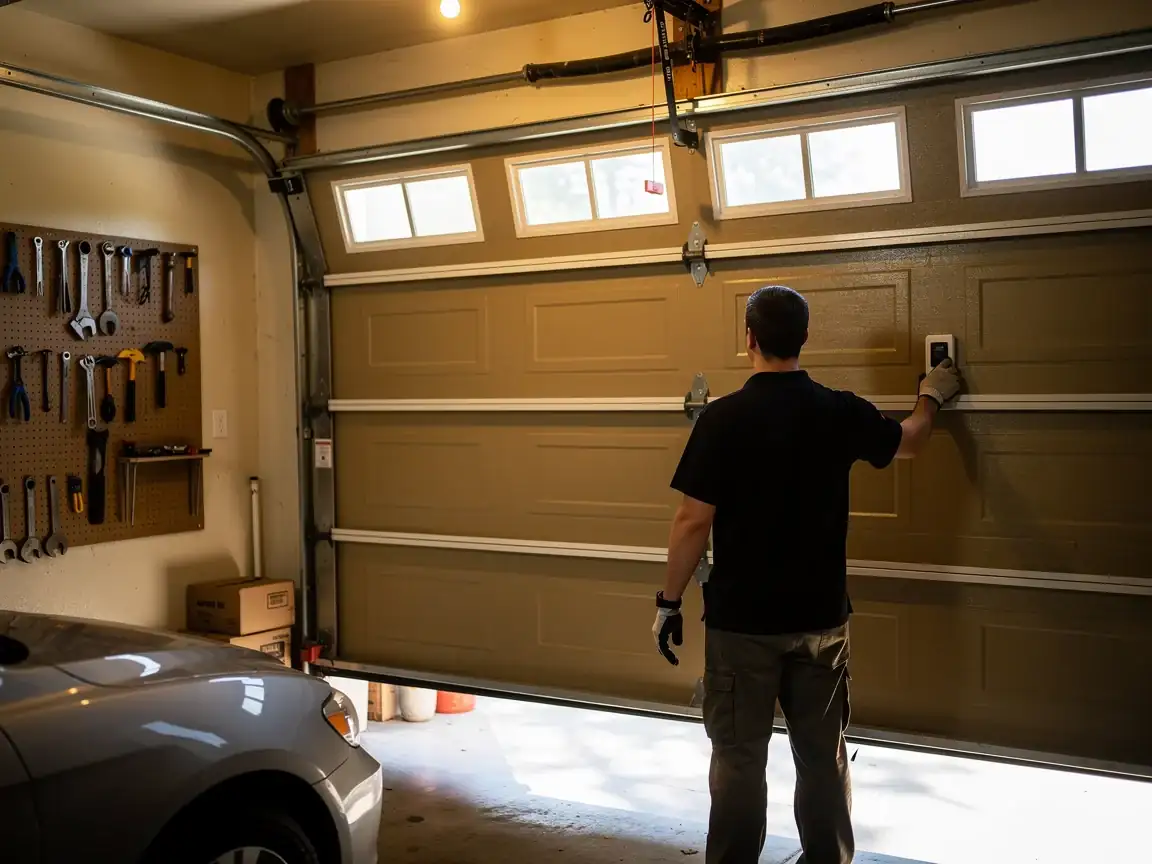
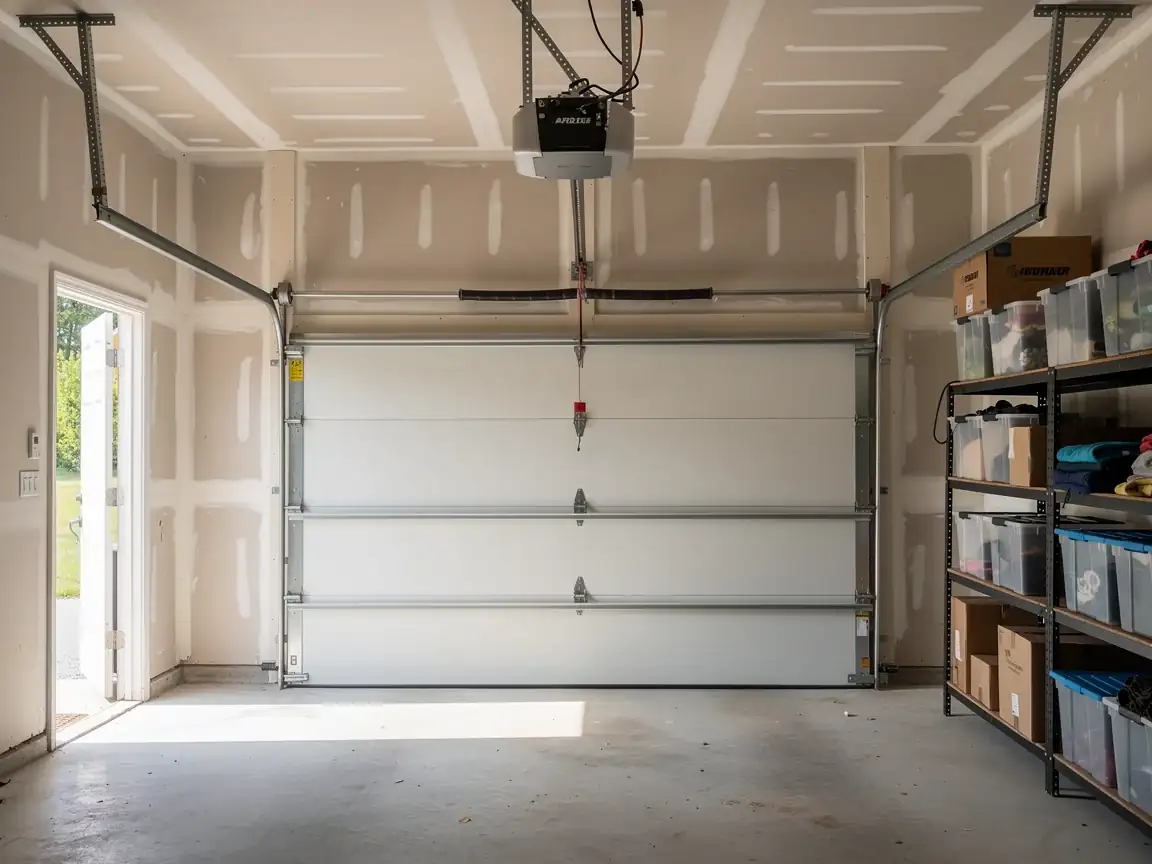
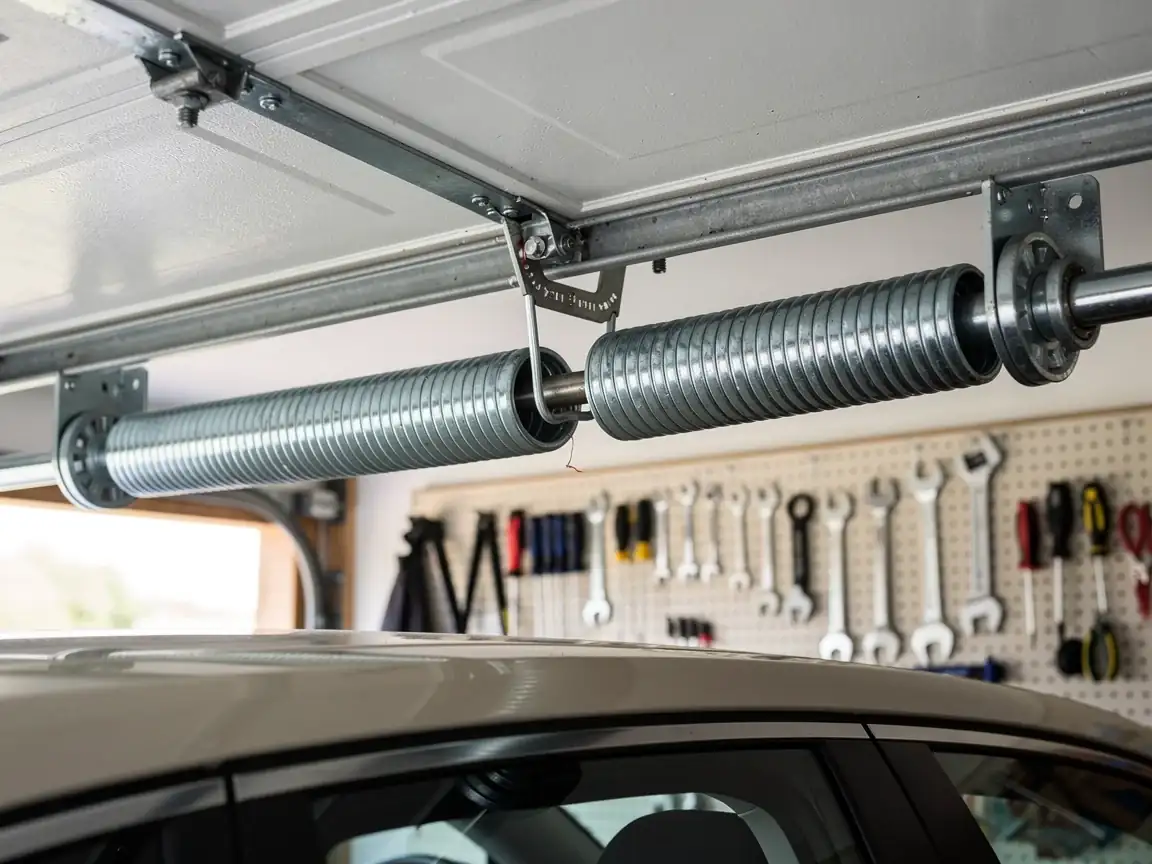
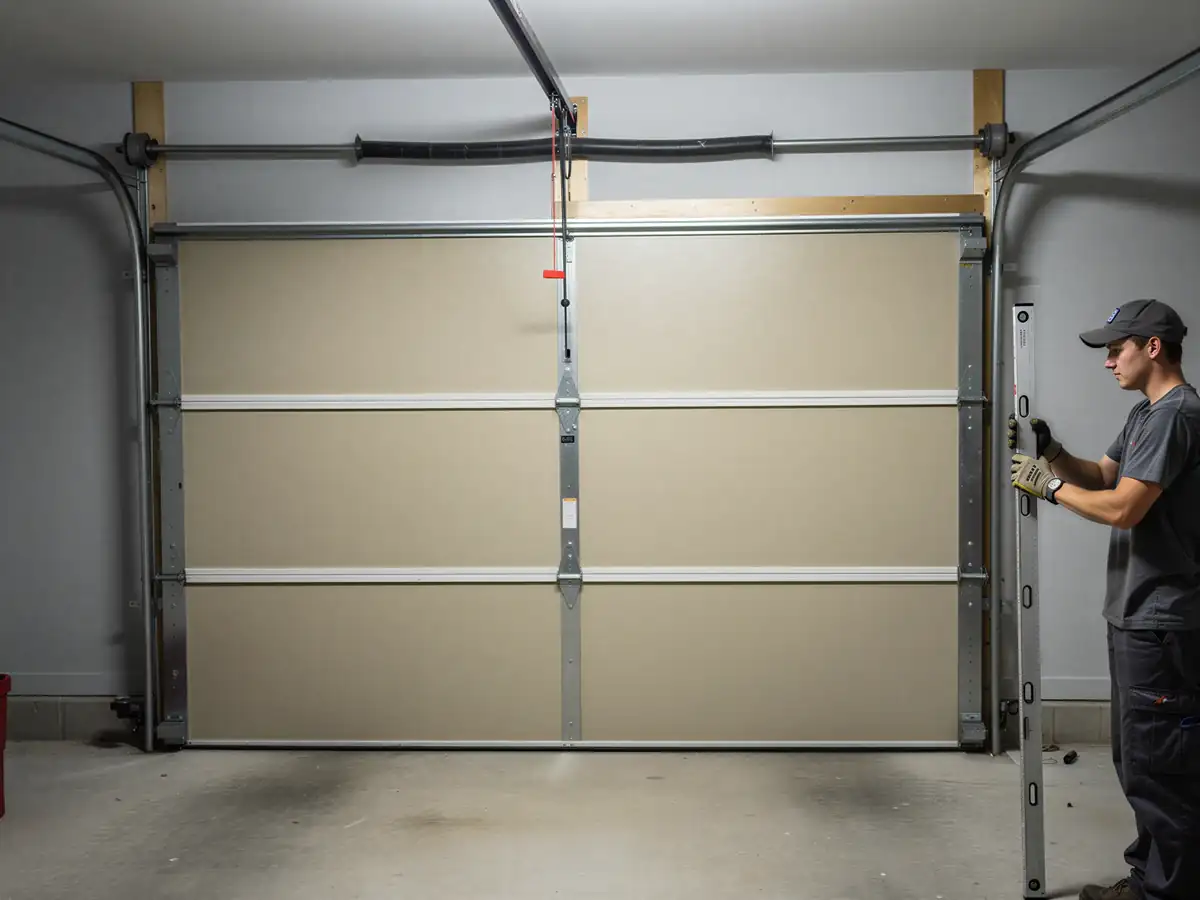
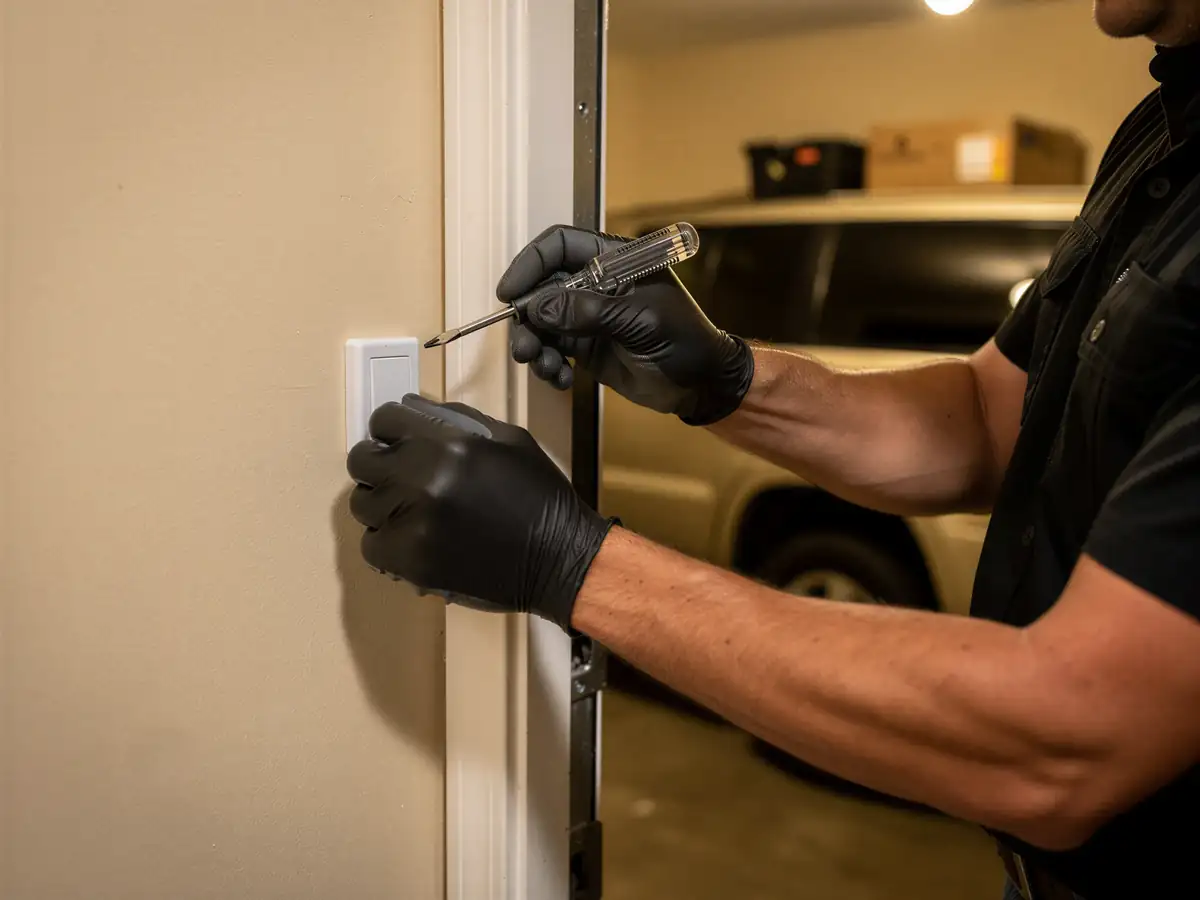
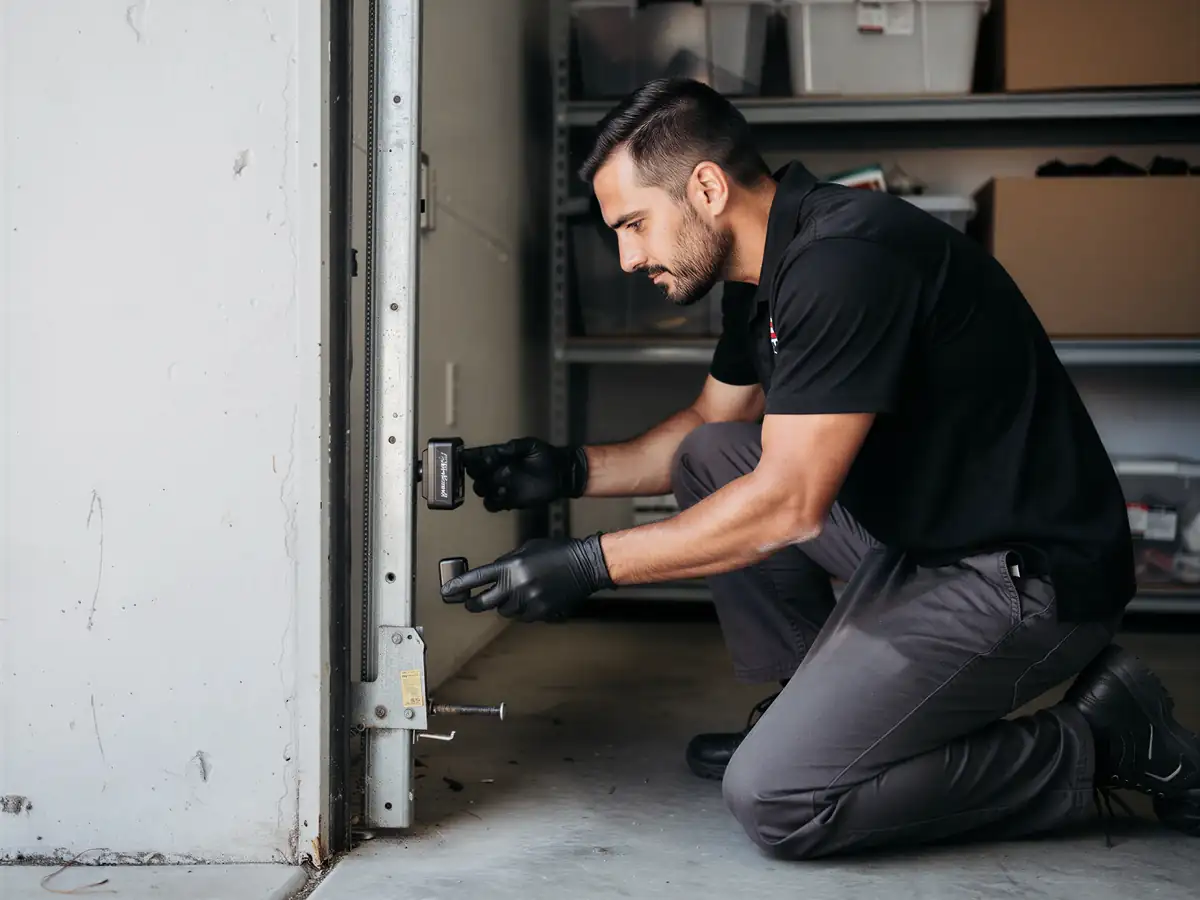
A standard maintenance visit - spring tension check, track alignment, roller and hinge inspection, opener force adjustment, hardware torque check - runs about what you'd expect for a single door with no surprise failures. Doors built around 1980 in this area tend to need more time on the track alignment step than newer doors, because four decades of seasonal ground movement shifts the vertical tracks out of plumb a little at a time, and nobody notices until the door starts binding. We're driving the 8 miles out from East Lansing for every call, so we batch Waverly visits when we can, but we don't promise a same-day slot - if your opener is already grinding or the door won't budge, say so when you call.
How We Fix It
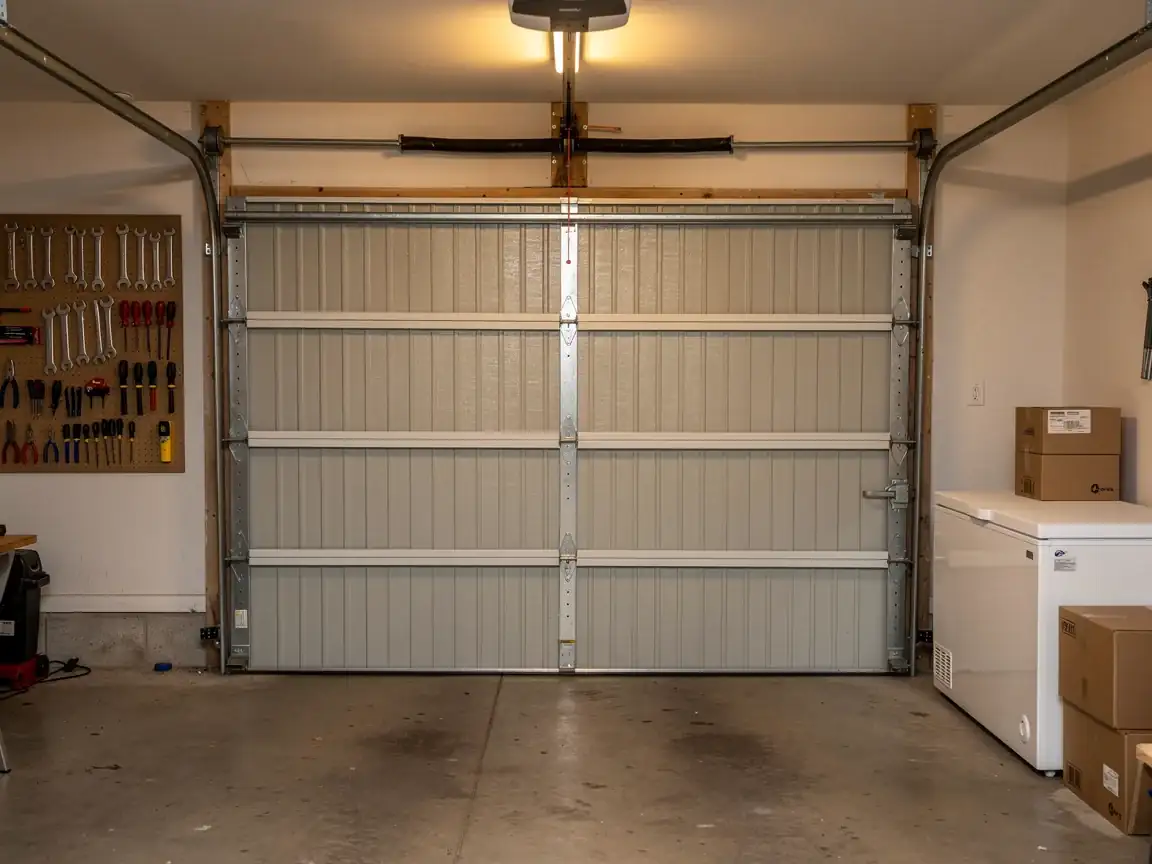
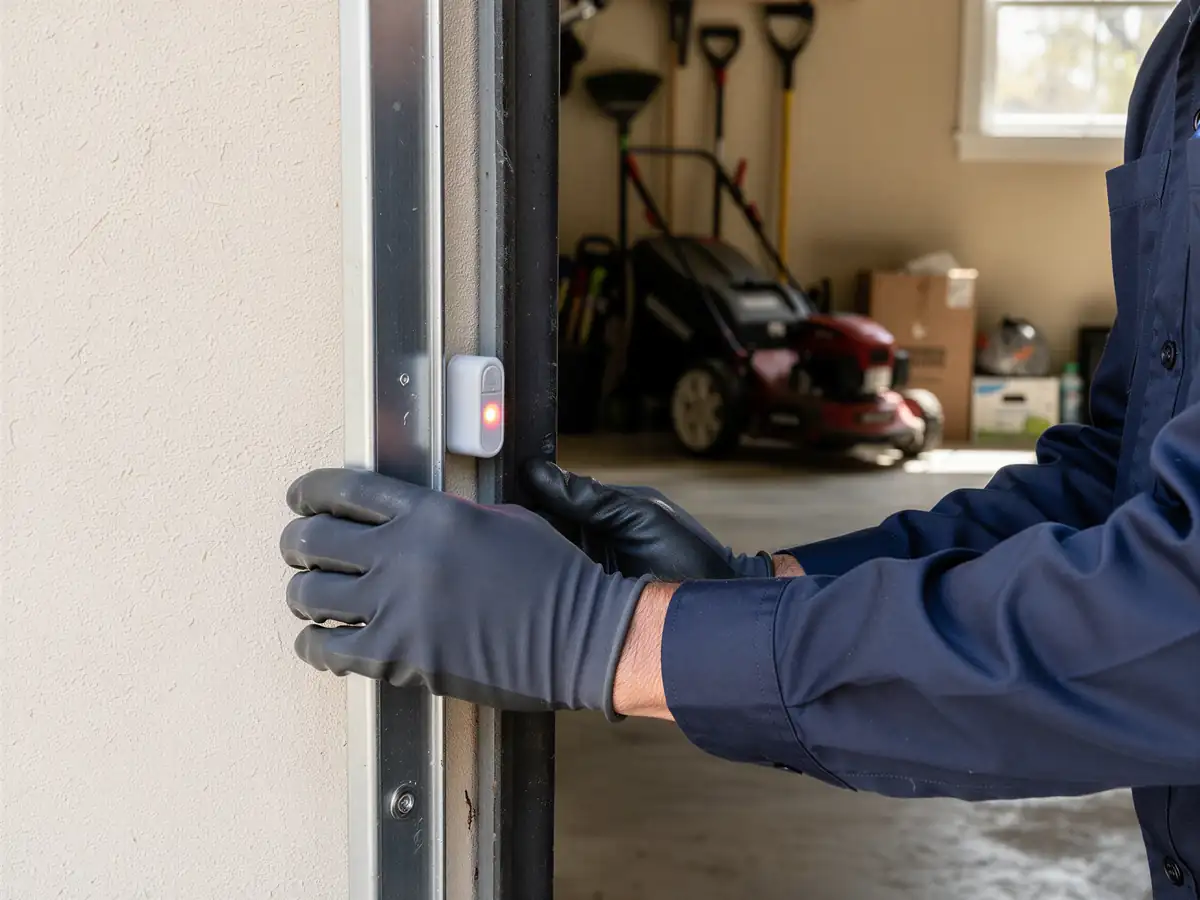
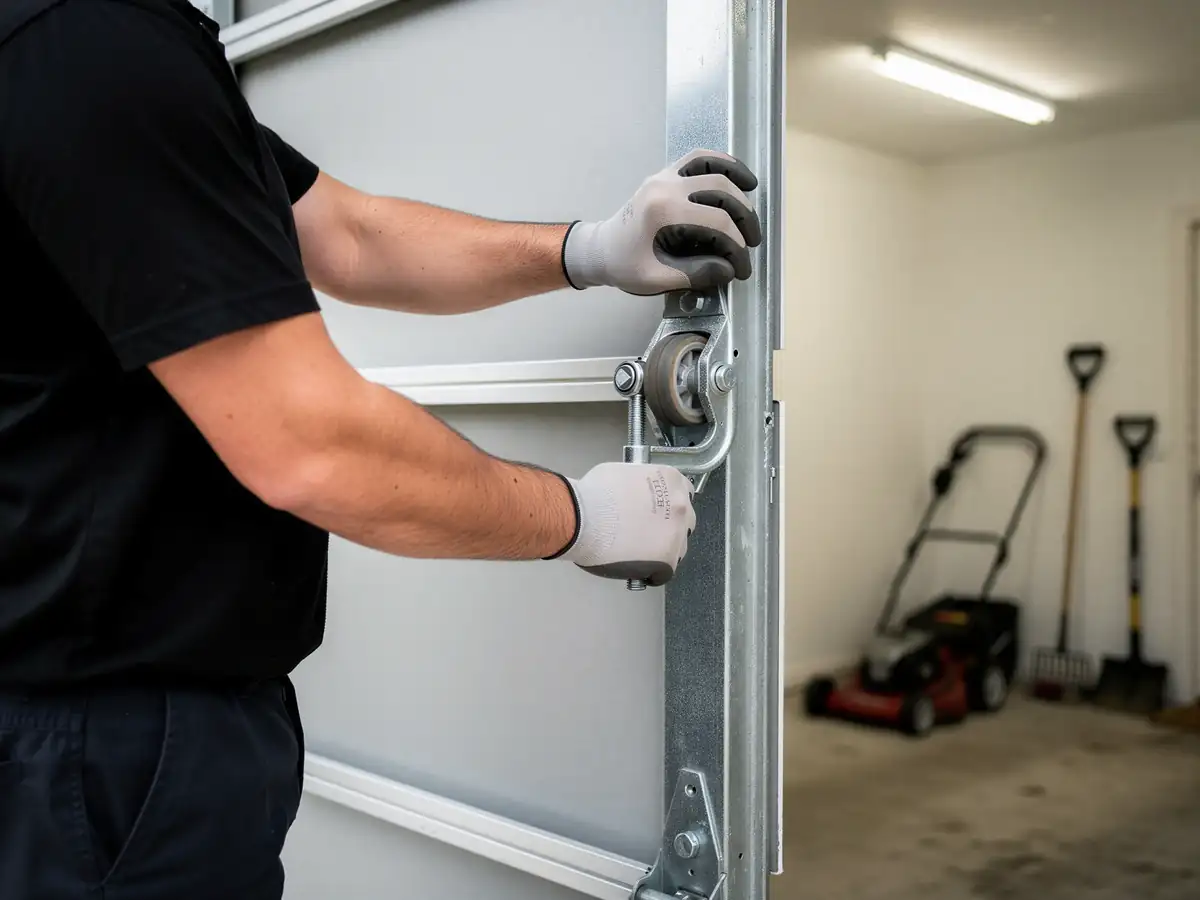
On a house from the 1980 era, the thing most likely to still be original isn't the spring - springs get replaced when they break, so most have been swapped at least once by now. It's the track hardware: the lag bolts anchoring the vertical track to the jamb, and the horizontal track hangers up at the ceiling. Those don't fail outright, they just loosen, and a loose hanger lets the door rack sideways under load, which chews up rollers fast. Our fix starts with re-torquing that original hardware before anything else, because replacing rollers on a door that's still racking just buys you another six months. If the jamb wood underneath has rotted from years of condensation - more common here given the severe cold swings - no amount of torquing holds, and that's a carpentry problem before it's a door problem.
How It Shows Up
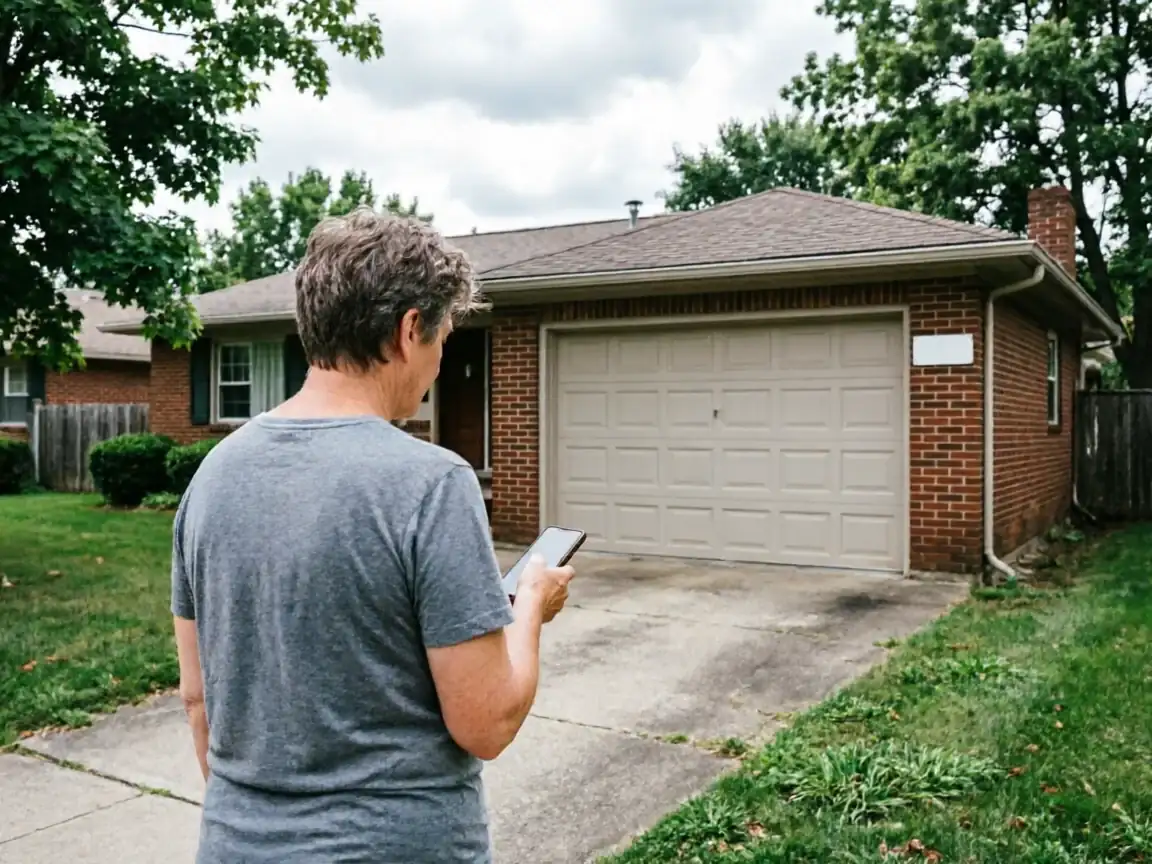
The first sign on a 1980-built door around here is usually noise - a grinding or popping sound as the door travels, which almost always traces back to worn rollers or a hanger that's worked loose over the decades. The second sign is a door that closes crooked, dropping faster on one side, which points to uneven spring wear or a track that's shifted out of alignment. With roughly 11,368 households in this area and a housing stock concentrated in that late-1970s-to-1980 window, we see a pattern: owners wait until the opener is straining audibly before they call, by which point the opener motor itself has often taken damage from working against a door that's out of balance. Catching it at the noise stage, not the strain stage, is the difference between a maintenance visit and a parts replacement.