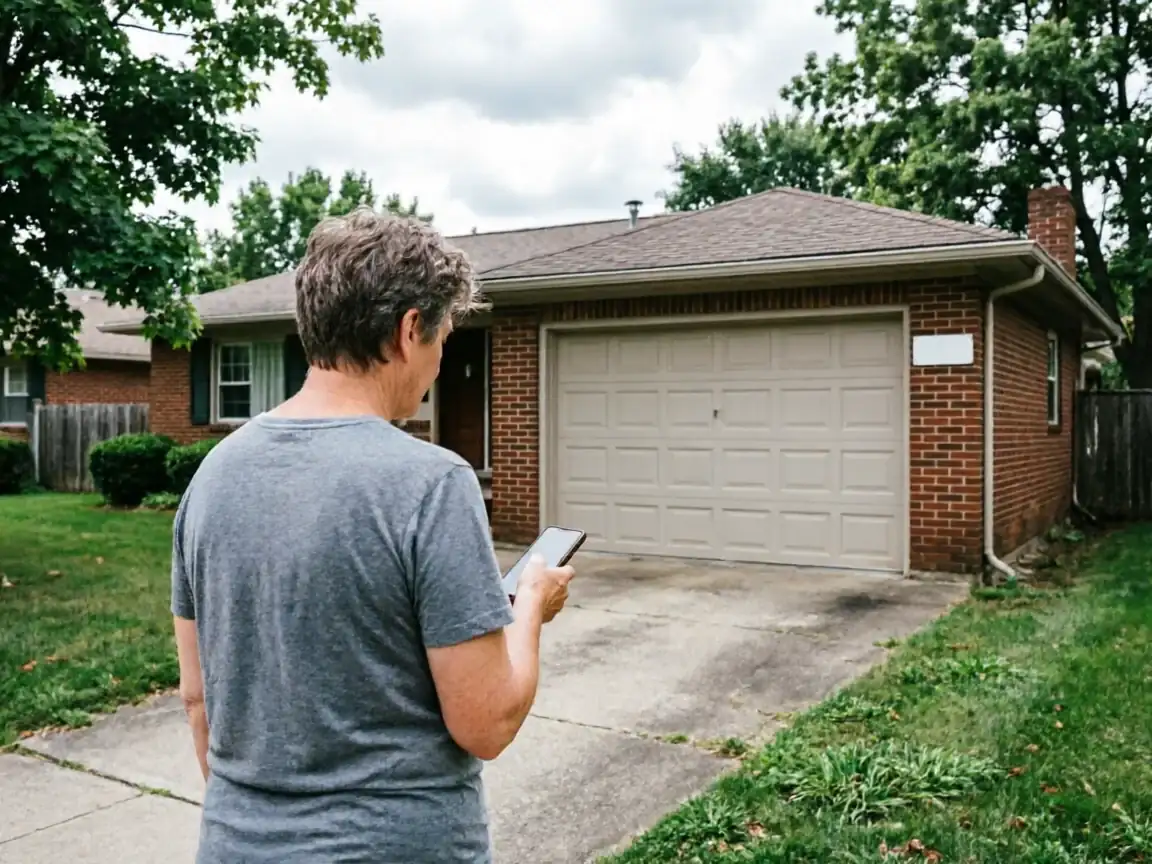
The DIY Question
Williamston is a small town
About 1,721 households - which means the jobs we get called out for tend to repeat. It's not a city with thirty different builders and thirty different door setups; it's a tight cluster of houses built around the same years, with the same handful of door brands and the same hardware wearing out at the same time. That's useful to know before you grab a wrench.
- 1,721 households
Some things are fair to tackle yourself
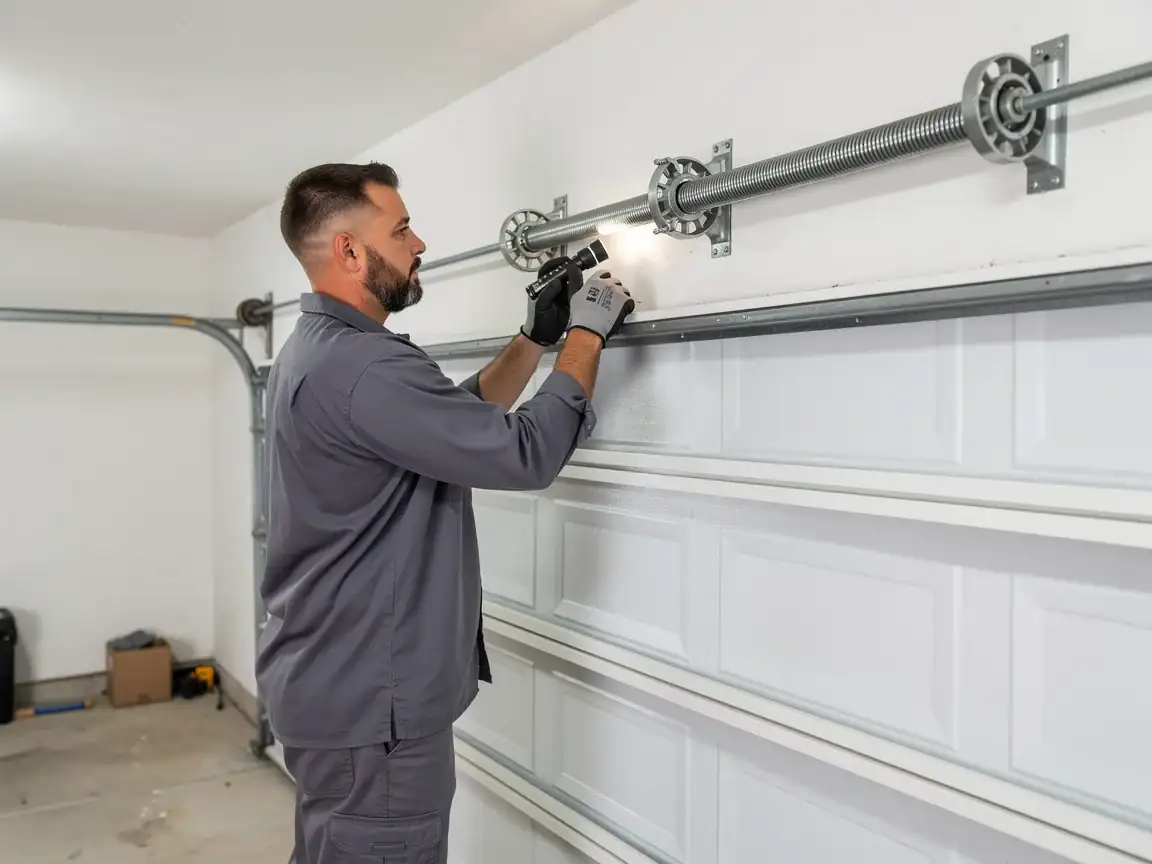
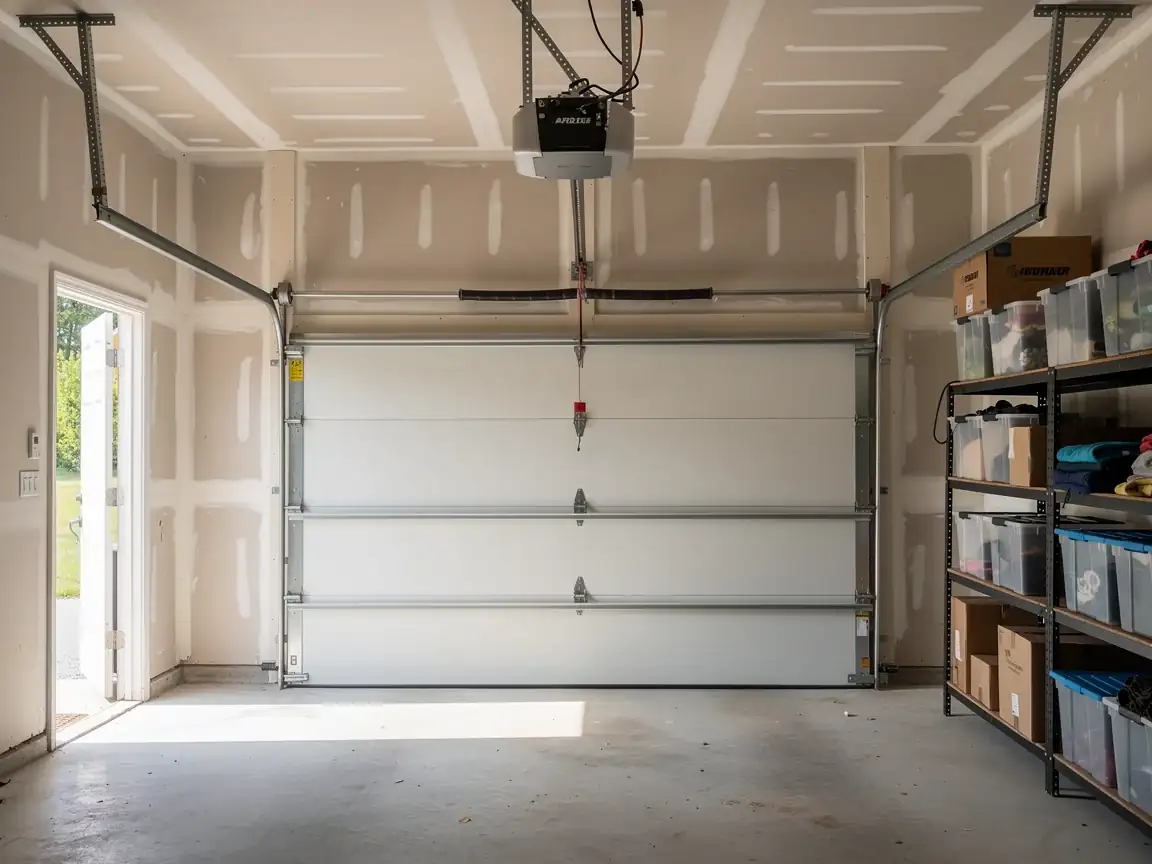
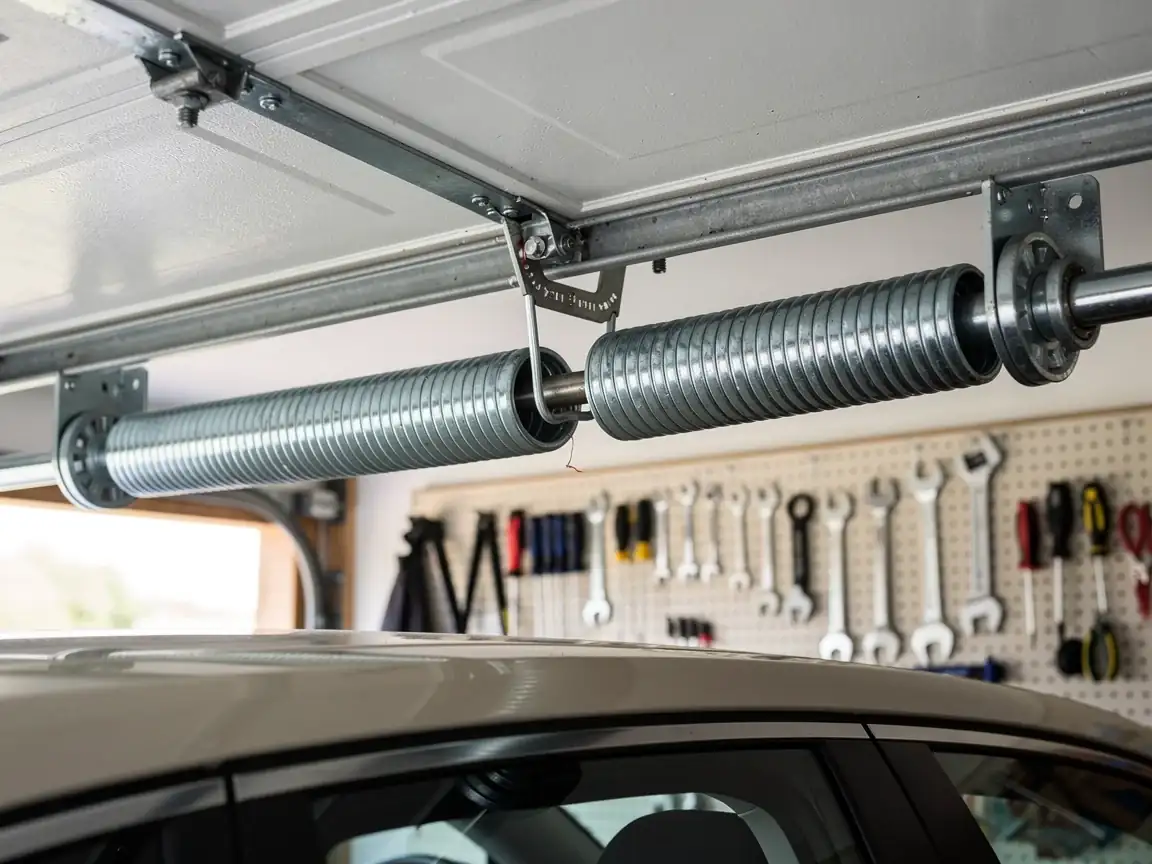
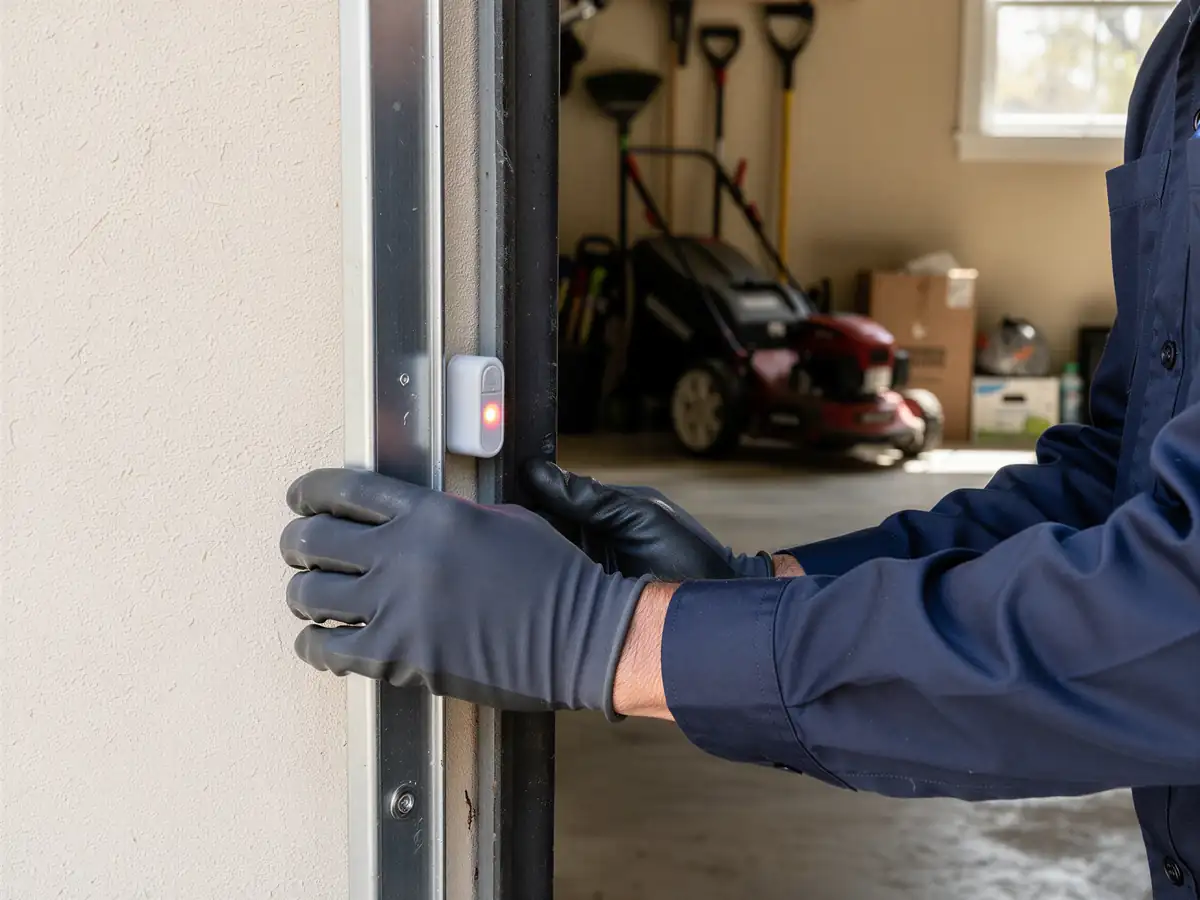
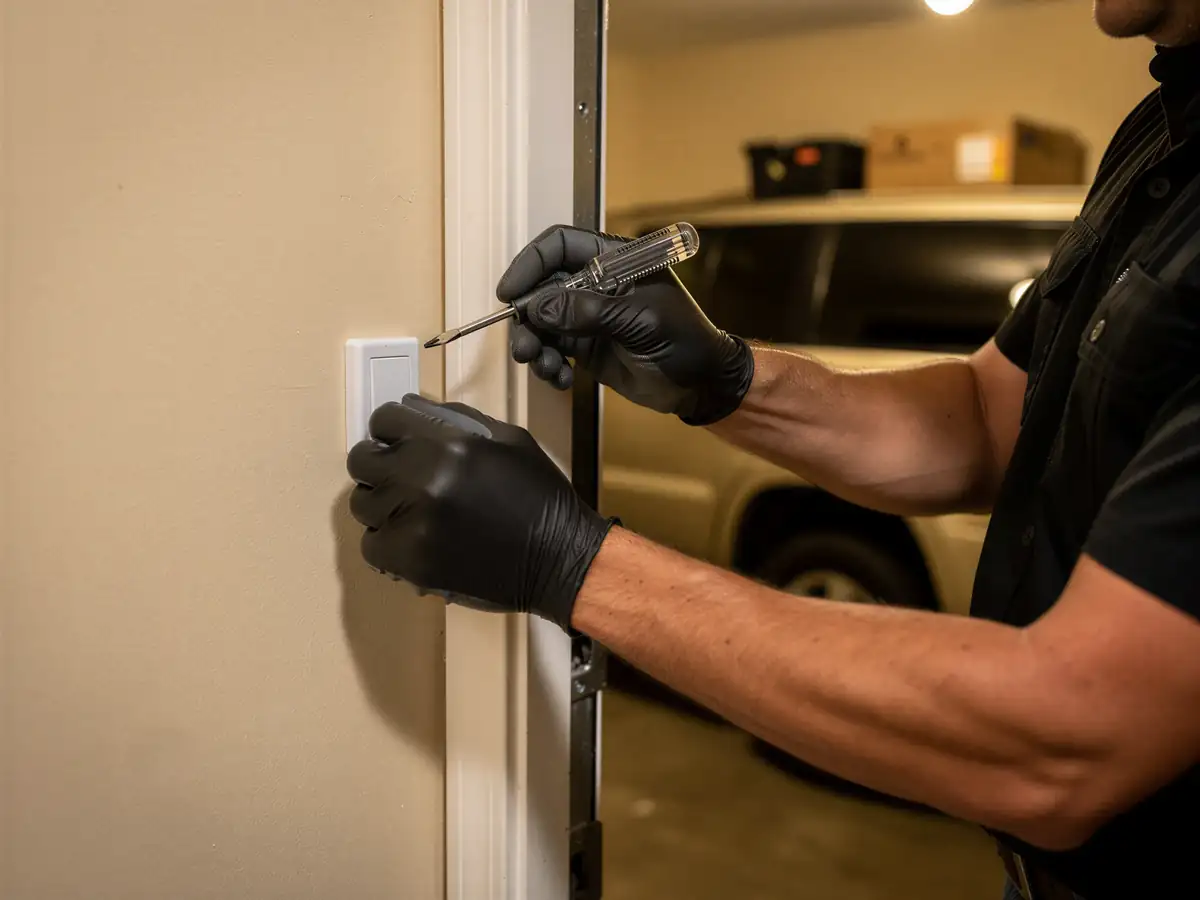
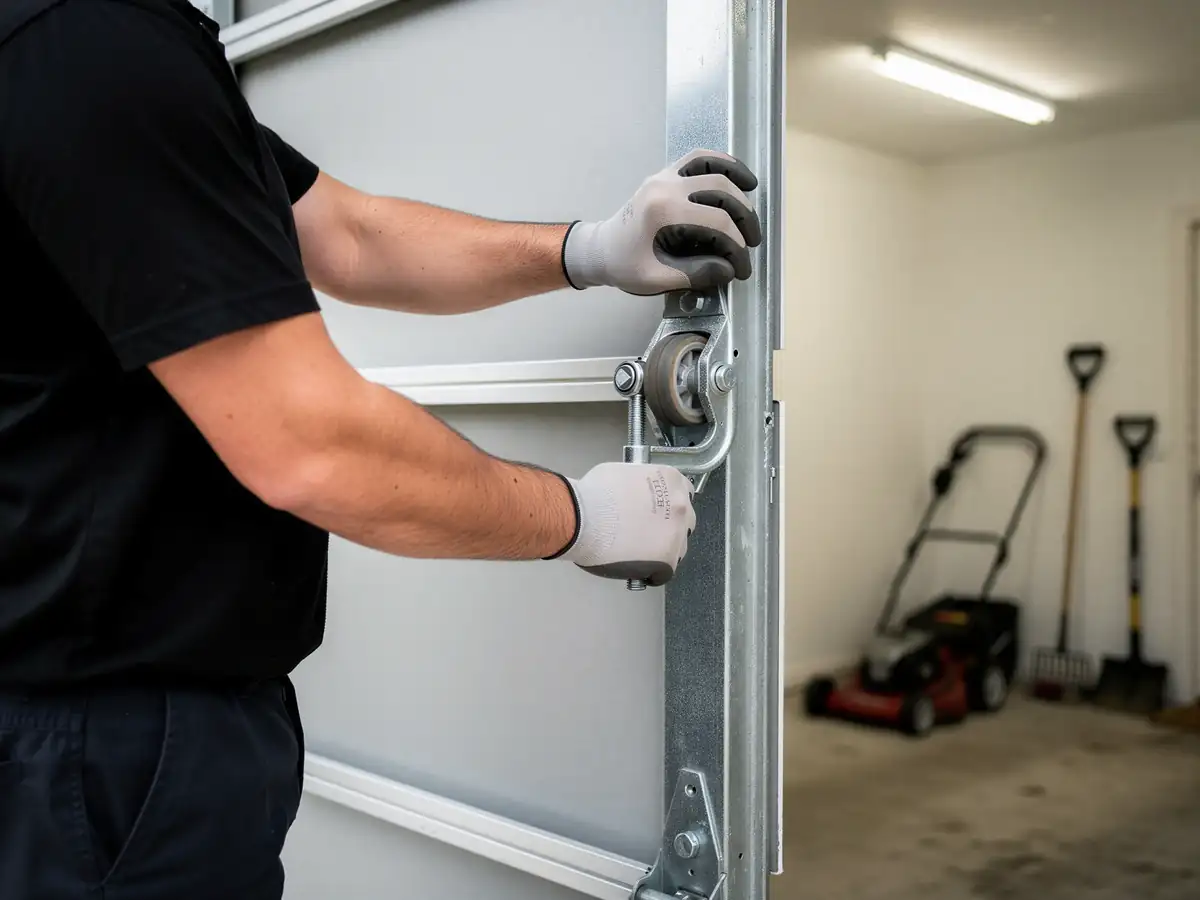
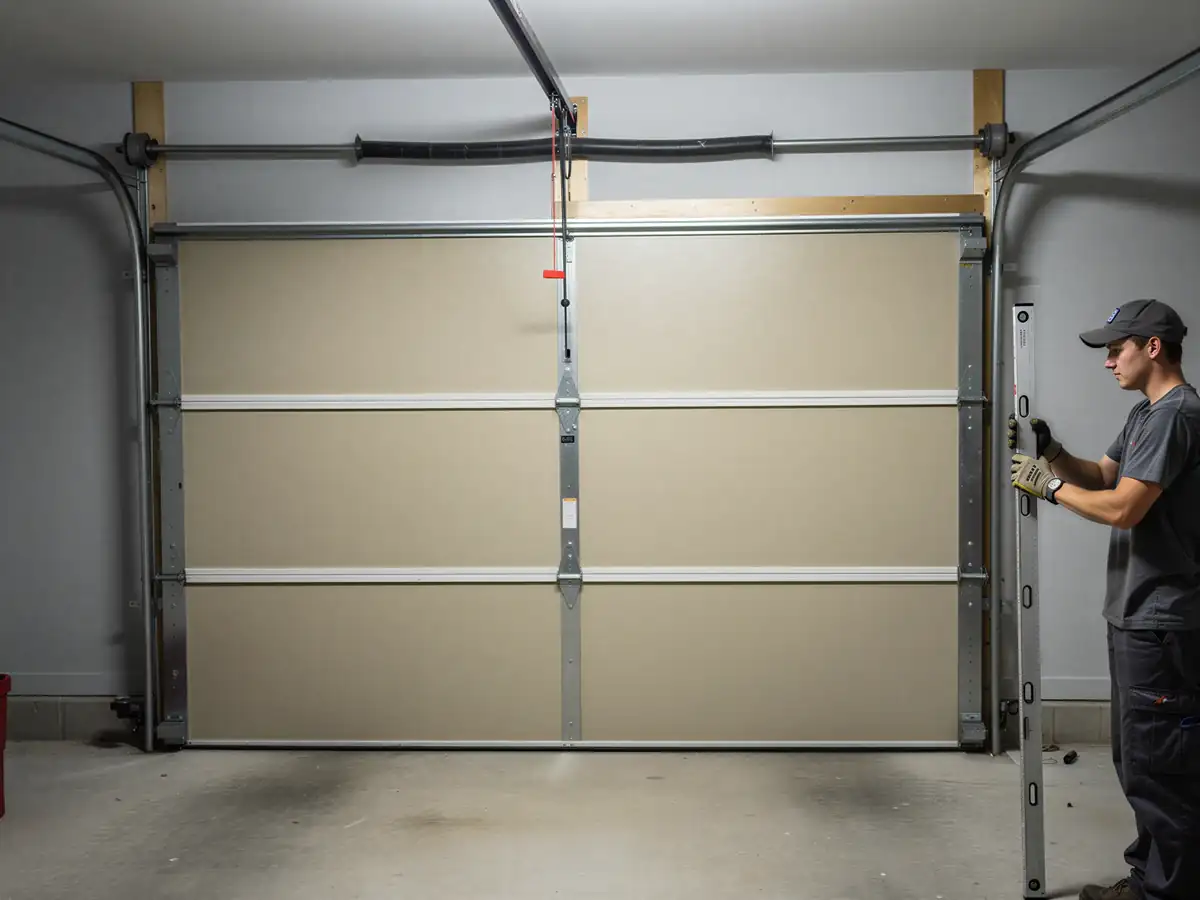
Lubricating hinges and rollers, tightening loose bolts on the track, swapping a remote battery, clearing the photo-eye sensors if the door won't close. What isn't worth the risk is anything involving the torsion spring or the cables under tension. Those parts store enough force to break a hand or worse, and on a door this old the spring size is often non-standard enough that guessing wrong means a second trip and a second part. If the door is off its track, or one side is hanging lower than the other, stop and call rather than forcing it - that's usually a cable or a bent track, and running the opener against it chews up the opener motor too.
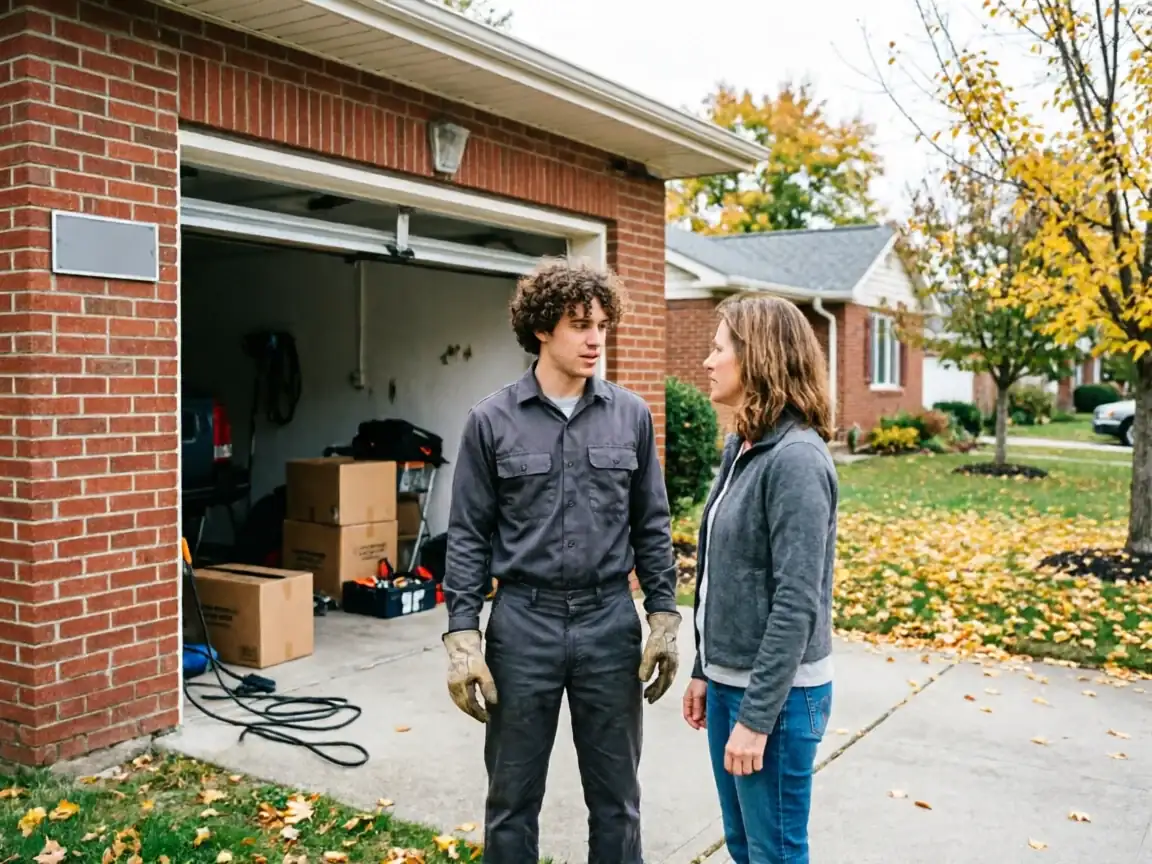
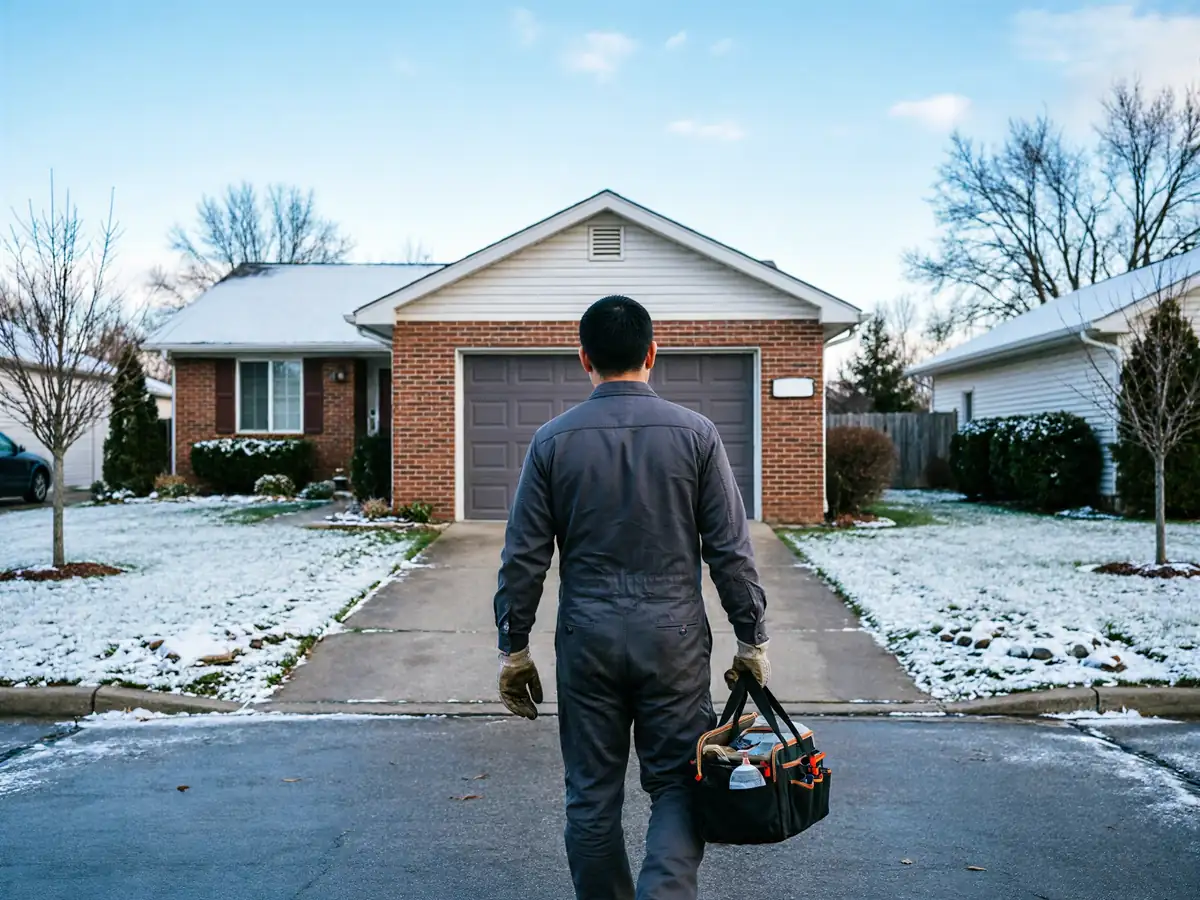
We travel out from East Lansing for these calls, about 11 miles
So there's no walk-in counter here - just a job scheduled and a truck sent.
- 11 miles
The Cost of This Job
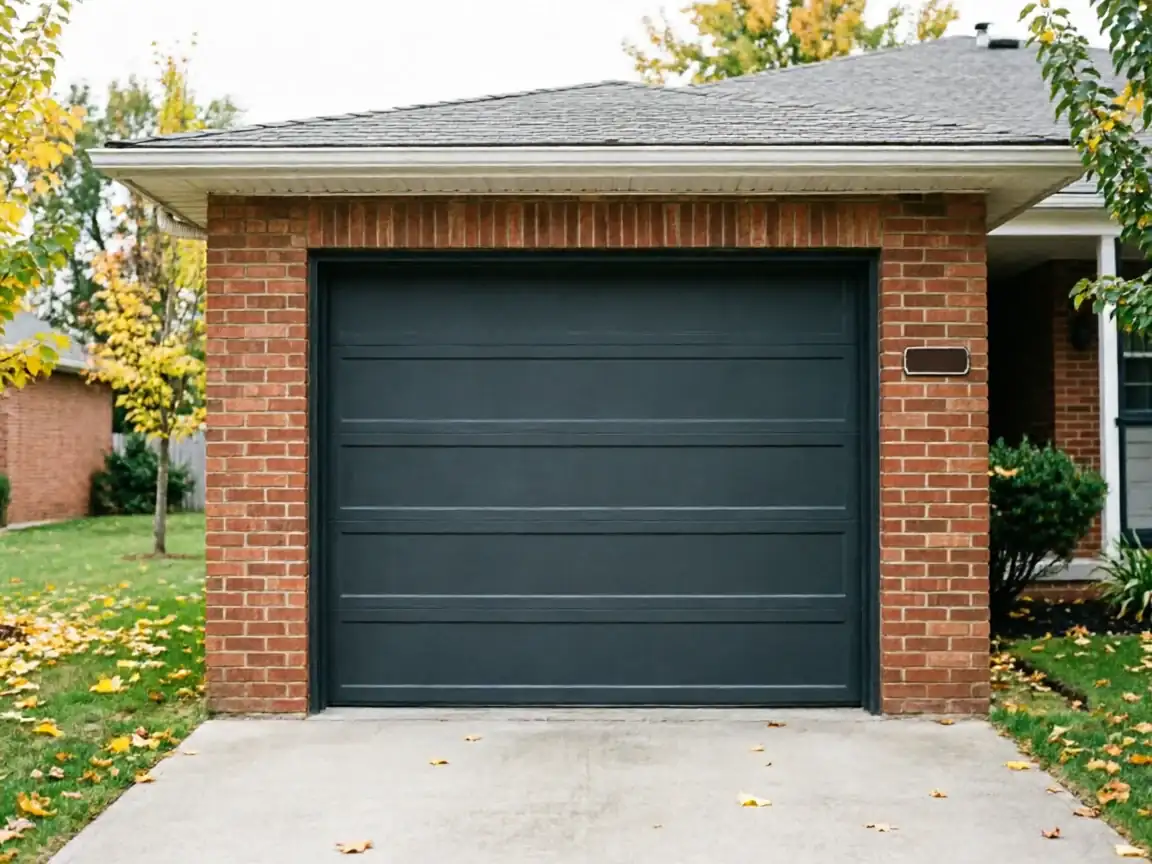
We don't have a published price list for Williamston specifically, and job cost swings a lot based on what actually failed - a broken spring, a worn cable, a bent panel, or an opener that's simply done. What we can tell you is what shapes the number on a house like the ones here: median household income in the area runs around $73,902, a touch below the wider service area's $75,707, and most of these homes were built around 1978. A door and opener from that era, if original, is well past any reasonable service life, and replacement parts for openers that old sometimes have to be ordered rather than pulled off the truck.
That's the honest limitation: if your opener or spring size is an older or discontinued one, we may not have it on hand the day we show up, and you're looking at a short wait on the part rather than a same-visit fix. We'd rather tell you that up front than promise a fix we can't deliver that day.
What Causes It Around Here
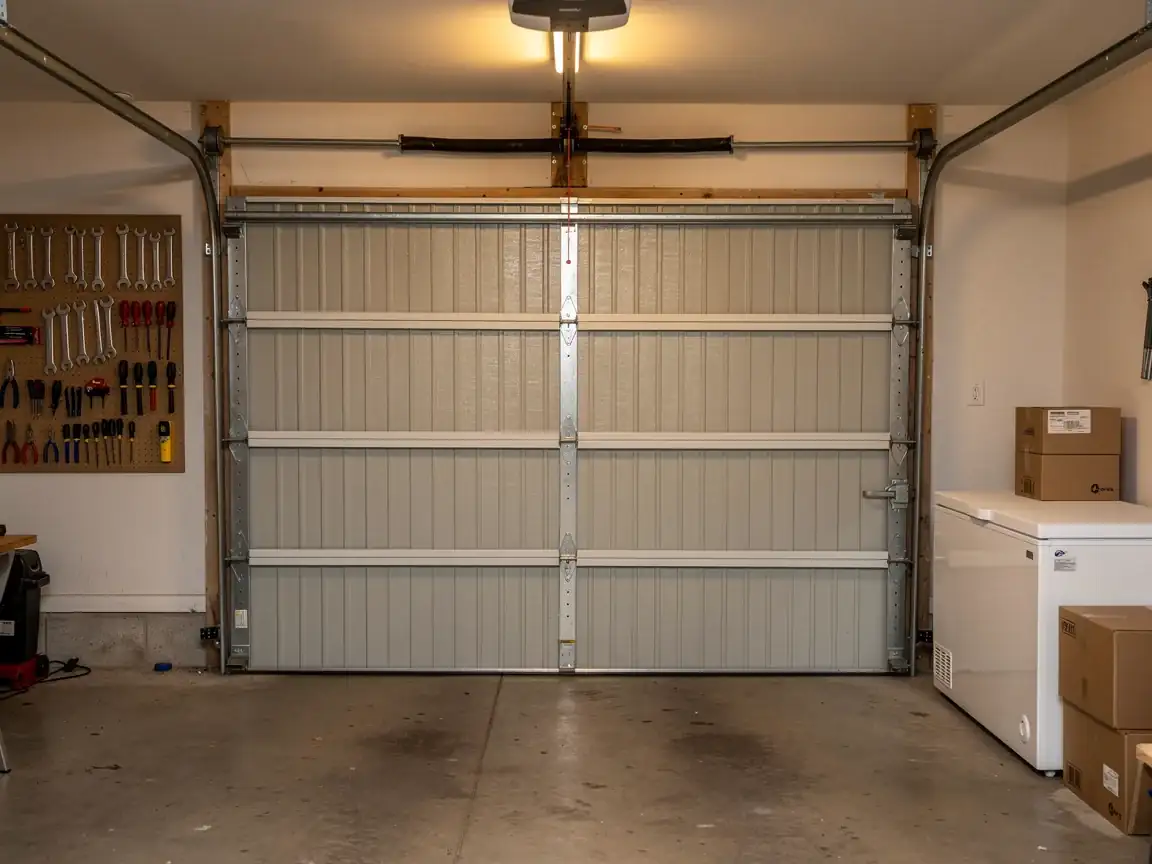
The median year built in Williamston is 1978, which puts a lot of the housing stock square in the era of early chain-drive openers and torsion springs sized for lighter, thinner steel doors than what's sold today. Those springs weren't built to last forever, and forty-plus years in, a lot of them are at or past the number of cycles they were rated for. When one goes, it usually goes without much warning - a loud bang, then a door that won't lift, or lifts crooked.
The area also sits in a cold-and-severe climate band, and that matters more on a 1970s door than a newer one. Steel contracts in deep cold, and on an older track system with looser tolerances, that contraction is enough to bind a roller or pop a cable off its drum. Homeowners here regularly end up fixing a stuck door in January that worked fine in September - not because anything new broke, but because the cold found the weak point that was already there in forty-year-old hardware.
Time on the Job
Most spring and cable repairs on a single door run under two hours once the truck is on-site
Assuming the part is in stock. Opener swaps take longer, generally half a day, especially on houses from the 1978 era where the wiring and wall switch setup doesn't always match a modern opener kit without some rework.
Because we're coming from East Lansing, about 11 miles out, the driving time is part of the schedule
Not the repair time - we build that in when we book the call rather than padding the job estimate. If a part has to be ordered because it's an older or discontinued size, that adds days, not hours, and we'll tell you that as soon as we know rather than after we've already made the trip.
- 11 miles
How It Shows Up
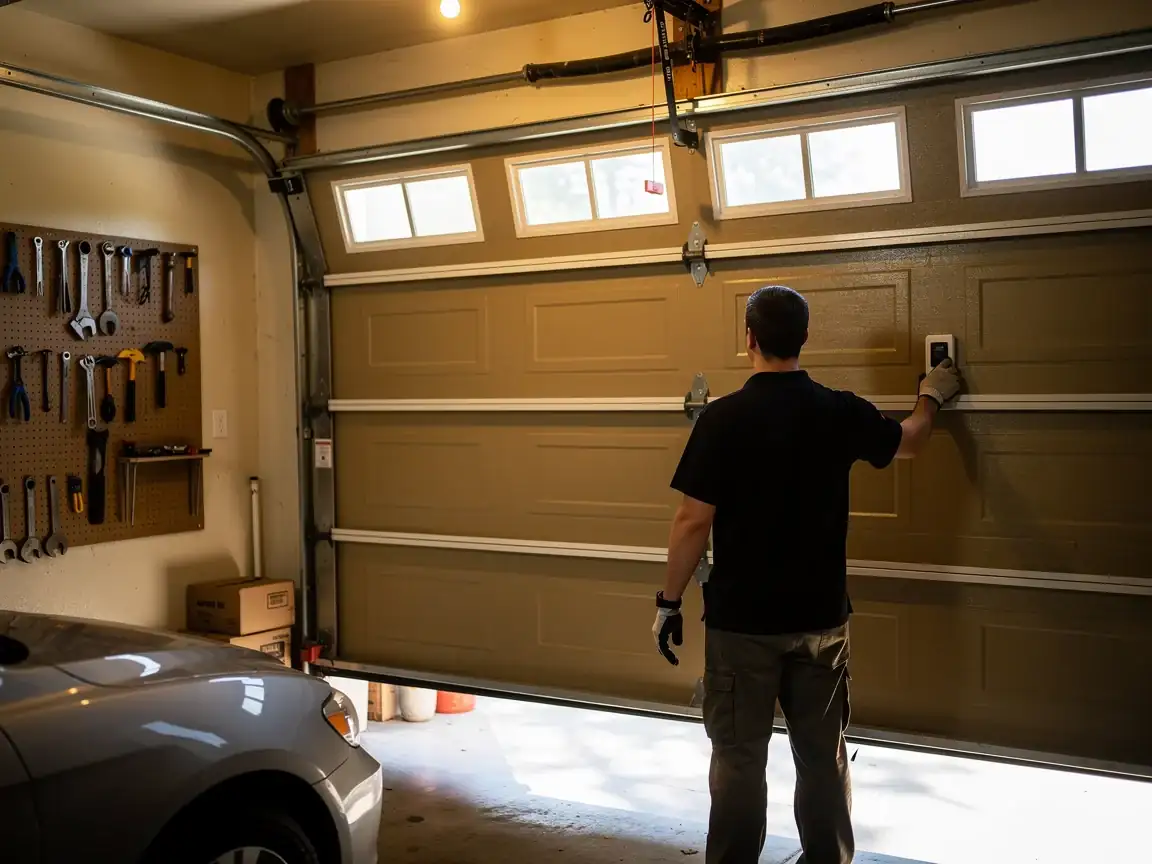
On a house built in the 1970s, the first sign is usually noise - a grinding or popping sound as the door moves, which often means a roller or bearing worn past its grease. The second common sign is a door that reverses halfway up or down, which on an opener this old is frequently a worn gear inside the unit rather than anything with the safety sensors.
The spring failure is the one that scares people most and is actually the most straightforward to diagnose: the door won't budge, or it feels like it weighs twice as much when you try to lift it by hand with the opener disconnected. That's a broken torsion spring, full stop, and it's not a job to push through with the opener motor - that just burns out the motor trying to lift dead weight.
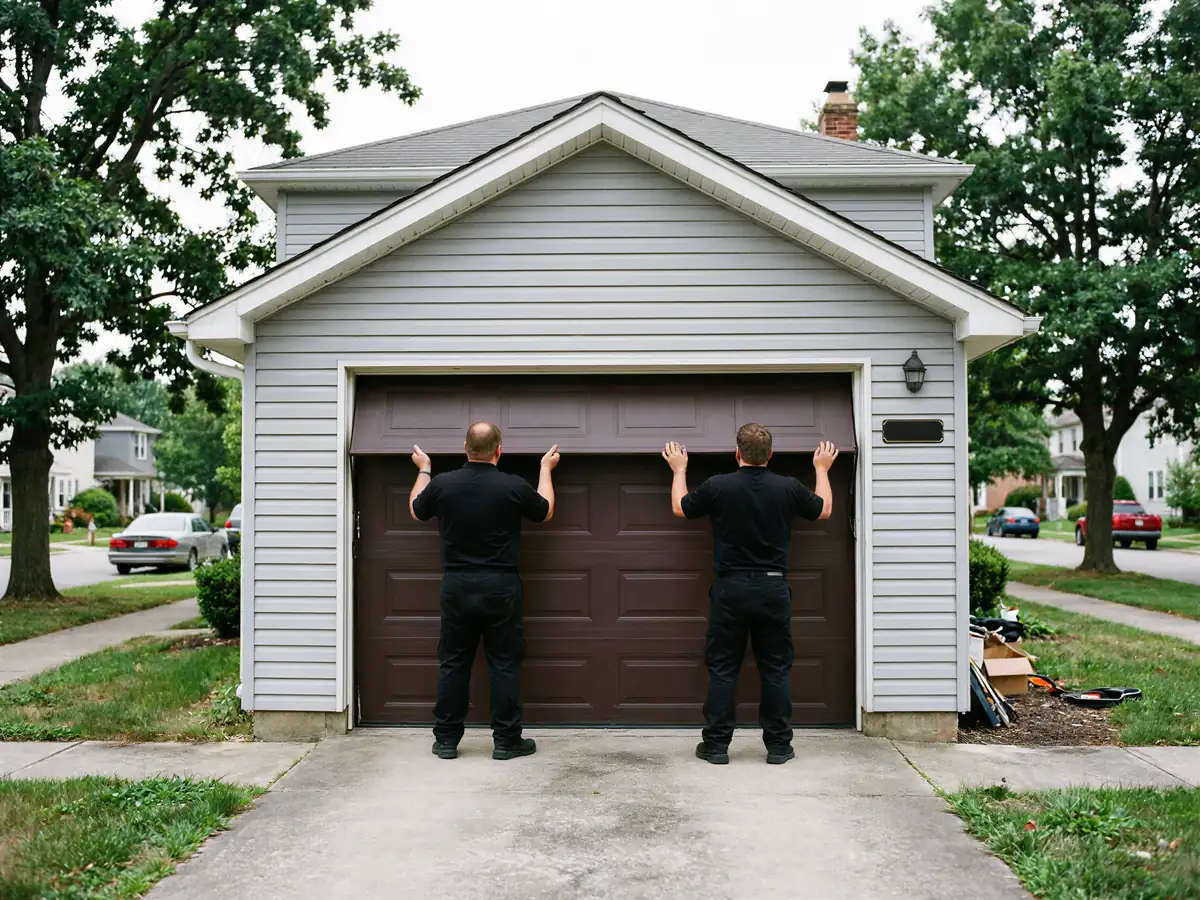
A door that's visibly crooked, hanging lower on one side, points to a cable off the drum or a bent track, both of which need hands-on adjustment, not WD-40.
How We Fix It
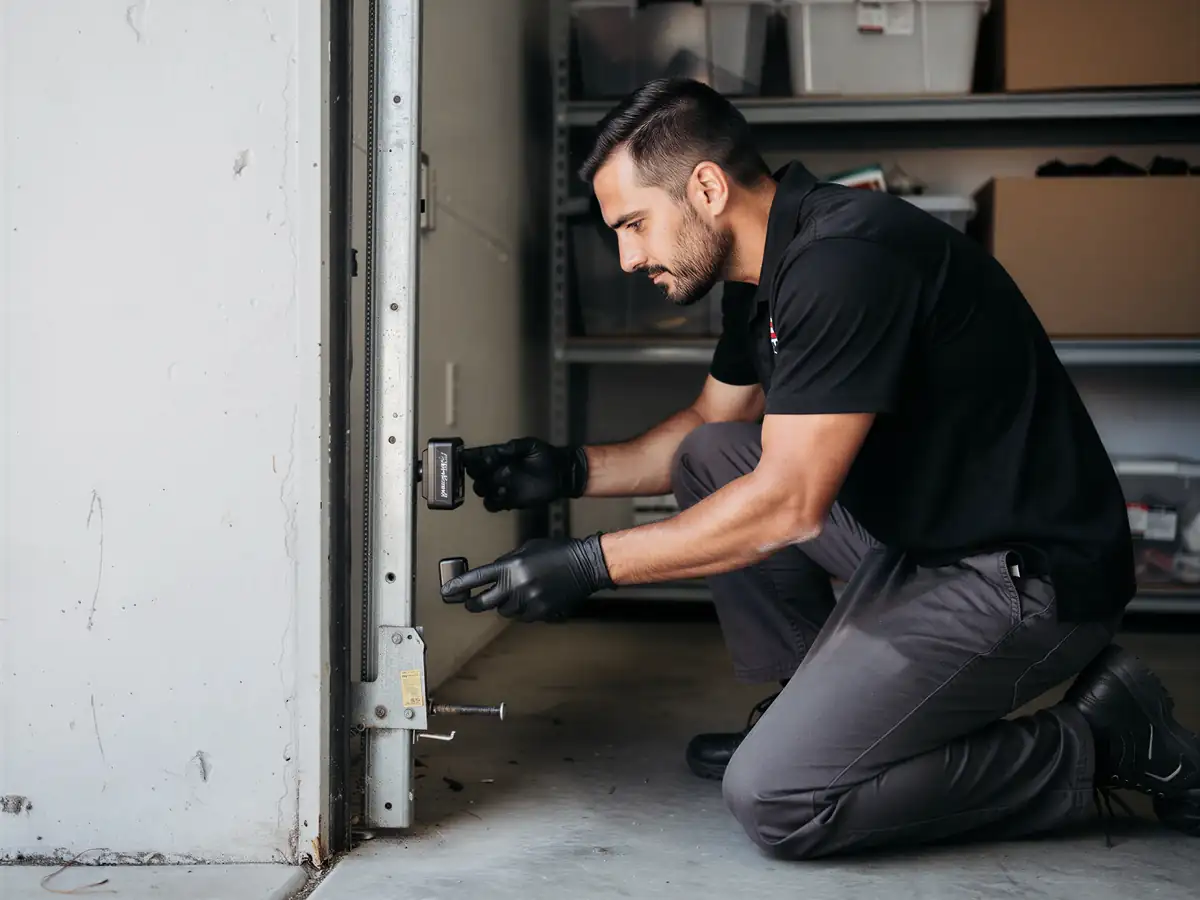
We diagnose on-site first - spring, cable, track, or opener - and tell you what we find before anything gets replaced. On a house from Williamston's 1978-median building stock, that often means matching a spring size that isn't the current standard, which is one more reason we check before we promise a same-visit fix.
For opener work, if the existing unit is original to a 1970s build, we'll generally recommend replacement rather than repair once it's at that age - parts for a motor that old are harder to source and the labor to fix it can cost close to a new unit anyway. We'll say so plainly rather than running up a repair bill on a unit that's not worth saving.
For spring, cable, and track repairs, the work gets done on-site in one visit when the part is on the truck. You can see our general coverage area and request a call at the links below.