The Cost of This Job
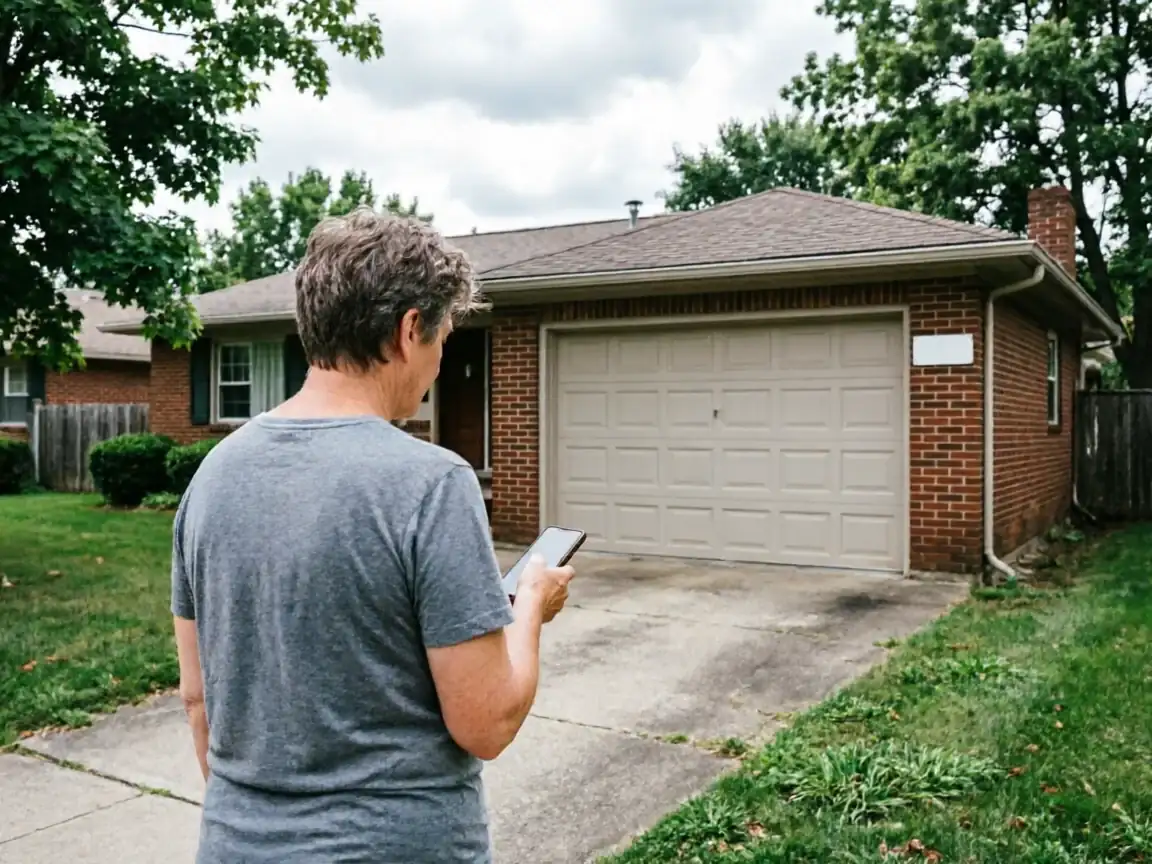
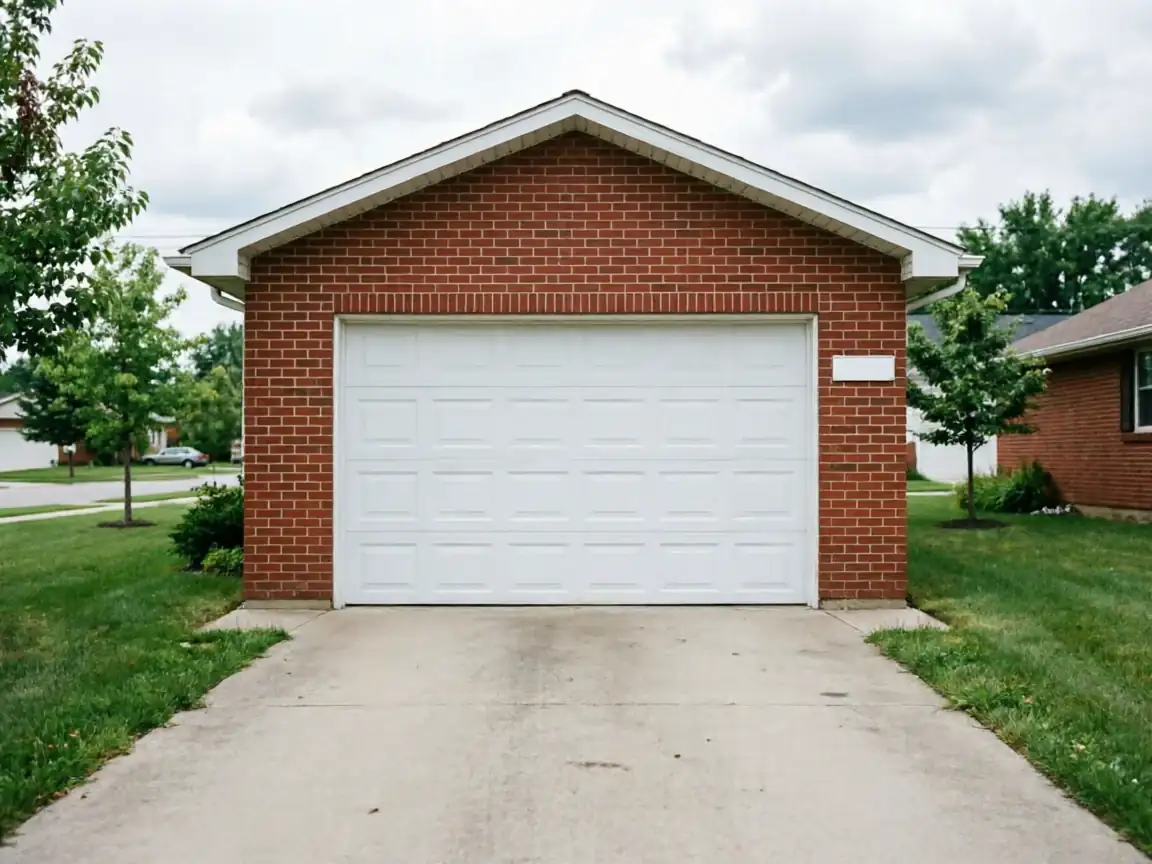
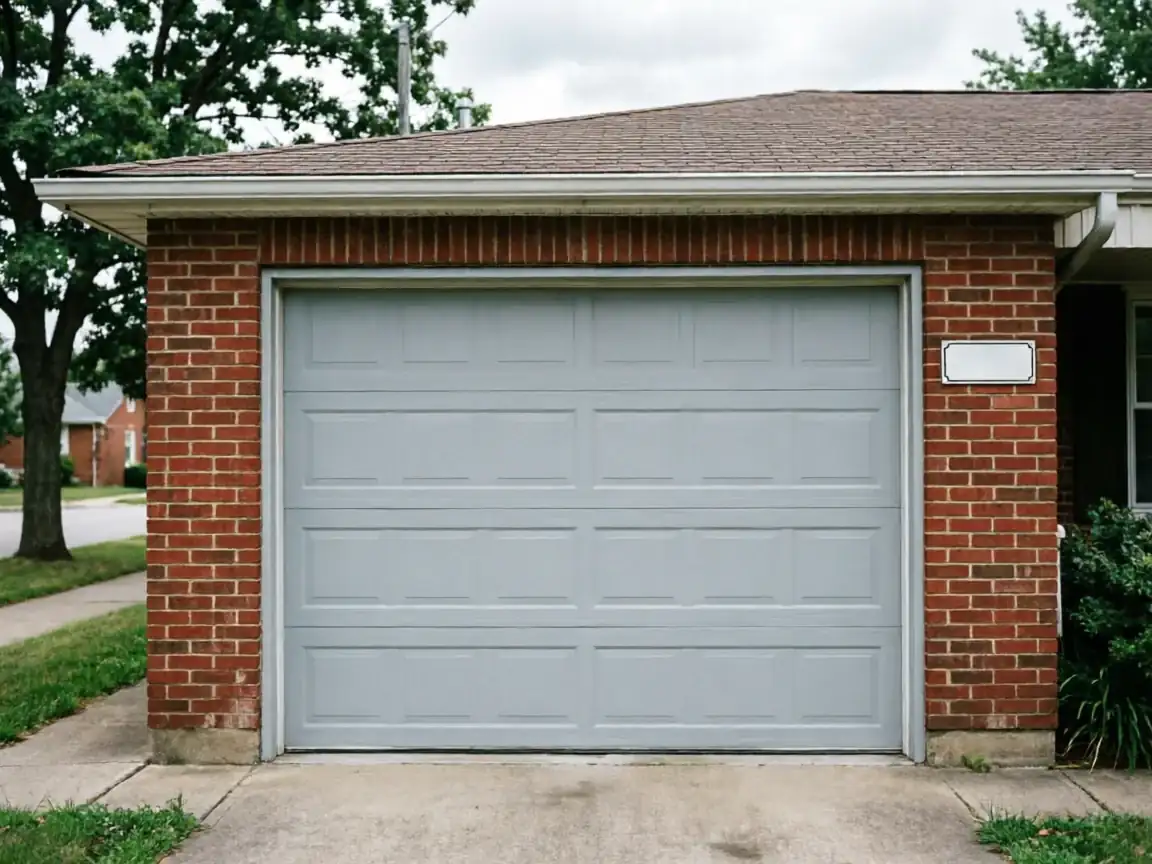
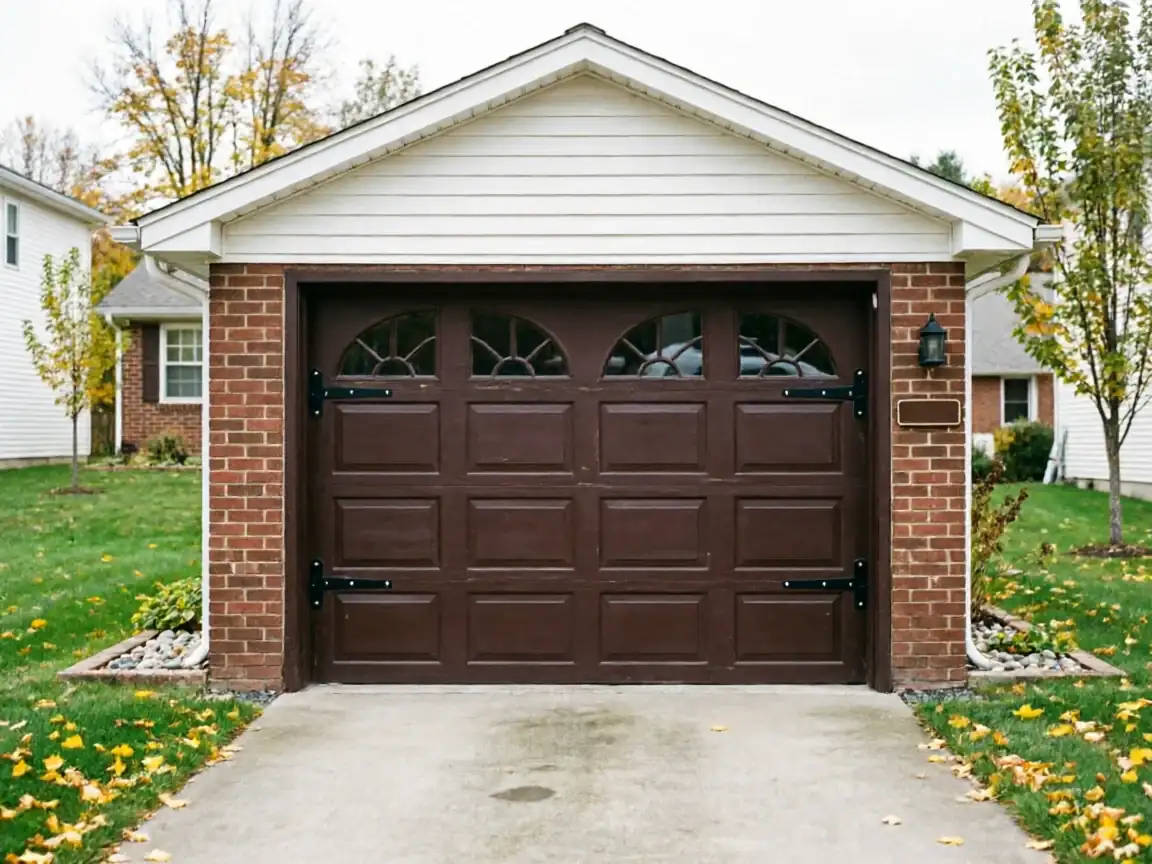
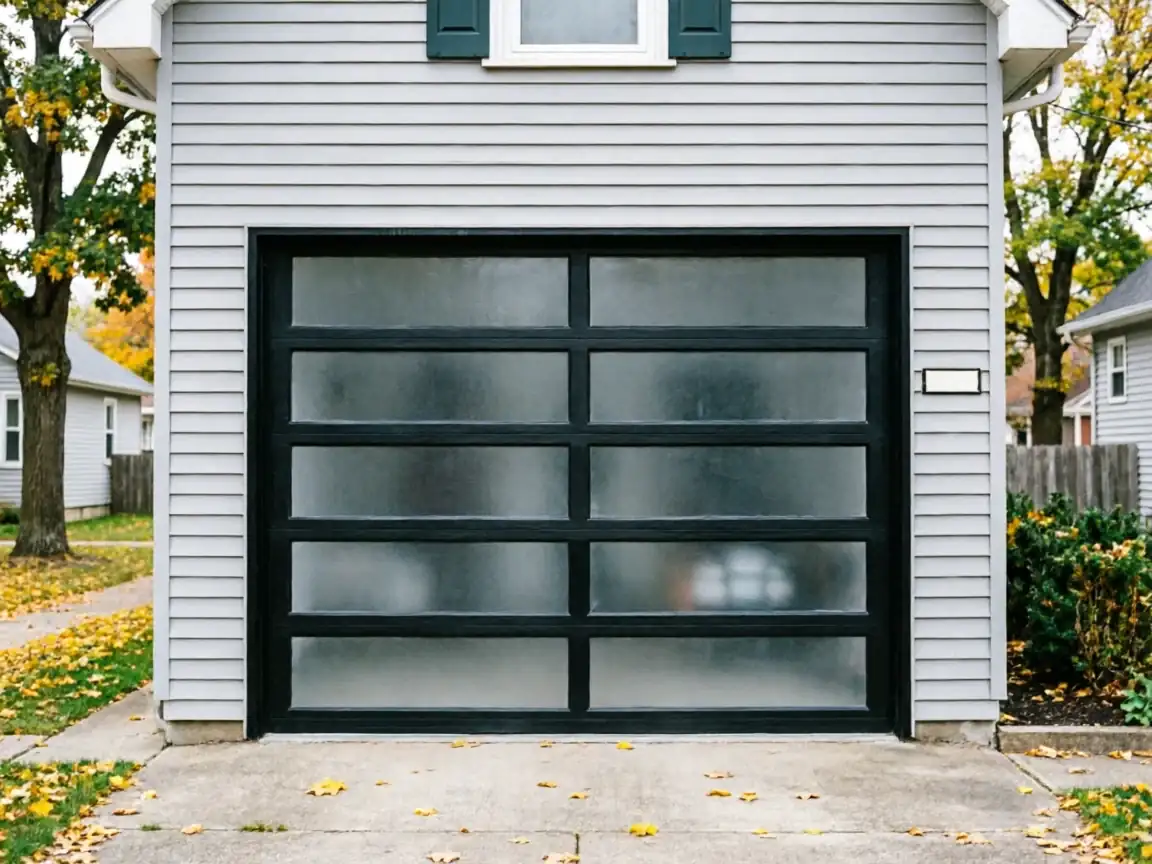
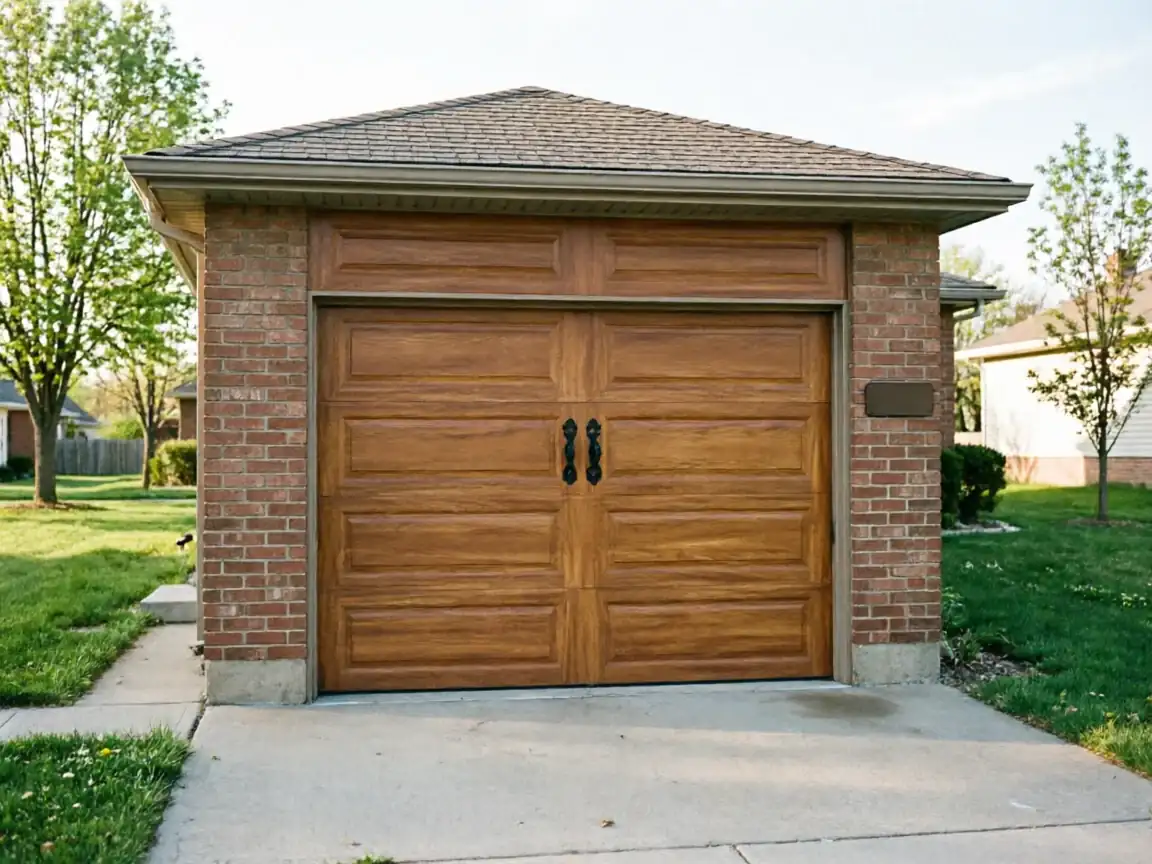
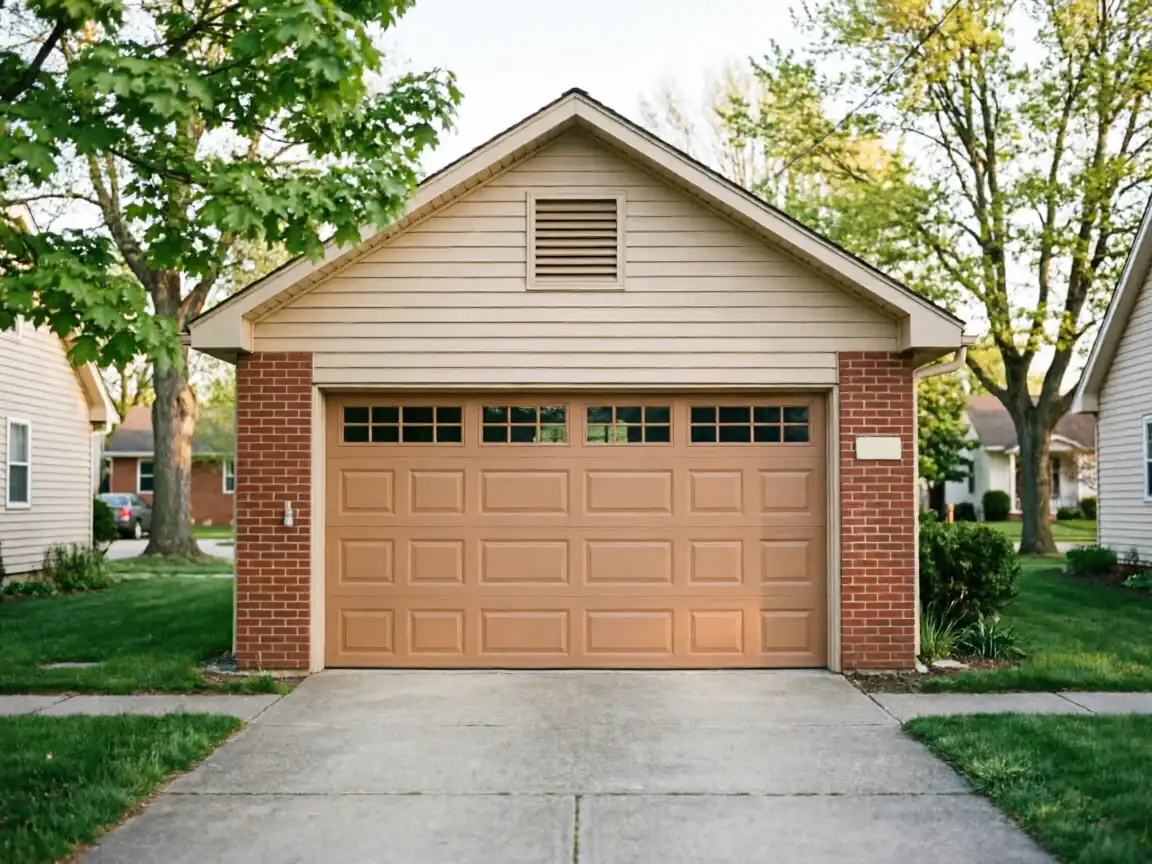
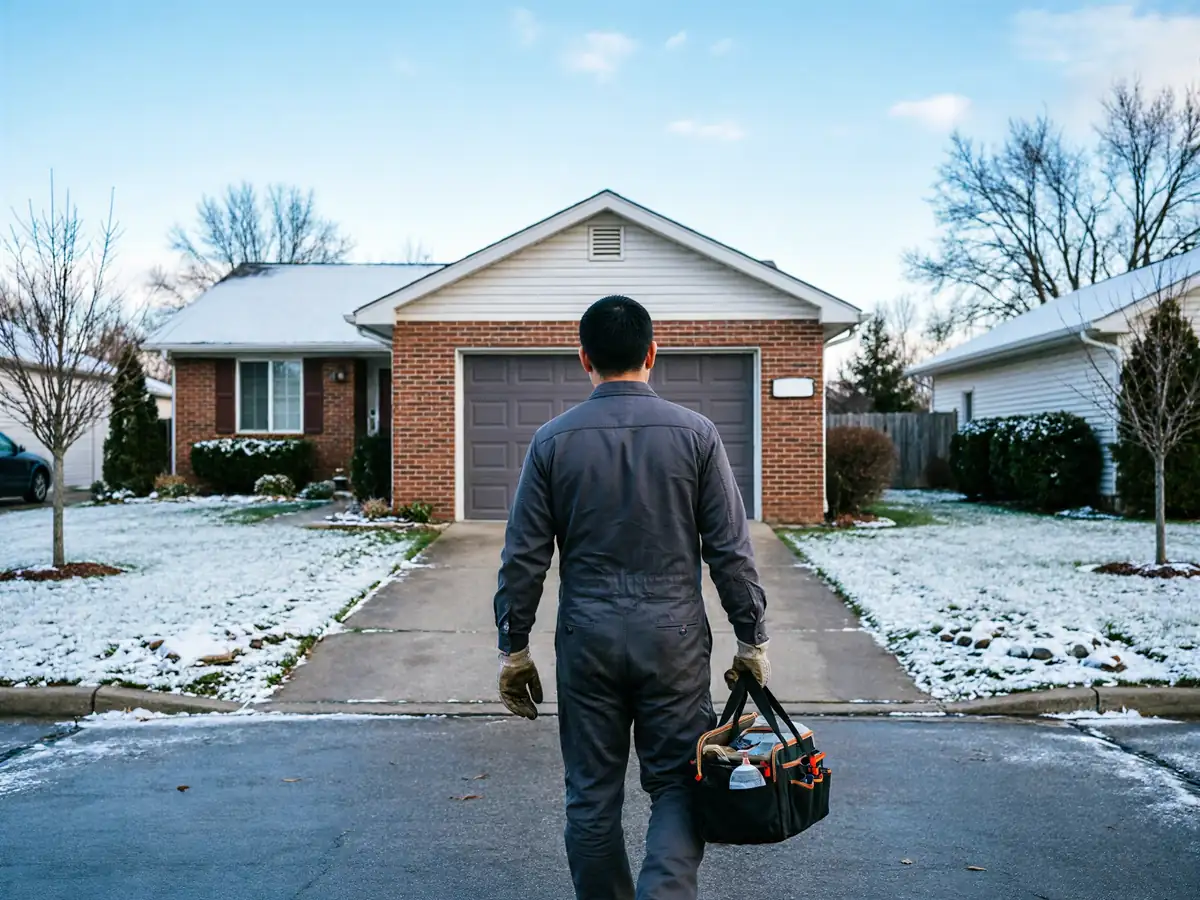
Williamston's median household income runs about $73,902, a bit under the wider service area figure of $75,707, and with only around 1,721 households in town, this isn't a market where you'll find a Williamston-specific installer stocking a big range of doors locally. We bring the door and hardware from East Lansing, about 11 miles out, which is worth knowing up front: pricing reflects a standard install plus the trip, not a local walk-in shop markup. We don't publish a flat number here because door cost swings hard on insulation level, window inserts, and whether the opening needs reframing - but we'll quote the job against what's actually on your house, not a generic estimate. One honest note: custom widths or unusual panel styles can mean a longer wait on the door itself, since those aren't items we keep on the truck.
What Causes It Around Here
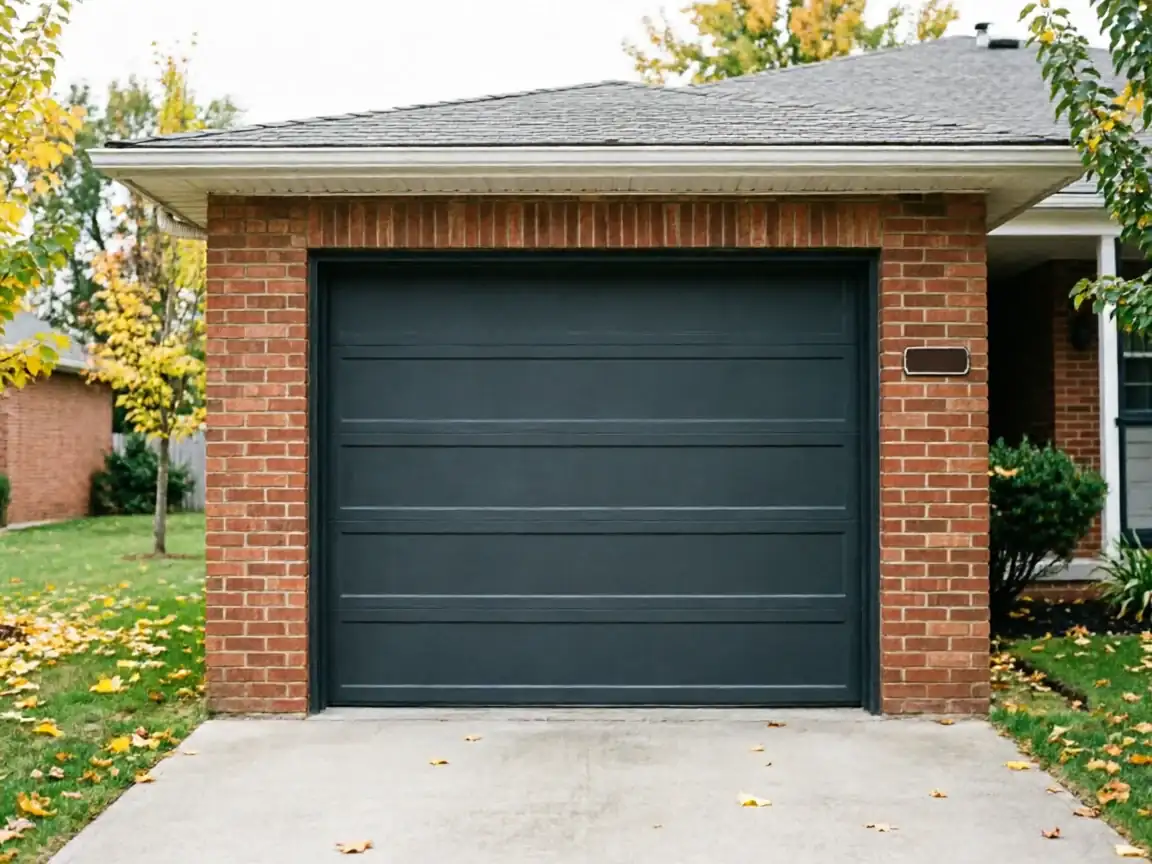
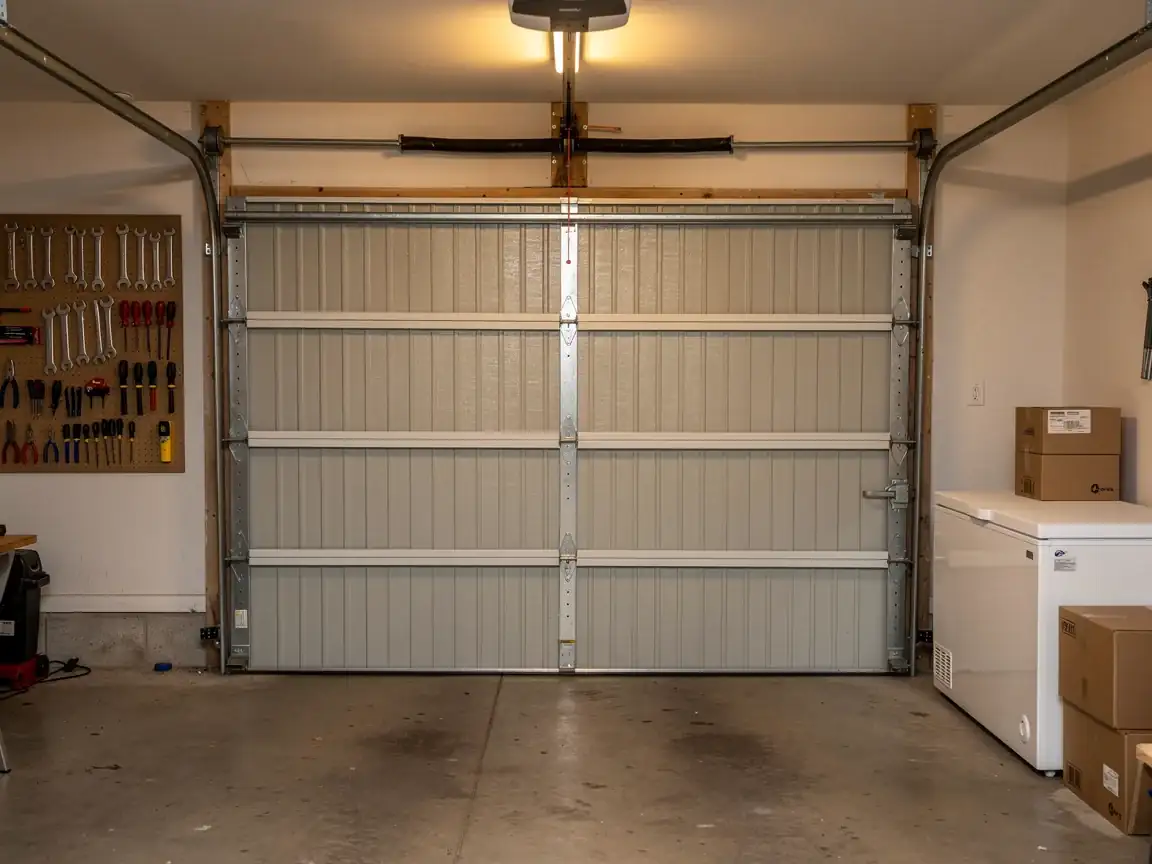
The area falls in a severe cold climate band, and in Williamston that mostly shows up as insulation failure rather than framing failure, since the housing here trends a touch newer than the 1960s-70s stock that makes up most of the 22 communities we serve. A door installed in the late 1970s push here was likely a single-layer steel or wood panel with little to no insulation value - fine for the era, rough on a heating bill forty-plus winters later. Cold-climate freeze-thaw cycling also works on weatherstripping and bottom seals fast, so even a door with sound panels can be letting in enough air to matter. We're not going to tell you every door in Williamston needs replacing - plenty of these doors are structurally fine and just need a seal and insulation upgrade instead of a full swap. New installation makes sense when the panels are dented, the track is bent beyond adjustment, or you're changing opening size, not just because a door is cold to the touch.
How It Shows Up
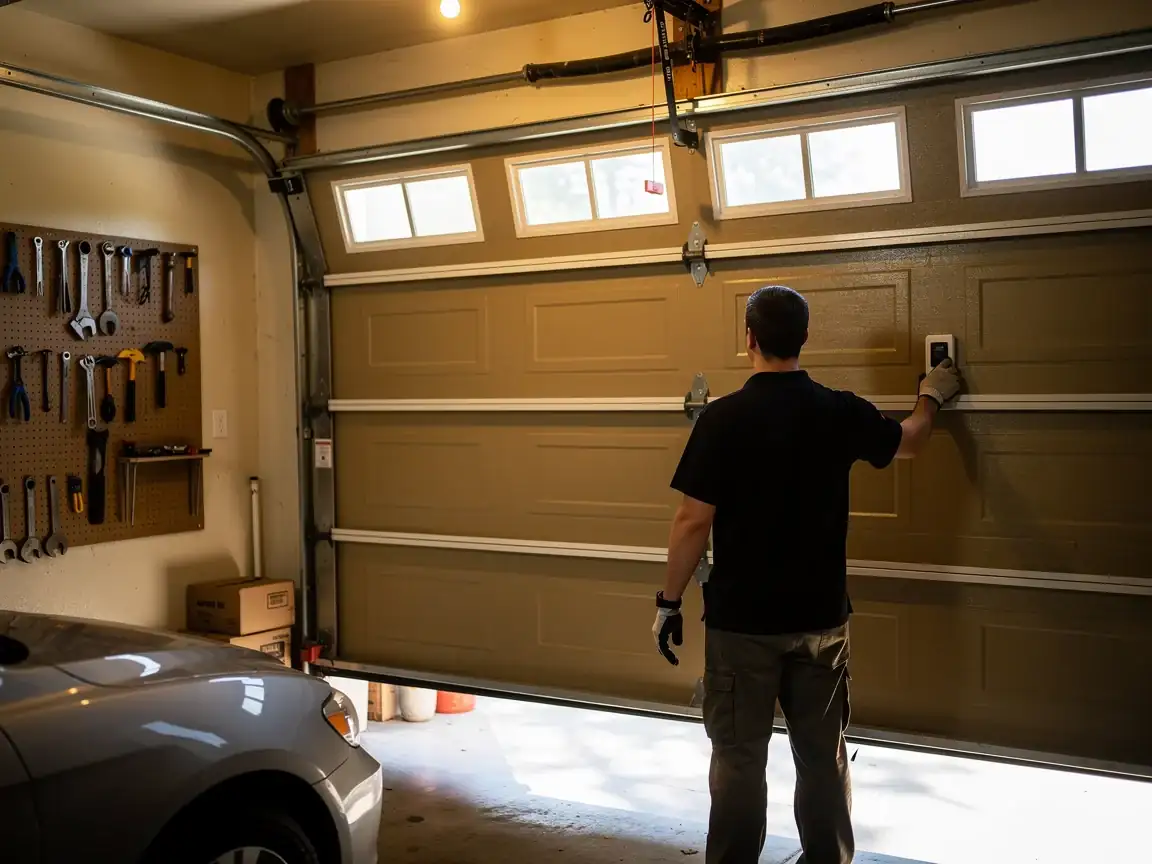
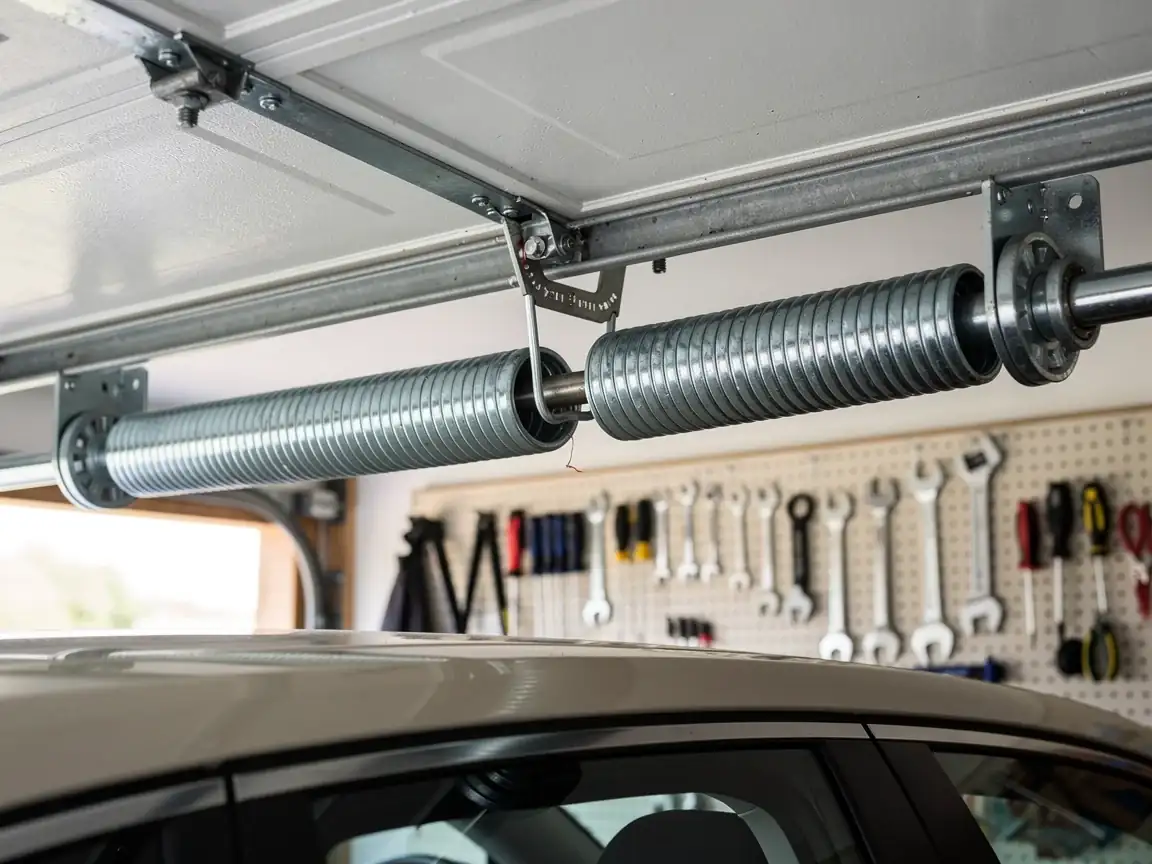
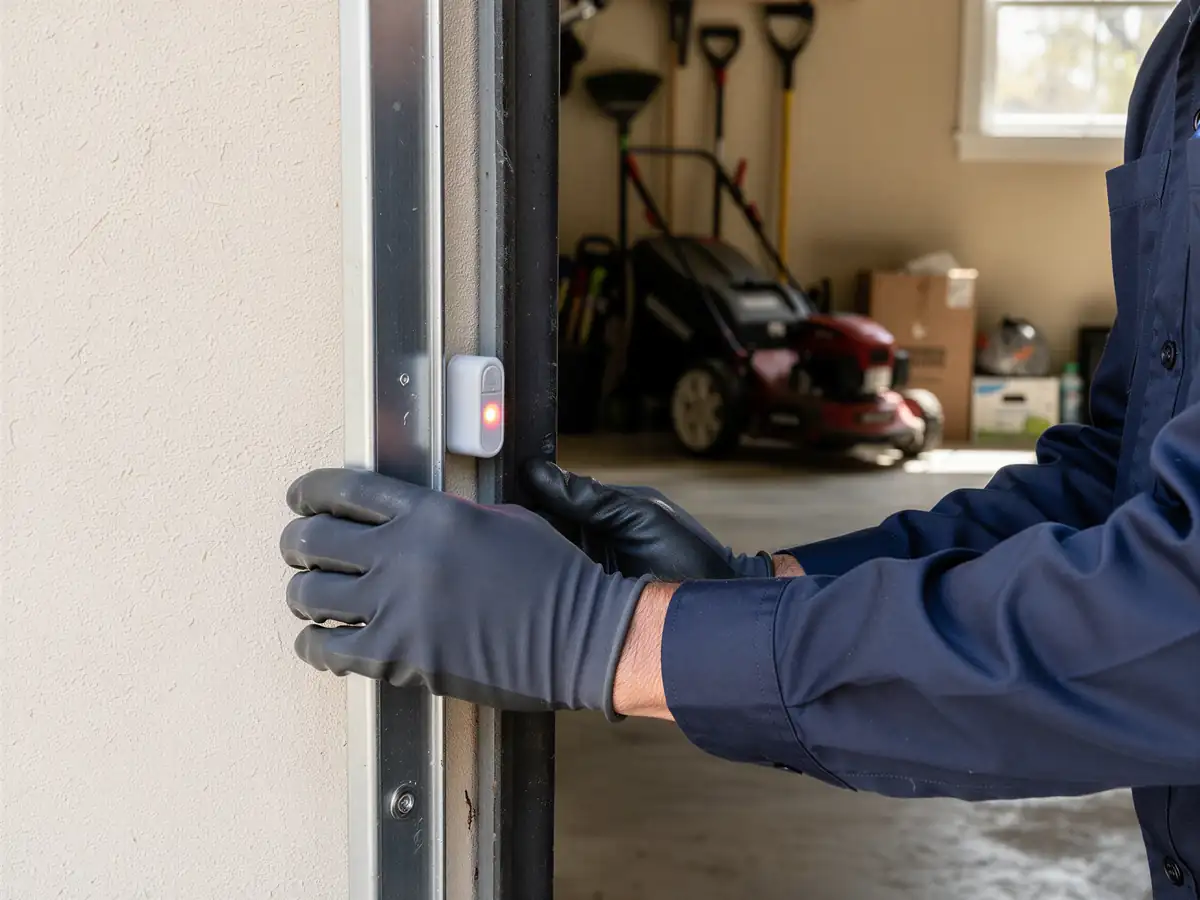
In a town where the median home dates to around 1978, the failure pattern we see most is original hardware nearing the end of its service life - galvanized track, early torsion springs, and openers from a generation before today's safety-reversal standards. That's different from the pattern in some of the older 1960s-era areas we cover, where the door itself is more often the problem (dents, rot on wood panels) rather than the mechanical parts behind it. In Williamston you're more likely to be replacing a door that still looks serviceable but whose spring is rated for a cycle count it's already exceeded, or an opener that's missing the auto-reverse sensors building code now requires. If your door still opens fine but takes real effort to lift by hand with the opener disconnected, that's usually the spring telling you it's near the end, not a reason to put off replacement.
How We Fix It
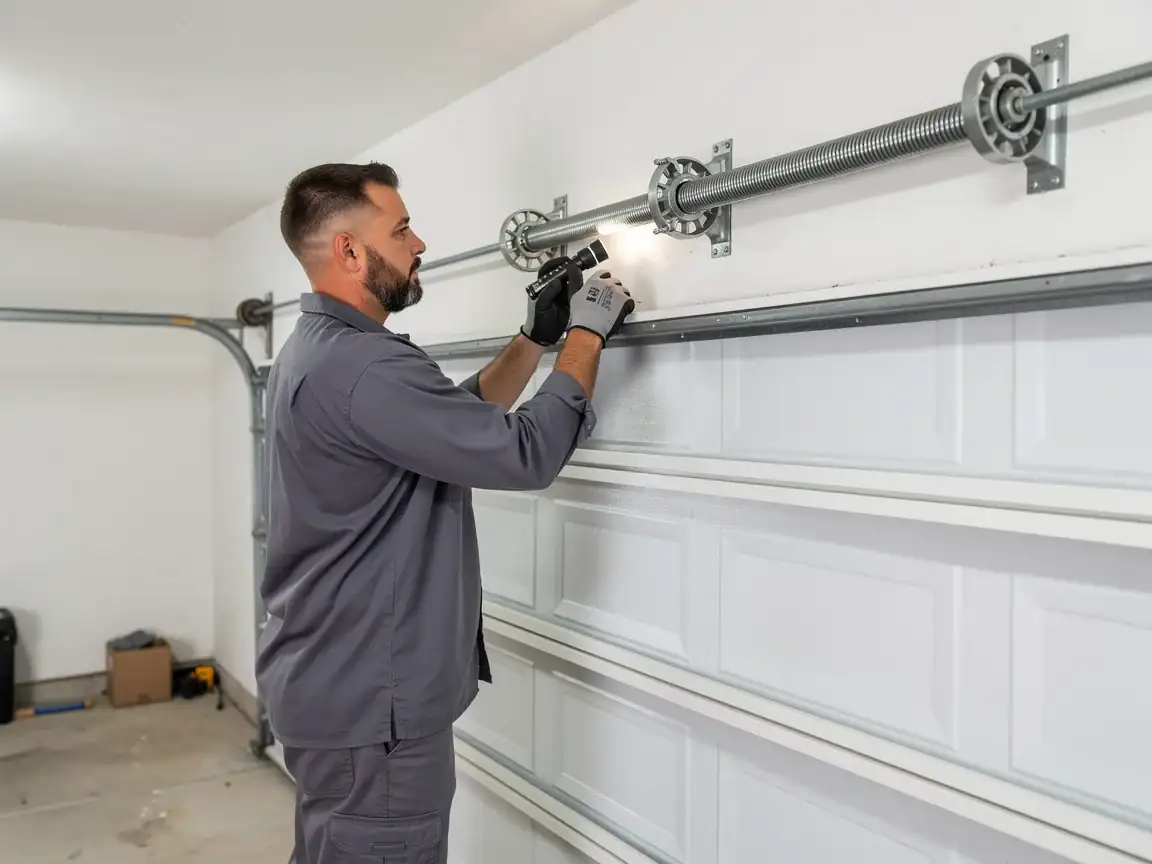
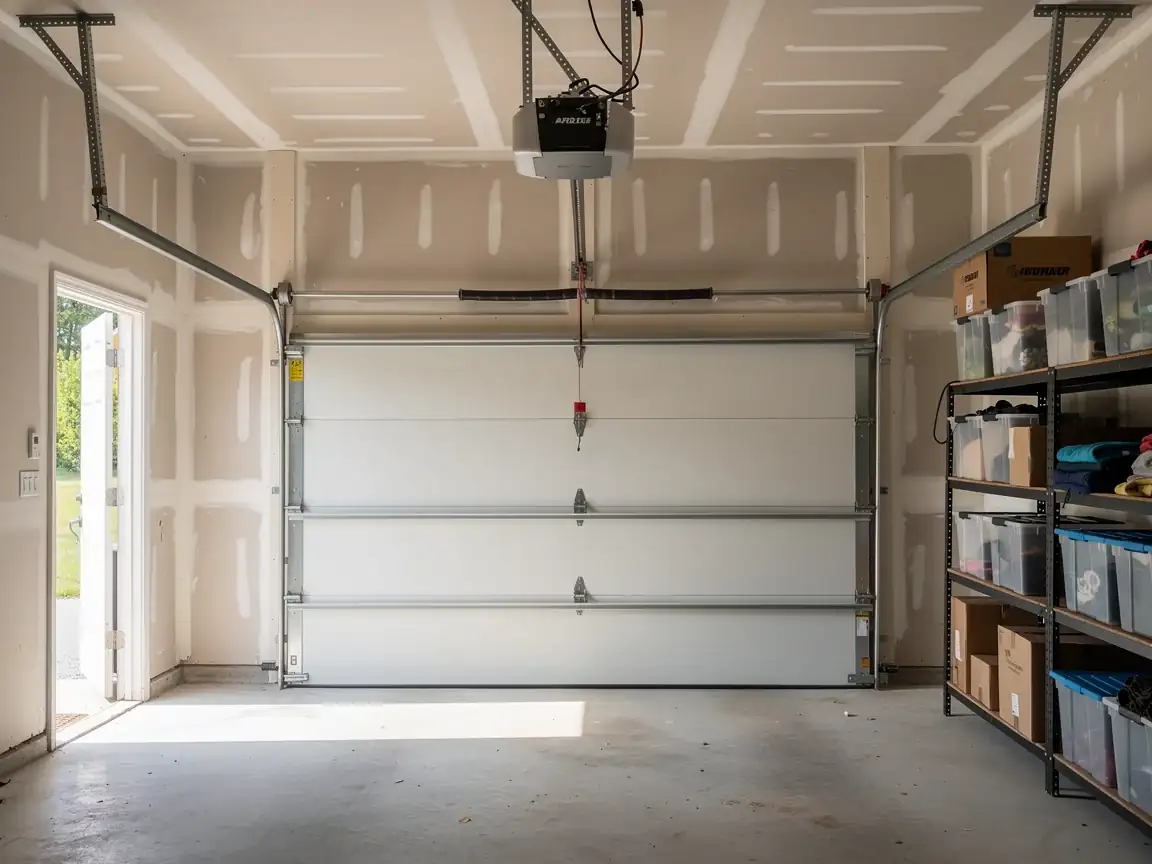
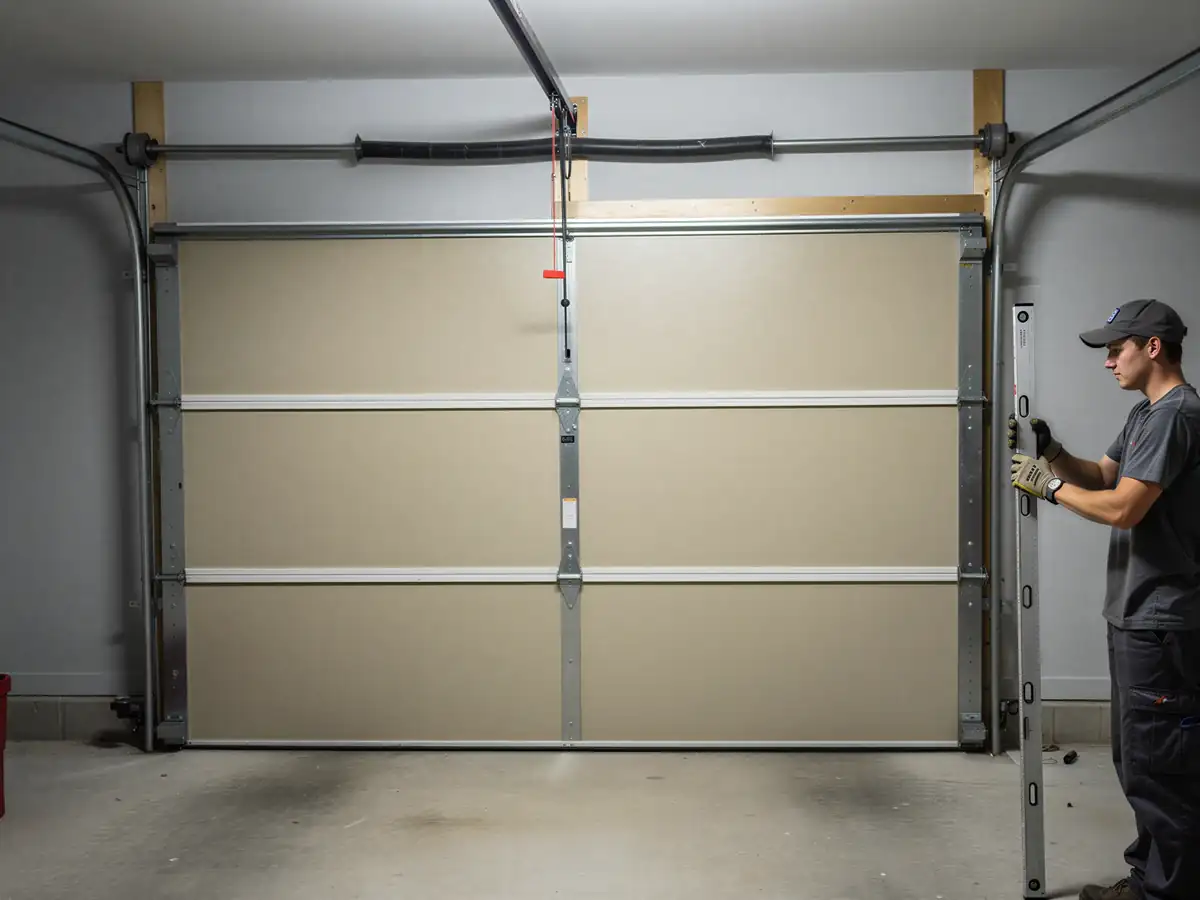
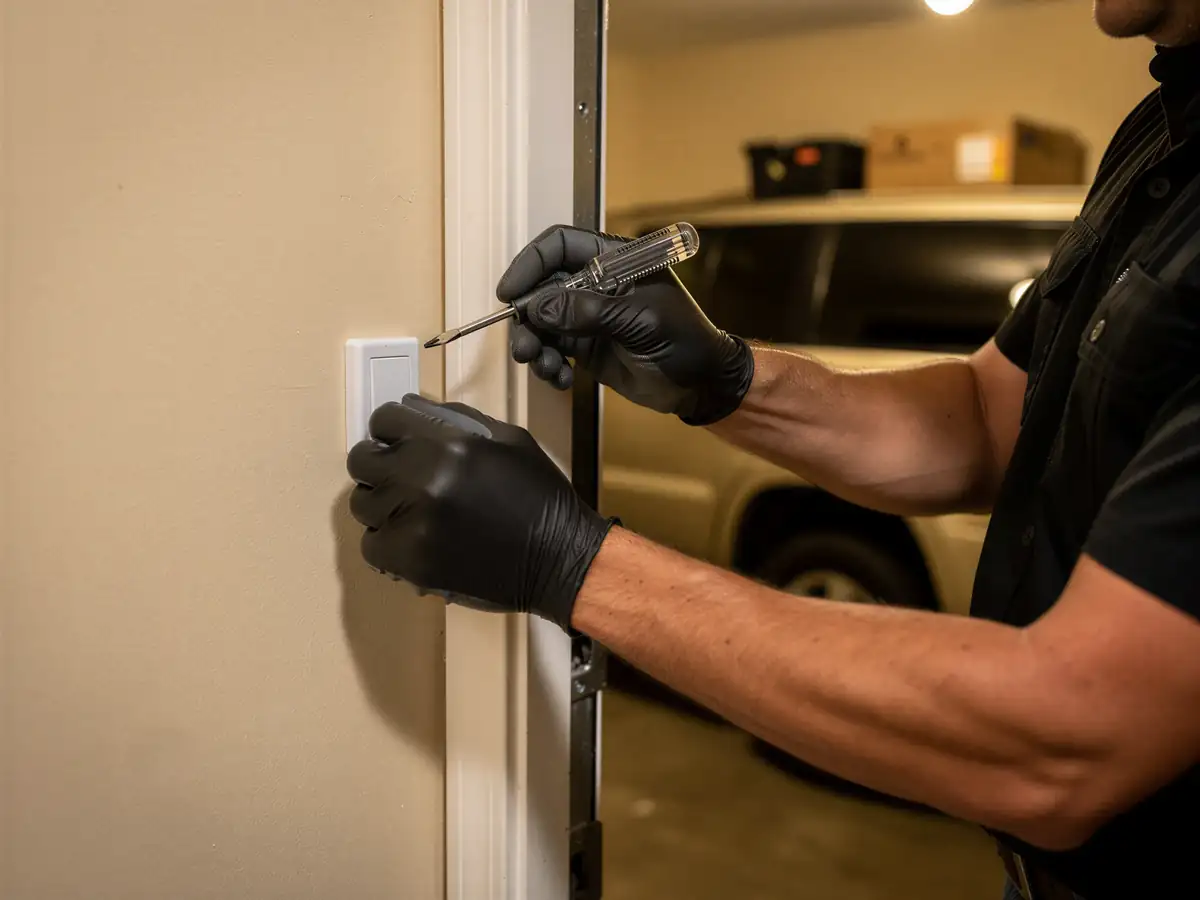
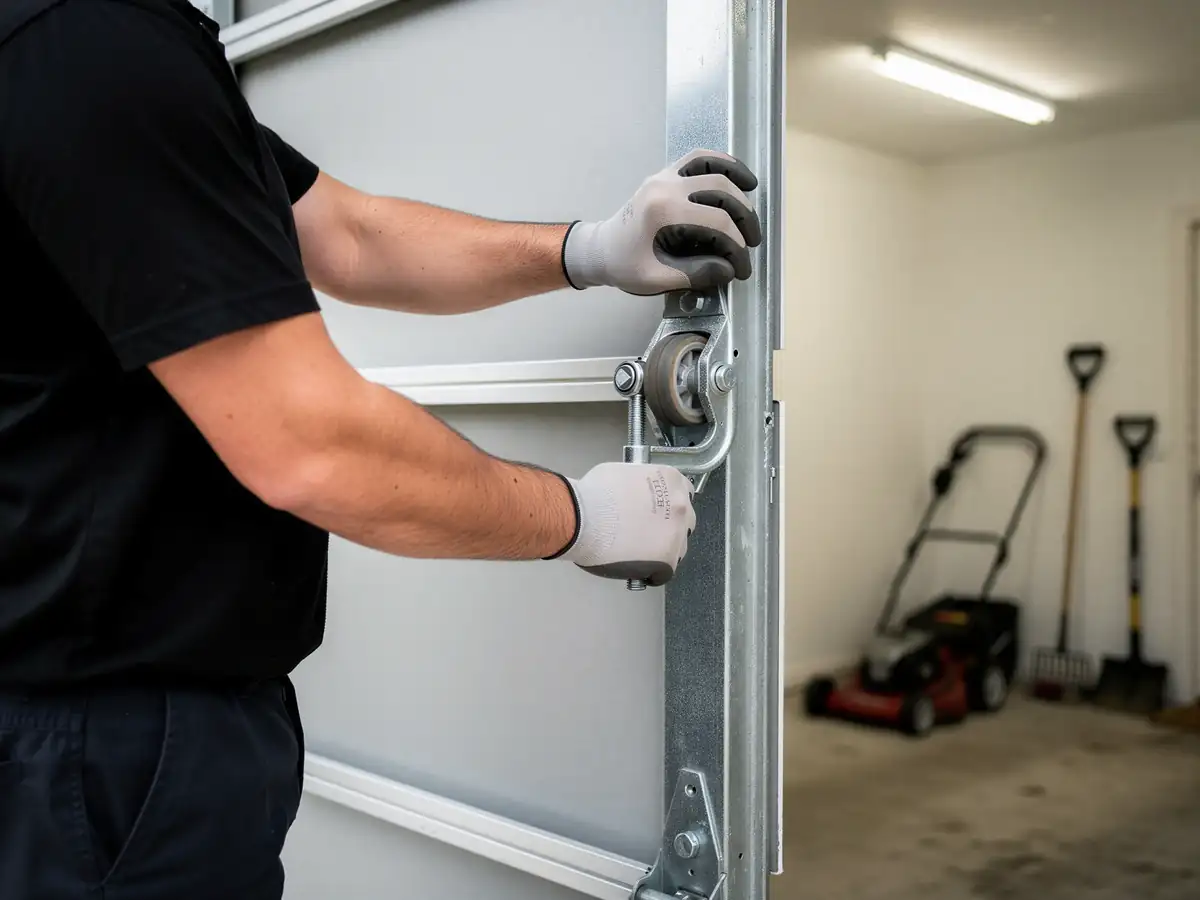
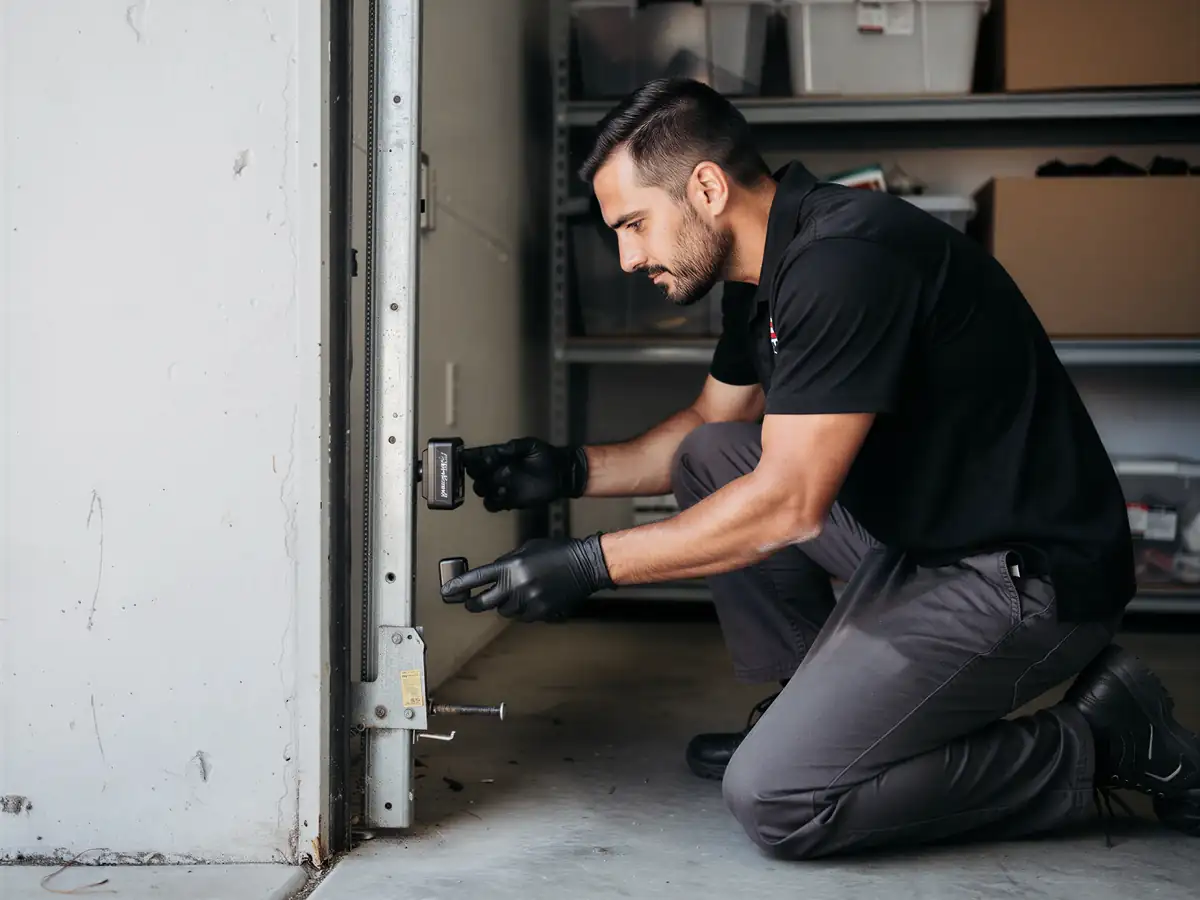
For a new install, we size the door to your actual opening rather than assuming it matches the standard dimensions common in the older parts of our service area - given Williamston's slightly later build era, that's not a safe assumption. We set new track, size the torsion spring to the door's real weight (not a generic chart number), and mount an opener with current auto-reverse sensors, since a lot of the openers we're pulling out of Williamston garages predate that requirement. Given the severe cold winters here, we'll talk through insulation level and bottom-seal options rather than defaulting to whatever's cheapest, because a poorly sealed door in this climate band shows up on the heating bill fast. We travel out from East Lansing for the job, so scheduling is set in advance rather than same-day - worth knowing if your old door fails suddenly and you need a stopgap while you wait for the new one.