The Cost of This Job
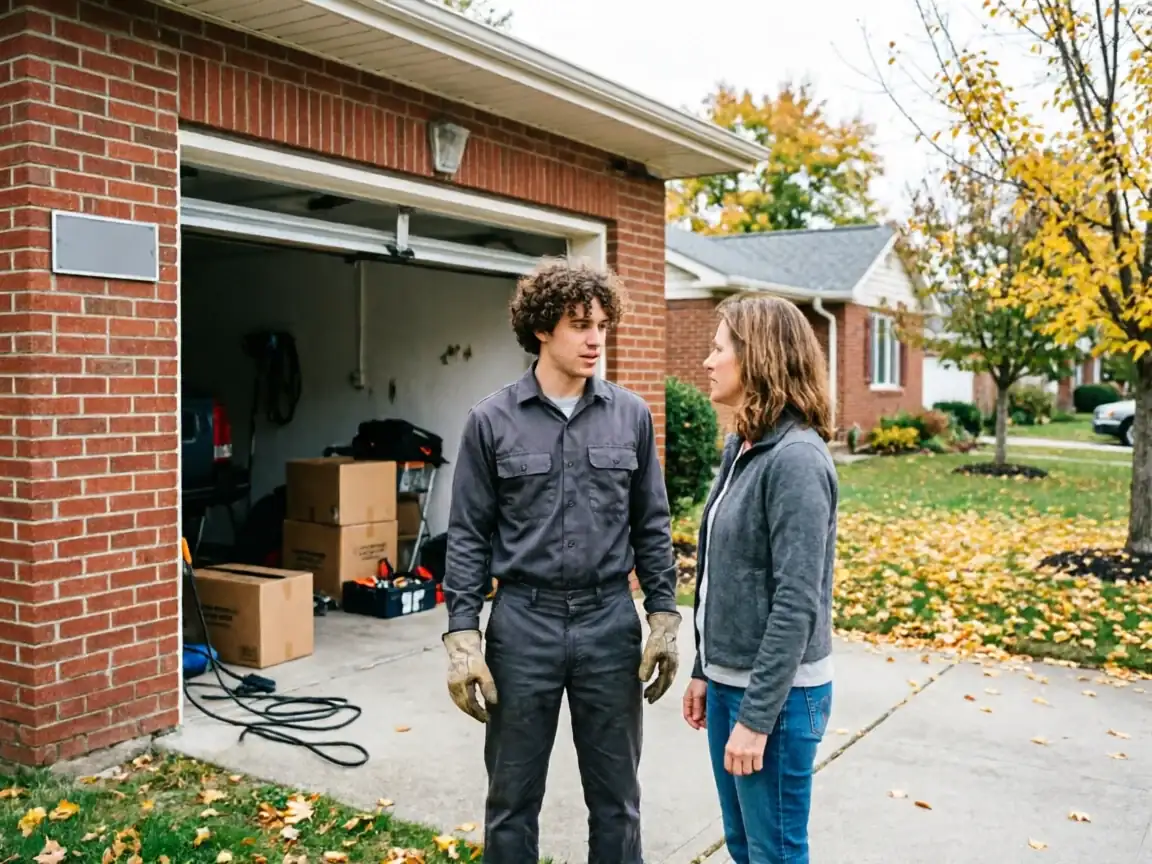
We don't post a flat number here because opener repair in Williamston splits into two very different jobs depending on what's actually broken, and we're not going to pretend otherwise. A capacitor swap or a logic board reset costs a fraction of replacing a stripped gear set or a worn drive screw, and on a unit old enough to match this area's 1978 median build year, parts availability matters as much as labor. Some older chain-drive models use hardware that's been discontinued, which pushes the conversation toward replacement rather than repair - not because we want to sell you a new unit, but because chasing parts for a 40-year-old motor housing isn't a good use of your money. What we can tell you straight: if your opener predates the mid-1990s safety-reversal requirement, repairing it to original spec isn't something we'll do, because it means leaving a known hazard in place. That's the one call where we'll recommend replacement outright regardless of what the repair would cost.
What Causes It Around Here
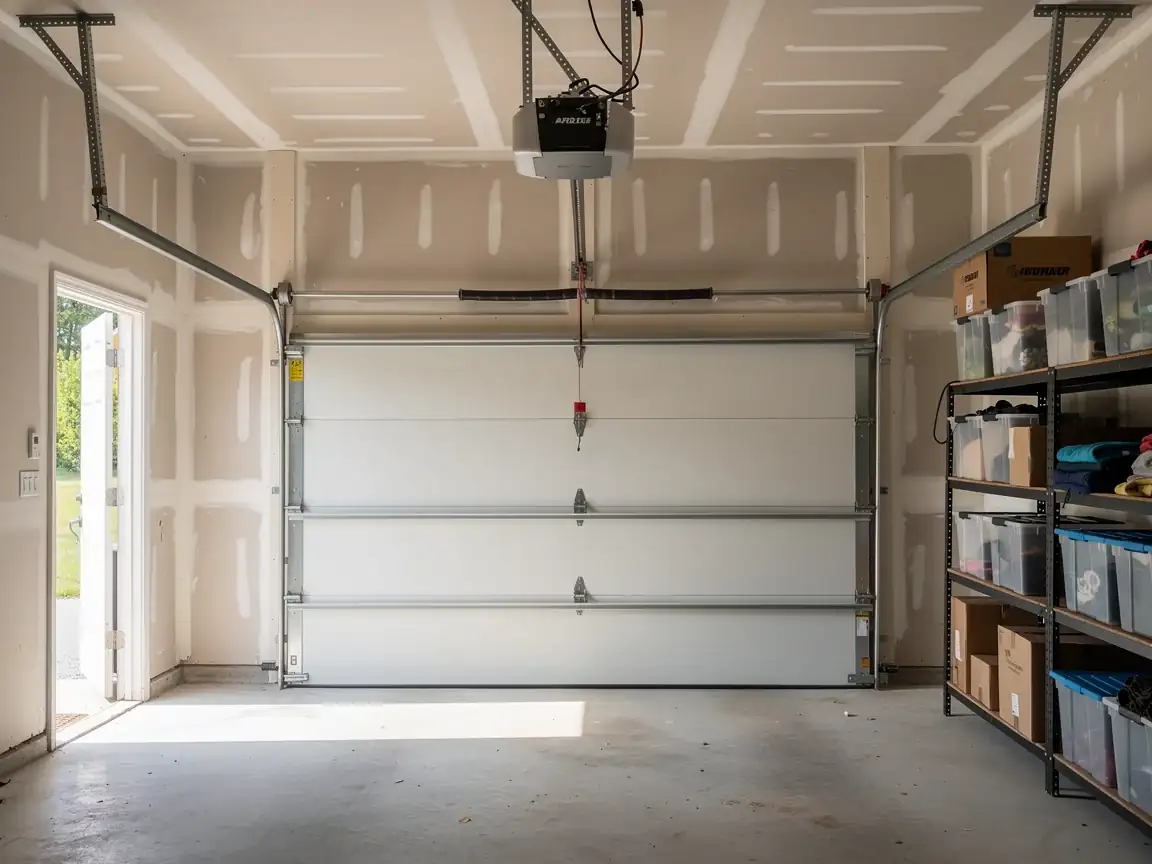
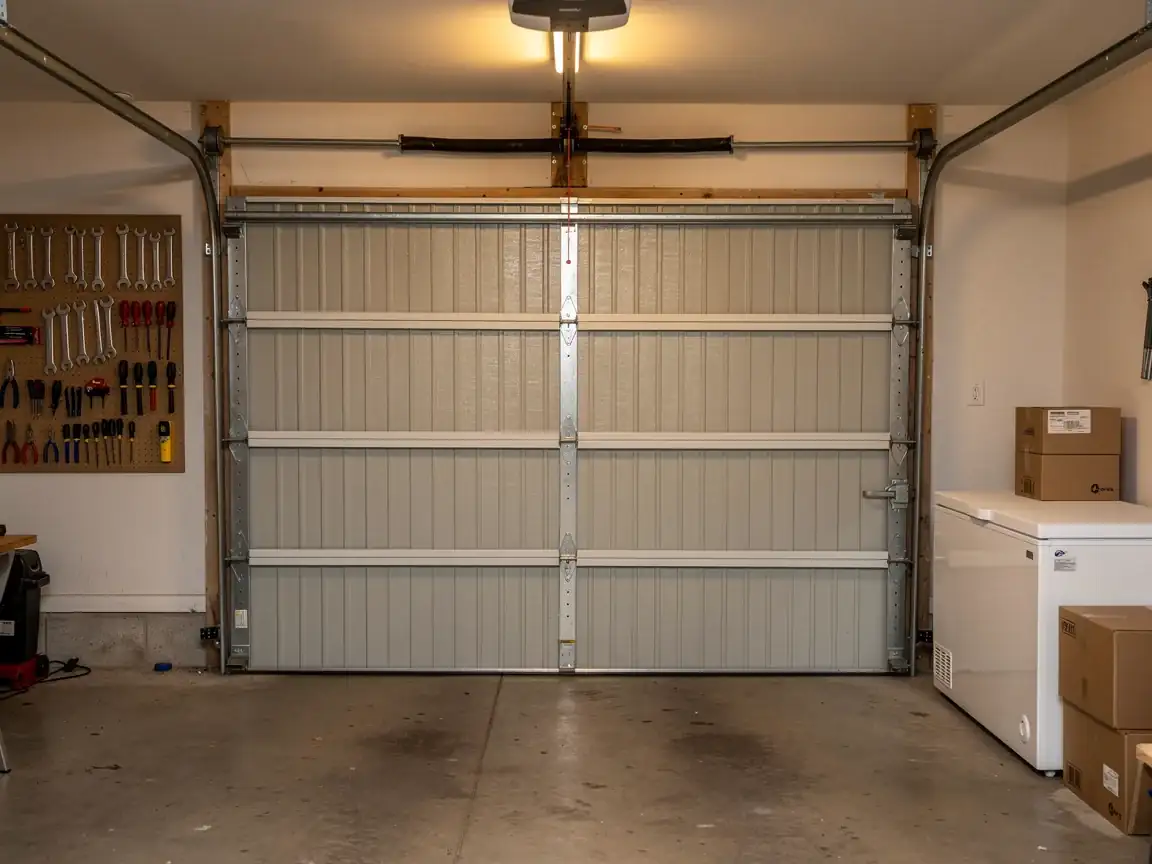
Williamston's housing stock centers on a median build year of 1978, which puts a lot of original garage door openers here right at or past their expected working life. These are chain-drive units, mostly, installed when steel sectional doors became the standard option builders reached for. Thirty-plus years of seasonal use wears the same parts on nearly every one of them: the drive gear strips, the sprocket chain stretches and starts skipping, and the capacitor that gets the motor started weakens until the opener hums but won't lift. With 1,721 households in this coverage area, we're not seeing a wide spread of opener generations - it's a fairly concentrated cluster of units installed within a decade or two of each other, which means the failure patterns repeat house to house. Add a cold-severe winter climate on top of that, and grease inside an aging gearbox thickens up, making a marginal motor work harder than it should until something gives. None of this is about fancy electronics failing; it's mechanical parts doing exactly what old mechanical parts do.
How It Shows Up
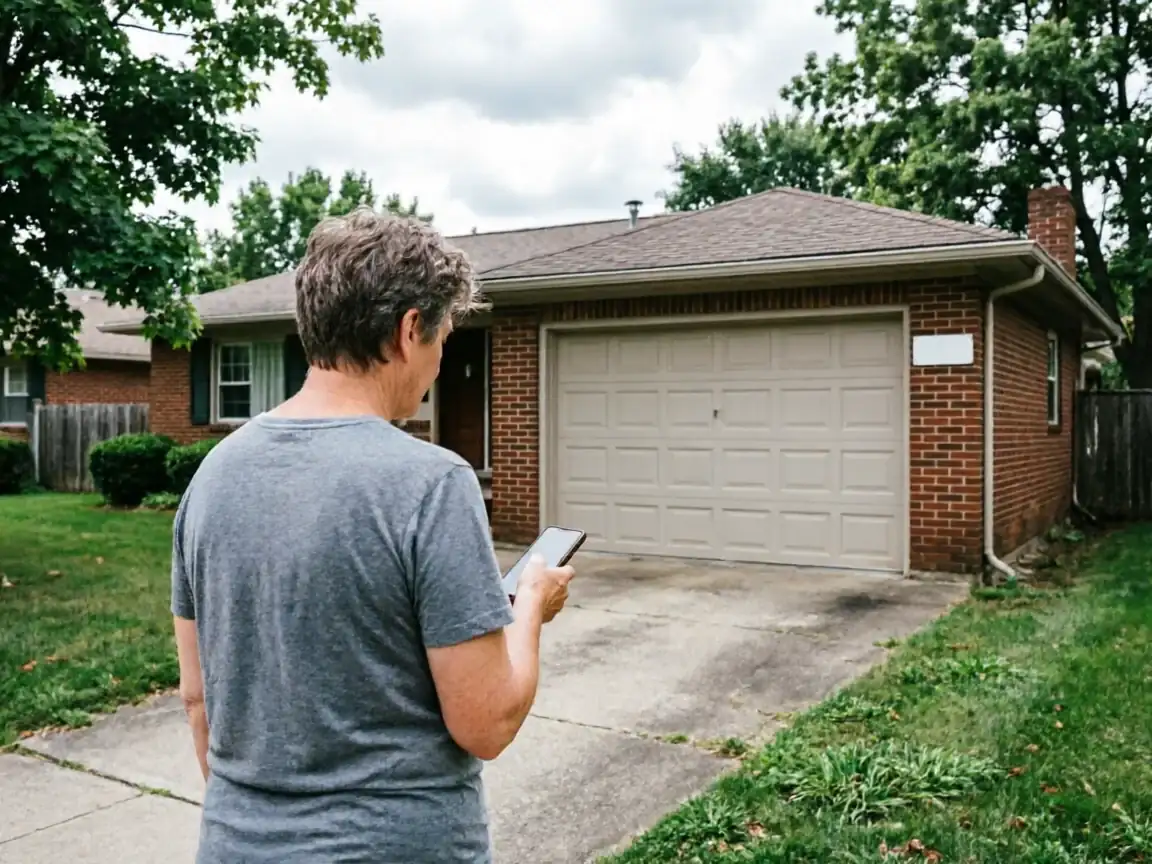
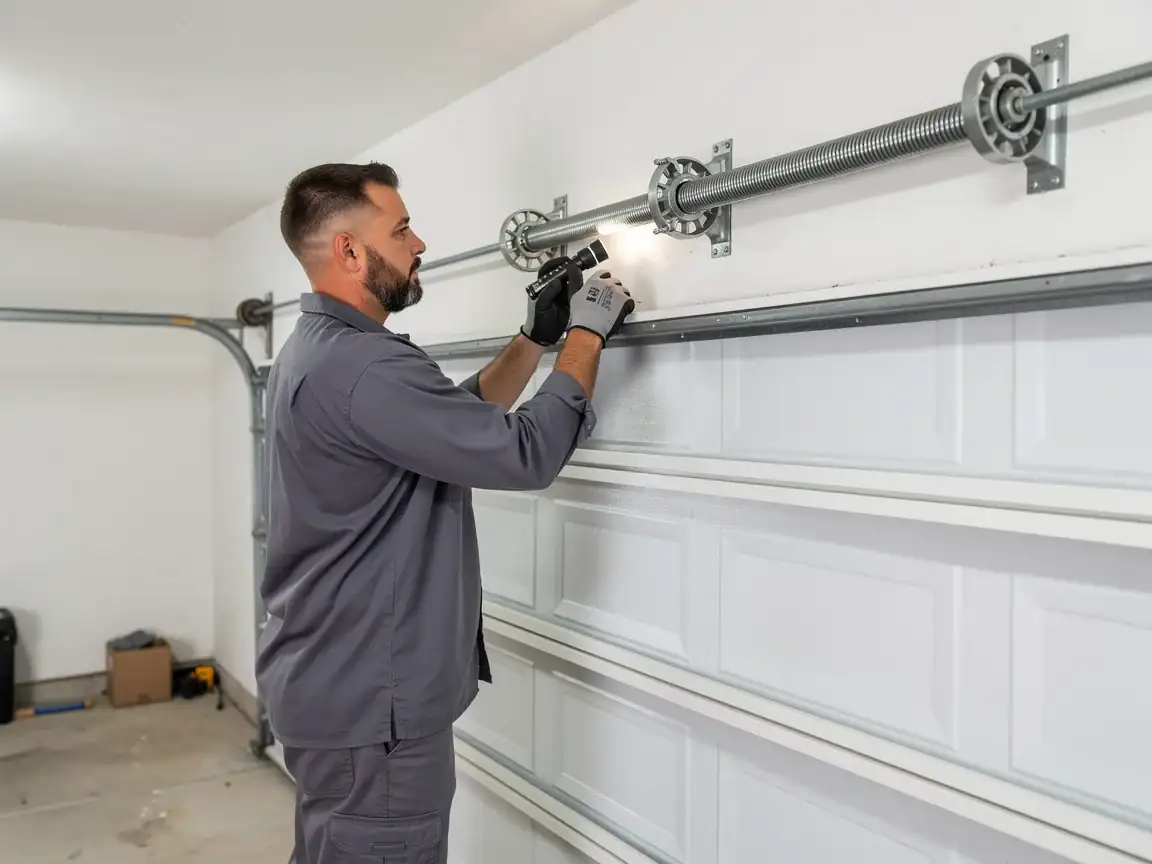
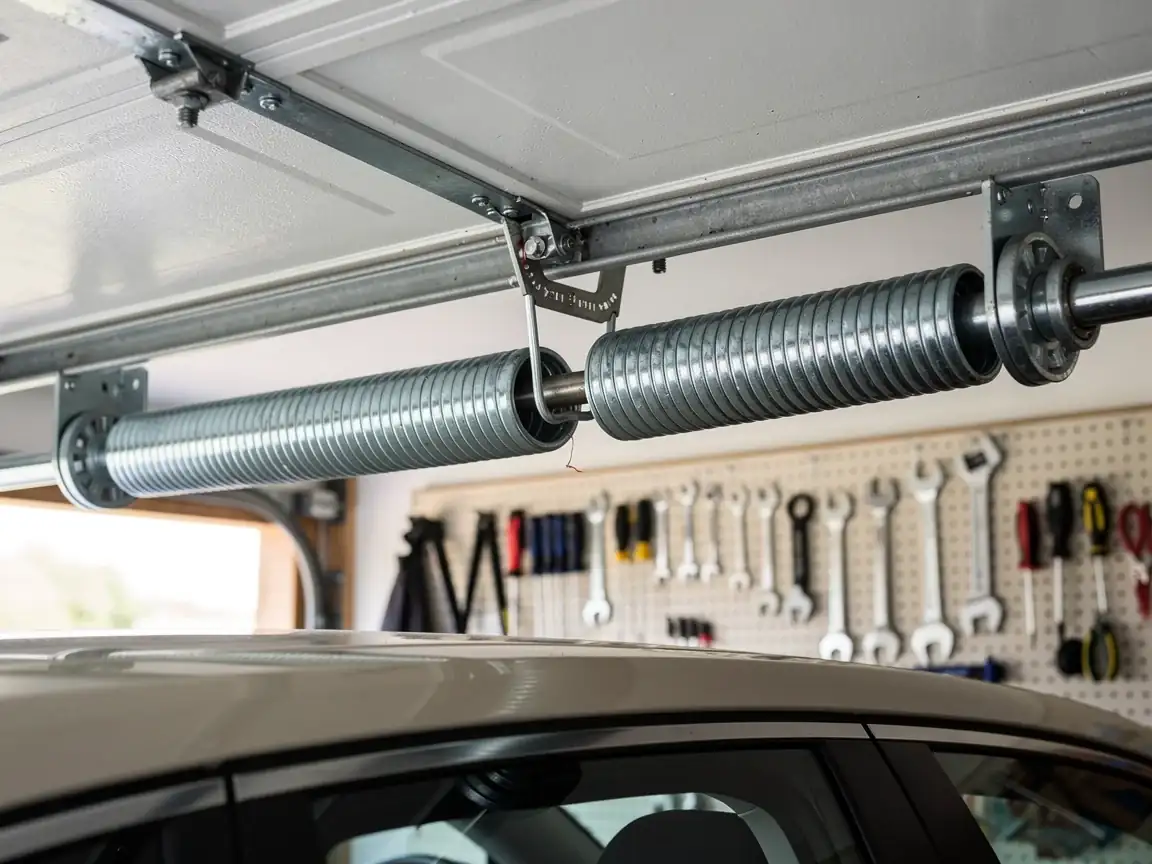
The opener hums but the door doesn't move - that's usually a stripped gear or a dead capacitor, both common failures on units old enough to match the 1978 median build year in this area. A door that starts up, reverses halfway, and won't finish the cycle points at the safety sensors or a misaligned travel limit, not the motor itself. If the remote works from inside the garage but not from the driveway, that's a receiver or antenna issue, cheap to fix and nothing structural. Grinding or clicking without lift usually means the chain has jumped the sprocket or stretched past where the tensioner can take up the slack. And if the opener runs the motor fully but the door barely lifts, check the door's own spring tension first - an opener straining against a bad spring will burn itself out trying to do a job it was never built for.
How We Fix It
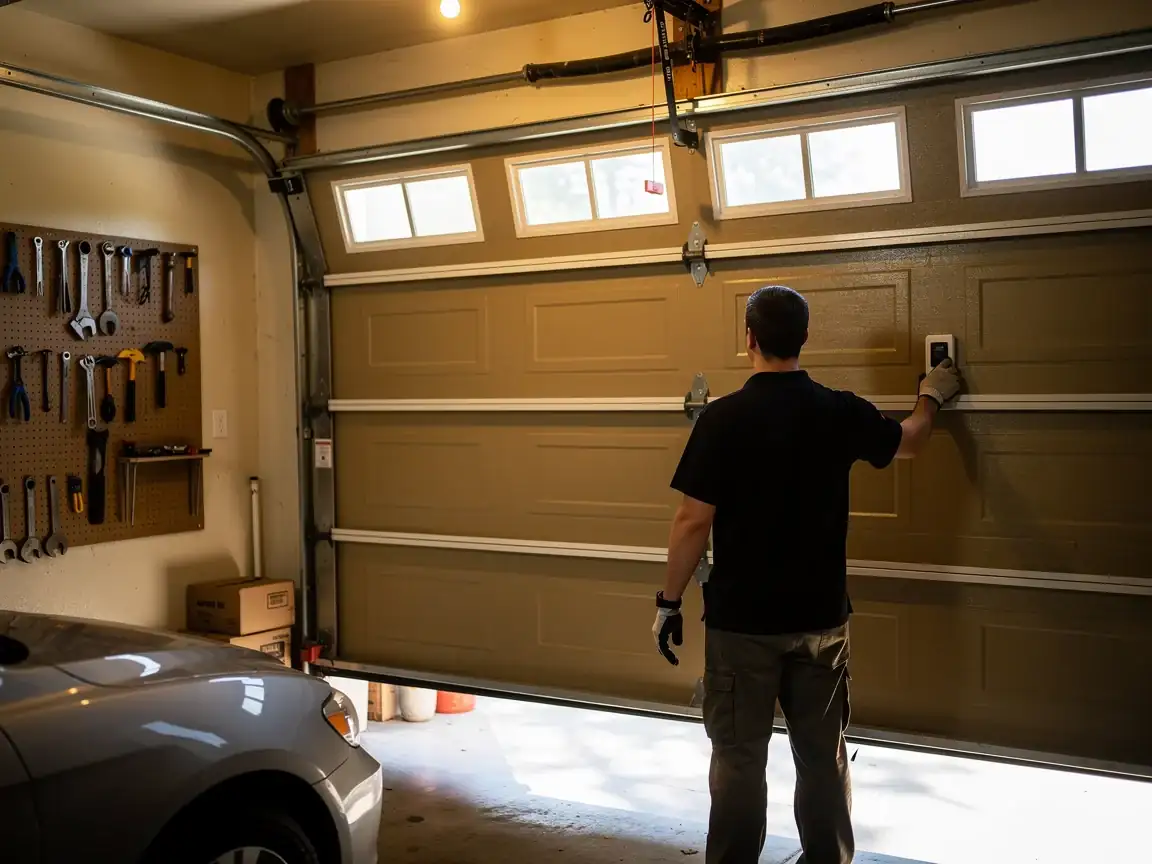
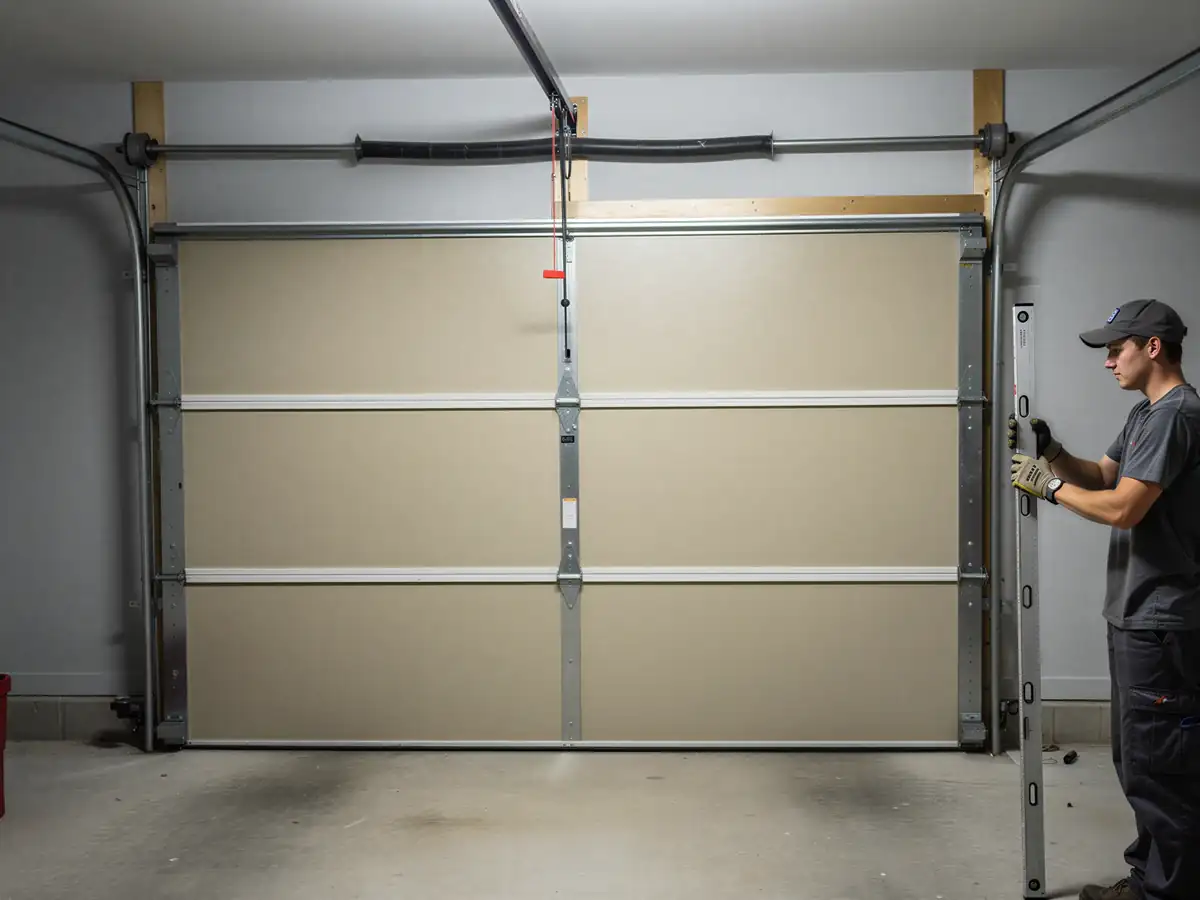
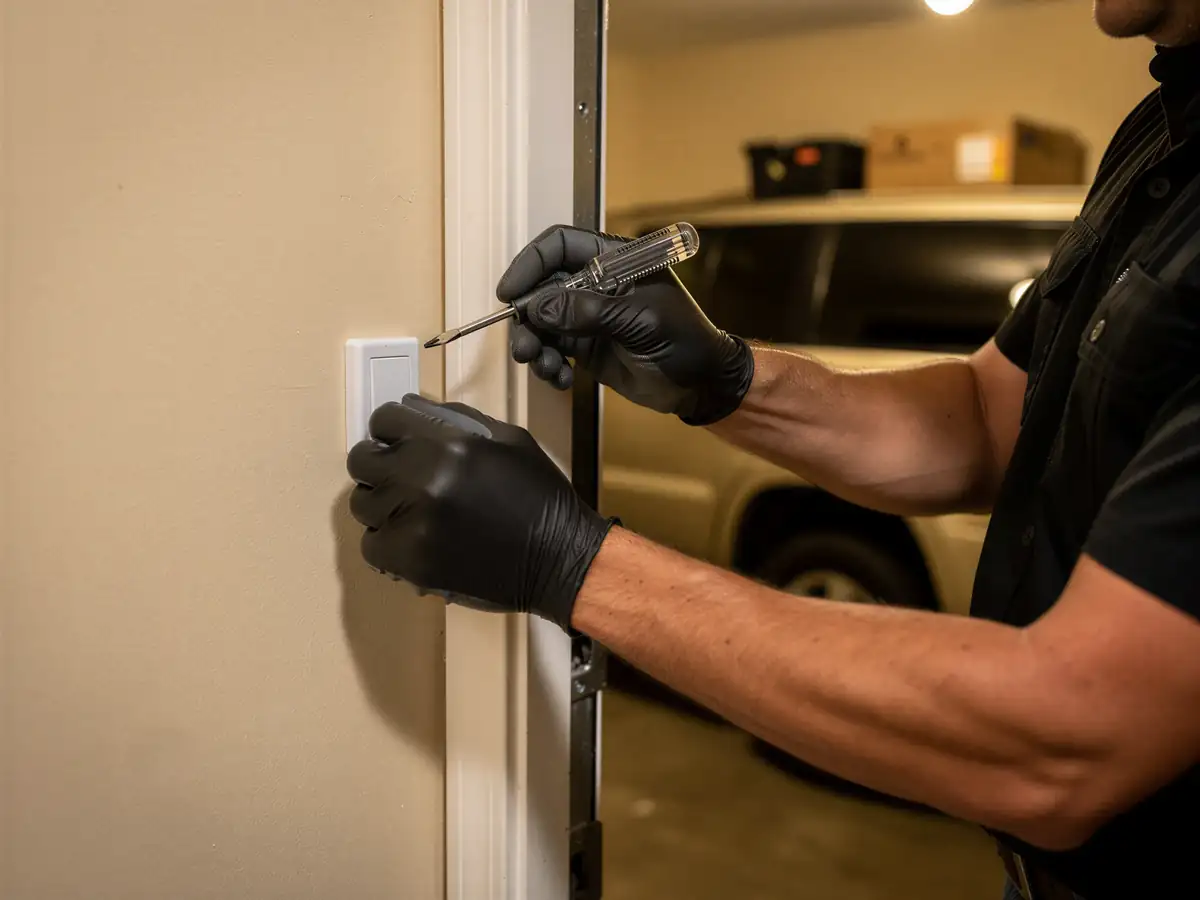
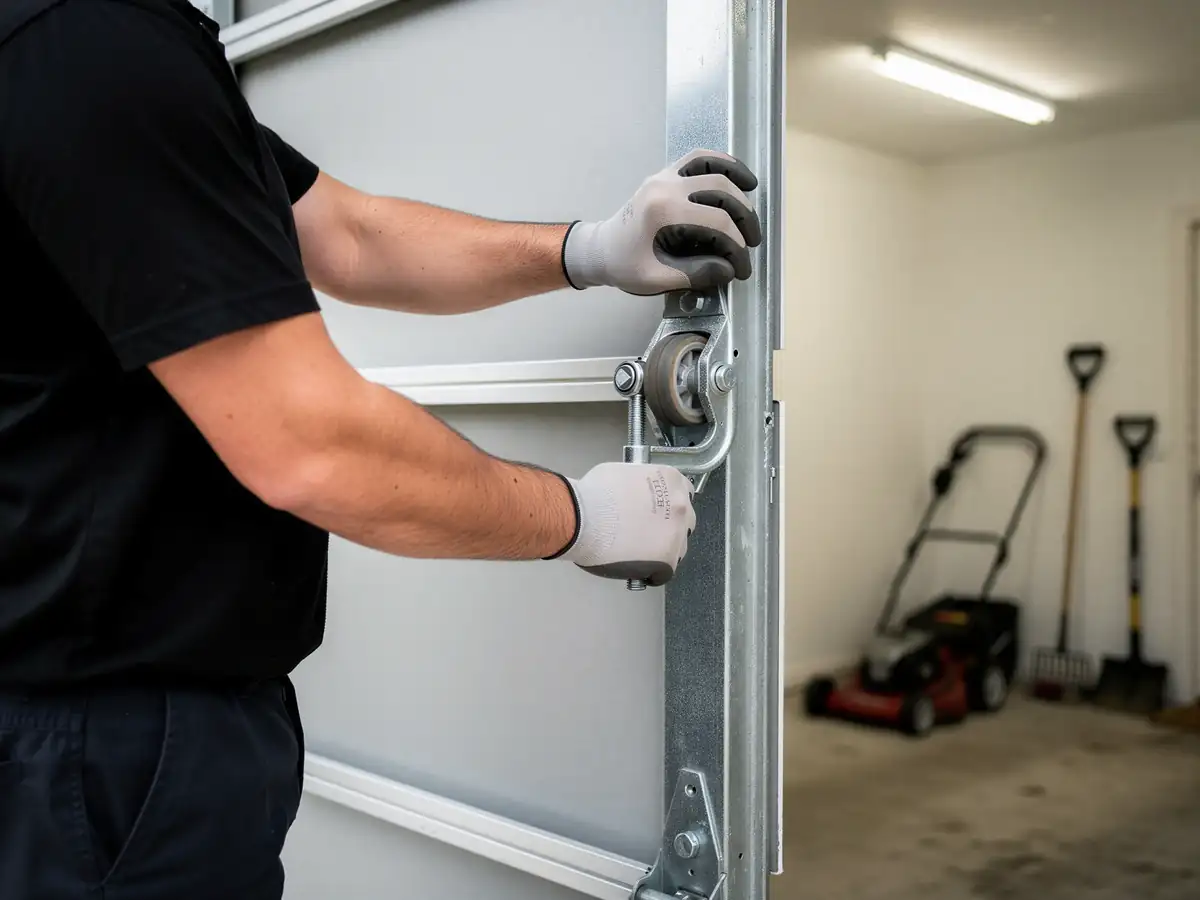
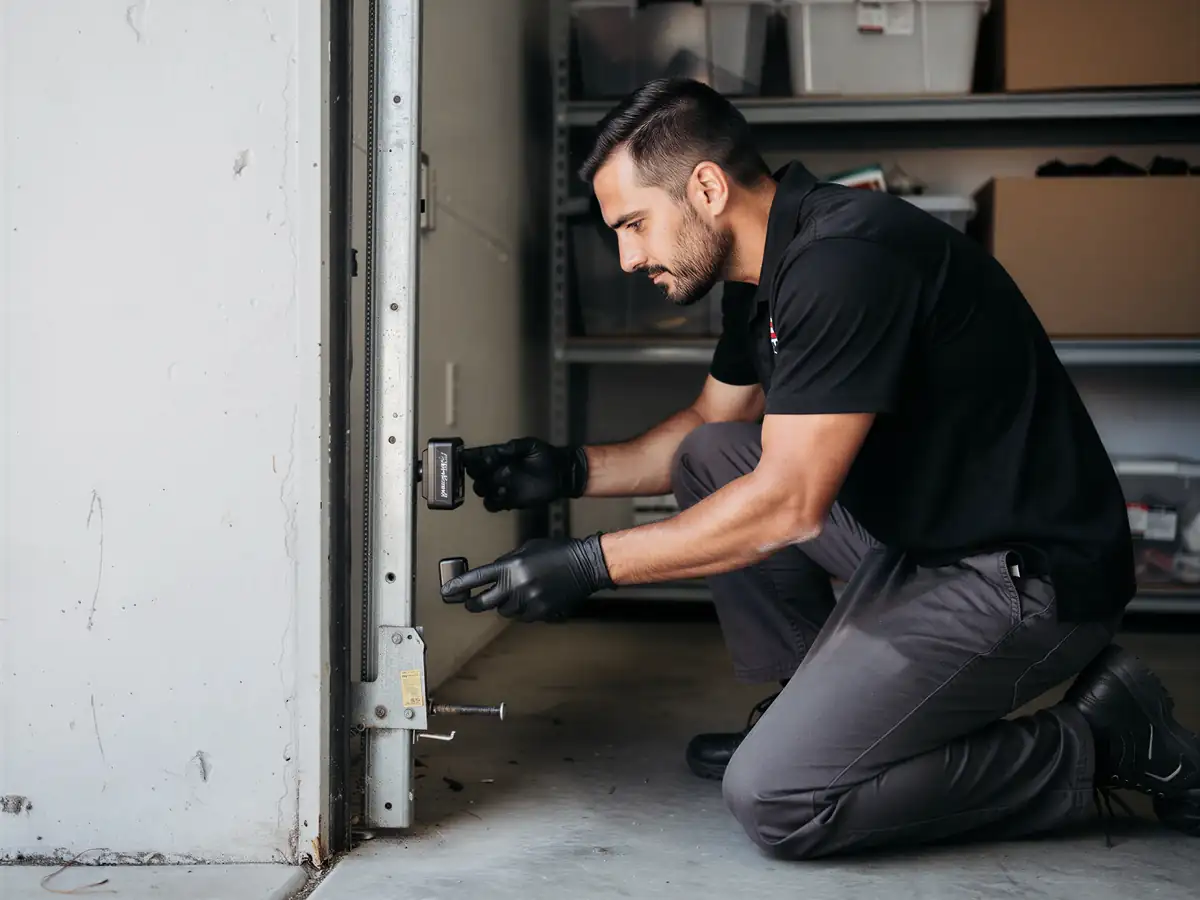
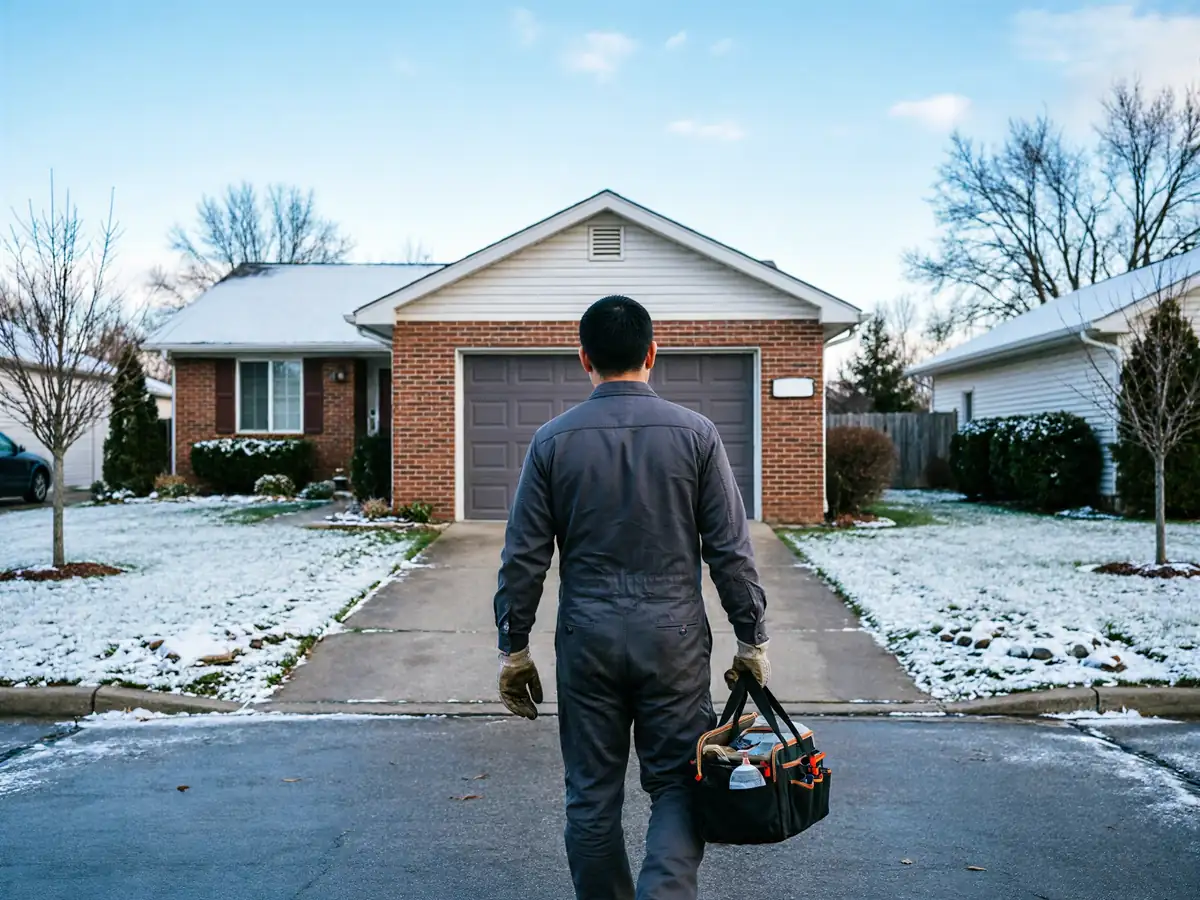
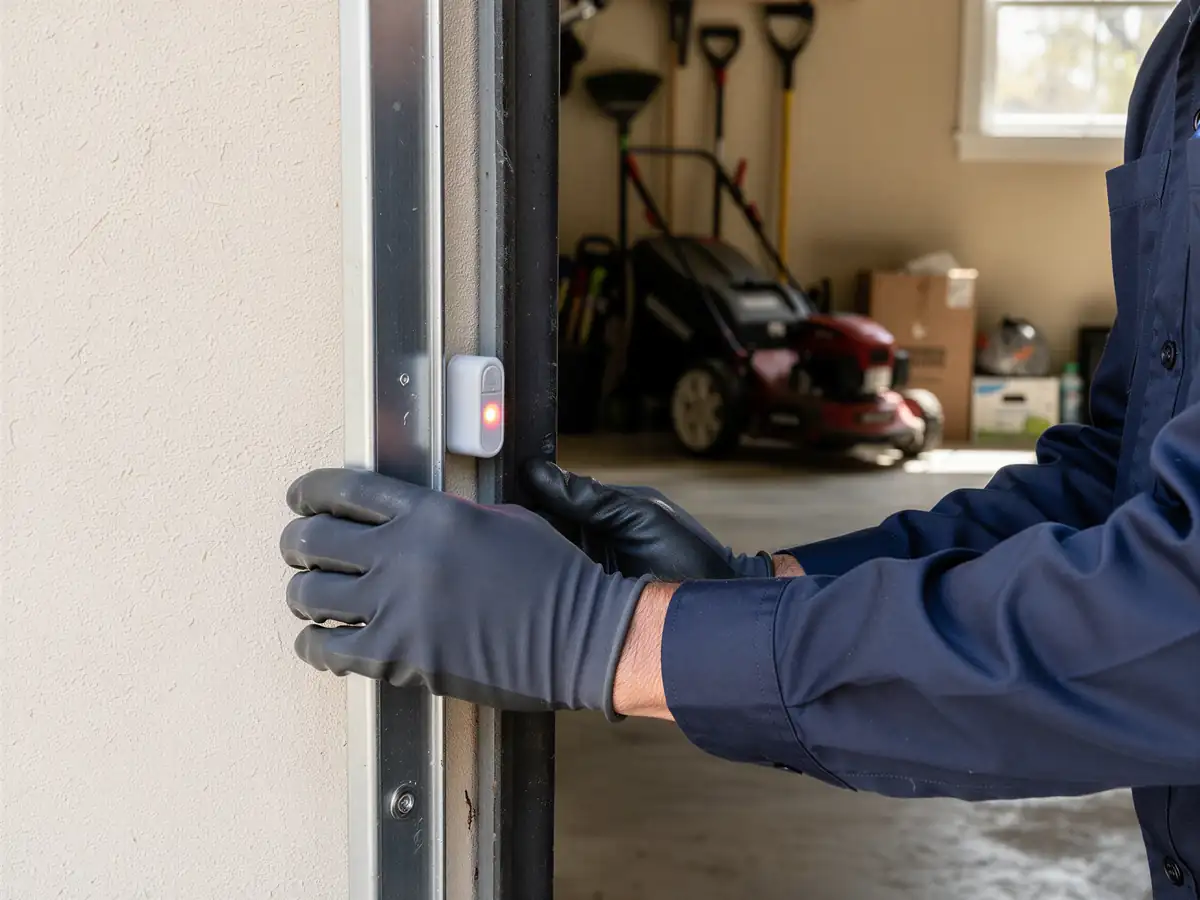
We start by running the opener through a full cycle and watching where it actually fails - motor, gear, chain, sensor, or limit switch - rather than guessing from the symptom alone. On older units matching this area's housing-era hardware, that often means pulling the motor housing to check the gear and capacitor together, since one tends to take the other down with it. If the part is one we stock, we replace it on the spot; if it's a discontinued component from an opener that old, we'll tell you that up front and walk through whether repair still makes sense against replacement. For anything involving the safety reversal system, we test it to current standard before we leave, regardless of what the original unit shipped with. We travel the 11 miles out from East Lansing with a stocked truck, but we're honest when a part isn't something we carry - that's a return trip, not a same-visit guess.