The Cost of This Job
At a median household income of $73,902, most of the calls we see from this area want a repair that holds, not a patch they'll be back for in six months. The repair-or-replace line usually comes down to the door's age and what's actually broken. A spring, a cable, a roller, a section of track - those are repairs on almost any door, regardless of how old it is. What tips a job toward full replacement is when the door itself is from the original 1970s-era build and the track, hinges, or panel gauge are all wearing out together, not just one part. At that point you're not fixing a door, you're fixing the same door three more times over the next few years. We don't carry a price list that applies evenly to every job because the honest answer depends on what's actually failed and what size and style the opening is. What we can say is that we'll tell you straight whether a repair is worth doing or whether you're better off putting that money toward a new door instead of keeping an old one limping along. We'd rather lose the smaller job than sell you a fix that doesn't last.
What Causes It Around Here
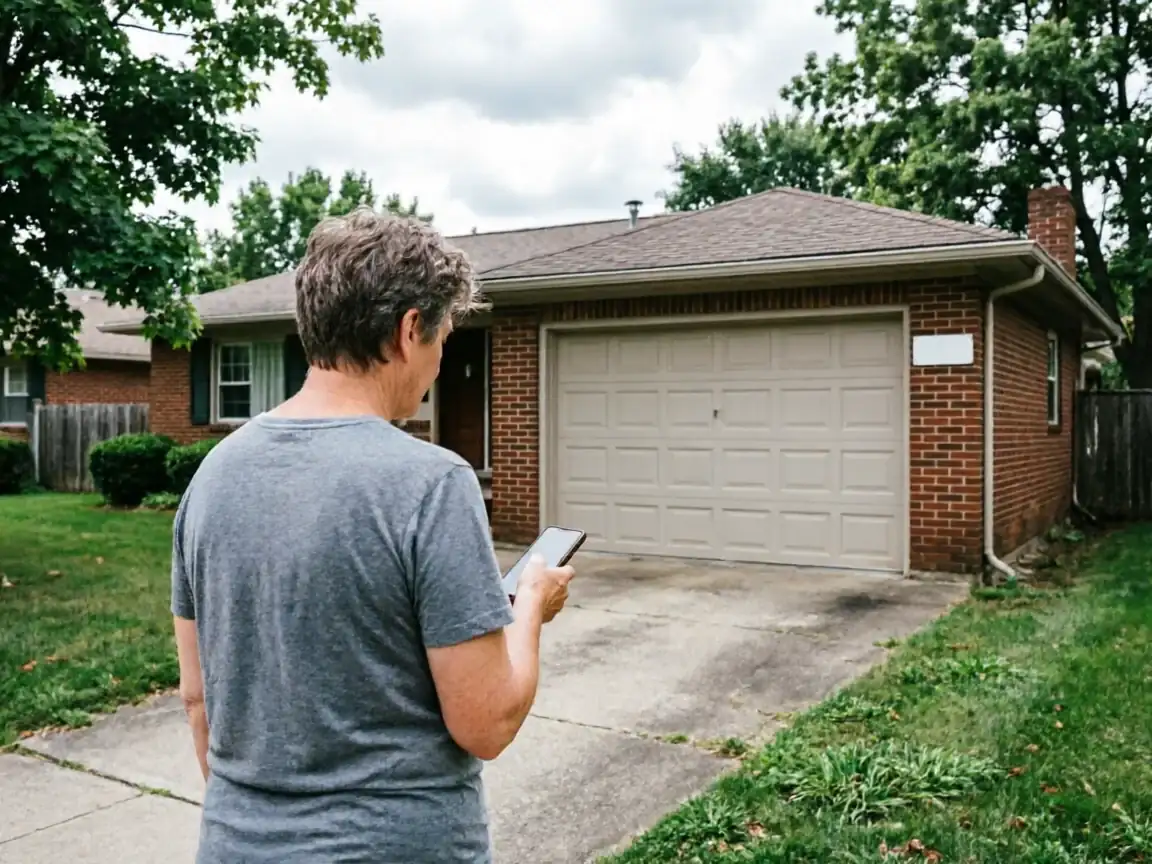
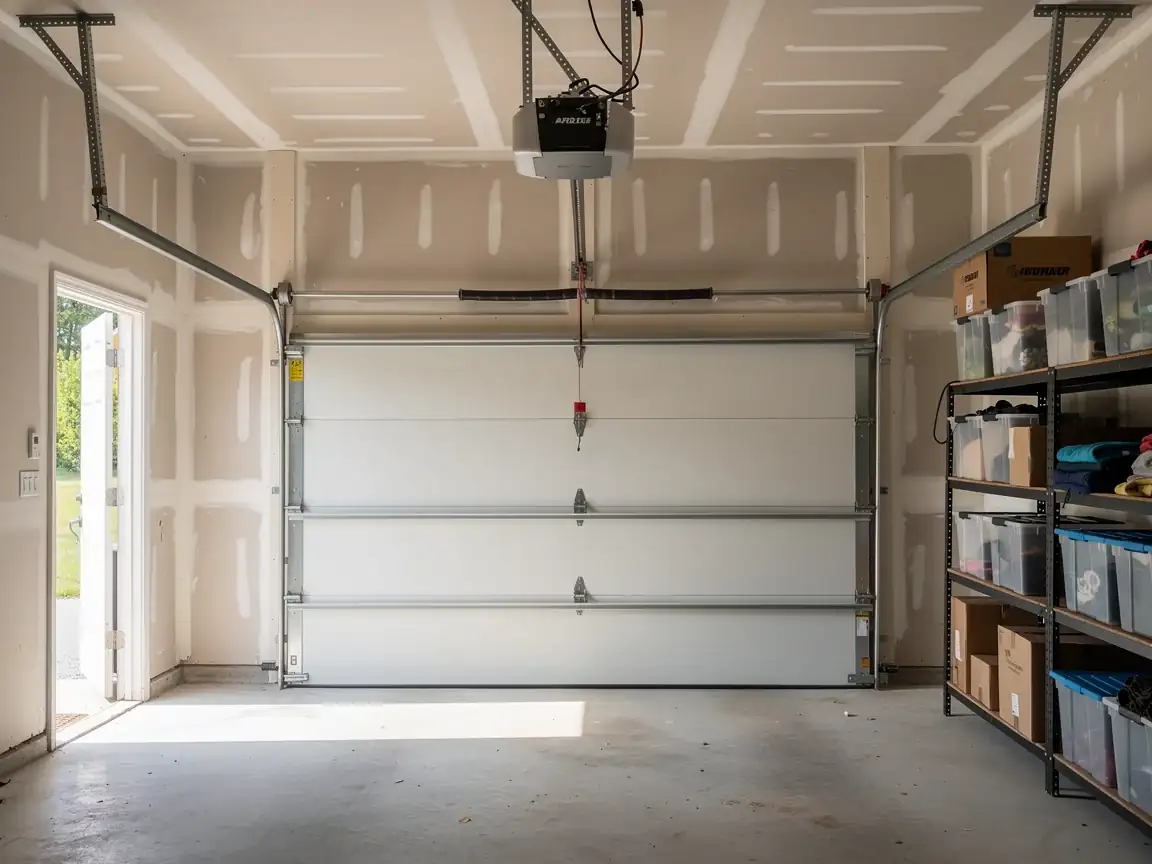
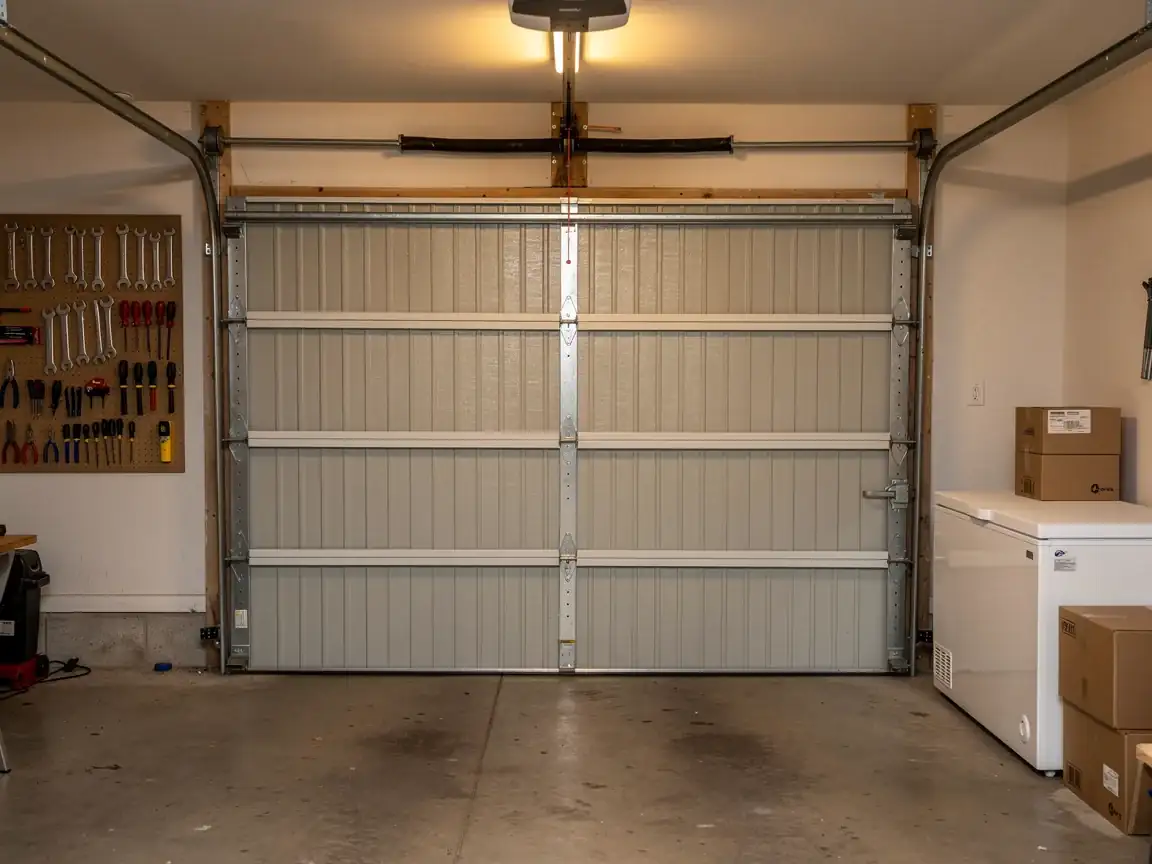
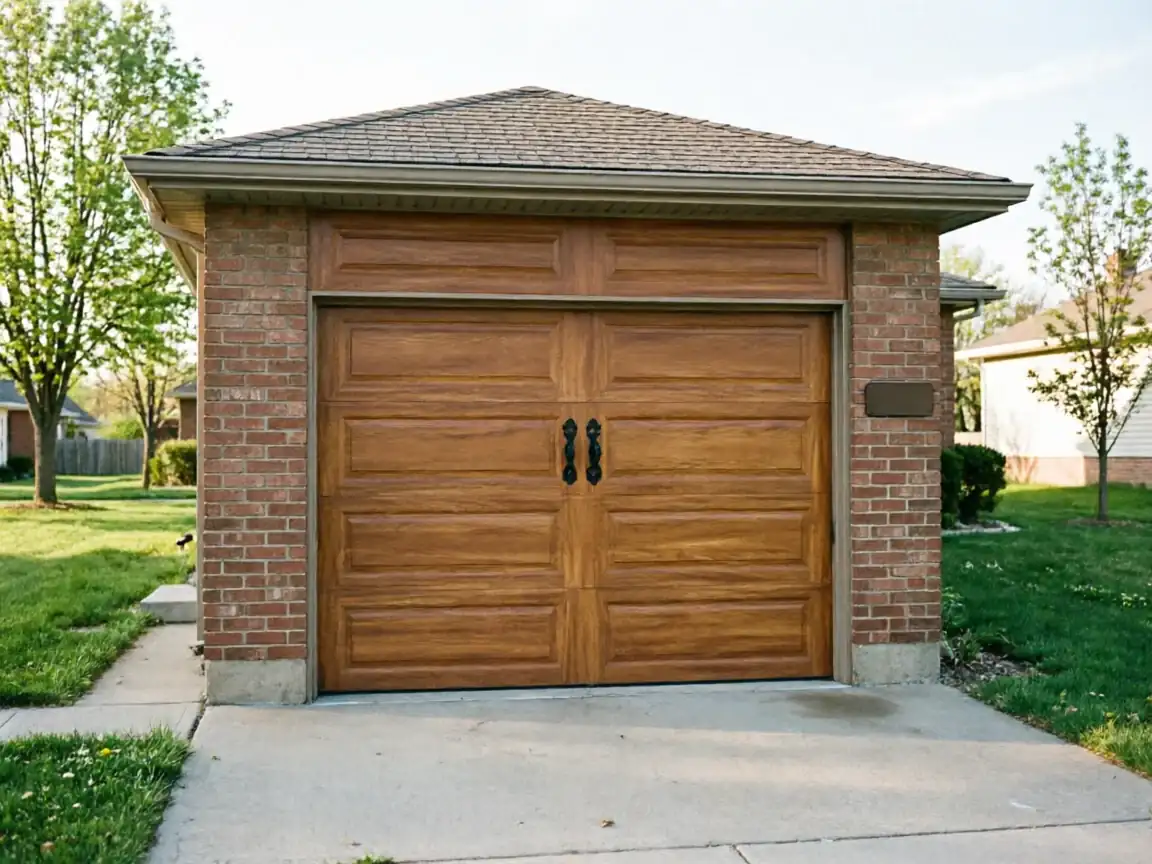
Most of the homes in this part of the service area were built in the 1945-to-1994 stretch, with Williamston's own stock centered around 1978 - squarely in that 1960s-and-70s wave that shows up across the 22 named areas we cover. Doors from that era were built with heavier steel panels and side-mounted torsion springs sized to match, hardware that nobody stamps brand-new replacements for anymore, so a worn part often means a sourced match rather than a shelf item. Add in a cold climate that runs severe for stretches of the winter, and you get a specific failure pattern: steel contracts, lubricant stiffens, and a spring that's already near the end of its rated cycle count is the thing that finally gives out on a hard-cold morning rather than a mild one. Tracks on these older installs are also more prone to rust where galvanizing has worn thin after decades of freeze-thaw cycling. None of this is dramatic - it's just wear, accelerated by age and weather working on each other instead of one at a time.
How It Shows Up
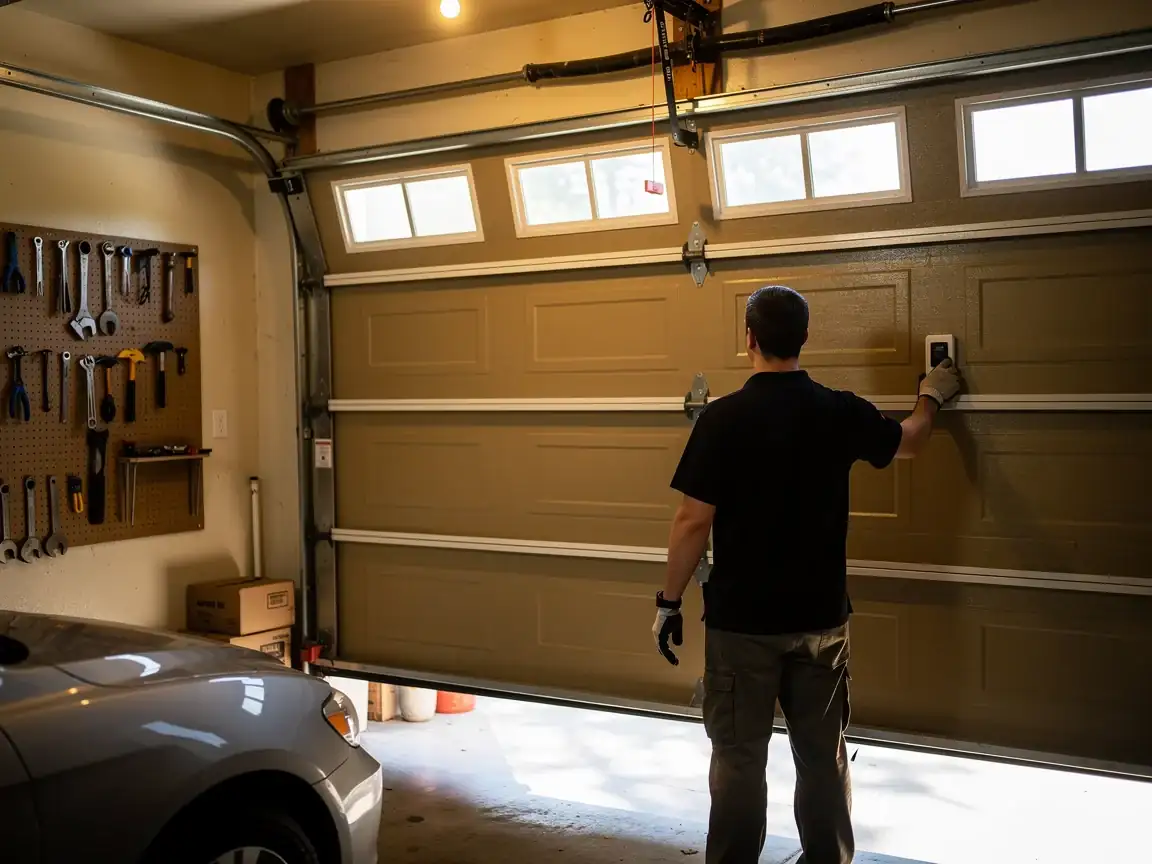
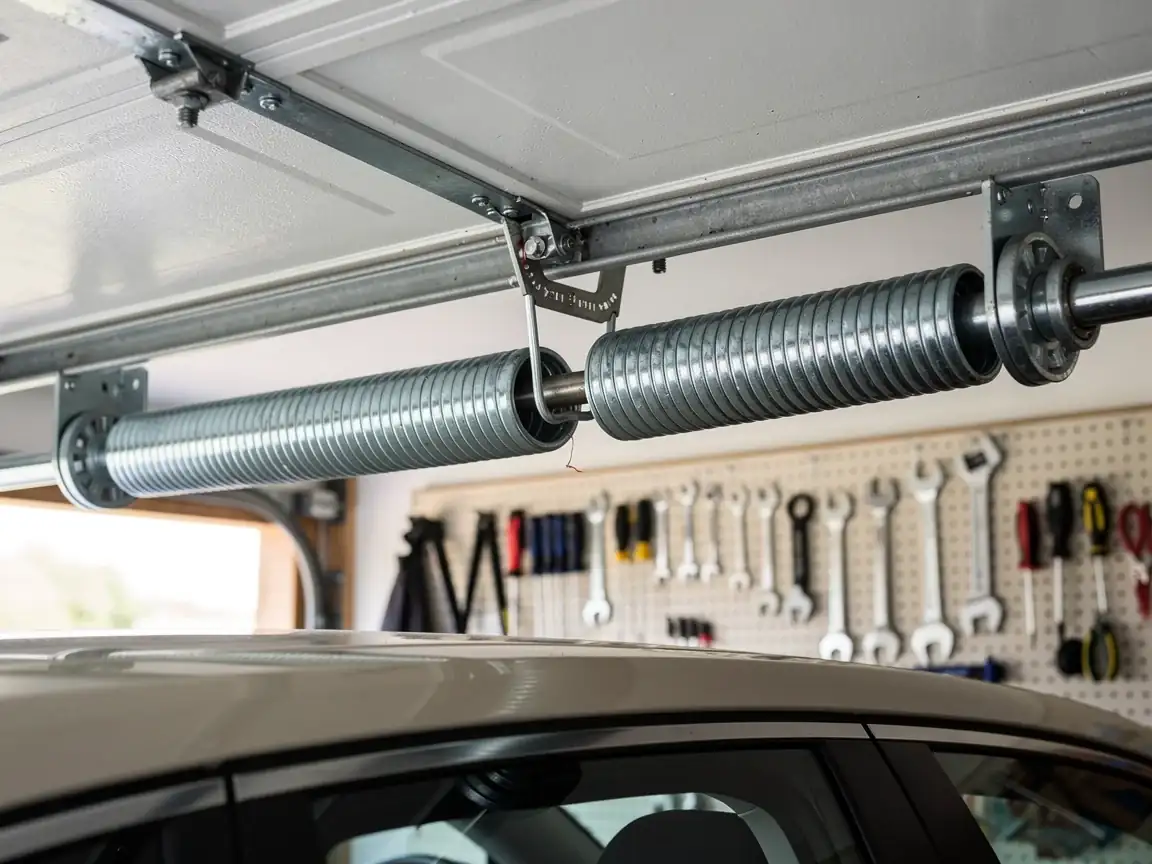
On a lot of these older Williamston doors, the first sign isn't a dramatic failure, it's a sound - a bang on opening that means a torsion spring has gone, or a grinding opener motor straining against a door that's heavier to lift than it used to be because the spring isn't carrying its share anymore. On one-piece and early sectional doors from the 1960s-and-70s wave, you'll sometimes see the door hang unevenly, dropping on one side faster than the other, which usually points to a cable that's stretched or frayed rather than snapped outright yet. Rust streaking down the track, especially after a hard winter, is common on galvanized hardware that's been through enough freeze-thaw cycles to wear through the coating. Another pattern specific to the climate here: an opener that worked fine in October and started struggling in January, which is often cold tightening up old grease and tension at the same time rather than one part failing on its own. None of these are emergencies the first day they show up, but none of them get better by waiting, either.
How We Fix It
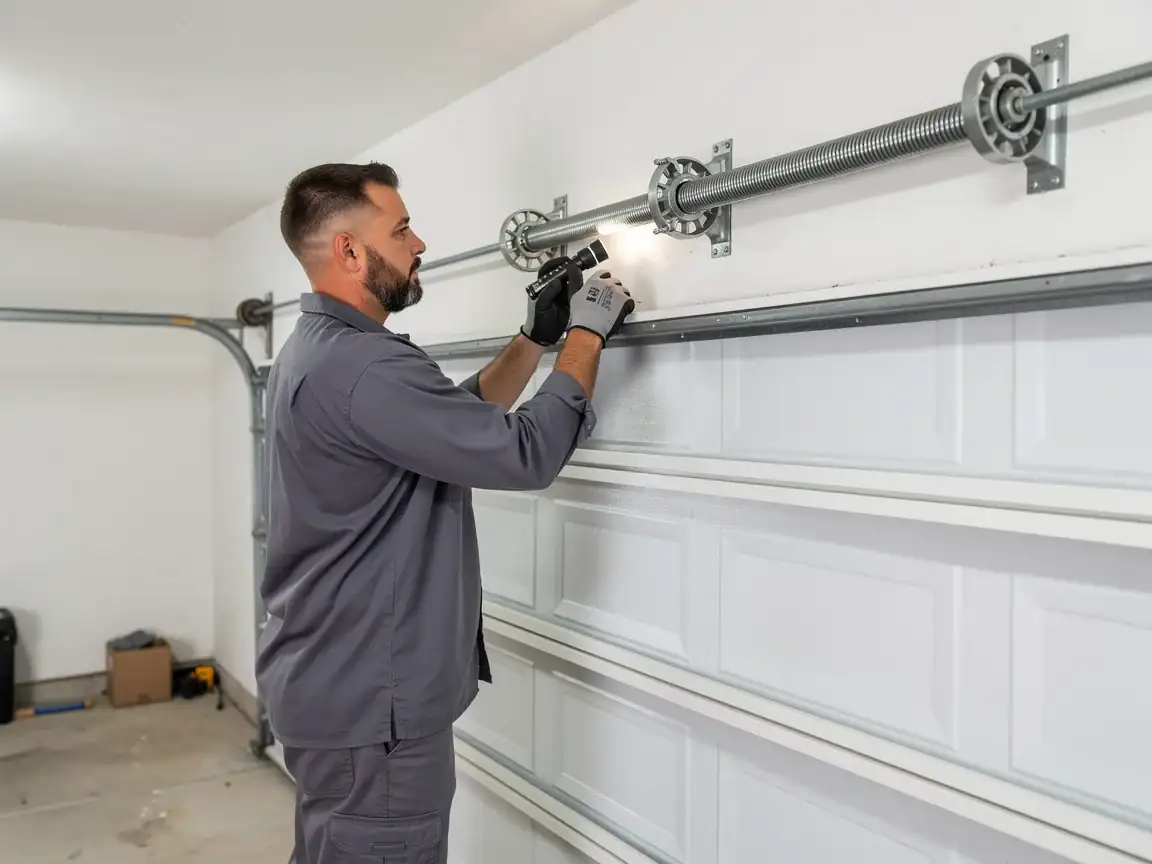
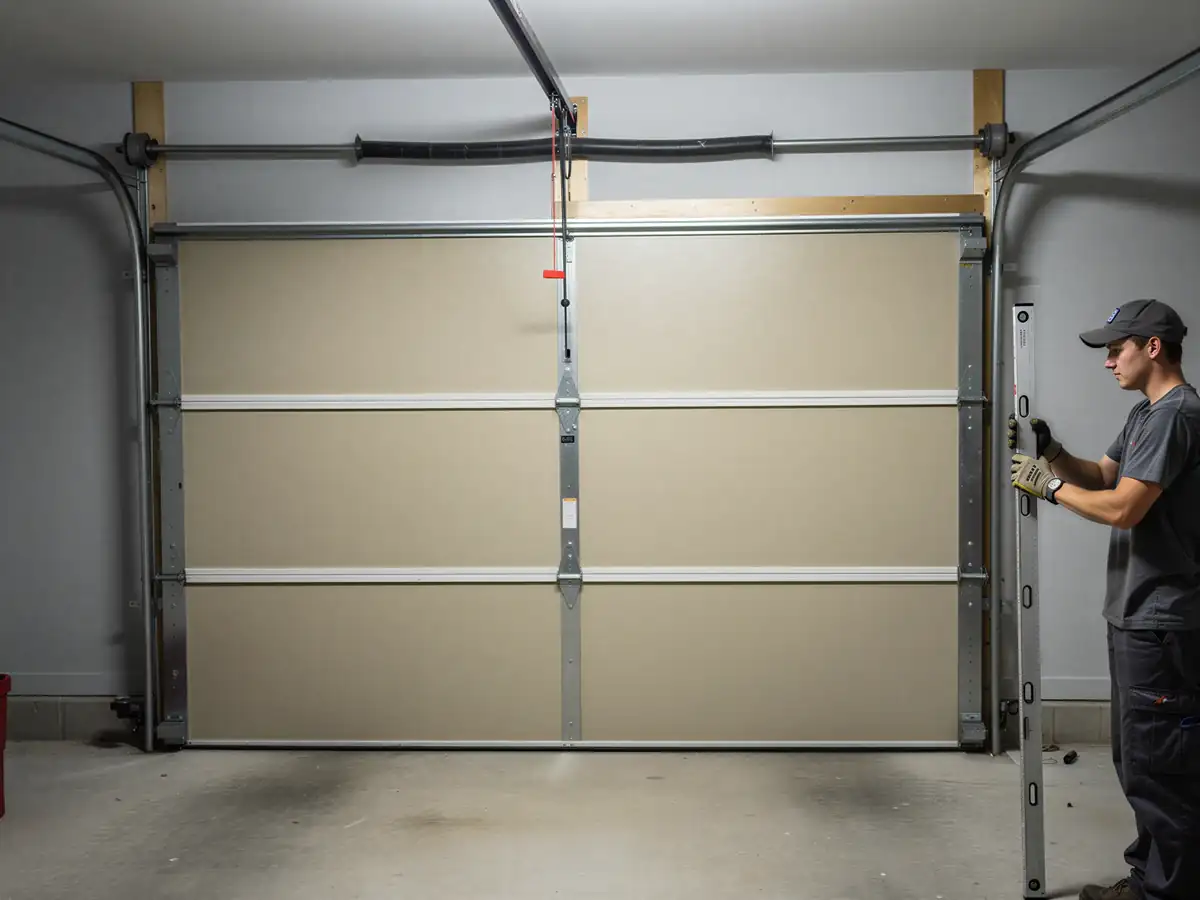
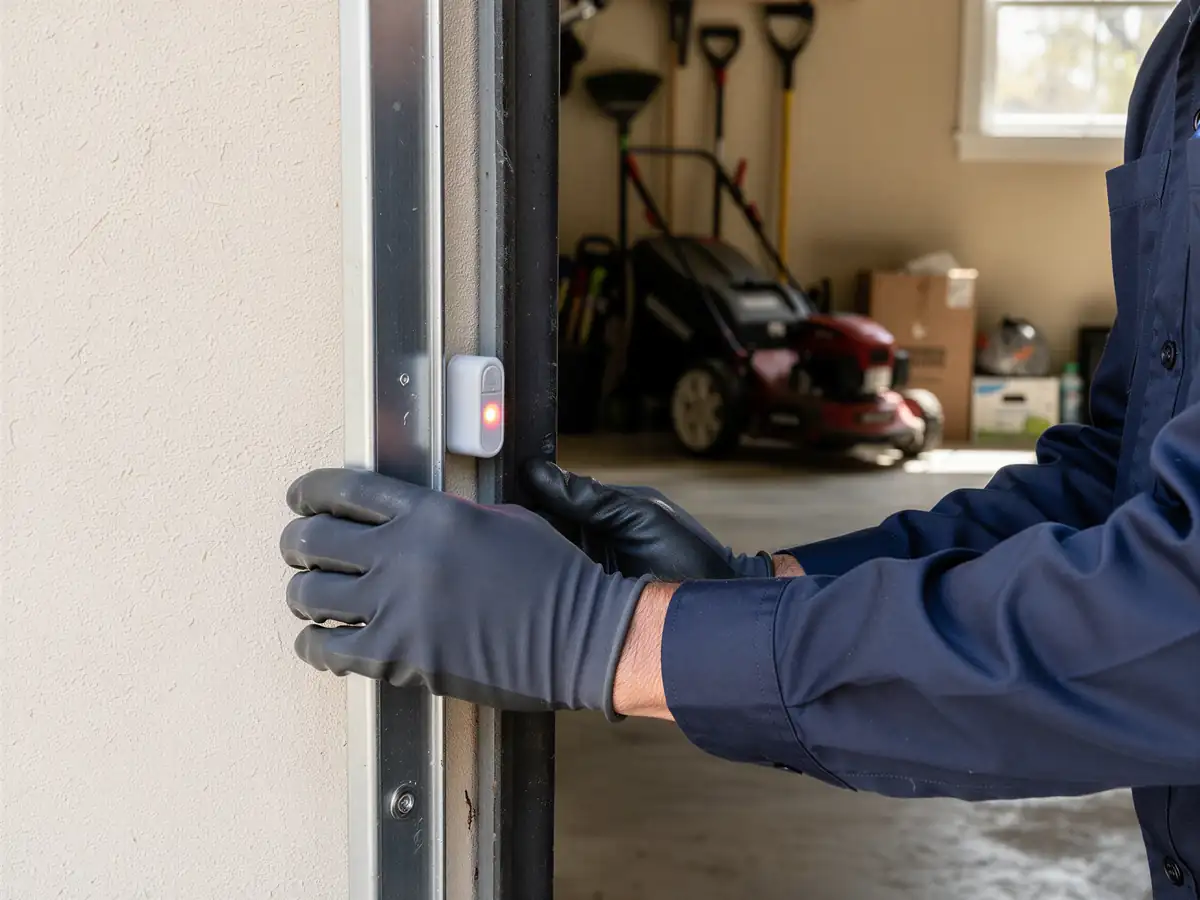
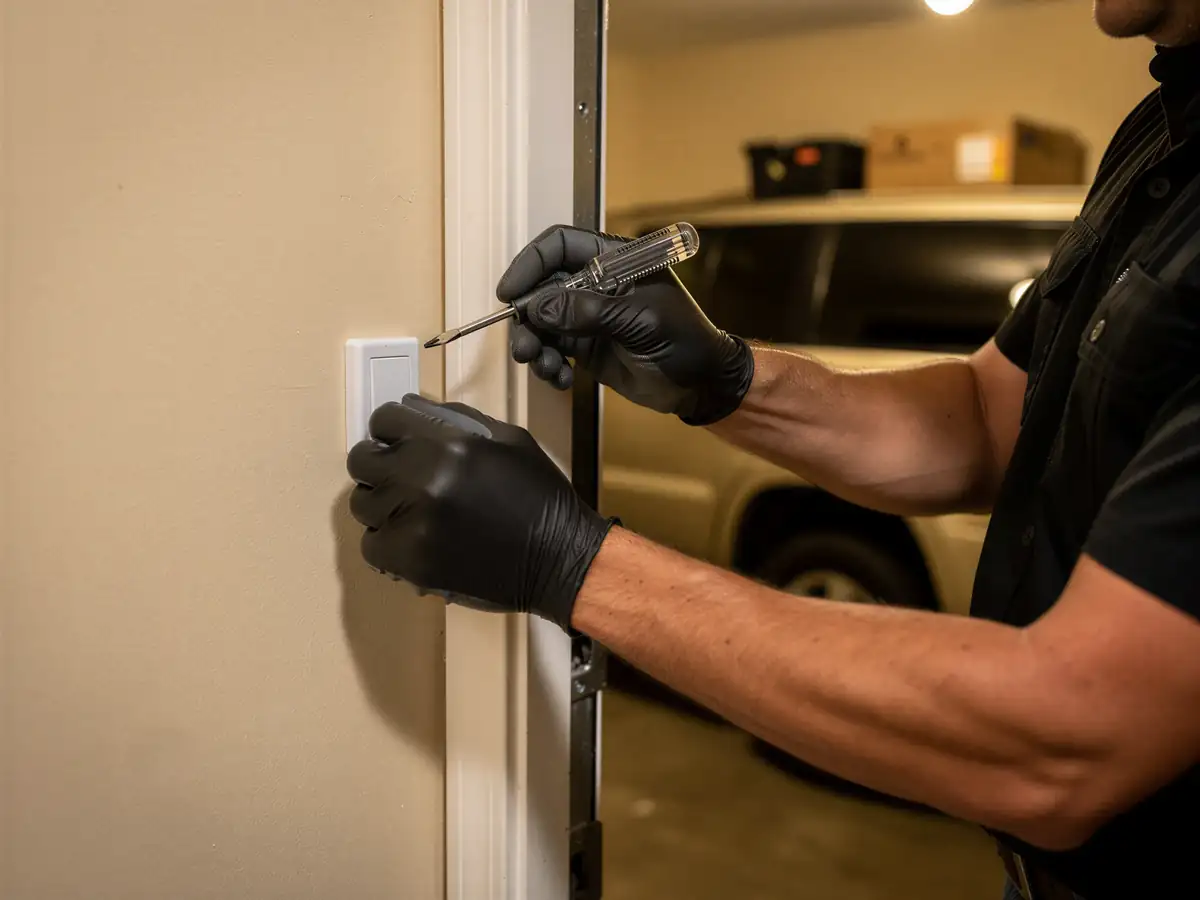
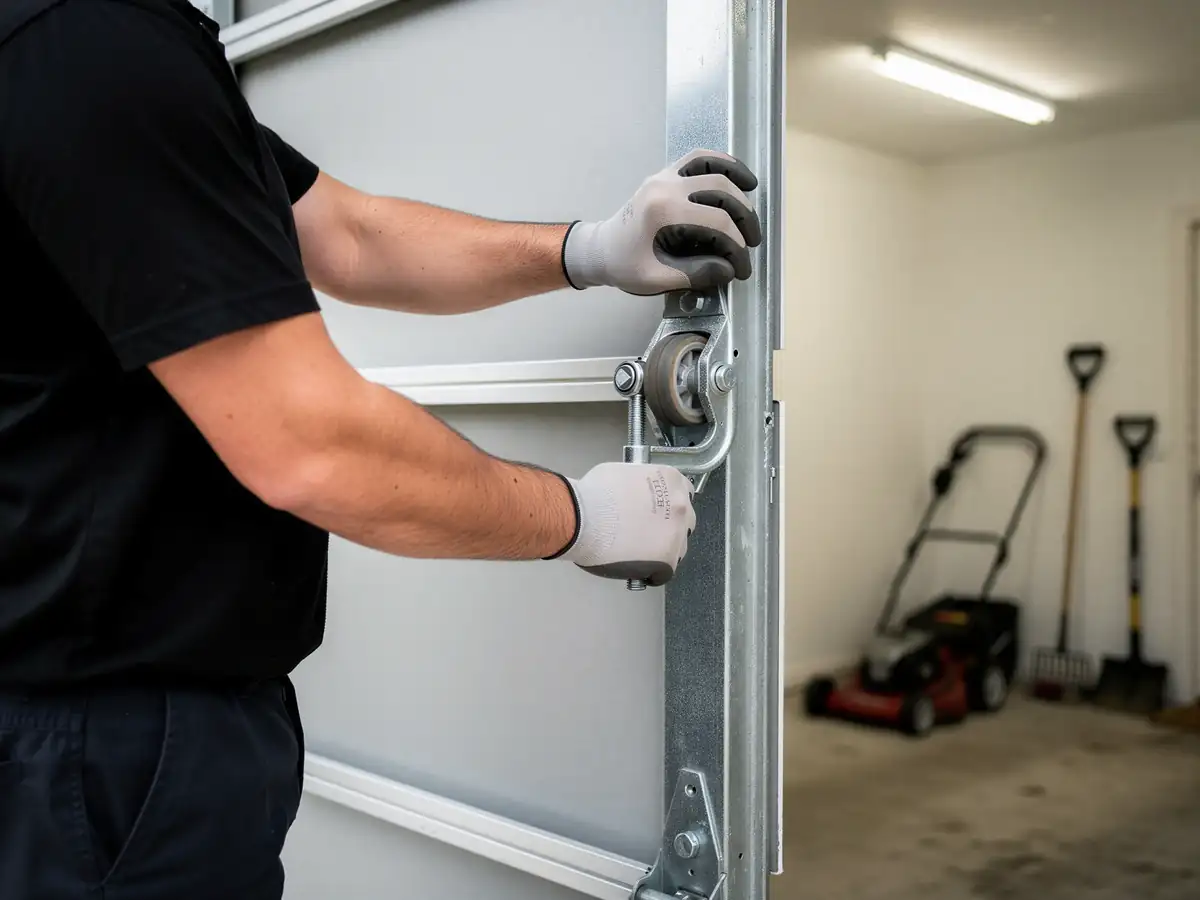
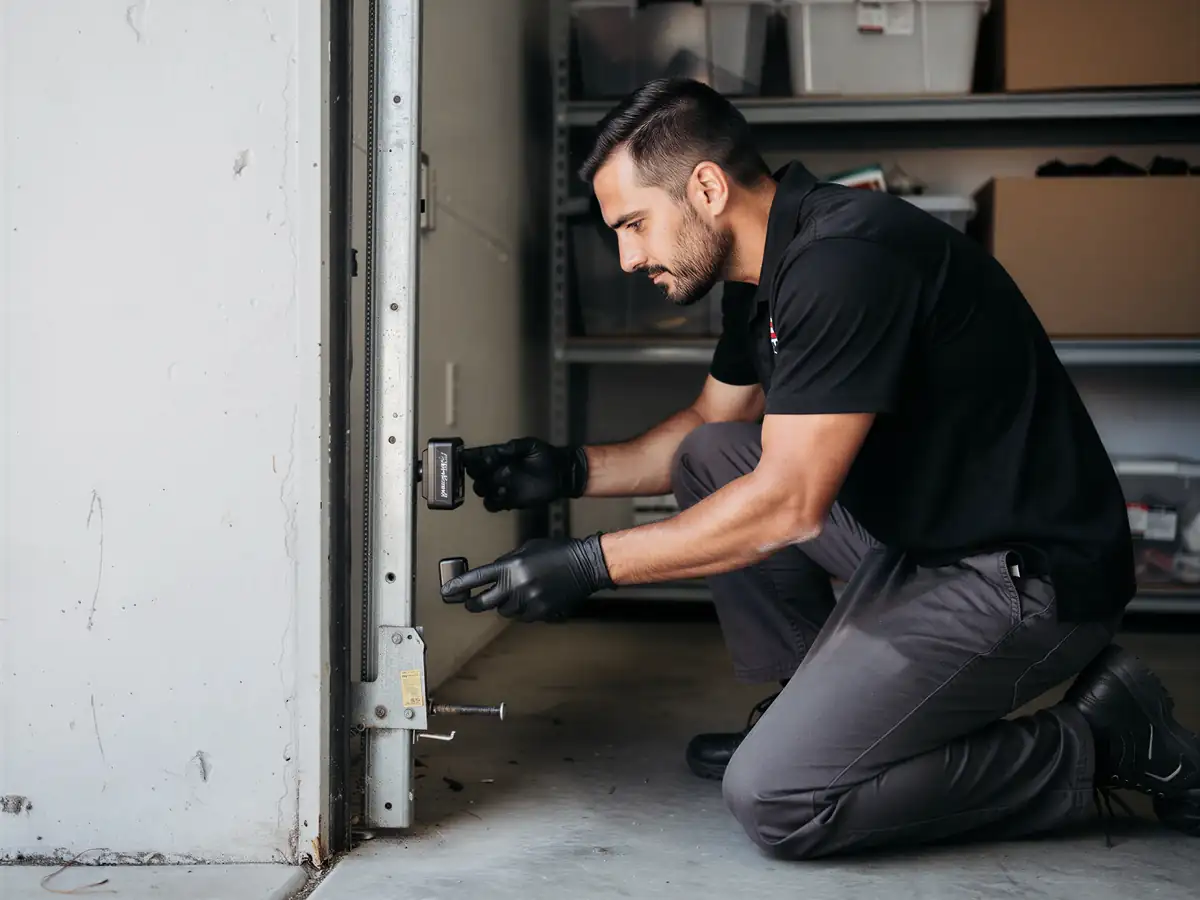
We start by figuring out whether the problem is the spring, the cable, the track, the opener, or some combination, because on doors this age it's rarely just one thing wearing out in isolation. If it's a spring or cable, we replace it to match the door's weight and size rather than grabbing a generic part that's close enough - on older hardware that fit matters more than people expect. If the track's rusted through or bent from years of freeze-thaw, we replace the section rather than trying to hammer it straight, since a straightened track rarely runs smooth again. Where the door itself is original to a 1970s build and multiple parts are failing together, we'll say so and lay out replacement as the more honest option rather than stacking repairs on a door that's past the point of being worth it. Our limitation here is the same one we lead with on timing: if a part is a size this older stock needs and it's not something we carry on the truck, we'll tell you that rather than guess. For the broader range of what we handle out of East Lansing, see our main service page.