The DIY Question
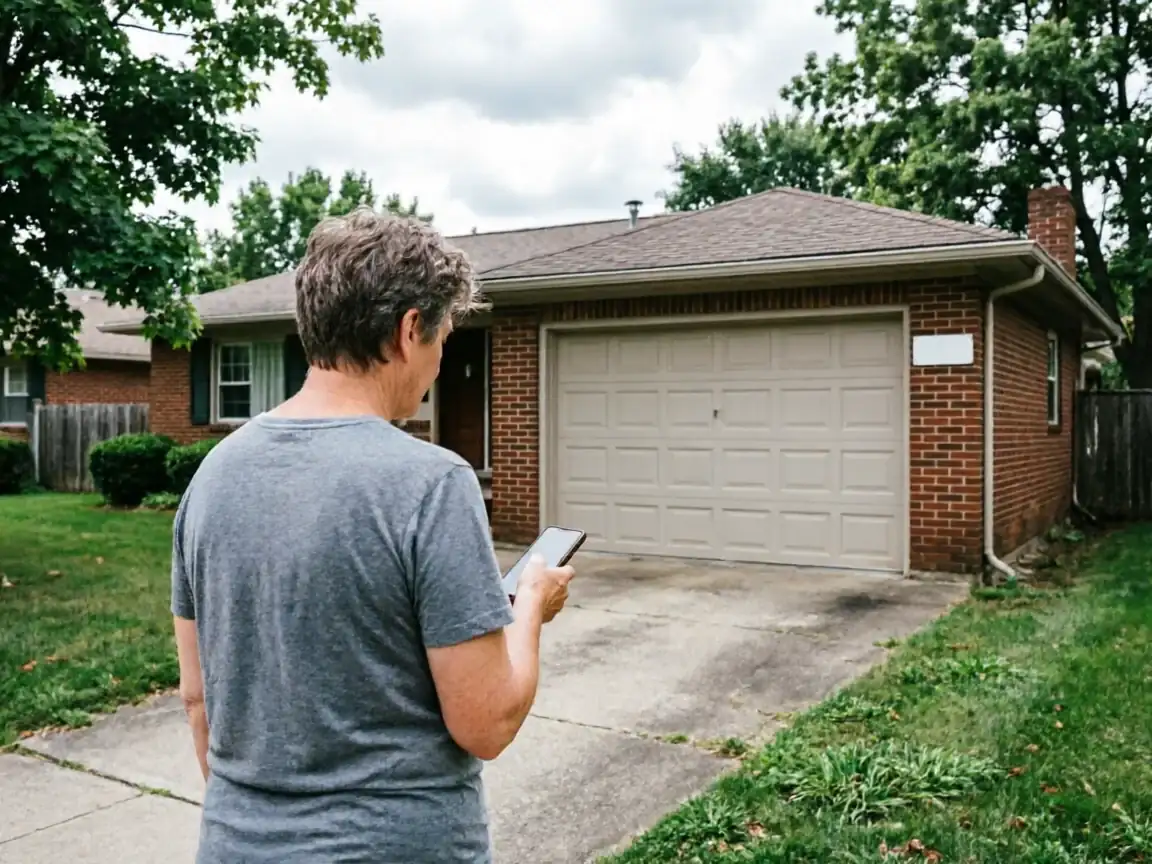
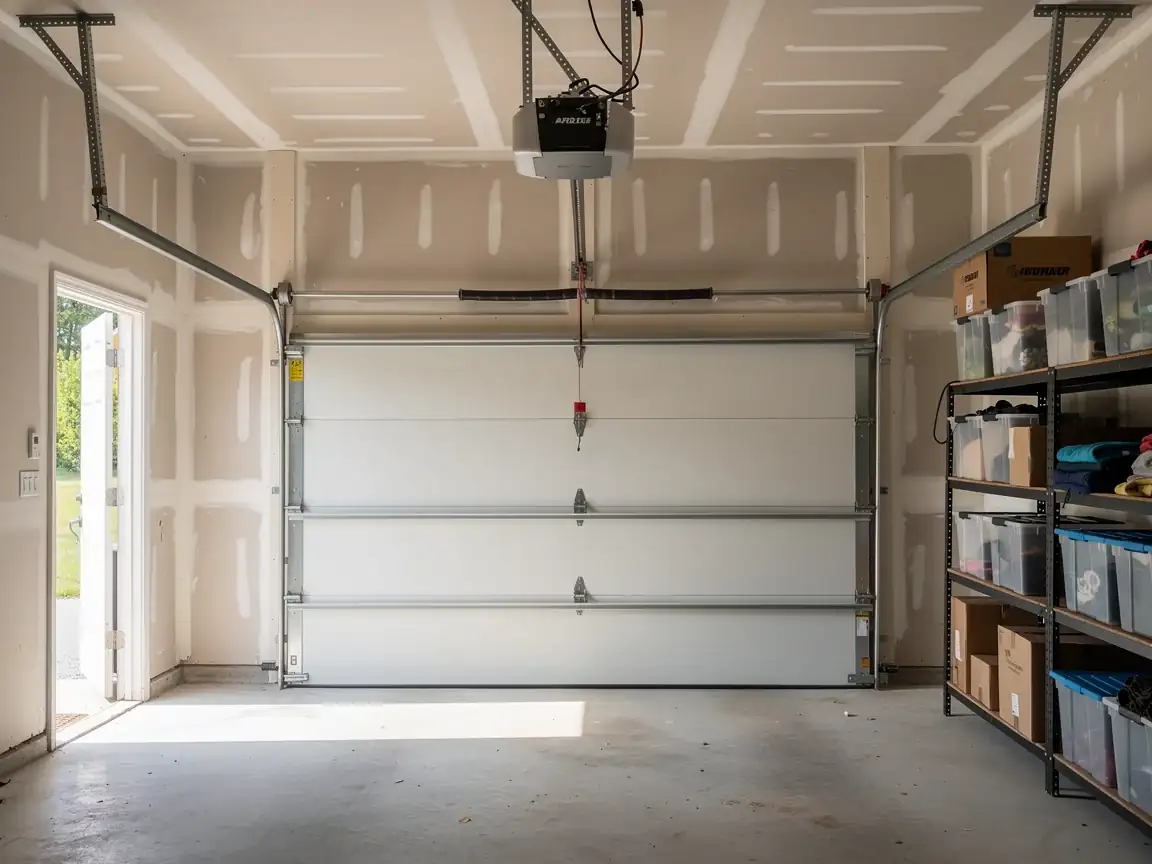
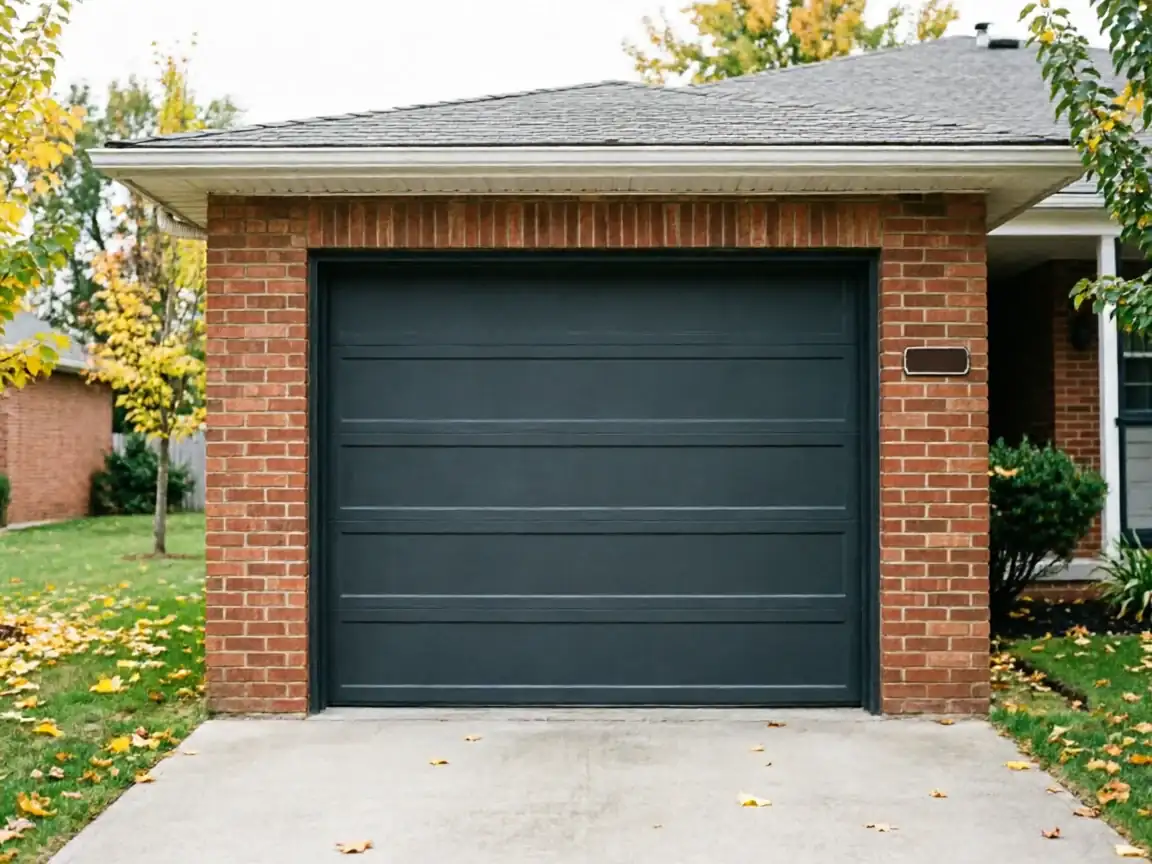
Most garage doors in Williamston are steel sectional units, hung on galvanized steel track
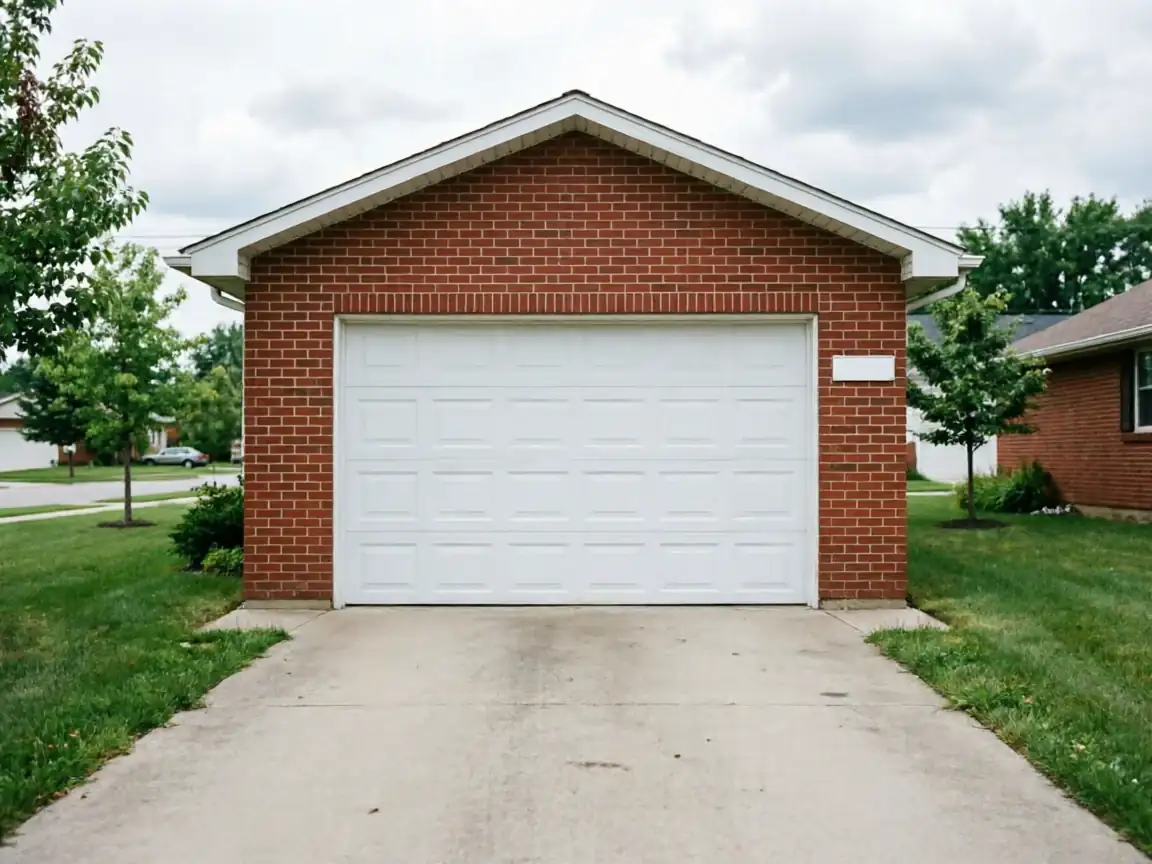
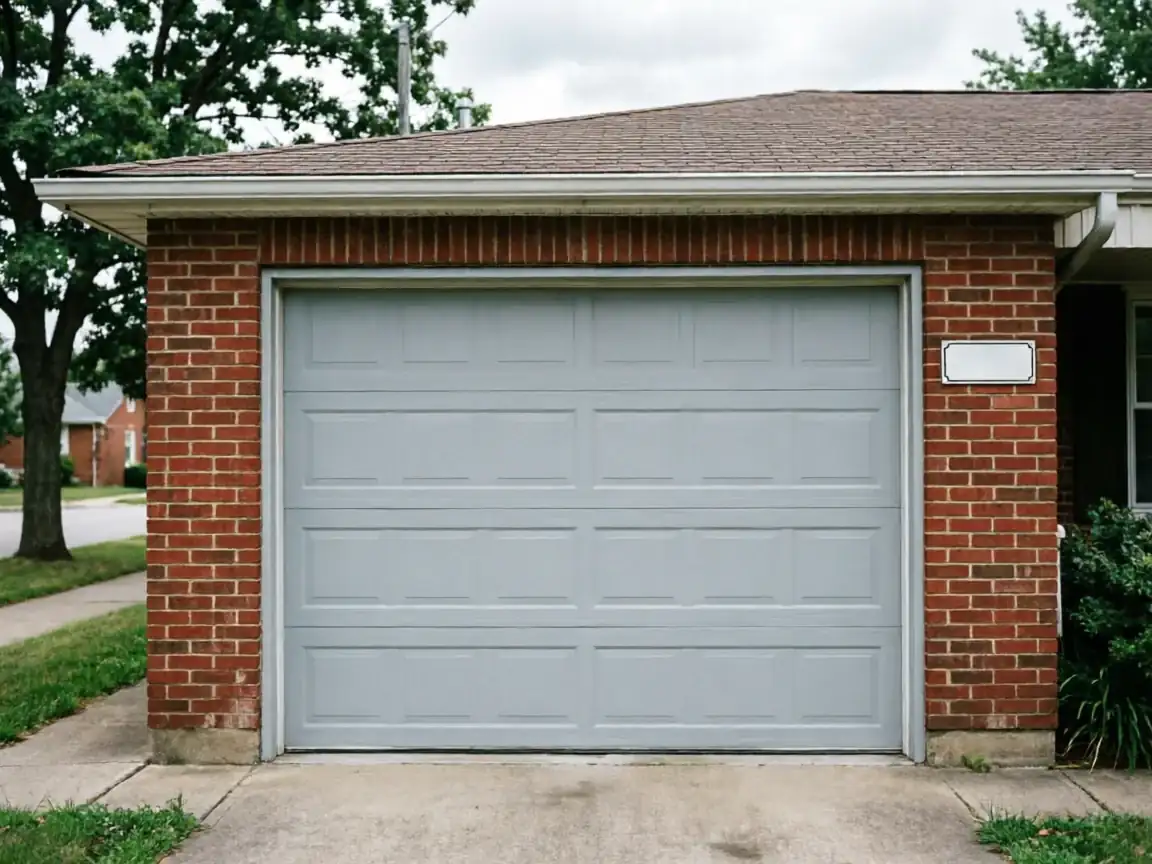
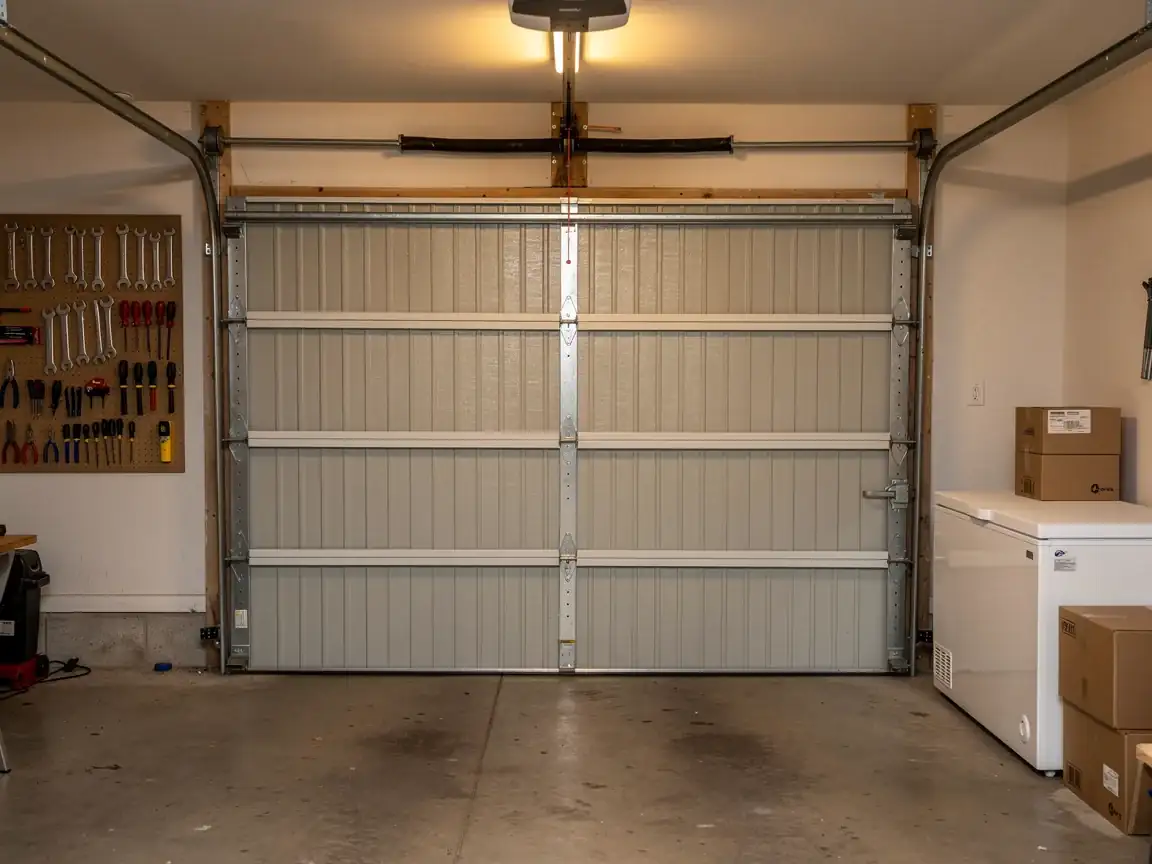
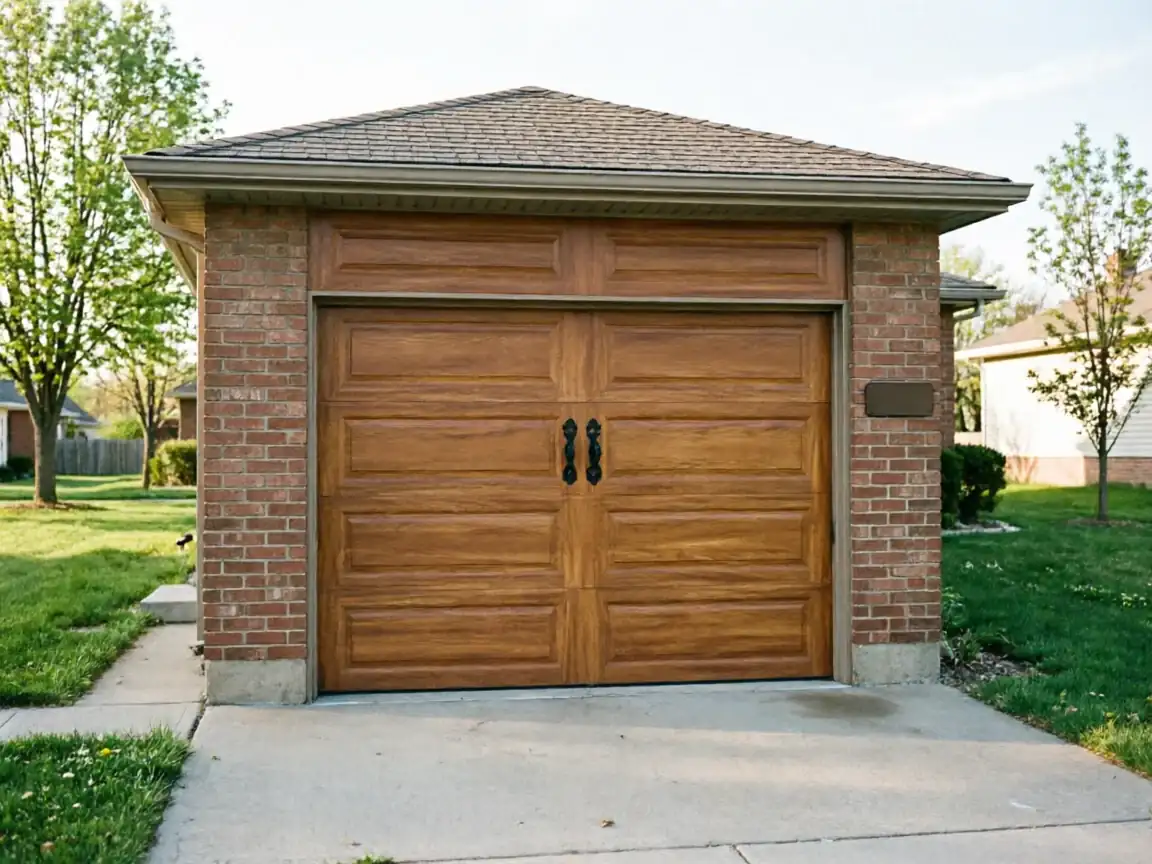
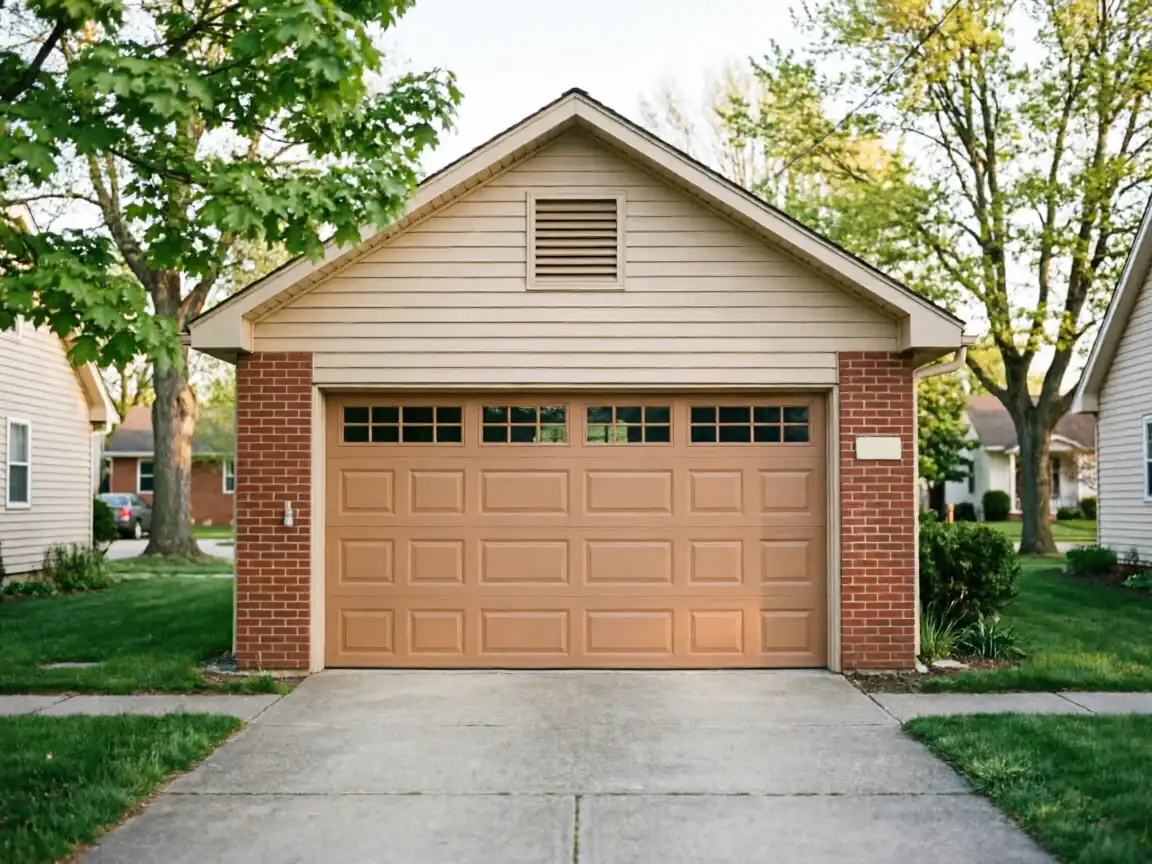
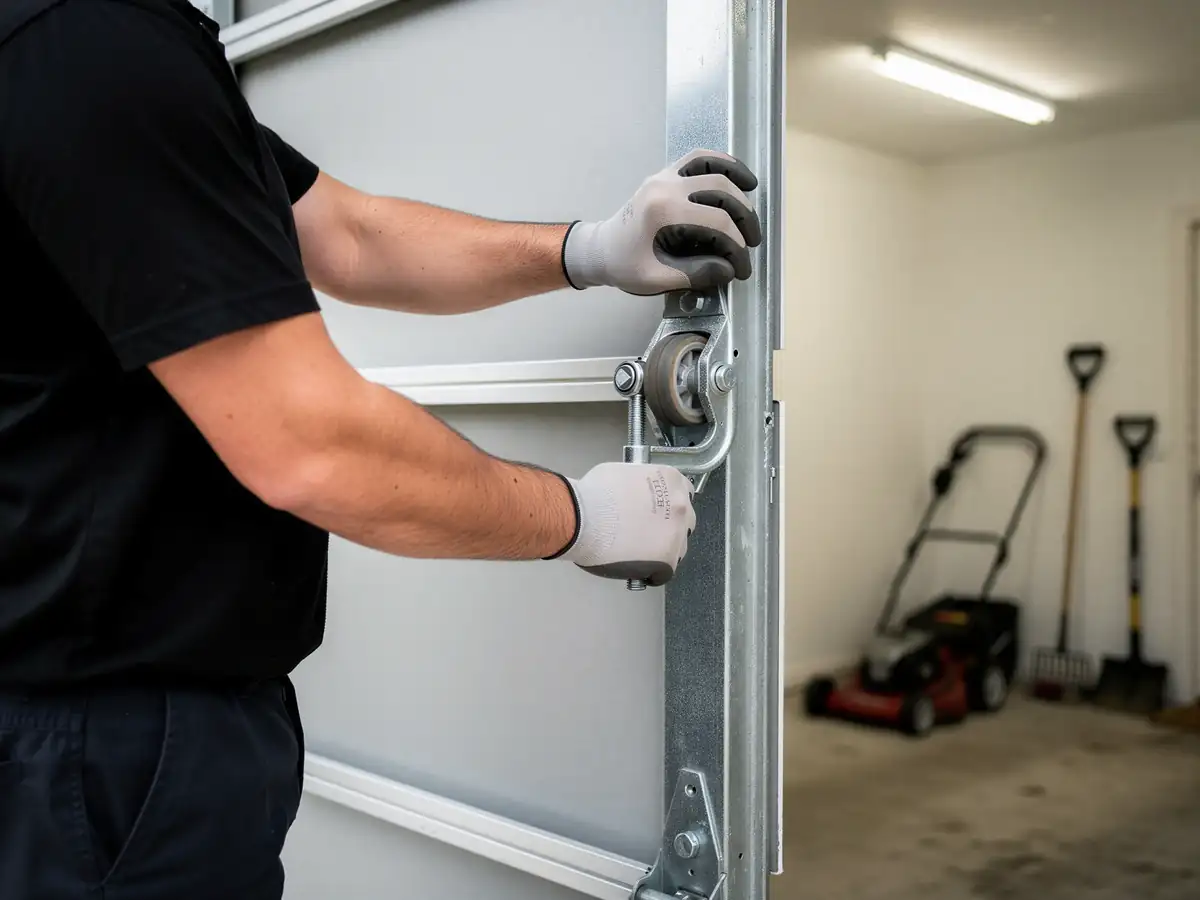
Installed when the house itself went up - and a lot of this town's housing stock dates to around 1978. That's a door built for a different era of hardware tolerances than what you'd buy today, often a single 16x7 or 9x7 panel door, heavier than modern insulated models, riding on track brackets that have had four-plus decades to work loose from the jamb.
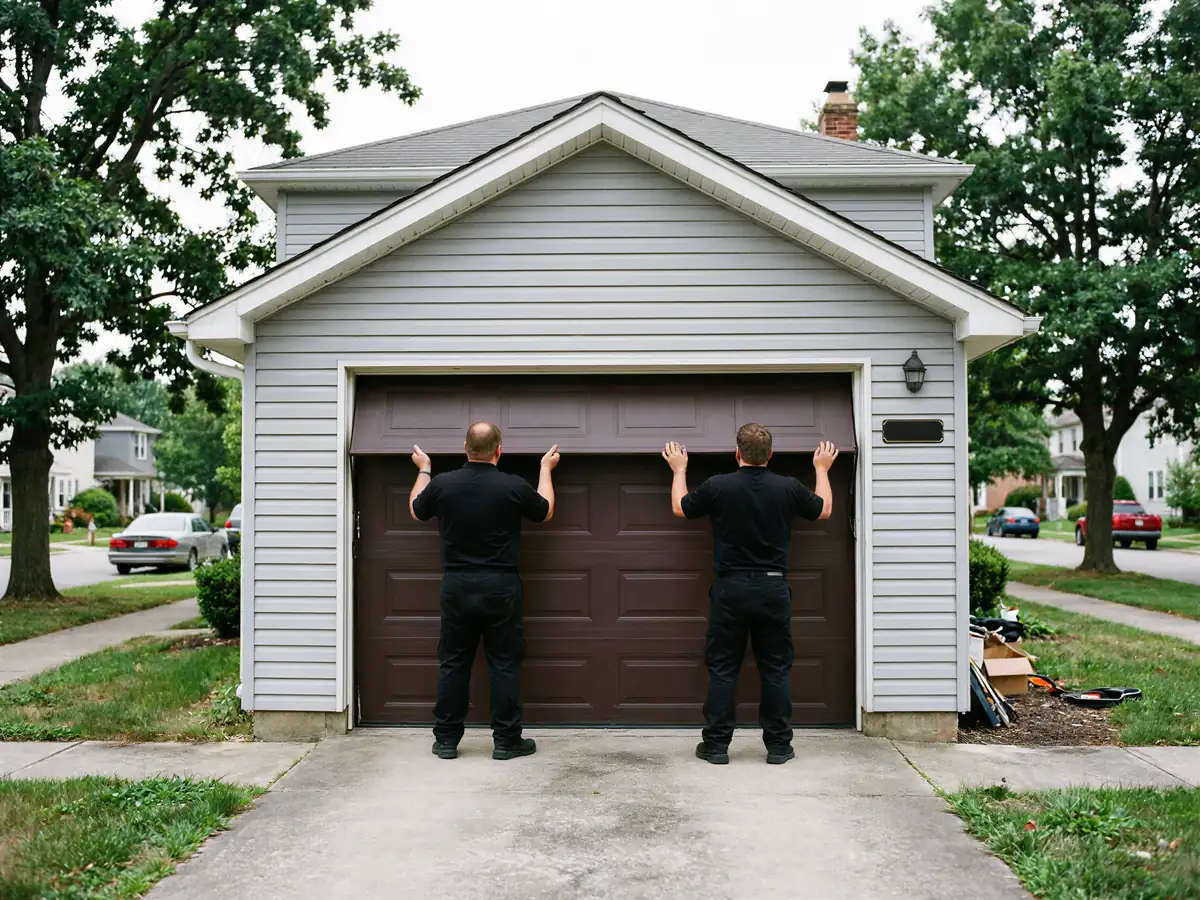
When that door jumps track, the instinct is to grab the bottom edge and muscle it back into the rollers
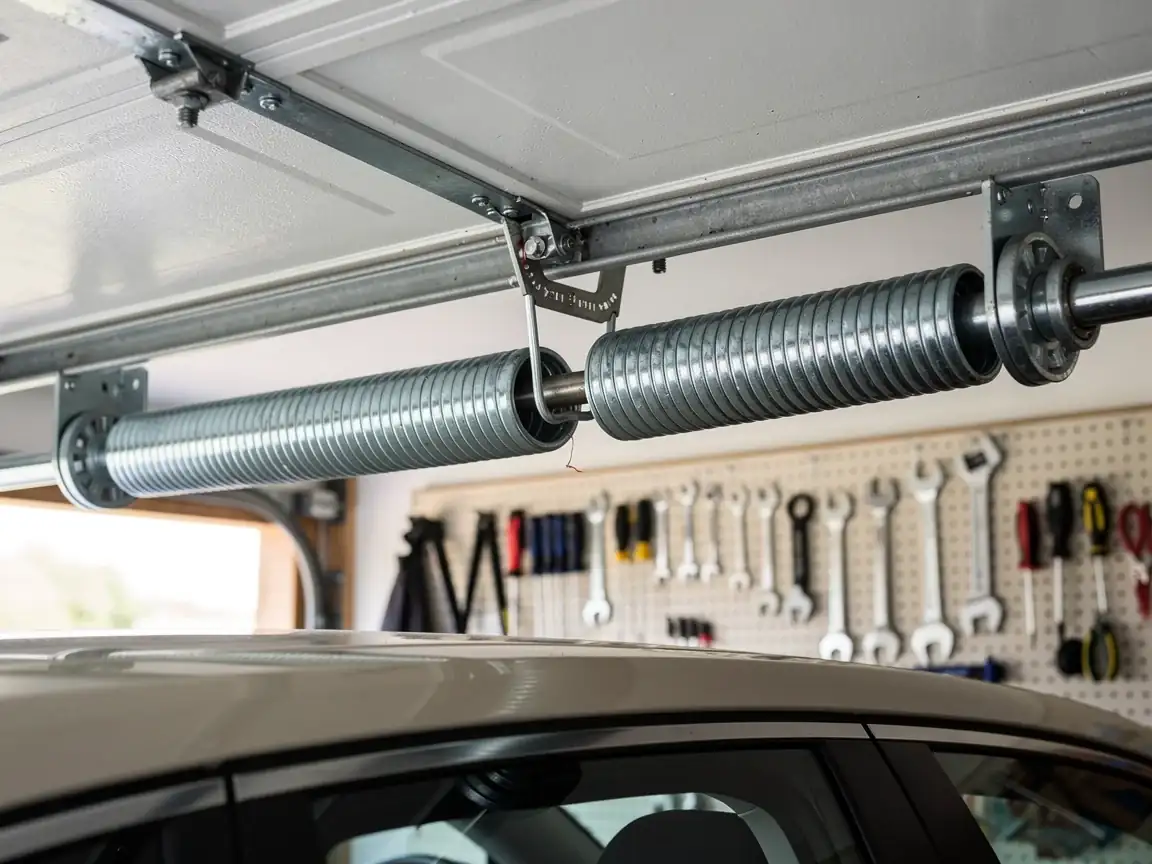
Don't. A door this size, off its track, is under spring tension you can't see and can't predict - if a cable has slipped along with the rollers, the door can drop without warning. If the door moves freely by hand with the opener disconnected, that's one thing. If it's bound up, jammed at an angle, or the opener is still straining against it, step back and call it in. We'll say plainly: this isn't a job for a ladder and a Saturday afternoon on a door of this vintage.
The Cost of This Job
We don't have a flat number to hand you here, and we won't invent one. What we can tell you is what drives the price on a Williamston call: whether the rollers and track bent on the way off, or just popped loose clean; whether a cable came with them; and whether this is a single door or one of the wider doubles. A clean re-track with no bent hardware is a different job than one where the track bracket pulled out of the jamb and needs re-anchoring.
Williamston's median household income runs a bit under $74,000, and we price the same honest way we would for any household in that range - we tell you what we see on the door before we touch it, not after. If a part needs replacing instead of straightening, we'll say so and explain why bending it back isn't worth the comeback call six months later.
What Causes It Around Here
A door built when this part of Williamston was developed - around the late 1970s - was hung on track hardware that was standard for its time but never built with four decades of use in mind. Track brackets loosen a fraction of a degree every winter as the wood jamb behind them swells and dries, and in a cold-climate town like this, that cycle runs hard every year: freeze, thaw, freeze again.
The other common cause is simpler - a roller finally gives out. On a door this old, the rollers are often the originals or a prior owner's cheap swap, and a cracked or flat-spotted roller will walk itself right out of the track under the door's own weight. Add a winter where ice builds up in the track bottom, which isn't rare here, and a door that's been riding loose for a year finally jumps.
Time on the Job
A straightforward off-track call
Rollers out, track intact, nothing bent - usually gets a Williamston door back on and running the same visit. Where it runs longer is when the track itself bent on the way off, or when the bracket pulled loose from the jamb and needs to be reset into solid wood, which on an older house isn't always where you'd expect it.
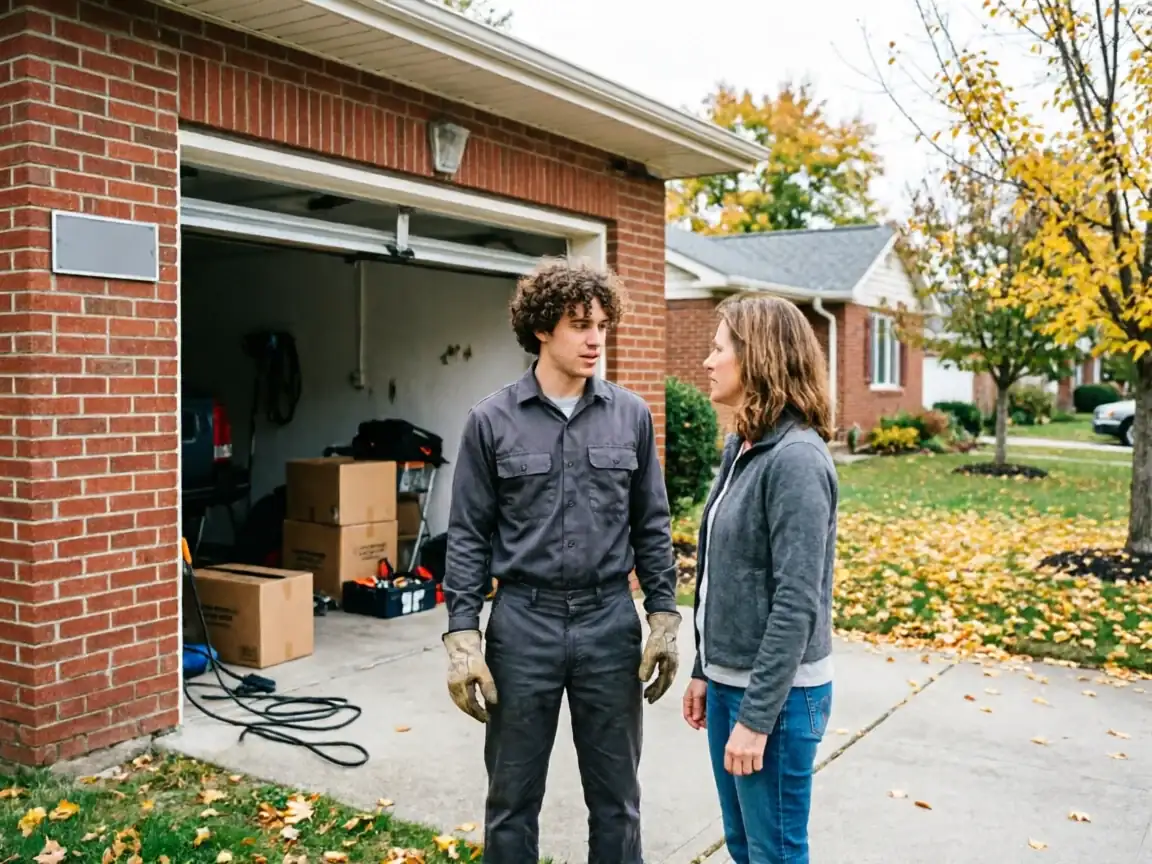
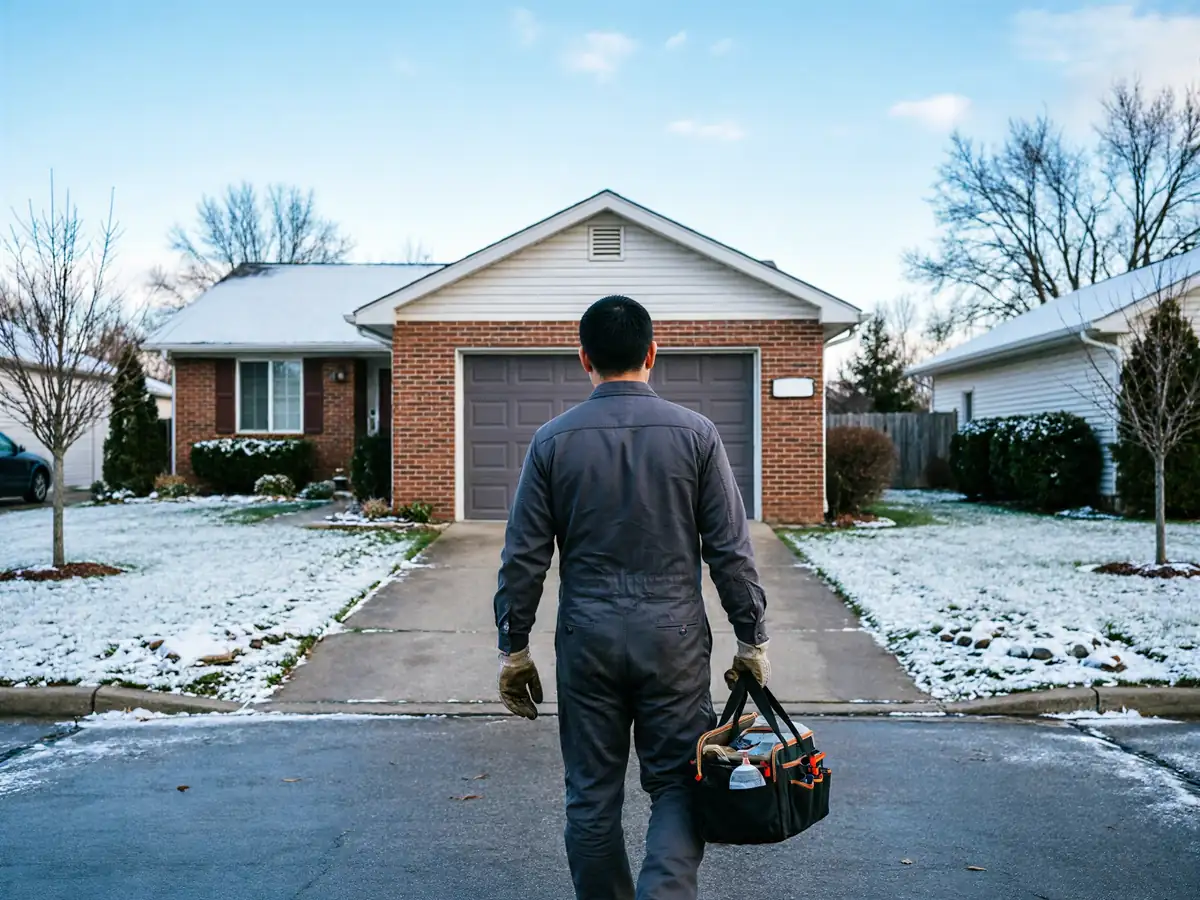
We drive out from East Lansing for these calls, about 11 miles each way
So we plan the visit to get everything needed on the truck the first time rather than making a second trip for a part. If the door is one of the heavier older steel units and the track needs full replacement rather than a straighten-and-reset, that's the one scenario where we'll tell you up front it's not a same-visit fix.
- 11 miles
How It Shows Up
Usually it's not subtle. The door hangs crooked in the opening, cocked a few inches lower on one side, or it's stopped dead a foot off the floor with the opener motor still grinding against it. Sometimes you'll hear it before you see it - a scrape or a bang as a roller catches the edge of the track instead of riding inside it.
On the older steel doors common to Williamston's 1970s-era housing, you'll sometimes see it coming first: a door that's started riding slightly crooked on its own, closing a little faster on one side than the other, weeks before it actually jumps. That's the track bracket already loosening. Catching it at that stage is a smaller job than catching it after the door's on the garage floor at an angle.
How We Fix It
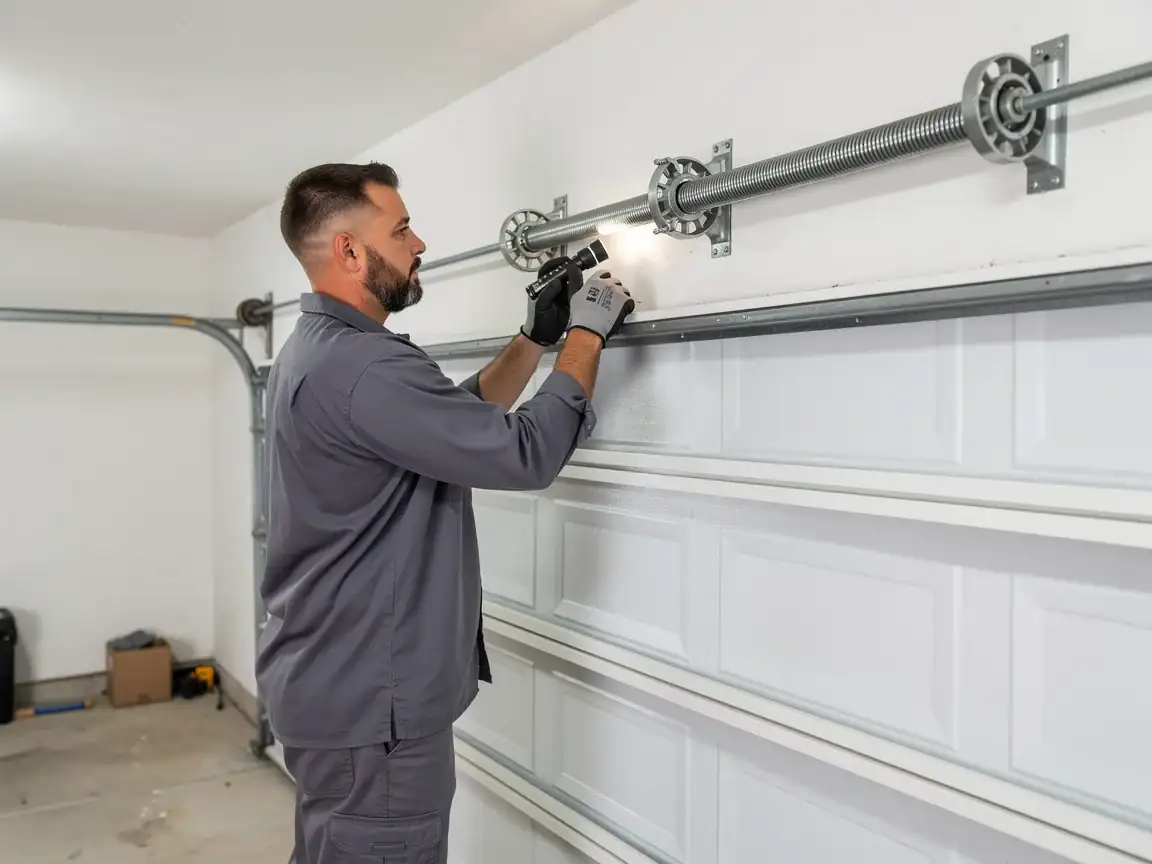
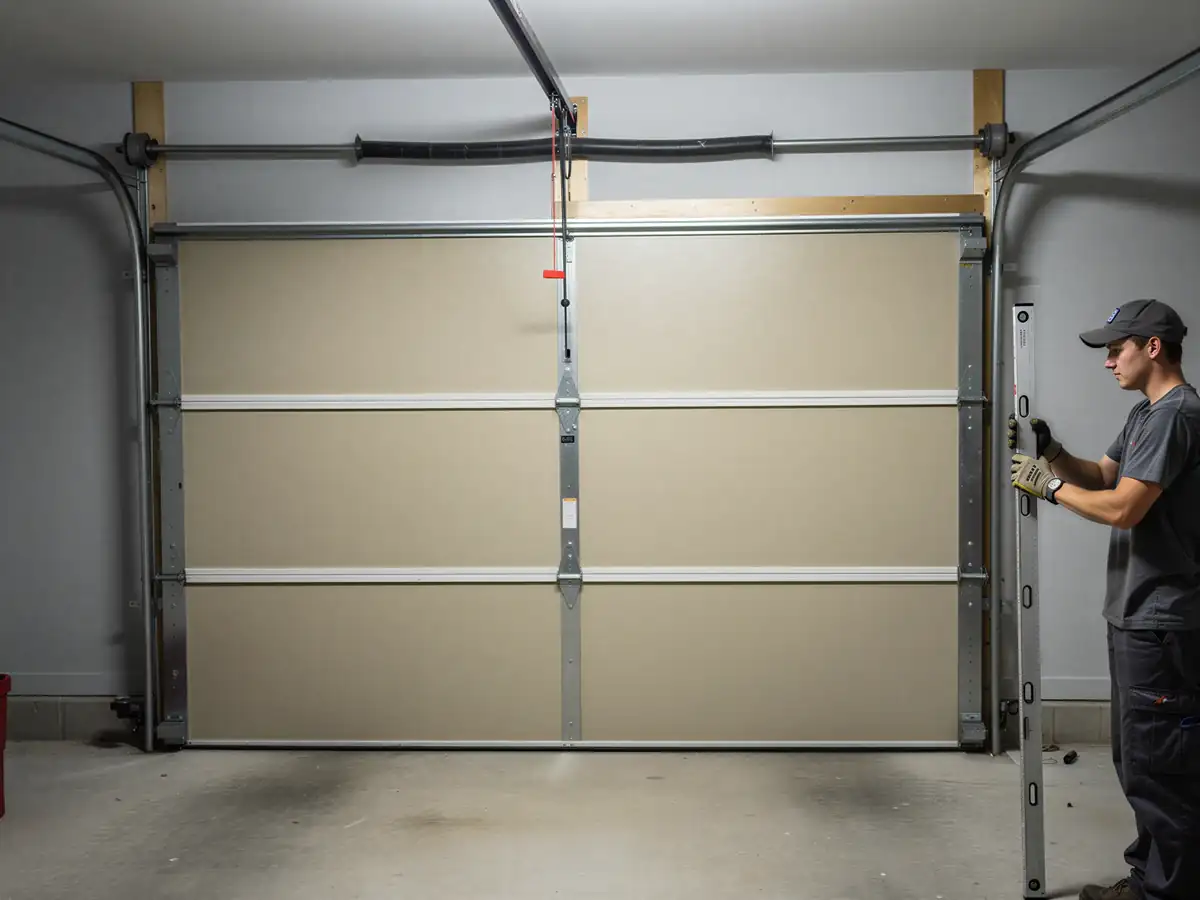
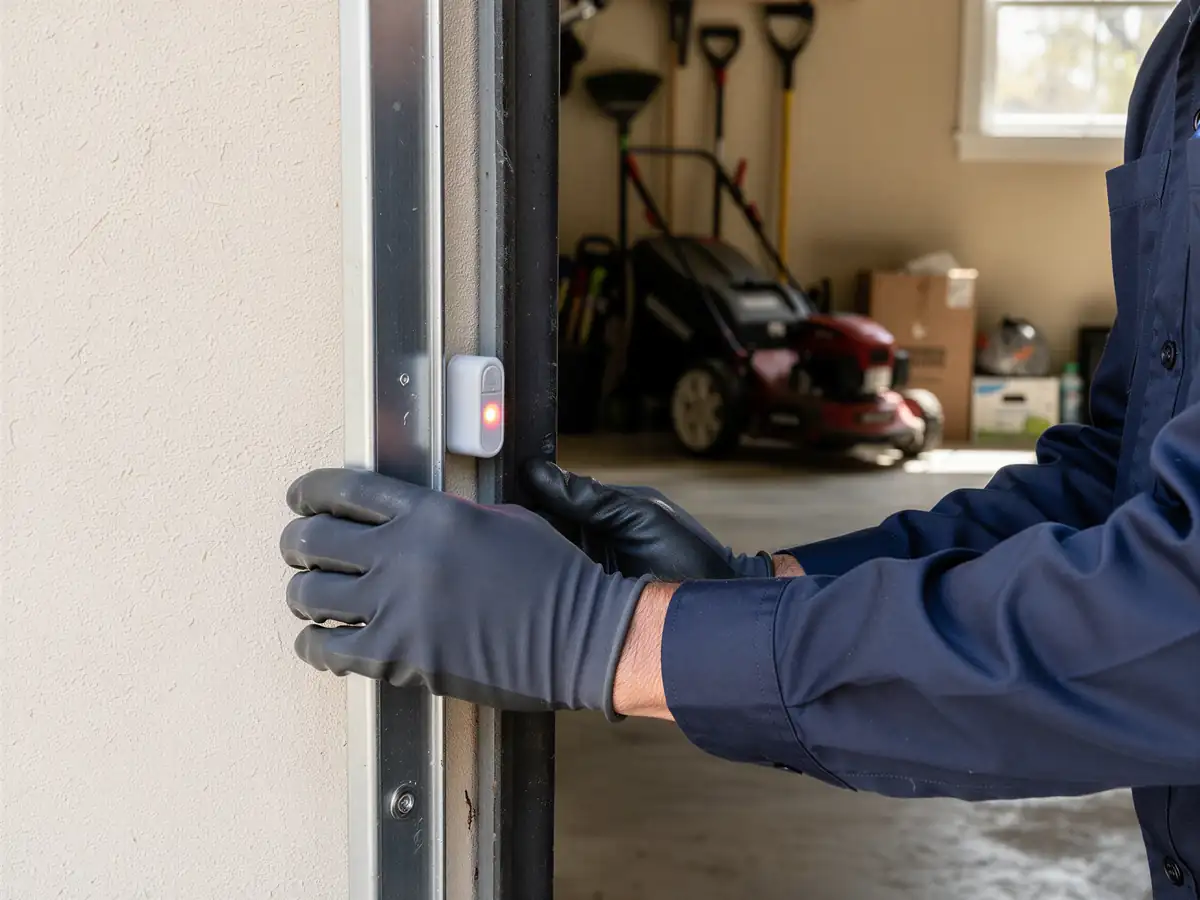
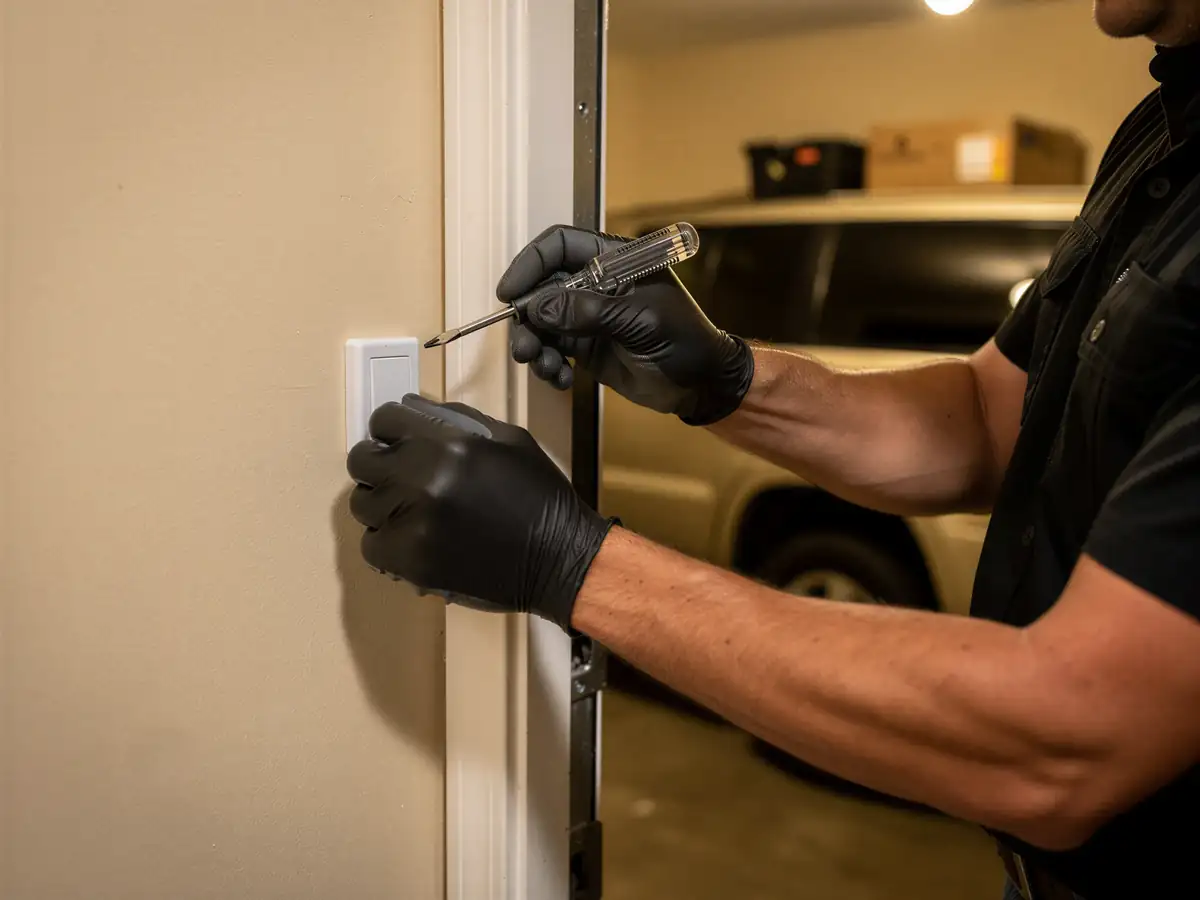
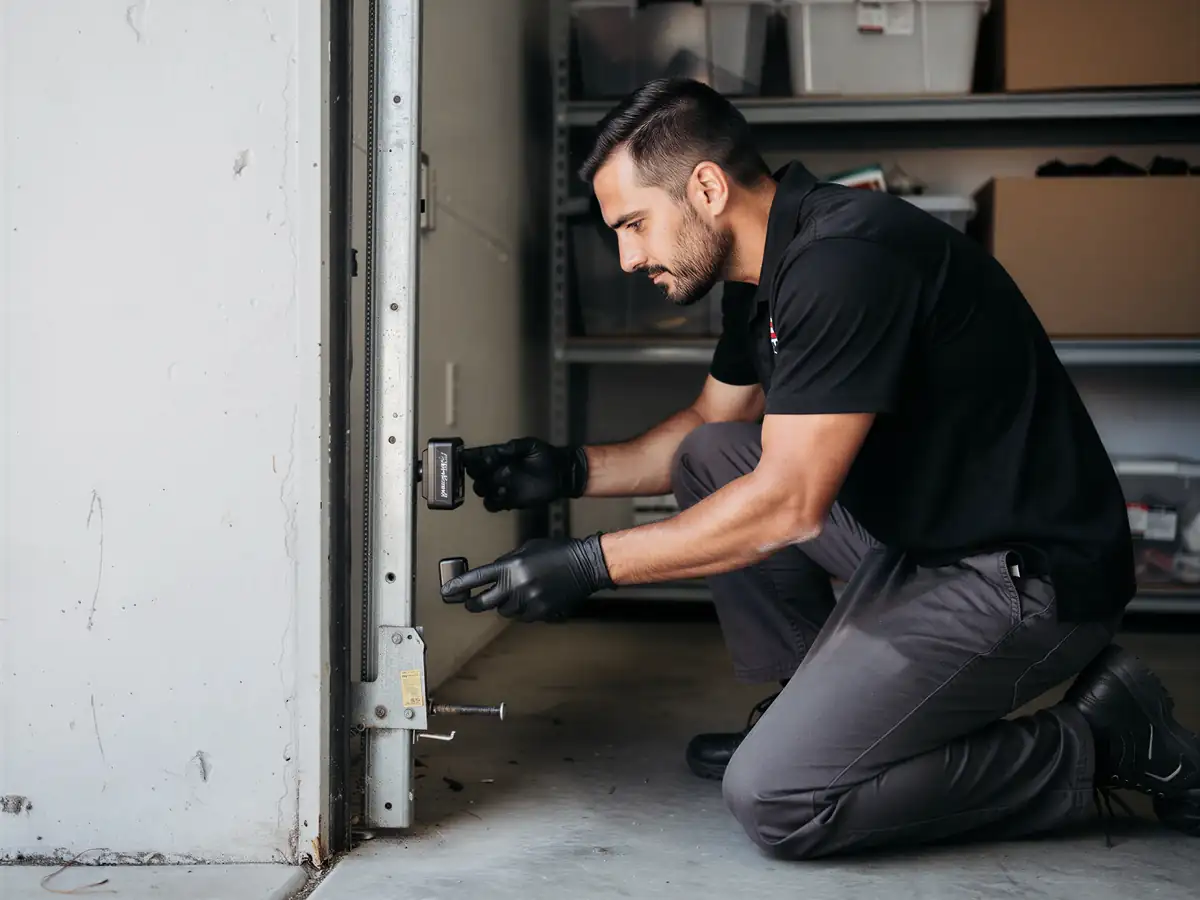
First thing on site, we check what's actually loose - rollers, cable, or the track bracket itself - before anything gets pried or forced. On a 1970s-era door, we're checking the bracket's anchor points into the jamb carefully, since wood that's had forty-plus years of freeze-thaw cycling doesn't always hold a screw the way it did originally; sometimes the fix includes re-anchoring into solid wood next to the old holes, not just re-hanging the same bracket.
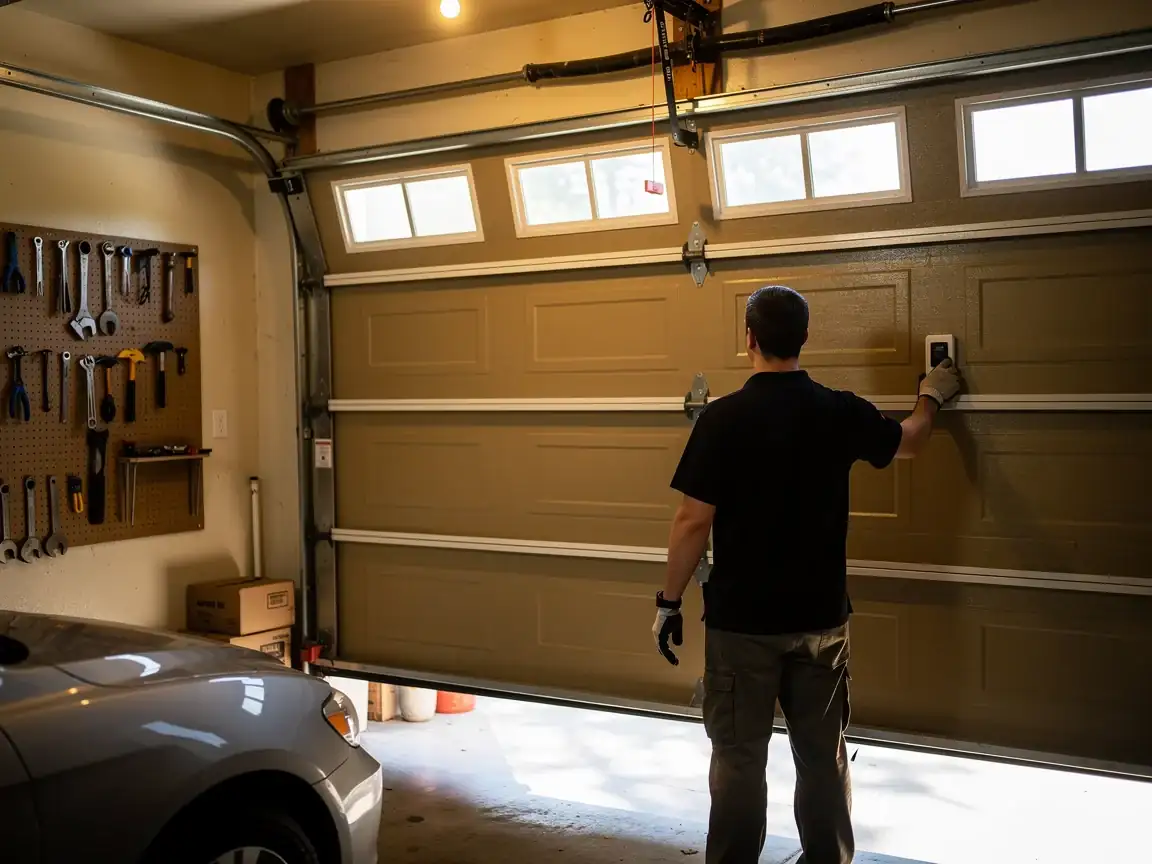
If the rollers are the problem - cracked, flat-spotted, or just worn round - we replace them rather than reuse them, since a door this old is already asking a lot of whatever rollers are left. We test the full travel of the door under spring tension before we call it done, not just that it closes once. If the track itself is bent beyond a clean straighten, we'll tell you that's a track replacement, not a patch, and explain the difference in what you're paying for.