The DIY Question
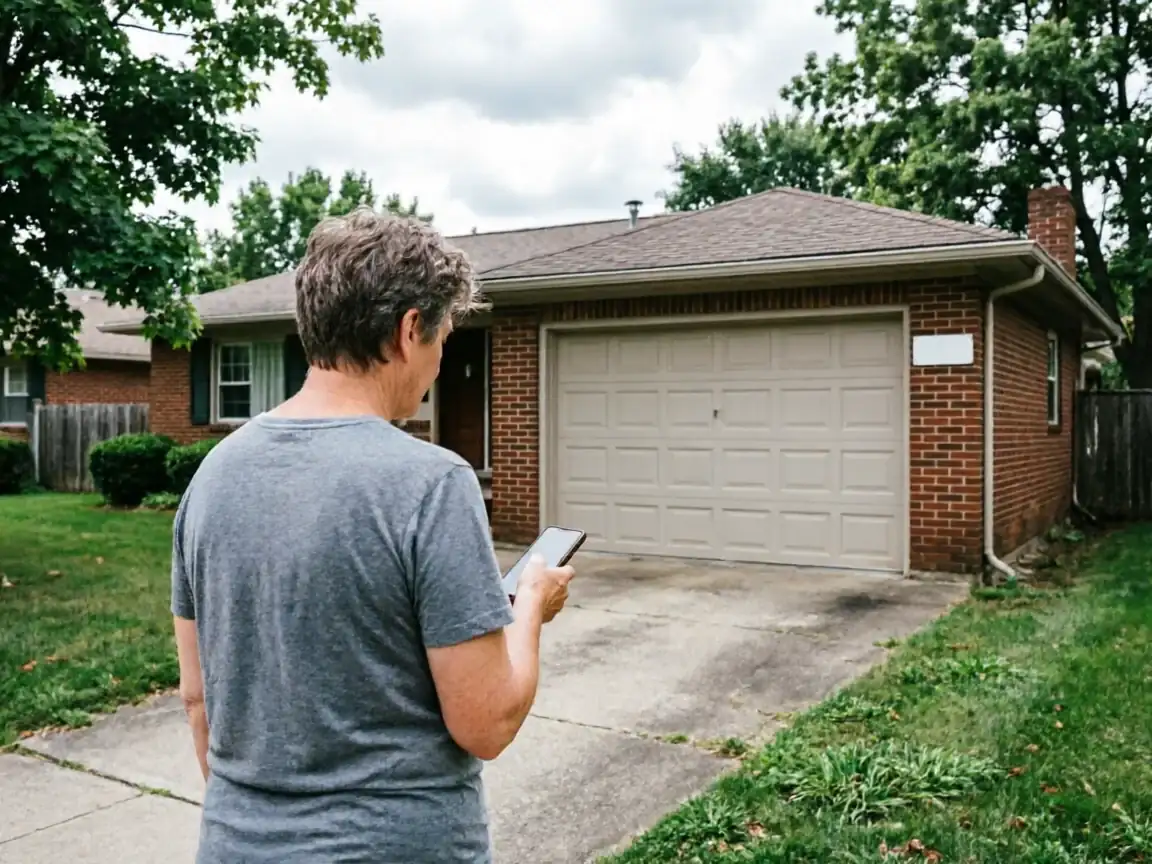
The typical Williamston house went up around 1978
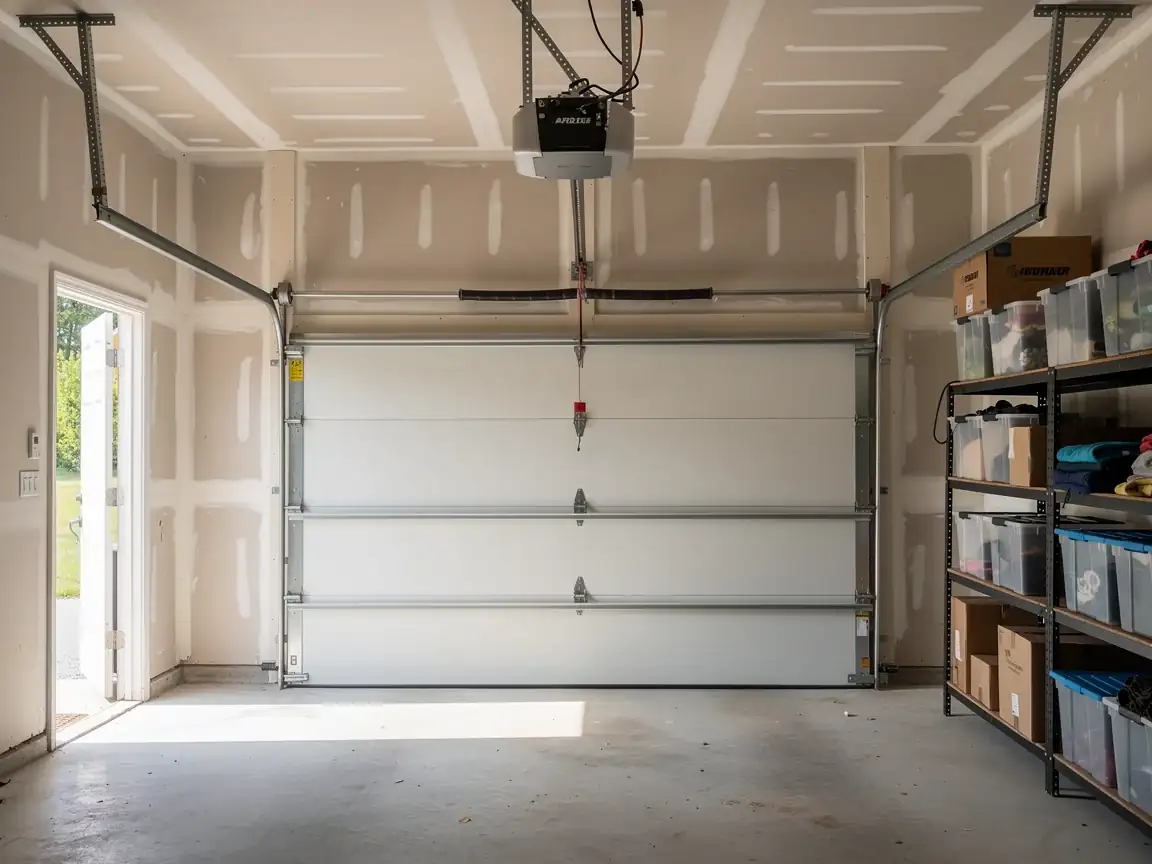
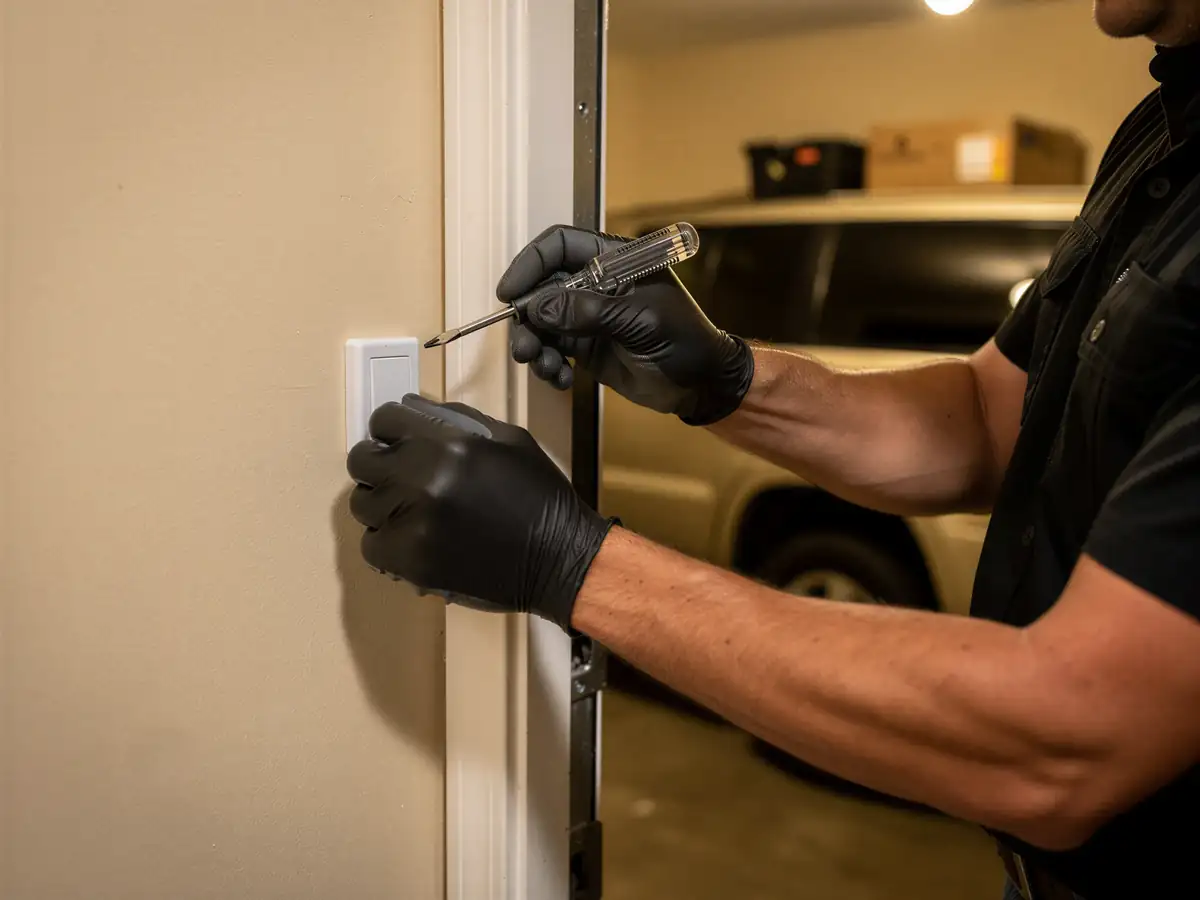
That year matters more than people think, because it tells you what kind of opener is probably bolted to your ceiling joist right now: a chain-drive unit built for a steel or wood panel door, likely on its first or second replacement motor since the house was built. Swapping a like-for-like chain-drive opener on a standard bracket is within reach for a handy homeowner with the right tools and a second pair of hands for the rail.
Where it stops being a DIY job is the wiring and the safety sensors
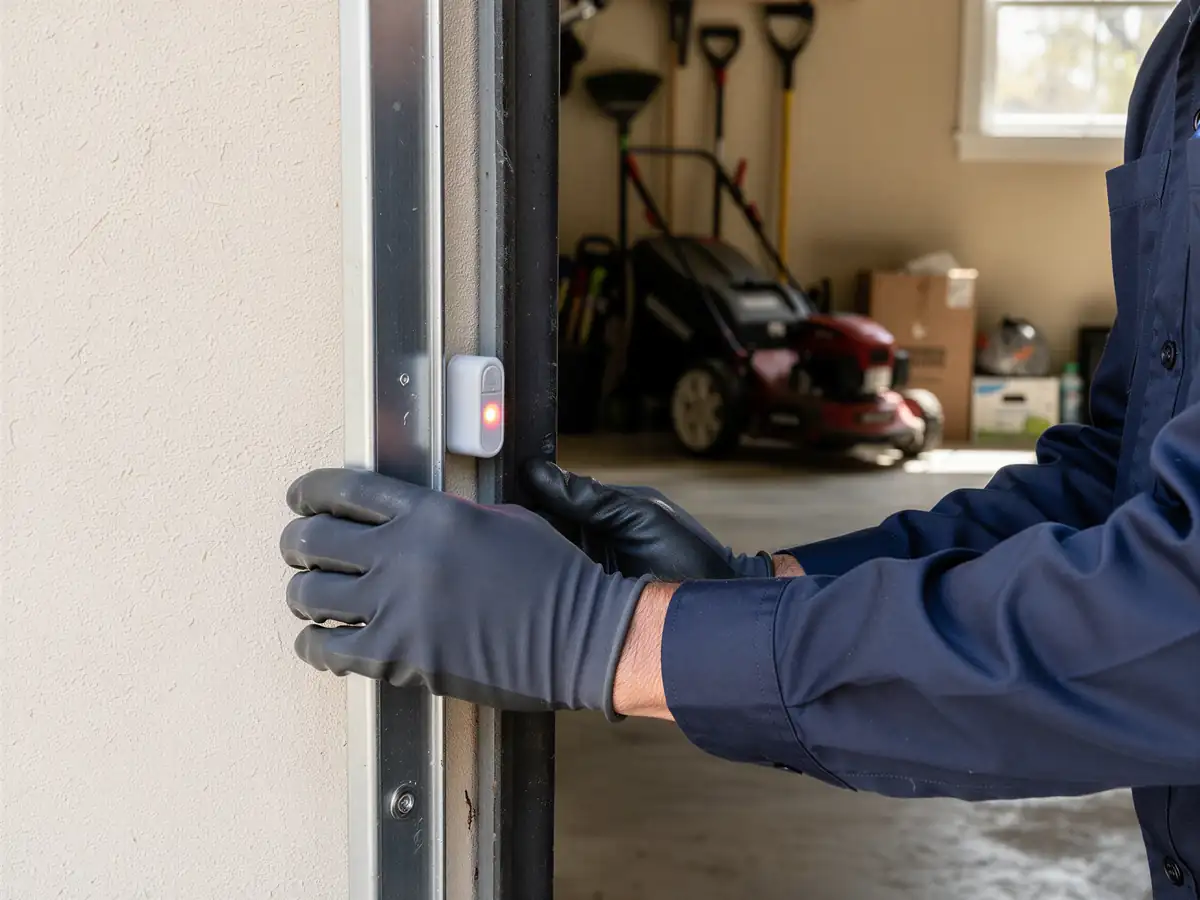
If your house still has its original opener from that era, there's a decent chance the photo-eye sensors were added later or never aligned correctly after a bump from a lawnmower or a bike. Getting the travel limits and force settings right on a new opener is also where most DIY installs go sideways - a door that slams down too hard, or one that reverses for no reason, usually traces back to limit and force settings nobody checked. We're honest that this part is worth paying for even if you handled the mechanical half yourself.
The Cost of This Job
We don't publish a flat number here because the job itself isn't flat - a straight opener swap on existing compatible hardware costs less than a job where we also have to replace a cracked rail, add a keypad, or rewire a dead outlet in the garage ceiling. What we can tell you is how Williamston households tend to think about this decision: with a median household income around $73,900 for the town, most owners we talk with want to know whether a repair now buys them a few more years, or whether they're better off putting that money toward a new unit outright.
That's a fair question and the honest answer depends on the opener's age and the shape of the rest of the door. A chain-drive opener from the builder-grade era is usually not worth repairing piece by piece once the main gear or circuit board goes - parts for that generation are getting harder to source, and a new unit comes with a warranty the old one never had. We'll tell you flat out when a repair isn't worth it rather than stack small fixes onto an opener that's done.
What Causes It Around Here
Two things stack up against garage openers in a town like Williamston. First is age: with housing clustered around a 1978 median build year, a lot of these openers are original or are the first replacement, meaning the motor, gears, and capacitor have put in decades of work already. Second is the climate - this area sits in a cold-severe band, and cold is hard on an opener in ways that aren't obvious until it fails. Grease in the drive gear thickens, chain tension changes as metal contracts, and the start capacitor that gives the motor its initial kick is one of the first parts to give out on a frigid morning.
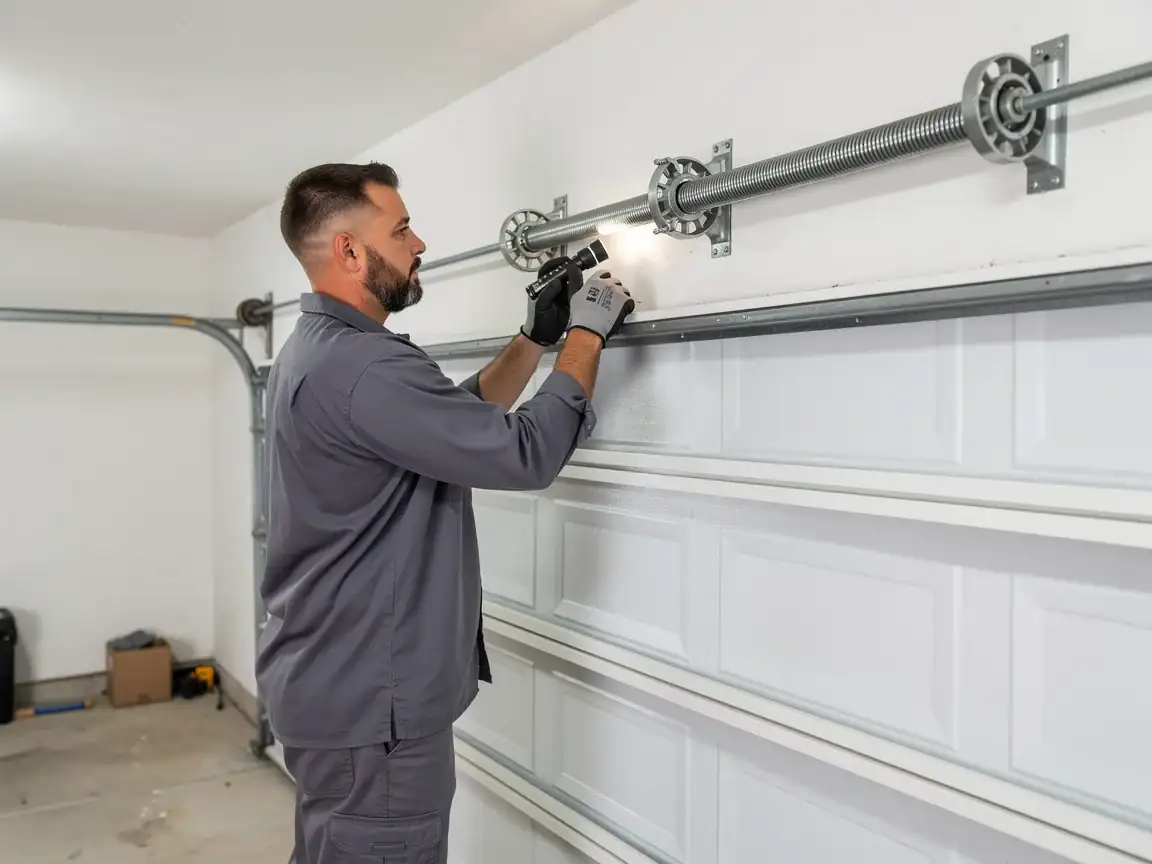
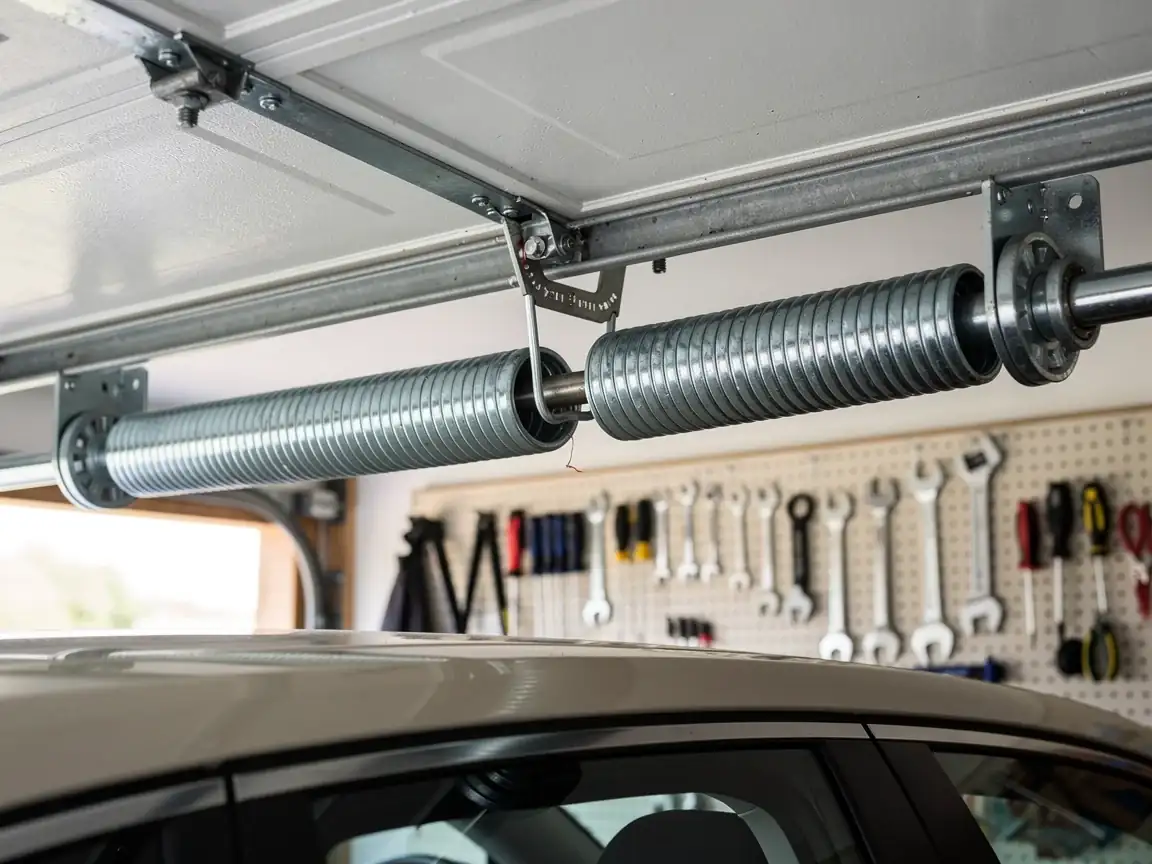
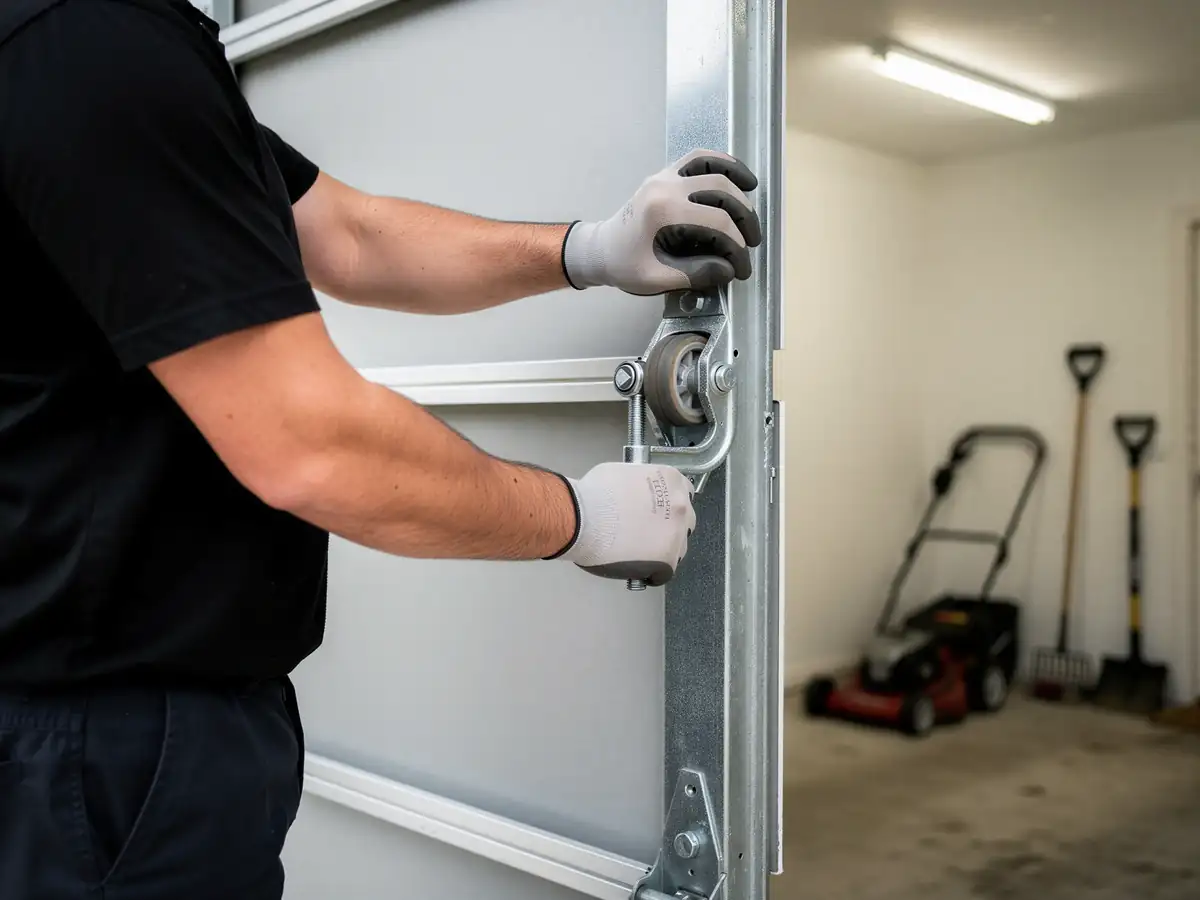
We also see openers struggling simply because the hardware around them has drifted out of spec over the decades - a track that's shifted a quarter inch, rollers that have worn down, or a spring that's lost tension all make the opener work harder than it was built to. The opener usually gets blamed first because it's the part that stops working, even when the real wear started somewhere else on the door.
Time on the Job
A straightforward opener swap
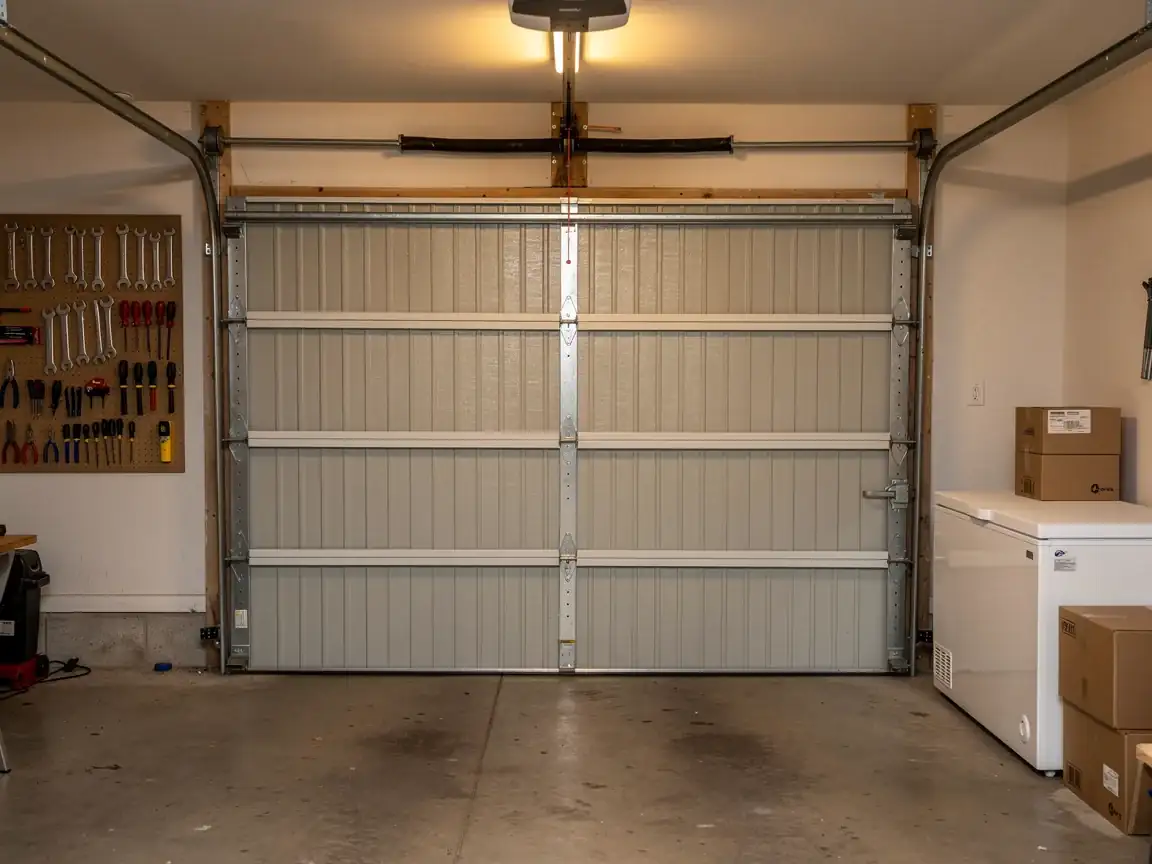
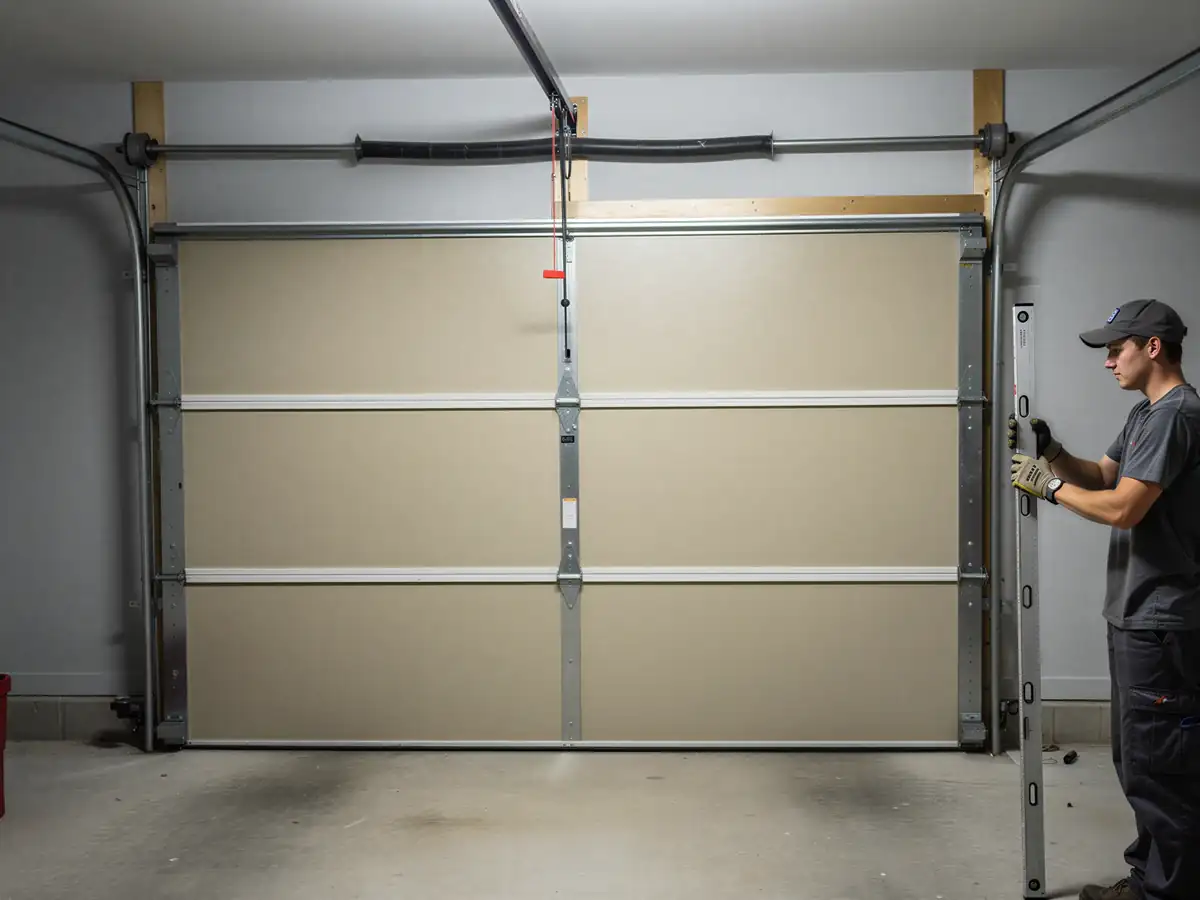
Where the rail, header bracket, and wiring are already in decent shape, is a same-visit job - we pull the old unit, mount the new one, run the rail, and set the limits and force before we leave. Where the time adds up is in houses from Williamston's building era that still have the original mounting hardware: sometimes the header bracket isn't rated for a heavier modern opener, or the door itself needs a reinforcement bracket added before a belt-drive unit will run quiet on it.
We won't know which situation your garage is until we look at it
Because a 1978-built house could have had any number of owners do any number of repairs in the decades since. What we can promise is that we don't start setting travel limits and force settings until the mechanical side - rail, bracket, door balance - is actually sound. Rushing that step is how you end up back here in six months with a door that won't stay closed.
How It Shows Up
The most common sign we hear about from Williamston homeowners is an opener that strains or groans before it moves the door at all, especially on a cold morning - the motor is working against thickened grease and a chain that hasn't settled into its warm-weather tension yet. Close behind that is a door that starts to close and then reverses partway down for no visible reason, which usually means the force setting is miscalibrated or the limit switch has drifted, both common on openers that have been running since the house's original installation.
Some owners notice the remote stops working reliably before anything else - the receiver board inside an aging opener loses range gradually, so you end up standing closer and closer to the door before it responds. And a few call us only after the opener stops entirely, usually with the trolley carriage disengaged and the door sitting wherever it was last left, which tells us the drive gear has stripped out. None of these point to the same fix, which is why we look at the whole setup rather than just swapping the loudest part.
How We Fix It
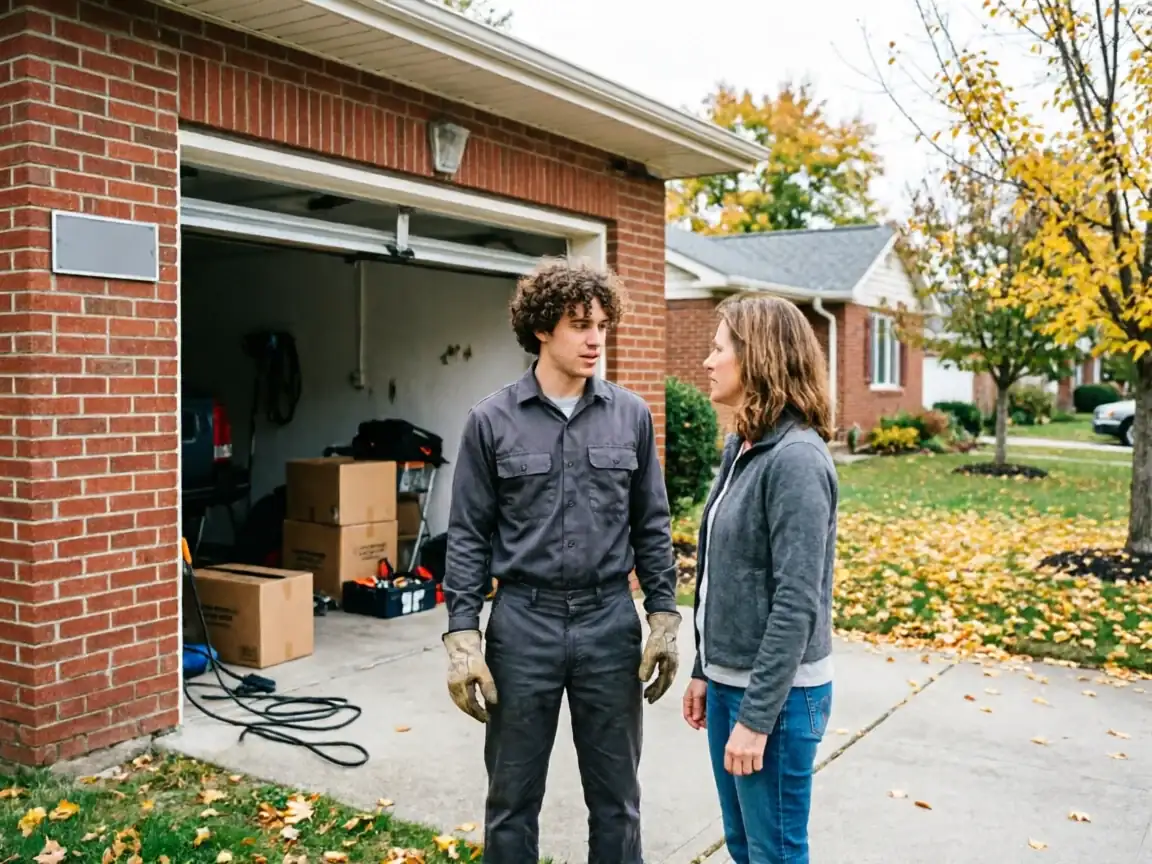
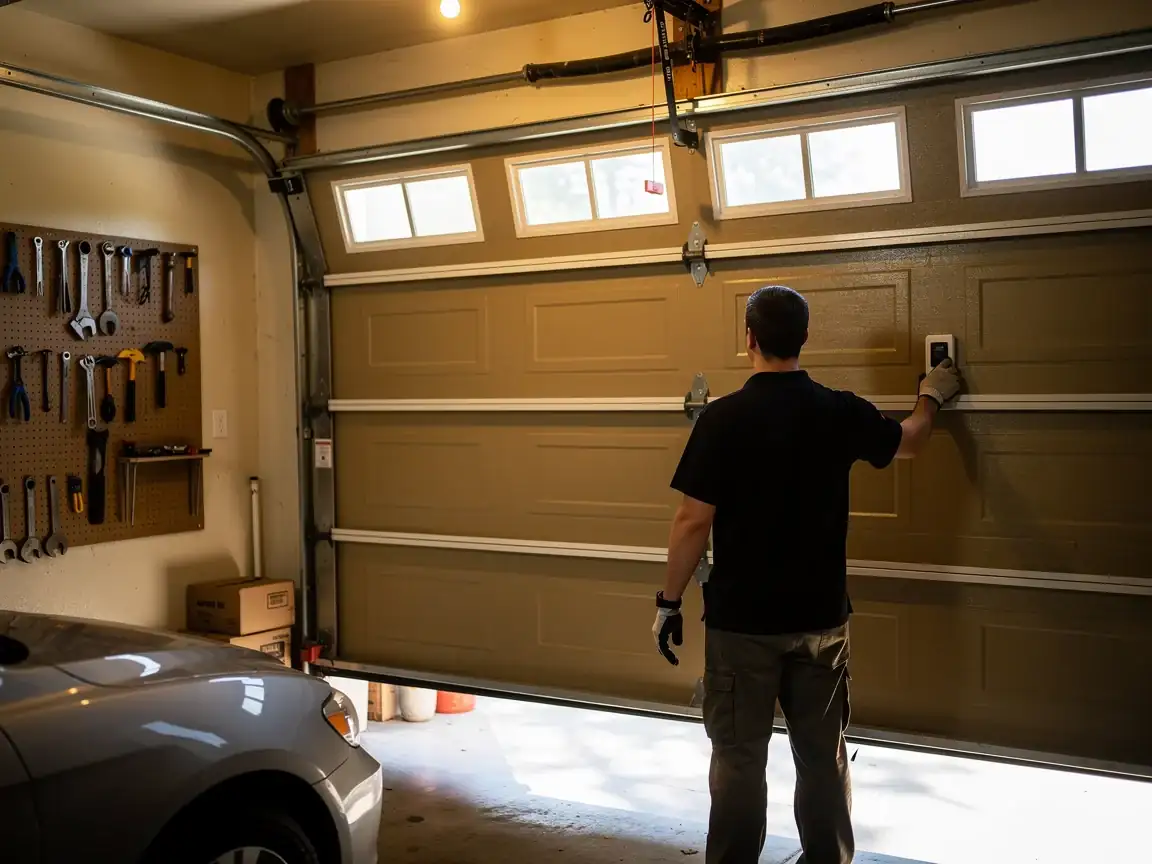
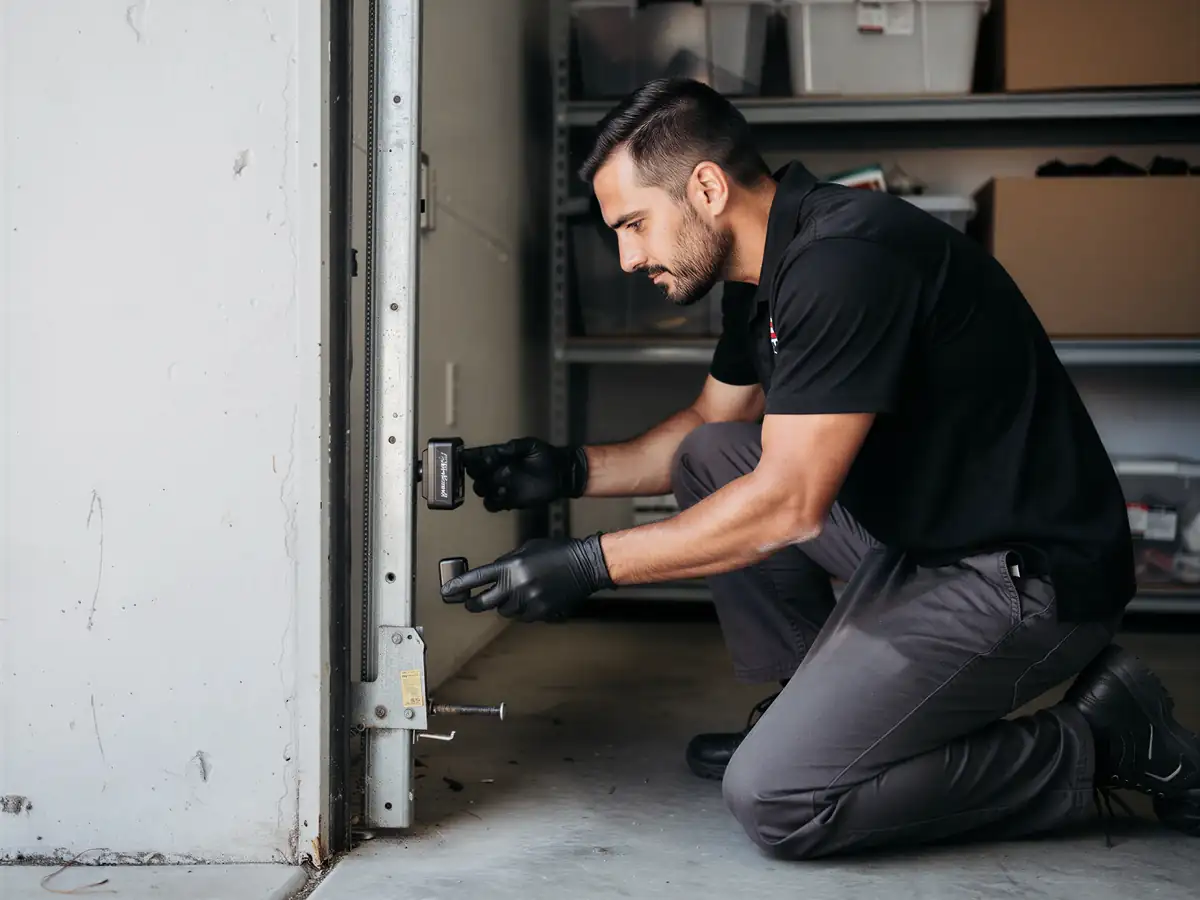
We come out from East Lansing, about 11 miles to Williamston, to look at the opener and the door together before recommending anything. If the rail, bracket, and door balance check out, we install the new opener, run and tension the chain or belt, and set the travel limits and the up-force and down-force settings by hand rather than trusting factory defaults - those defaults are made for an average door, not yours.
We test the safety reversal with a real object under the door, not just a visual check, and we make sure the remote and any wall control are paired and working before we call the job done. If we find the header bracket or rail hardware isn't up to supporting the new unit, we'll tell you before we install anything, not after. For homes where the door itself is the real problem - worn rollers, a spring at the end of its life, a panel that's racked - we'll say so plainly, because a new opener on a tired door just moves the next service call down the road a few months.