Time on the Job
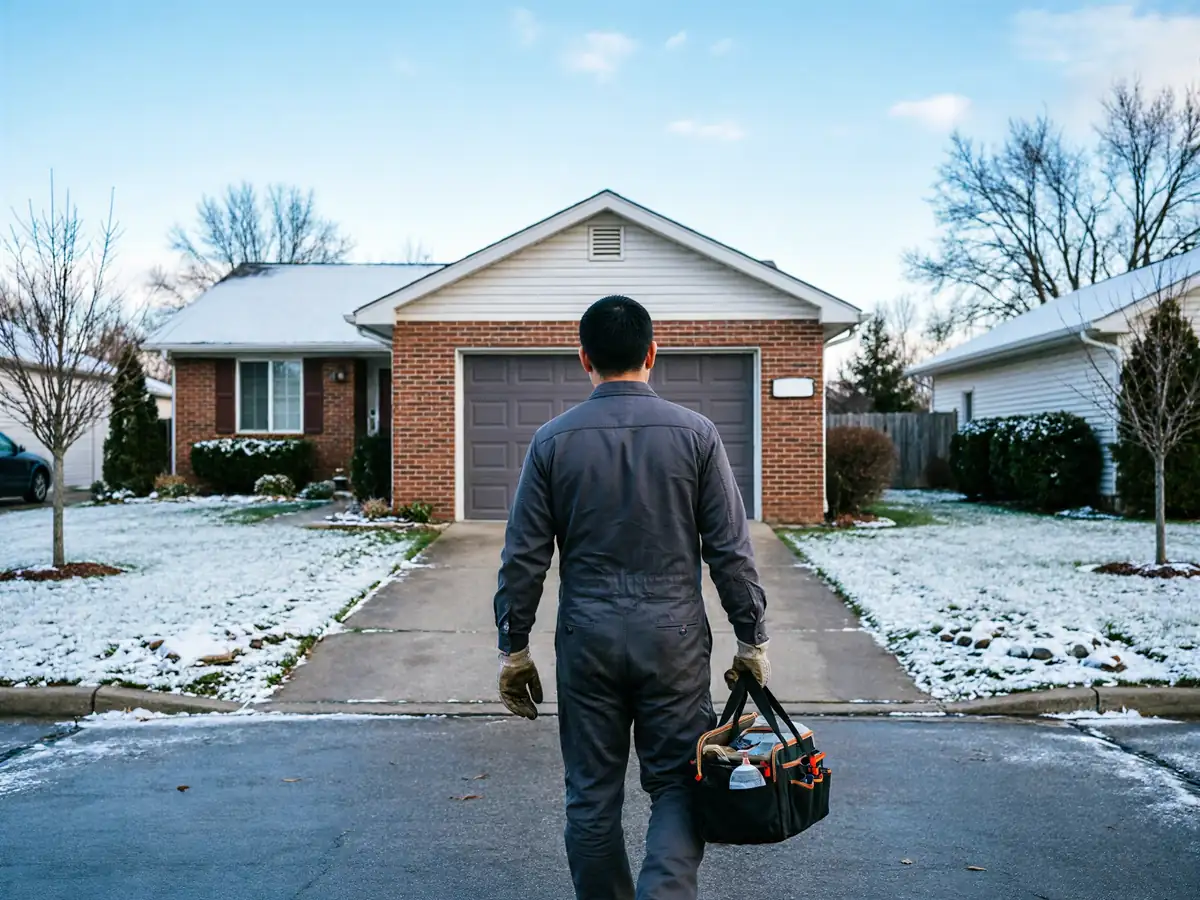
We come out from East Lansing, about 4 miles away, so we're not quoting a same-town response time here - we're honest that the drive adds a few minutes compared to a job inside East Lansing itself. Once on site, most single-spring or opener repairs on a Haslett door run within a standard service window; we don't pad an estimate to sound impressive, and we don't promise a number we can't back. A broken torsion spring on a double door, once we know we've got the right size spring in stock, is usually a same-visit fix. Anything requiring a special-order part - an obsolete opener logic board, for instance - gets scheduled for a return trip rather than left half-finished.
How We Fix It
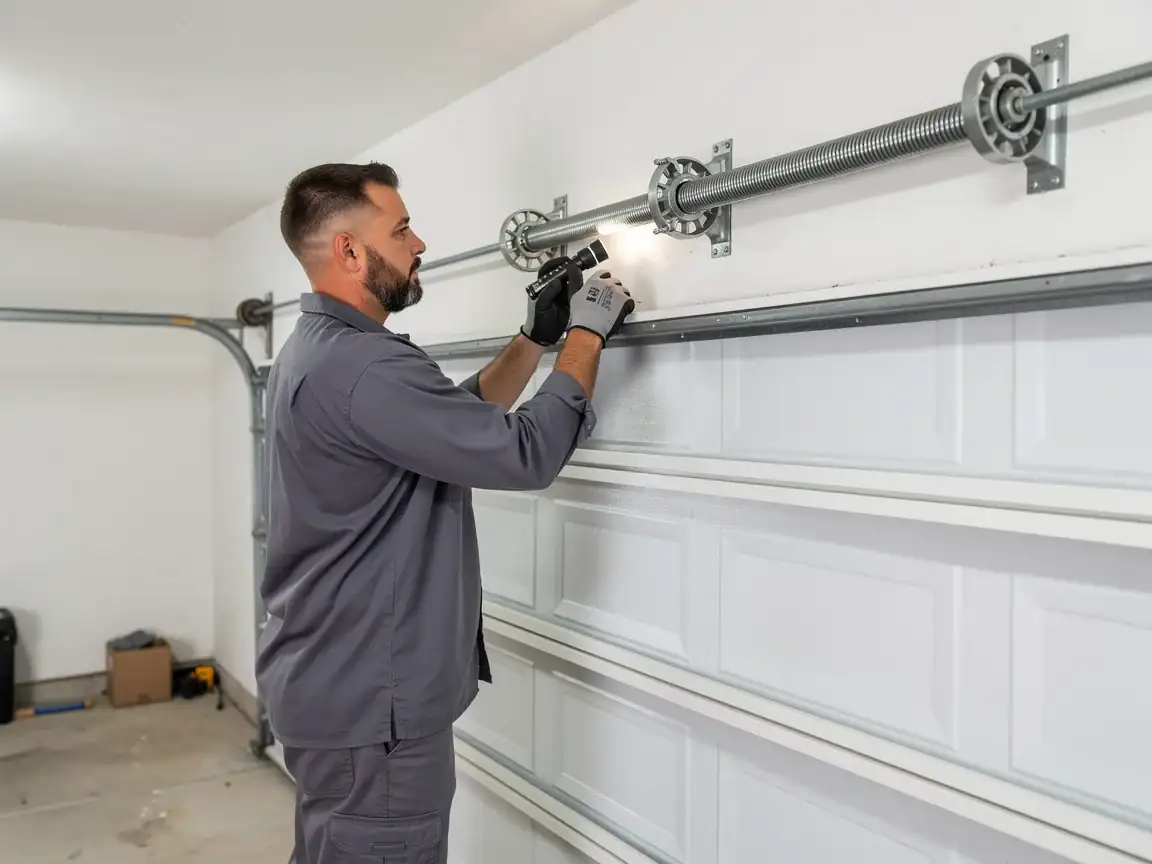
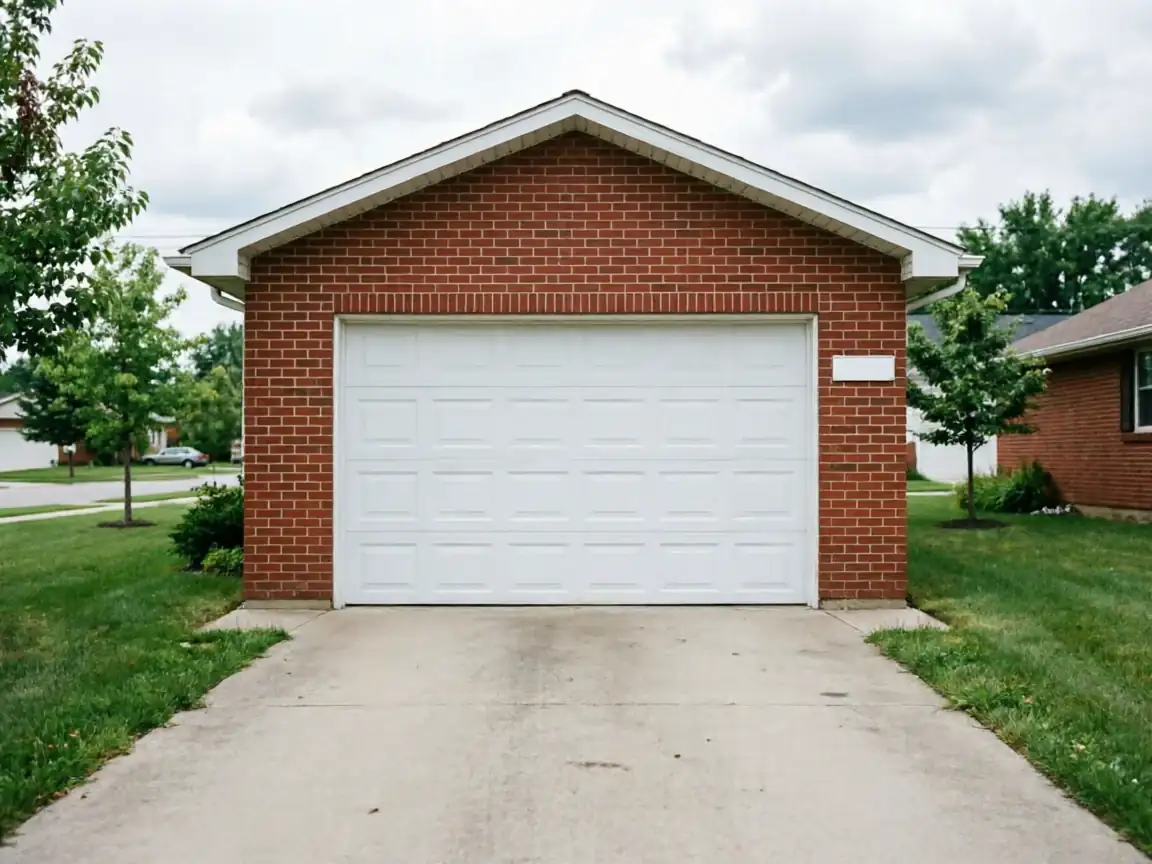
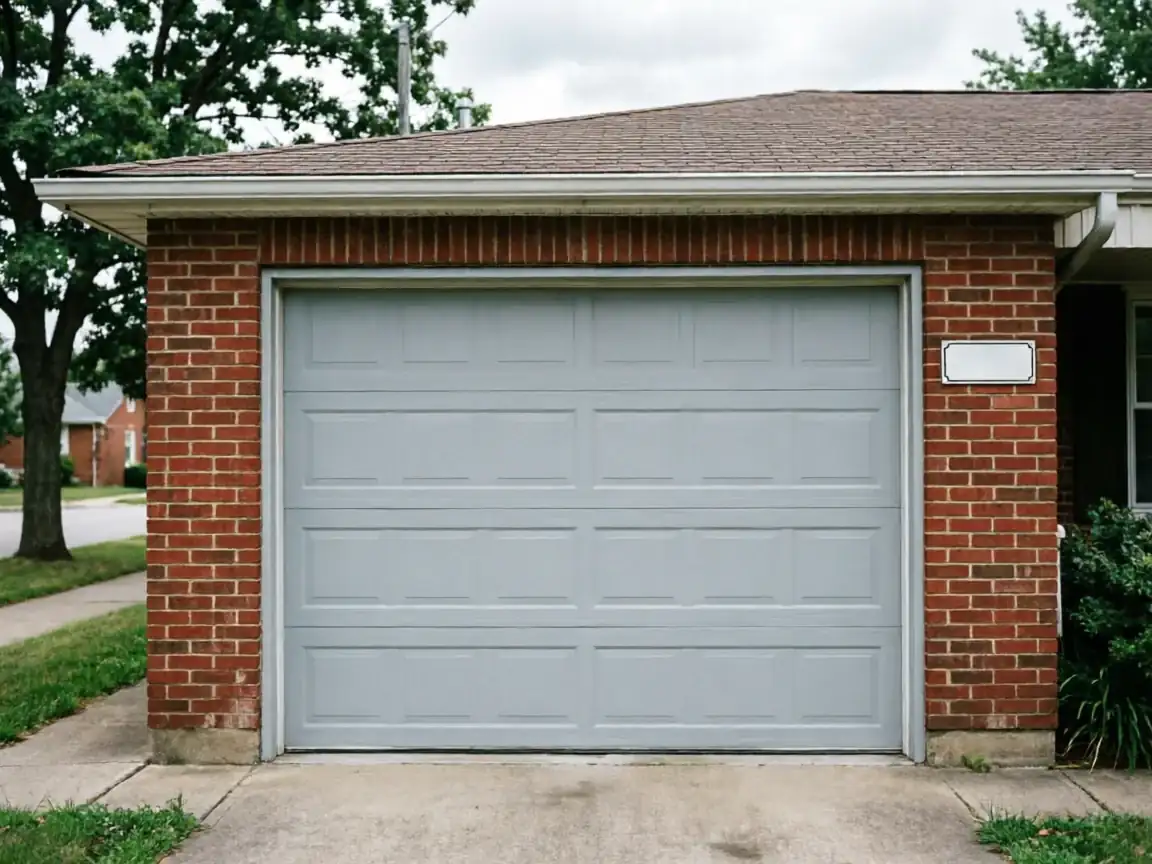
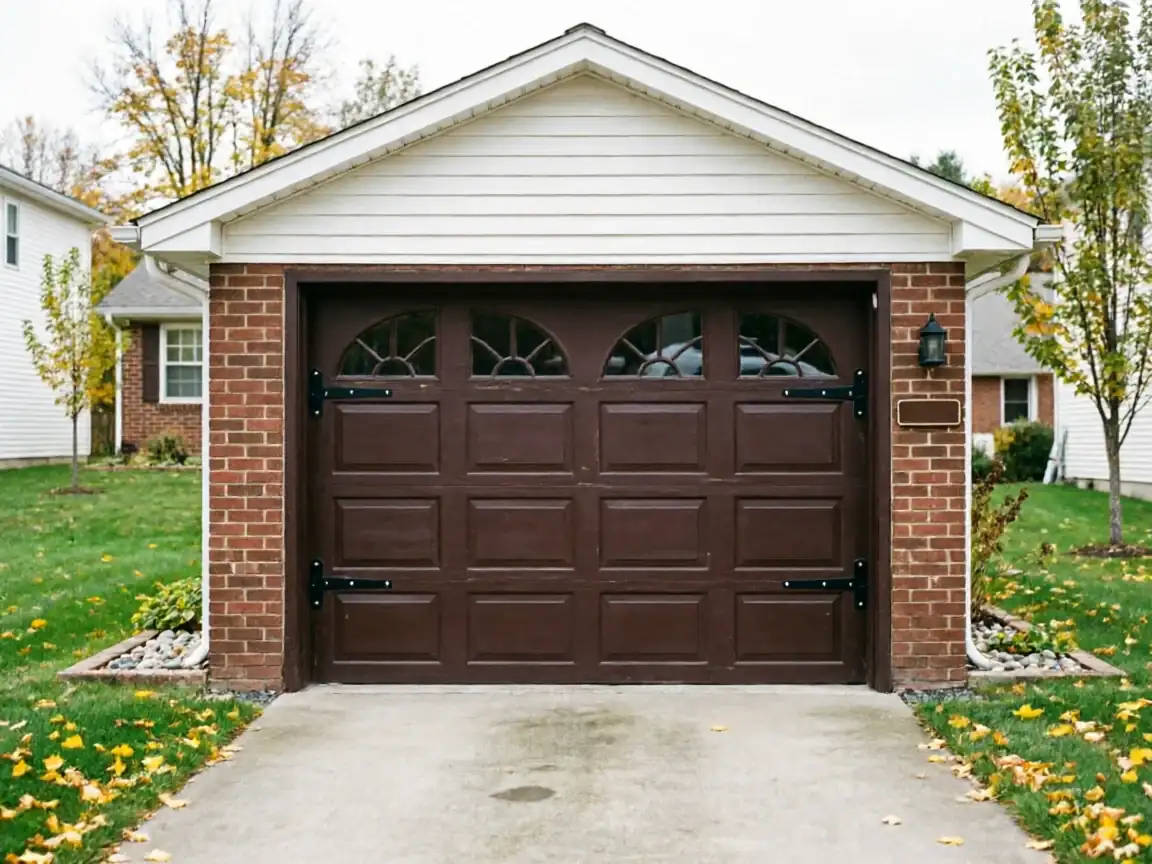
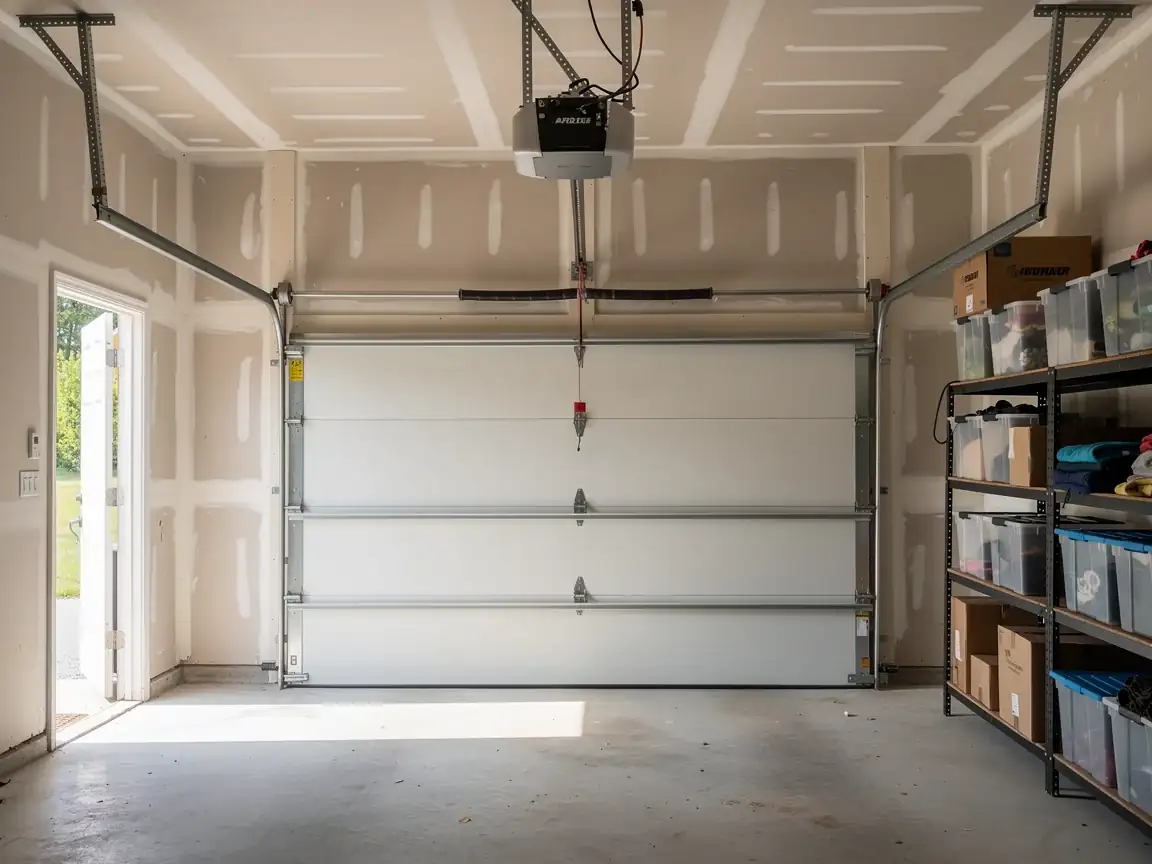
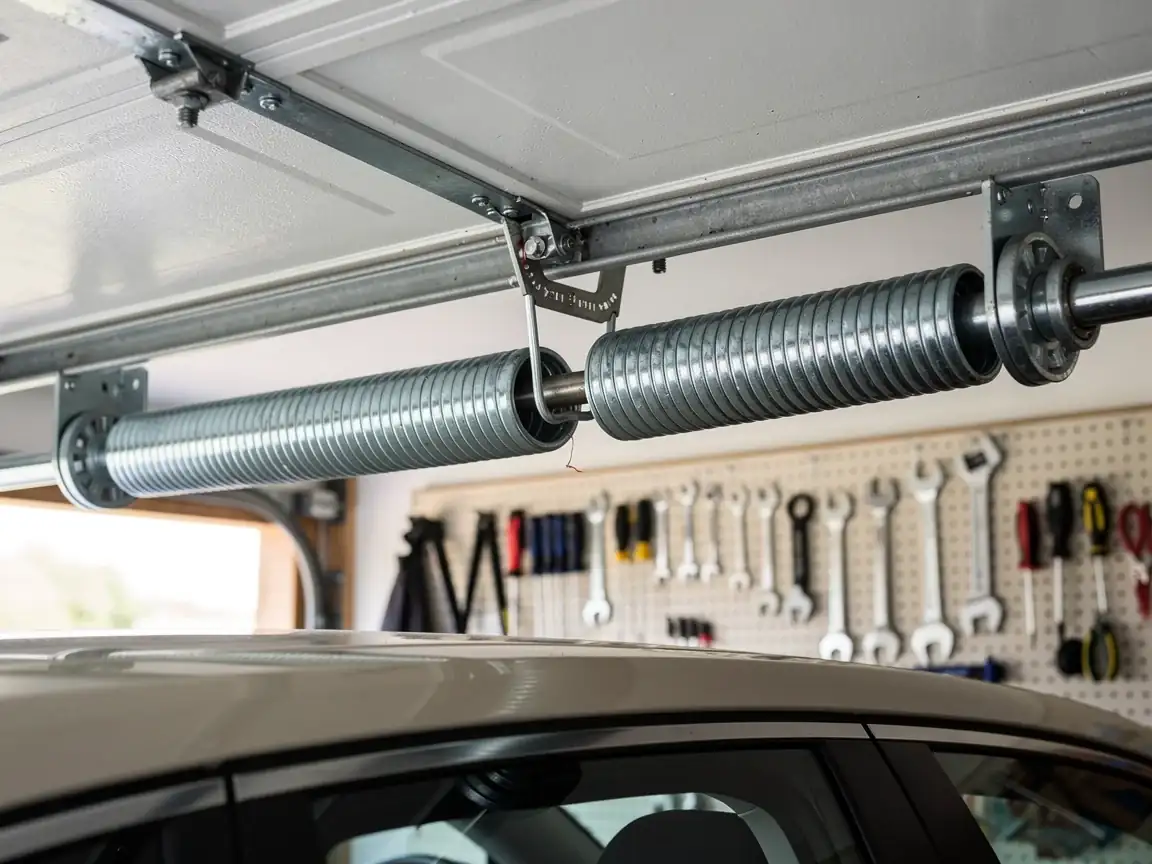
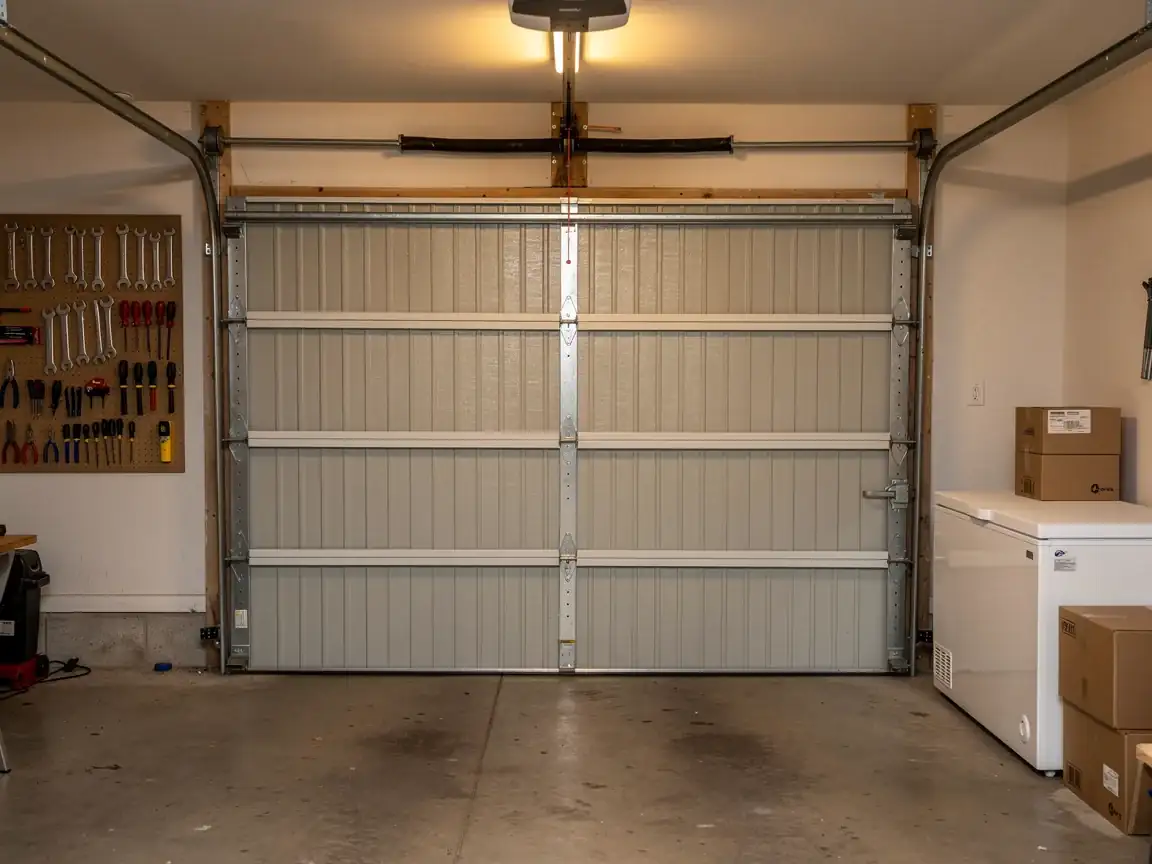
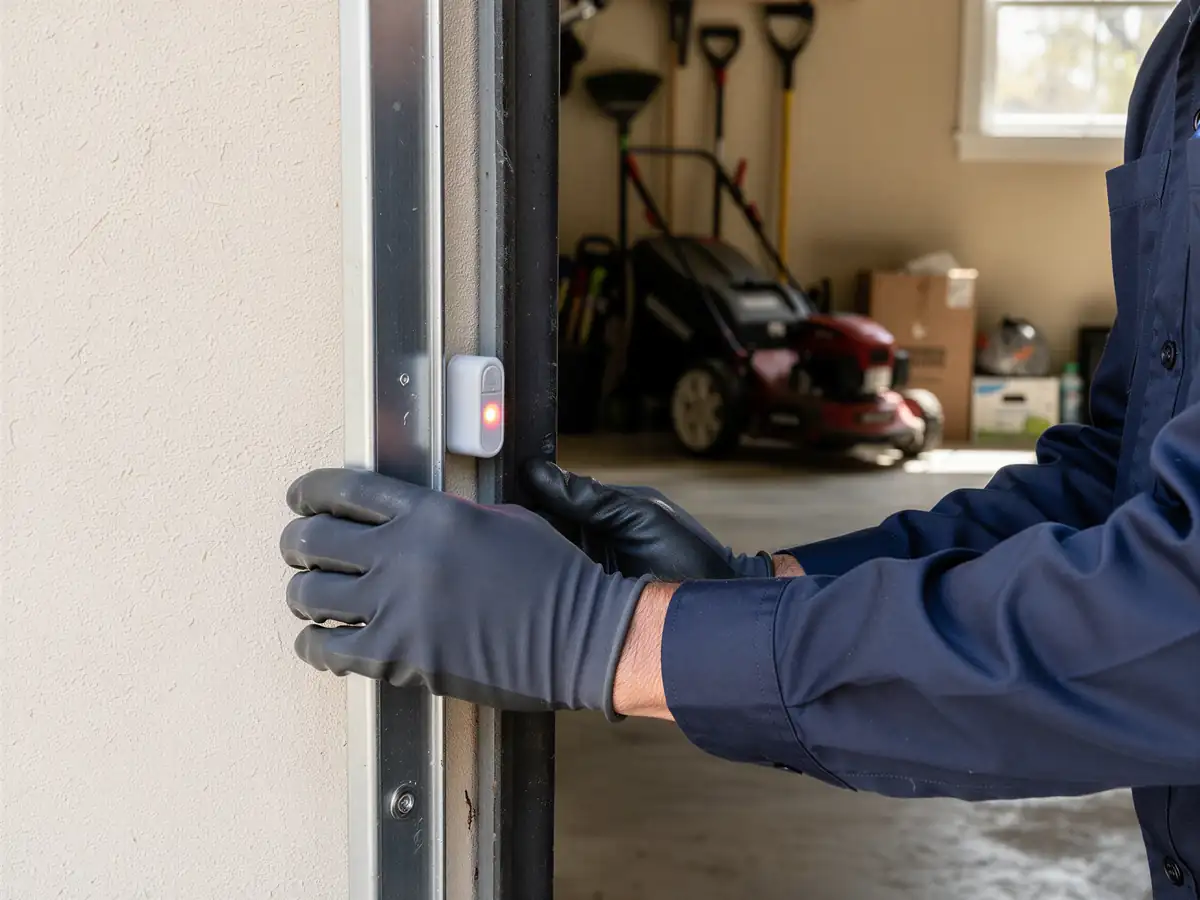
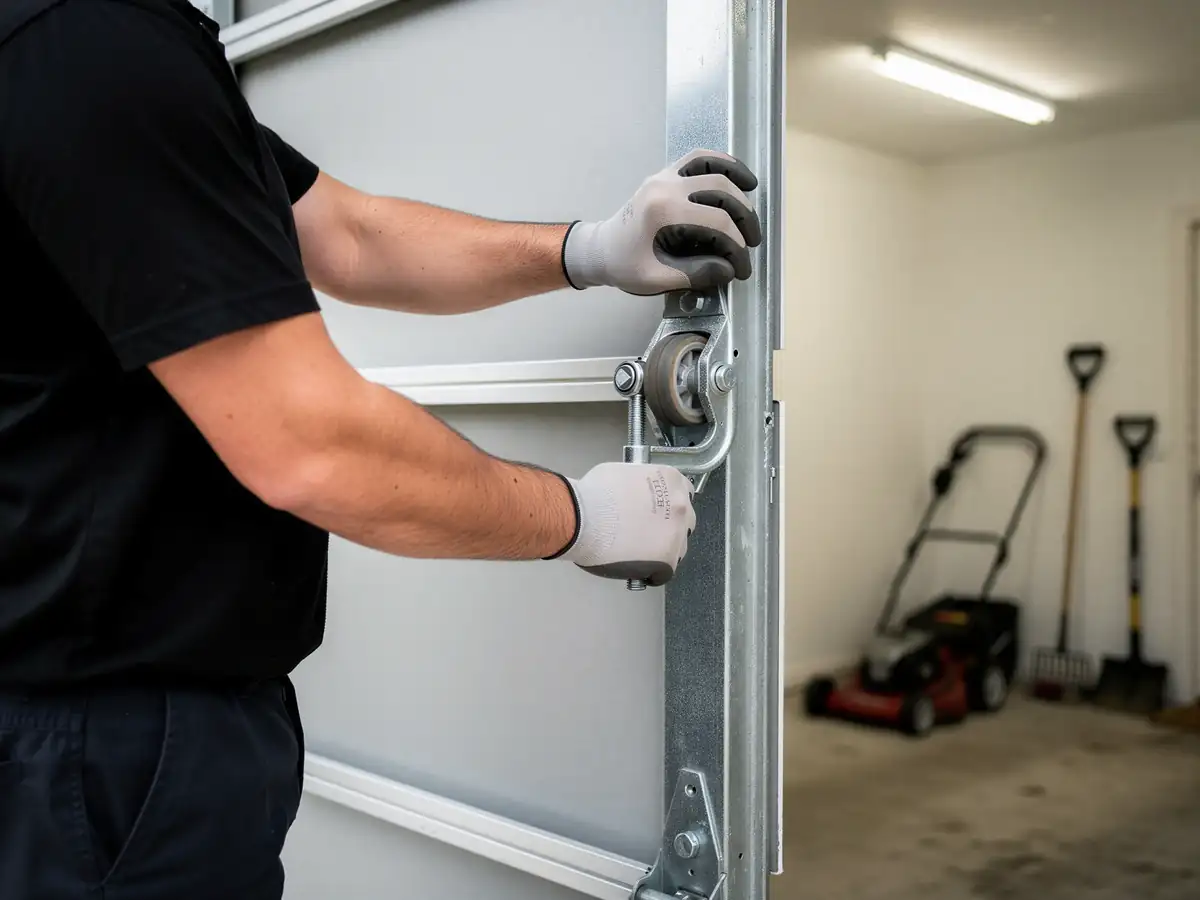
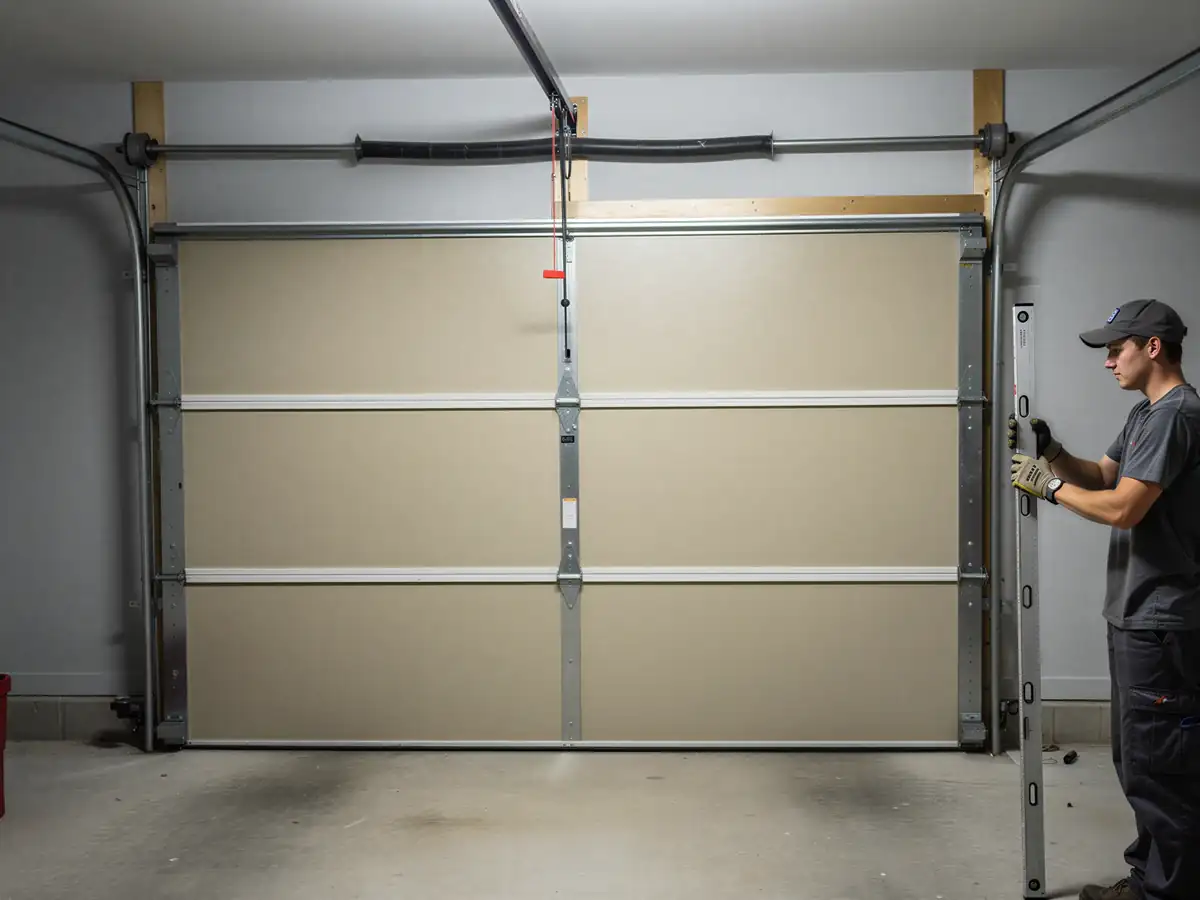
For a door of this housing era, repair usually starts with the spring and cable system before we ever look at the opener, because a strained opener is often just compensating for a spring that's lost tension. We check torsion bar size and winding cone condition, since early-1980s torsion setups weren't always installed to today's spec and sometimes carry a spring rated for a lighter door than what's actually hanging on it. Track alignment comes next - four decades of settling on a Haslett foundation can rack a track out of plumb a little at a time, and that shows up as a door that binds halfway through its travel. We replace what's worn, not what's merely old; a track that's still straight and clean doesn't need swapping just because the spring next to it does.
The DIY Question
A torsion spring under tension is not a safe weekend project, full stop - the stored energy in a correctly wound spring can break fingers or worse, and that's true whether the door is five years old or forty. Lubricating hinges and rollers, tightening loose bolts, and keeping the track clear of debris are fine to handle yourself. Diagnosing why a door won't close evenly, though, or deciding whether a 1980s-era opener is worth repairing versus replacing, is where a second set of eyes pays off. If your opener motor is original to the house, replacement often makes more financial sense than chasing parts for it - we'll tell you that honestly rather than bill for a repair that won't hold.
How It Shows Up
On a Haslett-era door, the first sign is usually a door that reverses partway up, or an opener that strains and makes a grinding sound right at the top of the lift cycle - both point to the spring, not the motor. A door that sags visibly on one side when it's halfway open is almost always a cable issue, sometimes paired with a roller that's jumped its track. Cold snaps make all of this worse and faster, since the metal is stiffer and less forgiving when it's already under strain. If a door has started closing on its own weight and needs force to lift by hand, that's not an opener problem - it's a spring that's lost its tension and needs replacing before it fails outright.