Time on the Job
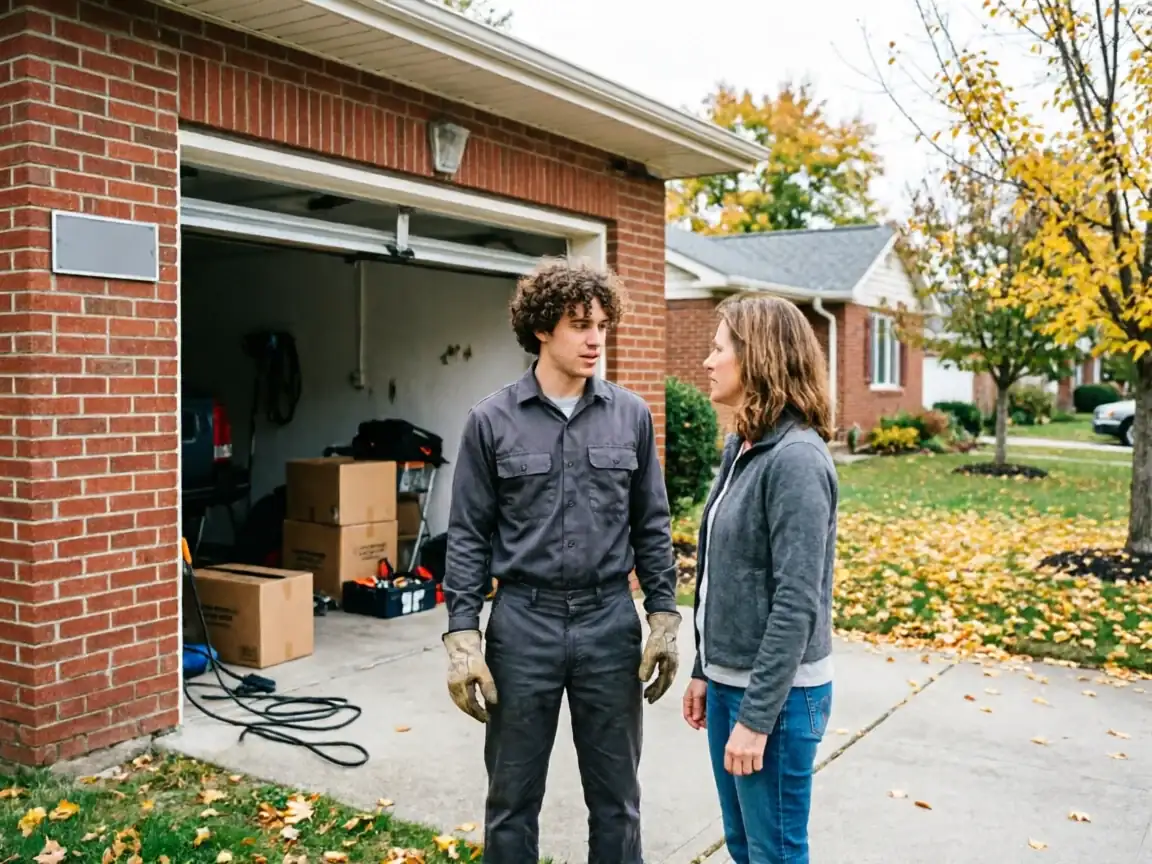
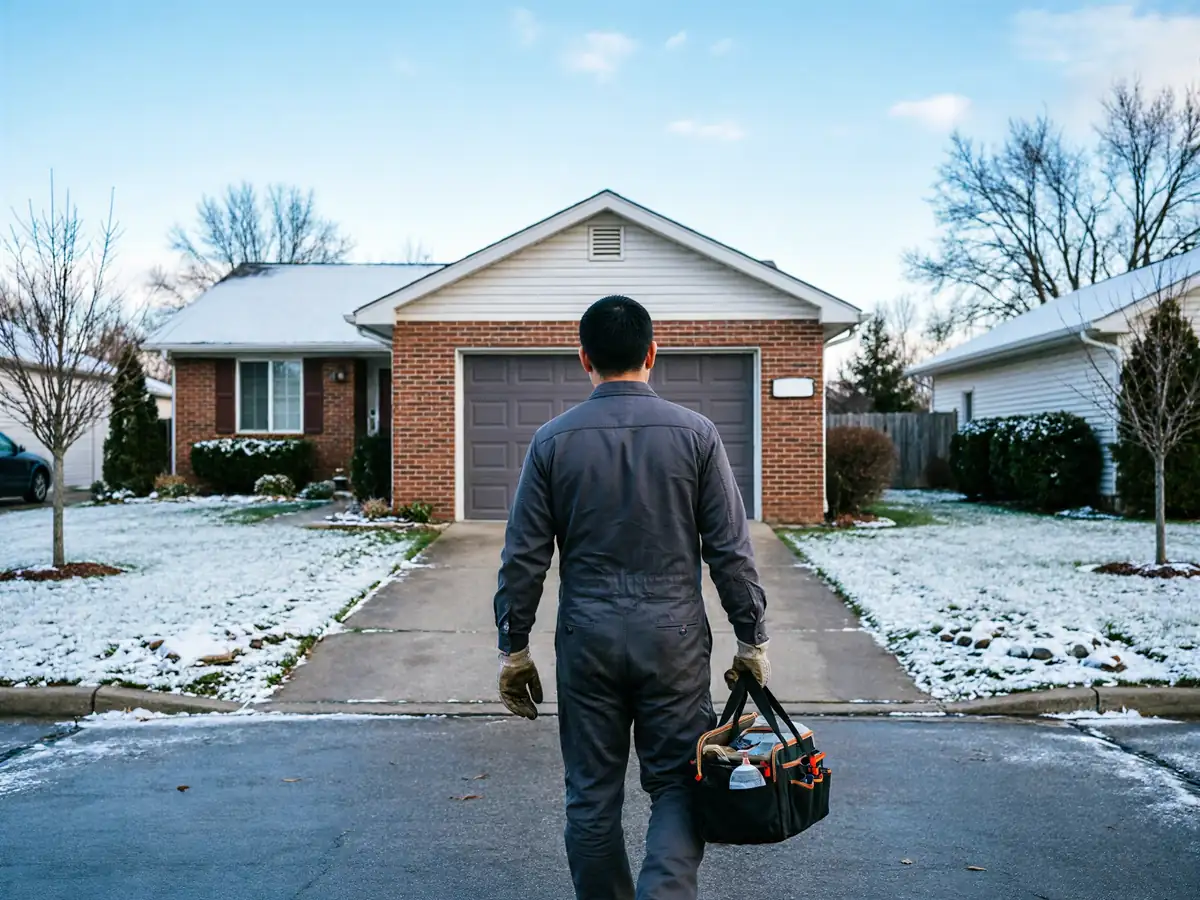
An off-track call on a standard single or double steel door, once we're on site, is usually a focused repair: free the panel, check the track for bends, reset the rollers, and run the door through a full cycle to confirm it tracks straight. We don't carry a fixed quote for how long that takes on your specific door until we've seen the bend and the hardware condition, because a track that's only pinched looks very different under the hood from one that's been pulled away from the jamb. What we can tell you is that we come from East Lansing, about 4 miles out, so the drive itself isn't the variable, the condition of your door is.
How We Fix It
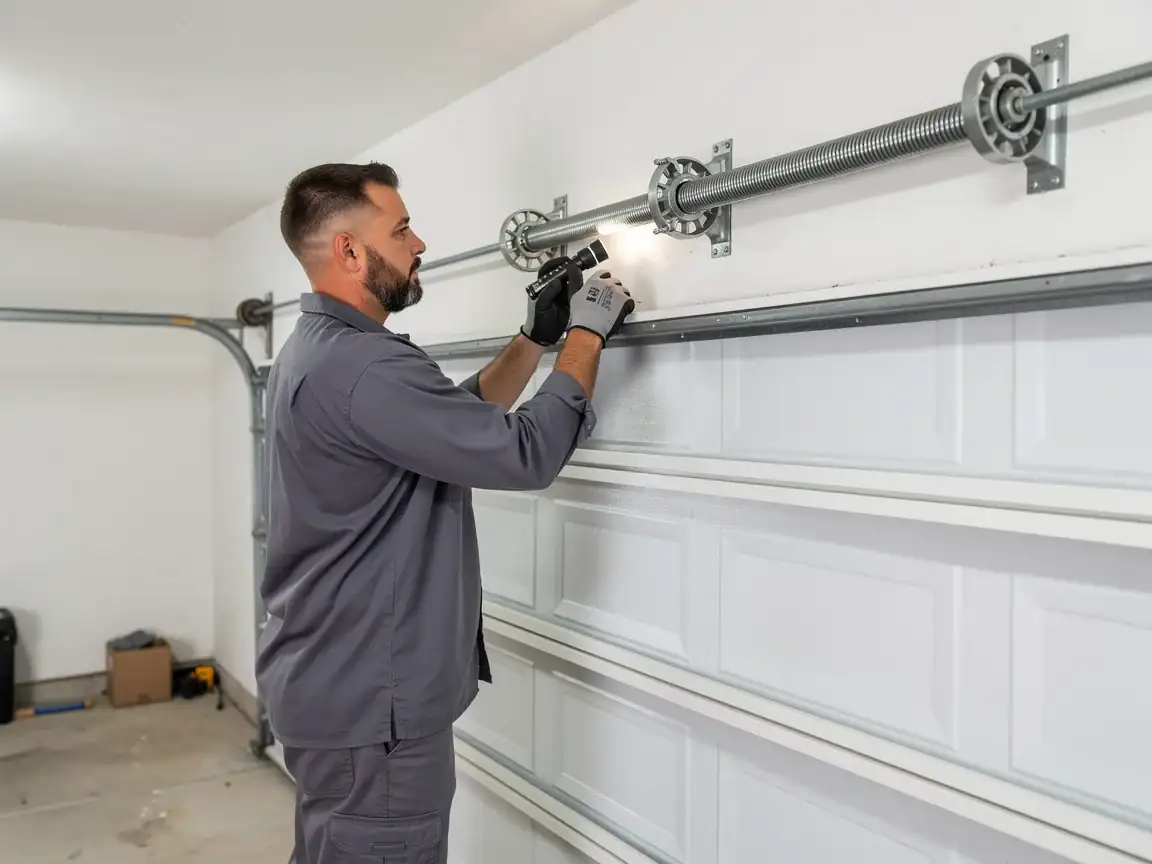
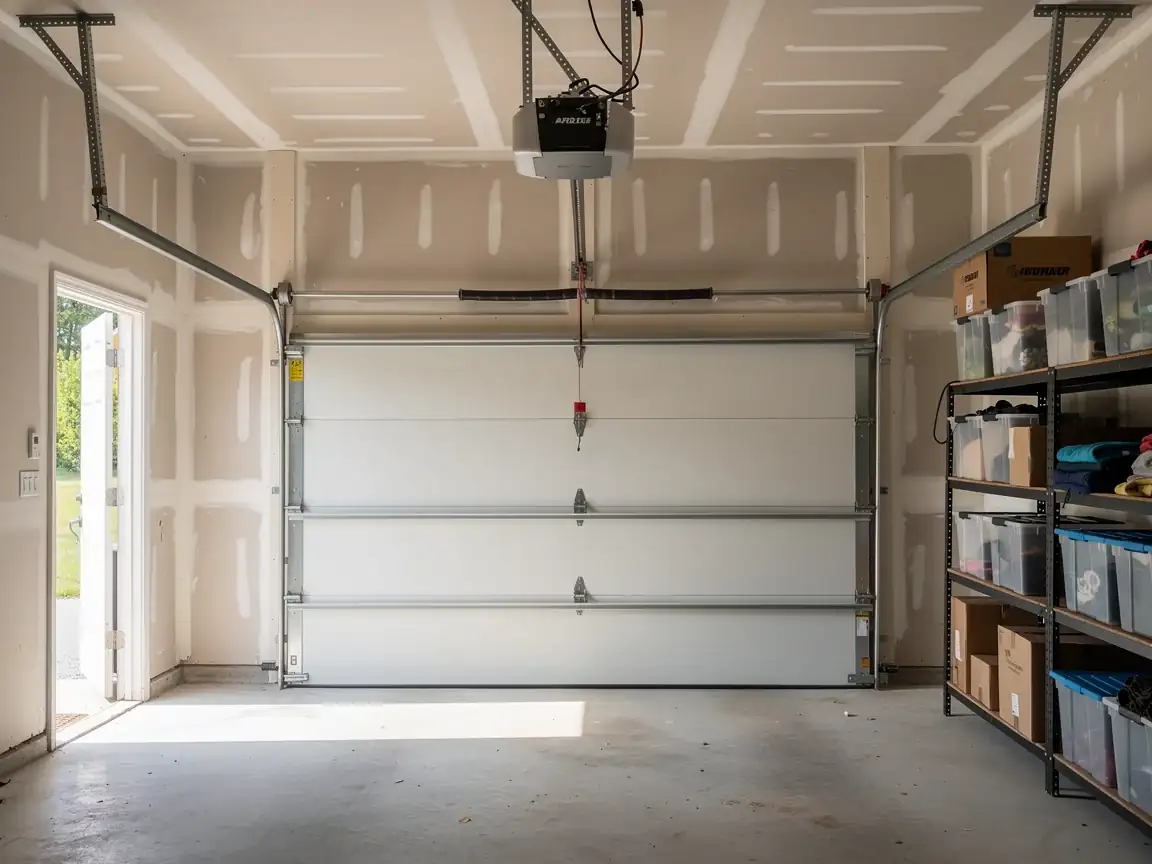
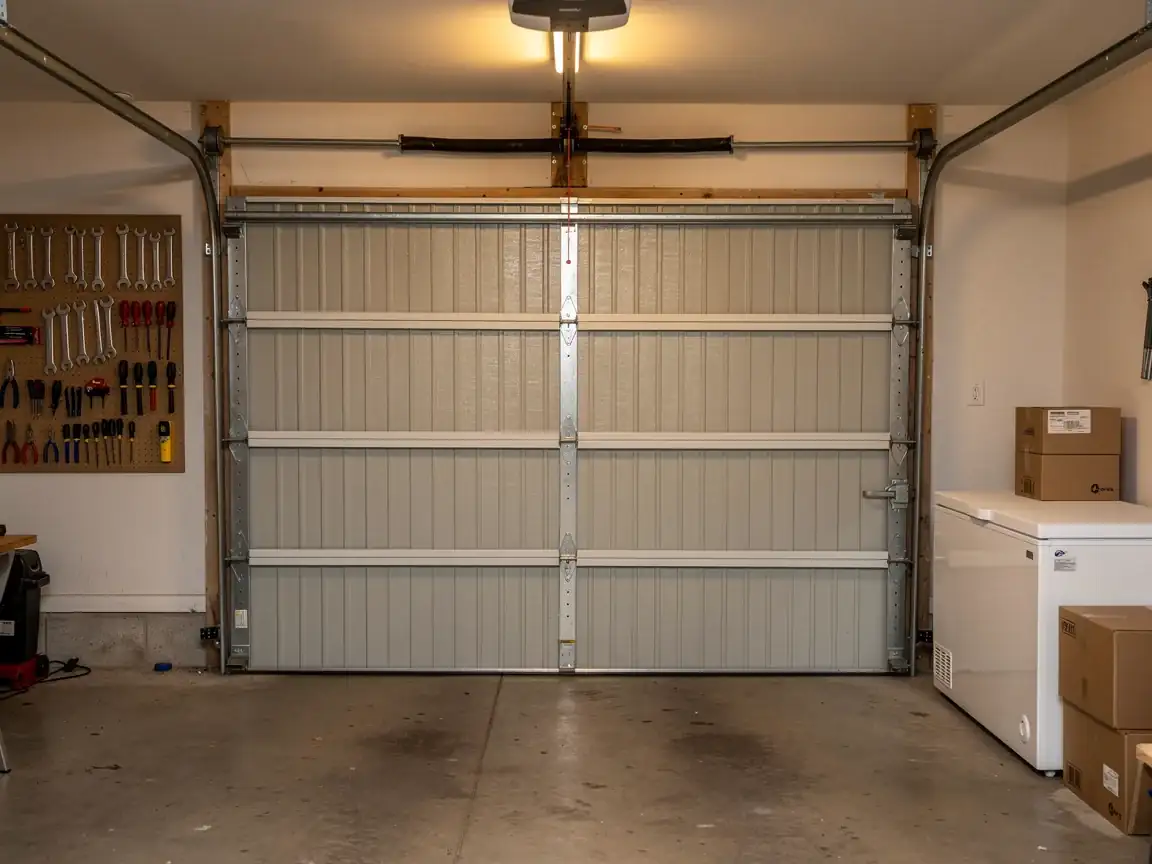
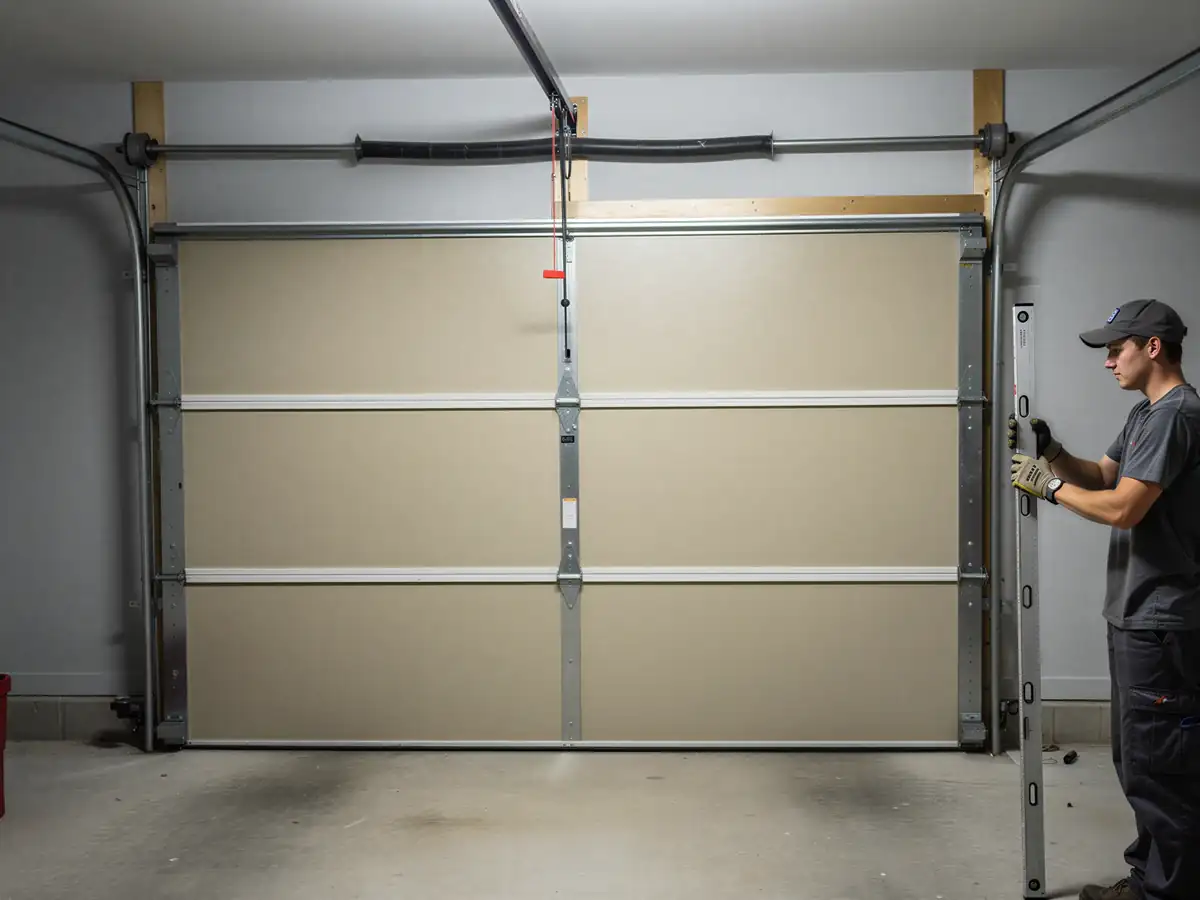
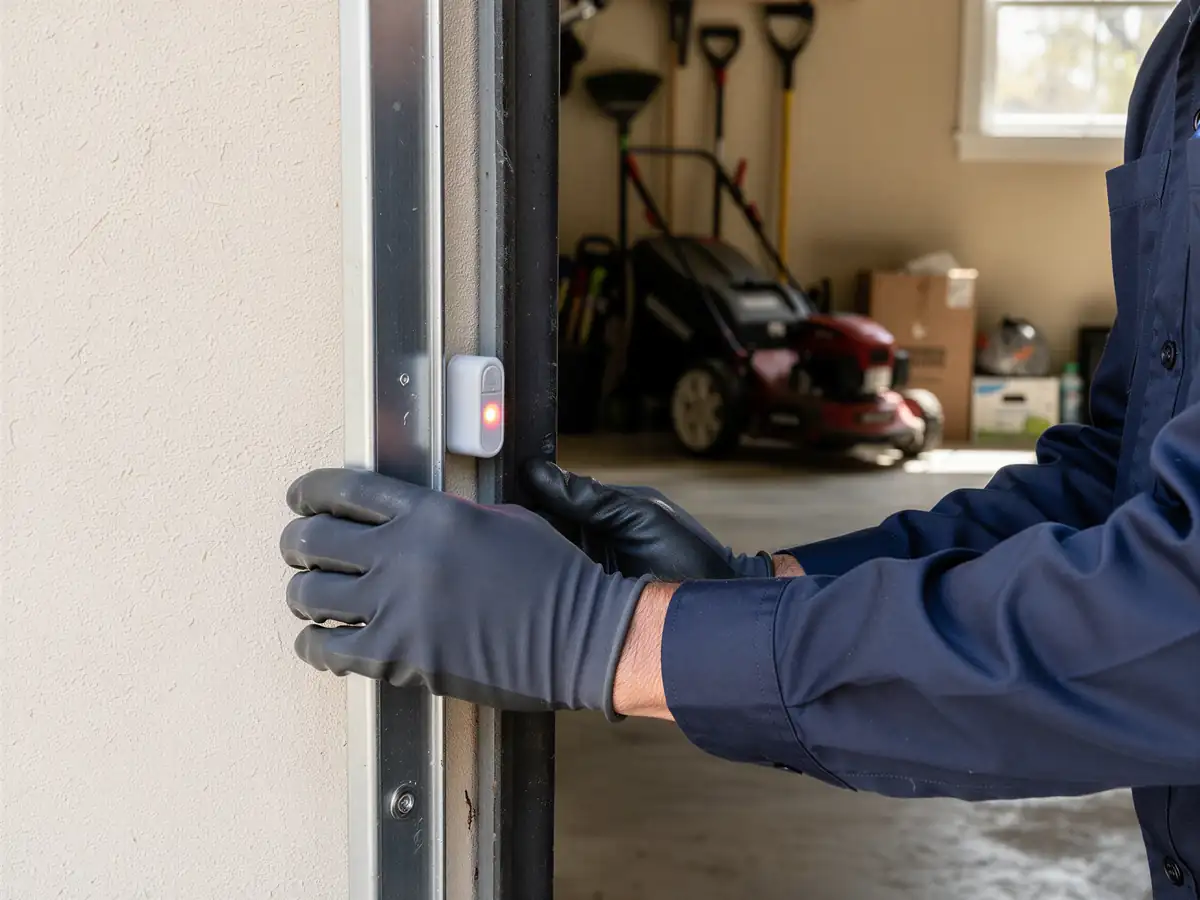
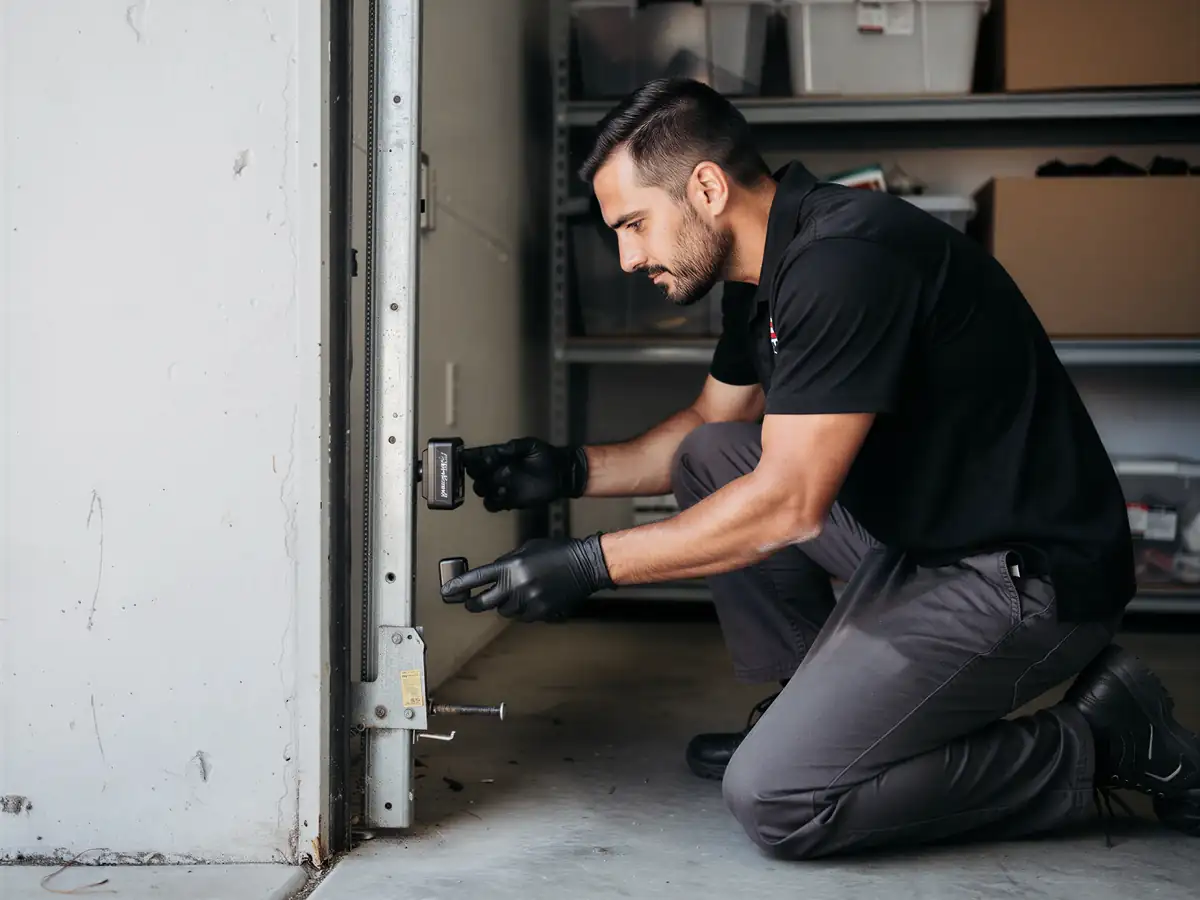
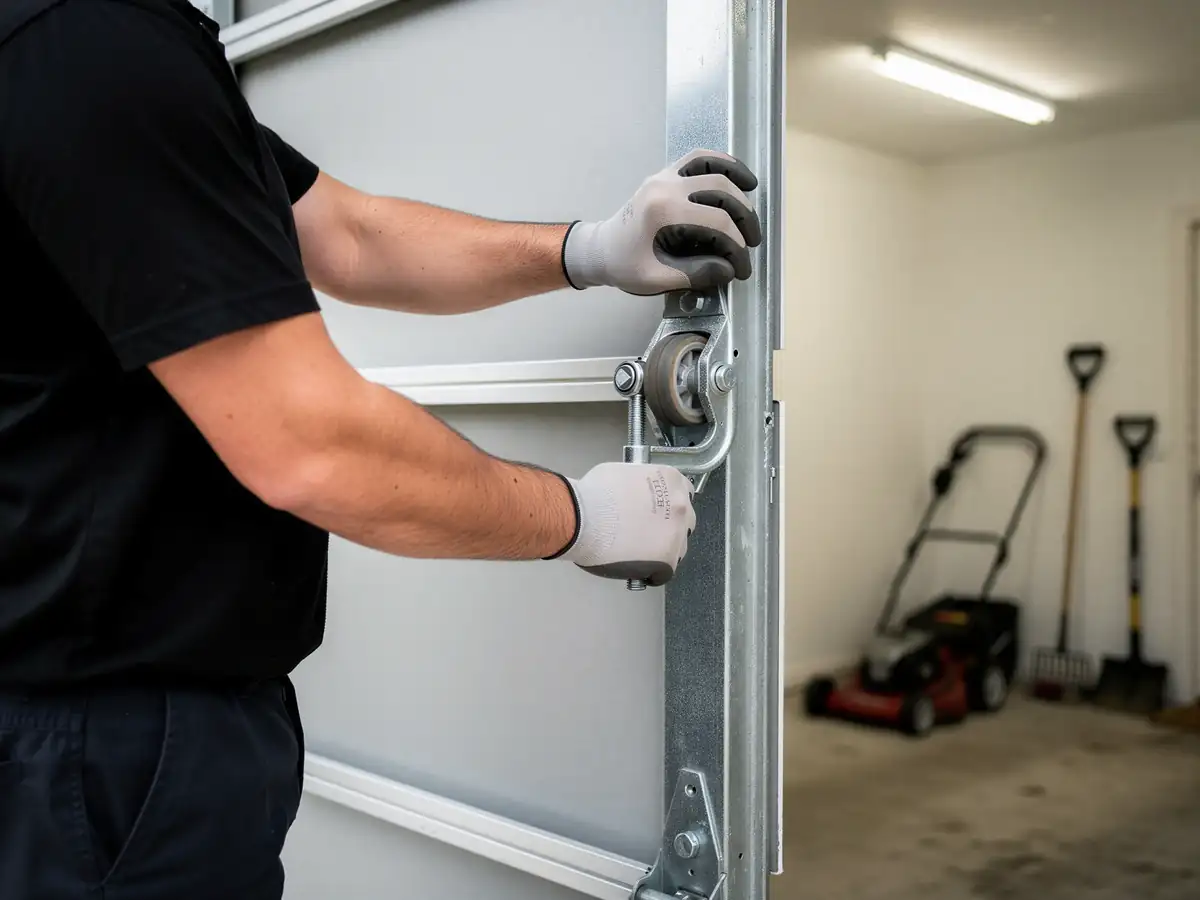
First step is figuring out whether the track bent or the door just slipped its rollers, because those are two different repairs wearing the same symptom. If the track is straight and the rollers simply walked out of the channel, we can usually reseat the panel, true up the alignment, and send you on your way. If the track itself has a kink, bending it back rarely holds for long, especially on a door that's already fighting worn rollers, so in that case we're replacing the damaged section of track rather than coaxing it straight. Either way we check the cable drums and the bottom brackets at the same time, since an off-track door on a 1981-era opener often reveals a second problem that was building quietly, a fraying cable or a bracket that's worked itself loose. We don't replace parts that don't need it, but we won't send a door back into service with a loose bracket just because the track got fixed.
The DIY Question
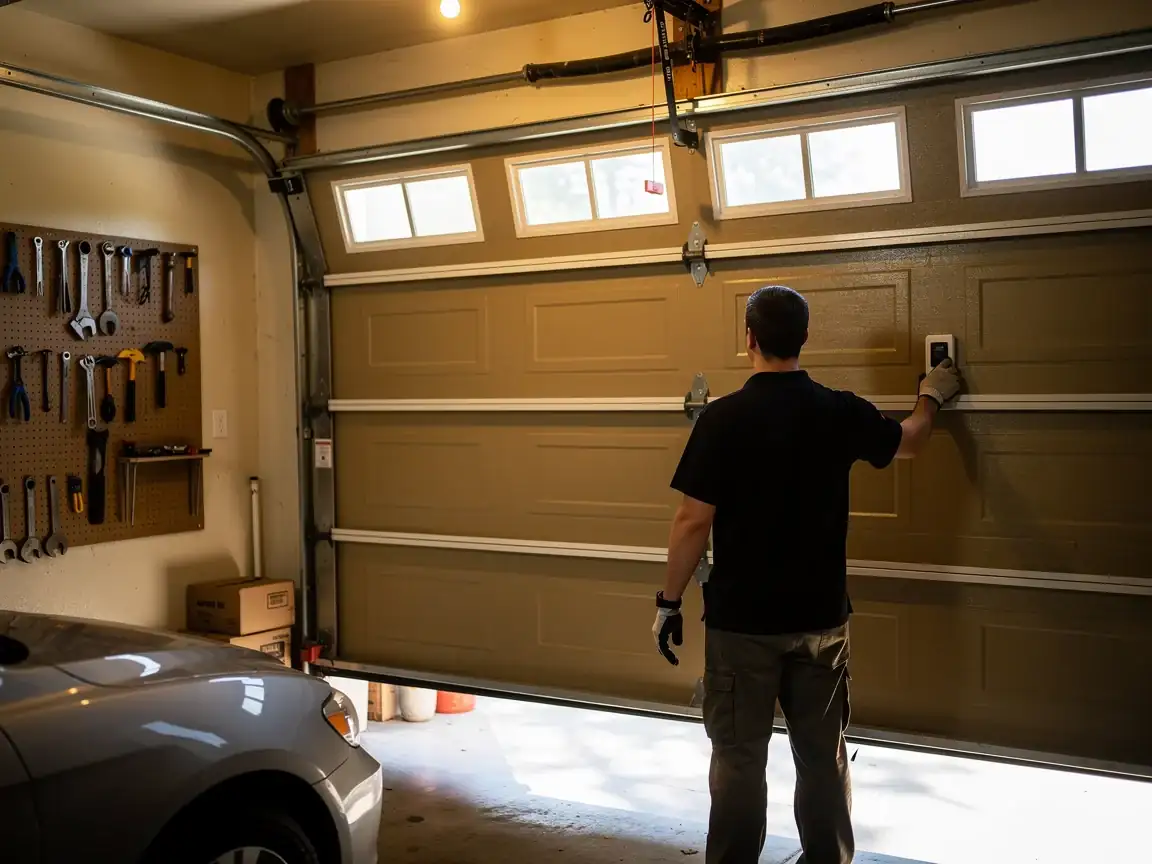
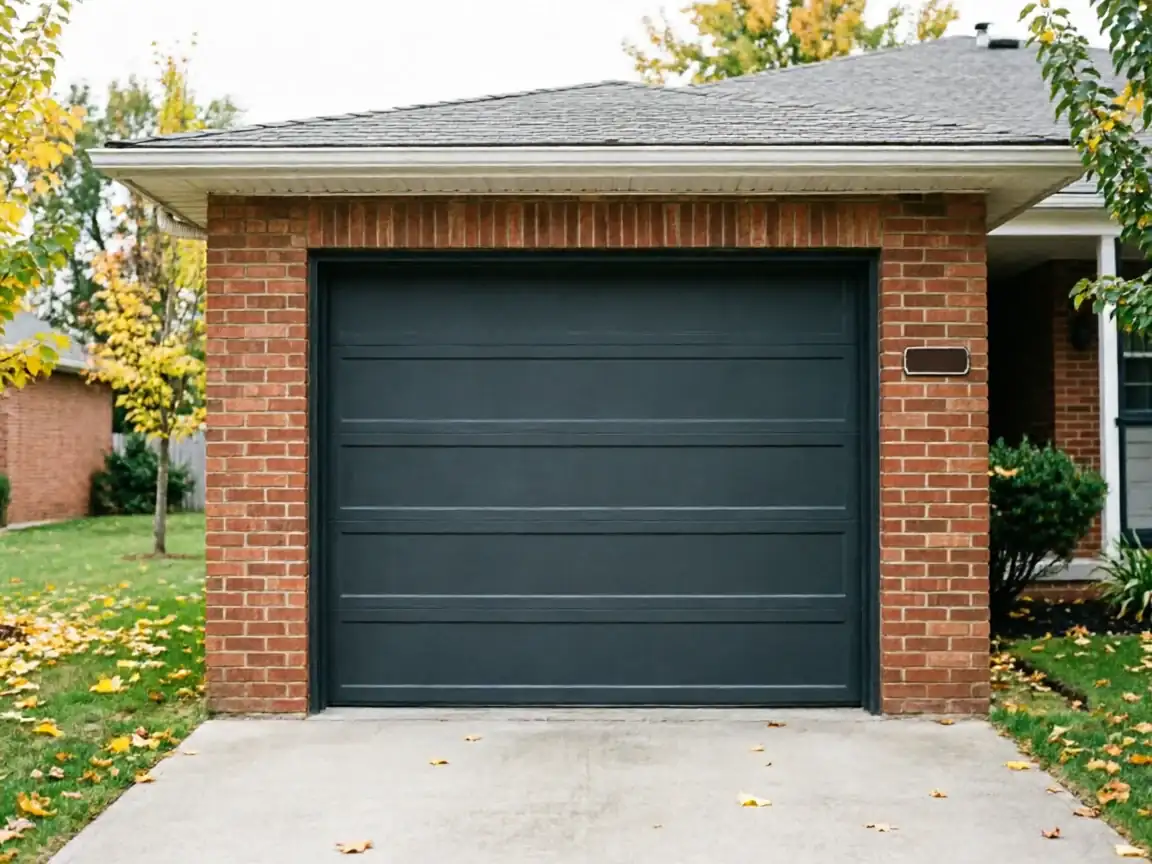
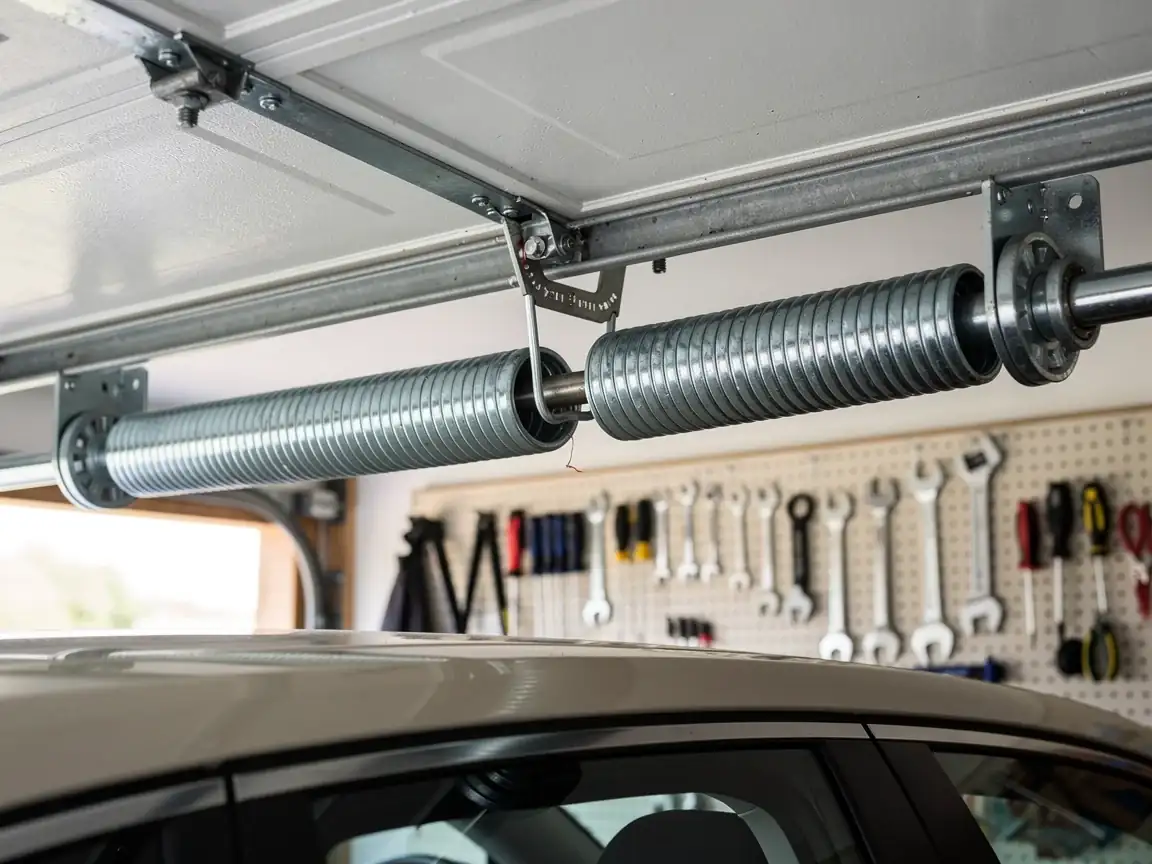
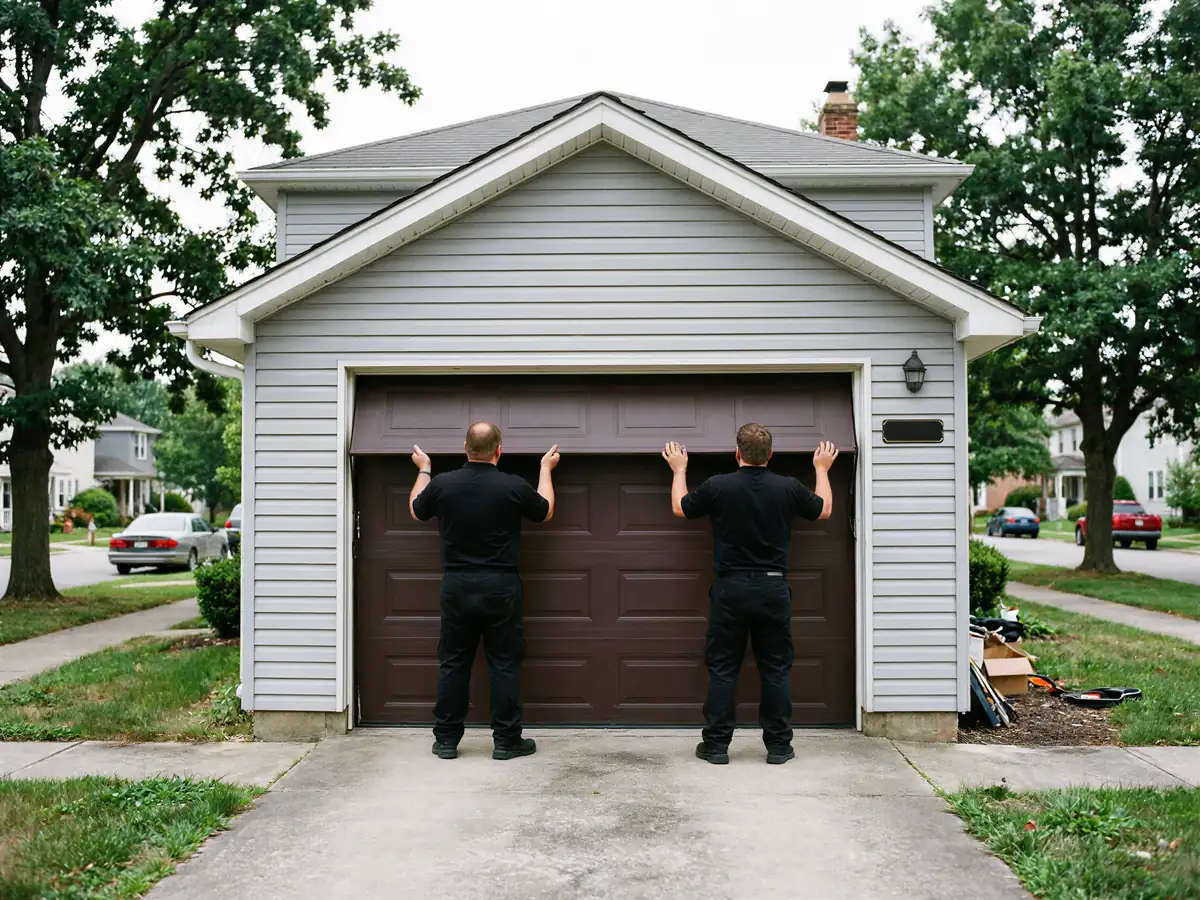
A door that's slipped a roller but is otherwise sitting level in the opening is sometimes something an owner can nudge back with patience and a helper holding the panel steady. A door that's torqued, hanging at an angle, or has a visibly bent track is a different animal, and forcing it back into the channel risks snapping a cable under tension or warping the track further, which turns a repair call into a replacement call. Garage doors, even the mid-weight steel ones common in Haslett, carry enough spring tension that a mistake here isn't just inconvenient, it can put a hand or a finger in the way of a moving cable. If the door won't move freely by hand with the opener disconnected, that's the line where we'd tell you to stop and call rather than keep working at it.
How It Shows Up
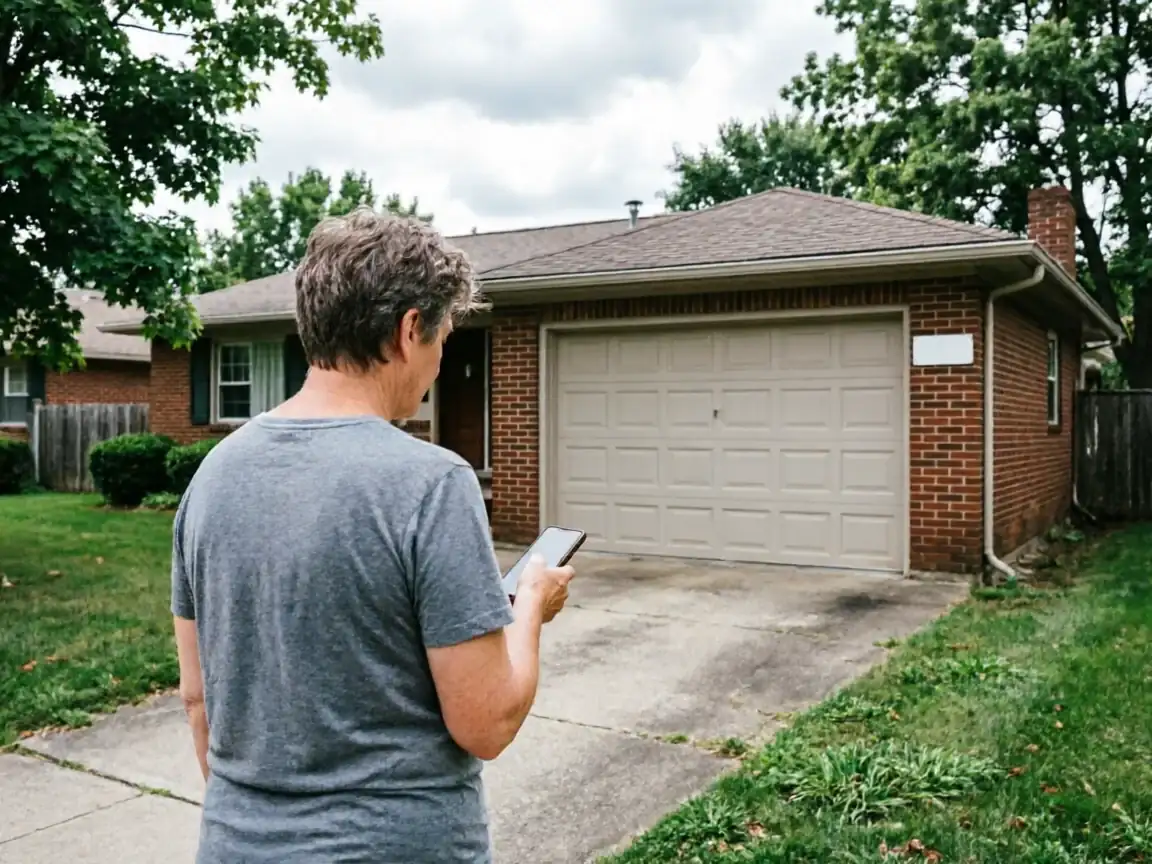
Usually it starts small: the door hesitates at one spot in its travel, or you hear a scrape that wasn't there last month. By the time it's fully off track, the door is either stuck half-open, stuck shut, or hanging crooked in the opening, and the opener motor is straining against resistance it isn't built to fight. In Haslett's climate, the first hard freeze of the season is a common trigger, since any slack in the hardware that was tolerable in warm weather gets less forgiving once ice is involved. If your door is making a new noise or catching at the same point every time, that's usually the early version of the same failure, and it's worth a call before it becomes a stuck door on a cold morning.