Time on the Job
We don't carry a Haslett-specific response time to quote you, because every call here is dispatched from the East Lansing shop and the 4-mile drive is short enough that it rarely changes the order of the day's route. What changes the length of the job is the opener itself. A travel-limit or safety-sensor reset on a unit that's otherwise sound is quick work. A full logic board replacement, or swapping a worn chain-and-trolley assembly on a unit old enough to match the neighborhood's 1981 median build year, takes longer because we're matching rail length and drive type to what's already bolted to the ceiling - these older units weren't standardized the way current chain-drive models are. We'd rather tell you honestly that a repair is going to run long than rush a board swap and have you calling back in a week.
How We Fix It
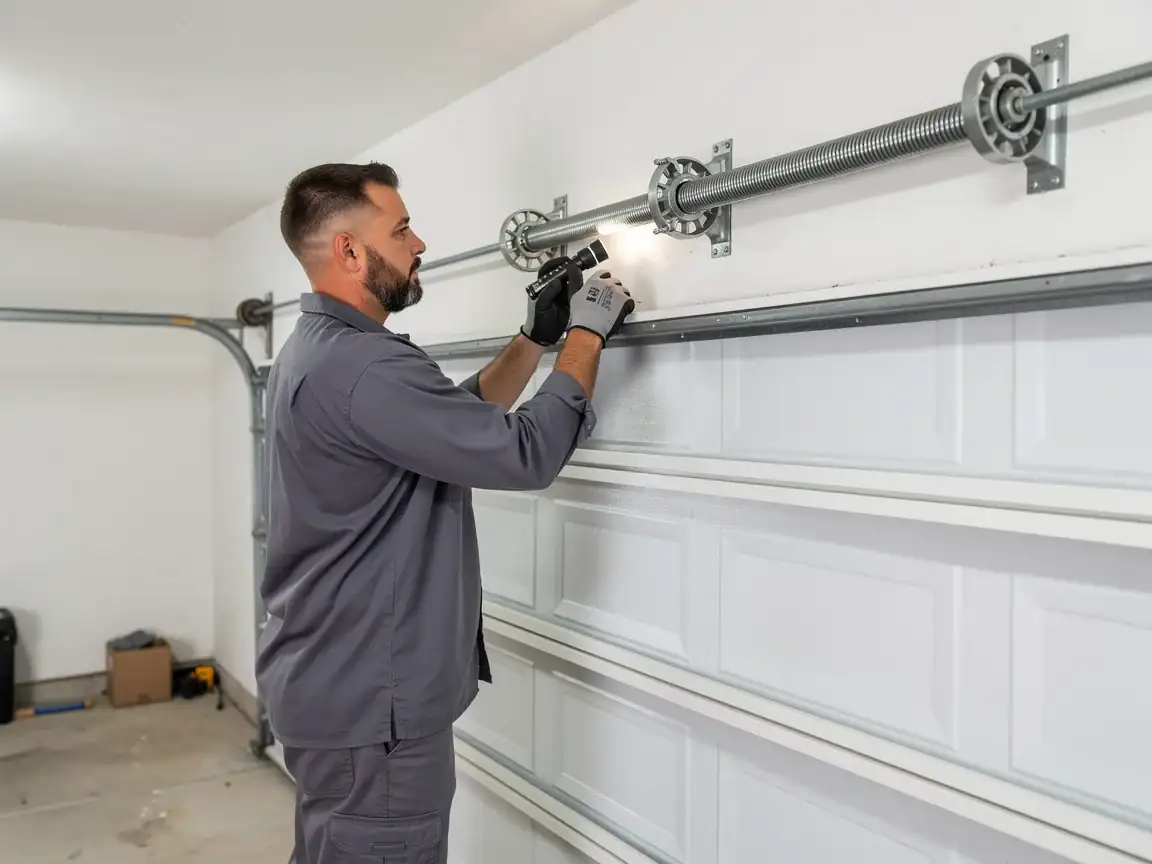
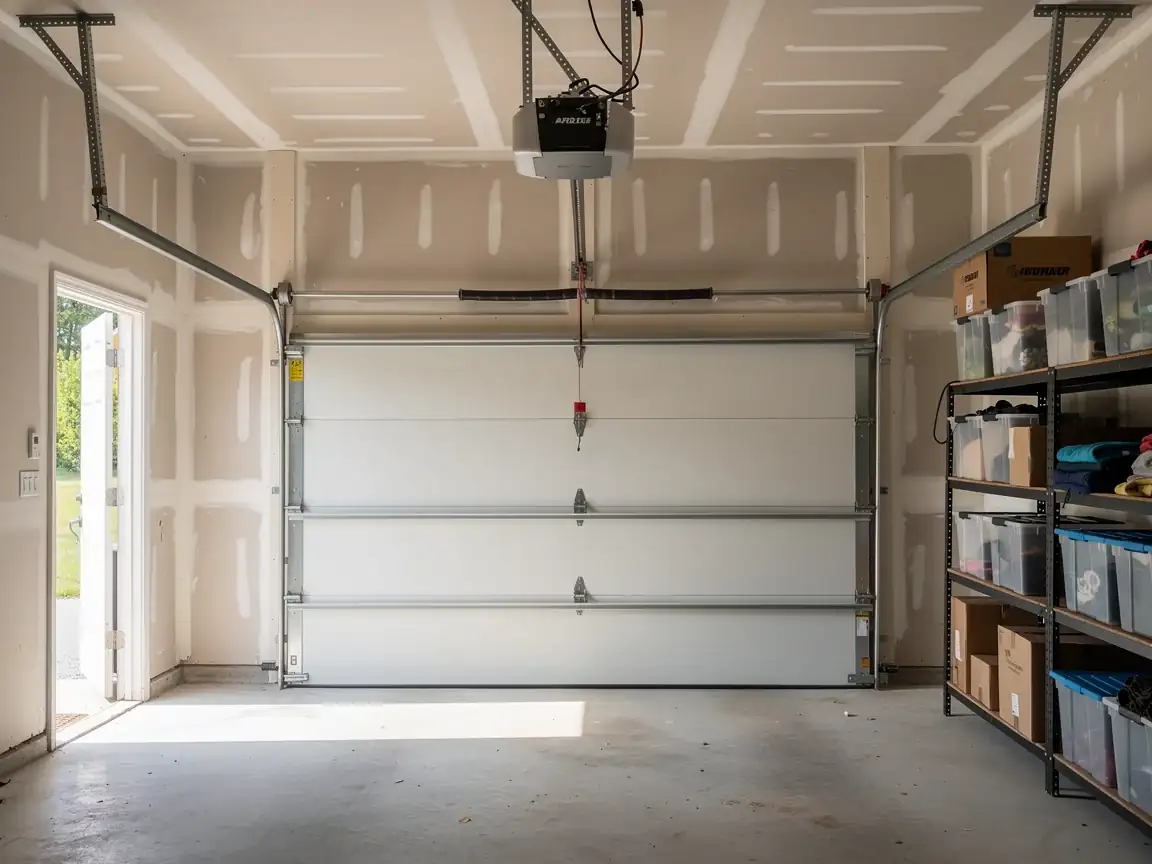
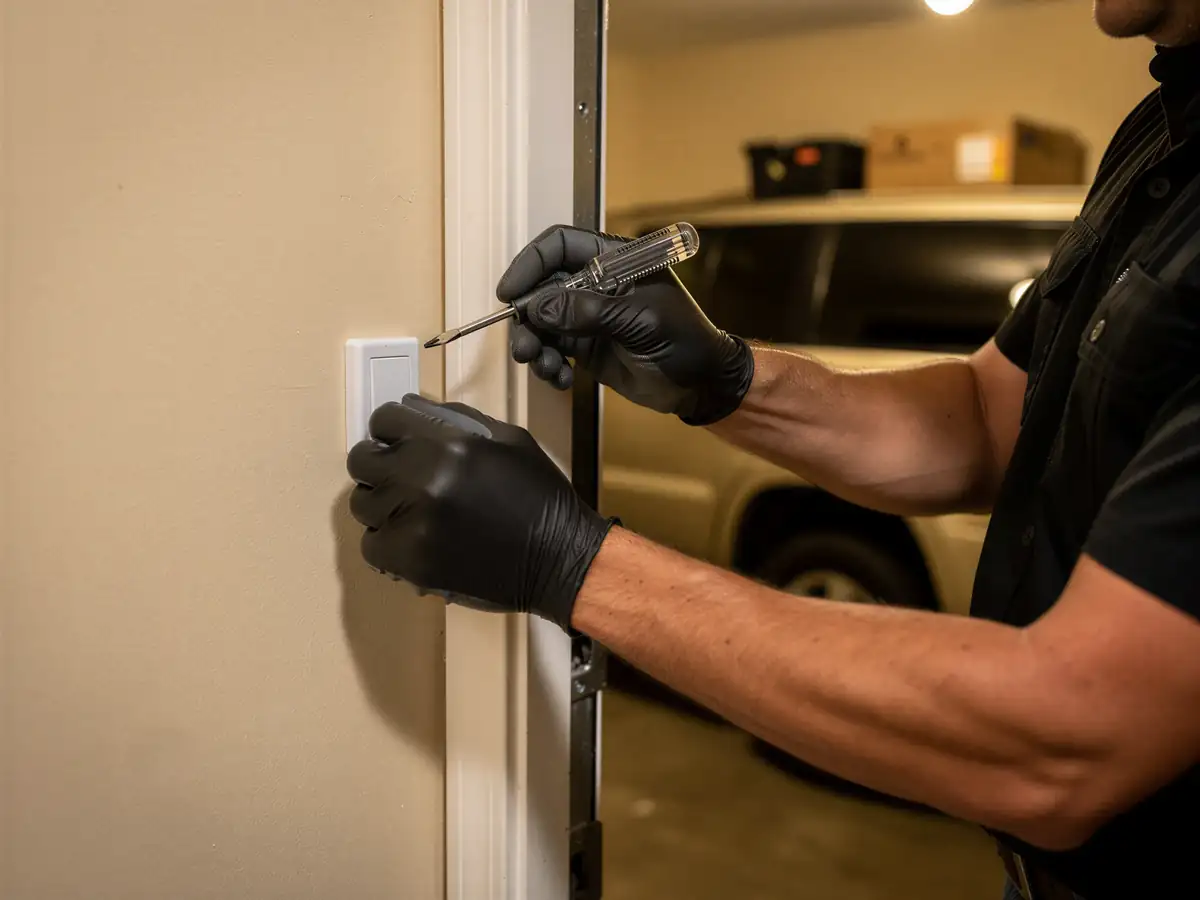
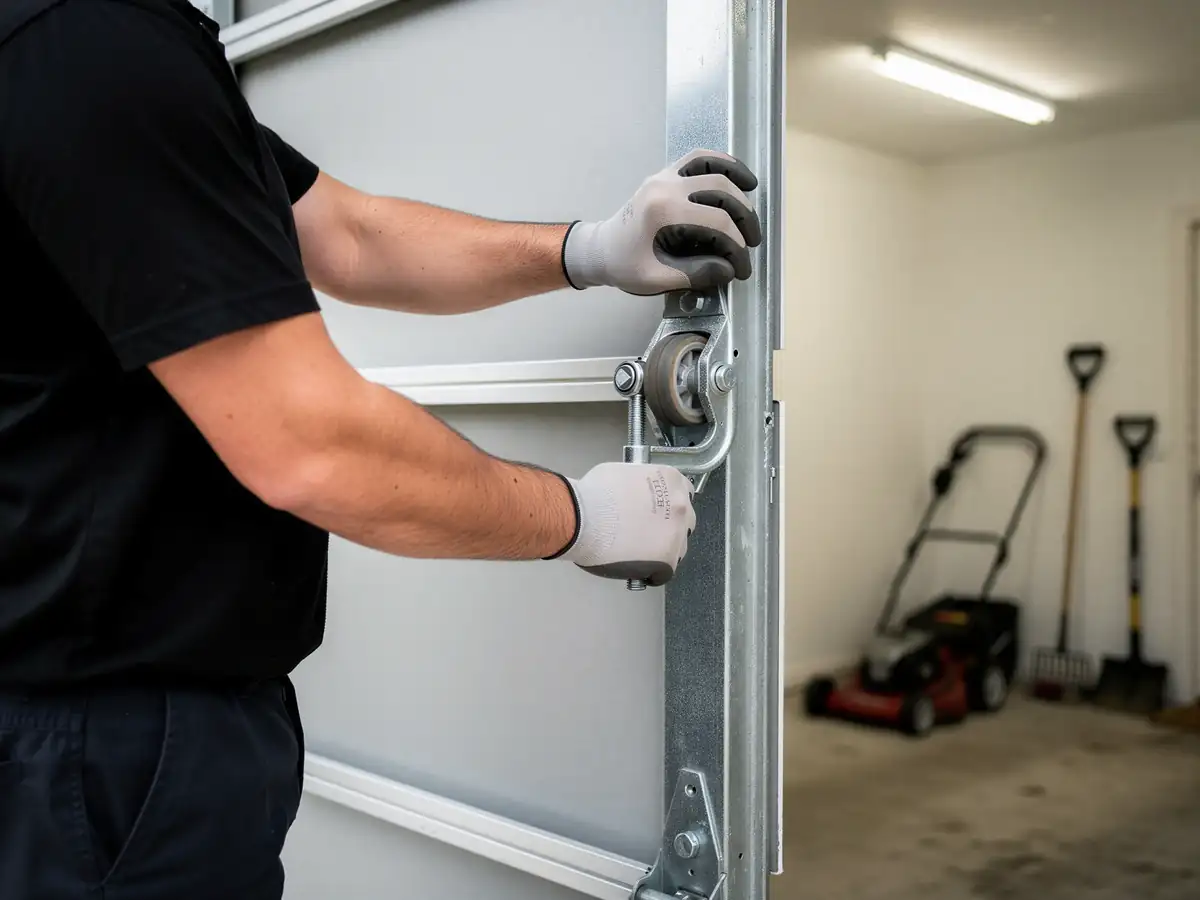
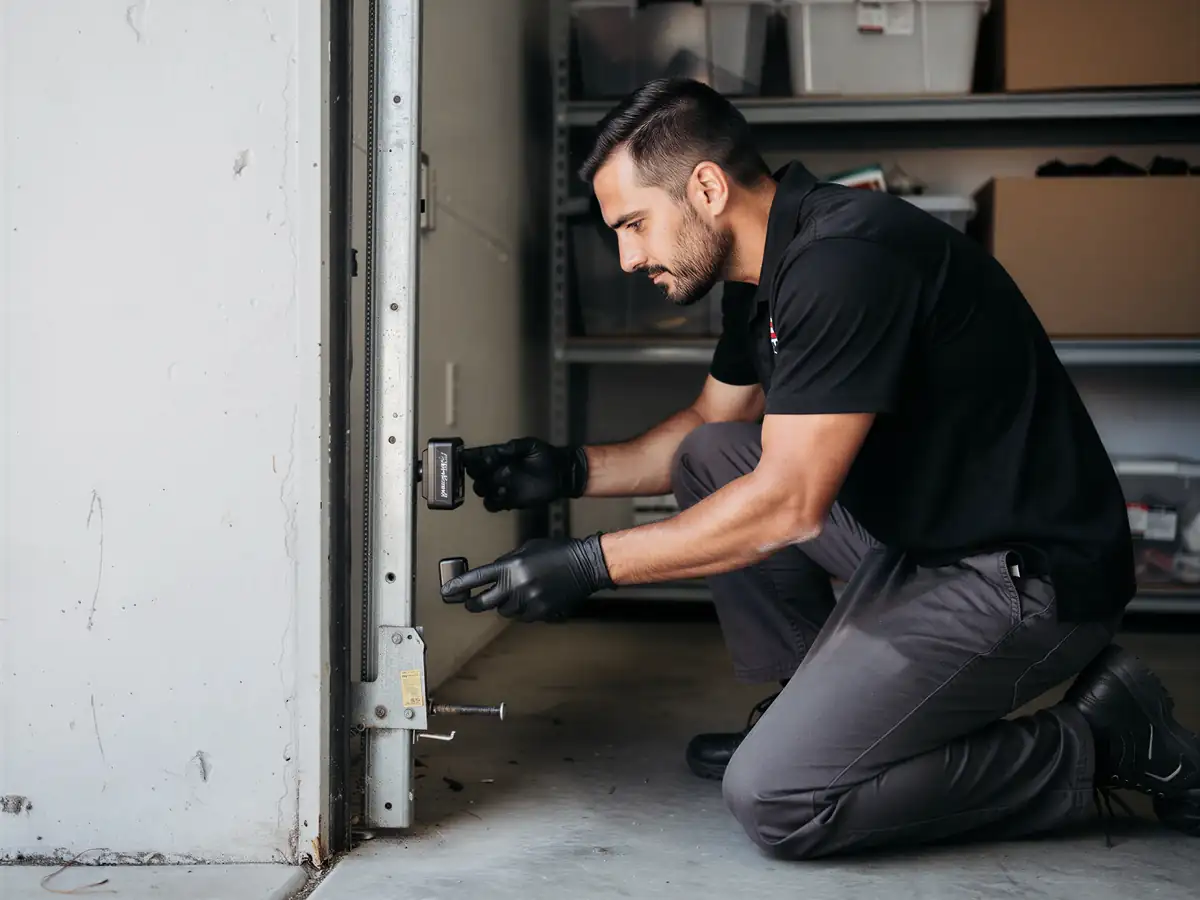
First thing on any opener call: rule out the simple stuff before touching the unit itself. Dead remote battery, a safety sensor knocked out of alignment, a breaker that tripped from something unrelated - these happen in every household regardless of the opener's age, and they're the fastest fix we do. Past that, we test the circuit board, check motor draw, and inspect the chain or belt and trolley for wear. On the 1981-era units common in this part of the service area, we're often looking at a board that's lost its memory of the travel limits, or a drive gear inside the housing that's stripped from decades of the chain riding slightly off-tension. If the board's gone and the model's old enough, we check whether a replacement board even exists before we quote you one - some of these units are old enough that board-level parts are no longer made, and at that point the honest answer is a new opener head on the existing rail, not a repair.
The DIY Question
Resetting travel limits or reprogramming a remote is reasonable to try yourself, and plenty of Haslett homeowners already have the manual or can find the steps online. Where we'd stop you is anything involving the chain under tension, the trolley carriage, or the circuit board itself - on a unit old enough to match this area's 1981 median build year, the housing is often brittle plastic that cracks if you force a panel, and the capacitors inside can hold a charge after the unit's unplugged. If the opener is tripping breakers or the motor runs but the door doesn't move, that's past the point where a screwdriver and a YouTube video help. Call before you take the housing apart, especially if you're not sure the unit is original to the house.
How It Shows Up
The calls from this part of the service area tend to follow the weather. Cold mornings bring openers that hum for a second and then stop - a motor trying to turn a chain that's gone stiff and tight overnight. Spring and fall bring intermittent failures, the opener working fine for a week and then refusing to respond to the remote, which is usually a board losing its memory under temperature swings rather than a dead remote. Straight failure - no light, no sound, nothing - is almost always the breaker or the board, and with units this age it's worth checking the breaker first since it costs nothing and rules out the cheap answer before we talk about the expensive one.