What Causes It Around Here
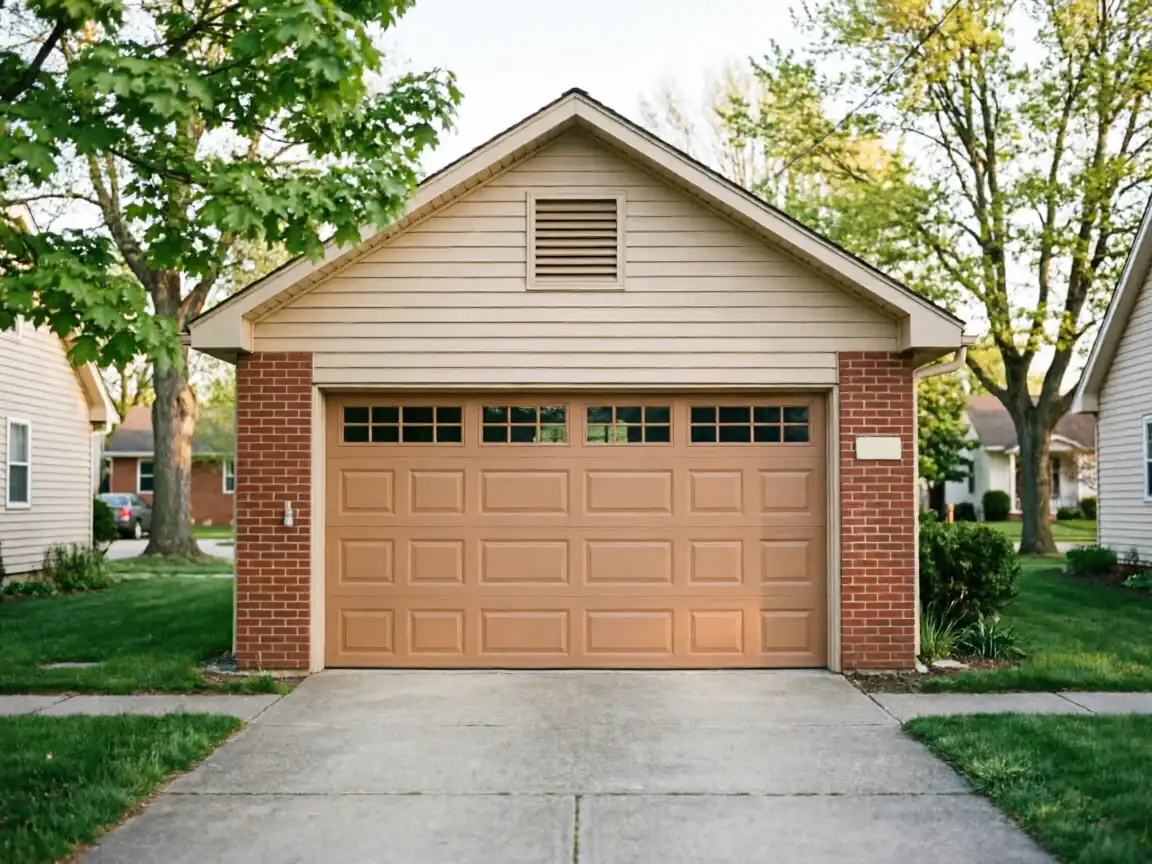
Most of the service area we cover out of East Lansing was built between 1945 and 1994
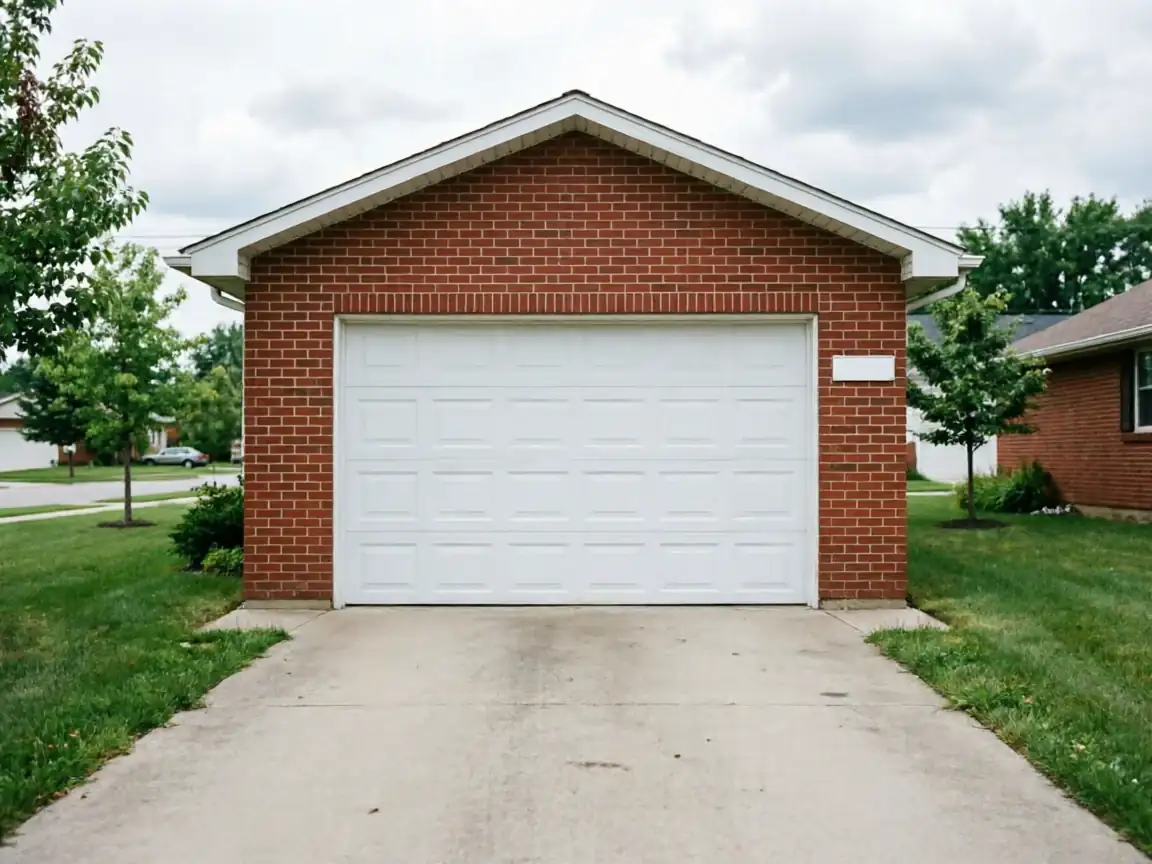
With a median build year of 1976. Haslett runs a bit newer than that average, centering closer to 1981. That five-year gap matters more than it sounds. Houses from this slightly later wave were more likely to come with a double-wide garage bay and an opener installed at the builder stage instead of bolted on later, which means the original door and track were sized for that opener from day one rather than retrofitted around it.
What wears these doors out isn't age alone - it's Michigan's cold-climate band
We're in a COLD severe zone, and a steel door panel that cycles through freeze-thaw for over forty winters starts showing it at the seams and the bottom panel first. Insulation that was standard in 1981 is thin by current standards, and a lot of Haslett garages are attached living space, so a door that's lost its seal is also a heat-loss problem, not just a cosmetic one.
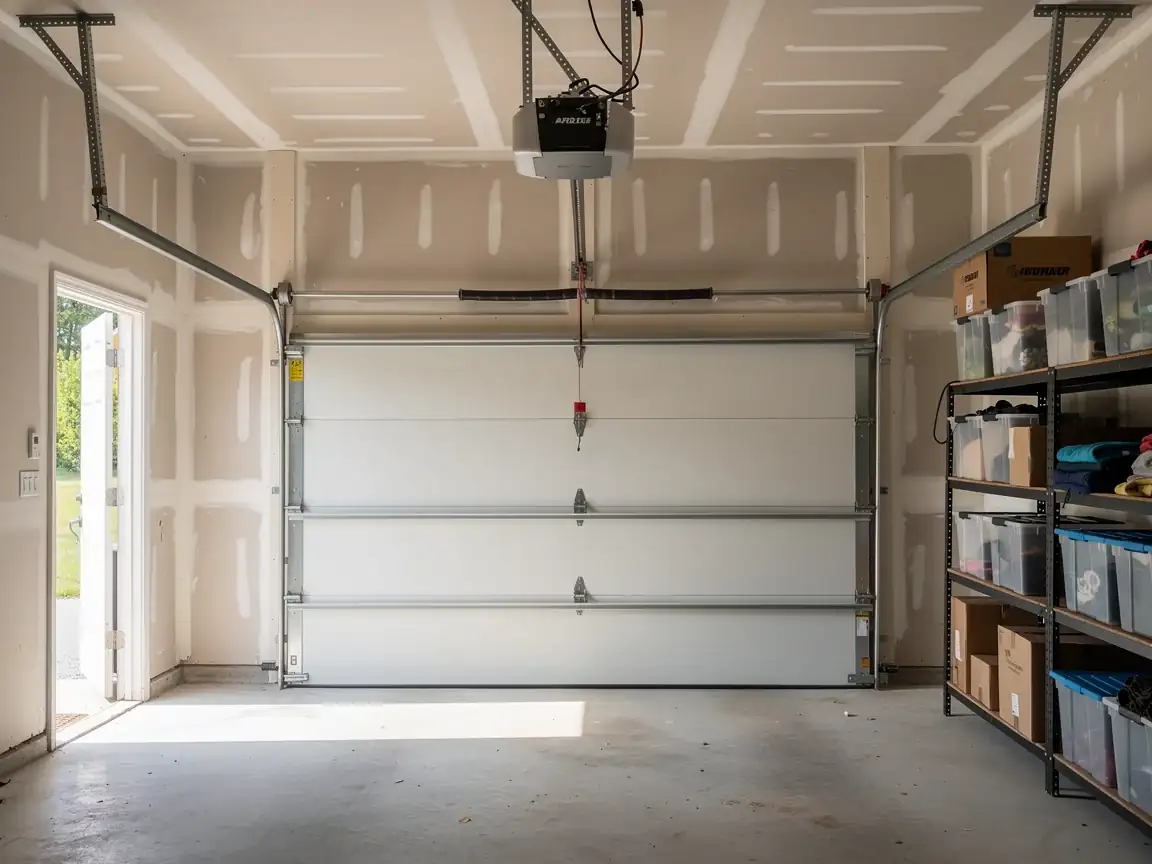
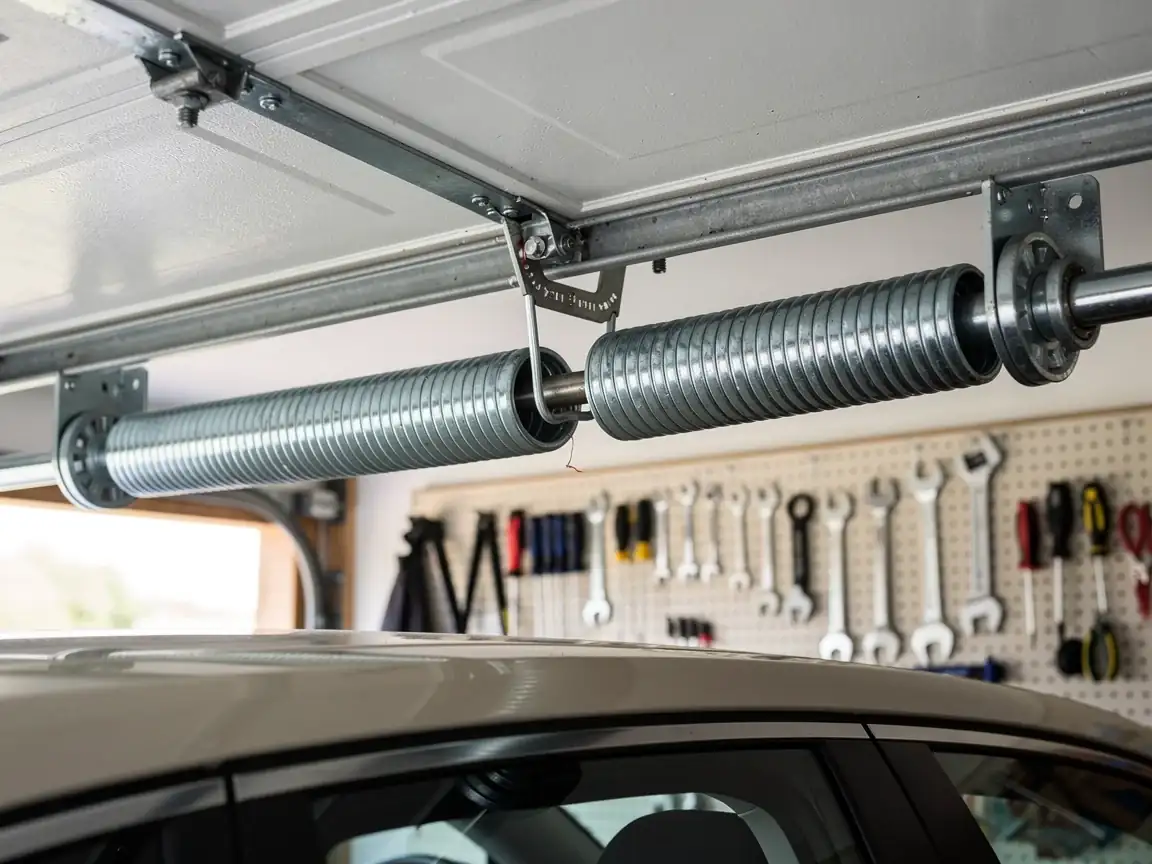
Springs sized for a lighter, older-generation door often get reused under a heavier replacement panel without anyone checking the math
That's a quieter cause of early failure than the weather is.
Time on the Job
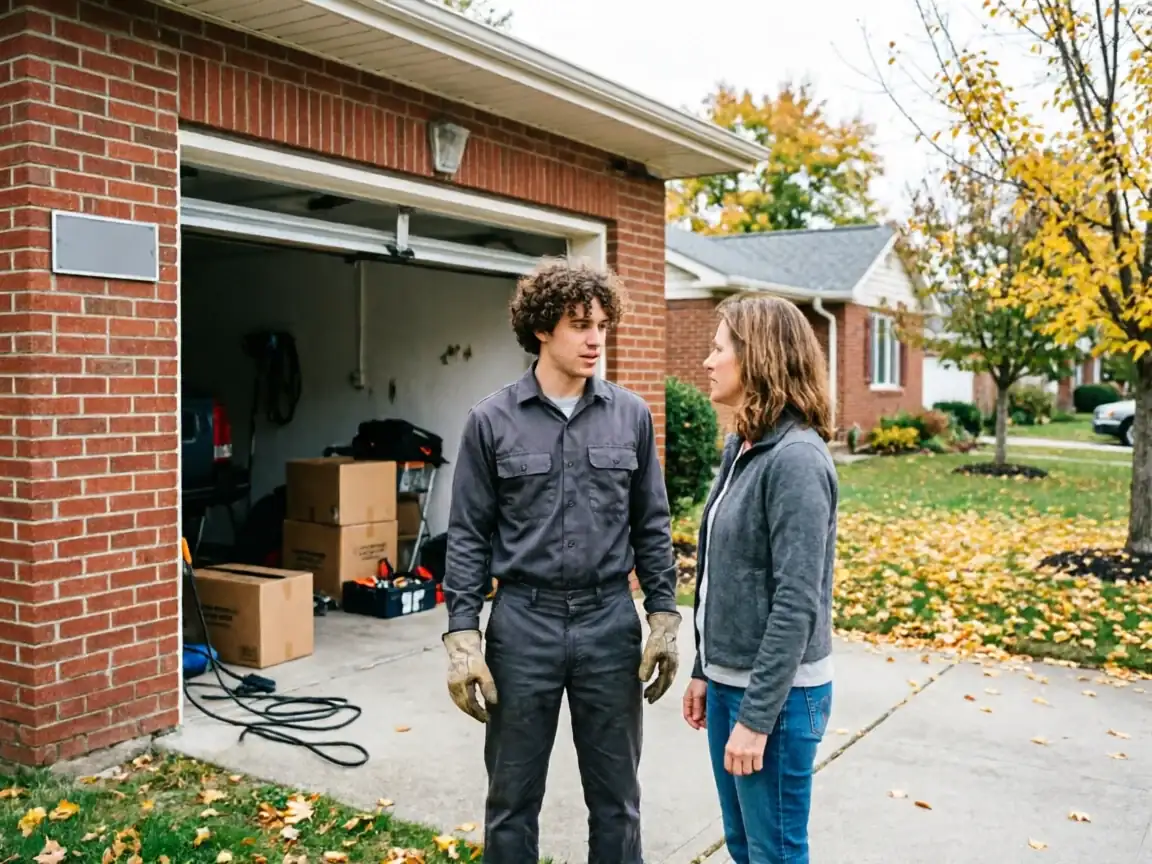
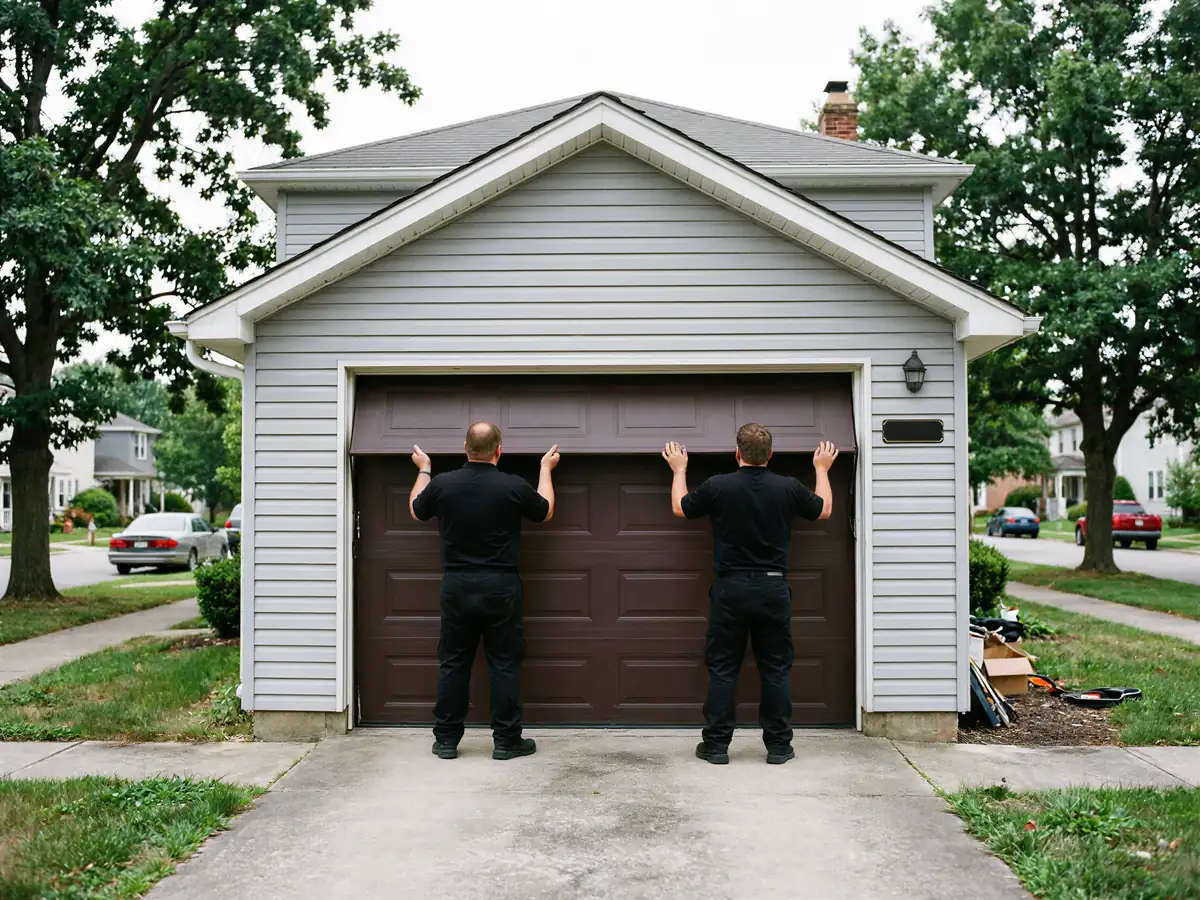
A straight swap - same size opening, same door style, opener staying put - usually runs a single visit. Where it runs longer is when the opening itself needs attention: track realignment, a header that's settled over four decades, or a double door going in where a single used to be. We travel the 4 miles out from East Lansing for the job, so there's no local yard to pull from if something unexpected turns up mid-install; a nonstandard header or an opening that's out of square by more than a little means a second trip once the right part is in hand.
We don't pad the schedule to look fast, and we don't promise a same-day turnaround we can't back up. If your opening is a standard size and the hardware underneath is sound, the job is straightforward. If it isn't, better to say so before the truck leaves than after.
How We Fix It
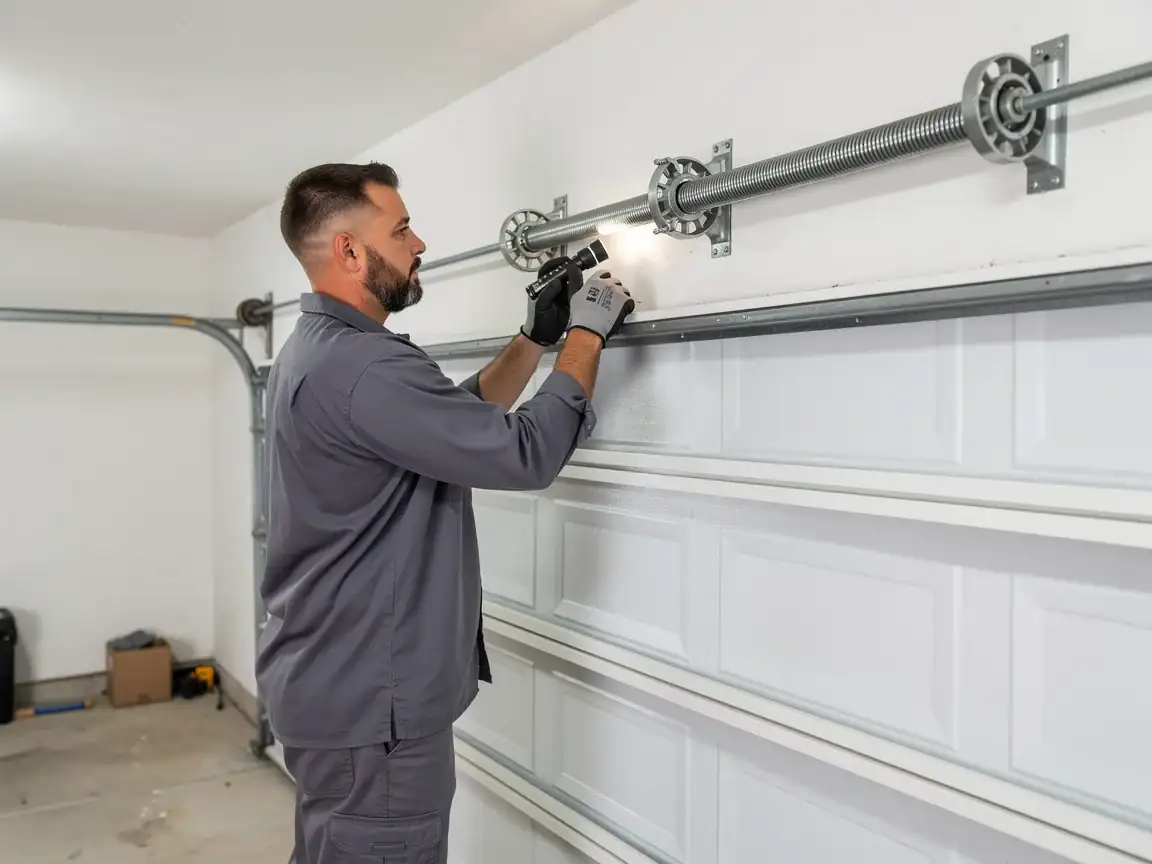
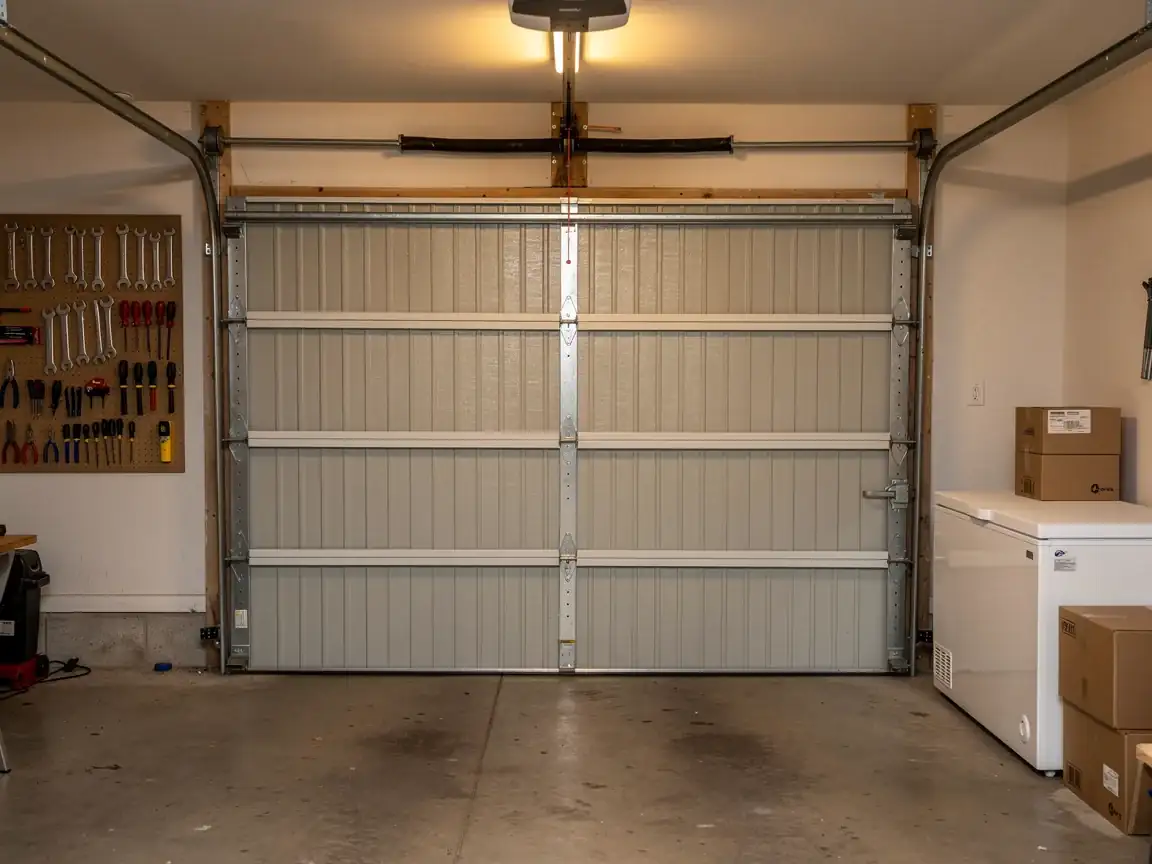
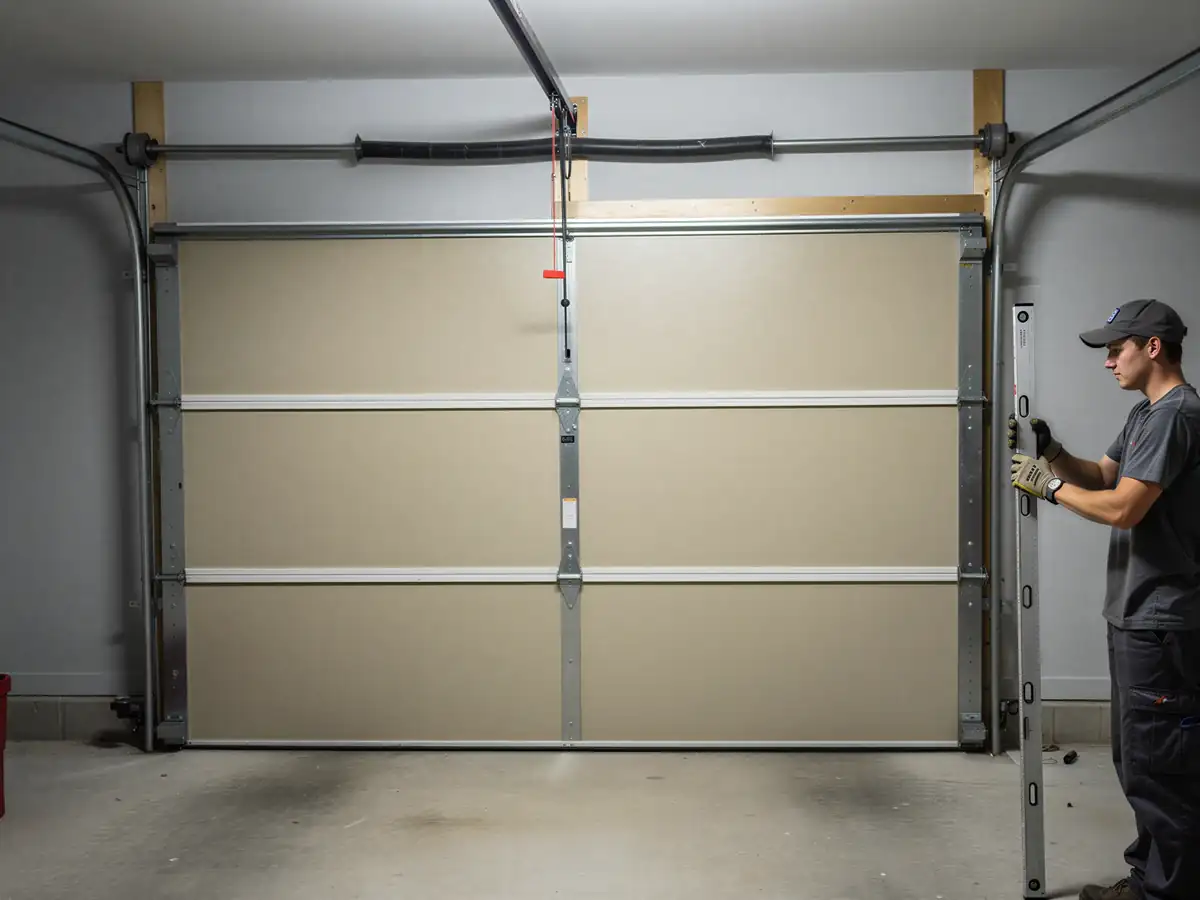
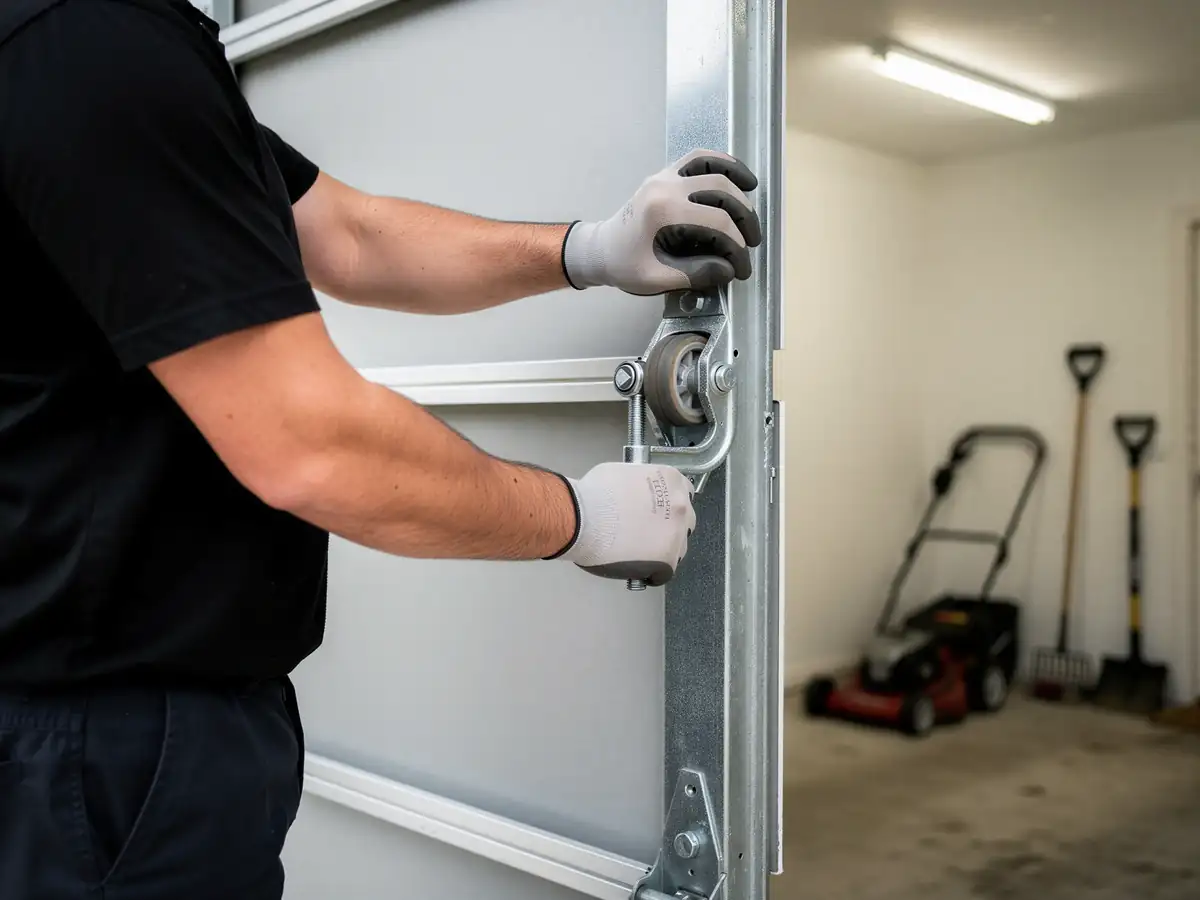
New installation starts with pulling the old door and checking the track, jambs, and header underneath - not just hanging a new panel on old bones. On a house built around 1981, we're usually dealing with wood jambs that have shifted slightly over the decades, so the track gets re-set and squared rather than reused as-is.
Spring sizing is calculated for the actual weight of the new door, not carried over from whatever was on there before. This is where a lot of installs go wrong elsewhere - a heavier insulated panel on an old spring set will work for a while and then fail hard, usually in the first cold snap. We size it once, correctly, at install.
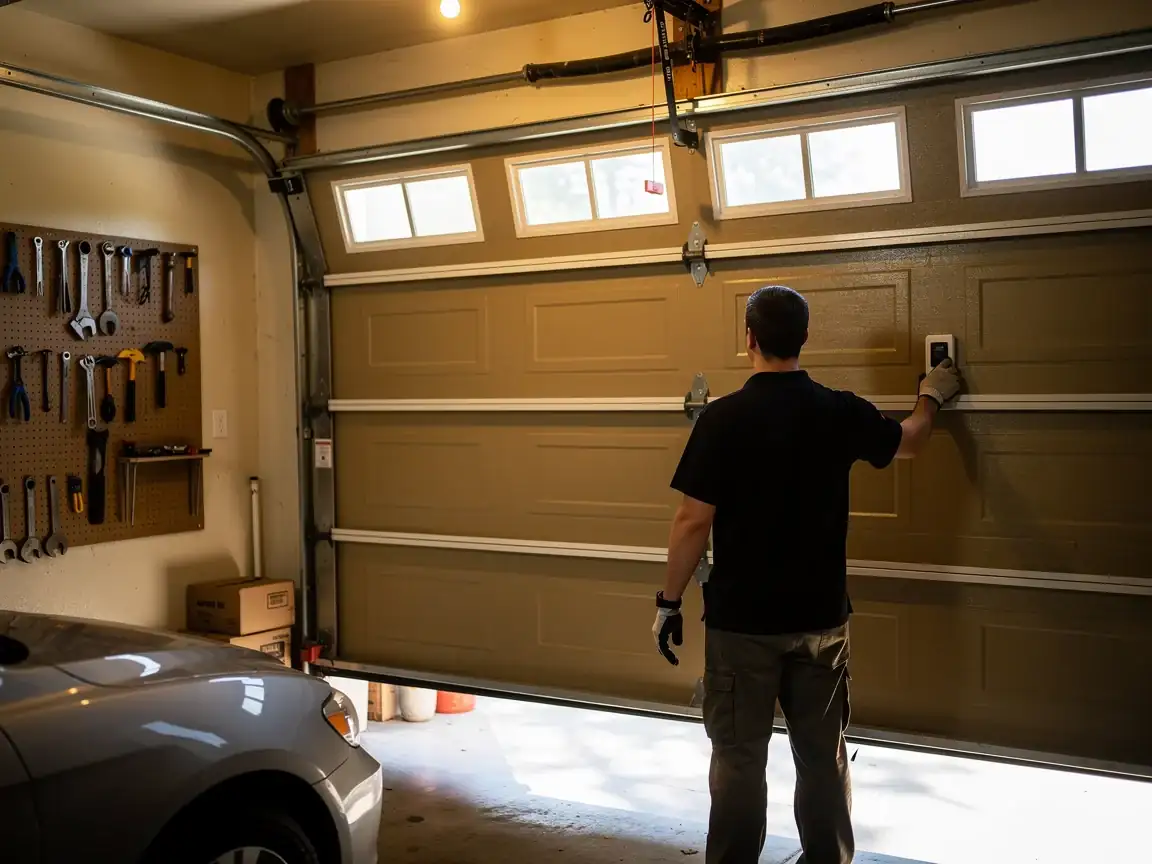
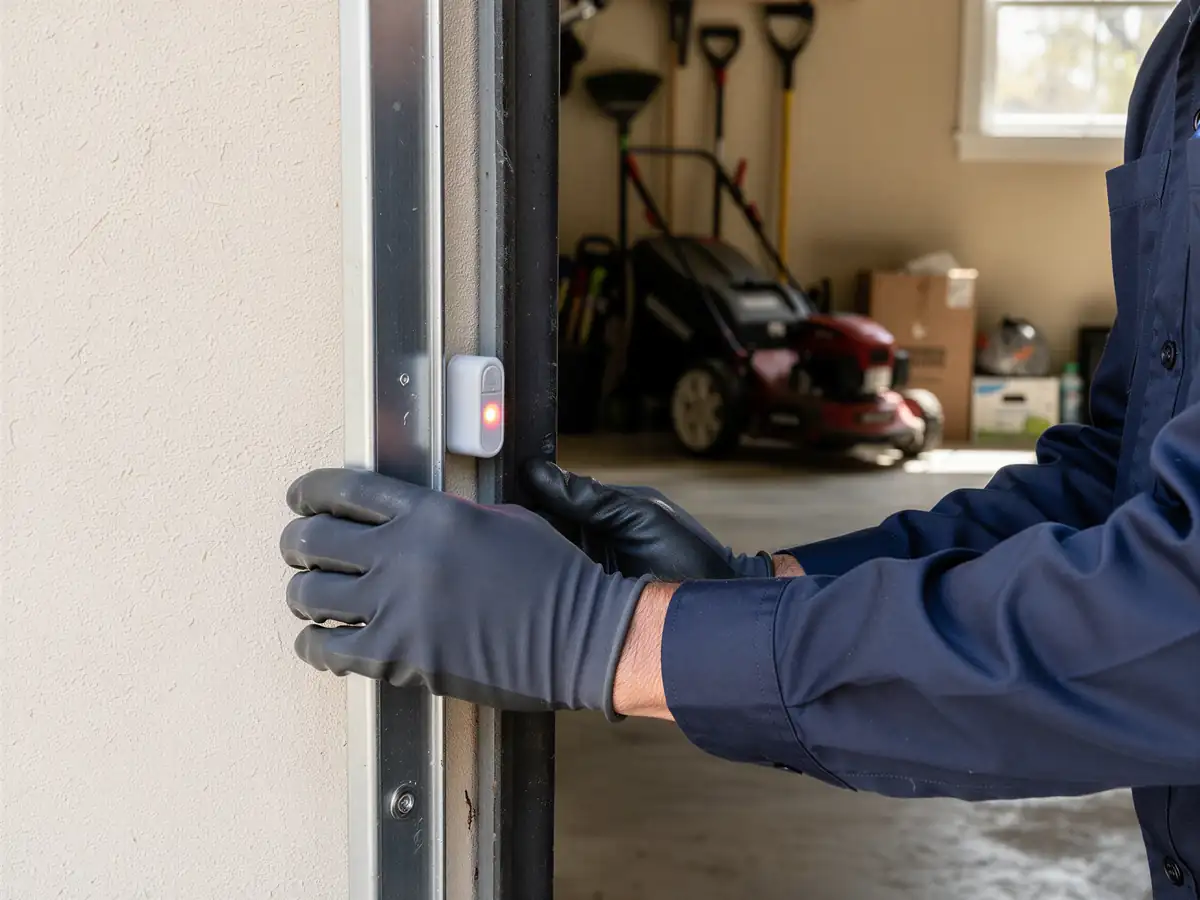
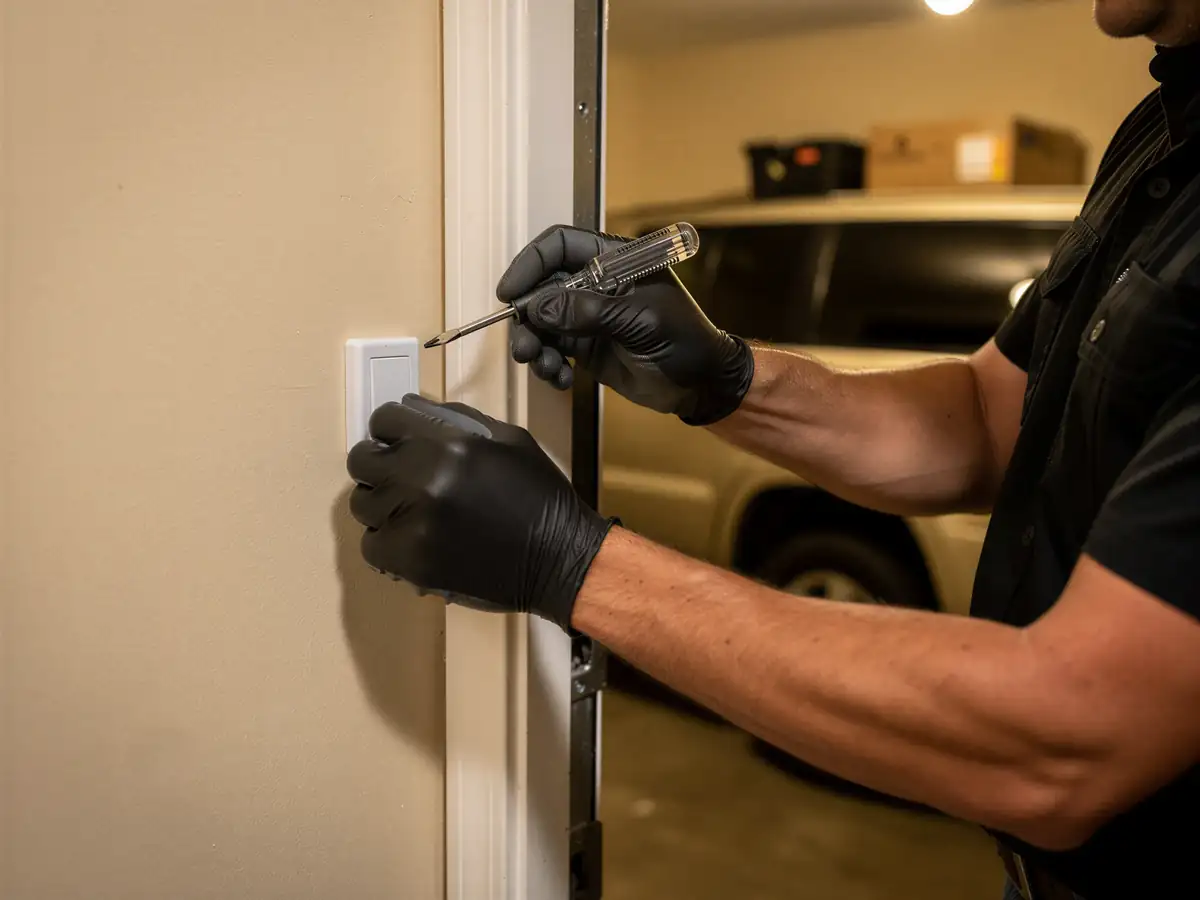
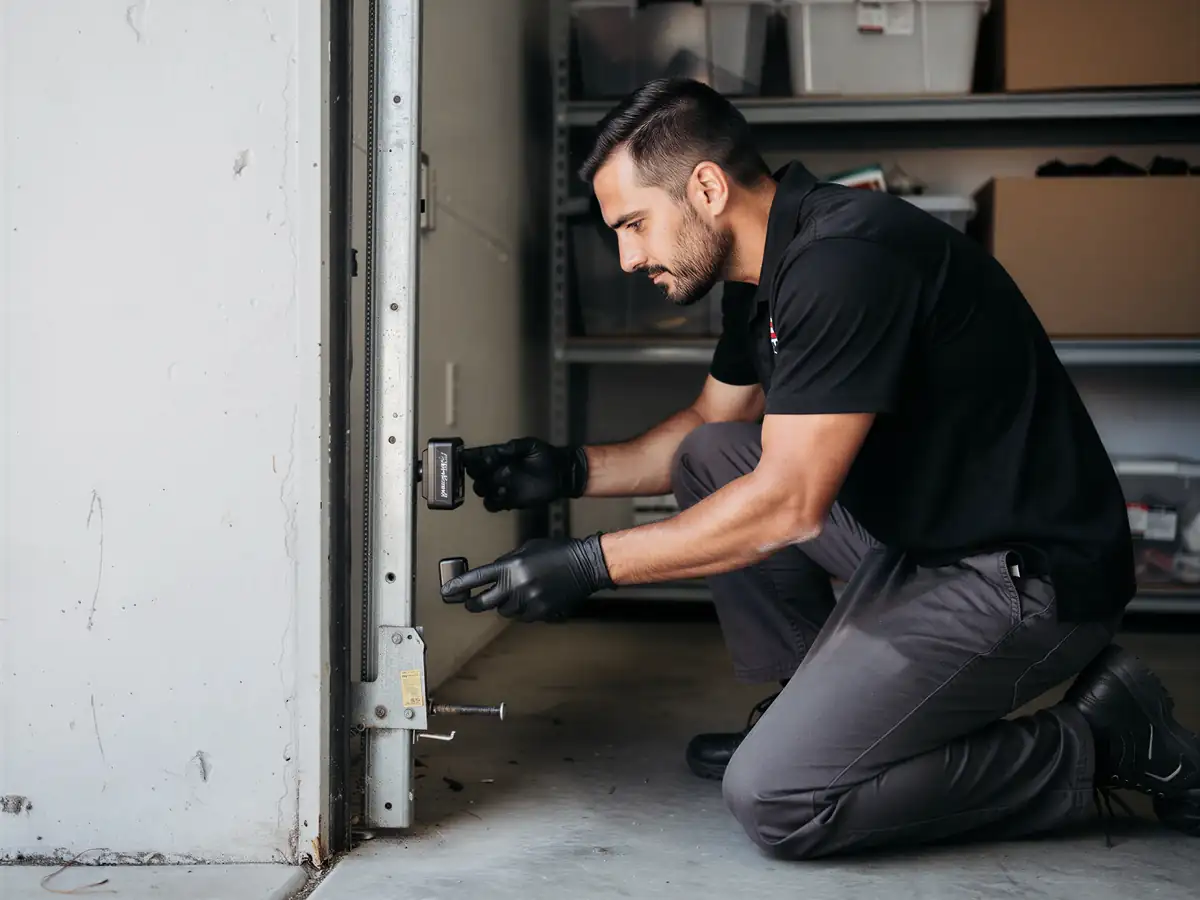
Once the door's hung, we balance it, set the opener's force and travel limits to match the new weight, and test the auto-reverse safety function before we call it done. None of that is optional - it's part of what makes an install an install and not just a door swap.
What Is on the Truck
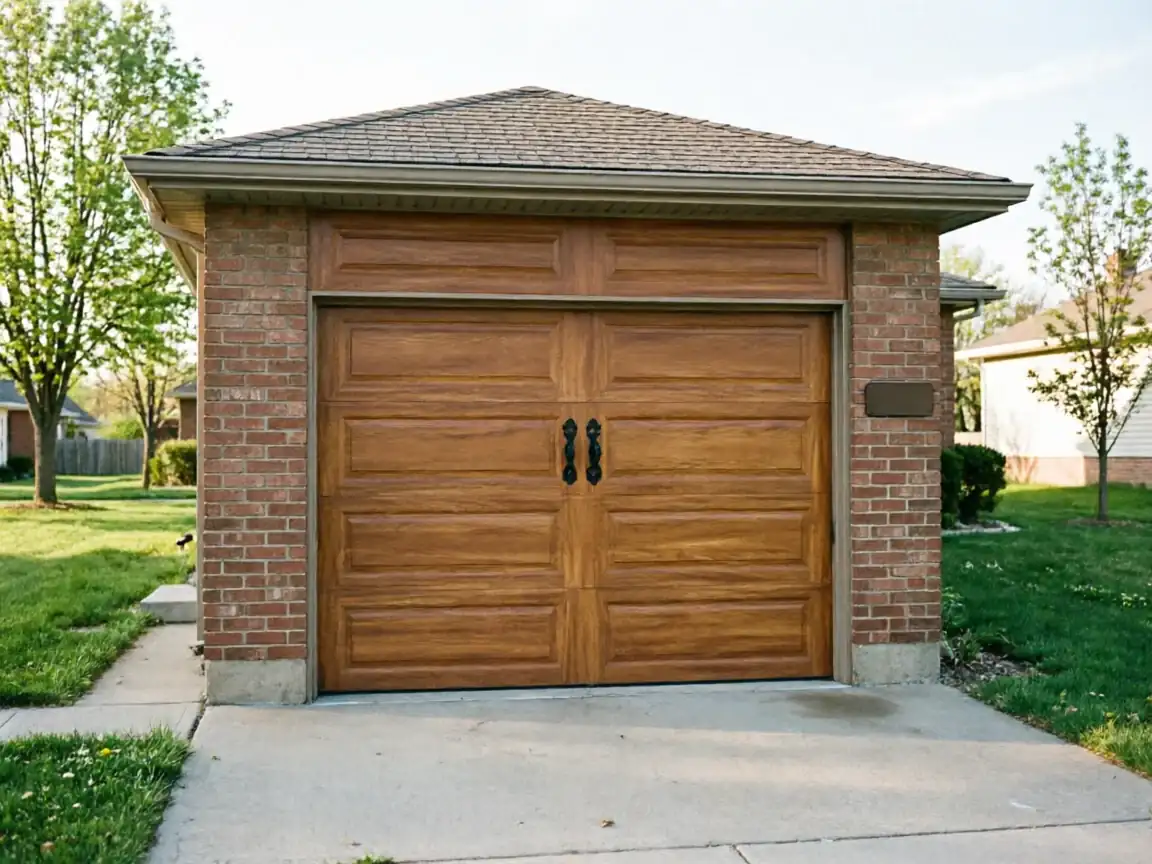
For a standard single or double opening we carry common door sizes
Torsion spring sets rated for a range of door weights, galvanized track sections, and the fasteners and jamb hardware needed to reset an opening that's moved slightly since 1981. We also stock weatherseal and bottom astragal built for the COLD severe climate band this area sits in, since a seal rated for a milder zone won't hold up through a Michigan winter.
What we don't carry on every truck is a wide run of custom sizes or specialty finishes
Those get ordered ahead once we've measured your opening, which is the honest limitation worth saying up front rather than discovering on install day.
The DIY Question
A garage door panel swap looks simple from the outside - take old one down, put new one up - but the spring system underneath is doing real work holding tension equal to the door's full weight. That part isn't a weekend project, and it's the single most common source of serious injury in this trade. Opener recalibration after a new door goes in is also easy to get wrong in a way that only shows up later, when the auto-reverse doesn't trigger the way it should.
If you're handling weatherstripping, trim, or cosmetic hardware, that's reasonable DIY territory. Spring tension, track alignment, and header work on an opening that's shifted over forty-plus years are not.
How It Shows Up
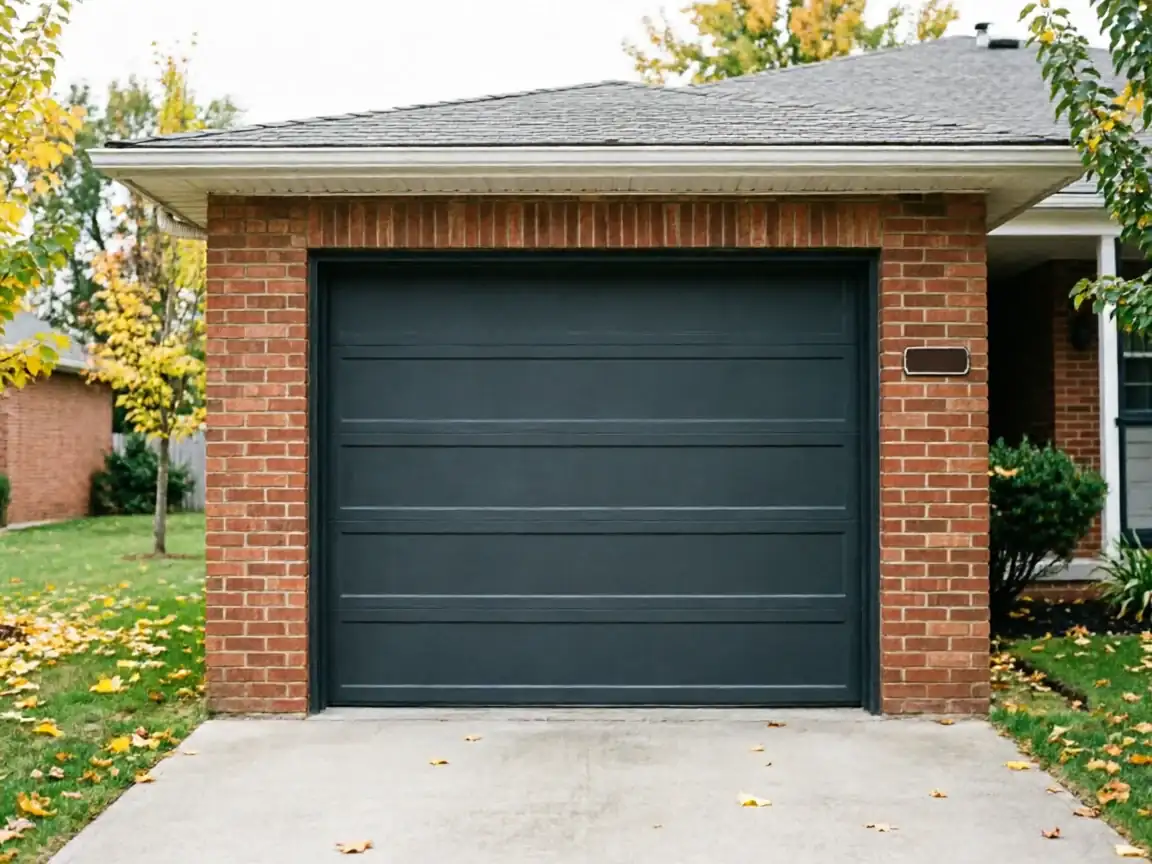
On a 1981-era Haslett garage, the signs that it's time for a new door instead of another repair tend to be the same handful: a bottom panel that's rusted or dented past the point of sealing, a door that sags visibly when open, or an opener straining audibly because the door's gotten heavier with moisture and age than the spring set was ever sized for. Daylight at the bottom seal in winter is a reliable tell, too - that's heat leaving an attached garage straight into a COLD severe climate.
Sometimes the honest answer is that a repair will hold for another season or two and a full replacement isn't worth paying for yet. We'll tell you that when it's true. When the door's original hardware is from the same build era as the house, though, a repair is usually just delaying the same conversation.